1. Overview
Marryatville Primary School is a public, co-educational primary school serving students from Reception to Year 7 in the Kensington Park area. The school embraces a close-knit, community-focused culture with a strong focus on literacy, numeracy and well-rounded learning. As a medium-sized government school, it offers a welcoming atmosphere where students are supported to grow academically, socially and physically.
- School type: Public
- School size: Medium
- Class size: Typically around 20–25 students
- Atmosphere/culture: Inclusive, nurturing, academically focused, and diverse
⸻
2. Academics & Learning
Marryatville Primary emphasises solid literacy and numeracy foundations while expanding learning across STEM, digital technologies and the arts. The curriculum supports inquiry-based and collaborative learning, with opportunities for students to explore leadership roles and personal interests.
- Academic strengths: Literacy and numeracy robust programs; STEM and digital technologies; arts and leadership opportunities
- Special programs: Gifted and Talented/extension opportunities; inquiry-based learning and project work
- NAPLAN / trends: Consistently strong across key domains with positive year-on-year trends in reading and numeracy
- Student-teacher ratios: Generally favorable, around 1:15 to 1:22 depending on year level
- Support for diverse learners: EAL/D support, inclusive education approaches, and targeted assistance for students with additional needs
⸻
3. Sports & Extracurricular Strengths
Aussie and UK families often look for balanced programs, and Marryatville Primary provides a broad range of activities beyond academics.
- Sports offered: Team and individual sports such as cricket, netball, soccer, basketball, Australian rules football, athletics
- Strong teams or achievements: Active participation in local and inter-school competitions; emphasis on teamwork and fair play
- Music, arts, drama programs: Music education, school performances and drama activities
- Clubs: Robotics, coding, chess, debating, and other student-led clubs
- Partnerships: Local community clubs and competitive opportunities through regional events
⸻
4. Wellbeing & Pastoral Care
Wellbeing is a central focus, with proactive approaches to creating a safe and supportive school environment.
- Anti-bullying approach: Clear anti-bullying policies, restorative practices, and student-led initiatives
- House system: House-based activities and events to foster belonging and healthy competition
- Counsellors / wellbeing officers: Access to school support staff for social and emotional wellbeing
- Transition support for new students: Buddy systems, orientation activities, and targeted transition programs
⸻
5. Facilities
The school’s facilities support a rich learning environment with spaces for collaboration, creativity and physical activity.
- Sports grounds: Adequate playing fields and courts
- Libraries: Well-stocked library with literacy programs
- Science labs: Accessible spaces for hands-on science and experiments
- Music/performing arts centers: Dedicated spaces for music, drama and performances
- Tech/innovation labs: Computer and technology-enabled learning spaces
- Cafeteria: On-site canteen or lunch facilities
- Updated playgrounds: Safe, modern outdoor play areas
⸻
6. School Values & Community Culture
Marryatville Primary aims to nurture responsible, respectful and engaged learners who contribute positively to their communities.
- School values / mission: Emphasis on respect, responsibility, resilience, collaboration
- Leadership style: Student voice and leadership opportunities alongside staff guidance
- Behaviour expectations: Positive behaviour framework with clear rules and consequences
- Community reputation: Family-oriented and supportive, with strong local involvement
- Diversity & inclusion: Welcoming to students from diverse backgrounds and abilities
⸻
7. School Logistics & Daily Operations
Practical day-to-day information helps families plan around school life.
- School hours: Typical day runs approximately 9:00 am–3:15 pm (with morning sessions and afternoon activities as scheduled)
- Before/after school care: OSHC options available through approved providers or school arrangements
- Uniform requirements: School uniform expected
- Transport: Local bus routes and public transport accessible; walking/cycling encouraged where possible
- Canteen availability: Canteen or snacks available during breaks
- Fees: Voluntary contributions and materials/services charges; overall low to moderate costs
⸻
8. Enrolment & Admissions
11. What is the enrolment process and timeline?
- Enrolments are handled through the Department for Education processes. Start by checking eligibility (catchment) and submitting the enrolment application within the advised timeline, typically in the year before entry. Include required documents (proof of identity and address, immunization records, identifiers for family, etc.). The school will confirm placement or next steps after submission.
12. Is there a waiting list, and how does it work?
- If the school is at capacity, a waiting list may apply. Priorities generally favour in-catchment applicants, with vacancies allocated as they become available. Applicants on the waiting list are contacted when a place opens.
13. Are there any entry requirements, tests, or interviews?
- For most primary-level enrolments, there are no entrance tests or interviews. Some schools may offer information sessions or tours as part of the process. Completion of required documentation and address verification is essential.
14. Does the school accept mid-year transfers?
- Mid-year transfers can be considered if places are available. Transfer requests are assessed by the school in collaboration with the Department for Education, and space permitting the child can join when appropriate arrangements are in place.
⸻
9. Frequently Asked Questions
- Why Parents Choose This School?
- A welcoming, inclusive environment with strong literacy and numeracy focus, engaging programs across academics, arts and sport, and a supportive staff team.
- What type of student thrives at this school?
- Curious, collaborative, respectful students who engage in a balanced program and take advantage of both academic and extracurricular opportunities.
- What opportunities are available for students to extend their skills (academics, sports, arts)?
- Extension programs and leadership opportunities; a range of sports teams; music and drama opportunities; clubs such as robotics, coding, chess and debating.
- How does the school communicate with parents?
- Regular newsletters, emails, phone updates, parent-teacher meetings and a school app/portal for important information and notices.
- What is the school’s approach to teaching and learning?
- A student-centered, inquiry-based approach that emphasises literacy, numeracy and digital learning, with opportunities for collaborative projects and real-world applications.
- How does the school support students who need extra academic help?
- Targeted small-group support, learning plans, EAL/D assistance, and additional SEN support where required.
- What support is available for academic challenges?
- Structured support programs, tailored interventions, and ongoing monitoring to help students progress.
- How does the school communicate with parents? (Repeated)
- See above: newsletters, emails, meetings, and a parent-facing app/portal.
- What are the class sizes and how much individual attention do students receive?
- Class sizes typically around 20–25 students, allowing for meaningful teacher-student interaction and differentiated instruction.
- What extracurricular and sports opportunities are available?
- A broad suite of sports, music and drama programs, and clubs such as robotics, coding, chess and debating.
- What facilities does the school offer (sports, science, arts)?
- Sports grounds, library, science labs, music/performing arts spaces, technology labs, canteen, and updated playgrounds.
- What is the school’s approach to technology and digital learning?
- Emphasis on digital literacy, integrated technology across the curriculum, and age-appropriate use of devices and software.
- What transport and accessibility options are available?
- Access to local bus routes and public transport; shared walking/cycling options; accessible entrances and facilities as required.
- What are the typical school fees or additional costs?
- Generally low to moderate costs through voluntary contributions and materials/charges, with additional costs for uniforms and activities as applicable.
⸻
10. Short Pros & Cons list
Pros
- Public, inclusive environment with a strong literacy/numeracy core
- Broad range of learning opportunities across STEM, arts and digital tech
- Supportive wellbeing programs and transition assistance for new students
- Active extracurricular scene (sports, music, clubs)
- Moderate class sizes enabling individual attention
- Welcoming, school-wide values and emphasis on community
Cons
- Enrolment demand can lead to waitlists or competition for spaces
- Uniform and additional activity costs can add up for families
- Transport options may vary by postcode; some families rely on walking or bus routes
- As a mid-sized school, some specialist programs may have limited capacity or require selective opportunities
⸻









 $545,000
Apartment / Unit / Flat
$545,000
Apartment / Unit / Flat
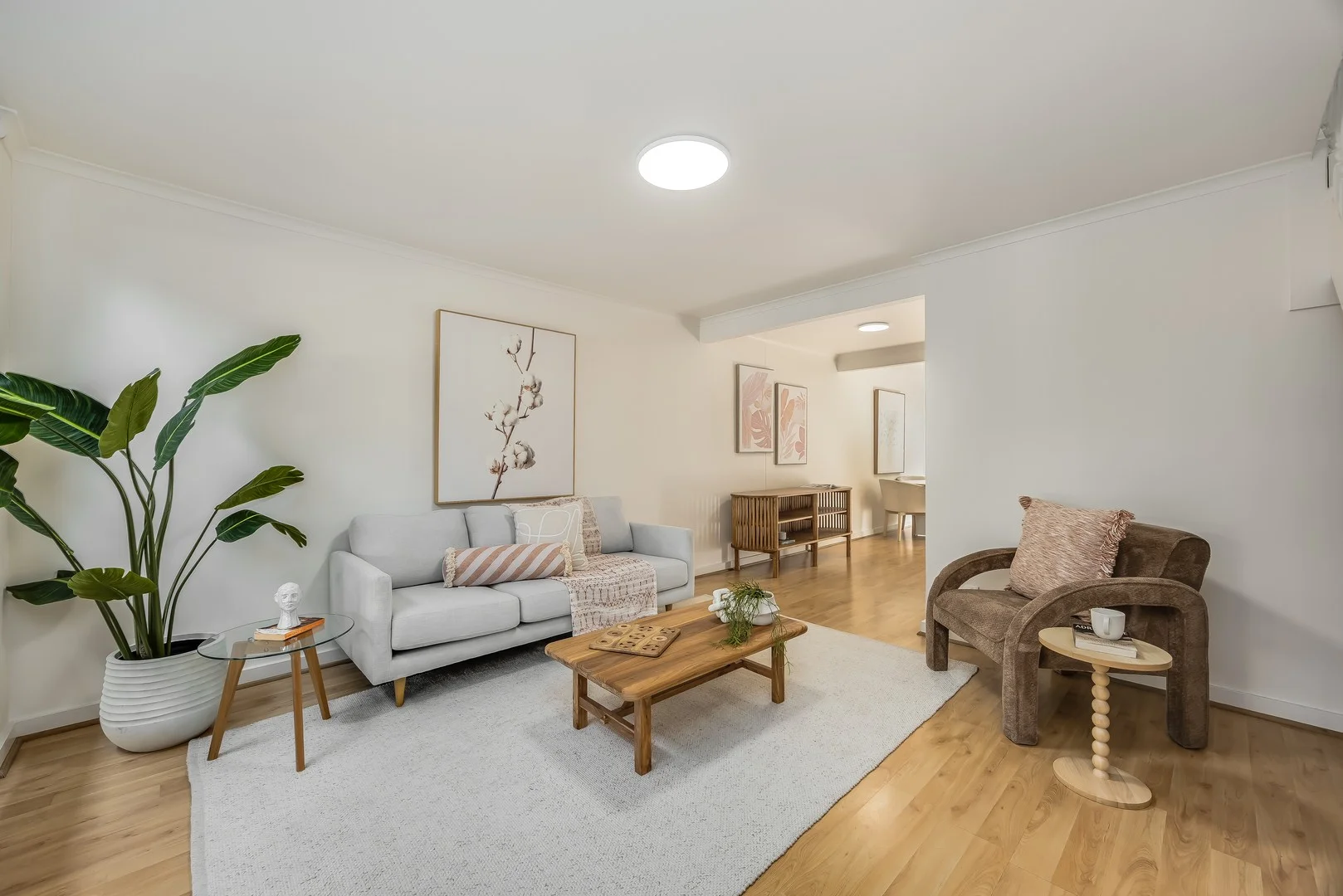 $775,000
House
$775,000
House
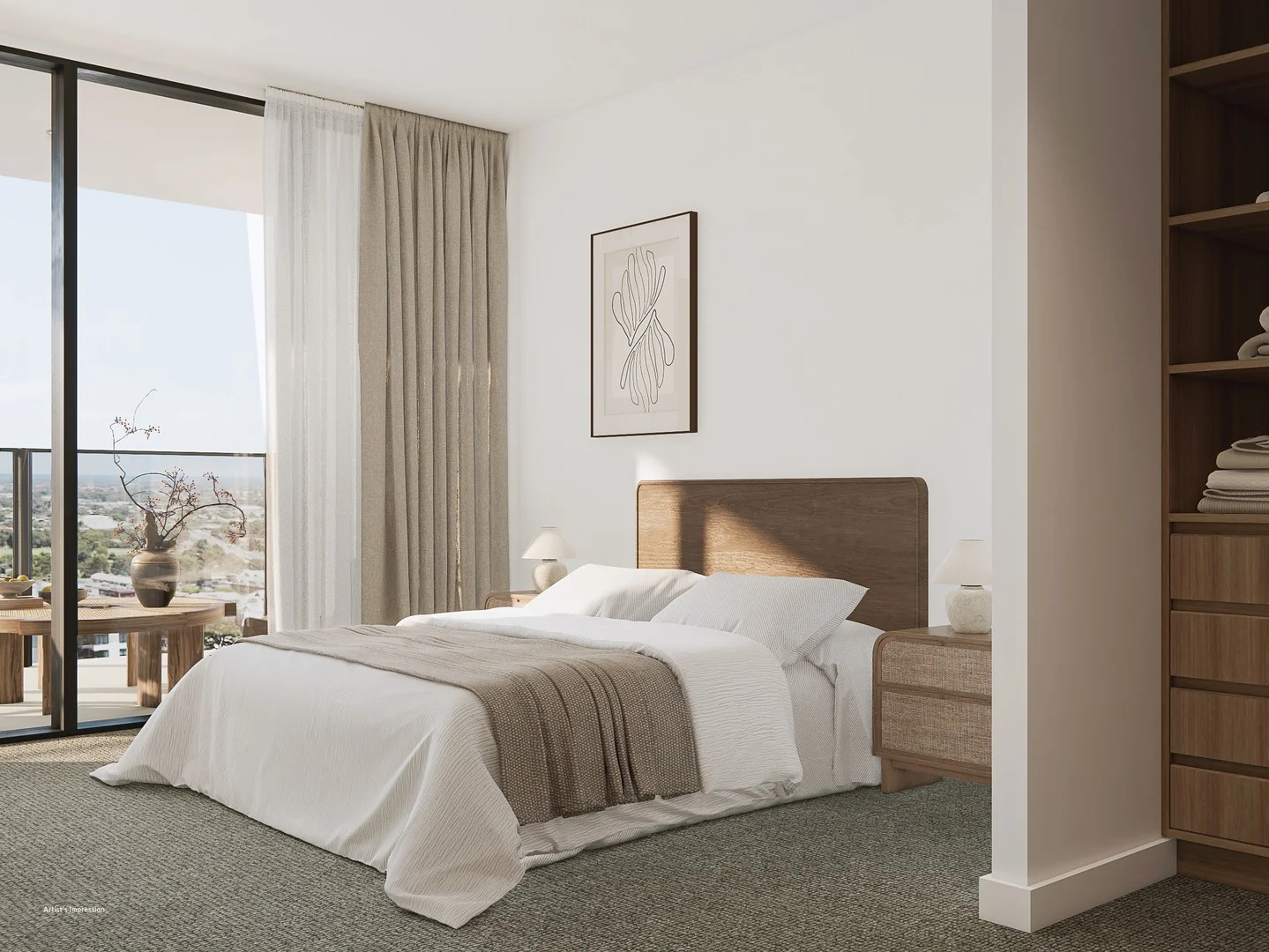 $935,000
Apartment / Unit / Flat
$935,000
Apartment / Unit / Flat
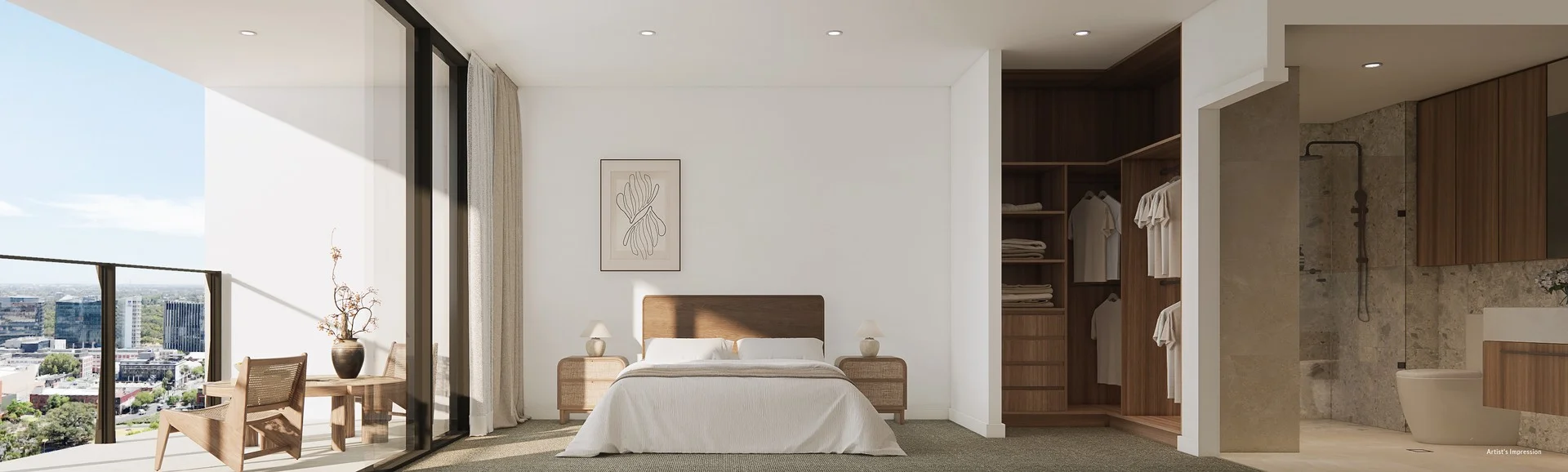 $1,056,000
Apartment / Unit / Flat
$1,056,000
Apartment / Unit / Flat
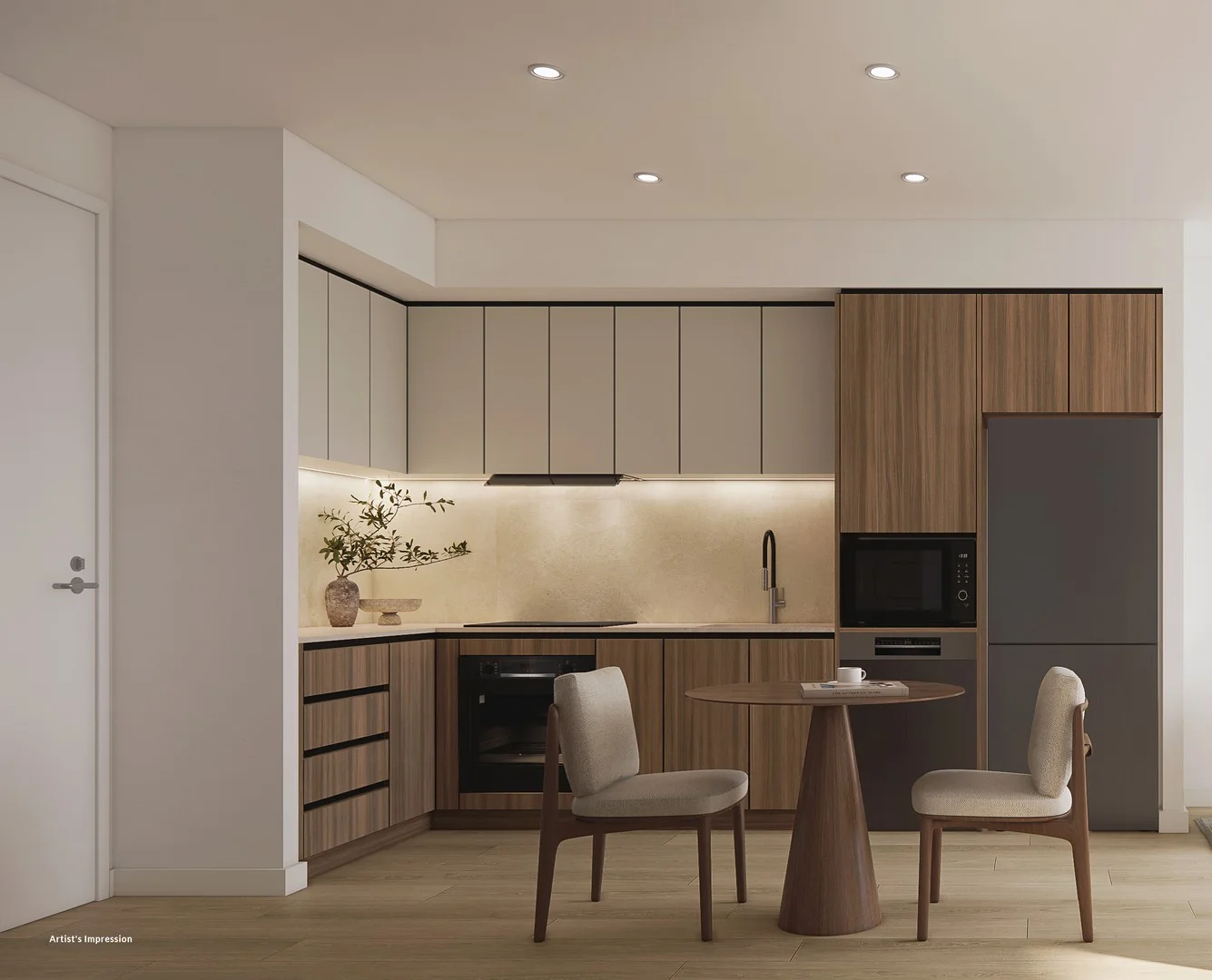 $557,000
Apartment / Unit / Flat
$557,000
Apartment / Unit / Flat
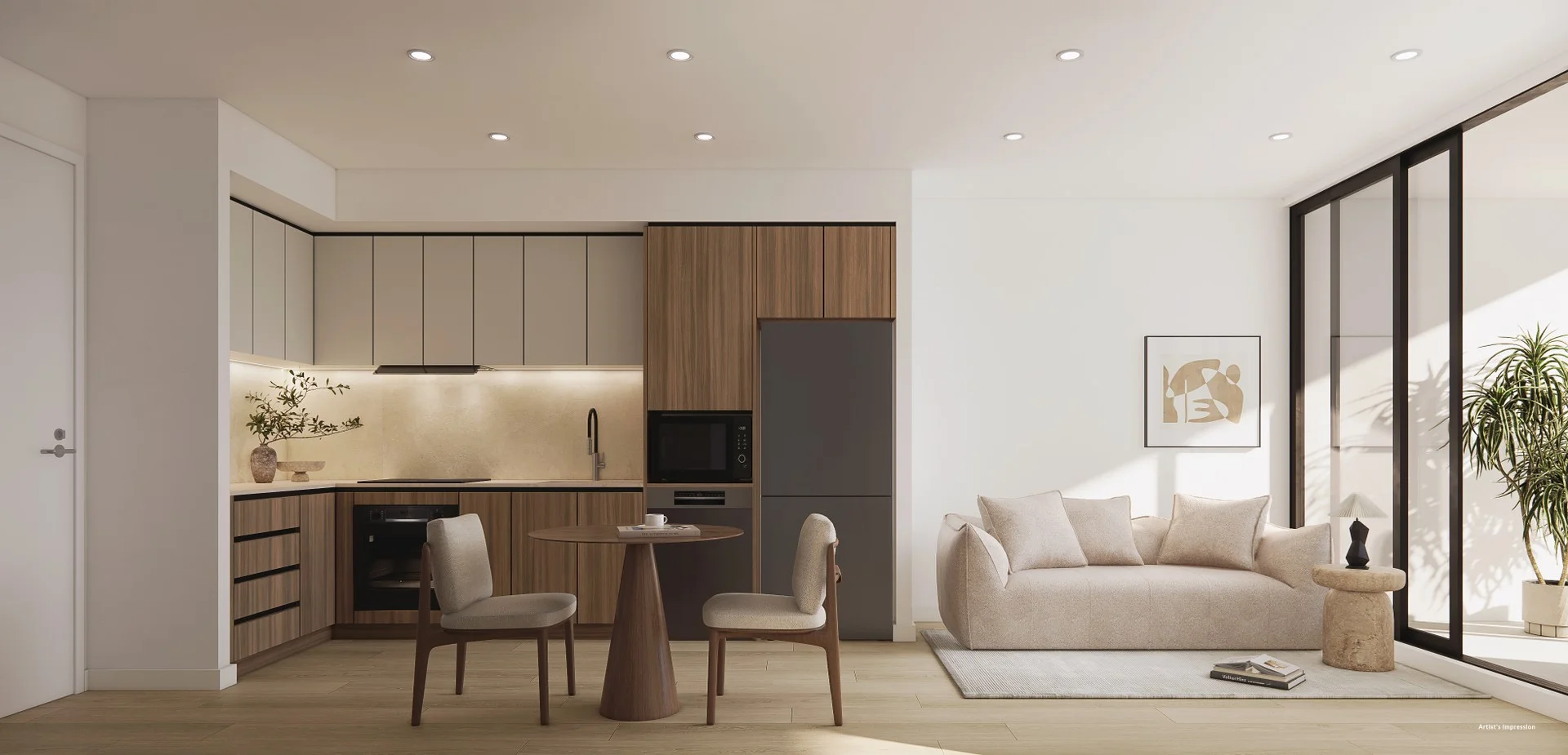 $588,000
Apartment / Unit / Flat
$588,000
Apartment / Unit / Flat
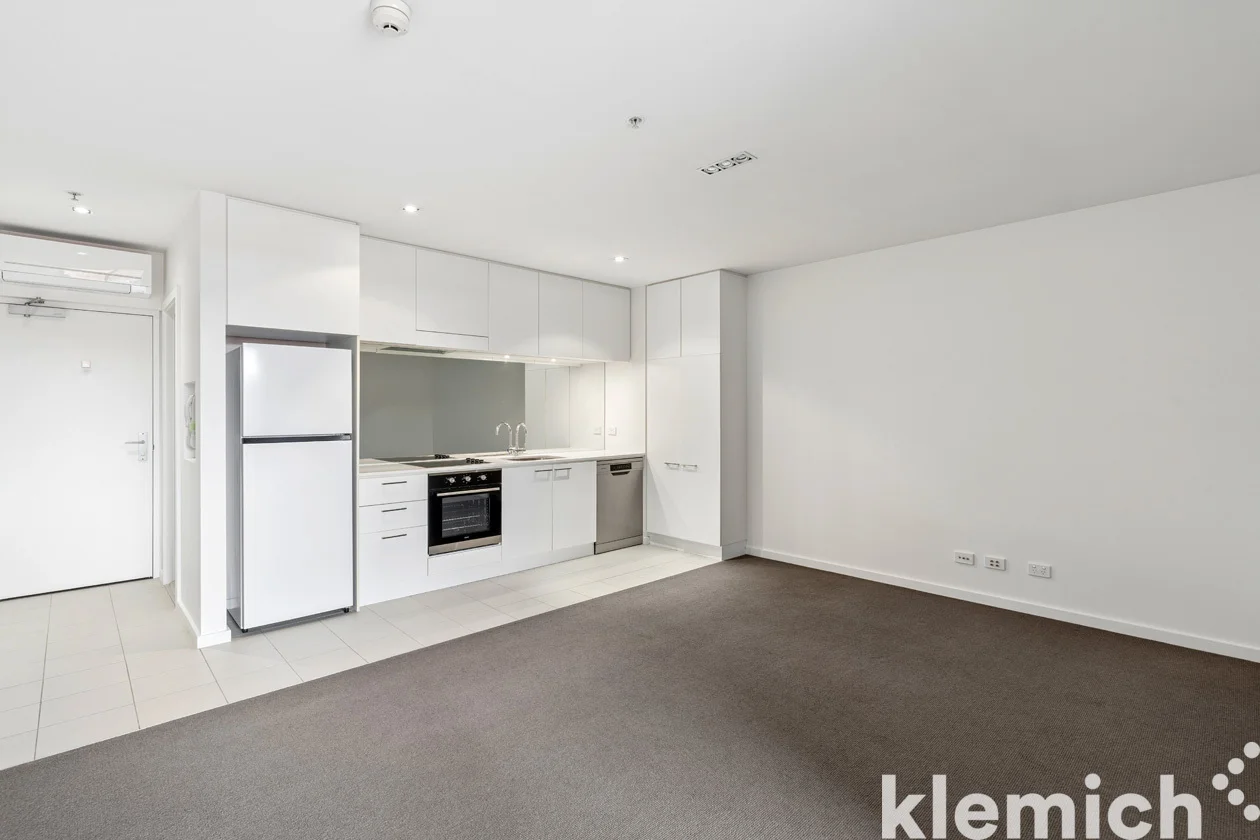 $440,000
Apartment / Unit / Flat
$440,000
Apartment / Unit / Flat
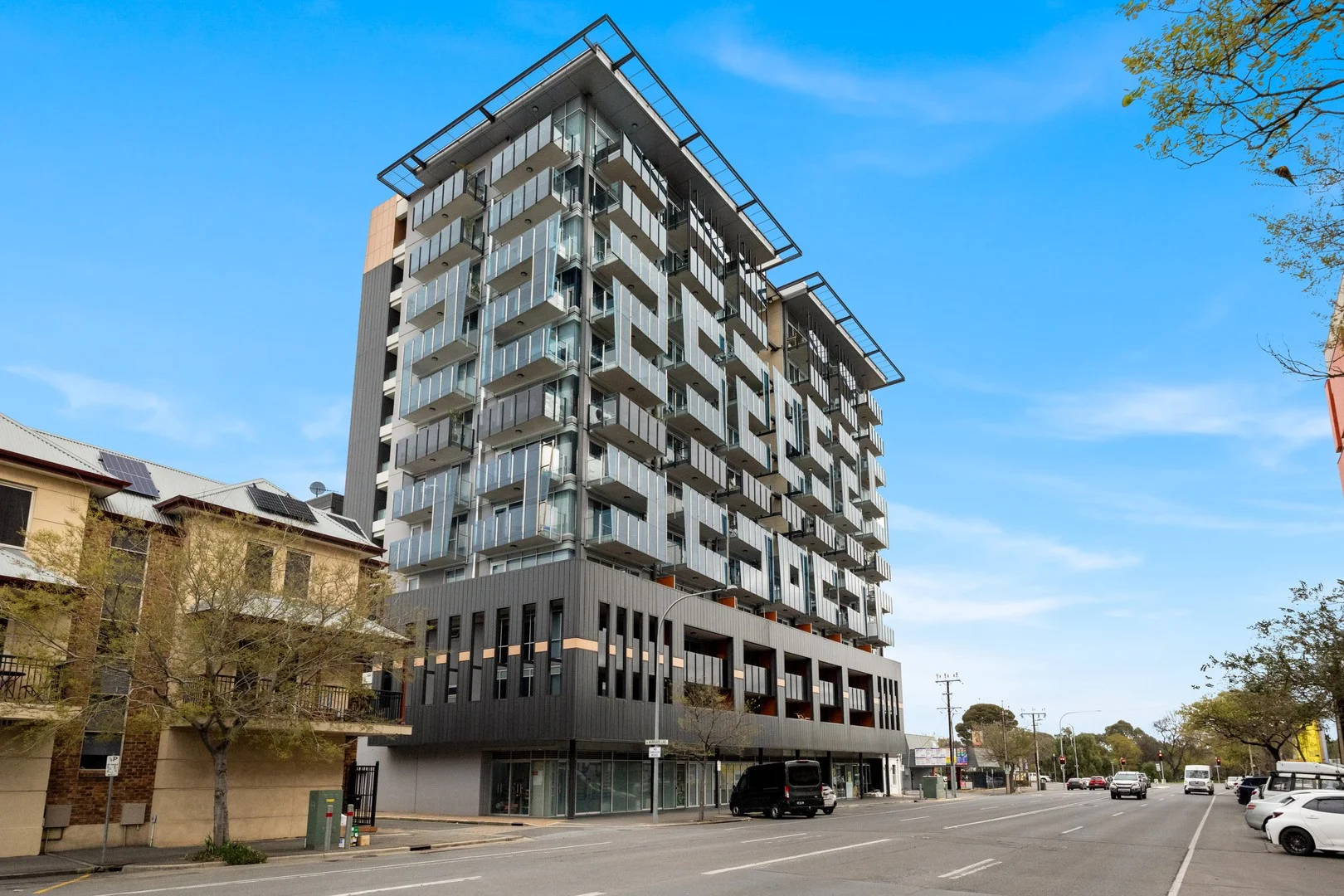 $1,100,000
Apartment / Unit / Flat
$1,100,000
Apartment / Unit / Flat