1. Overview
Melbourne Girls Grammar VICSouth is an independent, girls‑only day school with Anglican roots that offers a broad, holistic education for students from primary through to the senior years. The school is medium‑sized for Melbourne’s private‑school sector, fostering a strong sense of community while providing extensive academic and co‑curricular opportunities.
Typical class sizes are small to medium, helping teachers give individual attention and support. The atmosphere is nurturing and inclusive, with an emphasis on academic excellence, leadership development, and a balanced approach to sport, arts, and wellbeing.
⸻
2. Academics & Learning
MGGSVICSouth tends to emphasise solid academic foundations with particular strengths in English and STEM, alongside languages and the arts. The school supports leadership development and offers opportunities for extended or accelerated learning where appropriate.
Special programs may include pathways for gifted and talented students and differentiated learning options to suit varied abilities. NAPLAN trends from participating year levels usually show positive progress over time, reflecting evolving teaching practices and student support. Student‑teacher ratios are kept intentionally low to support personalised feedback and progress tracking. The school also provides targeted support for diverse learners, including EAL (English as an Additional Language) and SEN (Special Educational Needs) programs.
⸻
3. Sports & Extracurricular Strengths
Sports offered typically cover a broad spectrum common to Melbourne independent girls’ schools, including netball, hockey, basketball, tennis, swimming, athletics, cross‑country, and cricket. The school supports strong inter‑school teams and aims for achievements across premierships and representative pathways.
Music, drama and the broader performing arts are well developed, with ensembles, productions and regular public performances. A wide range of clubs—robotics, chess, coding, debating, and other student‑led initiatives—complement the formal curriculum. The school often participates in local inter‑school competitions and forms partnerships with local arts and sports academies to expand opportunities.
⸻
4. Wellbeing & Pastoral Care
The wellbeing framework prioritises a proactive anti‑bullying approach, clear policies, and ongoing education around respectful behaviour. A house system supports belonging and healthy peer relationships across year groups.
Counsellors or wellbeing officers are available to students, with routines for wellbeing checks and confidential support. Transition programs help new students settle in, including orientation activities, buddy systems and targeted supports to ease the move into a new school environment.
⸻
5. Facilities
- Sports grounds and courts for both team and recreational use
- Libraries with print and digital resources
- Science laboratories for hands‑on experiments
- Music and performing arts centers for ensembles and productions
- Tech/innovation labs supporting coding, robotics, and design thinking
- On‑site cafeteria offering healthy meal options
- Updated and age‑appropriate playgrounds and outdoor spaces
The facilities are designed to be visually engaging and easy to navigate, supporting a range of learning styles and activities.
⸻
6. School Values & Community Culture
MGGSVICSouth upholds values aligned with integrity, respect, and service, with a focus on developing girls who lead with courage and compassion. Leadership is encouraged through student councils, prefect roles, and many collaborative projects that promote initiative and responsibility.
Behaviour expectations emphasise positive conduct, mutual respect, and a supportive school climate. The community has a reputation for being welcoming and engaged, with strong parent involvement and networks that enhance student opportunities. Diversity and inclusion are actively pursued through representative programs, student support groups, and inclusive learning practices.
⸻
7. School Logistics & Daily Operations
- School hours typically run from around 8:30 am to 3:30 pm, with some wrap‑around care options available.
- Before/after school care is usually offered on site for families needing additional supervision.
- Uniform requirements include a full school uniform (with seasonal variations) and a separate sports uniform for PE and activities.
- Transport options include access to public transport routes (train/bus) and school‑facilitated arrangements or recommendations for families.
- Canteen services provide daily meal options with a focus on nutritious choices.
- Fees for Melbourne independent schools are generally in the upper‑mid to high range; exact figures vary by year level and program.
⸻
8. Enrolment & Admissions
11. What is the enrolment process and timeline?
- Online application or expression of interest, followed by supporting documents (transcripts, reports, references).
- An interview and/or assessment process is typically part of the admissions pathway, along with any relevant auditions or portfolio reviews for arts programs.
- Offers are issued based on vacancy availability and meeting entry criteria, with timelines varying by intake year level.
12. Is there a waiting list, and how does it work?
- There is often a waiting list for popular year levels or groups. Placement typically considers application date, year level needs, and sibling priority where applicable.
13. Are there any entry requirements, tests, or interviews?
- Entry generally requires an interview and may include assessments relevant to the student’s age and program (e.g., literacy/numeracy tasks, language assessments, or arts auditions).
14. Does the school accept mid-year transfers?
- Mid‑year transfers are considered when vacancies exist and the school can accommodate the student’s program requirements. An assessment and transition plan may be part of the process.
⸻
9. Frequently Asked Questions
- Why Parents Choose This School?
- A supportive, girls‑focused environment with strong academics, wide co‑curricular options, and a community feel that helps students grow confidence and leadership.
- What type of student thrives at this school?
- Curious, motivated students who engage in classroom learning and enjoy participating in sports, arts and clubs; students who value collaboration and personal growth.
- What opportunities are available for students to extend their skills (academics, sports, arts)?
- Extension or accelerated options in academics, leadership roles, performing arts, robotics, debate, and inter‑school competitions across sports and arts.
- How does the school communicate with parents?
- Via newsletters, a parent portal/app, emails, and regular parent–teacher interviews; alerts for important updates.
- What is the school’s approach to teaching and learning?
- Student‑centred and inquiry‑based learning with differentiation to meet diverse needs; integration of technology and real‑world projects.
- How does the school support students who need extra academic help?
- Targeted learning support, EAL and SEN services, tutoring or remediation programs, and ongoing progress reviews with teachers.
- What support is available for academic challenges?
- Individual or small‑group support plans, study skills coaching, and collaboration between parents, teachers and support staff to monitor progress.
- What are the class sizes and how much individual attention do students receive?
- Class sizes are typically small to medium (roughly 18–22 students in many year levels), with a low overall student‑teacher ratio to facilitate individual attention and feedback.
- What extracurricular and sports opportunities are available?
- A wide range of sports (netball, hockey, basketball, tennis, swimming, athletics, cross‑country, etc.) plus clubs in robotics, chess, coding, debating, and strong performing arts programs.
- What facilities does the school offer (sports, science, arts)?
- Modern sports facilities, science labs, libraries, performing arts centers, tech/innovation labs, and on‑site canteen.
- What is the school’s approach to technology and digital learning?
- Integrated digital learning across the curriculum, with focus on digital literacy, safe online practices, and access to online resources and collaboration tools.
- What transport and accessibility options are available?
- Access to public transport routes and shuttle or guidance for families; information on campus access and parking as relevant.
- What are the typical school fees or additional costs?
- Fees are in the upper‑mid to high range for Melbourne private schools; additional costs may apply for certain activities, camps, and optional programs.
⸻
10. Short Pros & Cons list
Pros
- Strong academic culture with breadth across STEM, English, languages, and the arts
- Supportive, girls‑focused environment with clear wellbeing and pastoral care
- Wide range of co‑curriculars (sports, music, drama, robotics, debating)
- Small to medium class sizes and good student–teacher ratios
- Robust facilities and campus resources
- Active emphasis on diversity, inclusion, and community values
Cons
- Higher fee level relative to many state schools and some private peers
- Busy timetable possible for students involved in multiple activities
- Popular year levels may have wait lists or competitive entry processes
- Availability of certain specialist programs may vary by intake year level
⸻

 $57+
$57+










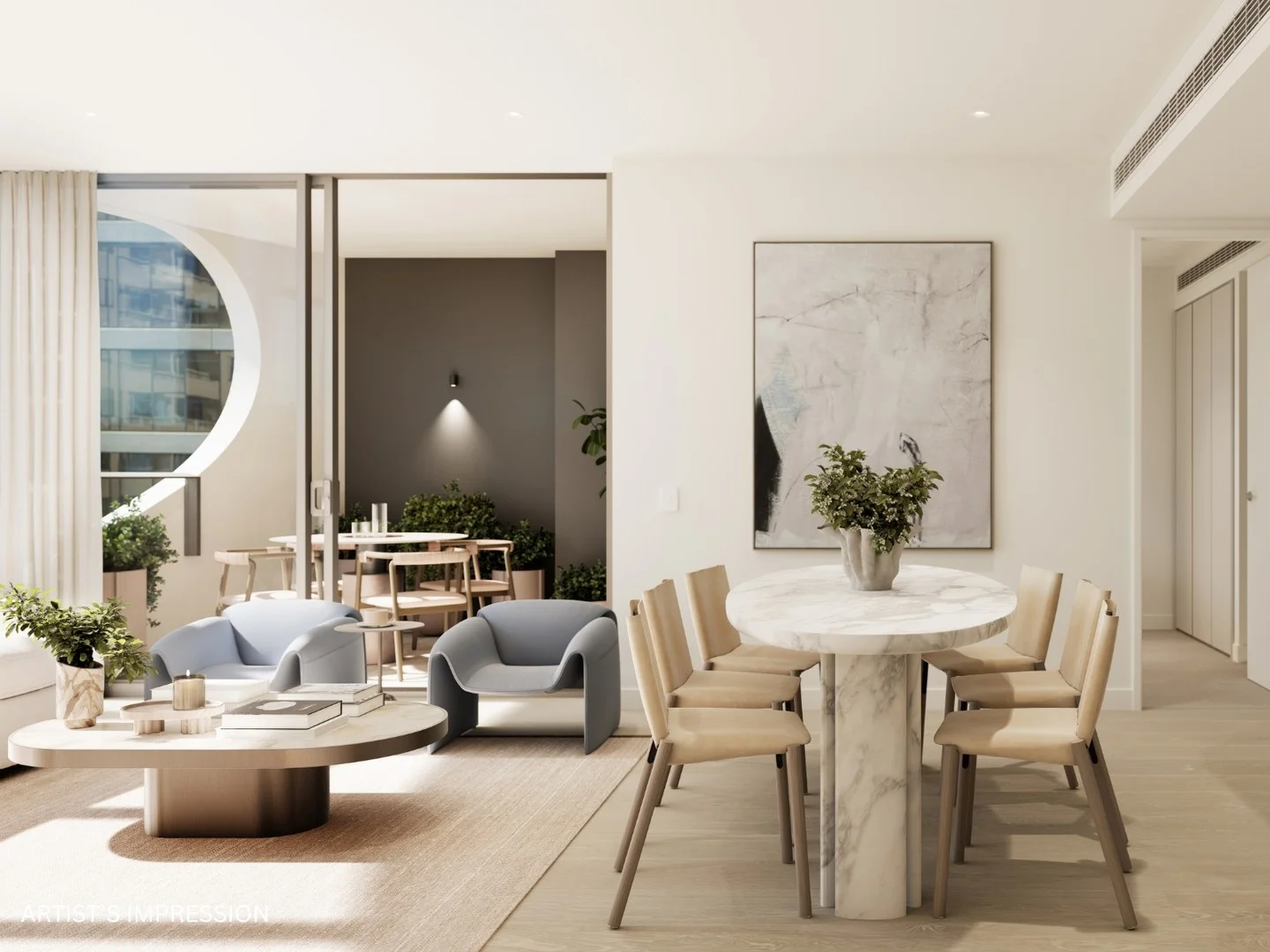 $1,640,000
Apartment / Unit / Flat
$1,640,000
Apartment / Unit / Flat
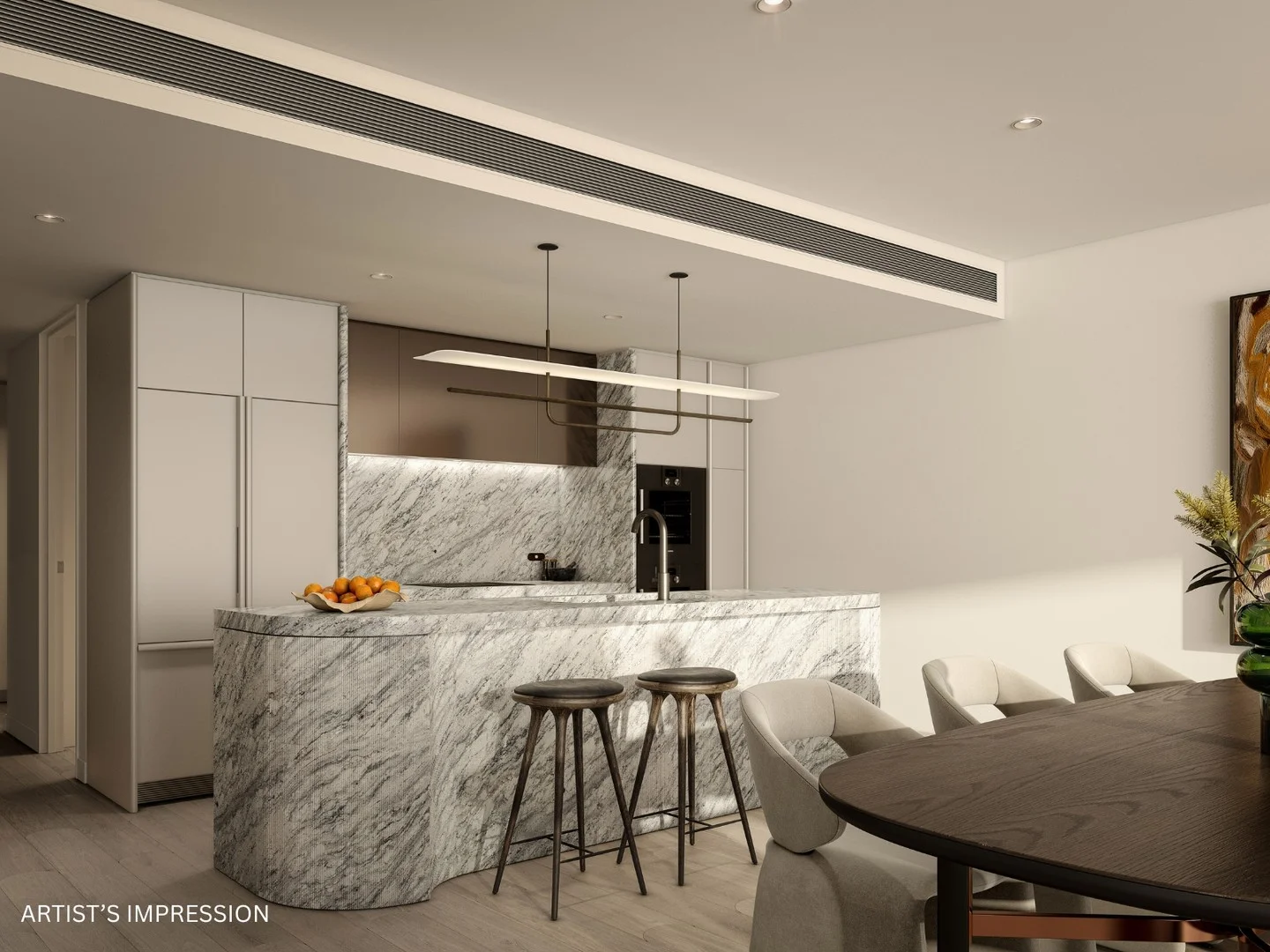 $2,900,000
Apartment / Unit / Flat
$2,900,000
Apartment / Unit / Flat
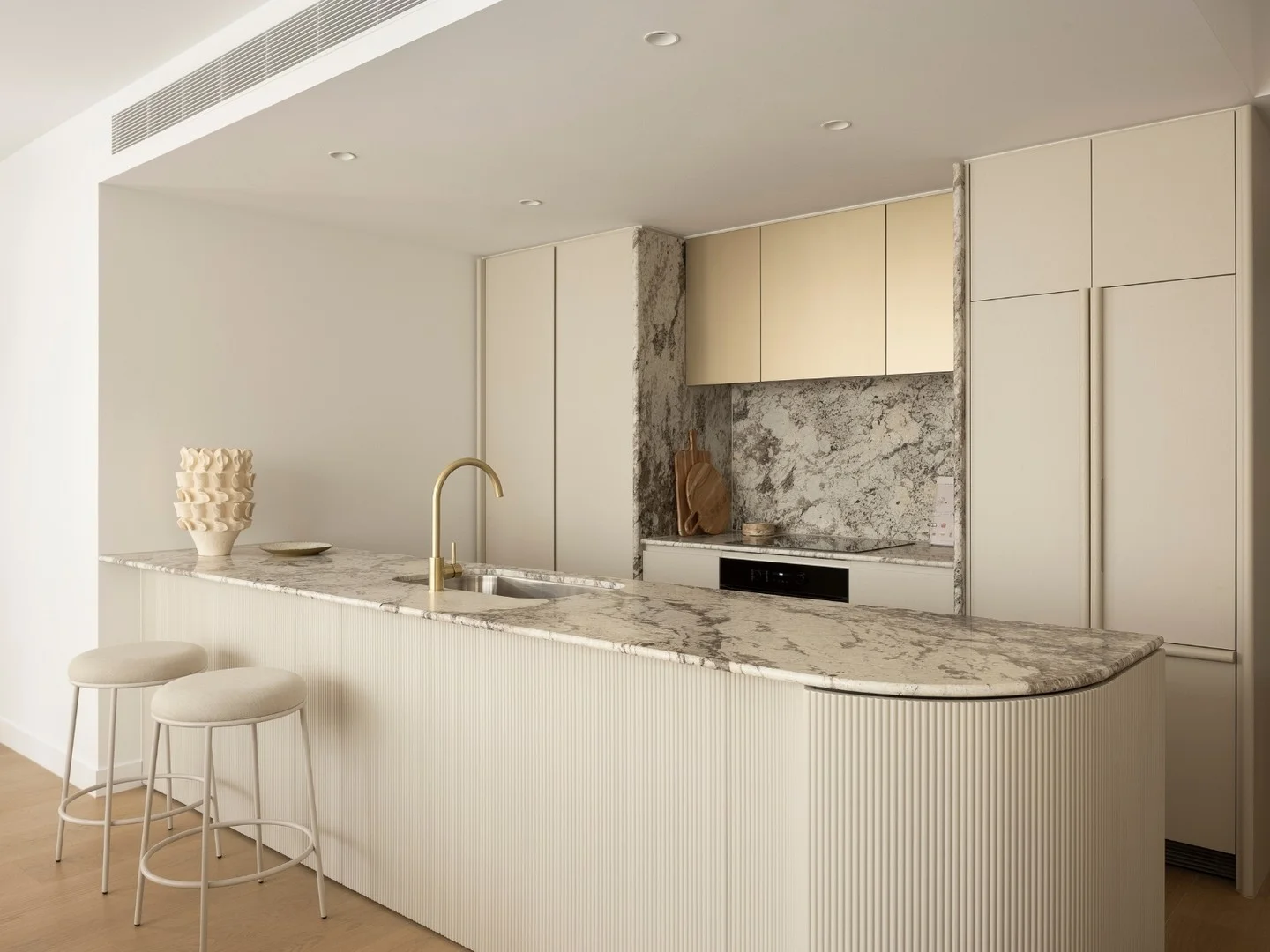 $1,345,000
Apartment / Unit / Flat
$1,345,000
Apartment / Unit / Flat
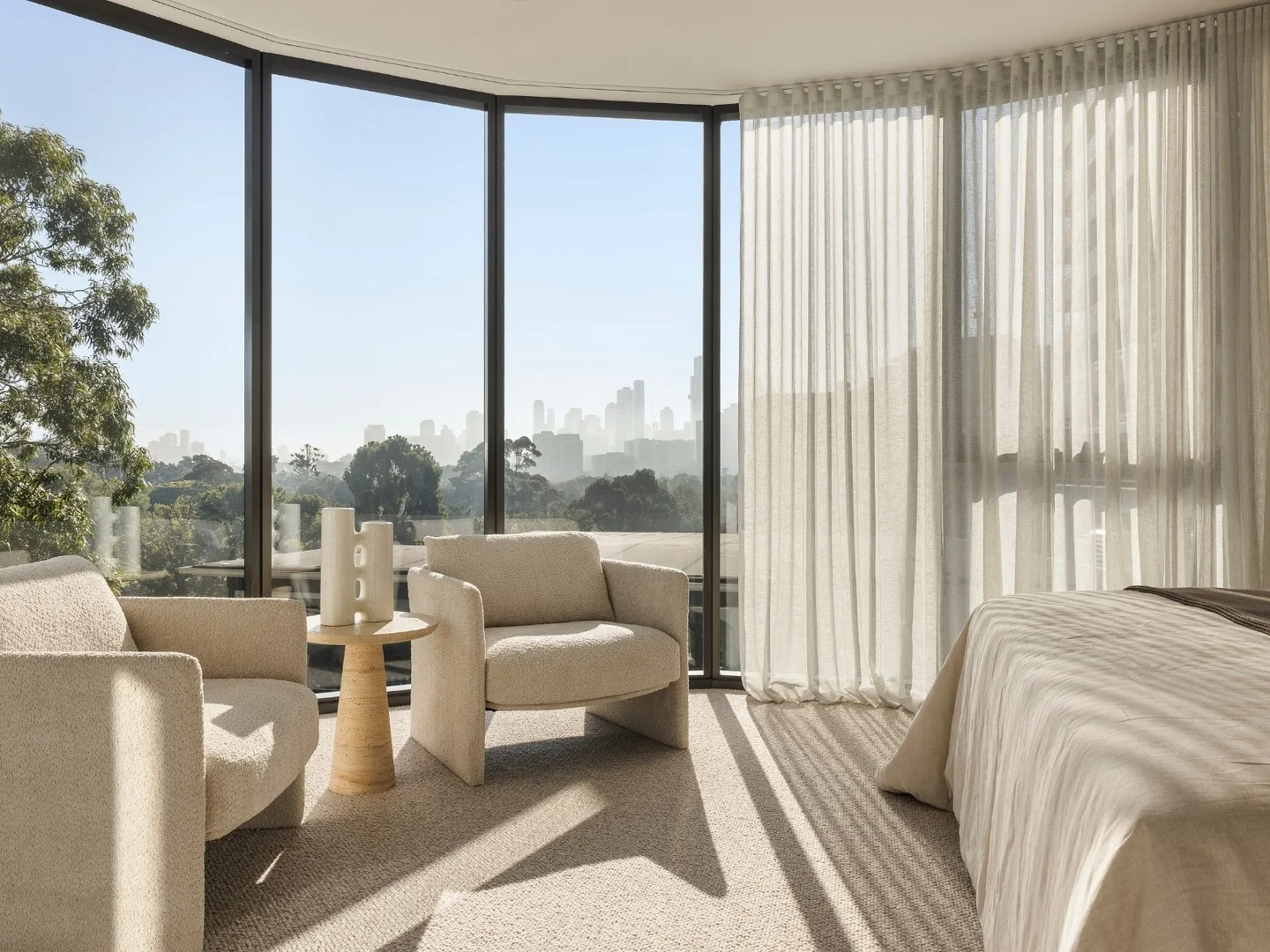 $2,750,000
Apartment / Unit / Flat
$2,750,000
Apartment / Unit / Flat
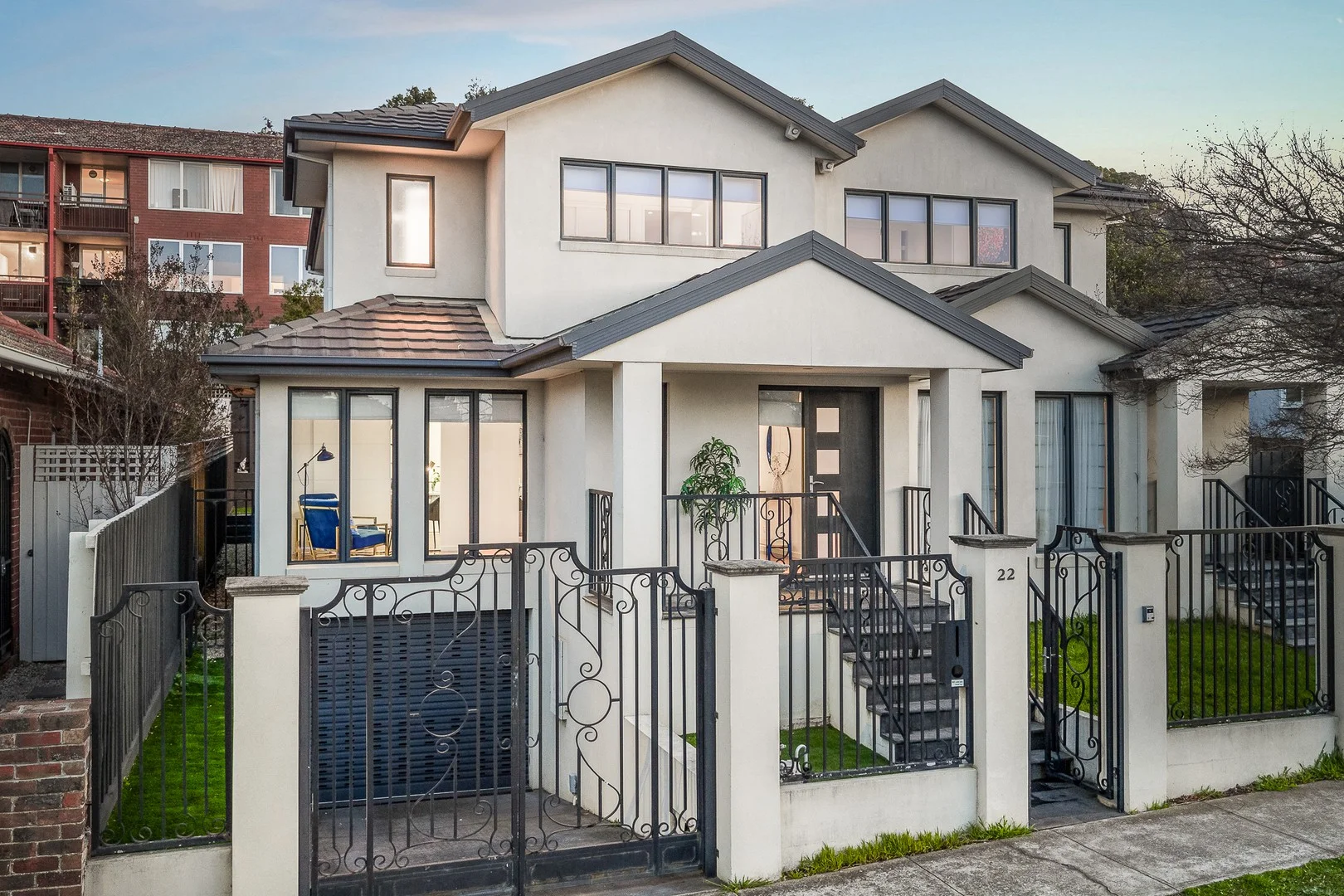 $2,100,000
Townhouse
$2,100,000
Townhouse
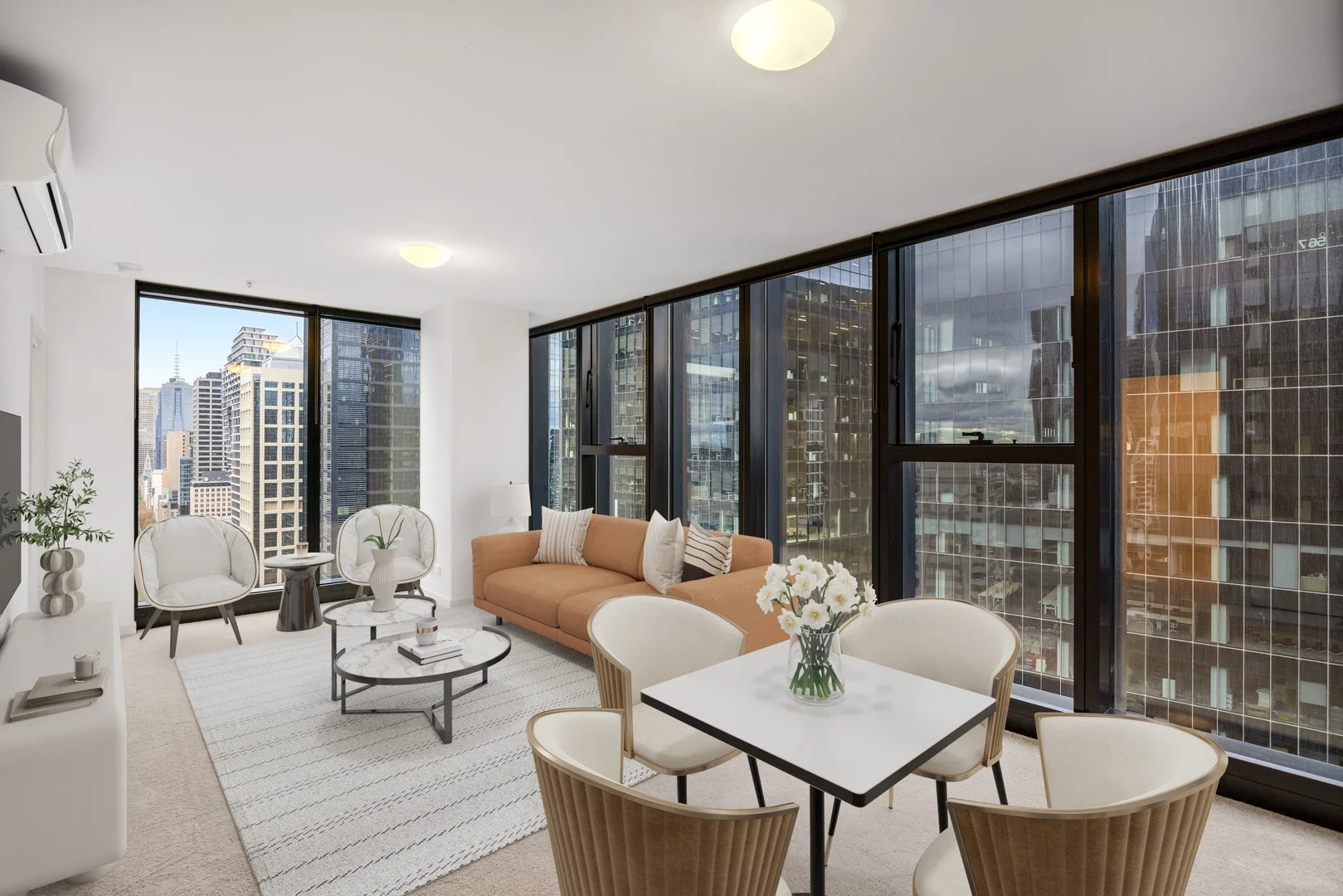 $480,000 - $520,000
Apartment / Unit / Flat
$480,000 - $520,000
Apartment / Unit / Flat
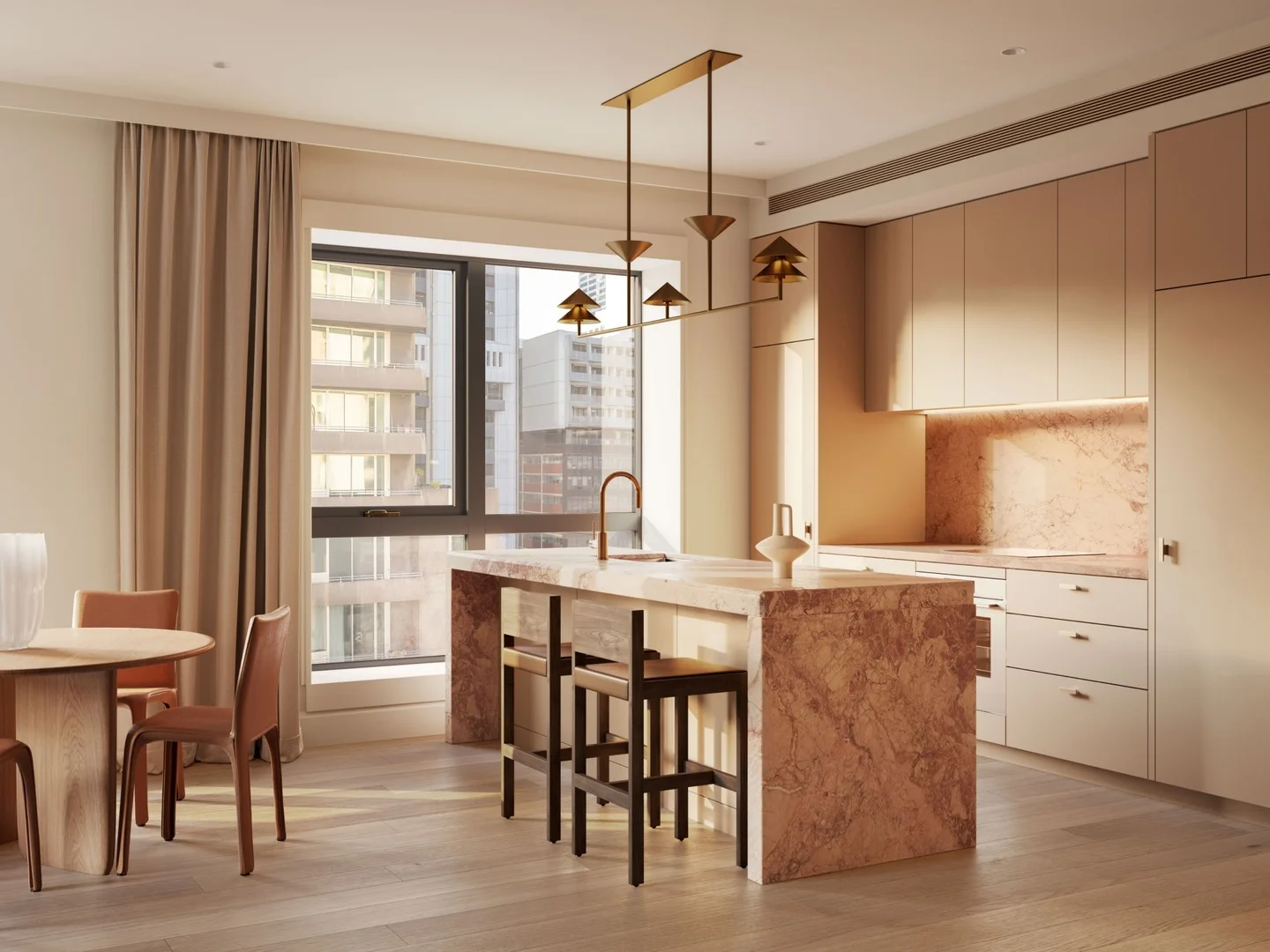 $1,760,000
propertyType.NEW APARTMENTS / OFF THE PLAN
$1,760,000
propertyType.NEW APARTMENTS / OFF THE PLAN
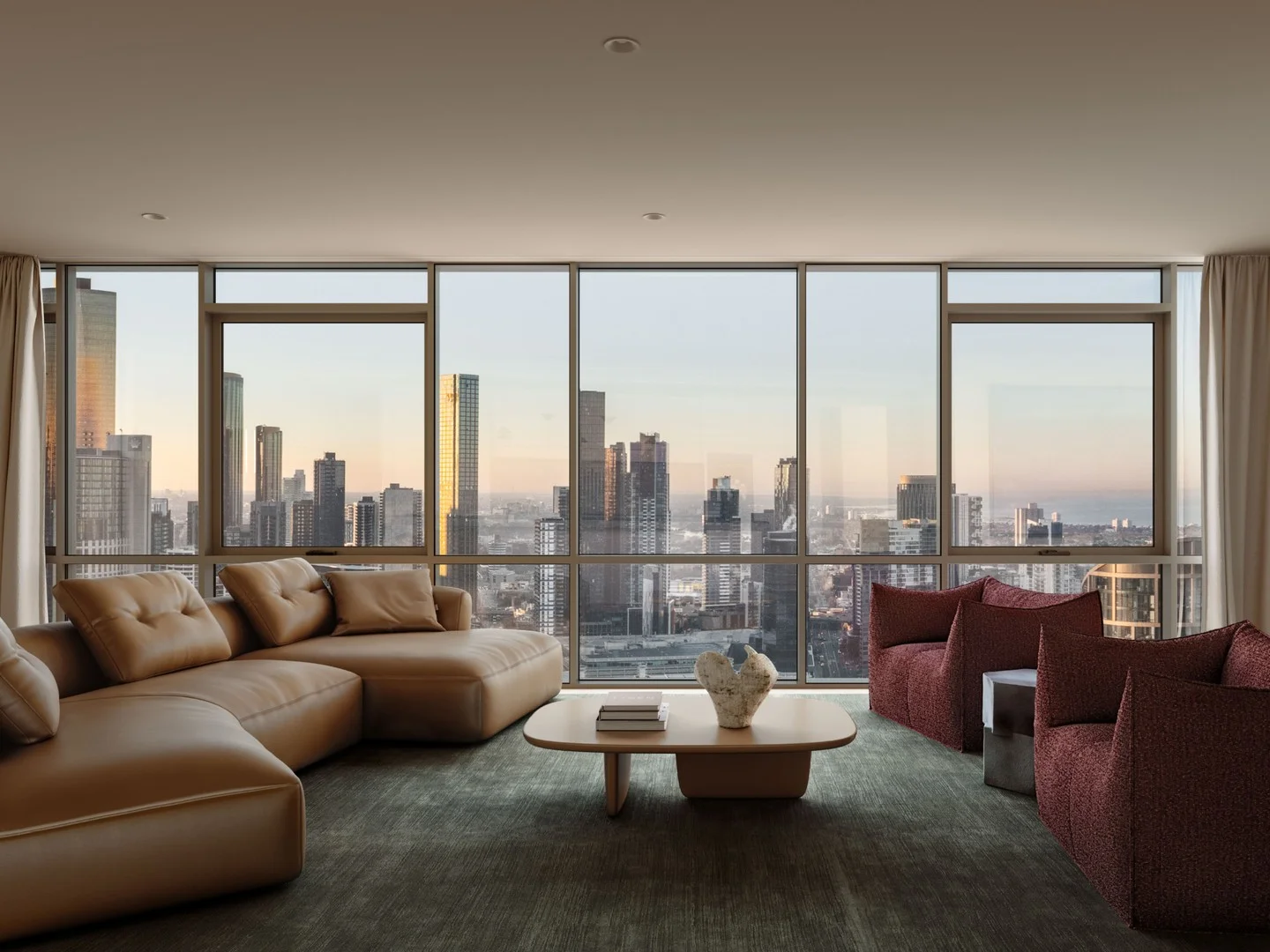 $3,700,000
propertyType.NEW APARTMENTS / OFF THE PLAN
$3,700,000
propertyType.NEW APARTMENTS / OFF THE PLAN
 $1,770,000
propertyType.NEW APARTMENTS / OFF THE PLAN
$1,770,000
propertyType.NEW APARTMENTS / OFF THE PLAN


