## 1. Overview
Melbourne Grammar School is a private independent school with Anglican roots that offers a comprehensive K–12 education. The school emphasizes academic excellence alongside strong co‑curricular programs, leadership development and community involvement. The student body is large, with a culture that blends high expectations with supportive pastoral care. Class sizes are typically in the small‑to‑medium range, enabling teachers to know students well and tailor support accordingly. The atmosphere is often described as academically rigorous, inclusive and focused on holistic development, with a strong emphasis on sport and the arts.
- School type: Independent Anglican school
- School size: Large
- Class size: Approximately 20–25 students per class
- Atmosphere/culture: Academic, inclusive, sports-focused
⸻
## 2. Academics & Learning
Melbourne Grammar School focuses on delivering a well‑rounded, rigorous curriculum with opportunities for depth and breadth.
- Academic strengths: STEM, English and humanities, leadership development, languages and global perspectives
- Special programs: Gifted and Talented / accelerated learning pathways, enrichment options, and pathways to university readiness
- NAPLAN / trends: Consistently strong results and performance above state averages, with steady year‑to‑year improvements in key literacy and numeracy areas
- Student–teacher ratios: Generally around 1:10 to 1:12, with smaller class sizes in early years and targeted teacher support as needed
- Support for diverse learners: EAL support, SEN services, learning support programs and inclusive education pathways
⸻
## 3. Sports & Extracurricular Strengths
A strong emphasis on sport and a broad range of activities are central to the Melbourne Grammar experience.
- Sports offered: Cricket, football (soccer), tennis, swimming, rowing, athletics, cross‑country, rugby and more
- Strong teams or achievements: Competitive inter‑school teams with track records of premierships and high performance across multiple sports
- Music, arts & drama: Active music ensembles, choirs, theatre productions and performing arts facilities
- Clubs: Robotics, chess, coding, debating, public speaking and other student‑led clubs
- Partnerships: Local sports academies and state/national competitions; participation in external arts and STEM programs and inter‑school events
⸻
## 4. Wellbeing & Pastoral Care
Wellbeing and pastoral care are central to student success and confidence.
- Anti‑bullying approach: Proactive, clearly communicated policies; confidential reporting channels; student wellbeing initiatives
- House system: A house structure that fosters belonging, mentoring and friendly competition
- Counsellors / wellbeing officers: On‑site counsellors and wellbeing staff providing support for academic, social and emotional needs
- Transition support: Orientation programs, buddy systems for new students, and targeted transition support to help students adjust smoothly
⸻
## 5. Facilities
Facilities are designed to support academics, sport, arts and modern learning.
- Sports grounds: Extensive playing fields and courts
- Libraries: Well‑stocked libraries with study spaces
- Science labs: Modern laboratories and science facilities
- Music/performing arts centers: Extensive music suites and drama spaces
- Tech/innovation labs: Digital labs, makerspaces and STEM facilities
- Cafeteria: On‑site dining options and catering facilities
- Updated playgrounds: Modern outdoor spaces and playgrounds
⸻
## 6. School Values & Community Culture
The school aims to develop principled, capable young people who contribute to their communities.
- Values / mission: Emphasis on integrity, respect, service, excellence and leadership
- Leadership style: Collaborative, student‑centred leadership with opportunities for student voice
- Behaviour expectations: Clear codes of conduct and consistent expectations across year levels
- Community reputation: Strong alumni networks and active parent/community involvement
- Diversity & inclusion: Commitment to inclusive practices and broadening access and opportunity
⸻
## 7. School Logistics & Daily Operations
Useful daily logistics help families plan around school life.
- School hours: Typically a full‑day timetable with start and finish times aligned to year level; after‑care options available
- Before/after school care: Available to accommodate working families
- Uniform requirements: Formal school uniform; sport uniform for activities; house colours used for events
- Transport: Bus routes and access to public transport; proximity to train/tram options; school shuttle services where available
- Canteen availability: On‑site canteen or meal options
- Fees: Fees fall in the high range for private schooling in Victoria; additional costs for uniforms, camps, activities and excursions
⸻
## 8. Enrolment & Admissions
11. What is the enrolment process and timeline?
- Online application or expression of interest
- Submission of academic records, reports and supporting documents
- Screening processes may include academic assessments and/or interviews
- Music or arts auditions may be required for certain programs
- Notifications and offers follow the school’s admissions timeline, with key intake points typically aligned to year levels
12. Is there a waiting list, and how does it work?
- Some year levels may have waiting lists depending on vacancies
- Applications are kept on file; families are contacted when spaces become available
- Active communication with the admissions office is encouraged to understand current status and potential wait times
13. Are there any entry requirements, tests, or interviews?
- Yes—academic records review, interviews and, where relevant, entrance assessments
- Specialist auditions or tests may apply for music, arts or certain programs
14. Does the school accept mid-year transfers?
- Mid-year transfers are possible if vacancies exist, subject to transcript/records review and space in the receiving year level
- Prospective transfer families should engage with the admissions team early to confirm availability and requirements
⸻
## 9. Frequently Asked Questions
- Why Parents Choose This School?
- A balance of strong academics, broad co‑curricular opportunities, supportive wellbeing and a proactive community culture that helps students develop leadership and character.
- What type of student thrives at this school?
- Motivated, curious students who engage across academics, sport and the arts; those who value leadership opportunities and collaborative learning.
- What opportunities are available for students to extend their skills (academics, sports, arts)?
- Advanced coursework and enrichment in academics, leadership roles, competitive sport, performing arts, music ensembles, robotics, debate and community service, plus access to inter‑school competitions and partnerships.
- How does the school communicate with parents?
- Parent portals, regular newsletters, emails, scheduled parent‑teacher meetings, calendars and event notices; a focus on timely and transparent communication.
- What is the school’s approach to teaching and learning?
- A balanced approach combining inquiry‑based learning, core skill development, differentiation to meet diverse needs, and emphasis on critical thinking and collaboration.
- How does the school support students who need extra academic help?
- Targeted learning support, EAL assistance, SEN services, tutoring or study groups, and tailored intervention plans as needed.
- What support is available for academic challenges?
- Access to counsellors, academic advisors, learning support staff and structured progression plans to help students meet goals.
- How does the school communicate with parents? (duplicate question addressed above)
- What are the class sizes and how much individual attention do students receive?
- Typical class sizes around 20–25 students, with additional small‑group support and teacher feedback to maximise individual attention.
- What extracurricular and sports opportunities are available?
- A wide range of sports (cricket, football, tennis, swimming, rowing, athletics, cross‑country, etc.), music, drama and a broad array of clubs (robotics, chess, coding, debating, public speaking).
- What facilities does the school offer (sports, science, arts)?
- Comprehensive facilities including sports grounds, libraries, modern science labs, performing arts centers, tech/innovation labs and on‑site canteen.
- What is the school’s approach to technology and digital learning?
- Integration of digital tools across the curriculum, dedicated tech spaces, and learning platforms that support personalized and collaborative learning.
- What transport and accessibility options are available?
- Bus routes, proximity to public transport, and school shuttle services where offered, with accessibility considerations across campuses.
- What are the typical school fees or additional costs?
- Fees are in the high range for private education in Victoria; additional costs may include uniforms, excursions, camps, music lessons and activity fees.
⸻
## 10. Short Pros & Cons list
- Pros
- Strong academic reputation and broad co‑curricular opportunities
- Comprehensive wellbeing and pastoral care
- Diverse facilities supporting science, arts and sport
- Active community and alumni networks
- Clear values and emphasis on leadership and character
- Cons
- Higher fee structure relative to many state schools
- Competitive environment may feel challenging for some students
- Transfers and entry can be selective with waiting lists at certain year levels
- Commute/time considerations for families living farther away or relying on transport
⸻












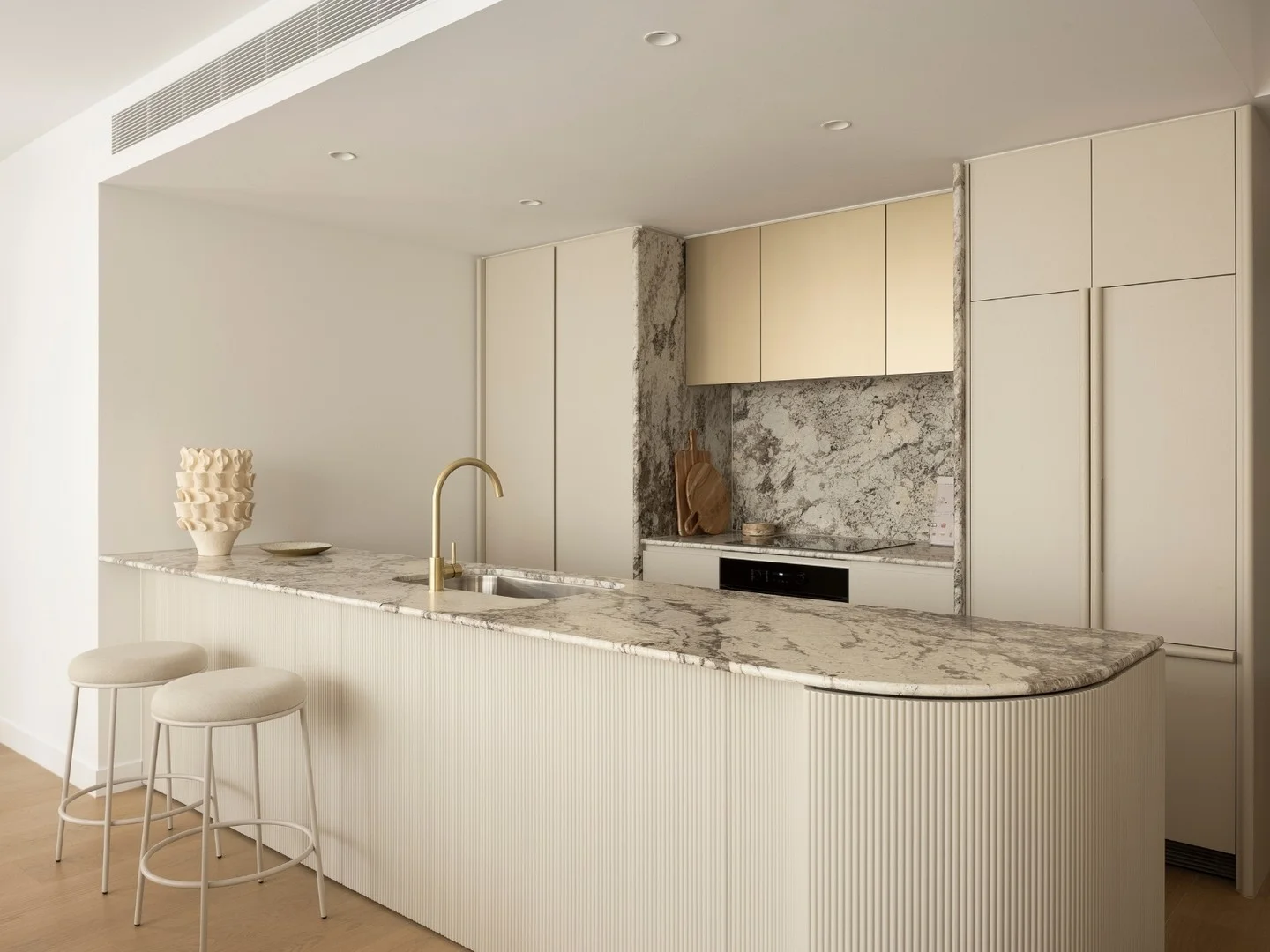
 $2,750,000
Apartment / Unit / Flat
$2,750,000
Apartment / Unit / Flat
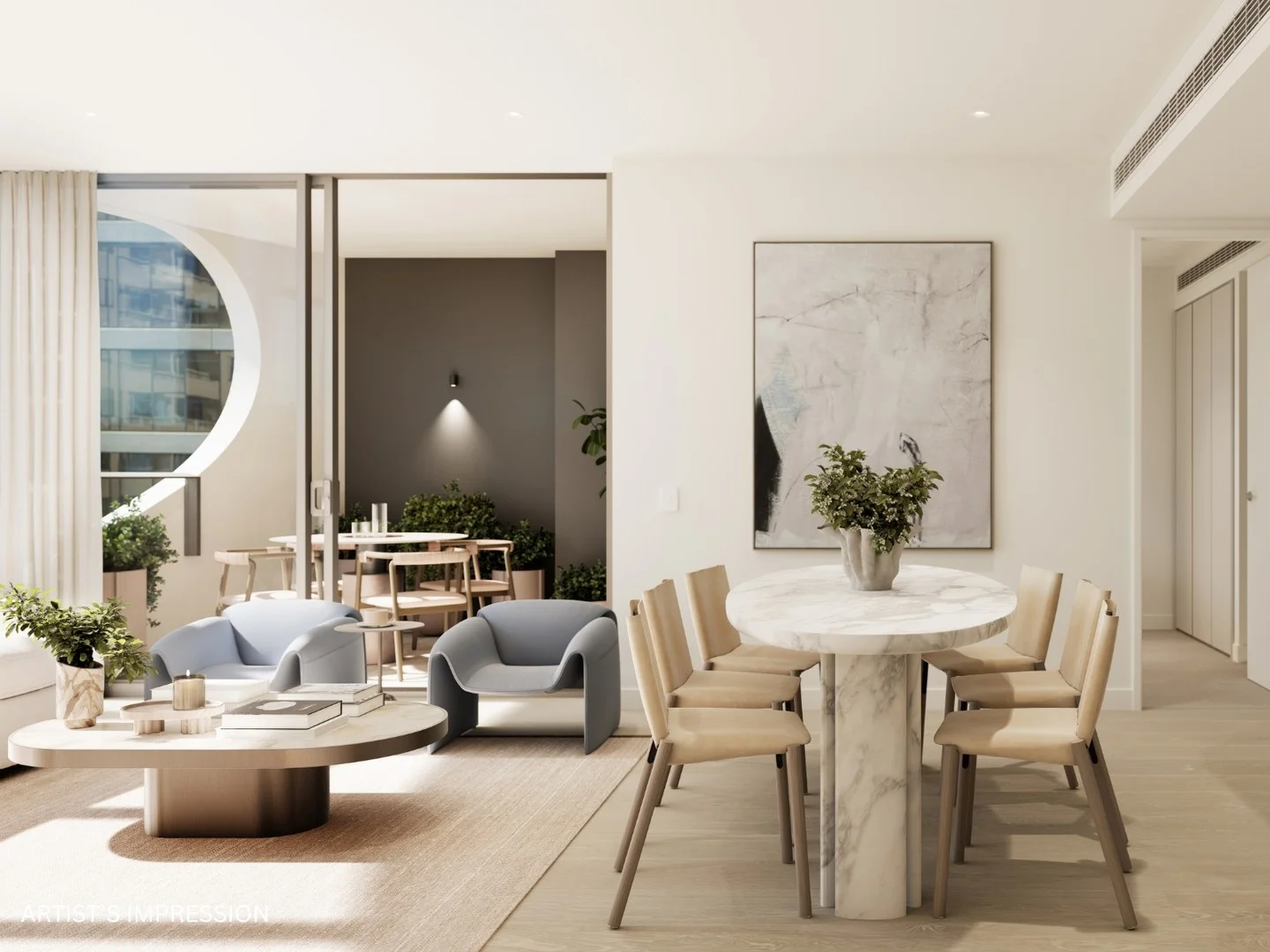
 $1,345,000
Apartment / Unit / Flat
$1,345,000
Apartment / Unit / Flat
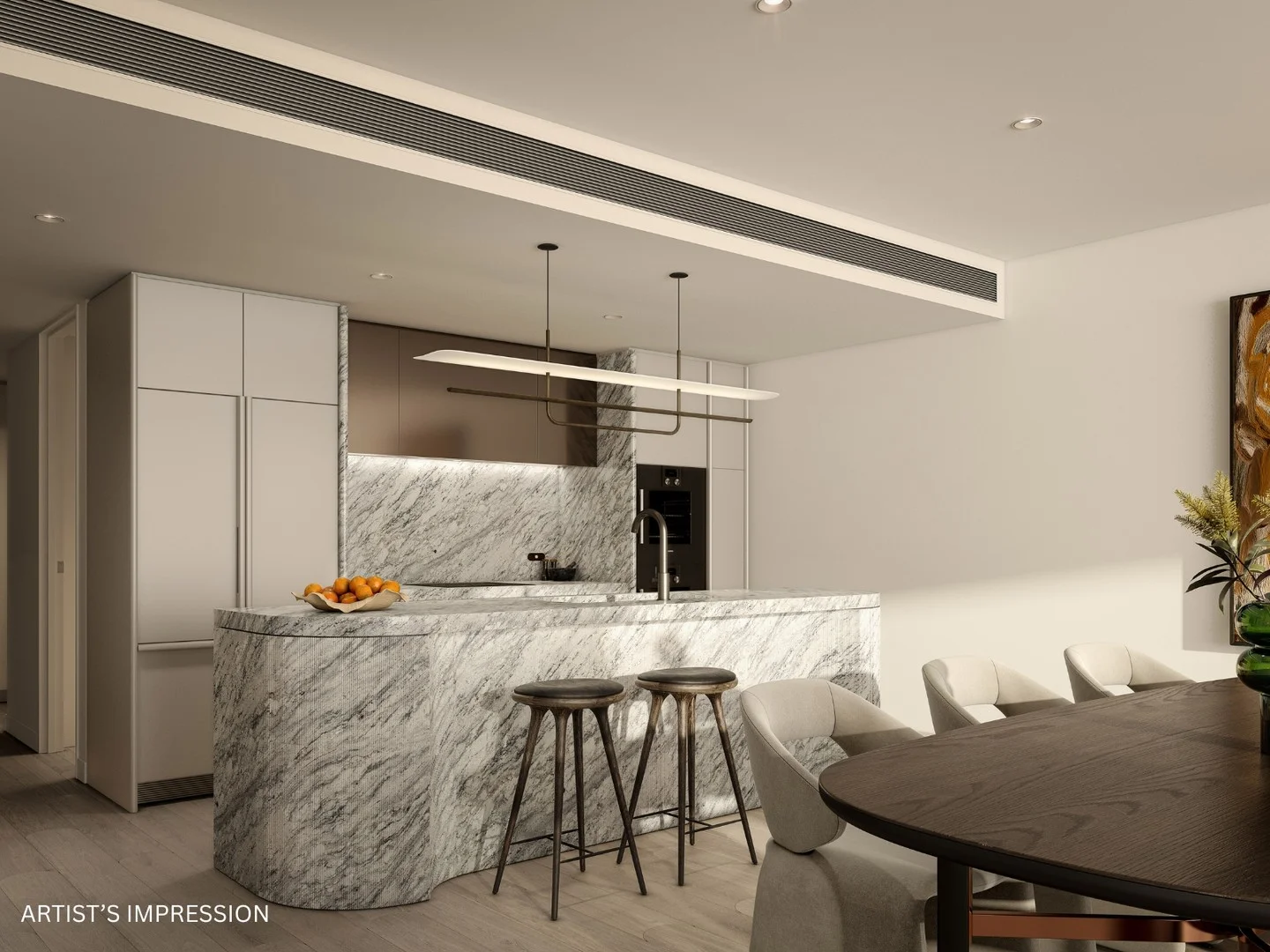
 $1,640,000
Apartment / Unit / Flat
$1,640,000
Apartment / Unit / Flat
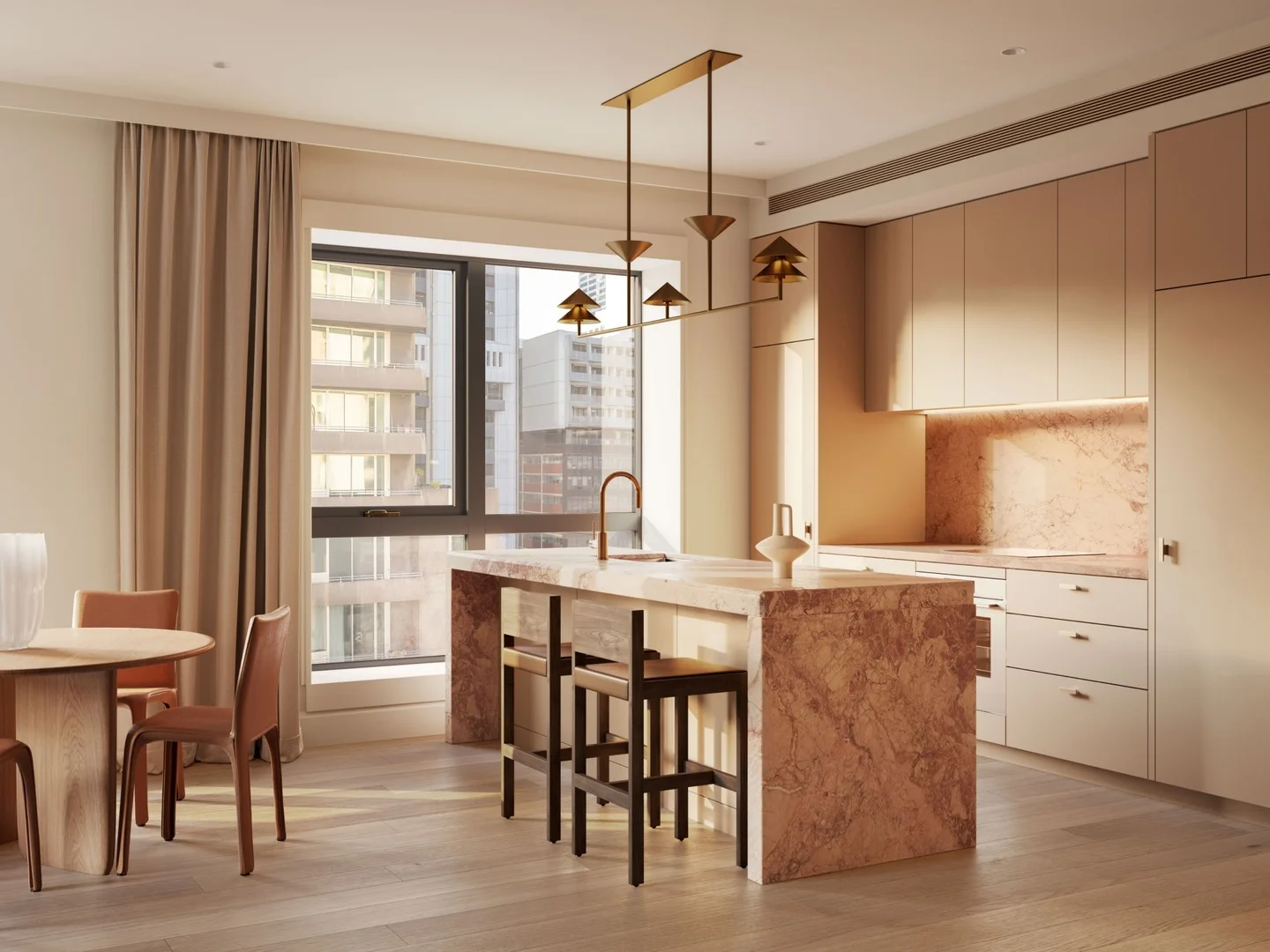
 $2,900,000
Apartment / Unit / Flat
$2,900,000
Apartment / Unit / Flat
 $1,760,000
propertyType.NEW APARTMENTS / OFF THE PLAN
$1,760,000
propertyType.NEW APARTMENTS / OFF THE PLAN
 $820,000
propertyType.NEW APARTMENTS / OFF THE PLAN
$820,000
propertyType.NEW APARTMENTS / OFF THE PLAN
 $3,700,000
propertyType.NEW APARTMENTS / OFF THE PLAN
$3,700,000
propertyType.NEW APARTMENTS / OFF THE PLAN
 $1,770,000
propertyType.NEW APARTMENTS / OFF THE PLAN
$1,770,000
propertyType.NEW APARTMENTS / OFF THE PLAN
 $480,000 - $520,000
Apartment / Unit / Flat
$480,000 - $520,000
Apartment / Unit / Flat