## 1. Overview
Melbourne High School is a public selective secondary school for boys located in South Yarra. It is known for its strong academic focus and high expectations, drawing students from across the region who are motivated to excel.
- School type: Public, selective, single-sex (boys)
- School size: Large
- Class size: Mid-20s (roughly 22–28 students per class)
- Atmosphere/culture: Academic, high-achieving, with emphasis on disciplined learning and long-standing traditions
## 2. Academics & Learning
Melbourne High School emphasizes rigorous academics and broad opportunities for students to develop their skills.
- Academic strengths: STEM disciplines, robust English and humanities programs, leadership development, and language study (e.g., French and Japanese are commonly offered).
- Special programs: Selective-entry pathway; opportunities for accelerated learning and advanced coursework; strong preparation for the Victorian Certificate of Education (VCE).
- NAPLAN / trends: Historically strong performance in reading, writing and numeracy with positive year-on-year trends; the school consistently ranks highly relative to state benchmarks.
- Student-teacher ratios: Typically around 1:15–1:20, with classroom sizes in the low-to-mid 20s.
- Support for diverse learners: Access to learning support and SEN services; targeted assistance and resources for students who require extra help, including language support where needed.
## 3. Sports & Extracurricular Strengths
A core part of the student experience, with a wide range of options and a track record of participation and achievement.
- Sports offered: A broad program including cricket, basketball, football (soccer), athletics, swimming, tennis, rugby, and more.
- Strong teams or achievements: Regular competition in inter-school events with notable performances in regional and state-level contests.
- Music, arts, drama: Active music ensembles and drama productions; opportunities to participate in bands, choirs, and school productions.
- Clubs: Robotics, chess, coding, debating, science clubs, and various subject-based clubs.
- Partnerships: Participation in local competitions and collaborations with community and youth organizations for competitions and events.
## 4. Wellbeing & Pastoral Care
Wellbeing is a central consideration, with systems to support students’ personal and academic development.
- Anti-bullying approach: Clear policies and supportive reporting processes to foster a respectful school climate.
- House system: A house-based structure supports mentoring, camaraderie, and leadership opportunities.
- Counsellors / wellbeing officers: Access to school counsellors and wellbeing staff to support mental health, study planning, and transitions.
- Transition support for new students: Orientation activities, buddy systems, and targeted support to help new students settle in smoothly.
## 5. Facilities
Facilities are designed to support a comprehensive high school experience, from science to sport and the arts.
- Sports grounds: Large playing fields and gym facilities for a range of activities.
- Libraries: Well-stocked library spaces for study and collaboration.
- Science labs: Modern laboratories supporting physics, chemistry, biology and related subjects.
- Music/performing arts centers: Dedicated spaces for music ensembles, theatre, and performances.
- Tech/innovation labs: Computer labs and spaces for design, coding, and technology projects.
- Cafeteria: On-site dining options for students.
- Updated playgrounds: Safe, functional outdoor spaces and recreational areas.
## 6. School Values & Community Culture
What the school stands for and how students are expected to engage with others.
- School values / mission: Emphasis on academic excellence, integrity, and respectful collaboration within a strong school community.
- Leadership style: Student leadership through prefect roles and house activities, with teacher mentorship guiding decision-making.
- Behaviour expectations: Clear behavioural standards centered on respect, responsibility, and contribution to the school community.
- Community reputation: Well-regarded for high academic achievement and a tradition of producing well-rounded, capable young men.
- Diversity & inclusion: Inclusive learning environment within a male-only setting, with attention to supporting students from varied backgrounds and needs.
## 7. School Logistics & Daily Operations
Key practical details to help families plan around school life.
- School hours: Typically a daytime schedule starting in the morning and ending in the mid-to-late afternoon; exact times published by the school each year.
- Before/after school care: Availability of after-school supervision and activities through school programs or external providers; check with the school for current options.
- Uniform requirements: School uniform is required.
- Transport (train/bus routes): Accessible by public transport (trams, trains, and buses) with nearby stations and stops in South Yarra; families often rely on walking or transit to school.
- Canteen availability: On-site canteen or lunch facilities for students.
- Fees (low/medium/high ranges): As a public school, there is no tuition, with typical costs arising from uniforms, excursions, and material fees; overall costs are standard for comparable selective public schools.
## 8. Enrolment & Admissions
Guidance on entry into Melbourne High School’s selective pathway.
11. What is the enrolment process and timeline?
- Applications are managed through the Victorian Department of Education’s selective entry process. Prospective students typically apply for Year 7 entry, with testing and merit-based placement conducted in line with the statewide schedule. Offers follow the release of results, with timelines published annually.
12. Is there a waiting list, and how does it work?
- There is a merit-based waiting list for selective entry. Places are allocated according to the statewide selection criteria and order of merit; availability may vary from year to year.
13. Are there any entry requirements, tests, or interviews?
- Yes. Entry to Melbourne High School’s selective program generally requires passing a statewide selective entrance test. Some periods may involve additional assessment or interview components as part of the merit process.
14. Does the school accept mid-year transfers?
- Mid-year transfers can be possible if vacancies exist and the transfer aligns with year-level capacity and policy. Prospective families should contact the school’s enrolment office to discuss current availability and the process.
## 9. Frequently Asked Questions
- Why Parents Choose This School?
- Strong academic outcomes, selective environment, broad opportunities in STEM, languages, arts, and leadership; a tradition of excellence and a supportive school community.
- What type of student thrives at this school?
- Motivated, academically inclined students who thrive in a rigorous, structured environment and enjoy competitive yet collaborative learning.
- What opportunities are available to extend skills (academics, sports, arts)?
- Participation in advanced coursework (VCE pathways), science and math competitions, debating, robotics, coding clubs, music and drama programs, state-level sports teams.
- How does the school communicate with parents?
- Through newsletters, email updates, a parent portal or communications app, and meetings/events scheduled with teachers and administration.
- What is the school’s approach to teaching and learning?
- Data-informed, inquiry-oriented instruction with high expectations, a focus on critical thinking, and opportunities for extension for high-ability students.
- How does the school support students who need extra academic help?
- Access to learning support, targeted tutoring or coaching, SEN services, and individualized study plans where needed.
- What support is available for academic challenges?
- Academic mentoring, subject-specific help, and coordination with teachers to identify strategies and resources.
- How does the school communicate with parents? (duplicate reminder)
- See above: regular updates via official channels and parent-facing communications.
- What are the class sizes and how much individual attention do students receive?
- Class sizes typically around 22–28 students, with teachers able to provide targeted assistance and smaller-group support as needed.
- What extracurricular and sports opportunities are available?
- A wide range: sports teams across common school sports, music ensembles, drama productions, robotics, chess, coding, debating and other student clubs.
- What facilities does the school offer (sports, science, arts)?
- Comprehensive facilities including sports grounds, libraries, science labs, music/arts spaces, tech/innovation labs, and a canteen.
- What is the school’s approach to technology and digital learning?
- Integrated use of ICT across curricula, access to computer labs and digital literacy components as part of the learning program.
- What transport and accessibility options are available?
- Strong reliance on public transport (trams, trains, buses) with convenient access for students from various suburbs.
- What are the typical school fees or additional costs?
- Public schools do not charge tuition; costs are generally related to uniforms, excursions, and optional activities.
## 10. Short Pros & Cons list
- Pros
- Strong academic reputation and selective entry
- Large, well-resourced school with extensive facilities
- Broad range of extracurriculars (sports, arts, robotics, debating, etc.)
- Structured environment with active student leadership and support
- Cons
- Single-sex environment may not suit all families
- Highly competitive atmosphere can be intense for some students
- Admission is selective, with a waiting list in many years
- Mid-year transfers depend on vacancies and policy
If you’d like, I can tailor any section further with more specific examples (e.g., particular clubs or programs currently offered) or adjust tone for a shorter/longer page.












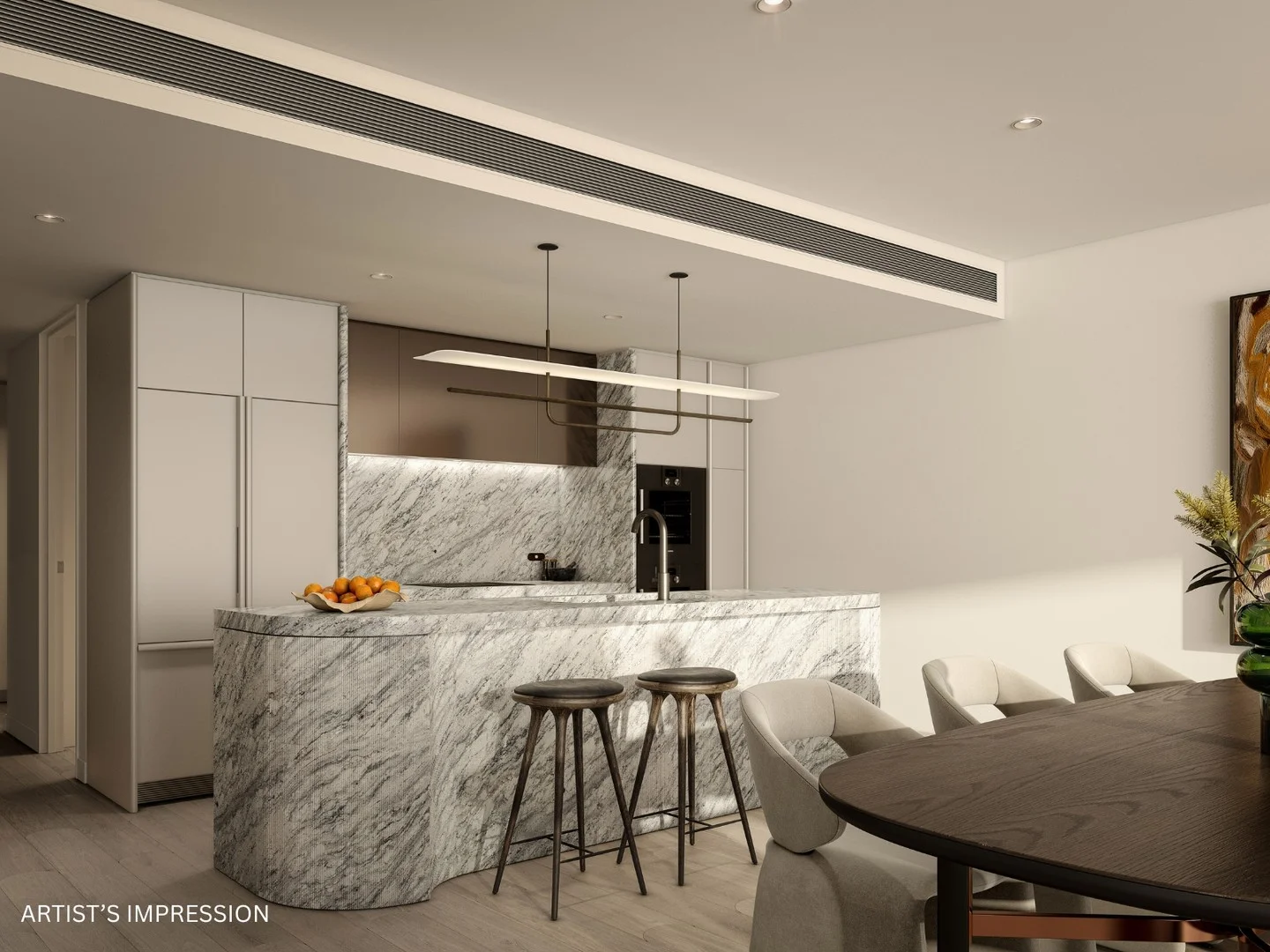
 $1,640,000
Apartment / Unit / Flat
$1,640,000
Apartment / Unit / Flat
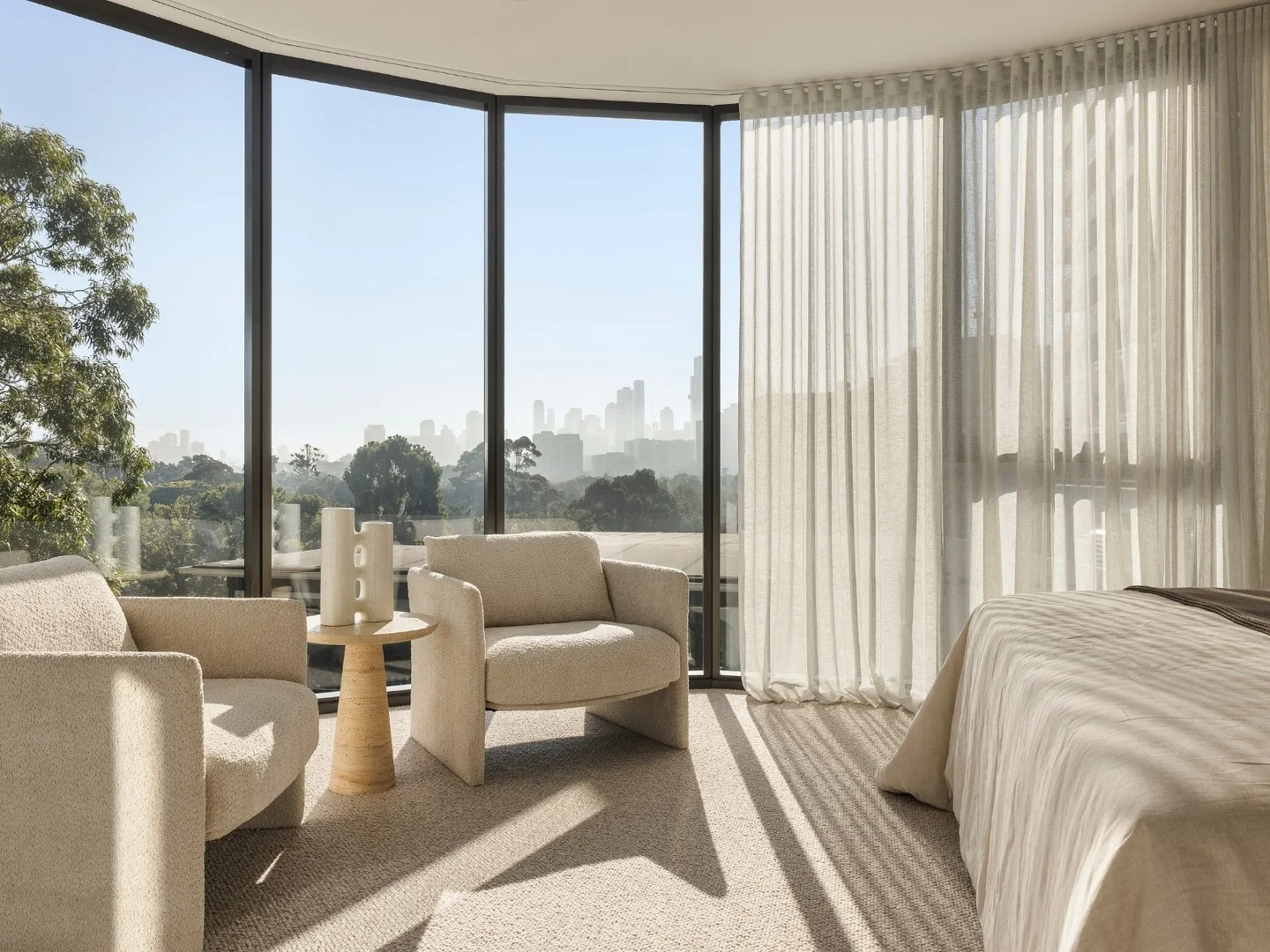
 $2,900,000
Apartment / Unit / Flat
$2,900,000
Apartment / Unit / Flat
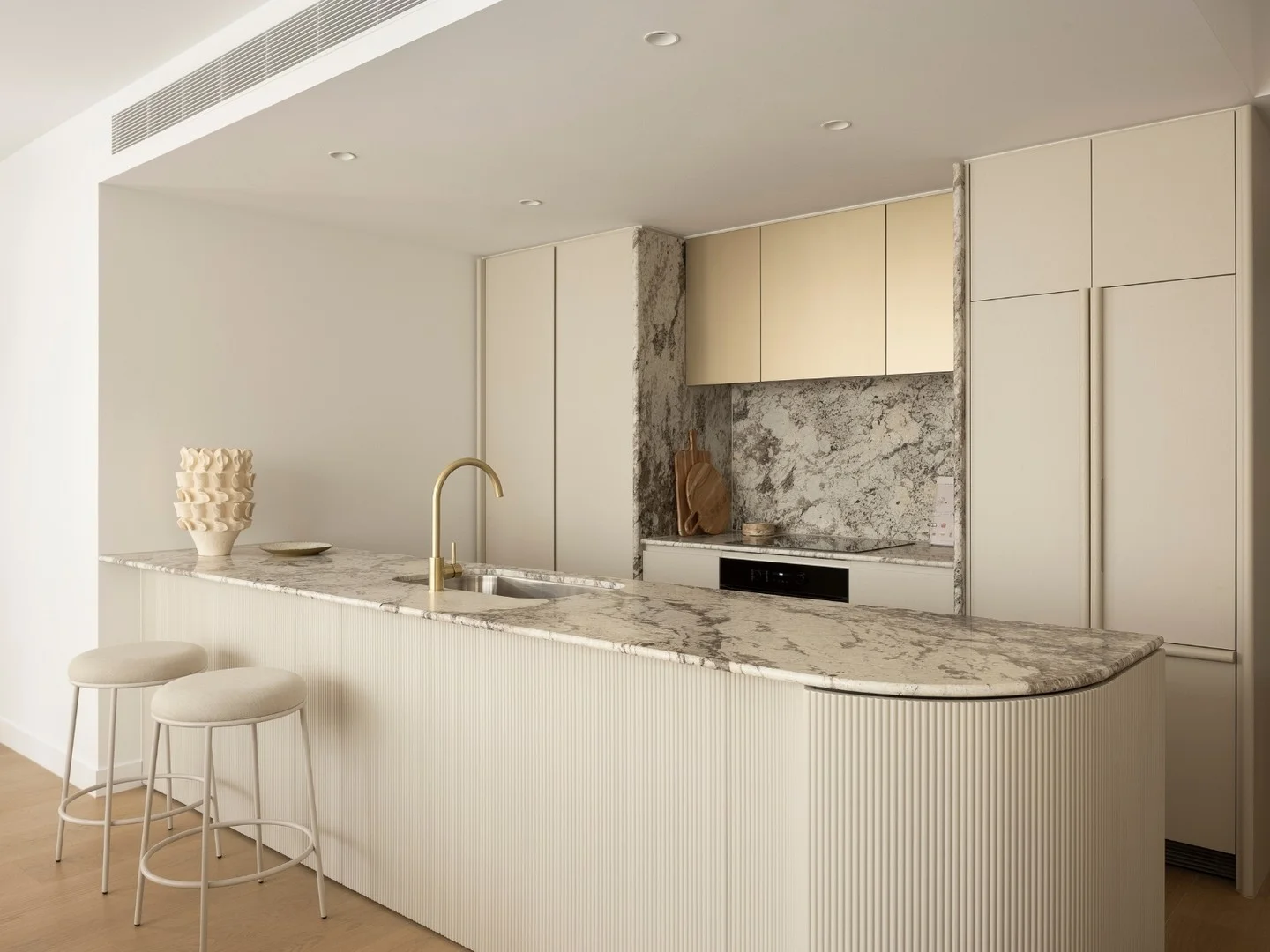
 $2,750,000
Apartment / Unit / Flat
$2,750,000
Apartment / Unit / Flat
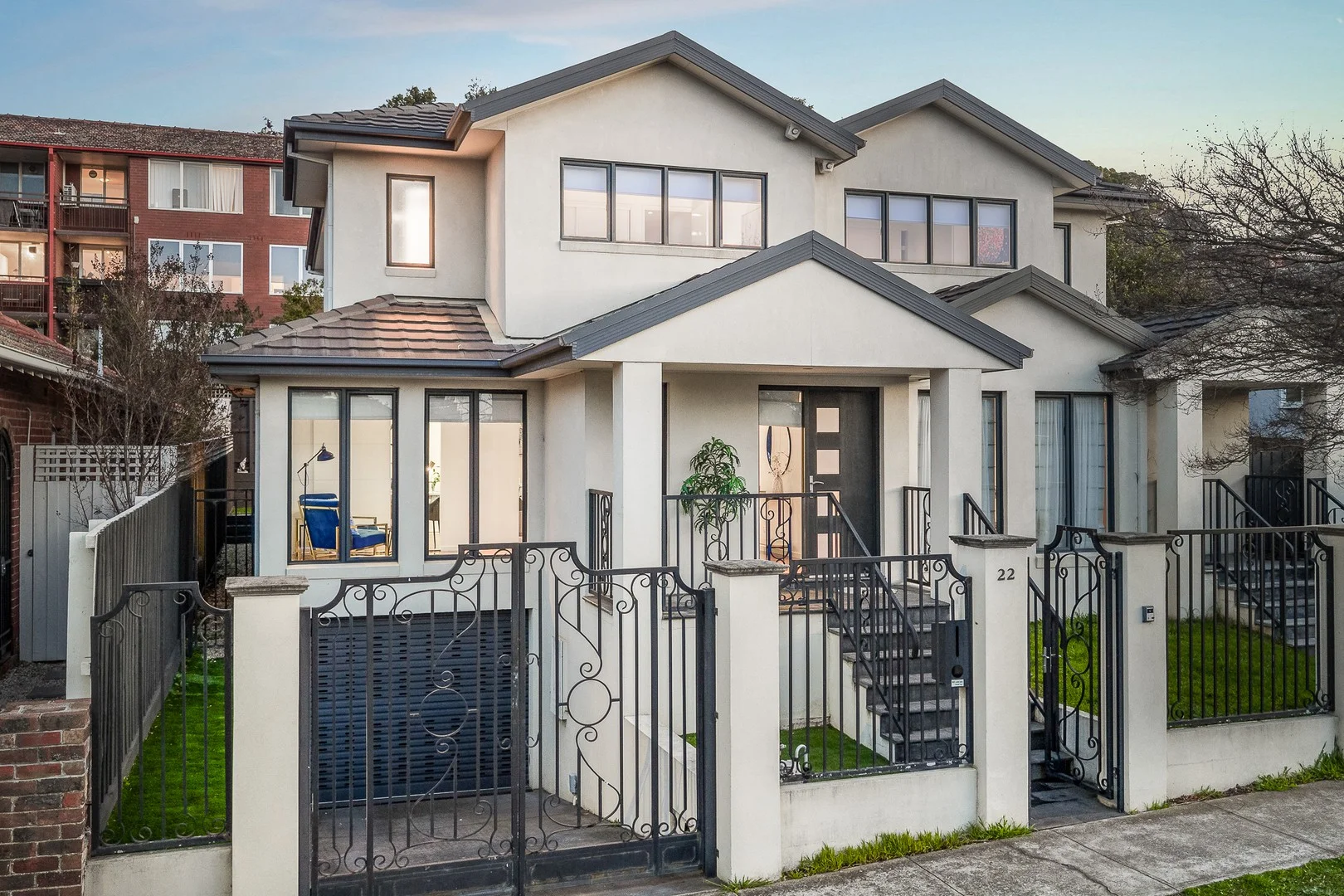
 $1,345,000
Apartment / Unit / Flat
$1,345,000
Apartment / Unit / Flat
 $2,100,000
Townhouse
$2,100,000
Townhouse
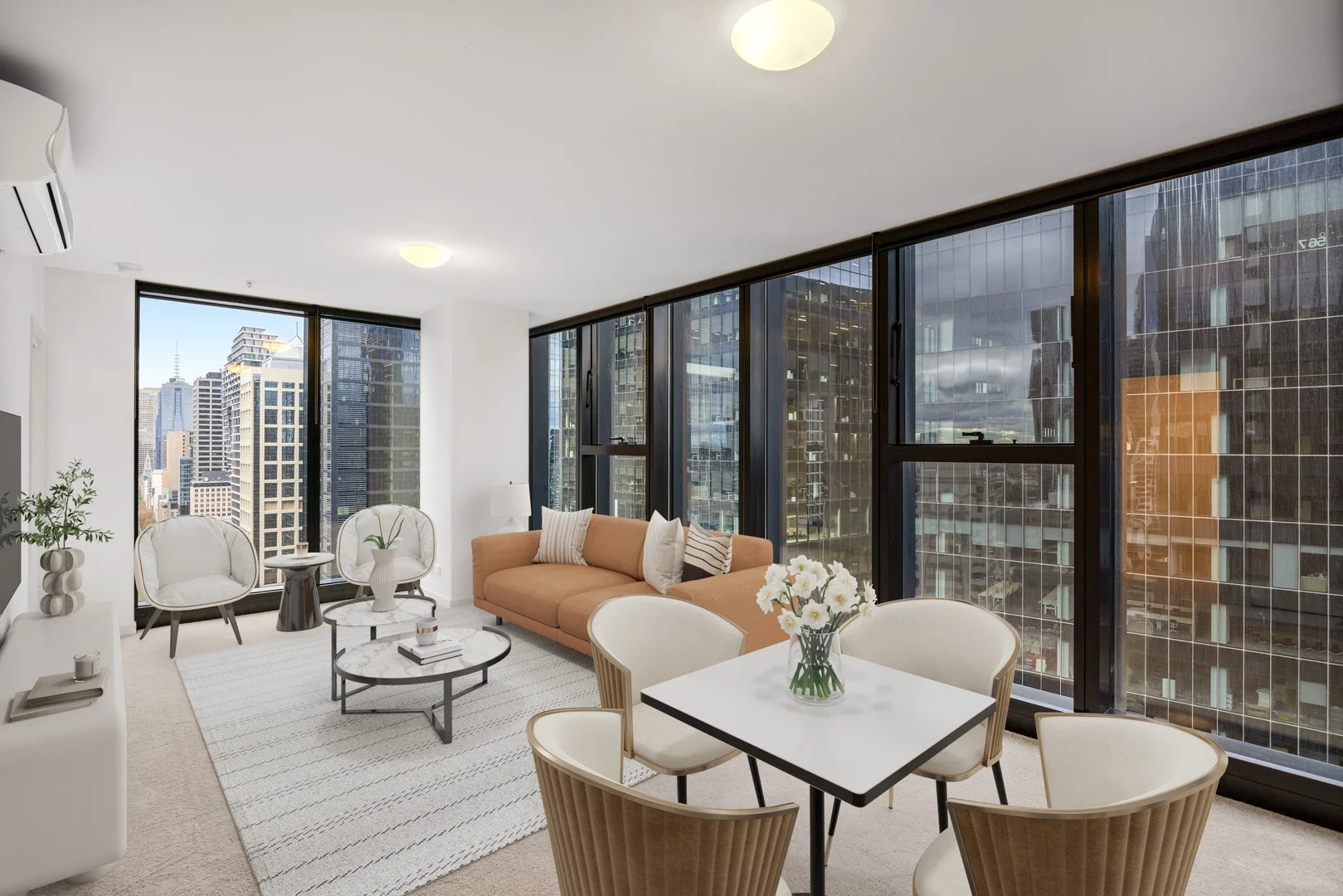 $480,000 - $520,000
Apartment / Unit / Flat
$480,000 - $520,000
Apartment / Unit / Flat
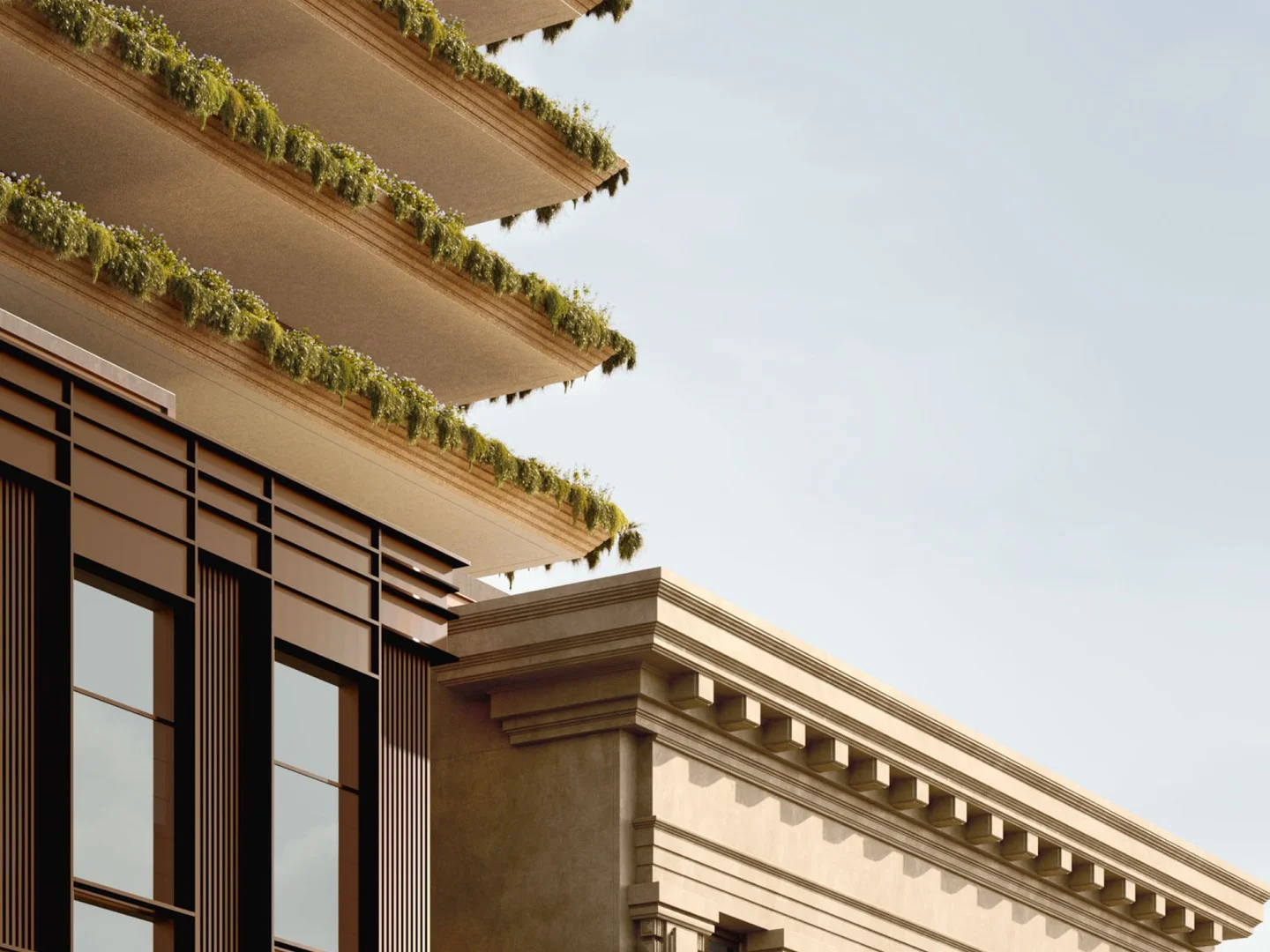 $820,000
propertyType.NEW APARTMENTS / OFF THE PLAN
$820,000
propertyType.NEW APARTMENTS / OFF THE PLAN
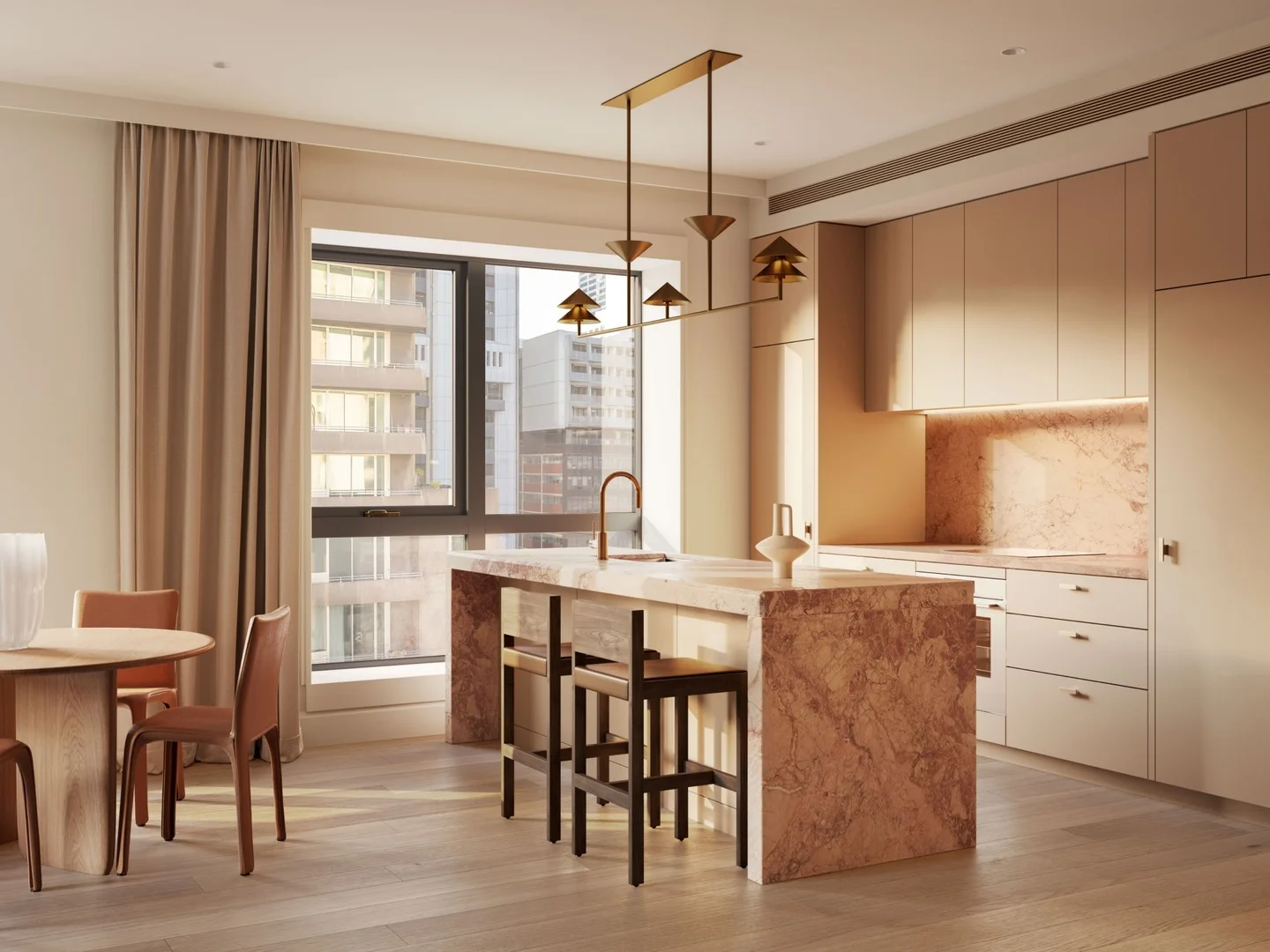 $1,760,000
propertyType.NEW APARTMENTS / OFF THE PLAN
$1,760,000
propertyType.NEW APARTMENTS / OFF THE PLAN
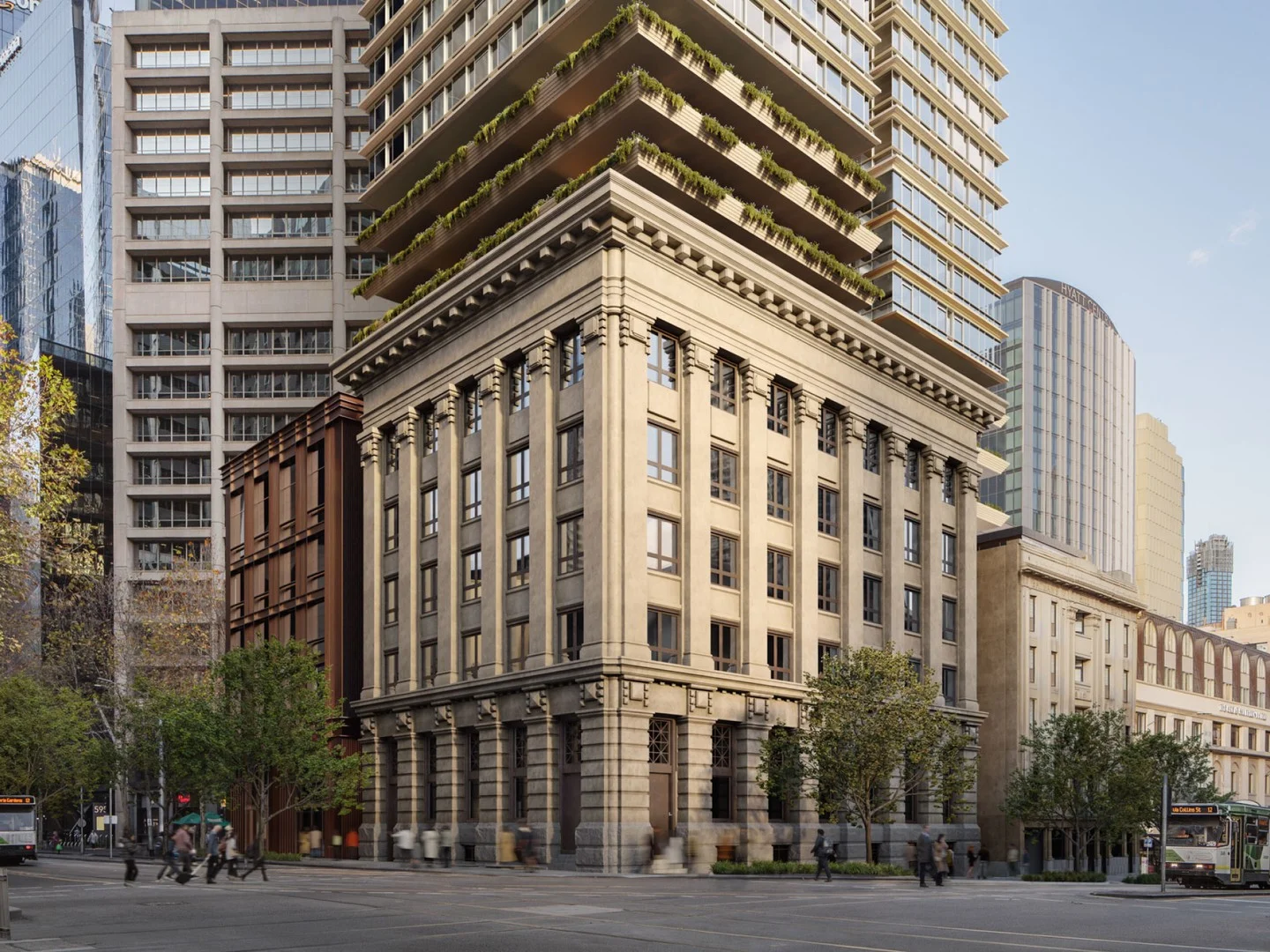 $1,770,000
propertyType.NEW APARTMENTS / OFF THE PLAN
$1,770,000
propertyType.NEW APARTMENTS / OFF THE PLAN


