Overview
Christ Church Grammar School (Victoria) in South Yarra is an independent/private Anglican day school. It offers a comprehensive Melbourne education in a medium-sized school community that emphasizes both academic achievement and strong pastoral care. The environment aims to be inclusive and welcoming, with a culture that supports student growth across academics, arts, and sport.
Class sizes are structured to balance individual attention with active group learning, typically in small to mid-sized classes. The atmosphere is generally described as nurturing and respectful, with a focus on character development, community involvement, and standards of personal conduct.
Academics & Learning
- Academic strengths: A solid core curriculum across English, mathematics, sciences, humanities, and languages, with an emphasis on critical thinking, literacy, and numeracy. Leadership development and collaboration are integrated into the learning experience.
- Special programs: Access to programs designed for advanced learners and gifted/talented students; opportunities for accelerated learning or enrichment may be available, depending on year level and cohort.
- Support for diverse learners: EAL (English as an Additional Language) and SEN (Special Educational Needs) support are typically available, with a structured learning support framework and access to qualified staff.
- Sports offered: A range of school sports commonly available in Australian independent schools, with participation in inter-school competitions. Expect offerings across ball sports and athletics, as well as activities that promote teamwork, fitness, and school spirit.
- Strong teams or achievements: The school generally participates actively in inter-school leagues and events, with opportunities for students to contribute to school-level teams and compete regionally.
- Music, arts, drama programs: Broad co-curricular programs including music ensembles, choirs, drama productions, and performing arts opportunities that complement academic study.
- Clubs: Robotics, chess, coding, debating, and other interest-based clubs are typically available to extend skills beyond the classroom.
- Partnerships: Collaborations with local clubs and regional competitions provide additional pathways for sport, music, arts, and academic pursuits.
Wellbeing & Pastoral Care
- Anti-bullying approach: A proactive, whole-school approach to well-being and student safety, with clear policies and programs designed to prevent bullying and promote a respectful culture.
- House system: A house-based structure often used to foster belonging, mentorship, and healthy, positive competition across year groups.
- Counsellors / wellbeing officers: Access to school counsellors or wellbeing staff to support social-emotional development, coping strategies, and mental health.
- Transition support for new students: Orientation activities, buddy programs, and dedicated staff support to help new students settle into the school community.
Facilities
- Sports grounds: On-site or nearby facilities suitable for a variety of sports and physical education activities.
- Libraries: School library resources to support reading, research, and independent learning.
- Science labs: Modern science laboratories for hands-on experiments and inquiry-based learning.
- Music/performing arts centers: Dedicated spaces for music practice, rehearsals, and performances.
- Tech/innovation labs: Technology and innovation spaces that support coding, robotics, and digital literacy.
- Cafeteria: On-site dining facilities or canteen services available to students.
- Updated playgrounds: Well-maintained outdoor play and recreation areas suitable for break times and outdoor learning.
- School values / mission: A clear set of values focused on integrity, service, respect, and excellence, guiding daily behavior and long-term development.
- Leadership style: A collaborative, student-centered leadership approach that emphasises responsibility, service, and community involvement.
- Behaviour expectations: A positive-behavior framework with consistent expectations across year levels, reinforced by pastoral care and student leadership opportunities.
- Community reputation: The school is typically viewed within its local community as a respected provider of private education with a focus on holistic development and community involvement.
- Diversity & inclusion: Commitment to inclusive practices and support for students from diverse backgrounds, with programs and policies designed to welcome and integrate all students.
School Logistics & Daily Operations
- School hours: Regular school day hours with a structured timetable; after-school activities may extend the day for some students.
- Before/after school care: Availability of before/after school care or supervision through a school program or partner provider.
- Uniform requirements: Uniform policy requiring students to wear designated attire; details vary by year level and term.
- Transport (train/bus routes): Access to local public transport options (bus/train/tram) and information about drop-off/pick-up arrangements; school may provide or advise on bus routes.
- Canteen availability: On-site canteen or vending options for snacks and meals during the day.
- Fees (low/medium/high ranges): Private school fees are typically in the mid-to-high range; exact figures depend on year level and program selections and are published in the school’s admissions materials.
Enrolment & Admissions
- What is the enrolment process and timeline?
- Start with an inquiry or open day, submit an application, and provide required documents. Applications typically have intake deadlines, followed by assessments/interviews where applicable. Approvals and offers are communicated within a defined timeline, with processing times varying by year level.
- Is there a waiting list, and how does it work?
- Waiting lists may apply for priority or final placement, depending on space availability. Prospective families may be placed on a waitlist and contacted if spaces open up, with movement determined by year-level needs and enrolment priorities.
- Are there any entry requirements, tests, or interviews?
- Entry requirements can include application forms, documentation, and possibly interviews or assessments. Some year levels may require testing for placement or to inform support needs. EAL/SEN considerations may be assessed as part of the admissions process.
- Does the school accept mid-year transfers?
- Mid-year transfers may be possible if there is space and alignment with the year-level cohort. Enrollment staff can advise on availability and any transition requirements, including assessments or orientation steps.
Frequently Asked Questions
- Why Parents Choose This School?
- Families often cite a strong sense of community, solid academics, supportive pastoral care, and a balanced focus on character development, athletics, arts, and leadership opportunities.
- What type of student thrives at this school?
- Motivated, collegial students who value a well-rounded education, participate in co-curricular activities, and engage with the school community tend to thrive.
- What opportunities are available for students to extend their skills (academics, sports, arts)?
- Academic extension and enrichment, leadership programs, competitive sports, performing arts, and various clubs (robotics, chess, coding, debating) provide multiple avenues for growth.
- How does the school communicate with parents?
- Through a combination of formal newsletters, email updates, a school portal, parent-teacher interviews, and scheduled information evenings.
- What is the school’s approach to teaching and learning?
- A student-centered approach that emphasizes differentiation, inquiry-based learning, and the development of critical thinking, with ongoing assessment and feedback.
- How does the school support students who need extra academic help?
- Learning support teams, targeted interventions, EAL and SEN services, tutoring, and tailored plans to address individual needs.
- What support is available for academic challenges?
- Access to guidance from teachers and support staff, structured intervention programs, and coordination with families to monitor progress and adjust plans as needed.
- What extracurricular and sports opportunities are available?
- A broad range of sports, music, drama, and clubs such as robotics, chess, coding, and debating, with inter-school competition and performance opportunities.
- What facilities does the school offer (sports, science, arts)?
- Modern science labs, libraries, performing arts and music spaces, tech/innovation labs, sports facilities, and student canteen services.
- What is the school’s approach to technology and digital learning?
- Emphasis on digital literacy, safe online practices, and integrated technology in learning, with access to appropriate devices and software for classroom use.
- What transport and accessibility options are available?
- Access to local public transport options and information on drop-off/pick-up arrangements, with consideration for families traveling from surrounding suburbs.
- What are the typical school fees or additional costs?
- Fees are in the private school range, with additional costs for uniforms, activities, excursions, and elective programs; exact figures are published by the school.
Short Pros & Cons list
- Independent/private background with Anglican affiliation
- Medium-sized, supportive community with strong pastoral care
- Broad academic, arts, and sports offerings
- Wide range of co-curricular clubs and leadership opportunities
- Structured wellbeing framework and transition support
- Fees are higher than public options
- Availability of certain programs may depend on year level and cohort
- Logistics around transport and after-school care can vary by location and demand
If you’d like, I can tailor this draft further with more precise, school-specific data (enrolment numbers, exact programs, and current facilities) once you provide or confirm the latest details from the school or official publications.
 Free
Free











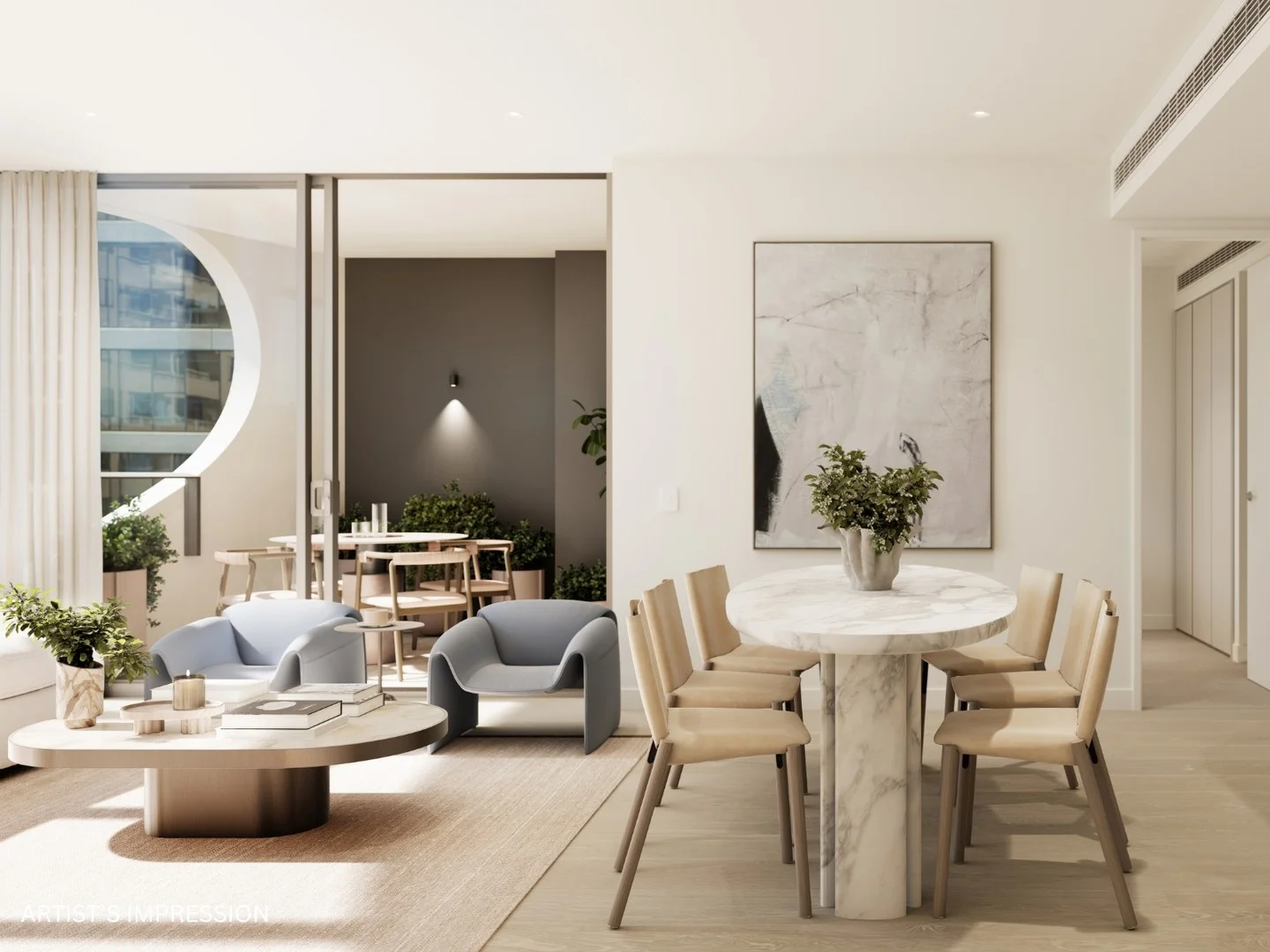 $1,640,000
Apartment / Unit / Flat
$1,640,000
Apartment / Unit / Flat
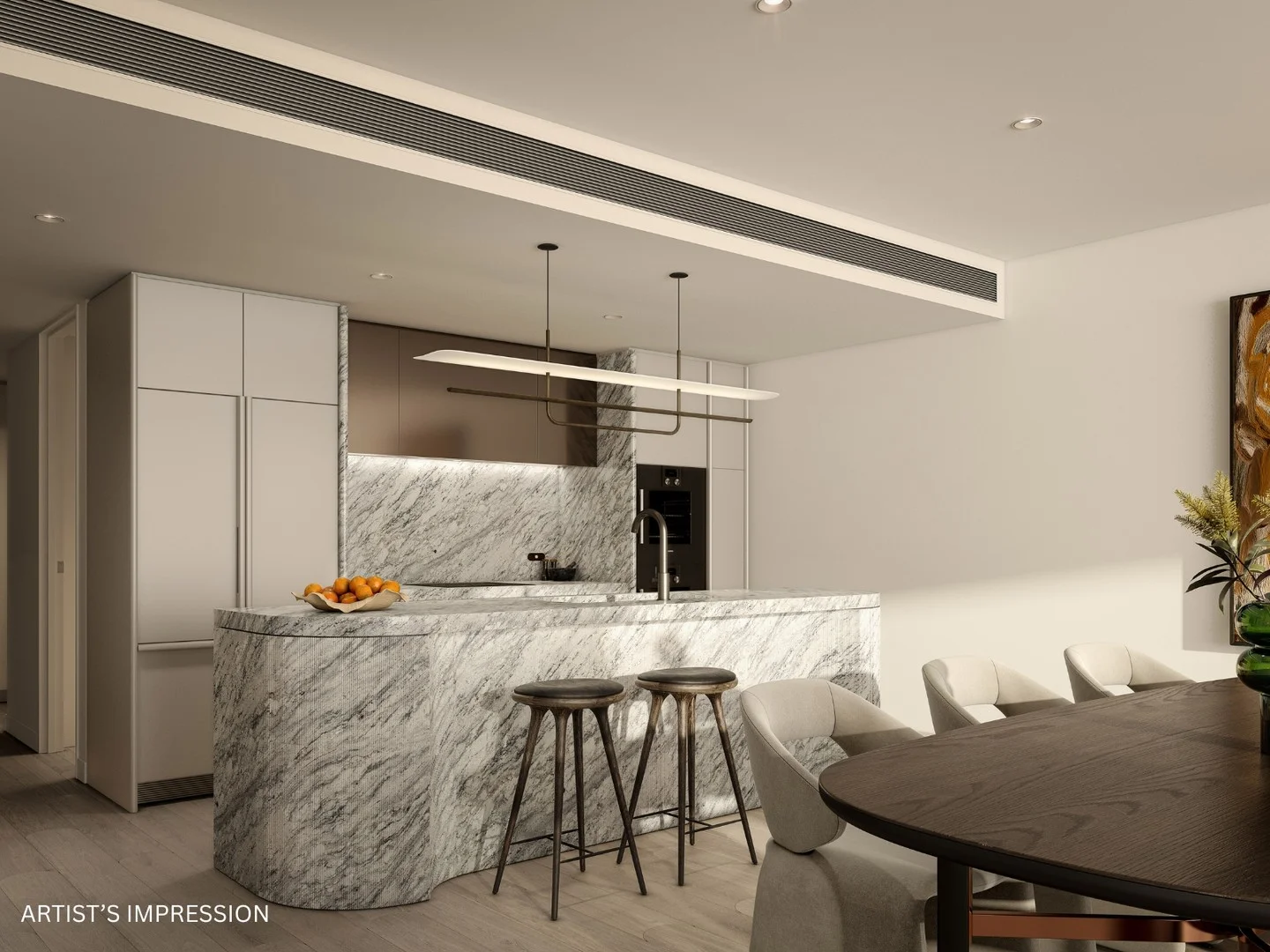 $2,900,000
Apartment / Unit / Flat
$2,900,000
Apartment / Unit / Flat
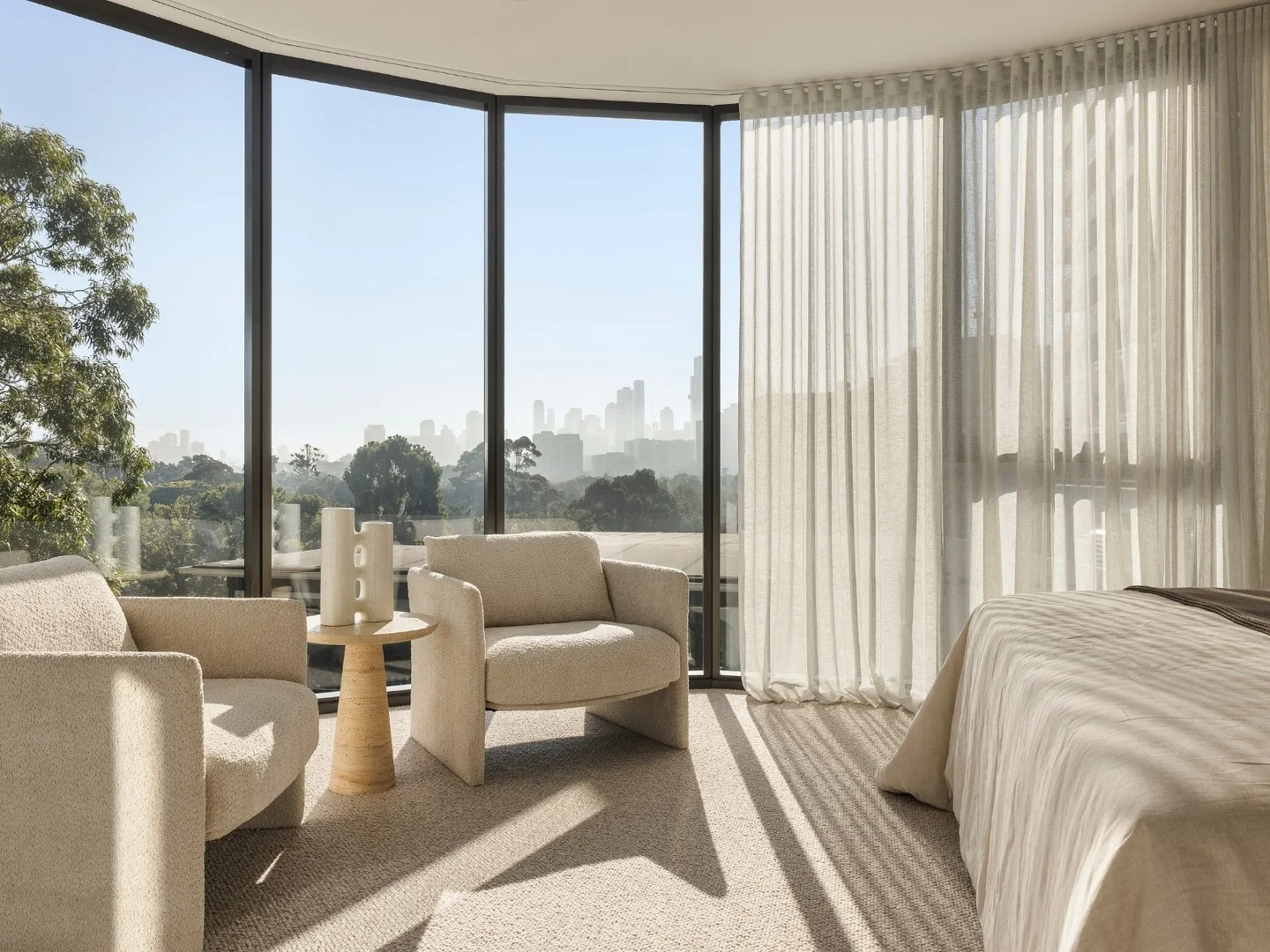 $2,750,000
Apartment / Unit / Flat
$2,750,000
Apartment / Unit / Flat
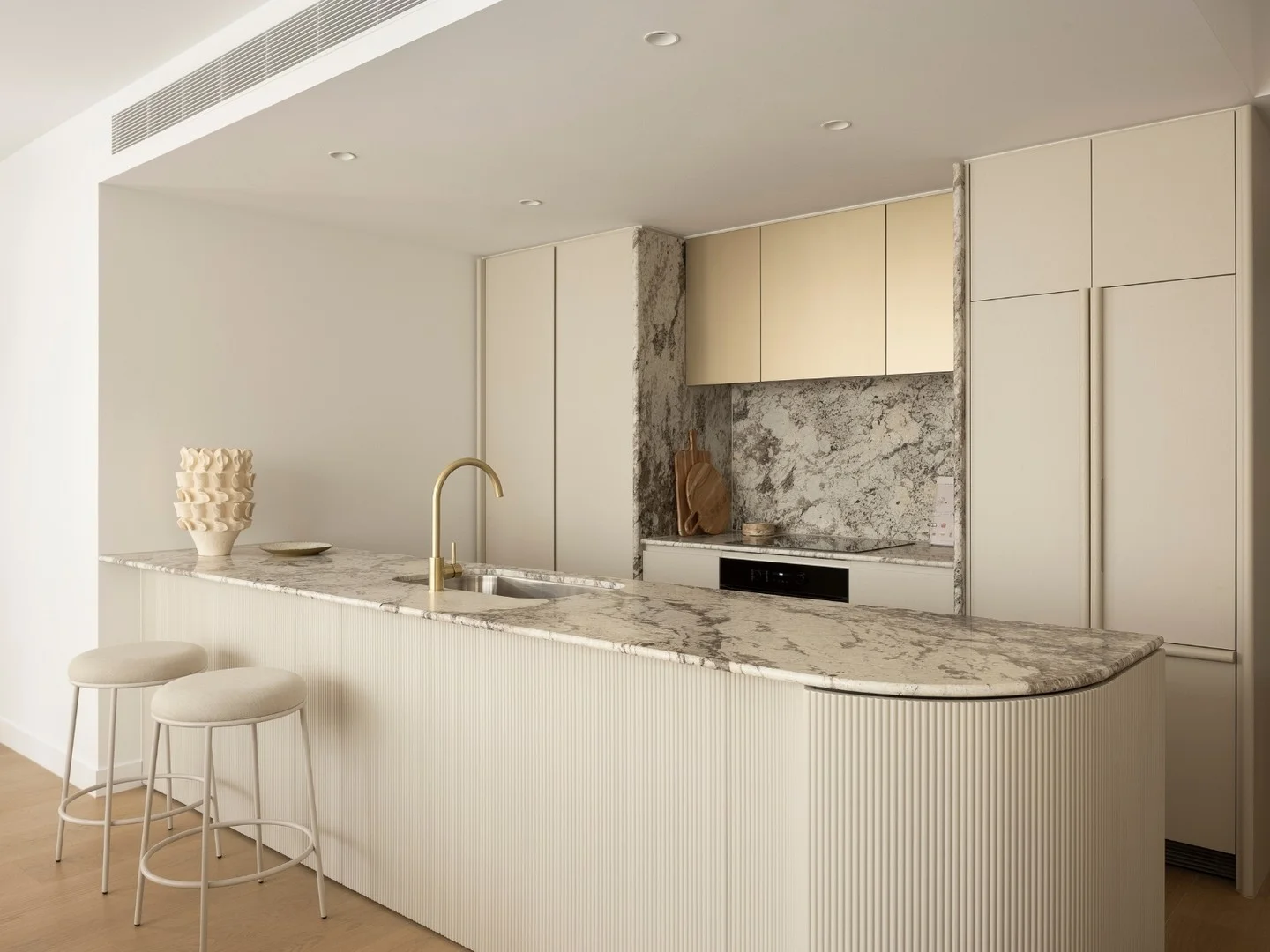 $1,345,000
Apartment / Unit / Flat
$1,345,000
Apartment / Unit / Flat
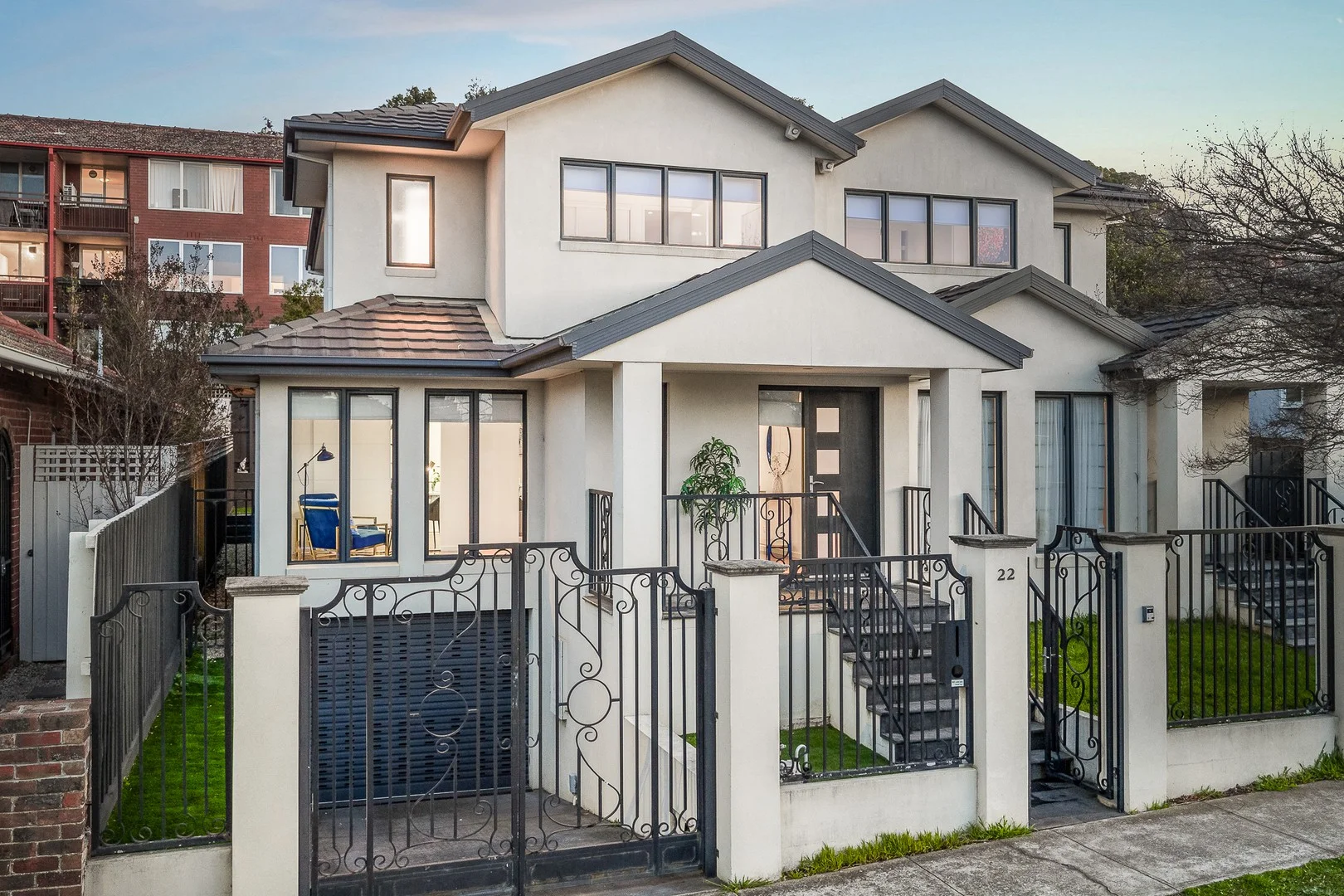 $2,100,000
Townhouse
$2,100,000
Townhouse
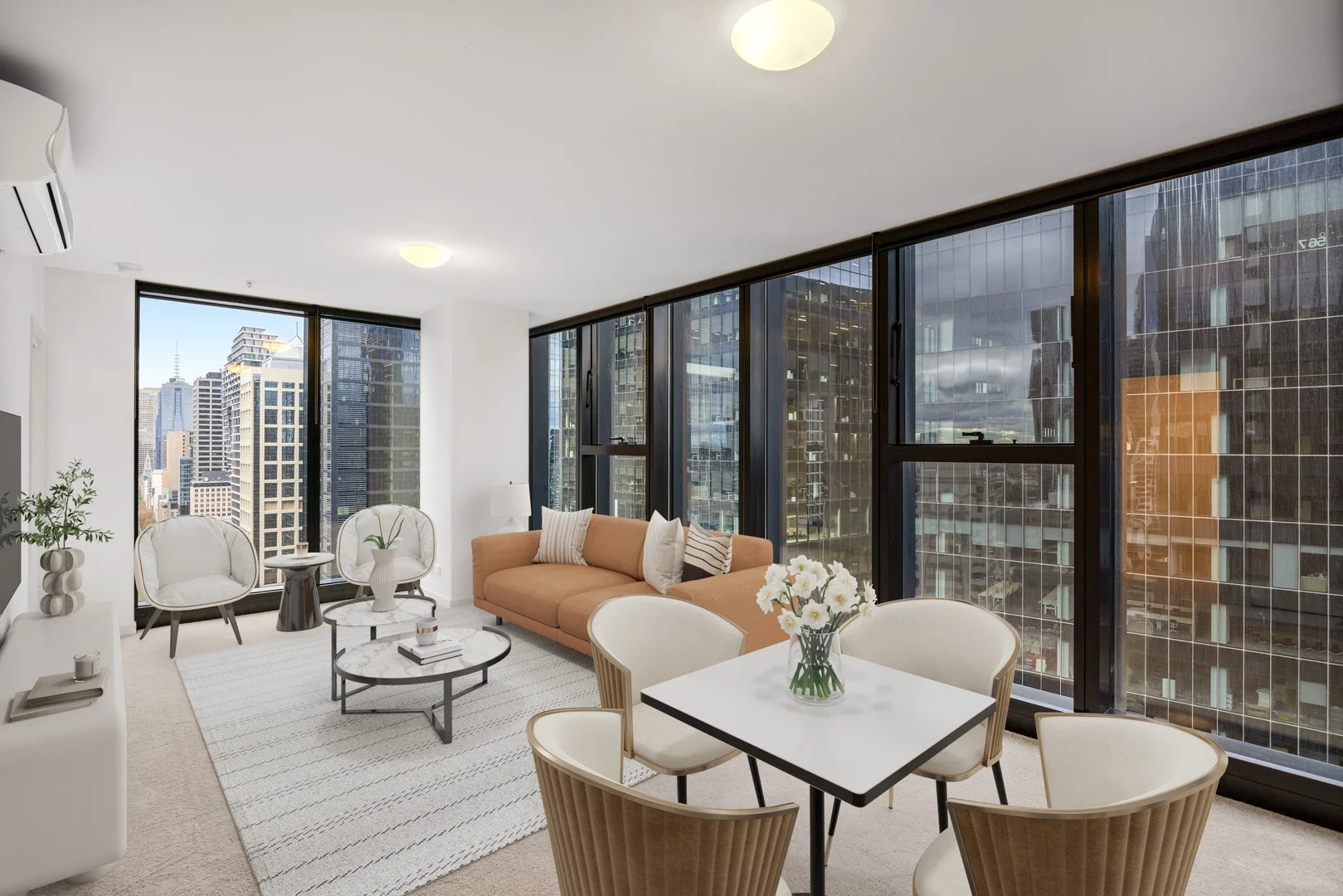 $480,000 - $520,000
Apartment / Unit / Flat
$480,000 - $520,000
Apartment / Unit / Flat
 $1,770,000
propertyType.NEW APARTMENTS / OFF THE PLAN
$1,770,000
propertyType.NEW APARTMENTS / OFF THE PLAN
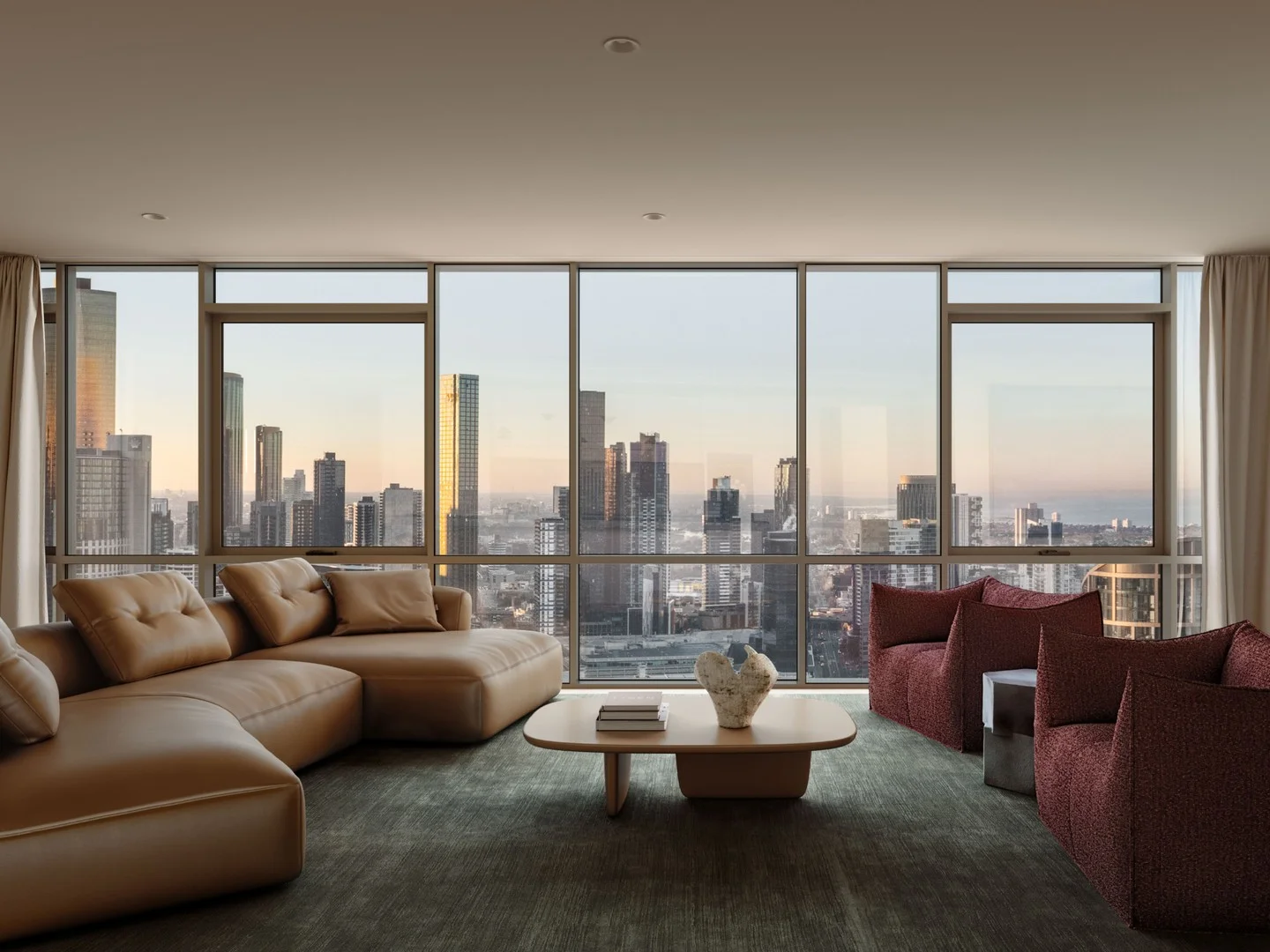 $3,700,000
propertyType.NEW APARTMENTS / OFF THE PLAN
$3,700,000
propertyType.NEW APARTMENTS / OFF THE PLAN
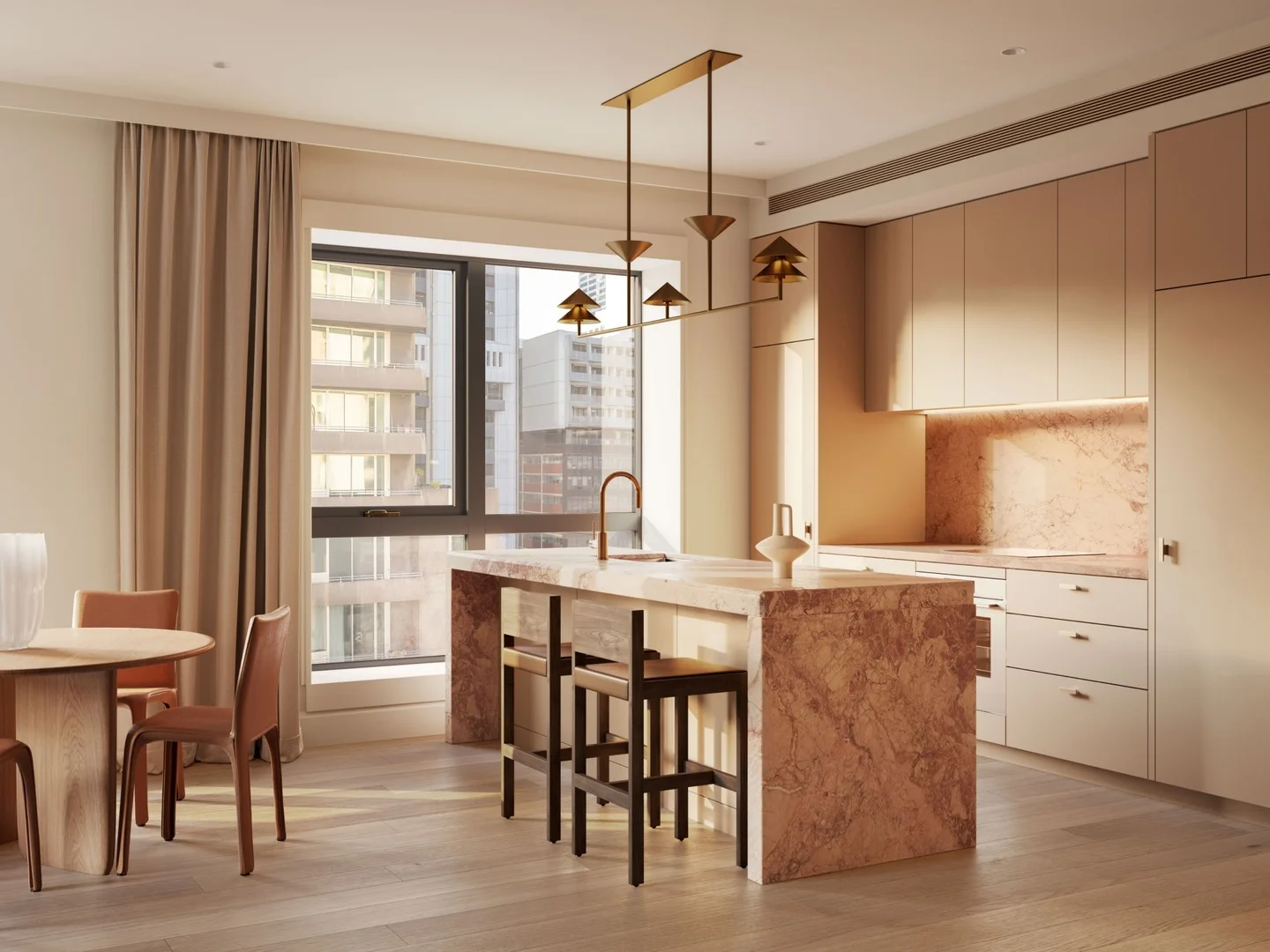 $1,760,000
propertyType.NEW APARTMENTS / OFF THE PLAN
$1,760,000
propertyType.NEW APARTMENTS / OFF THE PLAN


