## 1. Overview
St Bede's College Mentone is a Catholic independent boys' secondary school for Years 7–12. The college emphasises faith, service and academic excellence within a strong, supportive community. It offers a medium-to-large campus with opportunities across academics, sport and the arts, supported by solid pastoral care. Class sizes are mid-sized, allowing meaningful student–teacher interaction and personalised guidance. The atmosphere blends nurturing, academic rigour, inclusivity and a strong sport and co-curricular culture.
## 2. Academics & Learning
- Academic strengths: strong English and humanities focus, solid STEM pathways, and leadership development through structured student programs.
- Special programs: VCE pathway with opportunities for leadership and potential accelerated or gifted/talented options where available.
- NAPLAN / trends: historically stable to improving performance relative to state averages, with ongoing emphasis on literacy and numeracy progress.
- Student-teacher ratios: conducive to individual attention; typical class sizes support active learning and teacher accessibility.
- Support for diverse learners: comprehensive support for EAL and SEN, with dedicated staff and targeted interventions where needed.
## 3. Sports & Extracurricular Strengths
- Sports offered: rugby, basketball, cricket, AFL, soccer, swimming, and track & field, among others.
- Strong teams or achievements: competitive first teams with regular involvement in regional competitions and school-based premiership pathways.
- Music, arts, drama programs: active music ensembles, theatre/dance productions and visual arts opportunities.
- Clubs: robotics, chess, coding, debating, and other student-led interests supported by staff.
- Partnerships: connections with local clubs, inter-school competitions and community-based programs to broaden opportunities beyond the campus.
## 4. Wellbeing & Pastoral Care
- Anti-bullying approach: clear policies and proactive supervision designed to foster respectful behaviour and a safe school climate.
- House system: a framework for pastoral support, leadership opportunities and healthy competition.
- Counsellors / wellbeing officers: qualified staff dedicated to student wellbeing, with confidential support and guidance.
- Transition support for new students: orientation programs, buddy systems and ongoing acclimatisation processes to help new students settle in.
## 5. Facilities
- Sports grounds: well-maintained playing fields and courts for multiple codes.
- Libraries: resource-rich library spaces supporting study and research.
- Science labs: modern laboratories for chemistry, biology, physics and related practical work.
- Music/performing arts centers: dedicated spaces for ensembles, rehearsals and performances.
- Tech/innovation labs: computer and technology spaces to support coding, robotics and digital projects.
- Cafeteria: on-site dining facilities for students.
- Updated playgrounds: safe, functional outdoor spaces for recreation and socialising.
## 6. School Values & Community Culture
- School values / mission: Catholic values underpin a community-focused ethos, emphasizing integrity, service, respect and responsibility.
- Leadership style: collaborative and student-centred, with opportunities for student voice through councils and leadership roles.
- Behaviour expectations: clear codes of conduct aligned with school values, fostering respect, accountability and community safety.
- Community reputation: widely regarded within the local area for faith-based education, academic preparation and supportive pastoral care.
- Diversity & inclusion: committed to an inclusive culture that welcomes students from diverse backgrounds and abilities.
## 7. School Logistics & Daily Operations
- School hours: typical start and finish times aligned with secondary school schedules; routines support learning and wellbeing.
- Before/after school care: available options to assist families with work commitments.
- Uniform requirements: prescribed school uniform with clear guidelines for daily wear and sport kit.
- Transport (train/bus routes): access via local public transport routes and school-generated transport advice; convenient for many families in the area.
- Canteen availability: on-site canteen or snack facilities to support student needs during the day.
- Fees (low/medium/high ranges): fees fall in the middle-to-higher range for independent Catholic secondary schools; options for families and potential scholarships or bursaries may be available.
## 8. Enrolment & Admissions
11. What is the enrolment process and timeline?
- Typically involves submitting an online application, attending an open day or information session, and completing any required assessments or interviews. The timeline usually spans several months, with notifications of outcomes communicated to families.
12. Is there a waiting list, and how does it work?
- Waiting lists may apply depending on year level and capacity. Placement in the waiting list is generally managed by date of application and availability, with priority considerations as defined by the school.
13. Are there any entry requirements, tests, or interviews?
- Entry may include an interview and/or academic assessments, particularly for certain year levels or pathways. Specific requirements can vary by year level and applicant pool.
14. Does the school accept mid-year transfers?
- Mid-year transfers are considered where space exists and with appropriate documentation and transition arrangements.
## 9. Frequently Ask Questions
- Why Parents Choose This School?
- A values-based education in a supportive Catholic environment, strong academics, robust pastoral care, and active sport and arts programs.
- What type of student thrives at this school?
- Students who value community, discipline, service, and a balanced focus on academics, sport and co-curriculars.
- What opportunities are available for students to extend their skills (academics, sports, arts)?
- Enrichment in STEM and humanities, leadership opportunities, gifted/talented pathways where available, sports teams, music and dramatic productions, and a range of clubs.
- How does the school communicate with parents?
- Regular updates via email, school portals, newsletters, parent nights and open evenings; clear channels with teachers and pastoral staff.
- What is the school’s approach to teaching and learning?
- Student-centred and collaborative with a focus on high standards, critical thinking, and supporting diverse learning needs with appropriate resources.
- How does the school support students who need extra academic help?
- Targeted learning support, tutoring, EAL and SEN assistance, and access to specialist staff for personalised plans.
- What support is available for academic challenges?
- Academic coaching, tailored interventions, and ongoing teacher feedback to help students improve.
- How does the school communicate with parents?
- See above; multiple channels for timely and transparent communication.
- What are the class sizes and how much individual attention do students receive?
- Class sizes are mid-sized, designed to balance group learning with opportunities for individual instruction and teacher access.
- What extracurricular and sports opportunities are available?
- A broad mix of sports, music, drama and numerous clubs such as robotics, chess, coding and debating.
- What facilities does the school offer (sports, science, arts)?
- Comprehensive facilities including sports grounds, libraries, science labs, performing arts spaces and tech/innovation labs.
- What is the school’s approach to technology and digital learning?
- Integration of digital learning tools, ICT facilities and opportunities for students to engage with technology across subjects.
- What transport and accessibility options are available?
- Access via local public transport routes and school guidance on commuting options; pathways for accessibility and ease of reach.
- What are the typical school fees or additional costs?
- Fees are positioned in the mid-to-high range for independent Catholic secondary schools; occasional additional costs for uniforms, books and activities may apply, with potential scholarships or bursaries.
## 10. Short Pros & Cons list
- Pros
- Catholic independent school with strong values and community.
- Balanced focus on academics, sport and the arts.
- Supportive wellbeing and pastoral care; inclusive learning environment.
- Solid facilities and opportunities for enrichment through clubs and competitions.
- Cons
- Fees are higher than public schools; families should consider ongoing costs.
- Competitive entry may mean waiting lists or selective pathways at certain years.
- Some programs or pathways may vary by year level; specific offerings should be confirmed with the school.

 $25+
$25+












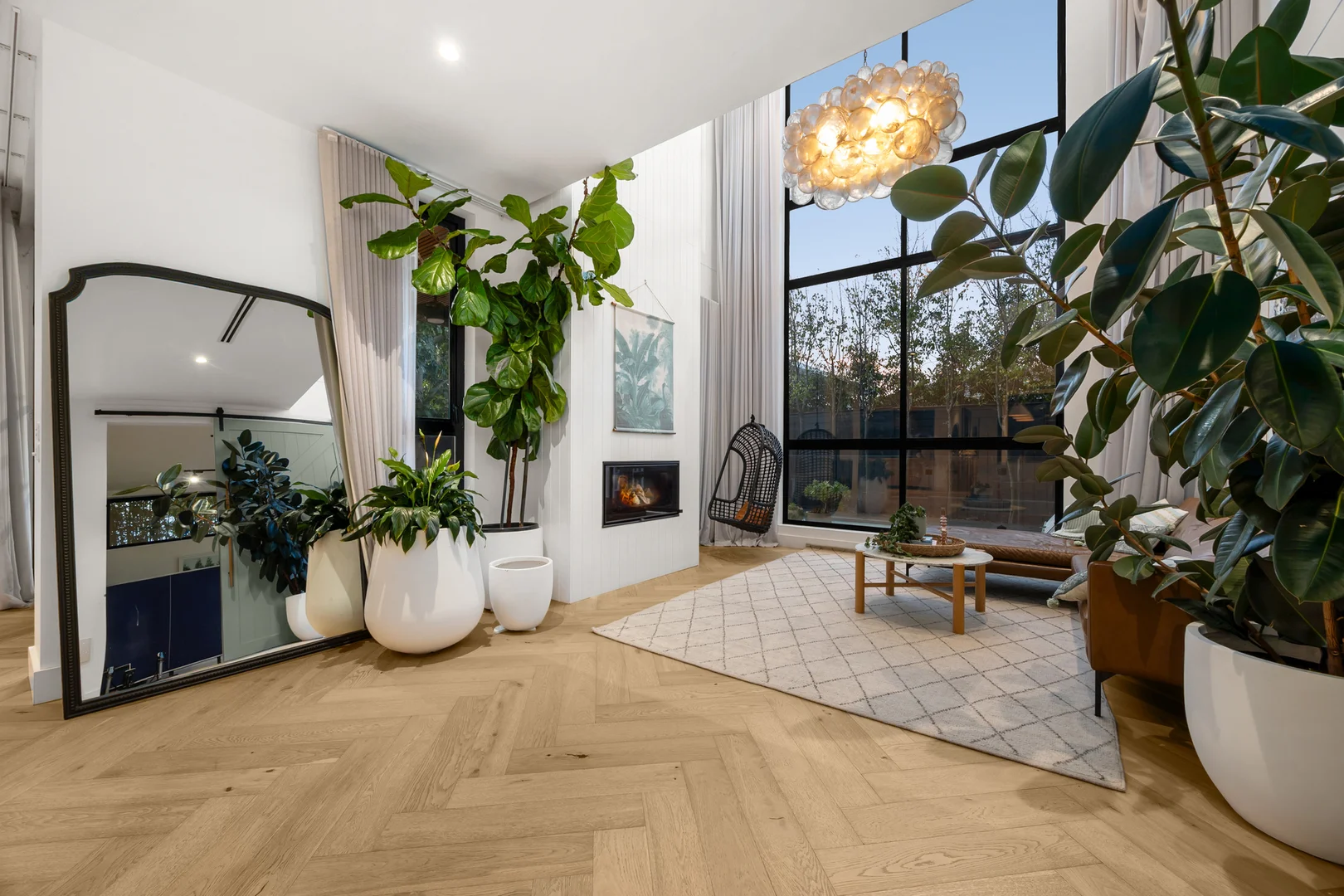 $3,300,000
House
$3,300,000
House
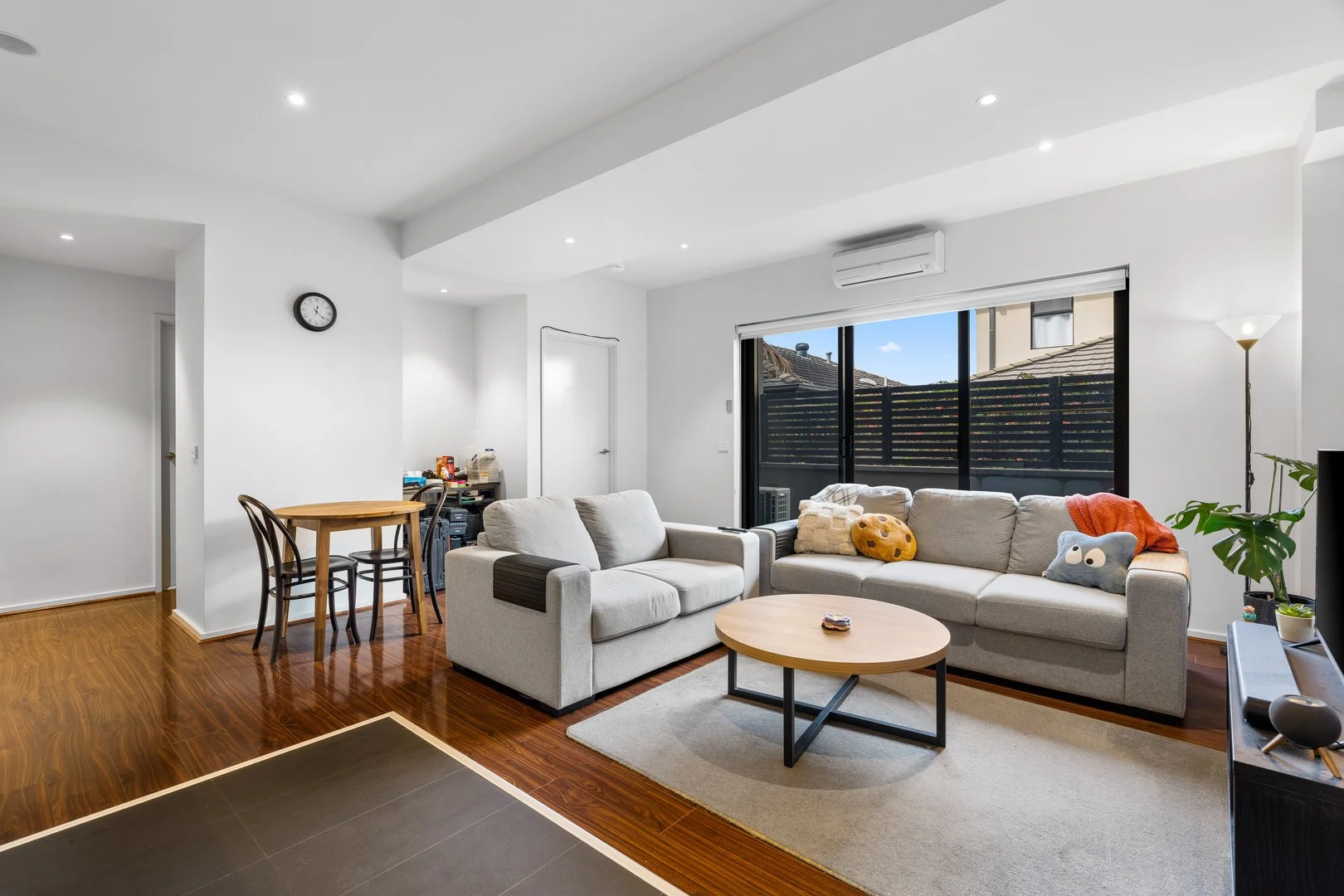 $385,000 - $410,000
Apartment / Unit / Flat
$385,000 - $410,000
Apartment / Unit / Flat
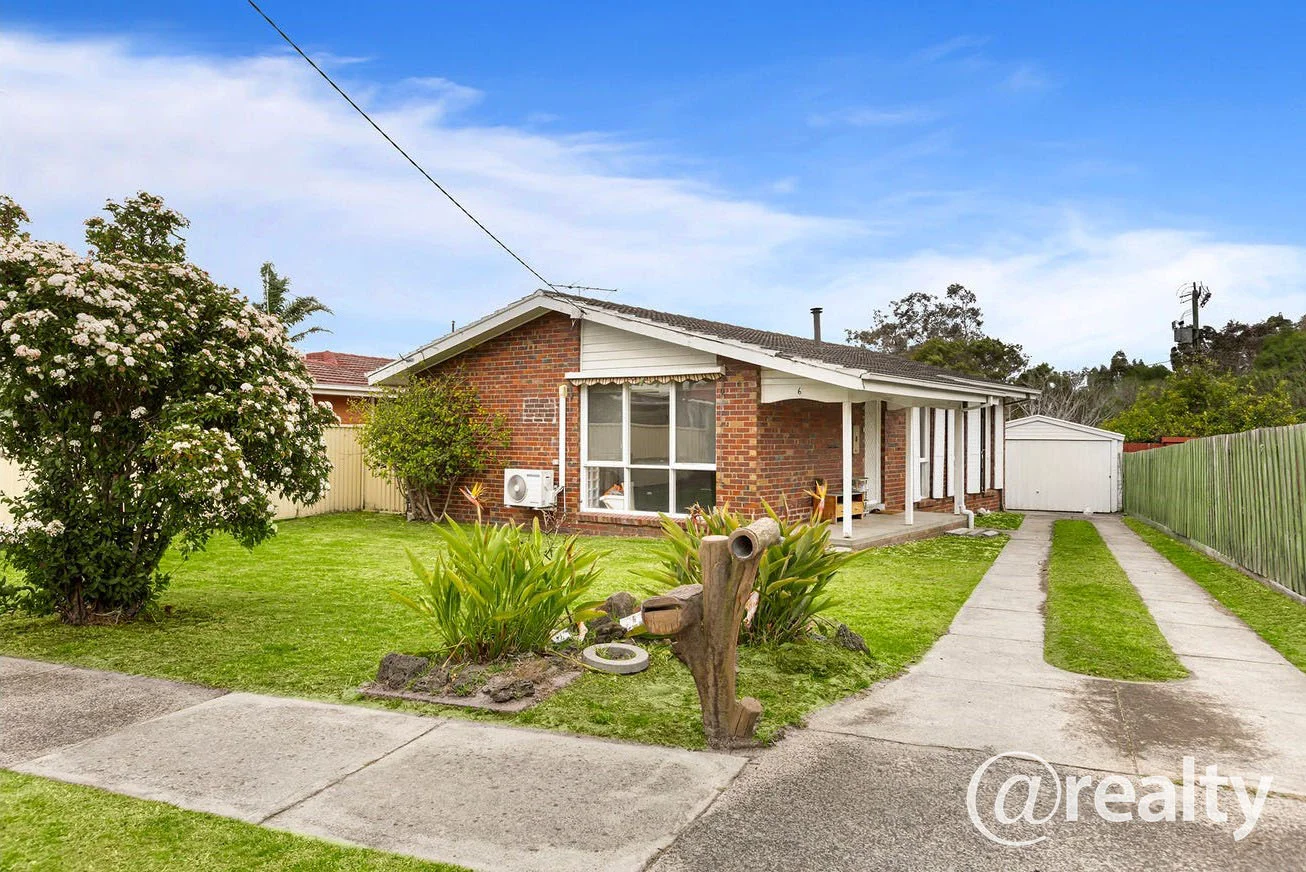 $610
House
$610
House
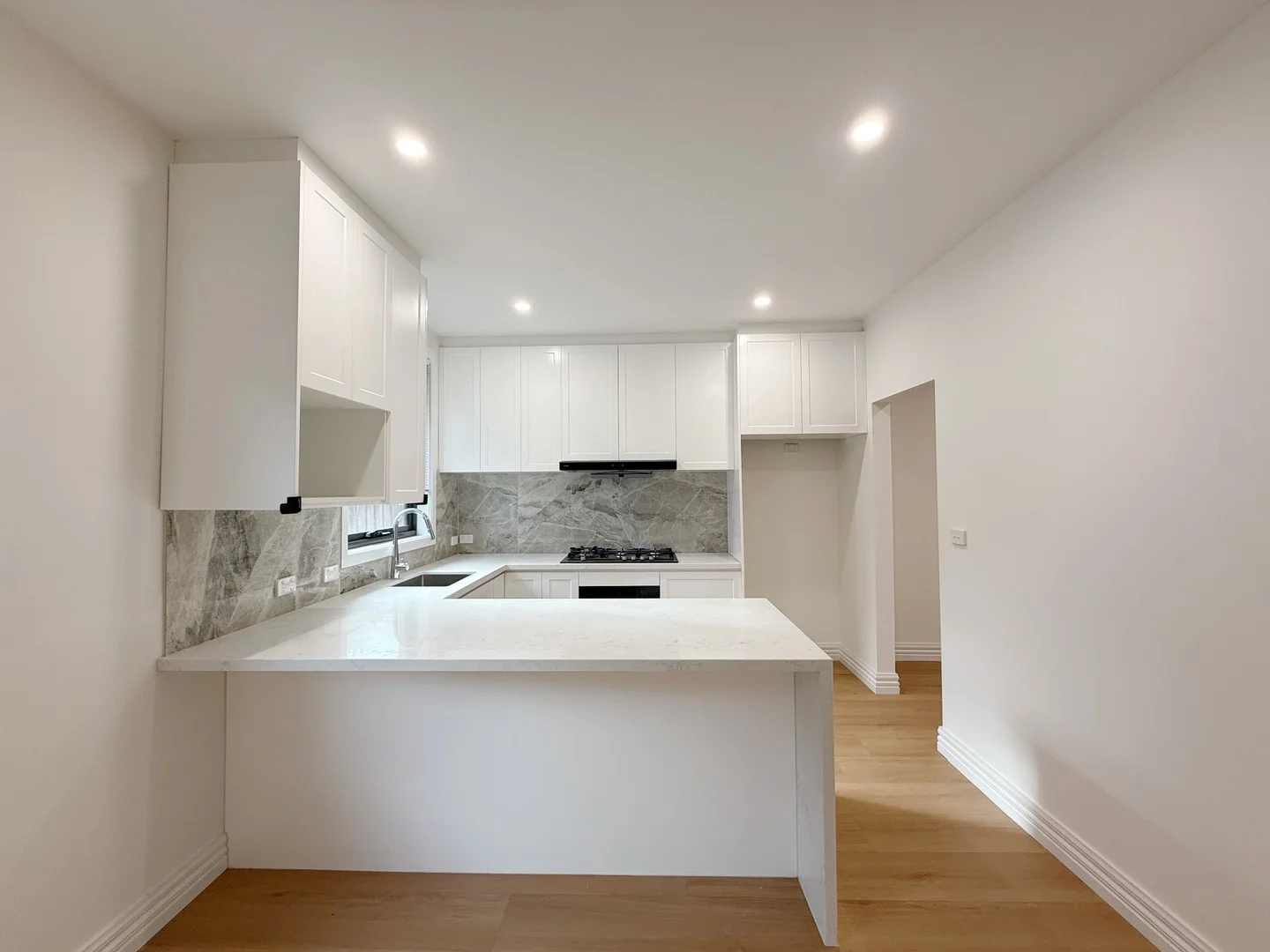 $1,280
House
$1,280
House
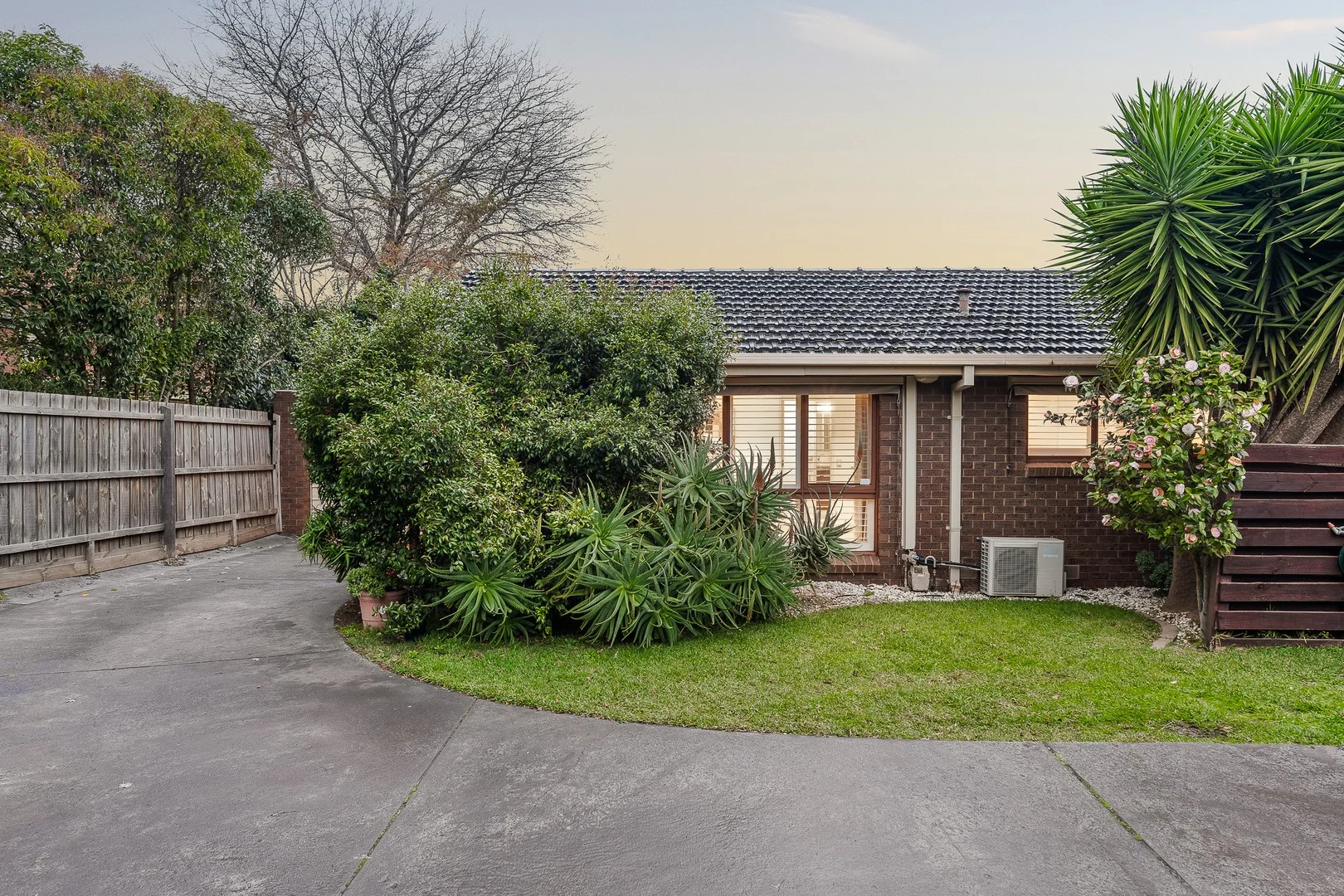 $770,000 - $820,000
Apartment / Unit / Flat
$770,000 - $820,000
Apartment / Unit / Flat


