## 1. Overview
- Mercedes College is an independent Catholic girls’ school in Perth, Western Australia, offering education from primary through secondary years (K–12). The school emphasises faith-based values, academic rigor and a strong sense of community.
- Size and atmosphere: A large, research-informed school community with a nurturing, inclusive culture. The environment supports high achievement while fostering leadership, service and wellbeing.
Class size: Typical classes are in the small-to-midrange range for personalised attention, generally around 20–24 students. Atmosphere/culture emphasizes academic excellence, supportive relationships and active participation in school life.
## 2. Academics & Learning
- Academic strengths: Broad strengths across English/literacy, mathematics, sciences and humanities, with additional focus on leadership development and languages.
- Special programs: Opportunities for gifted and talented pathways, accelerated learning options, and programmes that support talent in STEM, arts or leadership.
- NAPLAN trends: The school aims for positive, steady improvement in literacy and numeracy over time, with consistent performance relative to state benchmarks.
- Student-teacher ratios: Typically small-to-mid-sized classes with favourable student-teacher ratios that support individual guidance and feedback.
- Support for diverse learners: Strong support for diverse learners, including English as an Additional Language (EAL) students and students with additional needs (SEN), with targeted intervention and inclusion strategies.
## 3. Sports & Extracurricular Strengths
- Sports offered: A broad program including netball, basketball, tennis, swimming, athletics, hockey and soccer, among others.
- Strong teams or achievements: Competitive school teams across multiple sports with participation in district/regionals and state events.
- Music, arts, drama programs: Comprehensive music and performing arts programs, ensembles, choirs and regular drama productions.
- Clubs: Robotics, chess, coding, debating and other academic or interest-based clubs to extend skills beyond the core curriculum.
- Partnerships: Partnerships with local clubs, academies and inter-school competitions to provide broader opportunities in sport, arts and STEM.
## 4. Wellbeing & Pastoral Care
- Anti-bullying approach: Proactive, whole-school approach to wellbeing with clear anti-bullying policies and student support structures.
- House system: A house system that fosters friendship, friendly competition, leadership and community belonging.
- Counsellors / wellbeing officers: On-site counsellors or wellbeing officers to support student mental health and resilience.
- Transition support for new students: Structured orientation, buddy programs and transition support to help new students settle in smoothly.
## 5. Facilities
- Sports grounds: On-site or adjacent sports facilities suitable for a range of sports.
- Libraries: Well-stocked libraries with study spaces and resources for research and reading.
- Science labs: Modern, well-equipped science laboratories for practical experiments.
- Music/performing arts centres: Dedicated spaces for music, theatre and performance.
- Tech/innovation labs: Tech/ICT suites and innovation spaces to support digital learning and project work.
- Cafeteria: On-site canteen or dining facilities for students.
- Updated playgrounds: Safe, well-maintained outdoor spaces for recreation and break times.
## 6. School Values & Community Culture
- School values / mission: A mission grounded in Catholic faith, service to others, integrity, excellence and compassion.
- Leadership style: Participative leadership with opportunities for student voice, teacher leadership and collegial decision-making.
- Behaviour expectations: Clear expectations around respect, responsibility, honesty and courtesy.
- Community reputation: Strong reputation within families and the wider Catholic education community for both scholarship and care.
- Diversity & inclusion: Commitment to an inclusive environment that recognises and welcomes diverse backgrounds and perspectives.
## 7. School Logistics & Daily Operations
- School hours: Typical school day runs from morning to mid-afternoon, with variations by year level.
- Before/after school care: Availability of supervision or care programs before and after school hours.
- Uniform requirements: Mandatory school uniform with sensible guidelines for daily wear and formal occasions.
- Transport (train/bus routes): Accessible via public transport and/or school-arranged transport options; information on routes available from the school.
- Canteen availability: Canteen or canteen services available to staff and students.
- Fees (low/medium/high ranges): Fees fall in the higher end of the WA independent school spectrum, with typical additional costs for activities and resources.
## 8. Enrolment & Admissions
- 11. What is the enrolment process and timeline?
- Submit an application with required documents.
- Complete any year-group-specific assessments or interviews (as applicable).
- Participate in an interview or information session for families and potential students.
- Receive an offer if spaces and the selection criteria are met; follow-up steps to secure enrolment.
- Timeline varies by year level and cohort; plan ahead for Year 7 and Year 11 entry points, with earlier applications recommended for popular intake years.
- 12. Is there a waiting list, and how does it work?
- Waiting lists are common for popular intake years. Applications are reviewed and ranked according to the school’s admission criteria; space becomes available as families withdraw or as new cohorts are admitted.
- Families on the waiting list are kept informed about progression and potential opening timelines.
- 13. Are there any entry requirements, tests, or interviews?
- Entrance interviews are typical for many year groups.
- Some year levels may require aptitude or academic conversations, and schools may assess fit with the school’s ethos and expectations.
- For Catholic schools, there might be alignment with Catholic beliefs and participation in the school’s faith-life activities.
- 14. Does the school accept mid-year transfers?
- Mid-year transfers are considered if spaces are available and with the necessary transcripts, reports and consent forms. The transfer process includes meeting with admissions, reviewing academic records and ensuring alignment with the school’s expectations and timetable.
## 9. Frequently Asked Questions
- Why Parents Choose This School?
- Combines strong academic programs with values-led education, supportive wellbeing, extensive extracurriculars and a close-knit community.
- What type of student thrives at this school?
- Motivated students who value academics, leadership, arts or sport, and who appreciate a caring, faith-based environment.
- What opportunities are available for students to extend their skills (academics, sports, arts)?
- Extension and enrichment programs in academics, leadership opportunities, competitive sports teams, high-quality music and drama ensembles, and clubs in robotics, coding and debating.
- How does the school communicate with parents?
- Regular newsletters, a Parent Portal, parent-teacher interviews and updates from leadership on school matters.
- What is the school’s approach to teaching and learning?
- Student-centred, inquiry-based learning that integrates literacy, numeracy, digital skills and real-world applications.
- How does the school support students who need extra academic help?
- Targeted learning support, tutoring options, and personalised plans to assist students needing extra assistance.
- What support is available for academic challenges?
- Access to teachers, learning support staff and counselling services to address academic and wellbeing challenges.
- How does the school communicate with parents?
- See above: ongoing updates through portals, emails, newsletters and scheduled meetings.
- What are the class sizes and how much individual attention do students receive?
- Class sizes are kept in a range that supports individual attention, with additional support through teacher availability, tutoring and small-group sessions where needed.
- What extracurricular and sports opportunities are available?
- A wide range of sports, music ensembles, drama productions and clubs (robotics, chess, coding, debating, etc.).
- What facilities does the school offer (sports, science, arts)?
- Modern science labs, libraries, performing arts spaces, music facilities, IT and innovation labs, sport facilities, canteen and well-maintained outdoor spaces.
- What is the school’s approach to technology and digital learning?
- Integrated digital learning across the curriculum with appropriate devices, software, and online platforms to support learning and collaboration.
- What transport and accessibility options are available?
- Access via public transport routes and school-supported transport options; information available through the admissions team; accessible facilities for students with specific needs.
- What are the typical school fees or additional costs?
- Fees reflect independent schooling standards; additional costs may apply for transport, activities, trips and certain resources. Information on scholarships or financial assistance is typically available through the admissions team.
## 10. Short Pros & Cons list
- Pros
- Strong academic program with breadth across STEM, languages, arts and leadership.
- Values-led education with a focus on wellbeing, pastoral care and community.
- Broad extracurriculars including sports, music, drama and clubs.
- Supportive environment for diverse learners and families.
- Modern facilities and well-integrated technology use.
- Cons
- Fees are higher than state schools, which may be a consideration for some families.
- Being a single-sex, faith-based school may not suit every family’s preferences.
- Demand for entry can mean waiting lists for popular year groups; planning ahead is important.












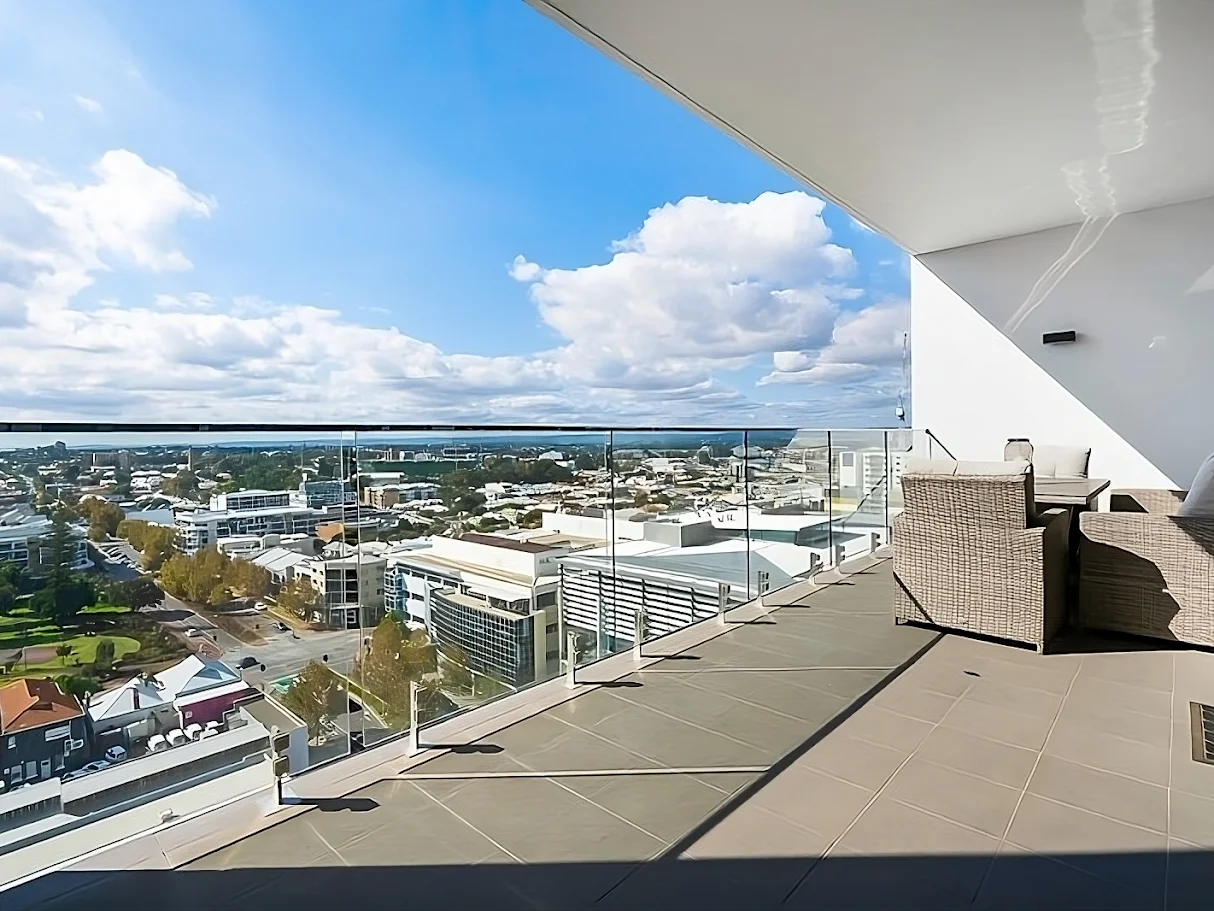 $580,000
Apartment / Unit / Flat
$580,000
Apartment / Unit / Flat
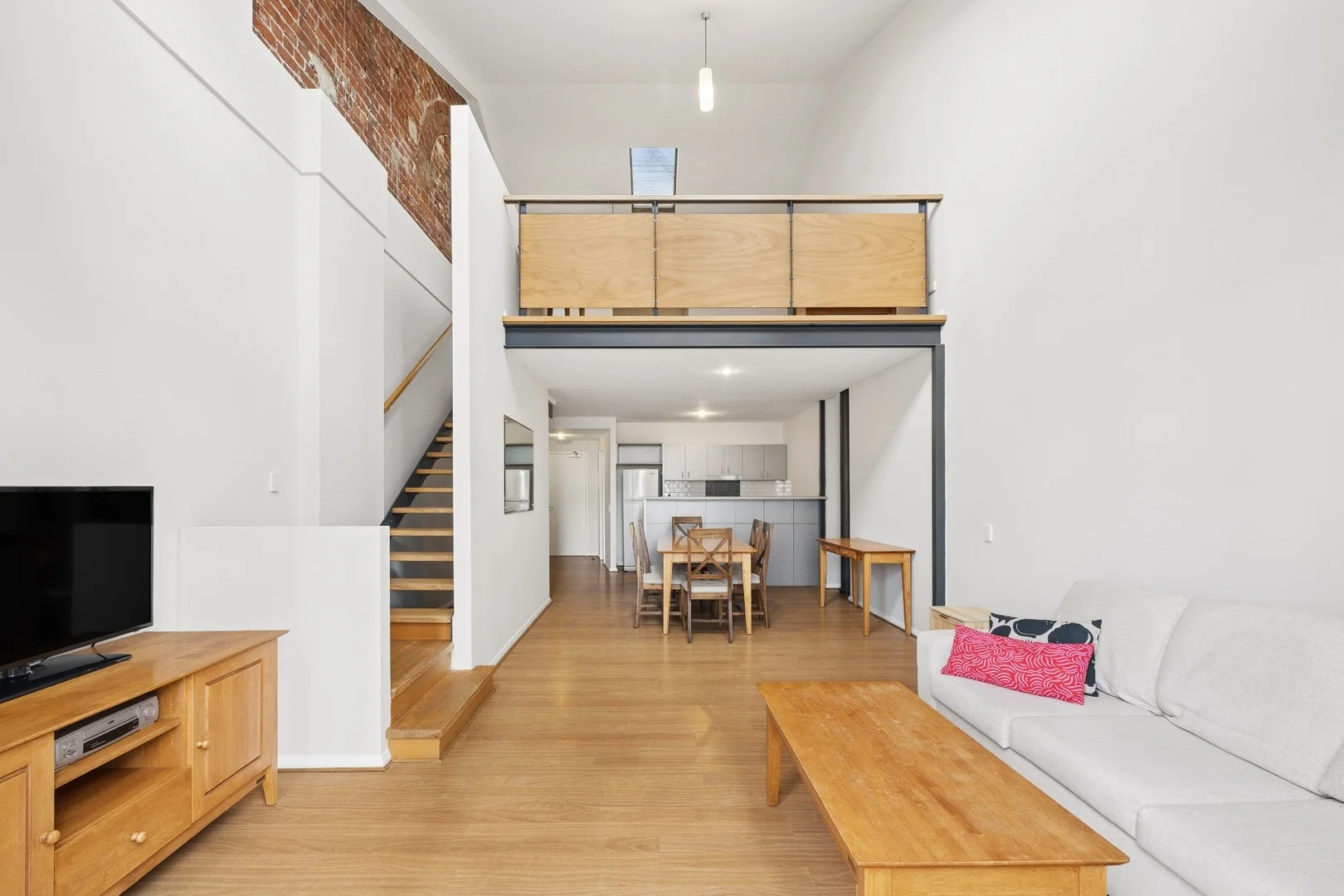 $549,000
Apartment / Unit / Flat
$549,000
Apartment / Unit / Flat
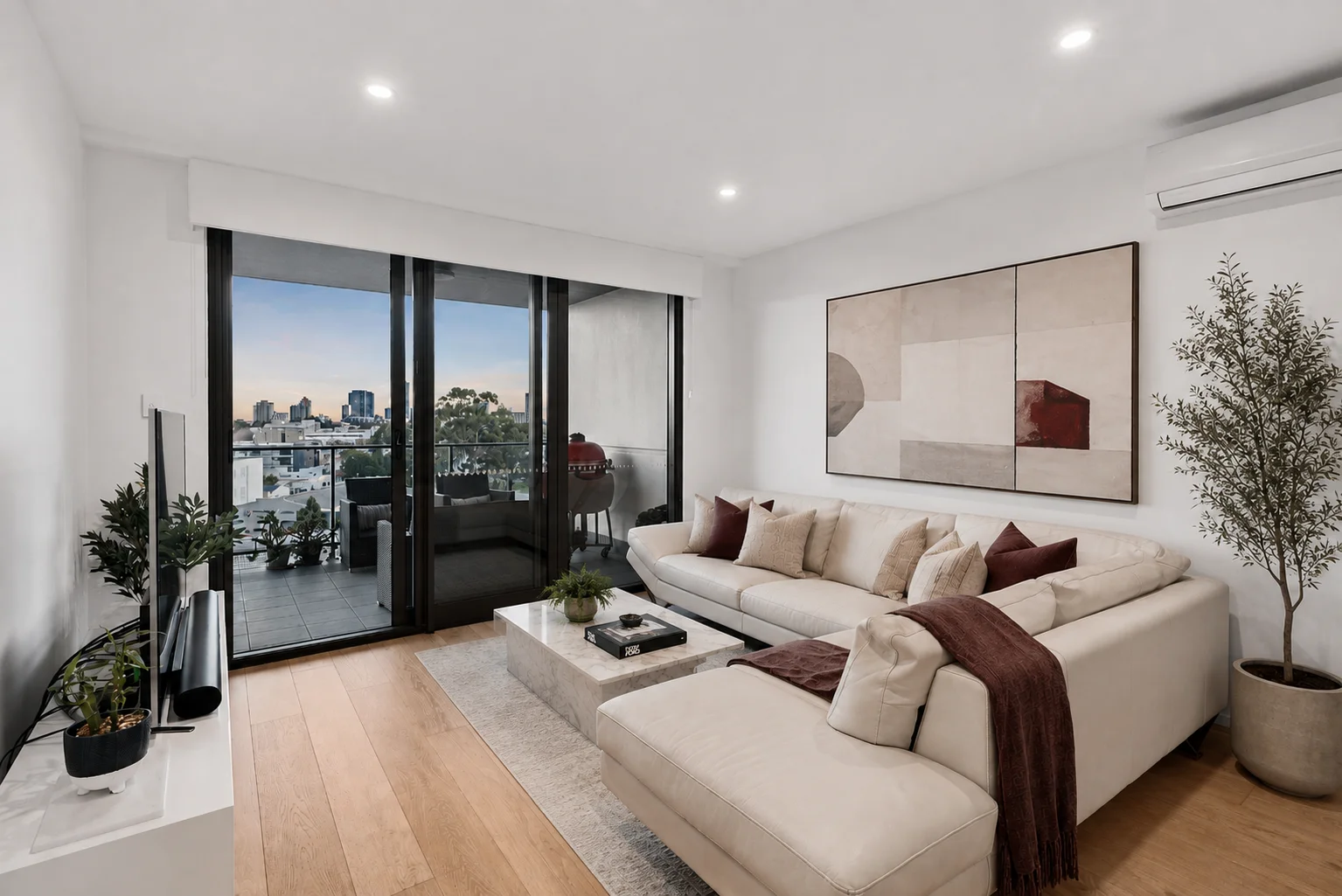 $700,000
Apartment / Unit / Flat
$700,000
Apartment / Unit / Flat
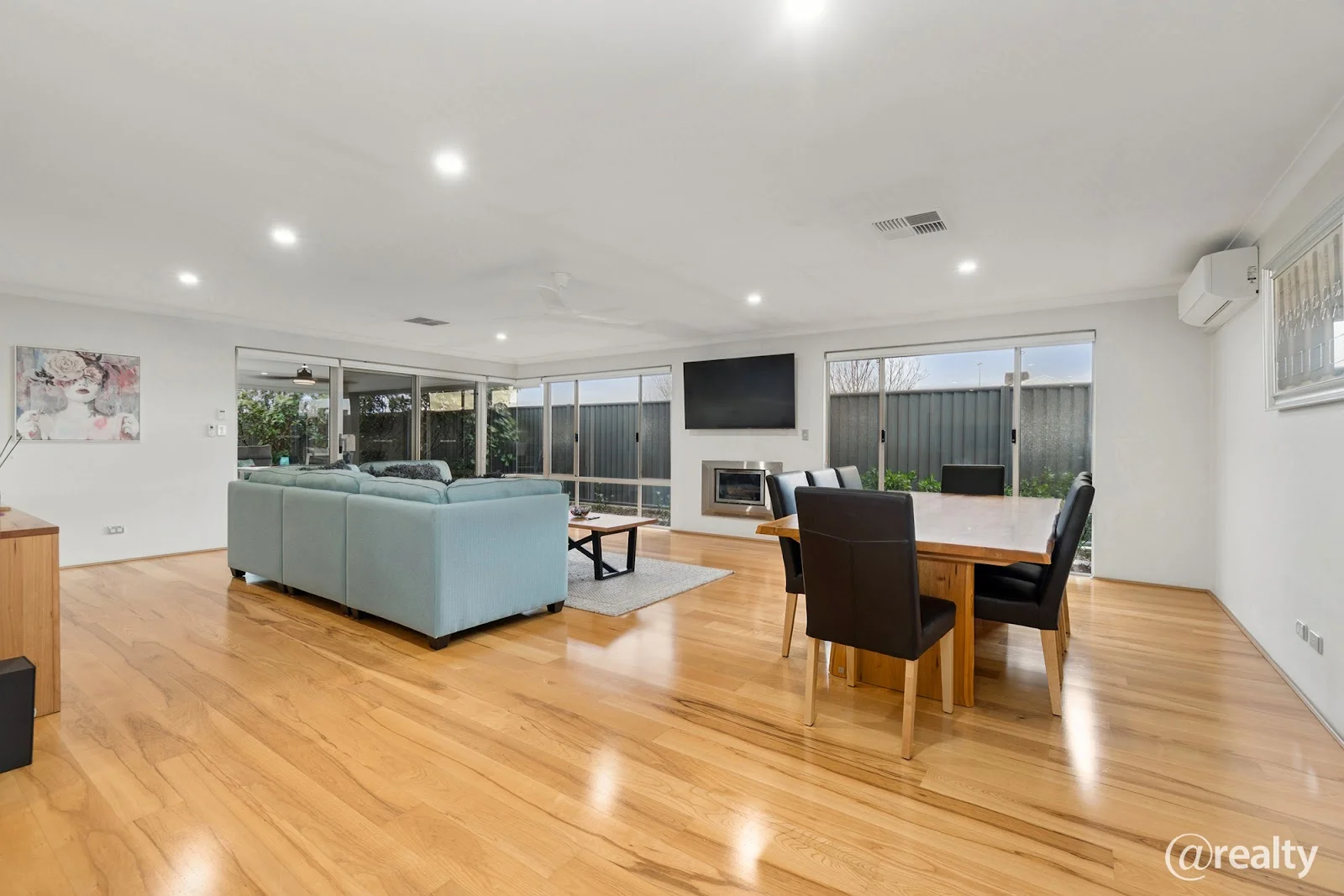 $1,030,000
House
$1,030,000
House
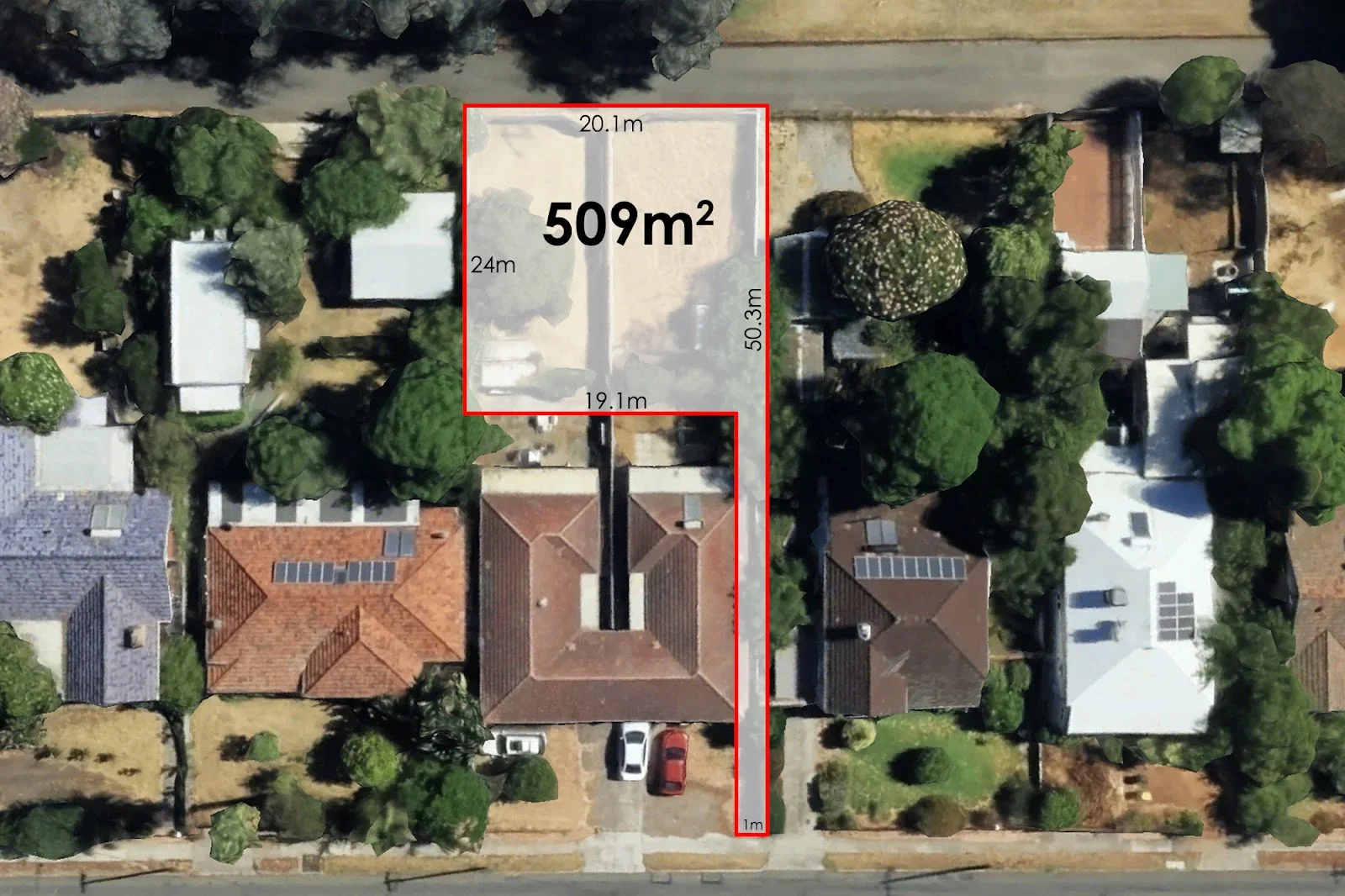 $480,000
Vacant Land
$480,000
Vacant Land