Overview
1. Overview
St George’s Anglican Grammar School is an independent Anglican school in Perth, Western Australia. It offers a comprehensive education designed to develop academic capability, character and leadership within a supportive, values‑driven culture. The school tends to be medium to large in size with a broad student community and a focus on high standards across academic, sporting and co‑curricular programs.
- School type: Independent/private Anglican school
- School size: Medium to large
- Class size: Typically around 20–25 students per class (varying by year and subject)
- Atmosphere/culture: Nurturing, academically focused, values‑driven, inclusive and community‑oriented
---
2. Academics & Learning
- Academic strengths: Strong emphasis on English and literacy, STEM disciplines, leadership development and languages, with a holistic approach to learning that supports inquiry and thinking skills.
- Special programs: Opportunities for accelerated learning and gifted/talented pathways; leadership programs and curriculum choices designed to challenge high‑achieving students.
- NAPLAN trends: Demonstrated solid performance with positive trajectories over recent years, including improvements in reading, writing and numeracy across year groups.
- Student‑teacher ratios: Generally low to moderate ratios that support differentiated instruction and individual attention (typical ranges discussed with families during enrollment).
- Support for diverse learners: Comprehensive support for EAL (English as an Additional Language) learners and SEN (Special Educational Needs) pathways, with access to learning support staff and tailored programs.
---
3. Sports & Extracurricular Strengths
- Sports offered: A broad athletics program including team and individual sports such as football, soccer, basketball, cricket, swimming, tennis and cross‑country, alongside gym and fitness activities.
- Strong teams or achievements: Competitive interschool teams across major sports with opportunity to participate in regional competitions and partnerships with local sporting bodies.
- Music, arts, drama programs: Active performing arts scene with school ensembles, choirs and drama productions; visual arts and music programs complement the academic timetable.
- Clubs: Robotics, coding, chess, debating, science clubs and other interest‑based groups available to students.
- Partnerships: Engagements with local academies, associations and interschool competitions to broaden opportunities beyond the classroom.
---
4. Wellbeing & Pastoral Care
- Anti‑bullying approach: Clear policies and proactive approaches to promoting respectful cultures, with student wellbeing embedded in daily practice.
- House system: A house structure to foster belonging, friendly competition and leadership opportunities (house events and mentoring are common features).
- Counsellors / wellbeing officers: Access to school counsellors or wellbeing staff to support mental health, study skills and transition needs.
- Transition support: Structured programs to help new students acclimate, including orientation activities, peer mentoring and targeted pastoral support during key transition periods.
---
5. Facilities
- Sports grounds: On‑site sports facilities and fields for a range of activities and training.
- Libraries: Well‑stocked libraries with spaces for study, reading and collaborative work.
- Science labs: Modern science laboratories equipped for biology, chemistry and physics experiments.
- Music/performing arts centers: Dedicated spaces for music practice, ensembles and theatre performances.
- Tech/innovation labs: ICT and STEM spaces that support digital learning, coding and maker‑space activities.
- Cafeteria: On‑site dining facilities with access to a variety of meal options.
- Updated playgrounds: Age‑appropriate outdoor play and recreational spaces for younger students and breaks.
---
6. School Values & Community Culture
- School values / mission: A mission grounded in Anglican ethics, community service, respect, responsibility and resilience; emphasis on character development alongside academics.
- Leadership style: Leadership opportunities embedded in student life (student councils, prefect roles and peer mentoring) to cultivate responsible citizenship.
- Behaviour expectations: Clear codes of conduct that promote courtesy, integrity and teamwork; consistent policy application across year levels.
- Community reputation: Positive reputation within the local and wider WA education community for balanced, values‑driven education.
- Diversity & inclusion: Commitment to a welcoming environment with inclusive practices and recognition of diverse backgrounds and talents.
---
7. School Logistics & Daily Operations
- School hours: Regular school day structure with start and finish times that align with the WA school calendar; occasional after‑school activities.
- Before/after school care: Availability of supervision and care programs before and/or after the school day (where offered by the school).
- Uniform requirements: Clear uniform standards outlined by the school, with guidance on purchasing and fitting.
- Transport: Information on bus routes or public transport options used by families; school‑supported travel arrangements may be available.
- Canteen availability: On‑site canteen or catering services offering meals and snacks.
- Fees: Fee ranges typical for private/independent schooling; details provided through the school's admissions or finance office (fees may vary by year level and packages).
---
8. Enrolment & Admissions
11. What is the enrolment process and timeline?
- Step‑by‑step process typically includes submitting an application, attending information/open days, completing any required assessments or interviews, and receiving an offer. There is usually a defined timeline from application to decision, with important dates published by the school each year.
12. Is there a waiting list, and how does it work?
- Waiting lists are common for popular year levels. The school will advise on how listings are created, length of wait, and how priority may be allocated (e.g., siblings, enrolment priority categories). Offers from the waiting list occur as places become available.
13. Are there any entry requirements, tests, or interviews?
- Entry may include review of previous school reports, an interview or meeting with key staff, and may involve academic or aptitude considerations. Some year levels may have specific entry requirements designed to align with program expectations.
14. Does the school accept mid‑year transfers?
- Mid‑year transfers are often considered, subject to place availability, enrolment criteria and the readiness of the student to integrate into the current cohort. The school provides guidance on required documents and transition support if a mid‑year move is possible.
---
9. Frequently Asked Questions
- Why Parents Choose This School?
- A values‑driven, independent education with strong academics, pastoral care and broad opportunities across sport, arts and leadership.
- What type of student thrives at this school?
- Students who are motivated, curious, collaborative and receptive to a balanced education that combines study with co‑curricular involvement.
- What opportunities are available for students to extend their skills (academics, sports, arts)?
- Accelerated or gifted pathways, enhanced leadership programs, competitive sports teams, performing arts productions, and diverse clubs (robotics, coding, debating, etc.).
- How does the school communicate with parents?
- Regular updates via newsletters, emails, a parent portal or learning management system, and scheduled parent‑teacher meetings.
- What is the school’s approach to teaching and learning?
- A student‑centered approach that emphasizes literacy, numeracy, critical thinking, collaboration and real‑world applications.
- How does the school support students who need extra academic help?
- Targeted learning support, EAL/SEN programs, and access to specialists or tutoring as needed.
- What support is available for academic challenges?
- Ongoing assessment, personalised learning plans, and intervention strategies to help students stay on track.
- How does the school communicate with parents? (duplicate)
- See above; two‑way communication channels are standard.
- What are the class sizes and how much individual attention do students receive?
- Class sizes are typically around 20–25 students, with additional support available through targeted teacher time and learning support staff.
- What extracurricular and sports opportunities are available?
- A wide range of sports, music/arts, clubs and competitions to suit varied interests and talents.
- What facilities does the school offer (sports, science, arts)?
- Modern facilities across sports grounds, libraries, science labs, performing arts spaces, tech/innovation labs and dining areas.
- What is the school’s approach to technology and digital learning?
- Integrated ICT and STEM education, with access to digital tools, coding and online learning resources to support modern learning.
- What transport and accessibility options are available?
- Information on bus routes or proximity to public transport, with considerations for accessibility and convenience.
- What are the typical school fees or additional costs?
- Fees reflect private/independent schooling ranges and can vary by year level and program; families are advised to consult the admissions/finance team for current details.
---
10. Short Pros & Cons
Pros
- Values‑driven, supportive environment with a strong sense of community
- Broad academic and co‑curricular offerings, including sports, arts and leadership
- Comprehensive wellbeing and pastoral care
- Modern facilities to support teaching and learning
Cons
- As an independent/private school, fees are a consideration for many families
- Competitive entry in popular year levels may mean some waiting times or places are limited
- Location and transport needs may require planning for families outside the immediate area
If you’d like, I can tailor this content more precisely. Provide any current data you have (official enrolment numbers, class size ranges, specific programs, or recent NAPLAN trends) and I’ll refine the sections with exact figures and up‑to‑date details.










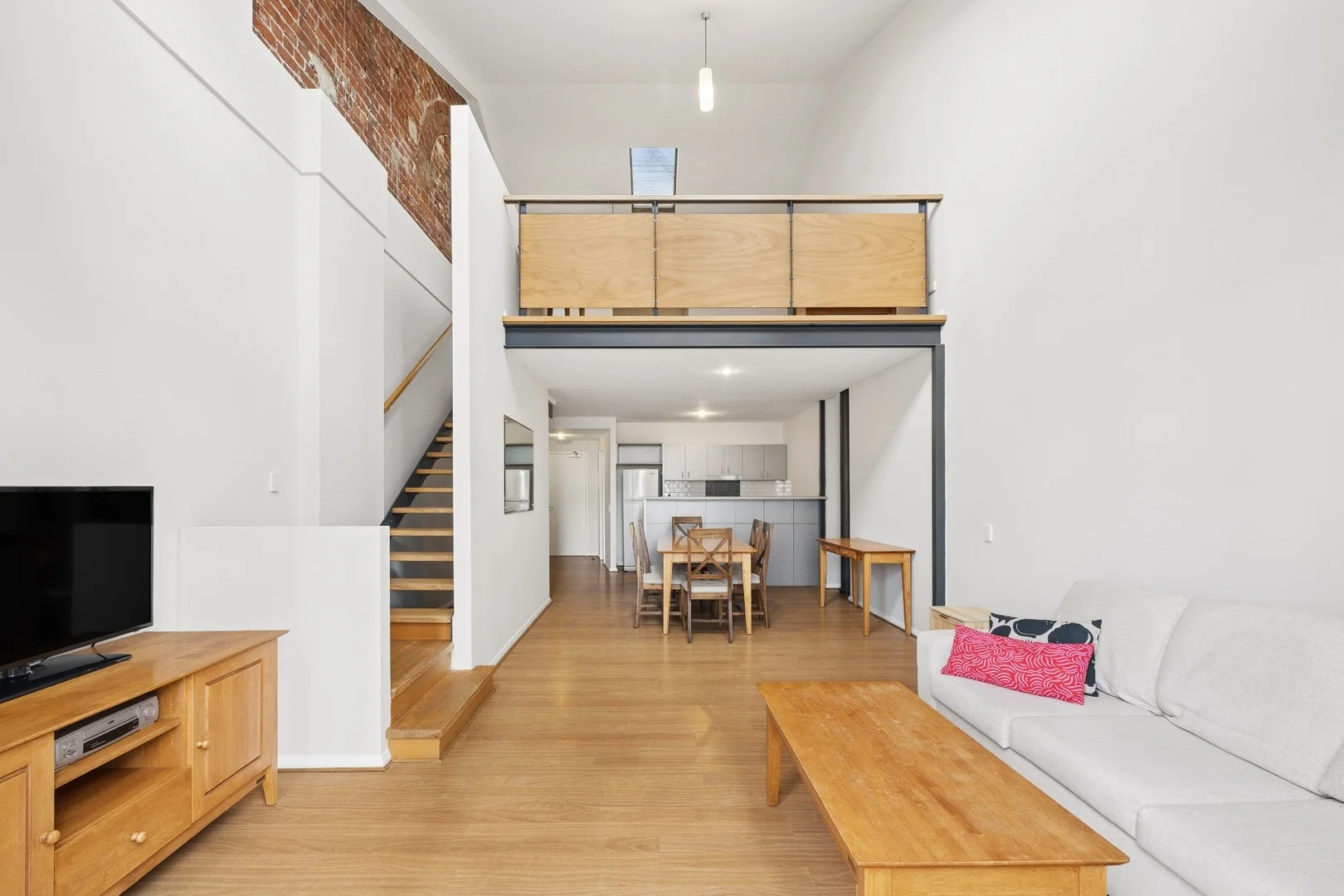 $549,000
Apartment / Unit / Flat
$549,000
Apartment / Unit / Flat
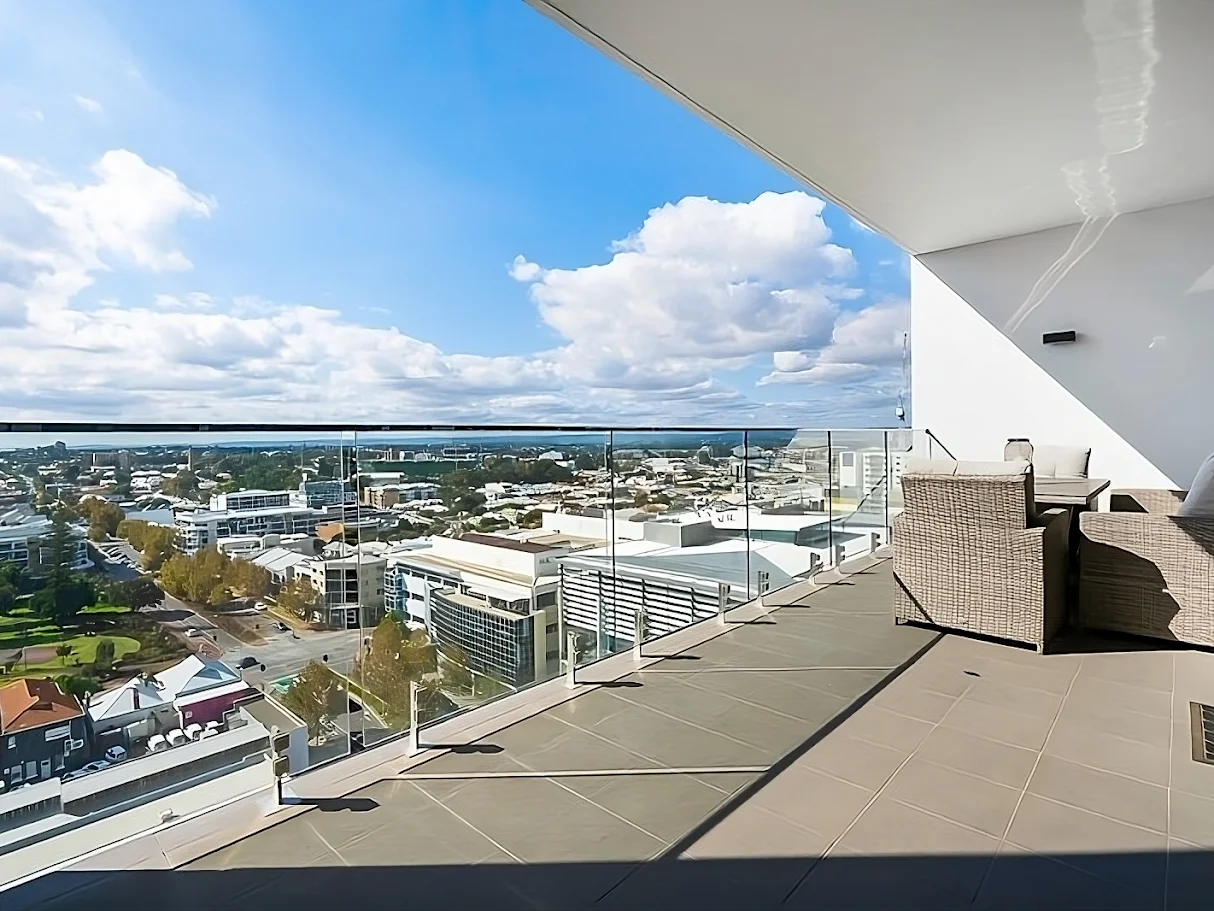 $580,000
Apartment / Unit / Flat
$580,000
Apartment / Unit / Flat
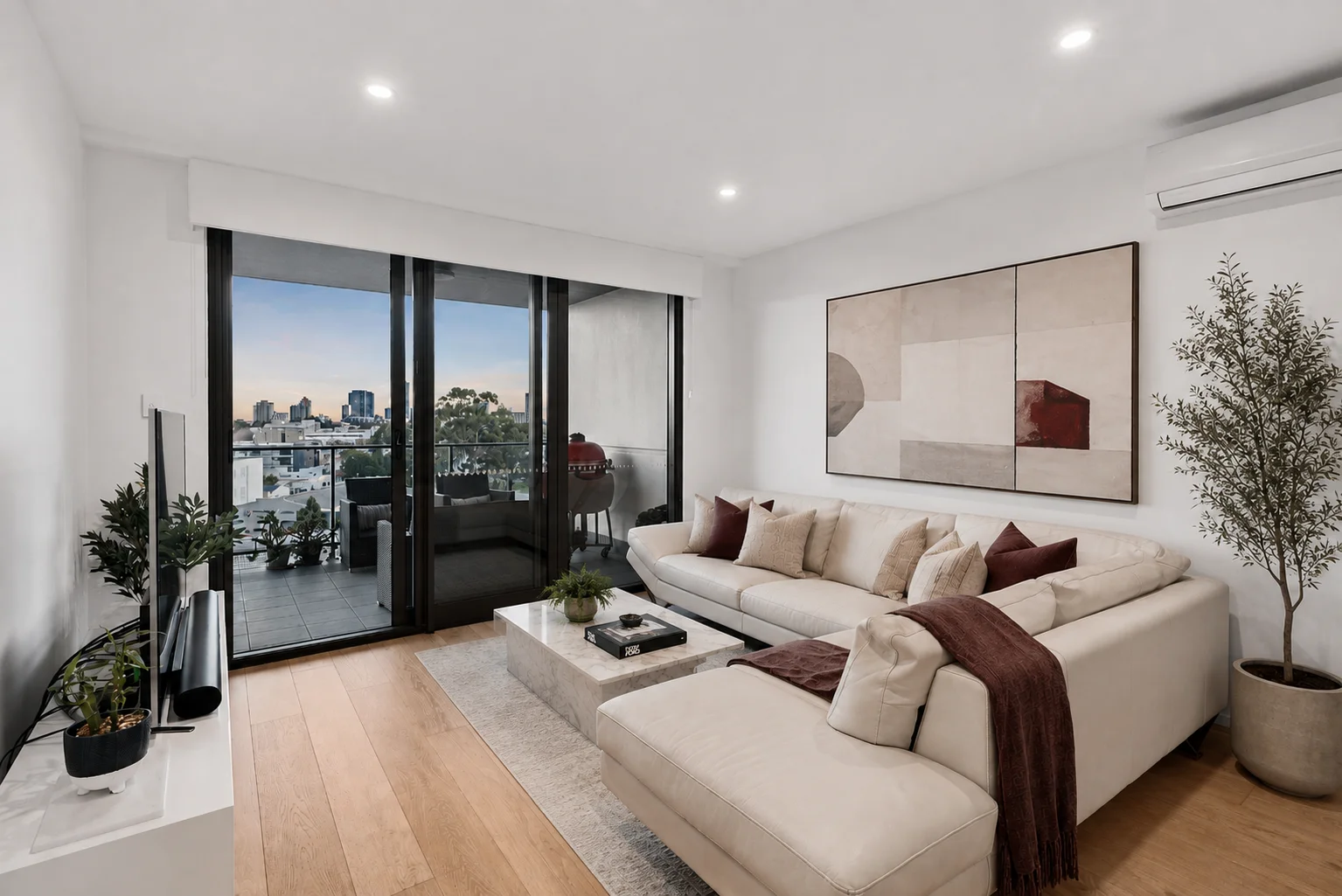 $700,000
Apartment / Unit / Flat
$700,000
Apartment / Unit / Flat
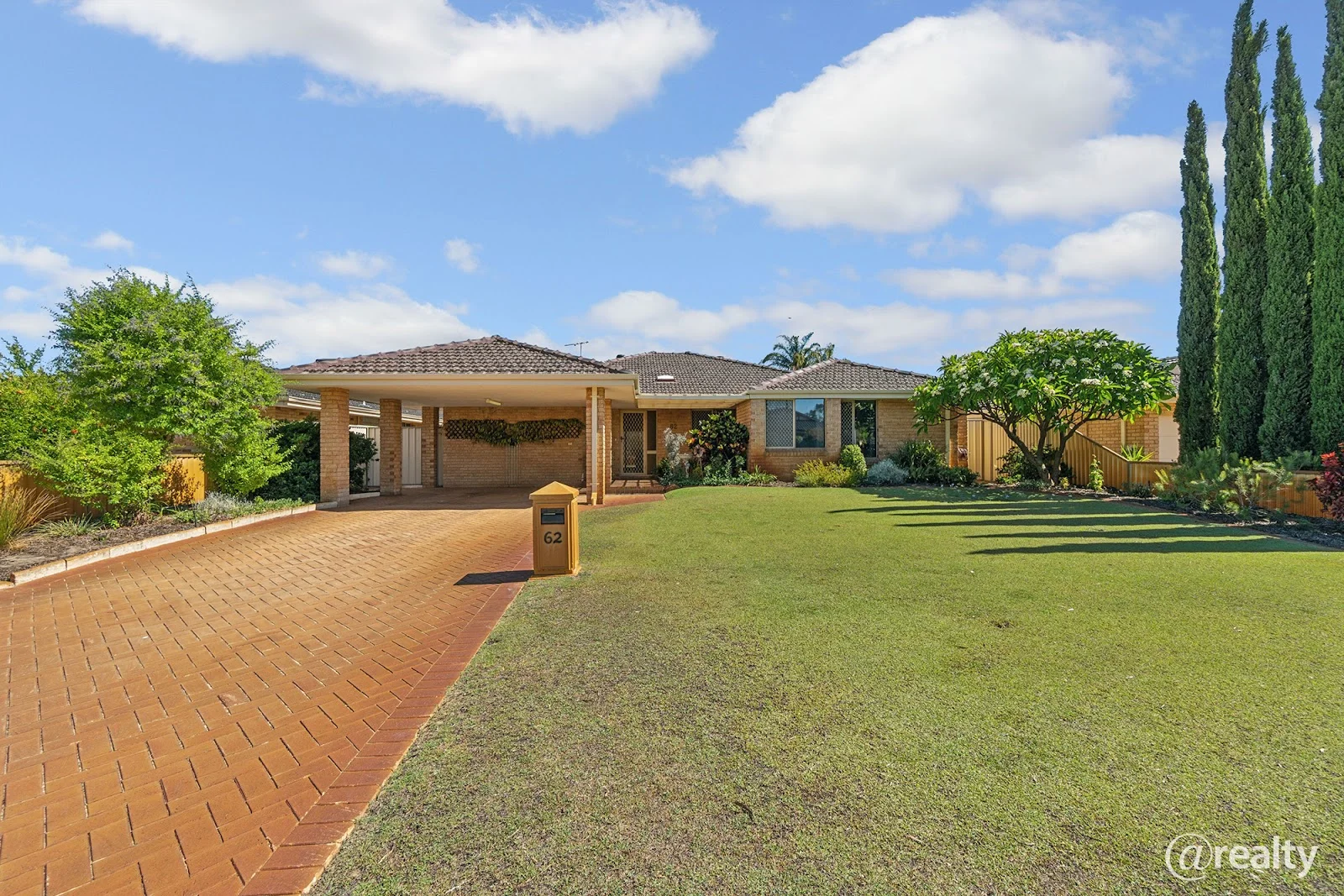 $1,099,000 - $1,153,950
House
$1,099,000 - $1,153,950
House
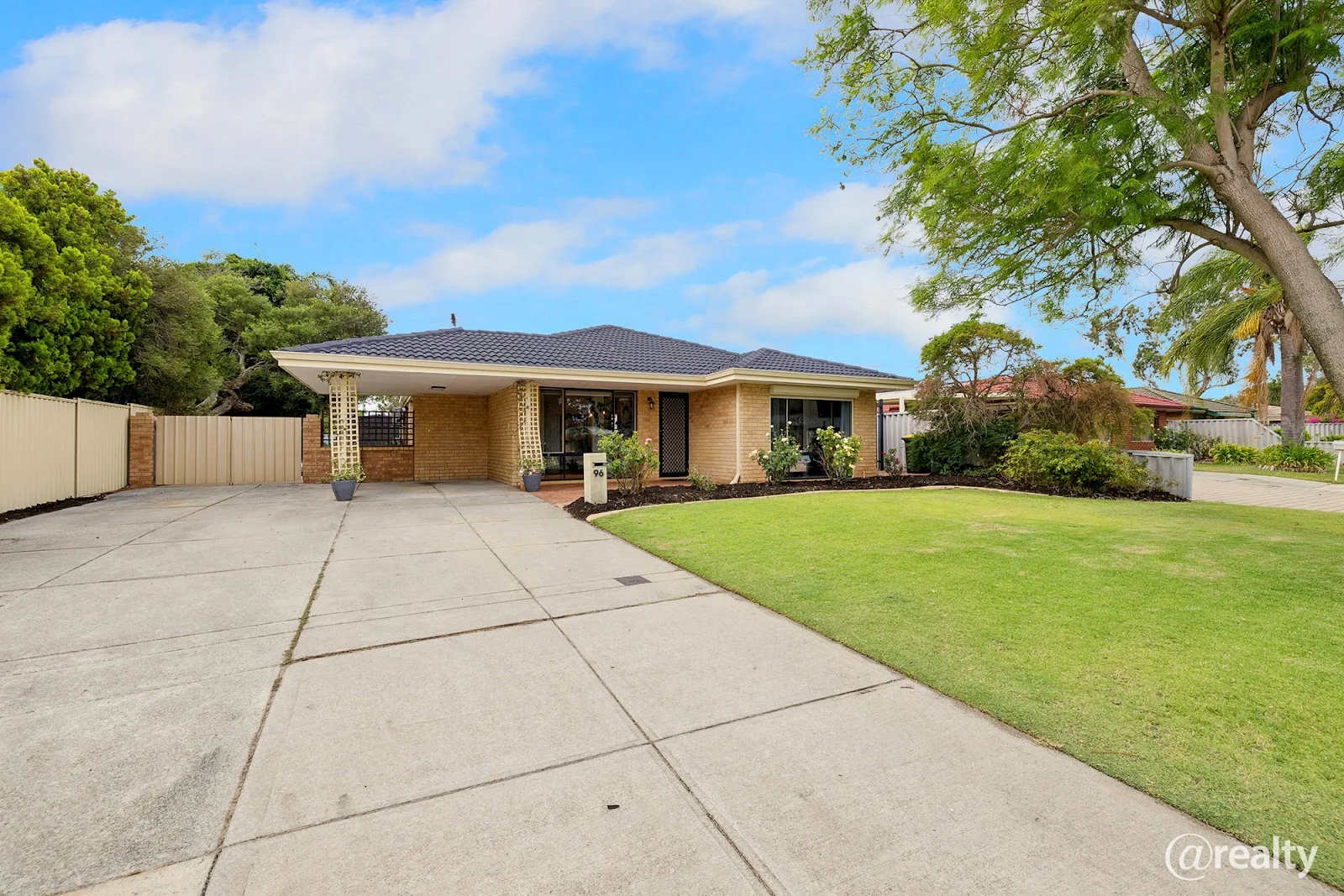 $899,000 - $943,950
House
$899,000 - $943,950
House
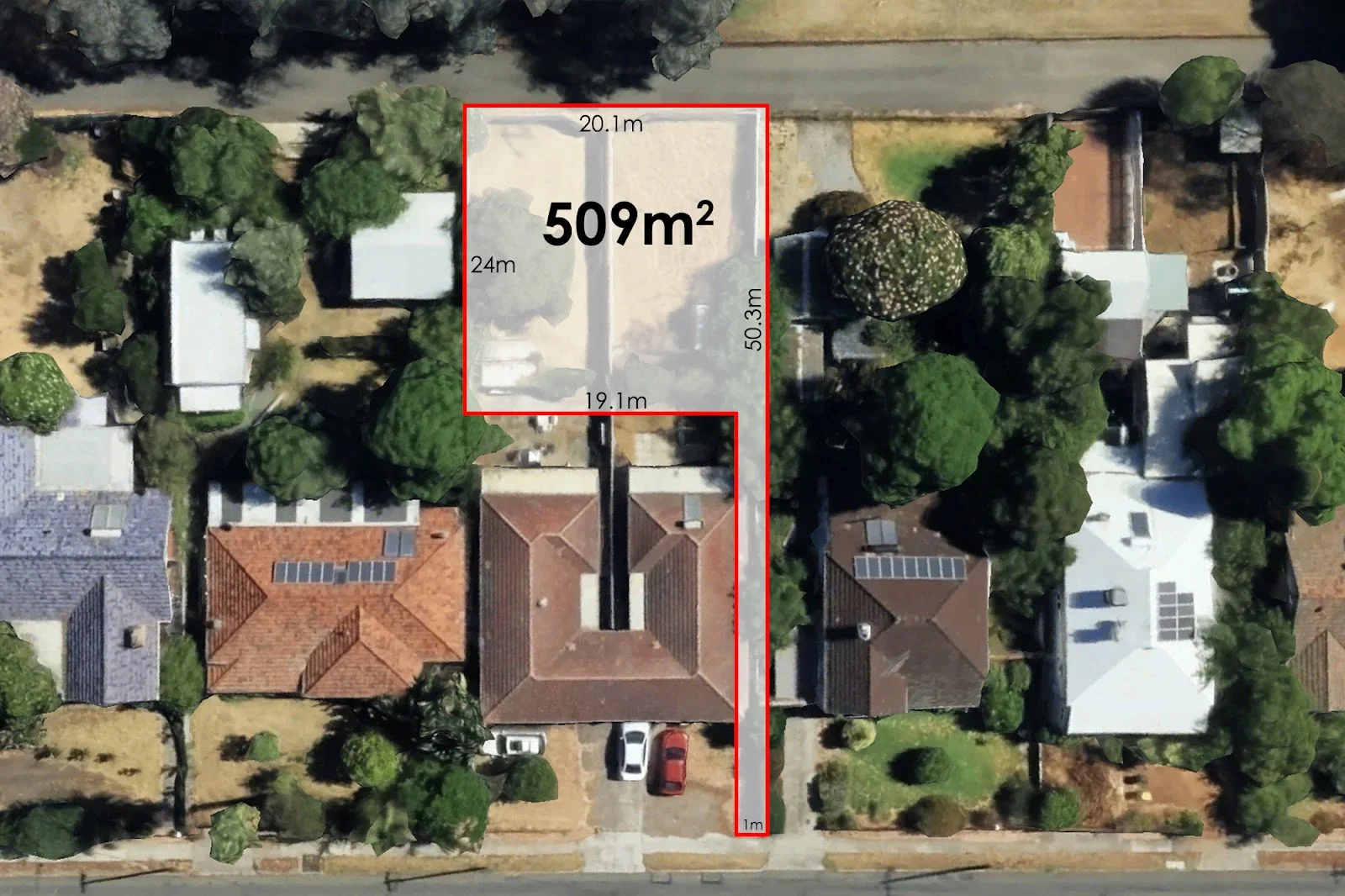 $480,000
Vacant Land
$480,000
Vacant Land