## 1. Overview
SCECGS Redlands is an independent, co-educational day school in Cremorne with Anglican heritage. It combines a strong, values-based education with modern teaching to prepare students for the HSC and life beyond school. The school is medium-to-large by NSW standards, with class sizes typically in the low-to-mid 20s, allowing for personalised attention within a warm, inclusive, and academically oriented community.
The atmosphere is nurturing and supportive, with a focus on student wellbeing, leadership development, and participation in sport and the arts. The school values diversity and inclusion, aiming to develop confident, responsible young people who contribute positively to their communities.
---
## 2. Academics & Learning
- Academic strengths: English and literacy, STEM subjects, leadership development, and languages are emphasized within a rigorous curriculum designed to foster critical thinking and problem-solving.
- Special programs: NSW Higher School Certificate (HSC) pathway, with opportunities for accelerated learning and gifted & talented programs; leadership and study-skills development integrated into the program.
- NAPLAN / trends: Performance has shown a positive trajectory in literacy and numeracy over recent years, with students consistently meeting or exceeding state benchmarks in key areas.
- Student-teacher ratios: Generally in the range of 1:9 to 1:12, enabling some personalised attention within a broad curriculum.
- Support for diverse learners: Dedicated EAL support, learning support and SEN accommodations, and inclusive classrooms to assist students with varying needs.
---
## 3. Sports & Extracurricular Strengths
- Sports offered: Rugby union, soccer, cricket, basketball, swimming, athletics, tennis, and other team and individual sports.
- Strong teams or achievements: Active participation in inter-school competitions with many teams achieving regional-level success and ongoing development across age groups.
- Music, arts, drama programs: Comprehensive music program with ensembles and choirs; drama productions and opportunities to participate in arts events.
- Clubs: Robotics, coding, chess, debating, and other interests that foster problem-solving and teamwork.
- Partnerships: Collaboration with local clubs and coaching networks, participation in inter-school events and competitions to broaden students’ experiences.
---
## 4. Wellbeing & Pastoral Care
- Anti-bullying approach: Proactive, school-wide programs with clear reporting pathways and restorative practices to foster respectful relationships.
- House system: A house-based framework to support pastoral care, leadership opportunities, and friendly competition.
- Counsellors / wellbeing officers: Access to school counsellors and wellbeing staff to support emotional and social development.
- Transition support for new students: Orientation programs, buddy systems, and transition partnerships to help new students settle smoothly.
---
## 5. Facilities
- Sports grounds
- Libraries
- Science labs
- Music/performing arts centers
- Tech/innovation labs
- Cafeteria
- Updated playgrounds
The campus is designed to be visually engaging and easy to navigate, with spaces that support hands-on learning, collaboration, and performance.
---
## 6. School Values & Community Culture
- School values / mission: A values-driven education emphasising respect, integrity, courage, compassion, and service.
- Leadership style: Distributed and inclusive, with student voice and leadership opportunities embedded across year levels.
- Behaviour expectations: Clear codes of conduct with emphasis on positive behaviour, responsibility, and respect for others.
- Community reputation: A close-knit, supportive community that values involvement from families and alumni.
- Diversity & inclusion: Commitment to a welcoming environment that supports students from diverse backgrounds and with varying needs.
---
## 7. School Logistics & Daily Operations
- School hours: Typically a daytime schedule starting in the morning and finishing in the mid-afternoon; exact times vary by year level.
- Before/after school care: Available to support families with early drop-offs and after-school supervision.
- Uniform requirements: School uniform worn during the school day, with specific guidelines for everyday wear and formal occasions.
- Transport (train/bus routes): Accessible by local bus services and nearby public transport; school offers information on drop-off zones and travel options.
- Canteen availability: On-site canteen providing lunch and snack options.
- Fees (low/medium/high ranges): Fees fall within the mid-to-high range for NSW independent schools, with additional costs for extras such as certain trips, activities, and optional programs.
---
## 8. Enrolment & Admissions
11. What is the enrolment process and timeline?
- Inquiry and information session
- Submit the application form with required documents (birth certificate, past reports, etc.)
- Application processing and fee
- Assessment and/or interview (may include literacy/numeracy tasks and student/parent interviews)
- Offer of placement and acceptance
- Enrolment confirmation and start arrangements
12. Is there a waiting list, and how does it work?
- A waiting list may operate if places are not available in the requested year. Offers are made as spaces become available, based on the school's enrolment policy and priorities (e.g., current students, siblings, timing, and readiness).
13. Are there any entry requirements, tests, or interviews?
- Entry typically includes an interview for the student and parents, as well as age-appropriate assessments or tasks to gauge learning needs and fit with the program.
14. Does the school accept mid-year transfers?
- Mid-year transfers are possible subject to space, alignment with the year’s curriculum, and completion of relevant admissions steps.
---
## 9. Frequently Asked Questions
- Why Parents Choose This School?
- A values-based, independent education with strong academics, supportive pastoral care, and a community-focused culture that emphasizes leadership and character.
- What type of student thrives at this school?
- Students who are curious, motivated, engaged in learning, and committed to contributing to a collaborative community.
- What opportunities are available for students to extend their skills (academics, sports, arts)?
- A broad range of advanced coursework, leadership opportunities, competitive sports, performing arts, and clubs such as robotics, coding, and debating.
- How does the school communicate with parents?
- Regular newsletters, a parent portal, information evenings, and parent-teacher conferences; timely updates on events and student progress.
- What is the school’s approach to teaching and learning?
- Student-centered, enquiry-based learning with differentiation to meet diverse needs and promote critical thinking.
- How does the school support students who need extra academic help?
- Access to learning support staff, EAL, targeted interventions, and tailored plans to assist students needing extra help.
- What support is available for academic challenges?
- Additional tutoring, time-management coaching, enrichment for advanced learners, and ongoing teacher collaboration to address gaps.
- How does the school communicate with parents?
- See above: regular digital updates, parent portal, and scheduled conferences.
- What are the class sizes and how much individual attention do students receive?
- Class sizes are typically in the high teens to low twenties, with teachers offering targeted support and opportunities for individualized feedback.
- What extracurricular and sports opportunities are available?
- A wide range of sports, music and drama programs, and clubs such as robotics, coding, chess, and debating.
- What facilities does the school offer (sports, science, arts)?
- Comprehensive facilities including sports grounds, libraries, science labs, performing arts spaces, and tech/innovation labs.
- What is the school’s approach to technology and digital learning?
- Integrated digital learning with appropriate devices, online platforms for communication and assessment, and guidance on digital citizenship.
- What transport and accessibility options are available?
- Local bus routes and convenient access via public transport; information on drop-off/pick-up arrangements and parking.
- What are the typical school fees or additional costs?
- Fees fall within a mid-to-high range for NSW independent schools; some activities, trips, and uniform costs may be additional.
---
## 10. Short Pros & Cons list
- Pros
- Independent, values-based education with strong academics
- Supportive wellbeing and pastoral care
- Broad range of co-curriculars (sport, arts, clubs)
- Inclusive, community-focused culture
- Solid facilities and resources to support learning
- Cons
- Higher fees compared with public options
- Competitive entry in some year levels
- Travel time for families outside the immediate area
- Structured timetable with significant after-school commitments in some years











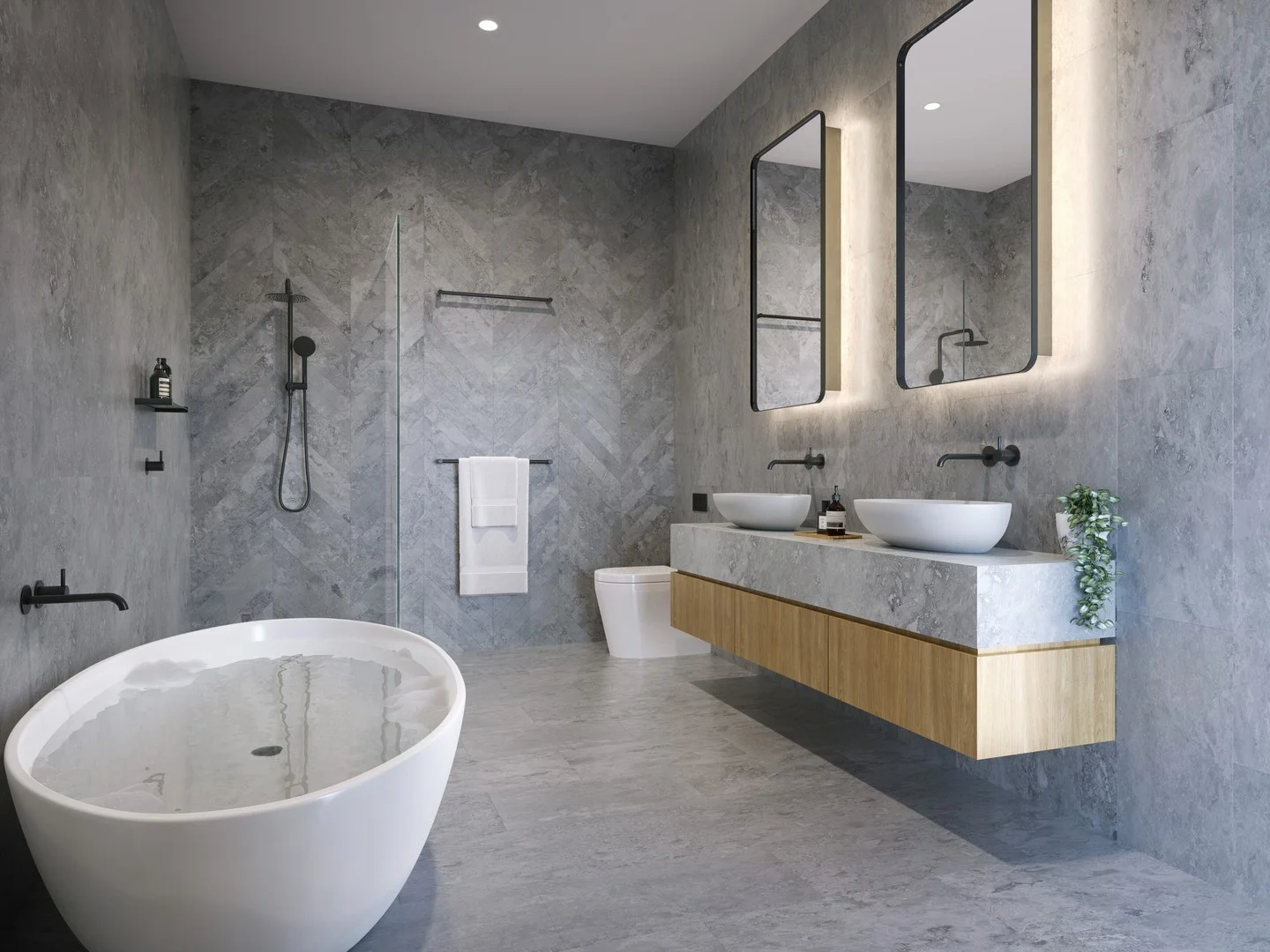 $2,824,000
Apartment / Unit / Flat
$2,824,000
Apartment / Unit / Flat
 $26,550,000
propertyType.NEW APARTMENTS / OFF THE PLAN
$26,550,000
propertyType.NEW APARTMENTS / OFF THE PLAN
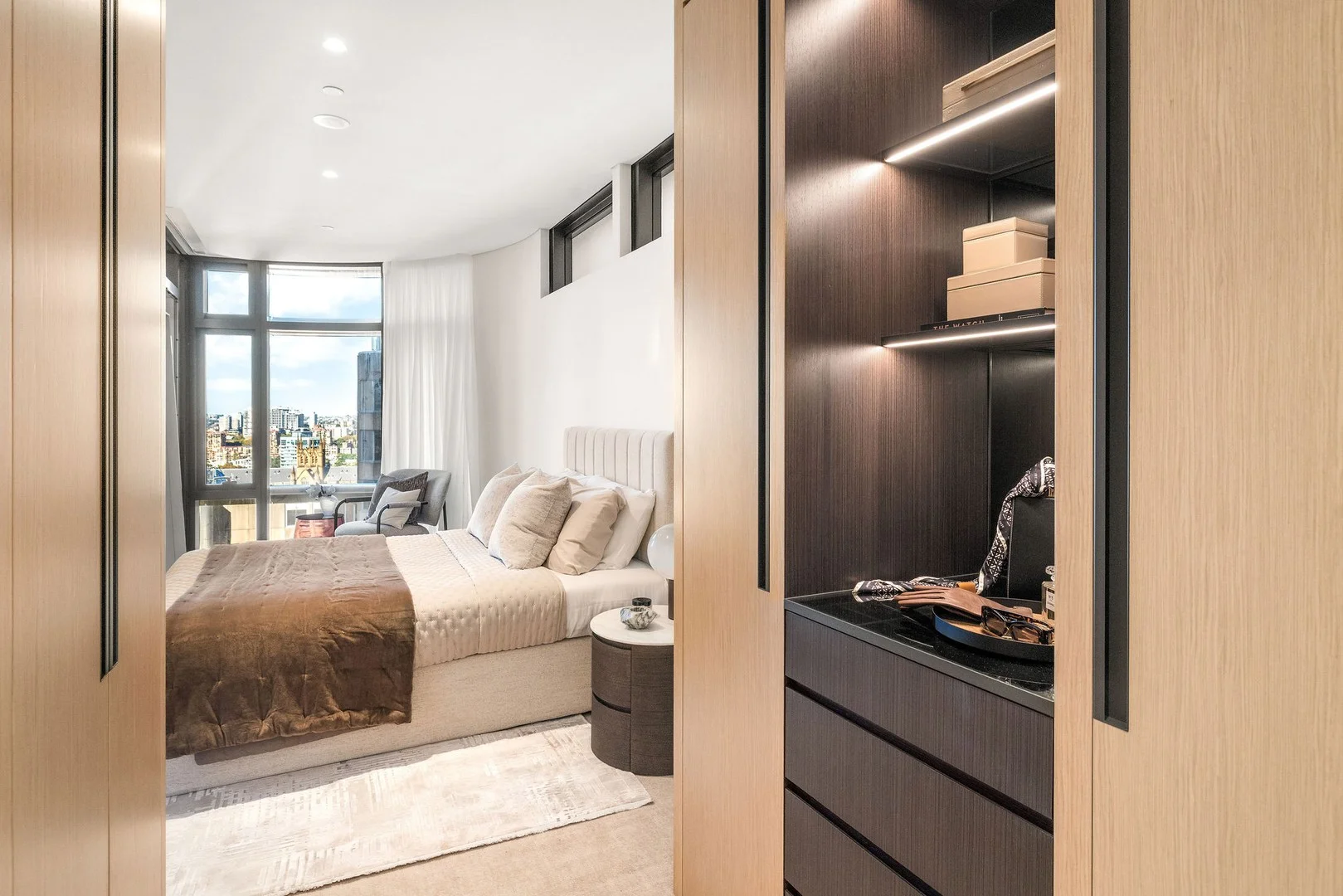 $2,745,000
propertyType.NEW APARTMENTS / OFF THE PLAN
$2,745,000
propertyType.NEW APARTMENTS / OFF THE PLAN
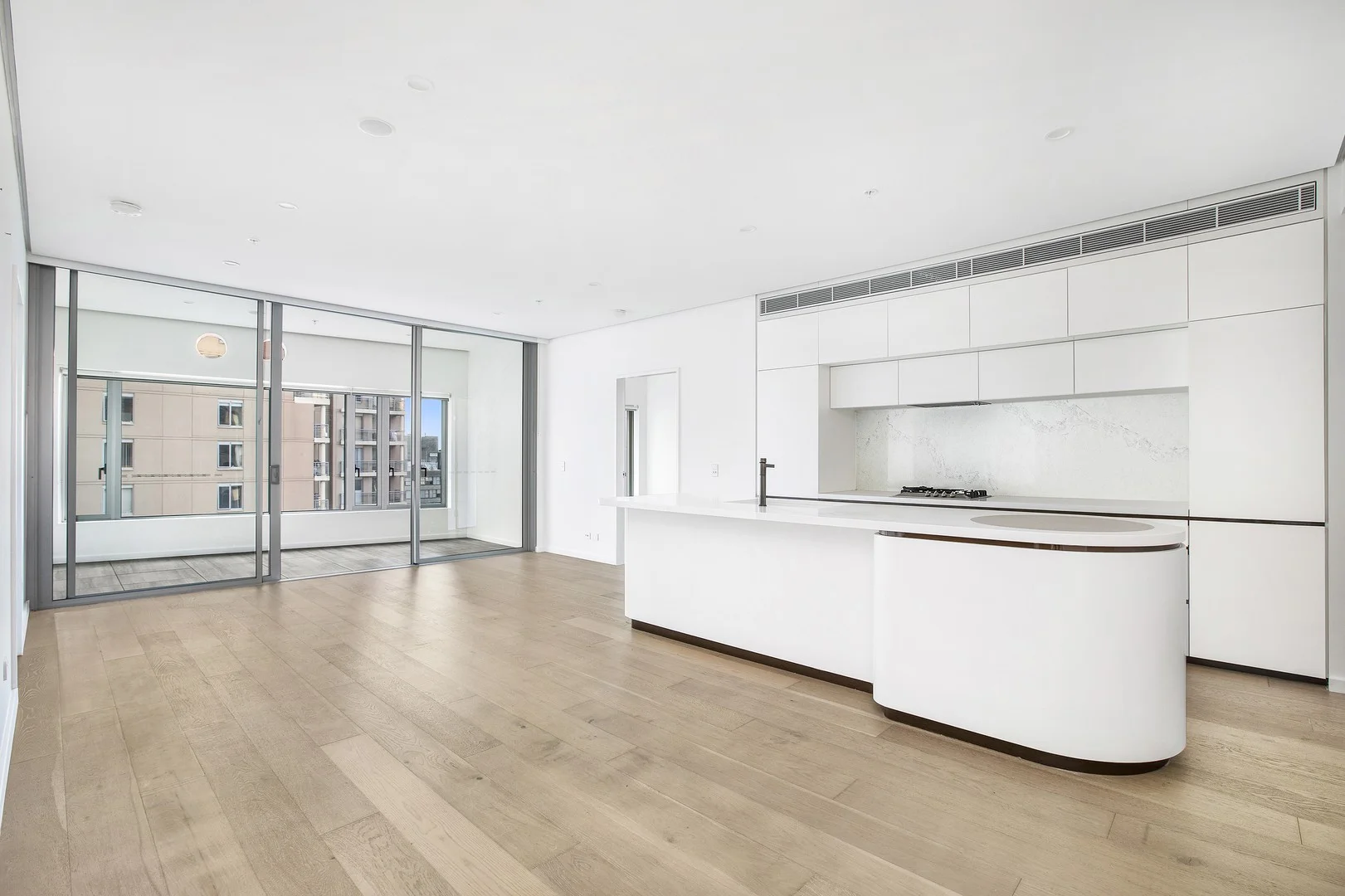 $2,250,000
Apartment / Unit / Flat
$2,250,000
Apartment / Unit / Flat
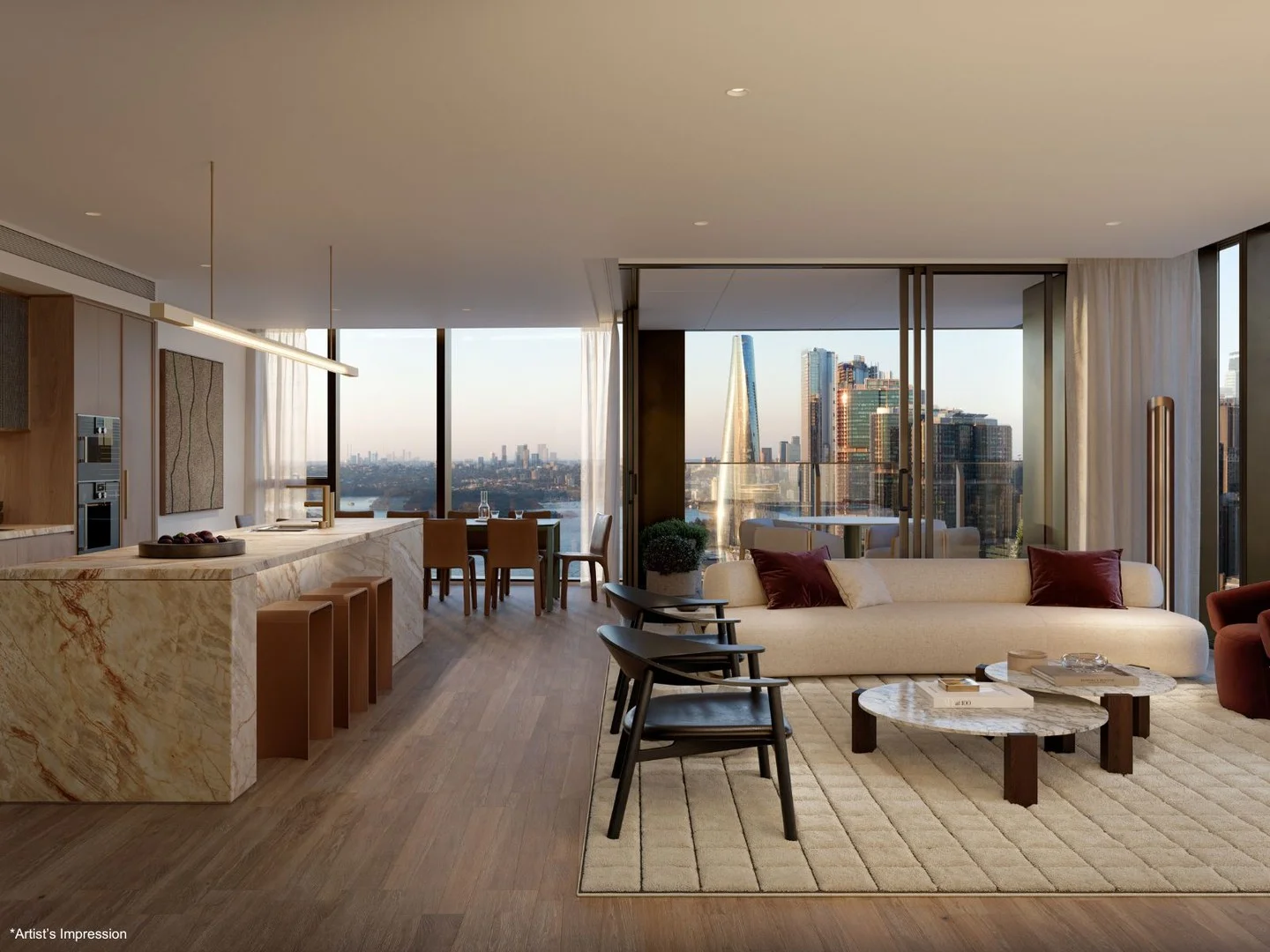 $12,980,000
propertyType.NEW APARTMENTS / OFF THE PLAN
$12,980,000
propertyType.NEW APARTMENTS / OFF THE PLAN
 $6,225,000
propertyType.NEW APARTMENTS / OFF THE PLAN
$6,225,000
propertyType.NEW APARTMENTS / OFF THE PLAN
 $8,630,000
propertyType.NEW APARTMENTS / OFF THE PLAN
$8,630,000
propertyType.NEW APARTMENTS / OFF THE PLAN
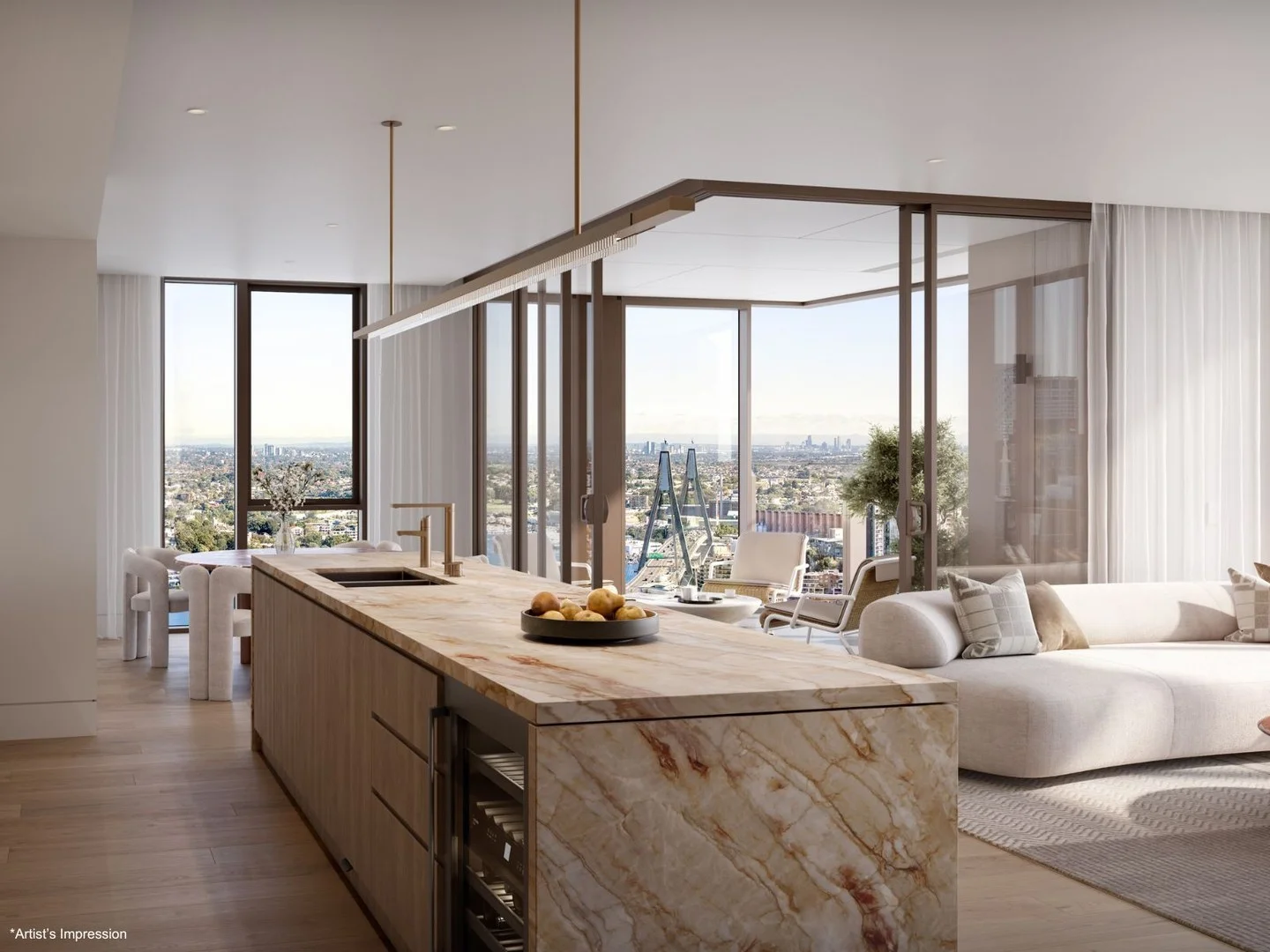 $9,020,000
propertyType.NEW APARTMENTS / OFF THE PLAN
$9,020,000
propertyType.NEW APARTMENTS / OFF THE PLAN
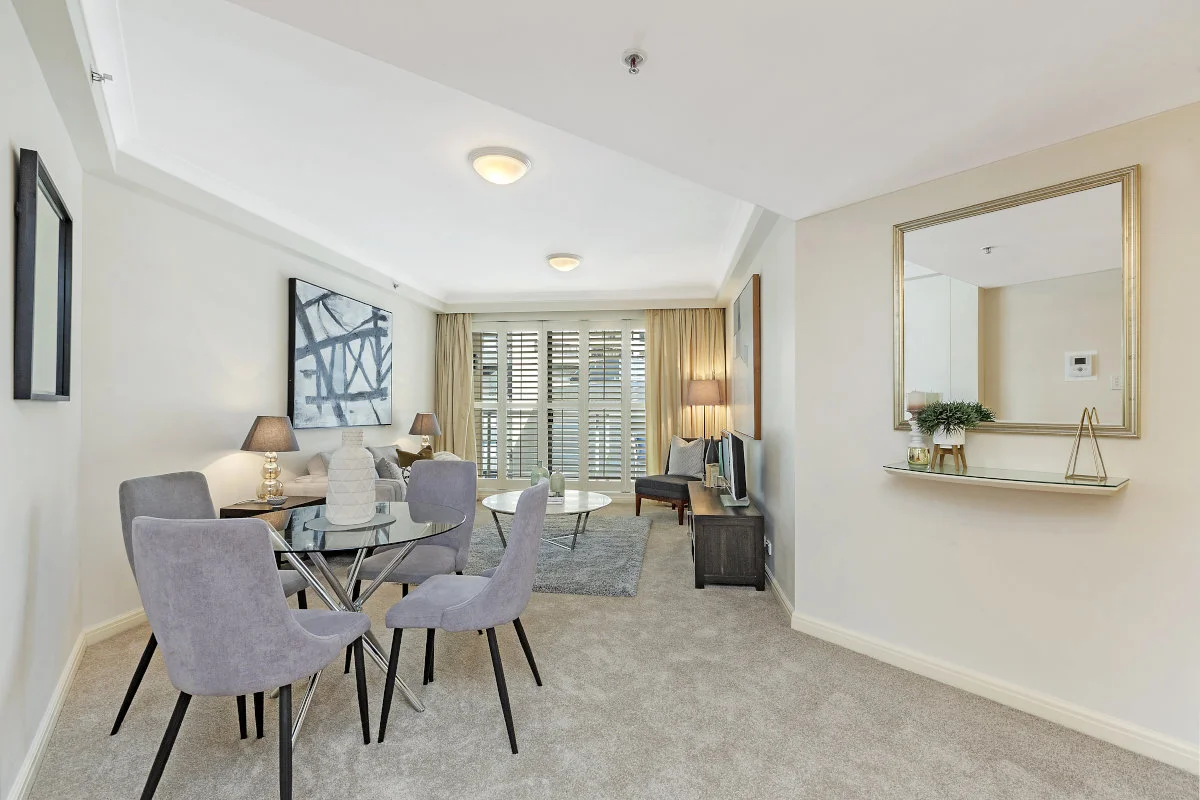 $660,000 - $725,000
Apartment / Unit / Flat
$660,000 - $725,000
Apartment / Unit / Flat


