## Overview
Middle Park Primary School is a public (government) primary school serving families in Melbourne’s inner city area. The school aims to create a nurturing, inclusive learning environment where every child can grow academically and socially. With a medium-sized enrolment, the community feels connected and families are encouraged to participate in school life. Class sizes are typically in the low to mid-20s, allowing teachers to provide individual attention while maintaining a strong classroom learning culture.
The atmosphere is inclusive and supportive, focused on student wellbeing and a well-rounded education. Staff, students and families work together to foster a sense of belonging, curiosity and resilience across the school community.
⸻
## Academics & Learning
- Academic strengths: strong literacy and numeracy foundations, with opportunities to explore STEM concepts through cross-curricular projects. The school prioritizes high-quality teaching in reading, writing and mathematics, with emphasis on critical thinking and problem-solving.
- Special programs: enrichment and extension opportunities across subject areas; specialist activities in arts, music and physical education; language and digital-literacy opportunities are often available through school programs and partnerships.
- NAPLAN trends: typically demonstrates steady participation and year-to-year progress in literacy and numeracy, with positive growth in student outcomes over time.
- Student-teacher ratios: generally around 1:20 to 1:23, enabling meaningful teacher engagement with students while supporting a diverse range of learning needs.
- Support for diverse learners: strong focus on inclusive practices, with targeted support for EAL (English as an Additional Language) learners and students with additional learning needs (SEN).
⸻
## Sports & Extracurricular Strengths
- Sports offered: wide range of school-level sports and physical activities, with opportunities to participate in interschool events and fixtures (e.g., ball sports, athletics, soccer/cricket programs, depending on the year).
- Strong teams or achievements: active involvement in interschool competitions and rounds, with an emphasis on participation, teamwork and personal bests.
- Music, arts, drama programs: constructive programs in music and performing arts, as well as visual arts; school productions and concerts are common features.
- Clubs: robotics, coding, chess, debating and other enrichment clubs are commonly offered, depending on staffing and student interest.
- Partnerships: connections with local community clubs and regional competitions to extend opportunities beyond the classroom.
⸻
## Wellbeing & Pastoral Care
- Anti-bullying approach: proactive, evidence-based wellbeing programs and practices; emphasis on respectful relationships, digital citizenship and restorative approaches to conflict.
- House system: a house-based framework to build belonging, teamwork and friendly competition among students.
- Counsellors / wellbeing officers: access to school wellbeing staff to support social-emotional learning, transitions and individual needs.
- Transition support for new students: buddy programs, orientation activities and targeted onboarding to help students settle in smoothly.
⸻
## Facilities
- Sports grounds: outdoor spaces suitable for a range of physical activities and events.
- Libraries: well-stocked library with reading programs and learning resources.
- Science labs: dedicated spaces for experiments and hands-on science learning.
- Music/performing arts centers: facilities for music education and school performances.
- Tech/innovation labs: rooms and resources for coding, robotics and digital projects.
- Cafeteria: on-site dining options and meal preparation spaces.
- Updated playgrounds: modern play areas and outdoor learning spaces.
⸻
## School Values & Community Culture
- School values / mission: emphasis on respect, curiosity, resilience and inclusion; a learning community that prioritises wellbeing and personal growth.
- Leadership style: student voice and leadership opportunities are encouraged; collaborative decision-making with staff and families.
- Behaviour expectations: clear, consistent expectations with positive reinforcement and restorative practices.
- Community reputation: widely regarded as welcoming, family-friendly and supportive of diverse backgrounds and needs.
- Diversity & inclusion: strong commitment to equity and inclusion; programs and practices reflect a diverse student body and family community.
⸻
## School Logistics & Daily Operations
- School hours: typical day runs from morning start to mid-afternoon (exact times may vary by term or year level).
- Before/after school care: available through designated programs or outside providers; families can access care before and after school hours.
- Uniform requirements: school uniform policy in place; details provided on enrolment and school communications.
- Transport (train/bus routes): access to local public transport options and walking/cycling routes; specifics depend on family location.
- Canteen availability: on-site or arranged canteen options for lunches and snacks.
- Fees (low/medium/high ranges): public primary schools generally charge modest materials and activity fees; additional costs may apply for excursions or extra-curricular activities.
⸻
## Enrolment & Admissions
11. What is the enrolment process and timeline?
- Enrolment typically involves submitting documentation to the Victorian Department of Education and the school, with timelines varying by intake and catchment policies. Prospective families should initiate the process early to confirm available places and catchment eligibility, and to participate in any information sessions or interviews if offered by the school.
12. Is there a waiting list, and how does it work?
- Waiting lists can occur in high-demand year levels. Placement is usually managed by school and DET policies, with priority often given to in-catchment students. The school will provide guidance on waitlist status and expected wait times.
13. Are there any entry requirements, tests, or interviews?
- Public primary schools in Victoria generally do not require entry tests. Some schools may offer informational meetings or a brief orientation for new families. Specific entry processes can vary, so check with the school for any required steps.
14. Does the school accept mid-year transfers?
- Mid-year transfers are considered if there are vacancies. Documentation, consent from the current school (if applicable), and proof of eligibility are typically required. Availability depends on current enrolment and staffing capacity.
⸻
## Frequently Asked Questions
- Why Parents Choose This School?
- A supportive, inclusive learning environment with a focus on wellbeing, strong literacy/numeracy foundations and opportunities across arts, sport and technology.
- What type of student thrives at this school?
- Curious, collaborative learners who engage with a broad curriculum, values-based learning and a community-minded approach.
- What opportunities are available for students to extend their skills (academics, sports, arts)?
- Enrichment activities across literacy, numeracy, STEM, arts and physical education; extracurricular clubs (e.g., robotics, coding, chess, debating); interschool sport and arts opportunities.
- How does the school communicate with parents?
- Regular updates through newsletters, emails, school portals and scheduled parent-teacher conferences; clear policies for accessibility and feedback.
- What is the school’s approach to teaching and learning?
- Student-centered, evidence-based teaching with a focus on literacy, numeracy and inquiry-based learning; emphasis on inclusivity and differentiated instruction.
- How does the school support students who need extra academic help?
- Targeted support through SEN and EAL services, in-class differentiation and access to wellbeing staff; tailored intervention where needed.
- What support is available for academic challenges?
- Additional tutoring or small-group sessions where appropriate; collaboration with families to set goals and monitor progress.
- What are the class sizes and how much individual attention do students receive?
- Class sizes are typically in the low to mid-20s, with teaching staff able to provide targeted support and monitoring of individual progress.
- What extracurricular and sports opportunities are available?
- A range of sports, arts, music and clubs (robotics, coding, chess, debating), plus interschool competitions and community partnerships.
- What facilities does the school offer (sports, science, arts)?
- Sports grounds, library, science labs, music/performing arts facilities, tech/innovation spaces and a canteen, with updated playgrounds.
- What is the school’s approach to technology and digital learning?
- Emphasis on digital literacy, coding and age-appropriate use of technology to support learning across the curriculum.
- What transport and accessibility options are available?
- Access to local public transport, plus walking/cycling routes; school policies support accessibility and inclusive access.
- What are the typical school fees or additional costs?
- Fees are generally modest for public primary schools; additional costs may apply for excursions, activities and materials.
⸻
## Short Pros & Cons list
- Pros
- Nurturing, inclusive culture with a strong wellbeing focus
- Solid literacy and numeracy foundations
- Broad opportunities across academics, arts, sport and technology
- Active family engagement and community-minded environment
- Cons
- As a mid-sized public school, some programs or facilities may depend on annual funding and parent involvement
- Availability of certain elective clubs or programs can vary year to year based on staffing and student interest
- Wait times can occur for higher-demand year levels depending on enrolment pressures
⸻
 $25+
$25+











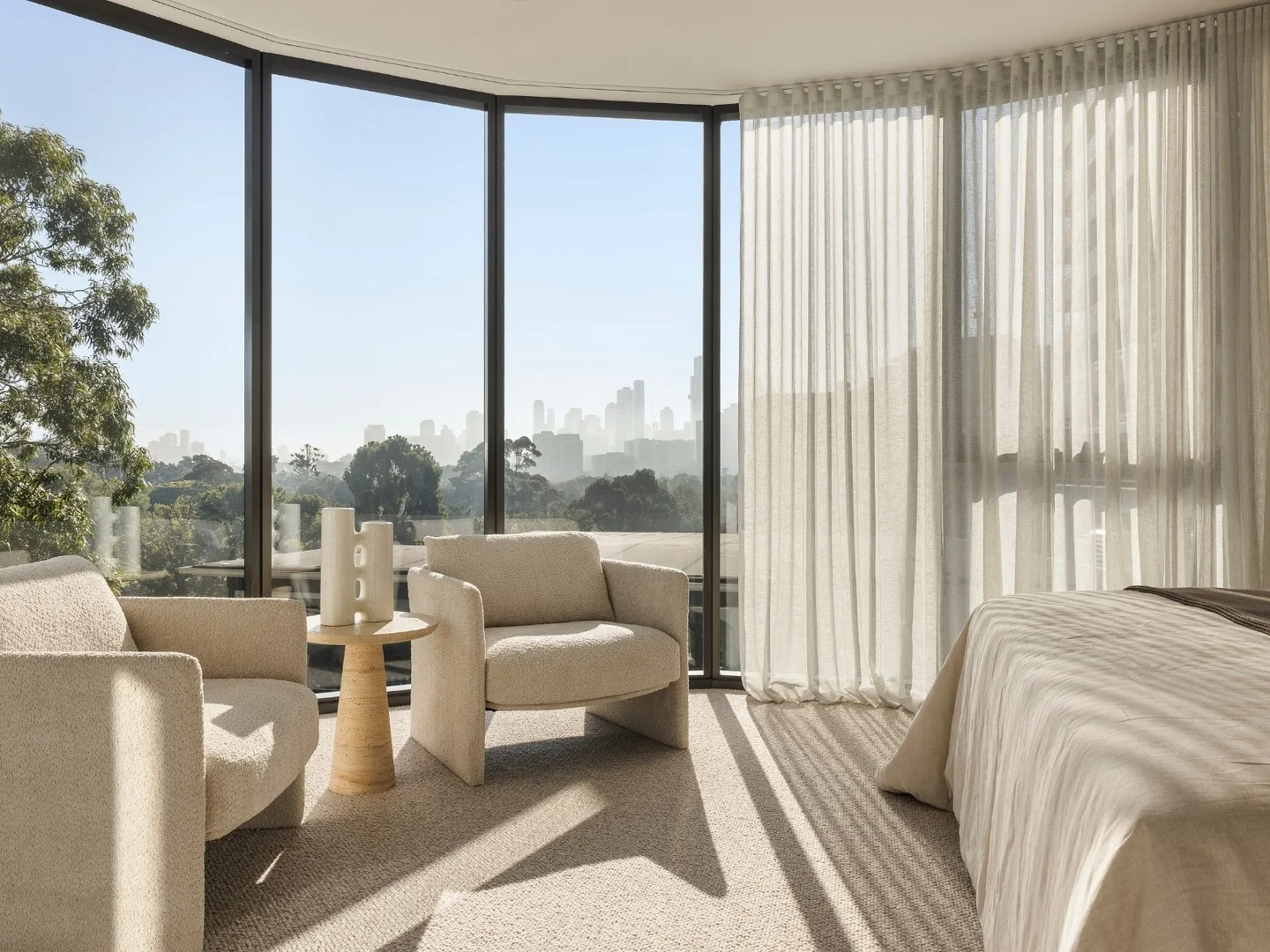 $2,750,000
Apartment / Unit / Flat
$2,750,000
Apartment / Unit / Flat
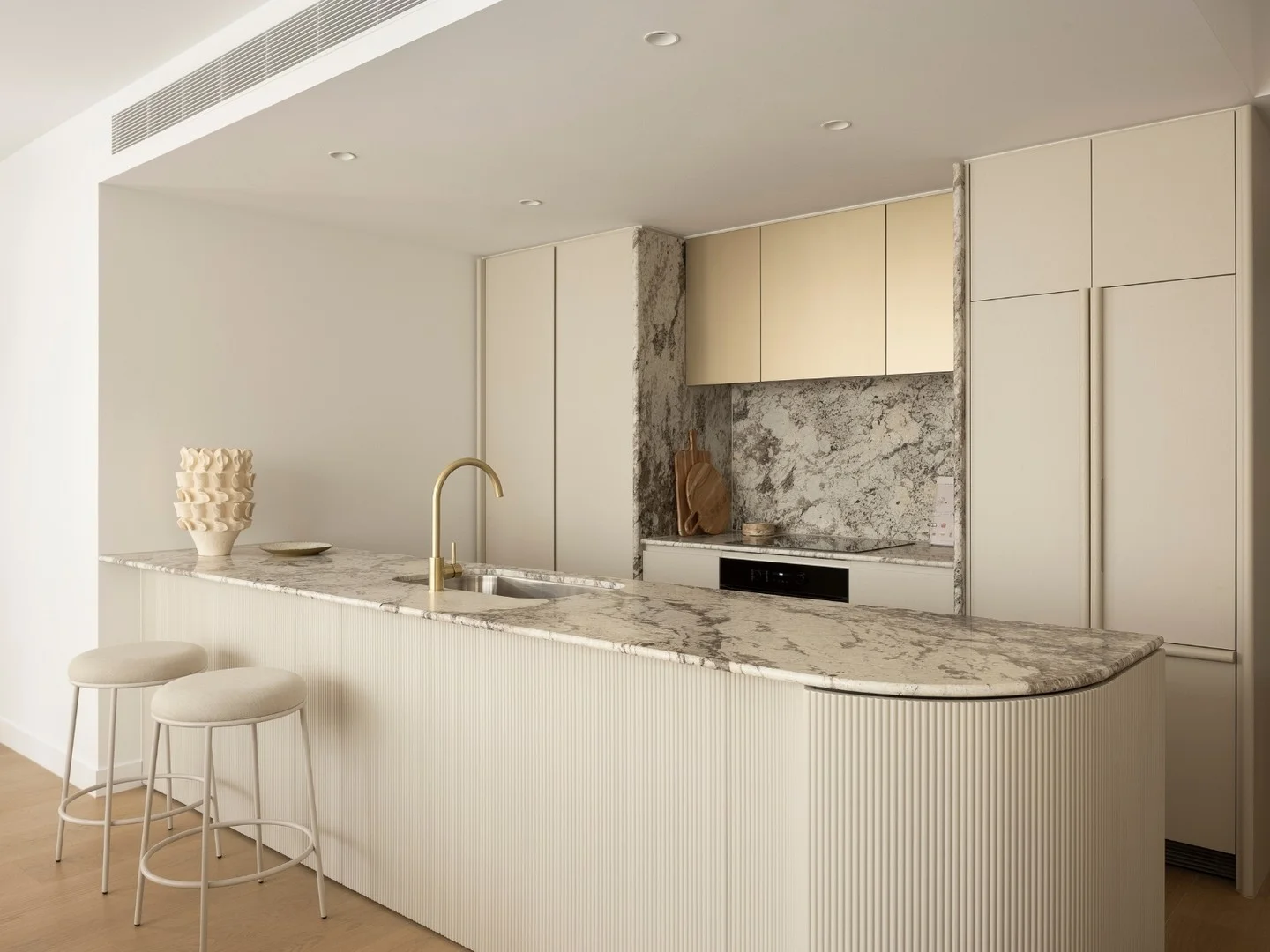 $1,345,000
Apartment / Unit / Flat
$1,345,000
Apartment / Unit / Flat
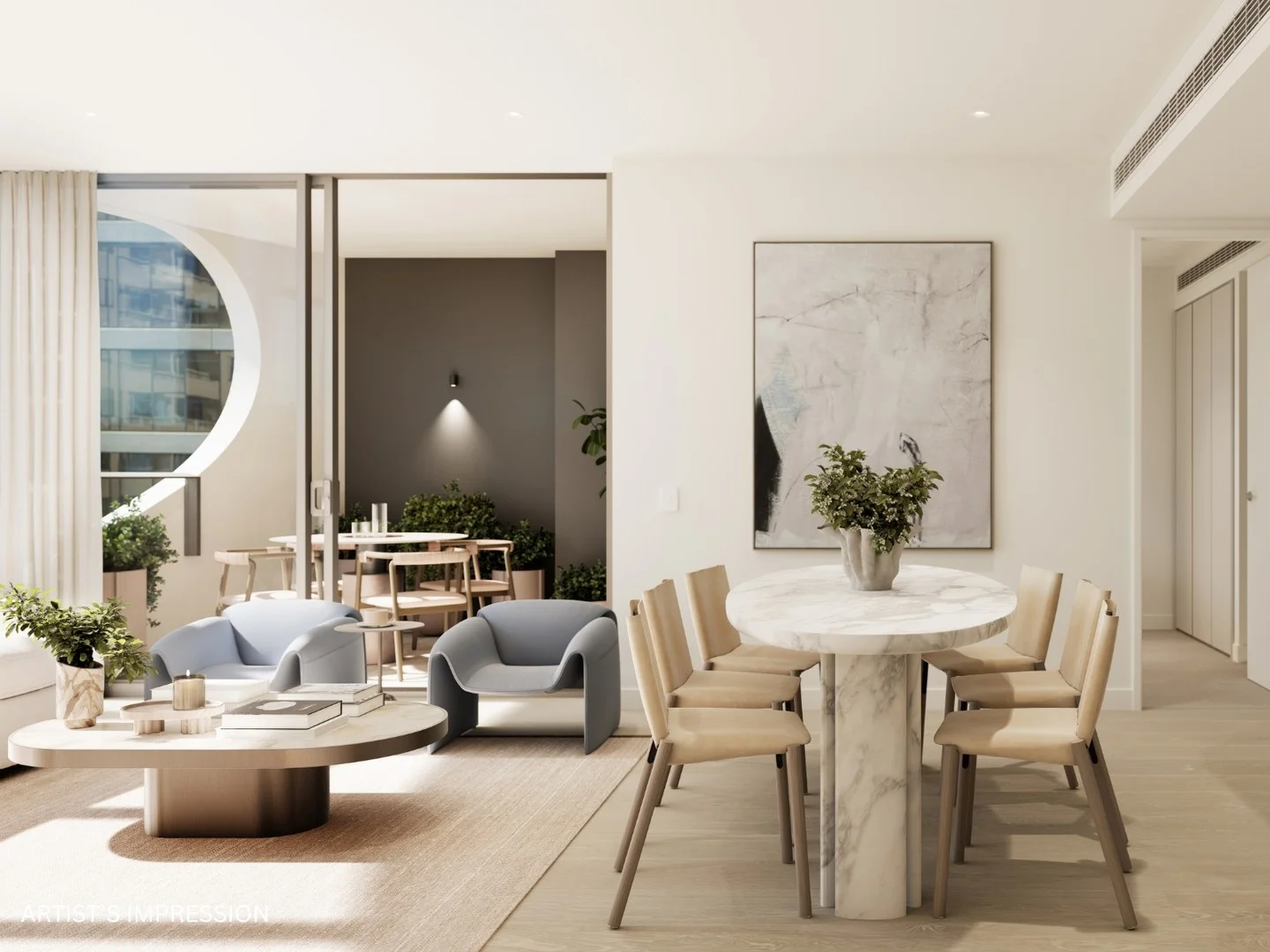 $1,640,000
Apartment / Unit / Flat
$1,640,000
Apartment / Unit / Flat
 $2,900,000
Apartment / Unit / Flat
$2,900,000
Apartment / Unit / Flat
 $3,700,000
propertyType.NEW APARTMENTS / OFF THE PLAN
$3,700,000
propertyType.NEW APARTMENTS / OFF THE PLAN
 $1,760,000
propertyType.NEW APARTMENTS / OFF THE PLAN
$1,760,000
propertyType.NEW APARTMENTS / OFF THE PLAN
 $820,000
propertyType.NEW APARTMENTS / OFF THE PLAN
$820,000
propertyType.NEW APARTMENTS / OFF THE PLAN
 $1,770,000
propertyType.NEW APARTMENTS / OFF THE PLAN
$1,770,000
propertyType.NEW APARTMENTS / OFF THE PLAN
 $480,000 - $520,000
Apartment / Unit / Flat
$480,000 - $520,000
Apartment / Unit / Flat


