1. Overview
St Kilda Park Primary School is a public primary school serving students in St Kilda, VIC. It is a mid-sized public school prioritising a welcoming, inclusive learning environment where students are encouraged to participate and grow.
- School type: Public
- School size: Medium
- Class size: Typically around 20–25 students per class
- Atmosphere/culture: Inclusive, nurturing, community-focused
Note: Details can vary by year and cohort. For the most current information, please check the school’s latest materials.
⸻
2. Academics & Learning
St Kilda Park Primary School focuses on core literacy and numeracy with broad learning opportunities across STEM, arts, and languages. The school aims to support students to develop strong foundational skills while engaging them in creativity and critical thinking.
- Academic strengths: Literacy and numeracy foundations; STEM integration; arts and design; opportunities to develop digital literacy
- Special programs: STEAM-focused activities and integrated technology learning; possible Gifted and Talented or accelerated options (availability varies by year)
- NAPLAN / trends: Public reporting on NAPLAN trends is available through official sources; the school participates in NAPLAN testing, with trends typically showing year-to-year progress and areas for ongoing improvement (specific results are not provided here)
- Student-teacher ratios: Generally around 1:20–1:25, depending on year level and class configuration
- Support for diverse learners: EAL and SEN support; inclusive education practices and targeted assistance where needed
⸻
3. Sports & Extracurricular Strengths
Extracurriculars are an important part of the school experience, with opportunities in sport, arts, and clubs.
- Sports offered: A range of school sports common to VIC primary programs (e.g., basketball, soccer/football, netball, athletics; water safety and swimming programs may be offered seasonally)
- Strong teams or achievements: Participation in district/inter-school sporting events and competitions is typical; success varies by year
- Music, arts, drama programs: Regular music and performing arts activities; involvement in school productions and ensembles
- Clubs: Robotics, coding, chess, debating, and other student clubs are commonly available and expand with student interest
- Partnerships: Local community clubs and inter-school competitions may provide additional opportunities for competition and collaboration
⸻
4. Wellbeing & Pastoral Care
Achievement and wellbeing go hand-in-hand, with systems in place to support students’ emotional and social development.
- Anti-bullying approach: Whole-school anti-bullying policies, education, and reporting processes; emphasis on safe, respectful classrooms
- House system: House or team structure to promote inclusion, belonging, and friendly competition
- Counsellors / wellbeing officers: Access to school-based wellbeing staff or counsellors to support students and families
- Transition support for new students: Orientation, buddy programs, and transition planning to help new students settle in
⸻
5. Facilities
The school provides modern spaces designed to support learning across disciplines.
- Sports grounds
- Libraries
- Science labs
- Music/performing arts centers
- Tech/innovation labs or ICT spaces
- Canteen
- Updated playgrounds
⸻
6. School Values & Community Culture
A clear emphasis on respectful, inclusive community engagement and personal growth.
- School values / mission: Focus on respect, responsibility, resilience, and collaboration; student voice and agency are encouraged
- Leadership style: Collaborative and distributed leadership with opportunities for student and parent involvement
- Behaviour expectations: Clear code of conduct and restorative approaches to discipline
- Community reputation: Typically viewed as a family-friendly, inclusive school with active parent involvement
- Diversity & inclusion: Emphasis on celebrating diversity and ensuring an inclusive environment for all students
⸻
7. School Logistics & Daily Operations
Practical information to help families plan their day-to-day.
- School hours: Typical school day runs from morning to mid-afternoon (exact times may vary by year)
- Before/after school care: After-school programs or OSHC services commonly available through external providers
- Uniform requirements: School uniform policy in place
- Transport (train/bus routes): Accessible via public transport (trams/buses and walking distance from stations); no dedicated school bus is assumed
- Canteen availability: Canteen or lunch program available
- Fees (low/medium/high ranges): Government schools have minimal compulsory fees; voluntary contributions and materials charges may apply
⸻
8. Enrolment & Admissions
Guidance on joining the school, including timelines and processes.
11. What is the enrolment process and timeline?
- Enrolment is typically handled through the local school process for enrolment in a public school. Check catchment policies and apply within the announced windows; offers or confirmations generally occur within the school’s timetable.
12. Is there a waiting list, and how does it work?
- Waiting lists can occur when applications exceed vacancies. Priority often goes to local catchment families; vacancies determine eligibility for placement. The school will provide details if a waitlist is necessary.
13. Are there any entry requirements, tests, or interviews?
- Public primary schools generally do not require entrance tests or interviews. Proof of residence and immunization documentation are commonly requested as part of enrolment.
14. Does the school accept mid-year transfers?
- Mid-year transfers can be possible if vacancies exist and enrollment requirements are met. Timing and availability vary by year and cohort.
⸻
9. Frequently Asked Questions
- Why Parents Choose This School?
- A welcoming, inclusive culture with a focus on core skills, wellbeing, and a range of learning opportunities.
- What type of student thrives at this school?
- Students who benefit from a collaborative, supportive environment with access to a broad curriculum and clubs.
- What opportunities are available for students to extend their skills (academics, sports, arts)?
- Strong literacy/numeracy foundations, STEM activities, arts and performing arts, sport, and clubs like robotics, coding, and debating.
- How does the school communicate with parents?
- Regular updates through newsletters, email, school portal, and scheduled events; open channels with teachers and administration.
- What is the school’s approach to teaching and learning?
- Focus on foundational skills, inquiry-based learning, and inclusive practices to accommodate diverse learners.
- How does the school support students who need extra academic help?
- EAL and SEN support, targeted interventions, and access to wellbeing staff as part of a holistic approach.
- What support is available for academic challenges?
- Individual or small-group support within the classroom or via targeted programs; referral pathways to specialist staff.
- How does the school communicate with parents? (Repeated)
- See above: newsletters, portal, meetings, and direct communication with teachers.
- What are the class sizes and how much individual attention do students receive?
- Class sizes typically around 20–25 students; individual attention varies by teacher, program, and year level.
- What extracurricular and sports opportunities are available?
- A range of sports, music/arts activities, and clubs such as robotics, coding, chess, and debating.
- What facilities does the school offer (sports, science, arts)?
- Sports grounds, libraries, science labs, music/performing arts centers, tech/innovation spaces, canteen, and updated playgrounds.
- What is the school’s approach to technology and digital learning?
- Integration of Information and Communication Technology (ICT) across the curriculum and opportunities to develop digital literacy.
- What transport and accessibility options are available?
- Access to public transport options; walking/biking routes and general accessibility for families in the area.
- What are the typical school fees or additional costs?
- Government schools have minimal compulsory fees; there may be voluntary contributions and costs for materials, activities, and special programs.
⸻
10. Short Pros & Cons list
Pros
- Public, community-focused setting with inclusive culture
- Broad learning opportunities across academics, arts, and sports
- Strong wellbeing and pastoral care framework
- Range of facilities supports diverse learning experiences
- Active family and community involvement
Cons
- Class sizes, while typical for public primaries, may vary; some cohorts could feel larger
- Availability of certain programs (e.g., gifted/talented, specific clubs) may vary by year and enrollment
- Mid-year transfers depend on vacancies and local demand
⸻
If you’d like, I can tailor these entries to reflect the most current specifics you have from the school or official school materials, or adjust the tone for a particular audience (e.g., detailed parent guide vs. quick snapshot).
 $25+
$25+









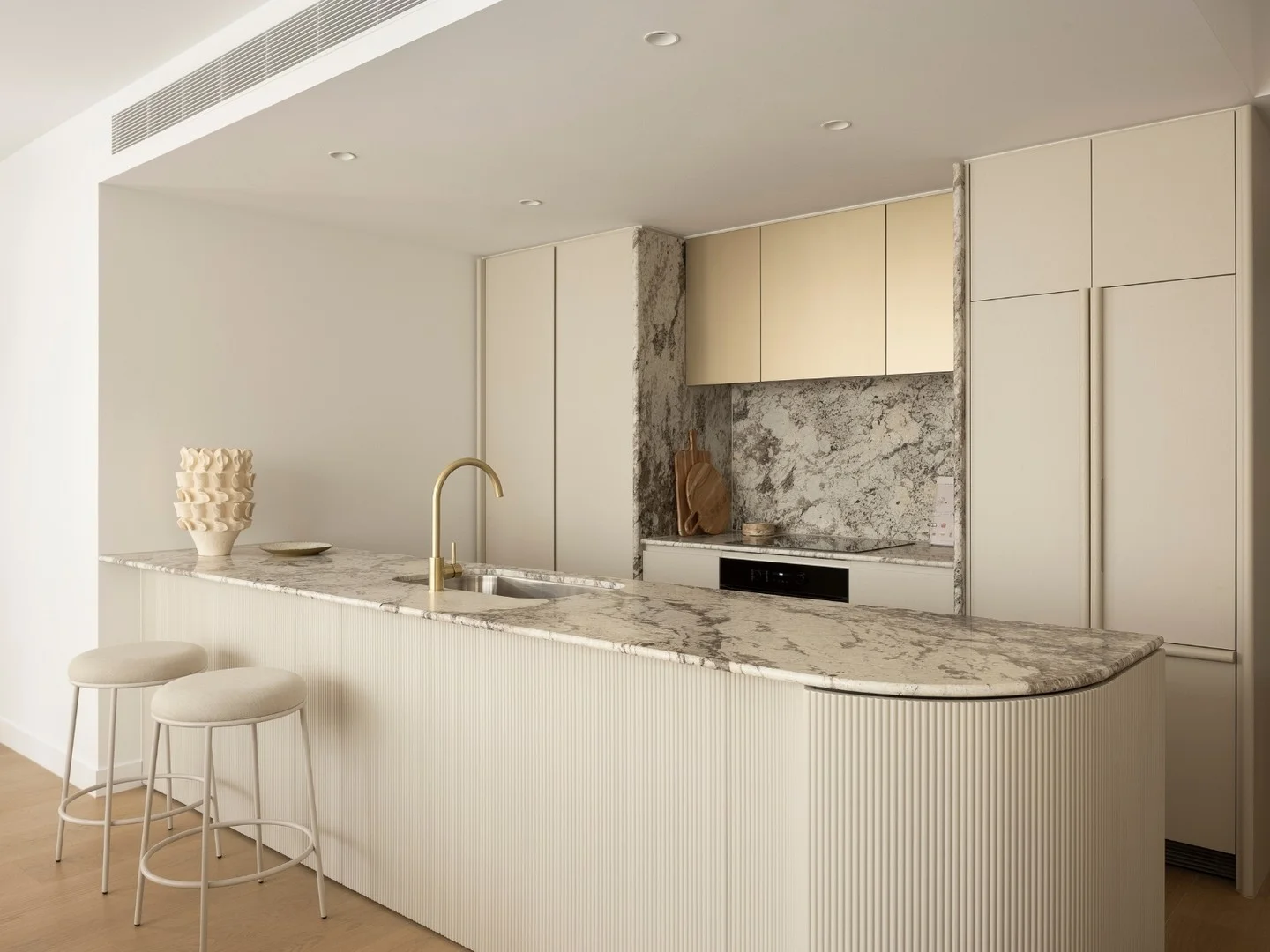 $1,345,000
Apartment / Unit / Flat
$1,345,000
Apartment / Unit / Flat
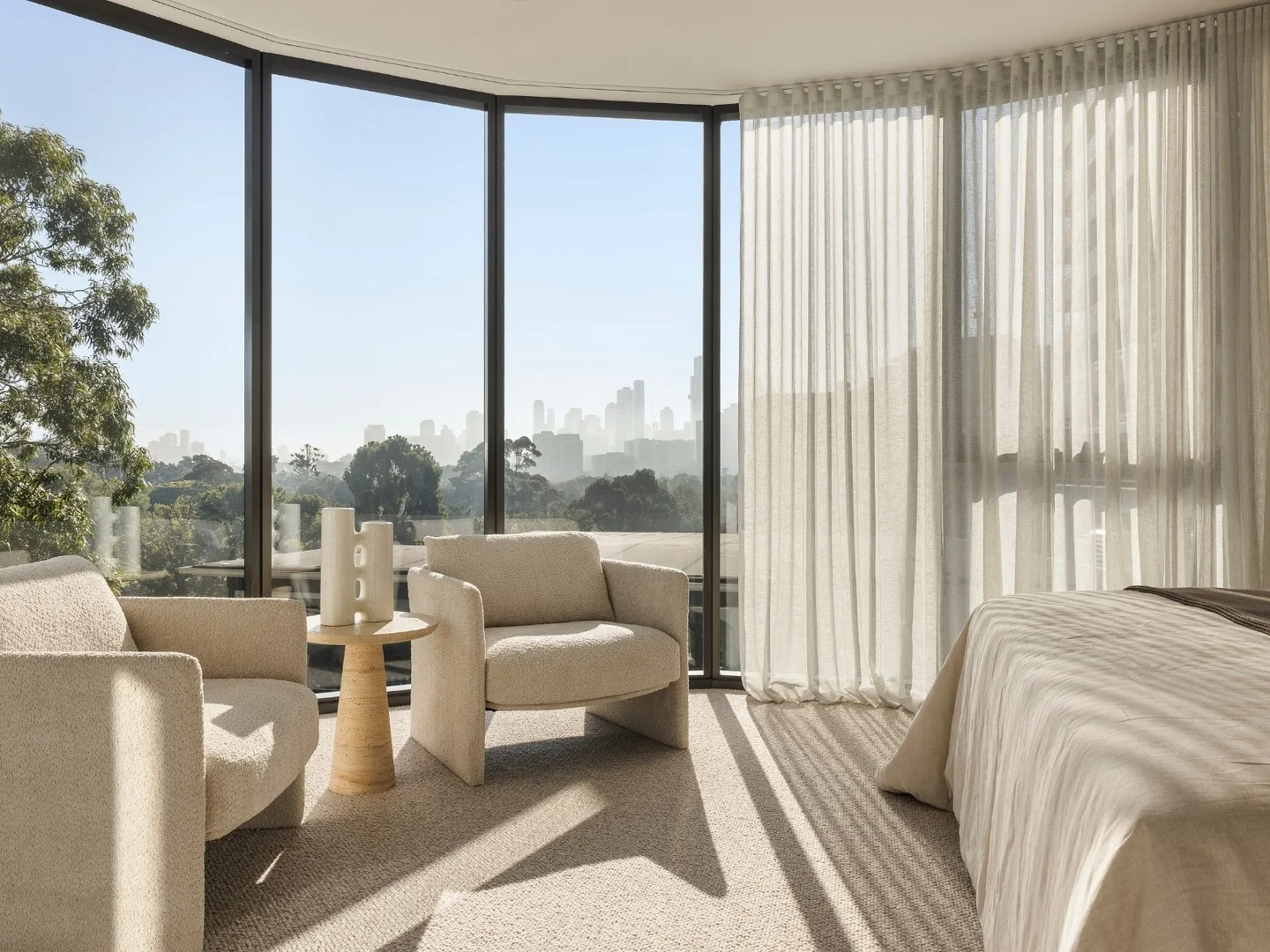 $2,750,000
Apartment / Unit / Flat
$2,750,000
Apartment / Unit / Flat
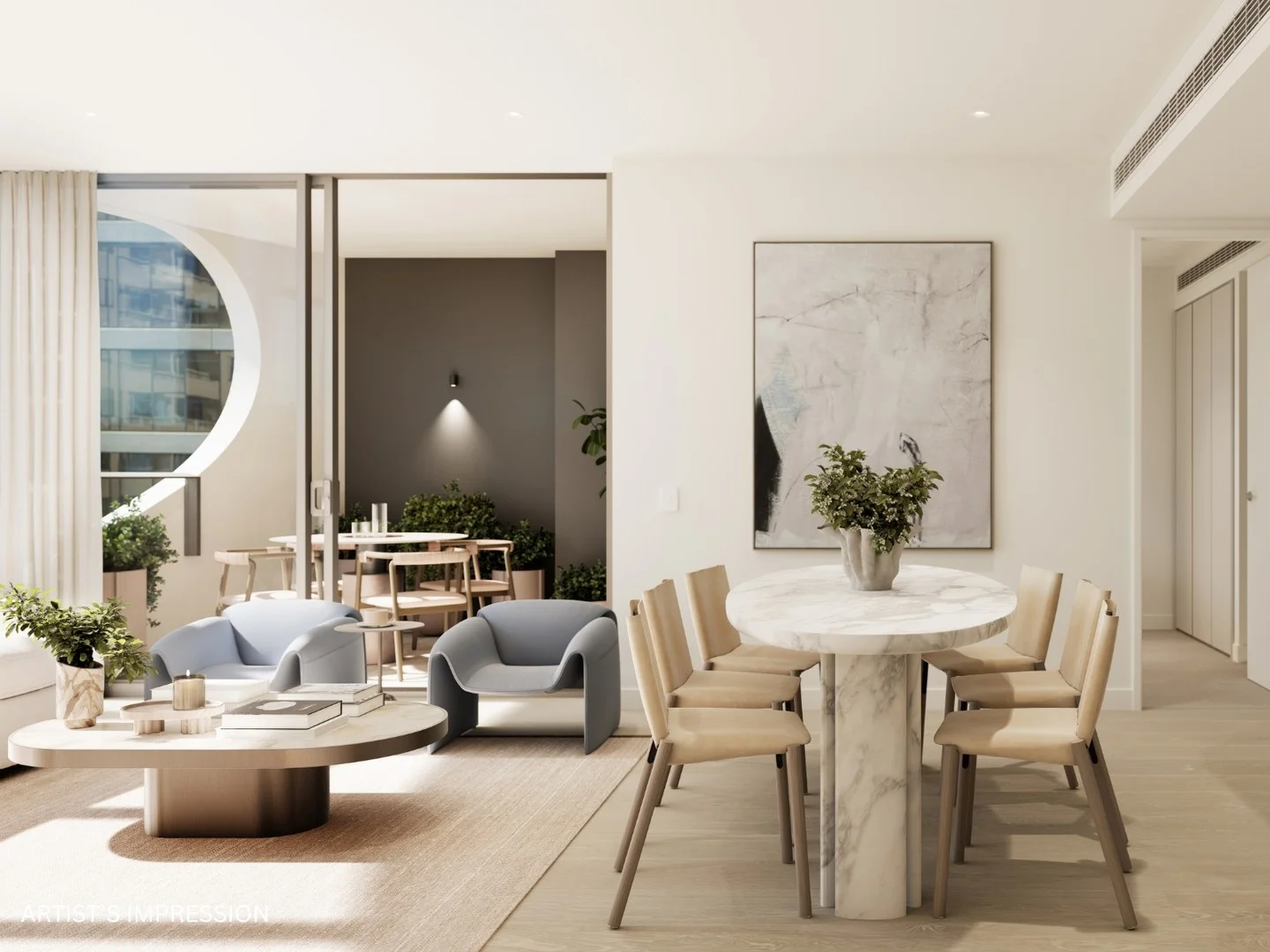 $1,640,000
Apartment / Unit / Flat
$1,640,000
Apartment / Unit / Flat
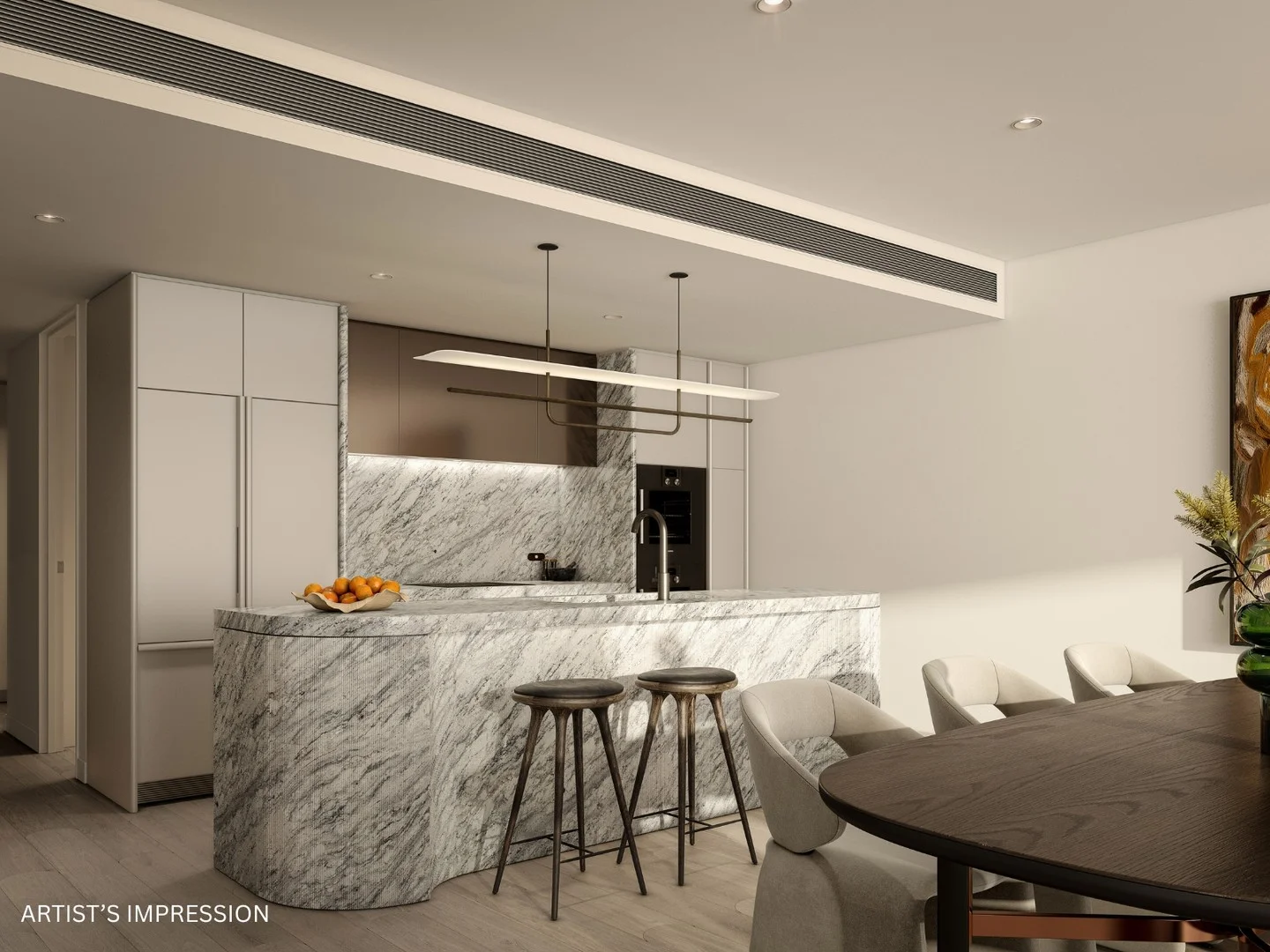 $2,900,000
Apartment / Unit / Flat
$2,900,000
Apartment / Unit / Flat
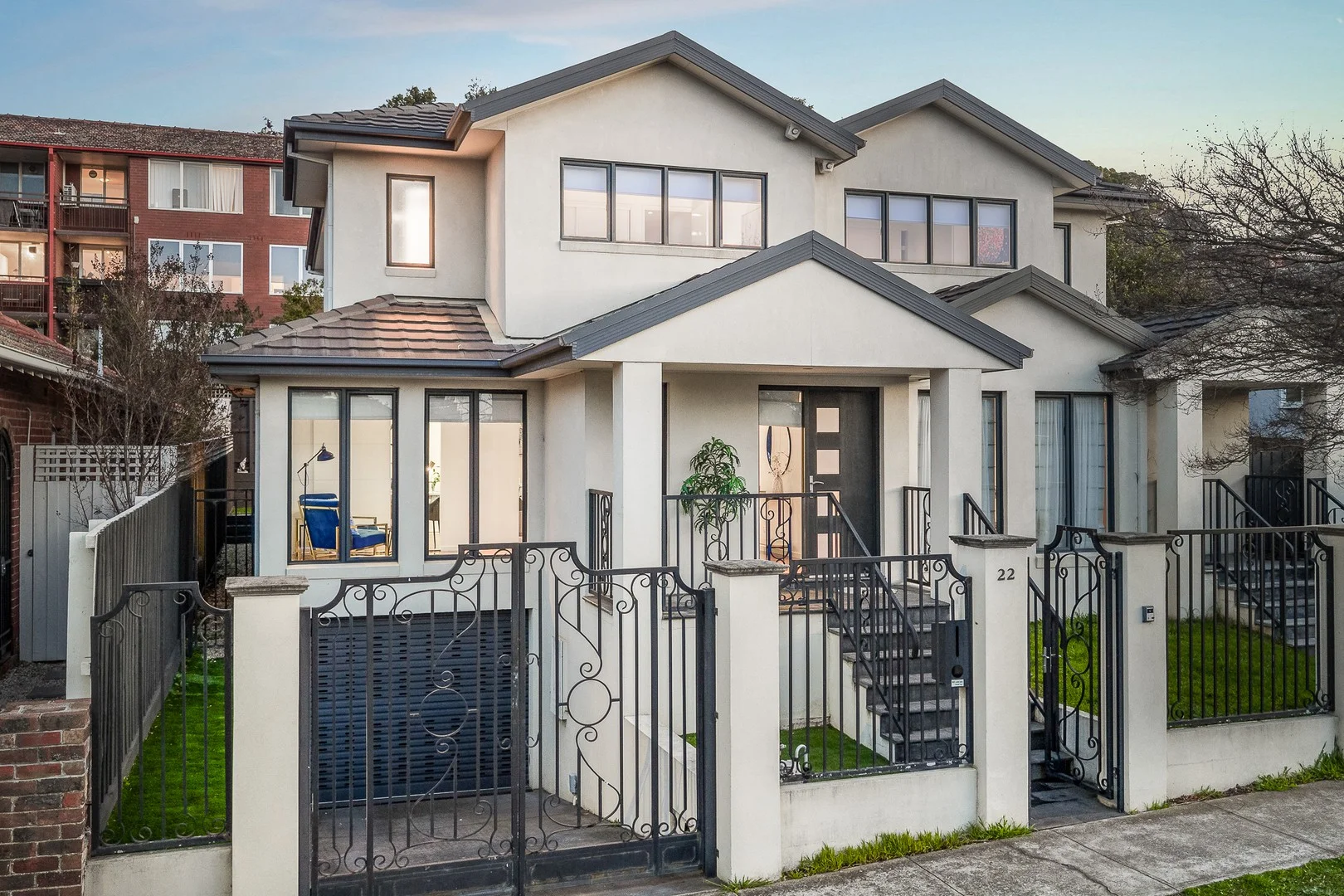 $2,100,000
Townhouse
$2,100,000
Townhouse
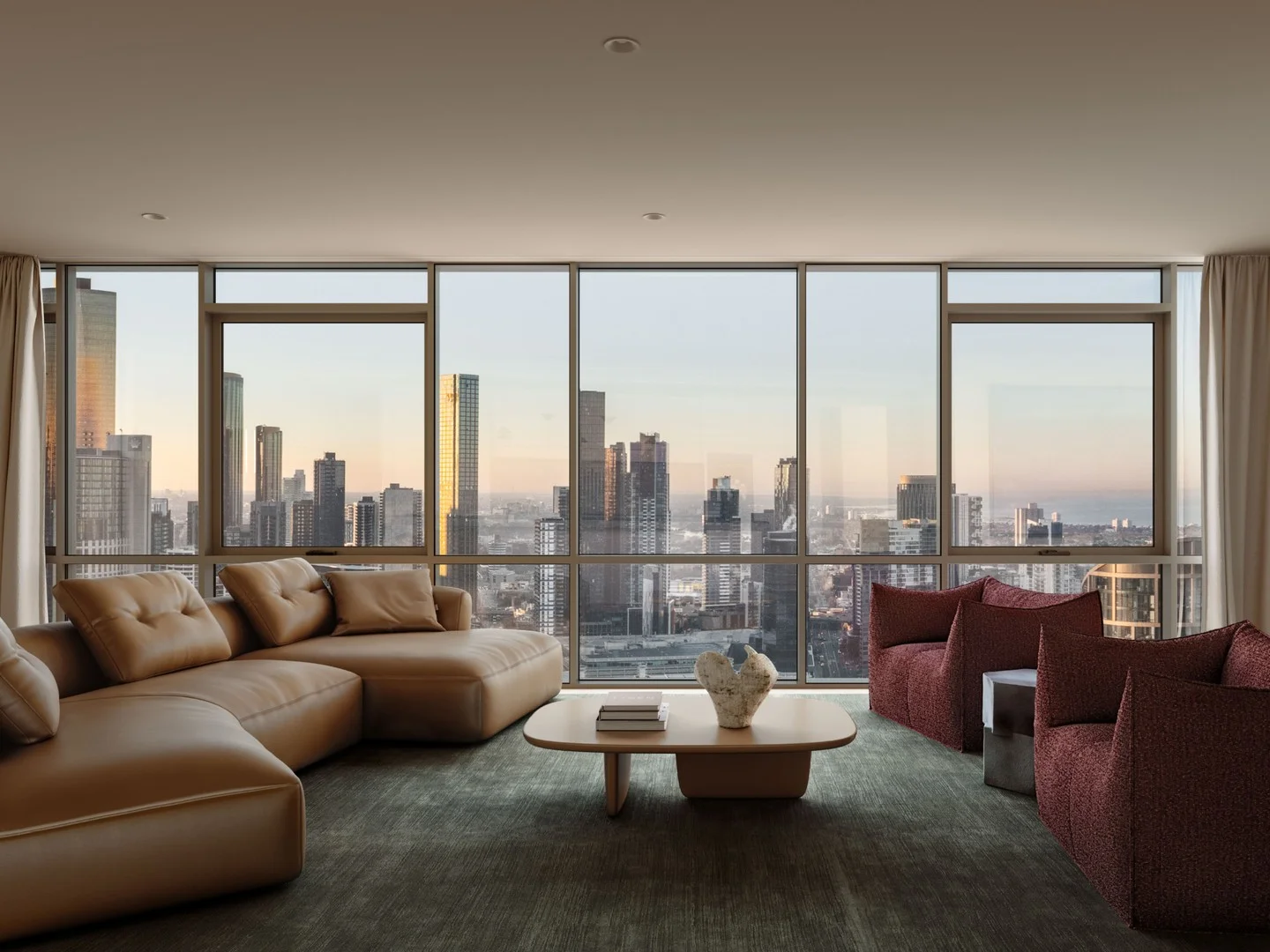 $3,700,000
propertyType.NEW APARTMENTS / OFF THE PLAN
$3,700,000
propertyType.NEW APARTMENTS / OFF THE PLAN
 $1,770,000
propertyType.NEW APARTMENTS / OFF THE PLAN
$1,770,000
propertyType.NEW APARTMENTS / OFF THE PLAN
 $1,760,000
propertyType.NEW APARTMENTS / OFF THE PLAN
$1,760,000
propertyType.NEW APARTMENTS / OFF THE PLAN
 $820,000
propertyType.NEW APARTMENTS / OFF THE PLAN
$820,000
propertyType.NEW APARTMENTS / OFF THE PLAN


