1. Overview
North Sydney Public School is a public, co-educational primary school serving students from Kindergarten to Year 6. The school aims to provide a welcoming, inclusive environment where all students can grow academically, socially and emotionally within a supportive community. With a medium-sized footprint, the school emphasizes strong relationships between students, staff and families, and fosters a culture of respect, curiosity and collaboration.
Class sizes are typically in the mid-teens to mid-20s range, allowing for meaningful teacher-student interactions and differentiated learning. The atmosphere is nurturing and inclusive, with a focus on student wellbeing, participation in school life, and opportunities to develop resilience, curiosity and leadership.
⸻
2. Academics & Learning
- Academic strengths: English, Maths and literacy-rich learning underpin daily teaching, with emphasis on reading comprehension, numeracy fluency and critical thinking. STEM activities and opportunities to apply learning in real-world contexts are also promoted.
- Special programs: Gifted and Talented pathways, enrichment tasks, and targeted support in literacy and numeracy. EAL/D support for students learning English as an additional language or dialect.
- NAPLAN / trends: NSW public primary schools commonly show steady or improving trends across reading and numeracy over time, with ongoing emphasis on growth for all students.
- Student-teacher ratios: Class sizes and ratios typically fall within a mid-range portion of public primary schools, enabling regular teacher access and feedback for students.
- Support for diverse learners: Strong emphasis on inclusive education, with targeted supports for EAL/D learners and students with additional learning needs (SEN) to access the curriculum and participate fully.
⸻
3. Sports & Extracurricular Strengths
- Sports offered: A range of mid-to-len sports such as soccer, netball, cricket, basketball and athletics, with opportunities for inter-school participation.
- Strong teams or achievements: Regular participation in district-level events and school teams, with a focus on teamwork, skill development and fair play.
- Music, arts, drama programs: Vocal and instrument programs, school productions and performing arts activities to showcase creativity and collaboration.
- Clubs: Robotics, chess, coding, debating, and other lunch-time or after-school clubs to foster problem-solving and critical thinking.
- Partnerships: Local community clubs and inter-school competitions support broader opportunities for students to test and extend skills.
⸻
4. Wellbeing & Pastoral Care
- Anti-bullying approach: Whole-school wellbeing framework with positive behaviour expectations, student buddy programs and proactive supervision.
- House system: A house structure to encourage healthy competition, representation in events and a sense of belonging.
- Counsellors / wellbeing officers: Access to school wellbeing staff for social-emotional support, with referral pathways to external services if needed.
- Transition support for new students: Orientation activities, buddy programs and targeted supports to help students settle into the school community.
⸻
5. Facilities
- Sports grounds: On-site playing fields and courts for a range of sports and activities.
- Libraries: A well-stocked library fostering reading for pleasure and inquiry.
- Science labs: Practical spaces for hands-on experiments and exploration.
- Music/performing arts centers: Spaces for music practice, theatre, and performances.
- Tech/innovation labs: Computer and digital learning facilities to support coding and ICT activities.
- Cafeteria: On-site canteen or food facilities supporting healthy meal options.
- Updated playgrounds: Modern, safe play areas and outdoor learning spaces.
⸻
6. School Values & Community Culture
- School values / mission: A commitment to respect, responsibility, inclusion and collaboration, with a focus on developing confident, contributing citizens.
- Leadership style: Student voice through councils or committees, with teacher and leadership teams guiding a participatory culture.
- Behaviour expectations: Clear positive-behaviour framework emphasizing respectful conduct and responsible choices.
- Community reputation: A welcoming, family-focused school community with strong parental engagement.
- Diversity & inclusion: Active emphasis on belonging, cultural awareness and equitable access to learning opportunities.
⸻
7. School Logistics & Daily Operations
- School hours: Typical start and finish times aligned with NSW public primary schedules; punctual attendance supported by daily routines.
- Before/after school care: Availability of before/after school care or supervision through school or community providers.
- Uniform requirements: NSW public primary uniform policy; practical, consistent daily attire with seasonal adjustments.
- Transport (train/bus routes): Local transport options commonly used by families; proximity to bus routes or public transport corridors.
- Canteen availability: On-site or approved canteen facilities offering healthy meal/snack options.
- Fees (low/medium/high ranges): Public primary schools have low to modest parental contributions for activities and camp programs; some programs may incur optional costs.
⸻
8. Enrolment & Admissions
11. What is the enrolment process and timeline?
- Enrolment typically occurs through the local catchment intake process. Start by contacting the school to confirm current catchment boundaries and intake timelines. You’ll usually submit enrolment forms along with required documents (birth certificate or passport, immunisation records, proof of address). The school may provide a date for orientation or readiness activities ahead of the new year or term. Timelines vary by year and enrolment rounds; check with the school for exact dates.
12. Is there a waiting list, and how does it work?
- If the school is at capacity, a waiting list may be established. Priority often follows the NSW catchment guidelines, with in-catchment applicants typically given first opportunity. Out-of-area applicants may be admitted if space becomes available. The school can explain the current waiting list process and expected wait times.
13. Are there any entry requirements, tests, or interviews?
- For general enrolment in a NSW public primary school, there are usually no entrance tests or interviews. Documentation and eligibility based on the local catchment area are the main requirements. Some programs or specialist placements may involve a brief discussion or assessment to determine appropriate supports or suitability.
14. Does the school accept mid-year transfers?
- Yes, mid-year transfers are possible if space is available. Families need to provide a transfer request, copies of student records (including current year’s progress and any special learning supports), and contact the current school. The school will support a smooth transition and help place the student appropriately in classes.
⸻
9. Frequently Ask Questions
- Why Parents Choose This School?
A welcoming, community-focused public primary with a strong emphasis on student wellbeing, inclusive education and opportunities across academics, sport and the arts. Families value clear communication, reliable routines and a nurturing environment that supports every child’s growth.
- What type of student thrives at this school?
Students who are curious, cooperative and motivated to engage in a broad curriculum—academic learning, sport, arts and service—tend to flourish. The school supports a diverse range of learners and emphasizes belonging and personal growth.
- What opportunities are available for students to extend their skills (academics, sports, arts)?
Enrichment across literacy and numeracy, STEM activities, gifted and talented pathways, sport teams, music and performing arts programs, robotics, coding, debating and other clubs, along with inter-school competitions.
- How does the school communicate with parents?
Regular newsletters, a school app or portal, parent-teacher meetings, open days, and notices about events, safety reminders and learning progress. The school aims for timely, transparent updates.
- What is the school’s approach to teaching and learning?
A student-centered, evidence-based approach that combines explicit direct instruction with inquiry, collaboration and real-world applications. Differentiation and supports are provided to meet diverse learning needs.
- How does the school support students who need extra academic help?
Targeted literacy and numeracy support, EAL/D assistance, SEN interventions, small-group teaching and ongoing progress monitoring to ensure access to the curriculum.
- What support is available for academic challenges?
Access to classroom adjustments, specialist support staff, and referrals to external services when appropriate. Regular progress reviews help identify and respond to challenges early.
- How does the school communicate with parents?
See above: newsletters, portal/app updates, meetings, and timely information about student progress, events and policies.
- What are the class sizes and how much individual attention do students receive?
Class sizes are moderate, enabling regular teacher interaction, feedback and differentiated instruction tailored to student needs.
- What extracurricular and sports opportunities are available?
A range of sports, arts and clubs (robotics, chess, coding, debating) with opportunities to participate in inter-school events and local competitions.
- What facilities does the school offer (sports, science, arts)?
Sports grounds, libraries, science labs, performing arts spaces, music facilities, tech/innovation labs and a canteen, plus well-maintained outdoor spaces.
- What is the school’s approach to technology and digital learning?
Integrates ICT across learning; students gain digital literacy, coding and responsible use of technology through age-appropriate programs and projects.
- What transport and accessibility options are available?
Local bus routes and convenient access to public transport; implemented supports to assist transitions for students with mobility or access needs where applicable.
- What are the typical school fees or additional costs?
Public primary schools have low to modest voluntary contributions for activities and camps; some optional costs apply for excursions and special programs.
⸻
10. Short Pros & Cons list
- Pros
- Strong sense of community, welcoming and inclusive culture
- Broad curriculum with academics, arts and sports
- Support for diverse learners and a focus on wellbeing
- Regular communication with families
- Safe, well-maintained facilities and learning spaces
- Cons
- High demand can lead to waiting lists or limited immediate out-of-area placements
- As a public school, there may be fewer specialty programs than some private or independent options
- Class sizes can vary by year and cohort, leading to different levels of individual attention across stages
⸻











 $2,824,000
Apartment / Unit / Flat
$2,824,000
Apartment / Unit / Flat
 $26,550,000
propertyType.NEW APARTMENTS / OFF THE PLAN
$26,550,000
propertyType.NEW APARTMENTS / OFF THE PLAN
 $8,630,000
propertyType.NEW APARTMENTS / OFF THE PLAN
$8,630,000
propertyType.NEW APARTMENTS / OFF THE PLAN
 $12,980,000
propertyType.NEW APARTMENTS / OFF THE PLAN
$12,980,000
propertyType.NEW APARTMENTS / OFF THE PLAN
 $9,020,000
propertyType.NEW APARTMENTS / OFF THE PLAN
$9,020,000
propertyType.NEW APARTMENTS / OFF THE PLAN
 $6,225,000
propertyType.NEW APARTMENTS / OFF THE PLAN
$6,225,000
propertyType.NEW APARTMENTS / OFF THE PLAN
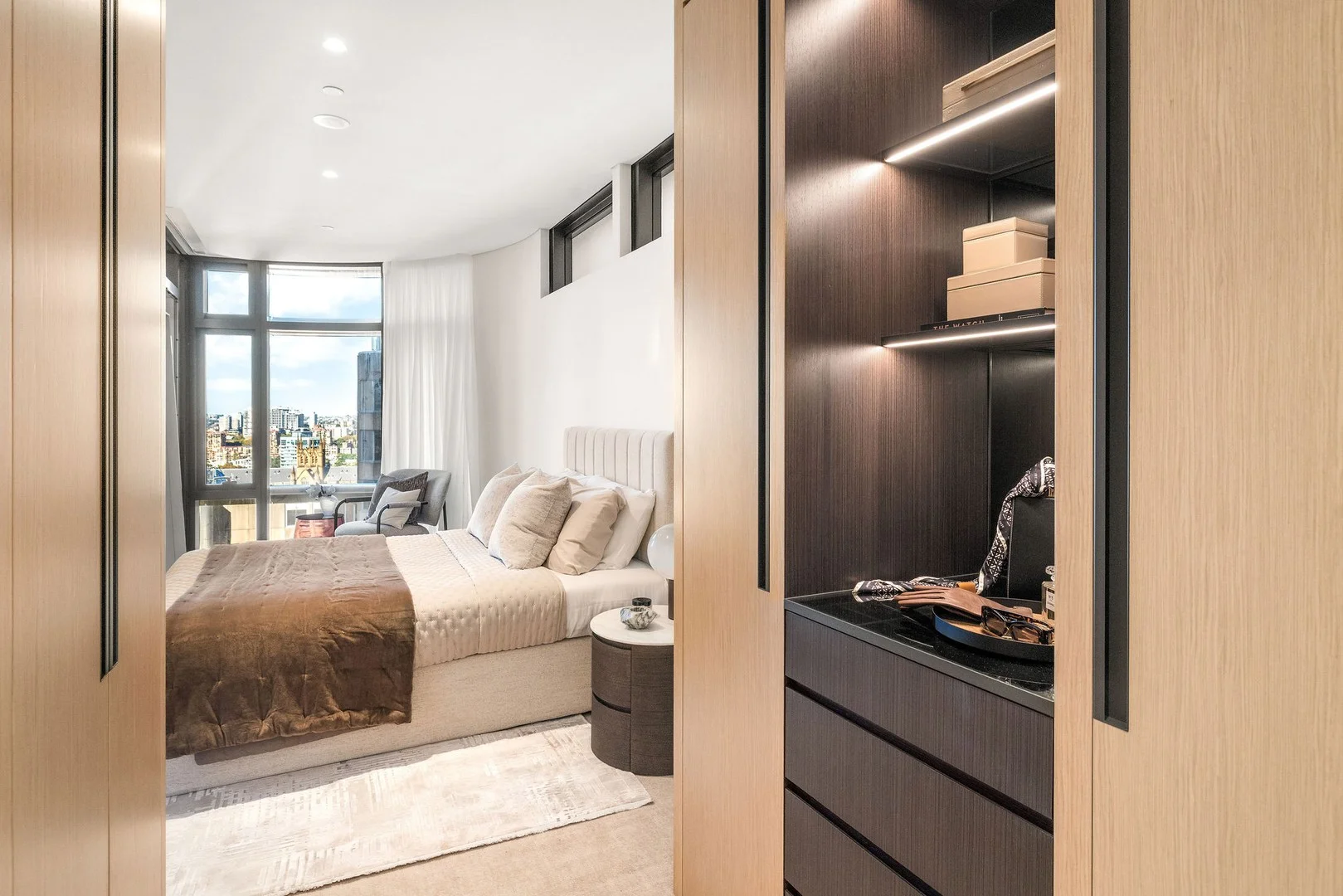 $2,745,000
propertyType.NEW APARTMENTS / OFF THE PLAN
$2,745,000
propertyType.NEW APARTMENTS / OFF THE PLAN
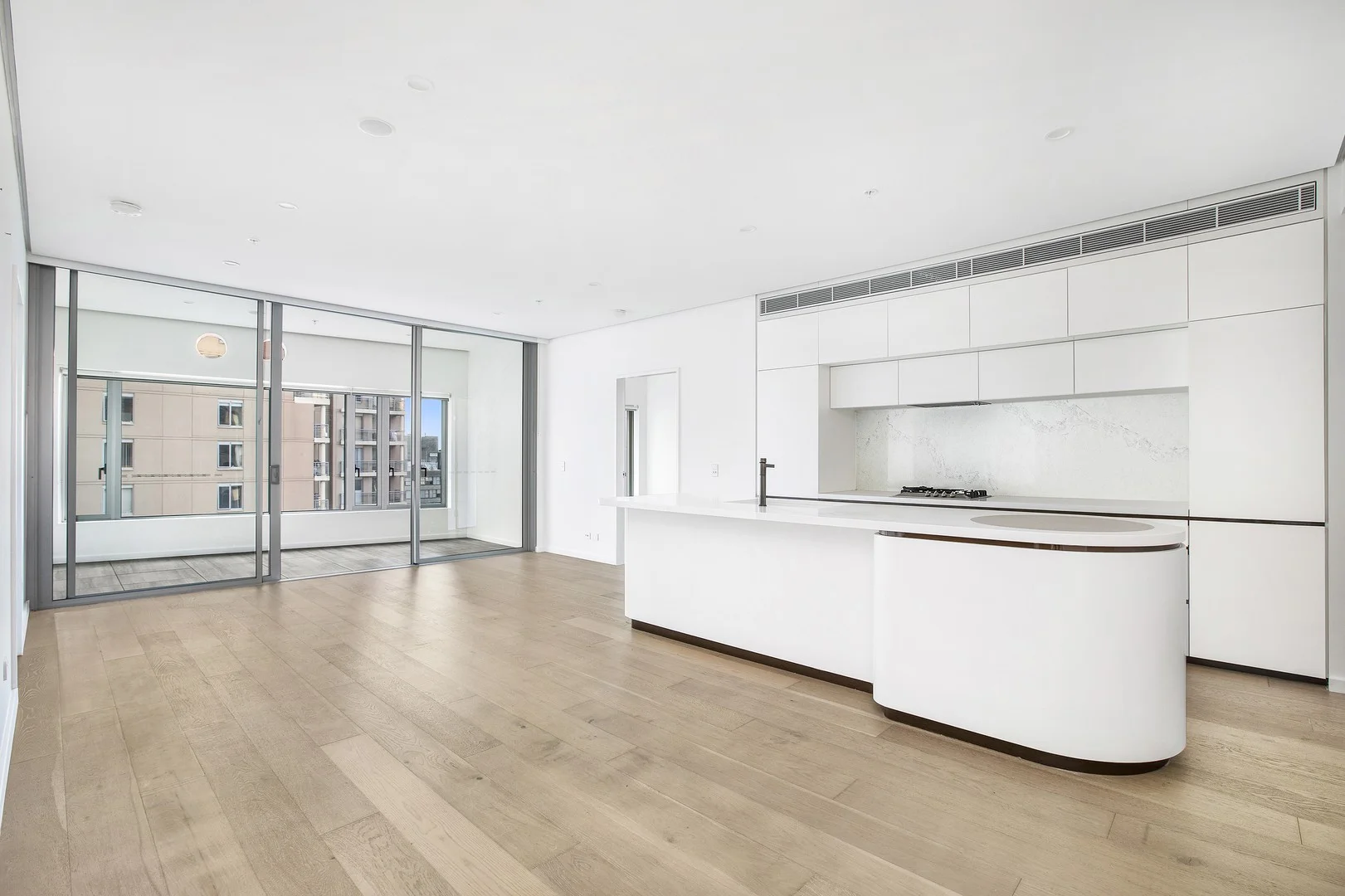 $2,250,000
Apartment / Unit / Flat
$2,250,000
Apartment / Unit / Flat
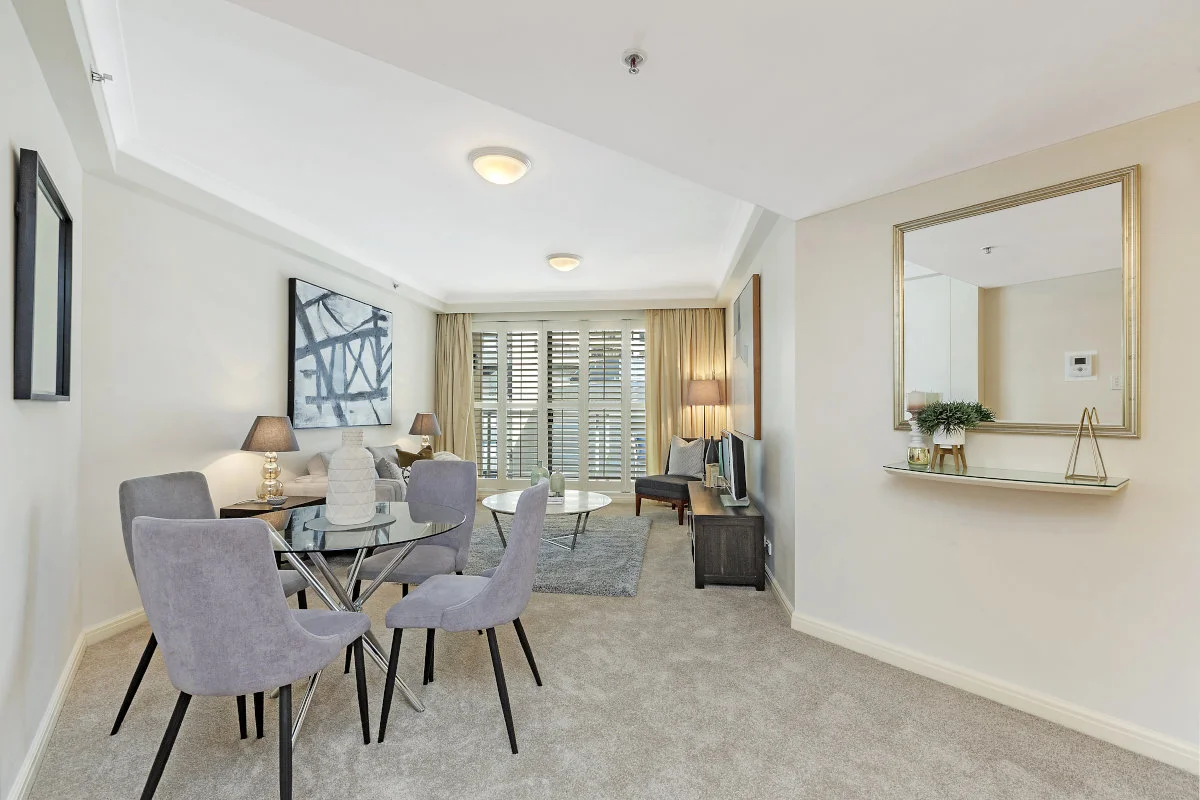 $660,000 - $725,000
Apartment / Unit / Flat
$660,000 - $725,000
Apartment / Unit / Flat


