## 1. Overview
The Shore School is an independent Anglican day school for boys in North Sydney, offering a broad education from the early years through to Year 12. The school is known for its strong academic reputation, leadership development, and a culture that blends high expectations with supportive pastoral care. It aims to develop well-rounded young men who contribute positively to their communities.
- School type: Independent Anglican
- School size: Large
- Class size: Typically mid-teens (roughly 18–22 students per class)
- Atmosphere/culture: Academic, nurturing, inclusive, with a strong emphasis on leadership and sport
## 2. Academics & Learning
Shore School focuses on rigorous academic programs across core disciplines while supporting a wide range of learner needs. Students are encouraged to pursue excellence in STEM, English, the humanities, and languages, with opportunities to extend learning through targeted programs.
- Academic strengths: STEM, English, leadership development, languages
- Special programs: Gifted and Talented paths, accelerated learning options, leadership programs, public speaking and debating
- NAPLAN trends: Consistently strong performance with positive year-by-year trends in literacy and numeracy across cohorts
- Student-teacher ratios: Approximately 1:9 to 1:12, enabling attentive teaching and timely feedback
- Support for diverse learners: Dedicated EAL and SEN support, learning support services, and inclusive education practices
## 3. Sports & Extracurricular Strengths
Athletics and culture are central to student life, with a broad range of sports and vibrant co-curricular programs that appeal to both boys and their families.
- Sports offered: Rugby, cricket, football (soccer), basketball, swimming, athletics, tennis (and other court/club sports)
- Strong teams or achievements: Notable participation and success in school sports competitions; emphasis on teamwork, discipline, and development
- Music, arts, drama programs: Comprehensive music ensembles, choirs, drama productions, and performing arts opportunities
- Clubs: Robotics, coding, chess, debating, public speaking, and science/clubs hub
- Partnerships: Connections with local community sport programs and interschool competitions
Most parents looking for this information tend to focus on sports pathways for boys aged 10–14, where team culture and skill development are particularly prominent.
## 4. Wellbeing & Pastoral Care
Prioritising student wellbeing, Shore School provides a structured pastoral system designed to support mental health, resilience, and smooth school transitions.
- Anti-bullying approach: Clear policies, proactive education, and a supportive culture that promotes respectful behavior
- House system: A house-based framework for competition, mentorship, and belonging
- Counsellors / wellbeing officers: Access to school counsellors and wellbeing staff for ongoing support
- Transition support for new students: Orientation programs, buddy systems, and tailored onboarding to help new students settle in
## 5. Facilities
The campus is designed to support high-quality teaching and plenty of student activity, with modern spaces across academics, arts, and sport.
- Sports grounds
- Libraries
- Science labs
- Music/performing arts centers
- Tech/innovation labs
- Cafeteria
- Updated playgrounds
## 6. School Values & Community Culture
Shore School aims to foster capable leaders with strong character and a sense of service.
- School values / mission: Integrity, excellence, respect, and service
- Leadership style: Student-centered, with opportunities for peer mentoring and student leadership roles
- Behaviour expectations: High standards of conduct, respect for others, and accountability
- Community reputation: Known for academic rigor, strong sport, and a supportive, inclusive atmosphere
- Diversity & inclusion: Commitment to welcoming students from diverse backgrounds and promoting inclusive practices
## 7. School Logistics & Daily Operations
Clear daily routines help families plan around school life.
- School hours: Typically around 8:30 am to 3:15 pm, with after-school options available
- Before/after school care: Available on-site or through partnered programs
- Uniform requirements: Full formal uniform with seasonal variations; blazer and tie guidance for terms
- Transport (train/bus routes): Accessible via local public transport and school-arranged bus routes serving North Sydney and surrounding suburbs
- Canteen availability: On-site canteen offering healthy meal options
- Fees (low/medium/high ranges): High-fee independent schooling; a detailed fee schedule is published by the school
## 8. Enrolment & Admissions
11. What is the enrolment process and timeline?
- Submit an application online, complete any required assessments, and participate in an interview. Shortlisted candidates may be invited to sit entrance tasks or tests, followed by a placement decision and offer timeline according to the school calendar.
12. Is there a waiting list, and how does it work?
- Yes, there is a waiting list. Placement depends on vacancy, cohort balance, and sometimes sibling priority. Applicants are informed of their status as vacancies arise.
13. Are there any entry requirements, tests, or interviews?
- Entry typically includes academic assessments (e.g., English and Maths tasks), an interview, and consideration of past academic records and conduct.
14. Does the school accept mid-year transfers?
- Transfers are considered if there are vacancies and suitable placement can be found for the student’s year level and needs.
## 9. Frequently Asked Questions
- Why Parents Choose This School?
- A strong academic program, leadership development, robust wellbeing support, and a culture that values character and service.
- What type of student thrives at this school?
- Self-motivated, curious learners who respond well to a structured environment, teamwork, and opportunities to lead.
- What opportunities are available for students to extend their skills (academics, sports, arts)?
- Gifted and Talented streams, accelerated learning options, extensive sport programs, diverse performing arts, debating, robotics, and coding clubs.
- How does the school communicate with parents?
- Regular updates via email, newsletters, a parent portal, and scheduled parent–teacher meetings; timely responses from staff.
- What is the school’s approach to teaching and learning?
- High expectations with a blend of inquiry-based learning, explicit instruction, and creative problem-solving, supported by targeted teacher feedback.
- How does the school support students who need extra academic help?
- Dedicated learning support, EAL and SEN assistance, and targeted tutoring or remediation plans as needed.
- What support is available for academic challenges?
- Access to counsellors, academic planning, tutoring options, and collaboration with families to monitor progress.
- What are the class sizes and how much individual attention do students receive?
- Class sizes are in the mid-teens range, with a strong focus on ongoing teacher feedback and small-group support where needed.
- What extracurricular and sports opportunities are available?
- A wide range of sports (rugby, cricket, football, basketball, swimming, athletics), music ensembles, drama, and clubs such as robotics, chess, coding, and debating.
- What facilities does the school offer (sports, science, arts)?
- Comprehensive facilities including sports grounds, libraries, science labs, performing arts centers, tech/innovation labs, and a canteen.
- What is the school’s approach to technology and digital learning?
- Integration of digital tools to support learning, research, collaboration, and responsible use of technology.
- What transport and accessibility options are available?
- Access via public transport (train/bus) and school-arranged transport options; consideration of accessibility within the campus for students with additional needs.
- What are the typical school fees or additional costs?
- The school operates in the higher fee range for independent education; detailed fee schedules are available from the school’s admissions office.
## 10. Short Pros & Cons list
- Pros
- Strong academic program with leadership development
- Comprehensive wellbeing and pastoral support
- Broad sports and arts opportunities
- Large, established community with diverse peers
- Cons
- Higher tuition costs typical of independent schools
- Large school environment may feel busy for some students
- Competitive culture may require strong student self-management
If you’d like, I can tailor this further to match any official phrasing or add more specific details you provide about the Shore School.











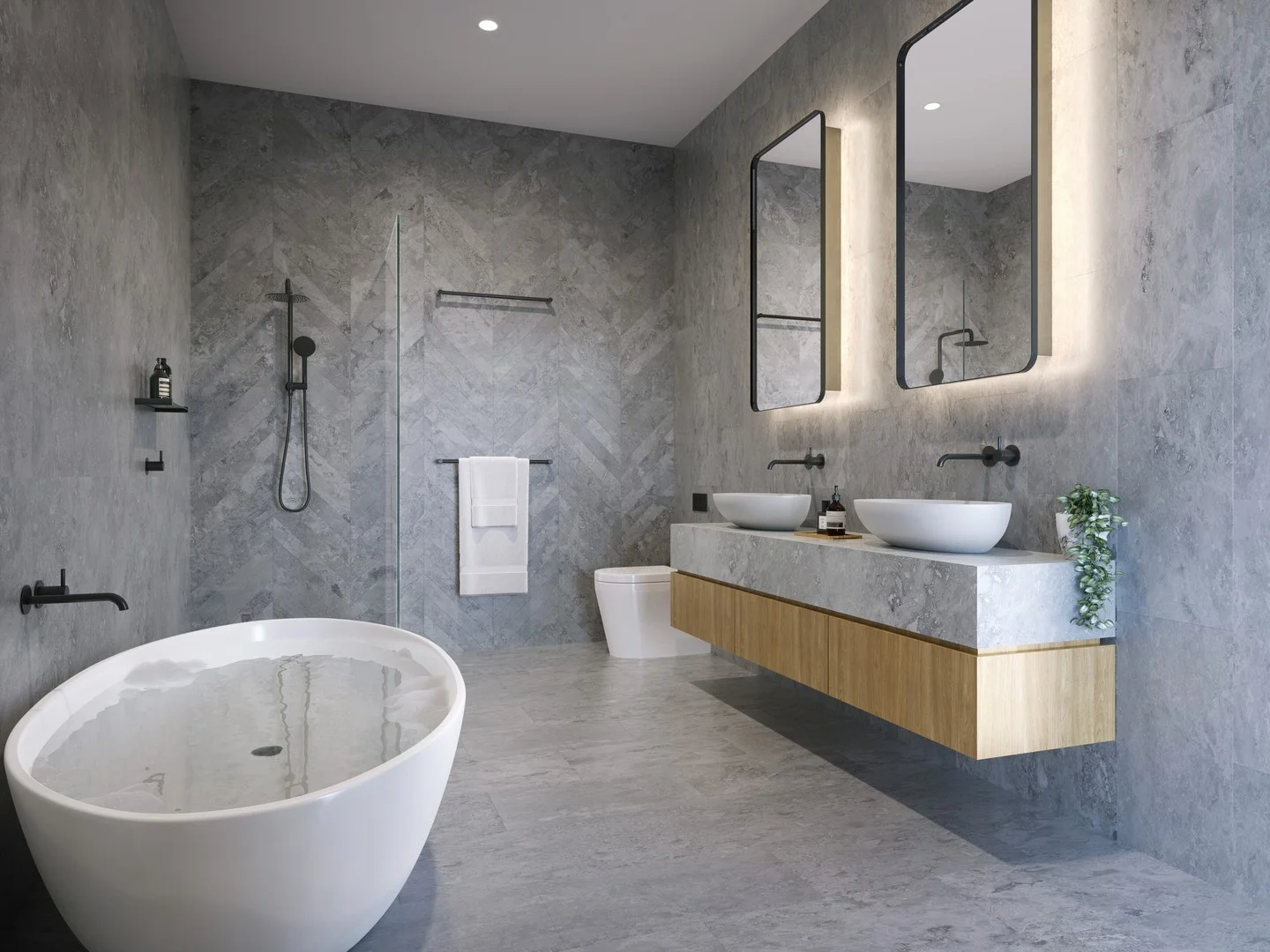 $2,824,000
Apartment / Unit / Flat
$2,824,000
Apartment / Unit / Flat
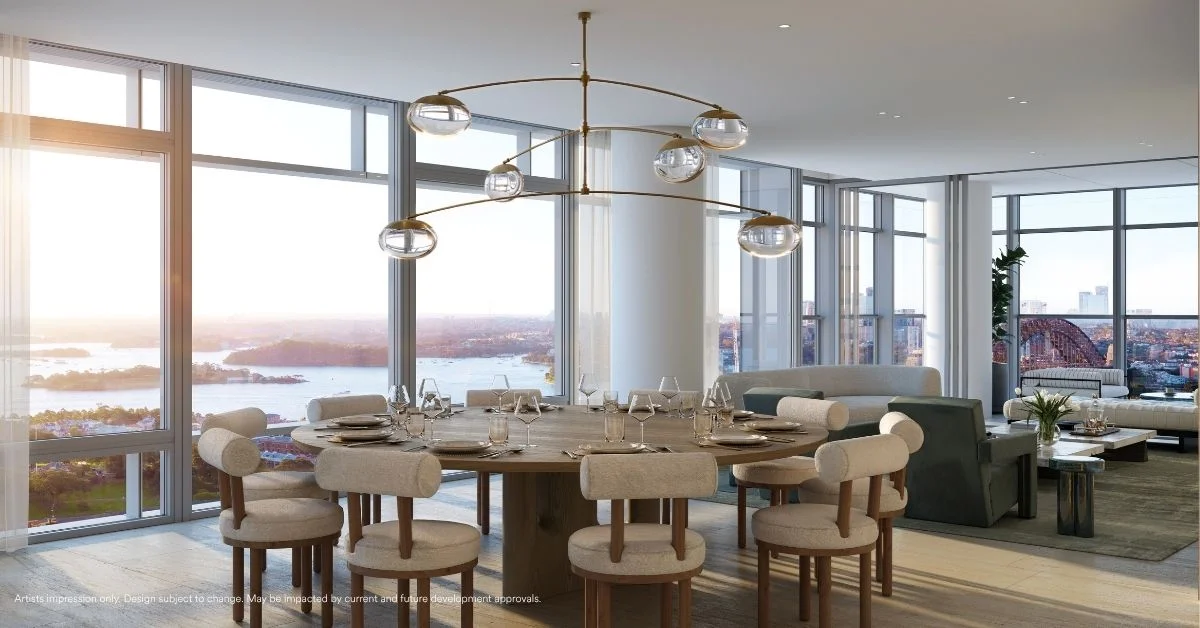 $26,550,000
propertyType.NEW APARTMENTS / OFF THE PLAN
$26,550,000
propertyType.NEW APARTMENTS / OFF THE PLAN
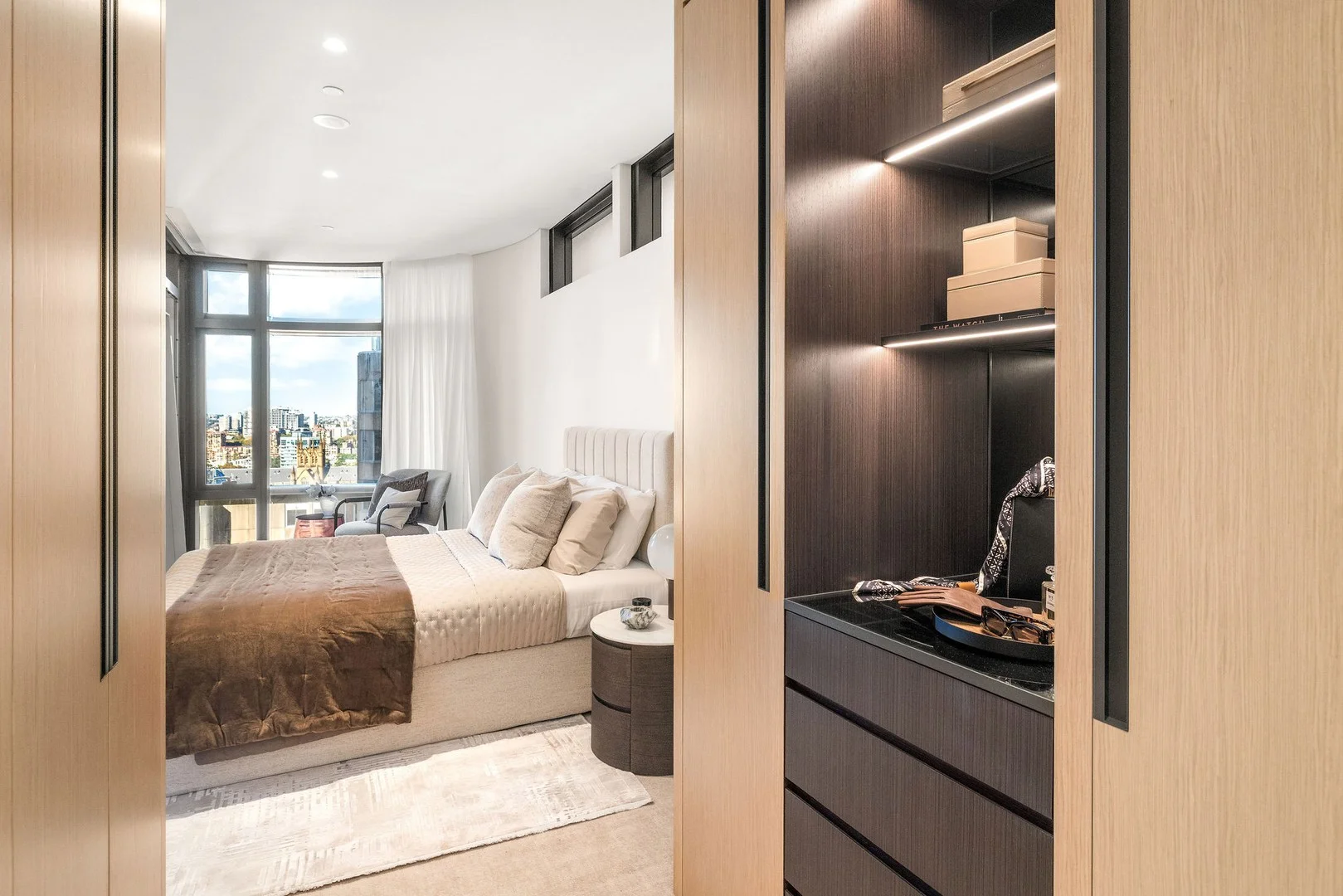 $2,745,000
propertyType.NEW APARTMENTS / OFF THE PLAN
$2,745,000
propertyType.NEW APARTMENTS / OFF THE PLAN
 $6,225,000
propertyType.NEW APARTMENTS / OFF THE PLAN
$6,225,000
propertyType.NEW APARTMENTS / OFF THE PLAN
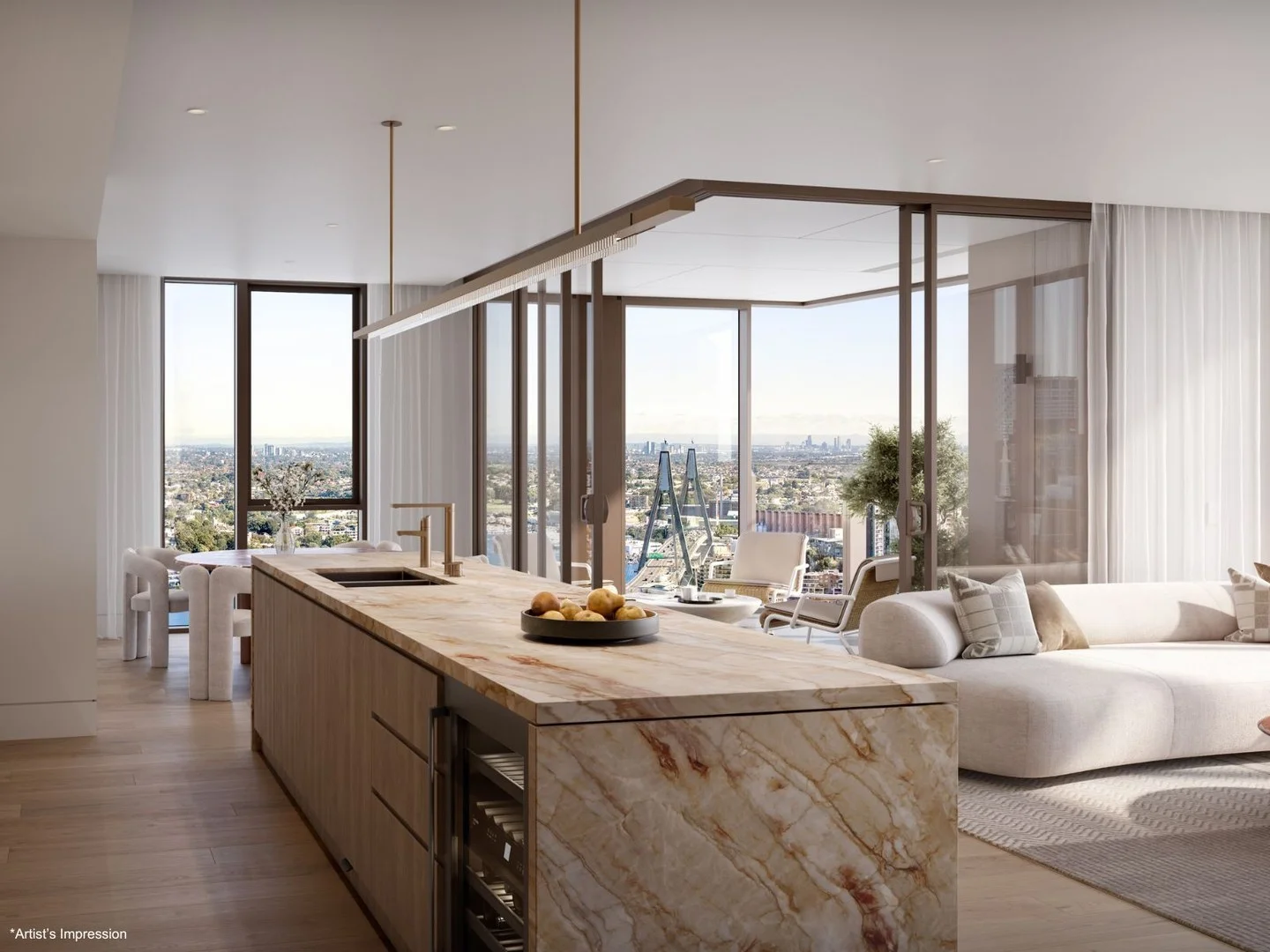 $9,020,000
propertyType.NEW APARTMENTS / OFF THE PLAN
$9,020,000
propertyType.NEW APARTMENTS / OFF THE PLAN
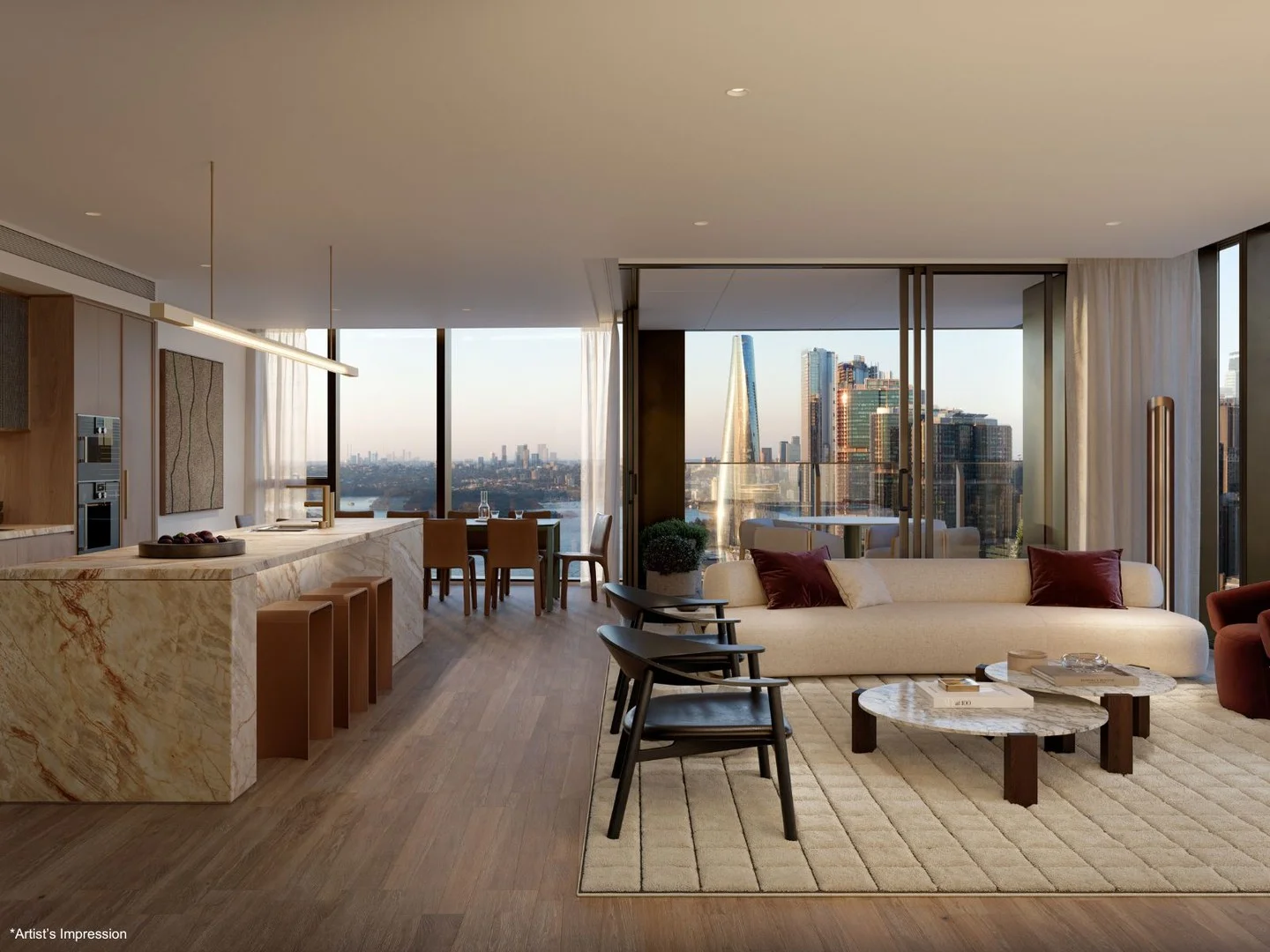 $12,980,000
propertyType.NEW APARTMENTS / OFF THE PLAN
$12,980,000
propertyType.NEW APARTMENTS / OFF THE PLAN
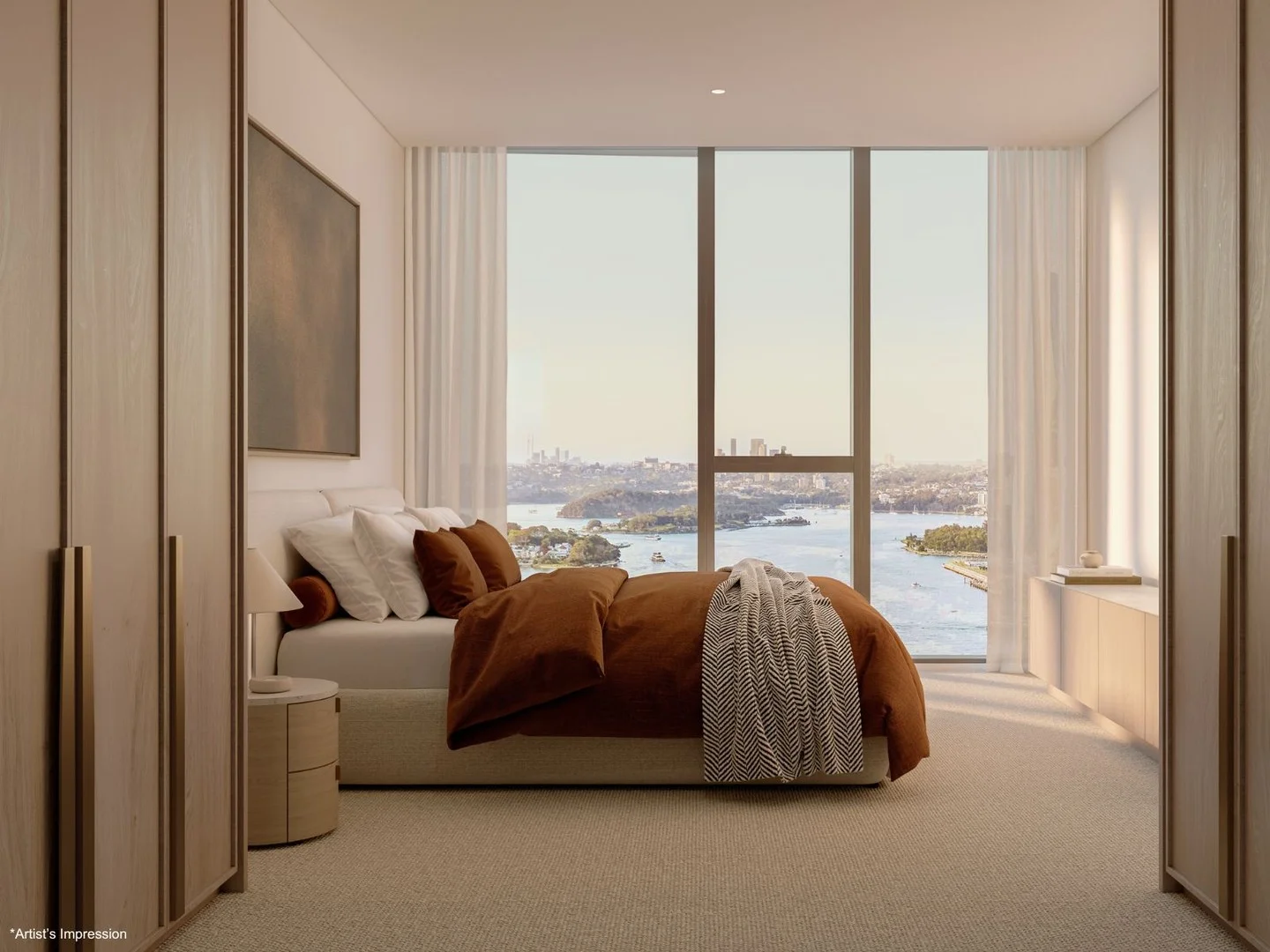 $8,630,000
propertyType.NEW APARTMENTS / OFF THE PLAN
$8,630,000
propertyType.NEW APARTMENTS / OFF THE PLAN
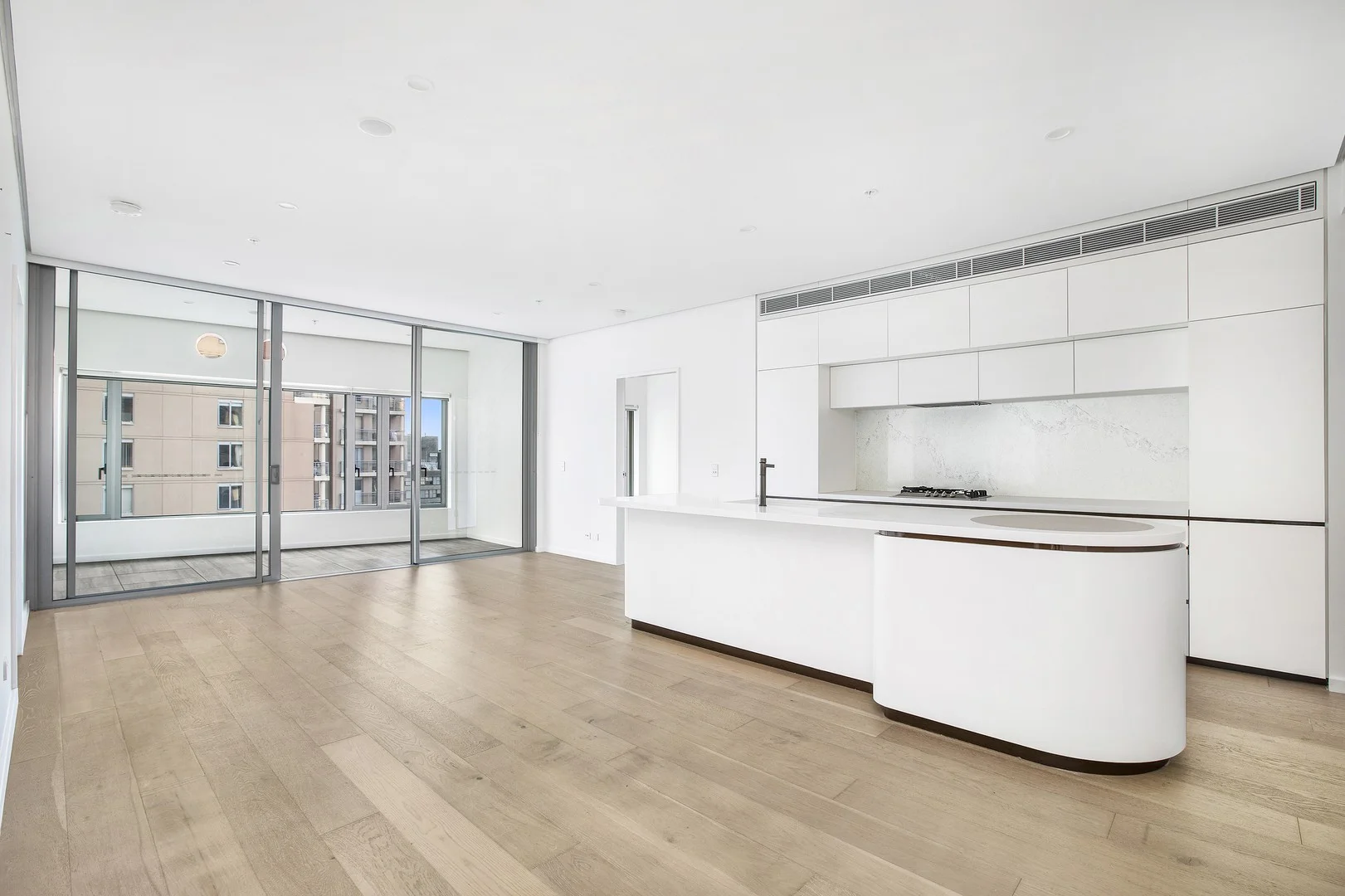 $2,250,000
Apartment / Unit / Flat
$2,250,000
Apartment / Unit / Flat
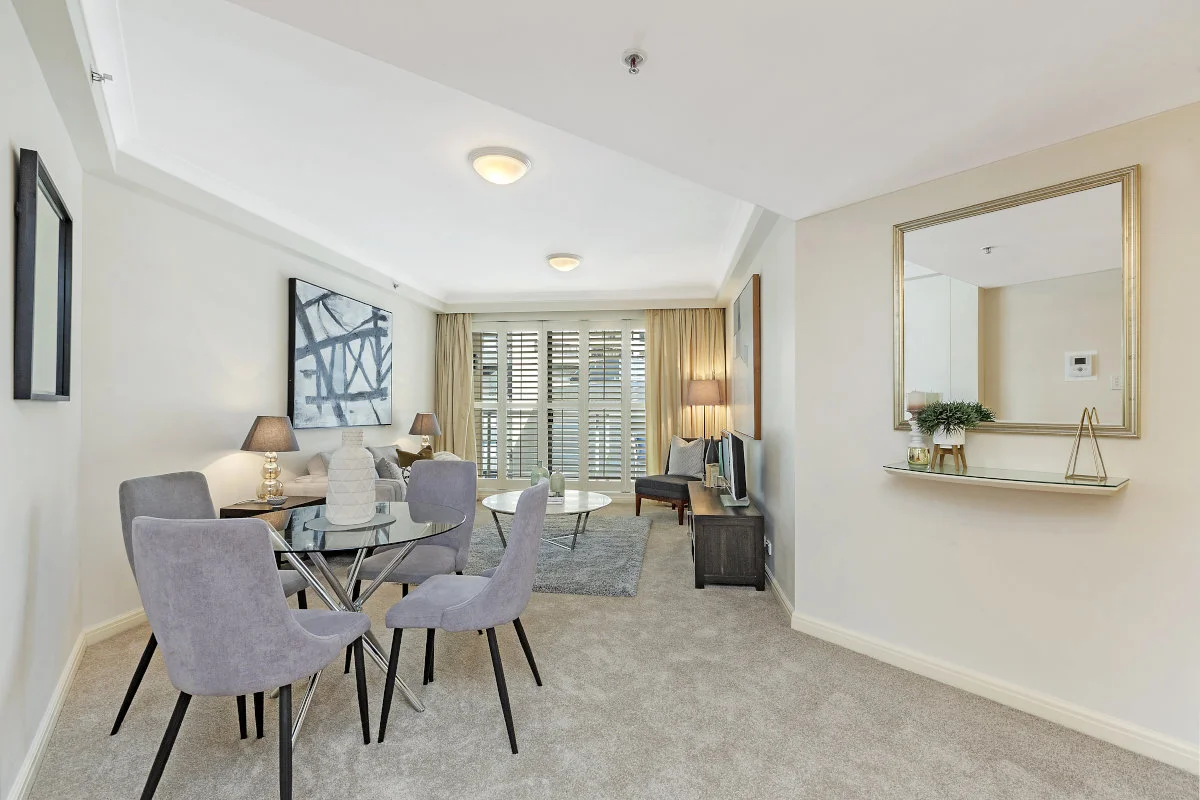 $660,000 - $725,000
Apartment / Unit / Flat
$660,000 - $725,000
Apartment / Unit / Flat


