Overview
Mother of God School (Ardeer) is a Catholic co-educational primary school serving families in Ardeer and the surrounding western suburbs. Grounded in Catholic faith formation and a strong sense of community, the school emphasizes values-based learning, pastoral care, and a nurturing environment where students are encouraged to grow academically, socially, and spiritually.
The school is small to medium in size, with class sizes typically around the low 20s per class. The atmosphere is described as inclusive and community-minded, balancing academic expectations with supportive relationships and opportunities for student leadership, service, and personal development.
Academics & Learning
- Academic strengths: Strong focus on literacy and numeracy within the Victorian curriculum, with integrated faith formation. The school also supports student development in areas such as English, numeracy, and the arts, with opportunities to develop leadership and digital literacy.
- Special programs: Catholic identity and faith formation are central, alongside differentiated learning within regular classes. There are extension opportunities for capable learners through in-class differentiation; no formal IB program is offered, but there are programs and activities designed to challenge proficient students and provide enrichment.
- Support for diverse learners: EAL support and targeted assistance for students needing extra help are available through learning support structures; SEN supports and accommodations are provided as part of an inclusive approach to education.
- Sports offered: A range of team and individual sports common to Victorian schools, including soccer (football), basketball, netball, cricket, and athletics.
- Strong teams or achievements: Active participation in inter-school events with opportunities for students to contribute to school-level teams and competitions.
- Music, arts, drama programs: Vocal and instrumental opportunities, school plays, and performing arts activities support a well-rounded arts program.
- Clubs: Robotics, coding, chess, debating, and other clubs that promote STEM, critical thinking, and public speaking.
- Partnerships: Involvement with local community clubs and inter-school competitions, with opportunities for students to engage in external events and activities.
Wellbeing & Pastoral Care
- Anti-bullying approach: Clear anti-bullying policies and reporting mechanisms, with a focus on creating a safe, respectful school culture.
- House system: House or buddy-type structures to foster belonging, teamwork, and friendly intra-school competition.
- Counsellors / wellbeing officers: Access to wellbeing support within the school, including guidance and counselling services or welfare staff to support students’ social-emotional learning.
- Transition support for new students: Orientation, buddy programs, and targeted transition activities help new students settle into the school community smoothly.
Facilities
- Sports grounds: On-site sports facilities suitable for a variety of physical education activities.
- Libraries: A learning-rich library space for reading, research, and collaboration.
- Science labs: Functional science spaces supporting practical experiments and inquiry-based learning.
- Music/performing arts centers: Spaces for music sessions, rehearsals, and performances.
- Tech/innovation labs: Computer and technology resources to support digital learning and literacy.
- Cafeteria: On-site canteen or dining facilities offering healthy options.
- Updated playgrounds: Safe, well-maintained play areas for breaks and outdoor learning.
- School values / mission: Grounded in Catholic values such as respect, compassion, responsibility, integrity, and service, alongside academic growth.
- Leadership style: Leadership is collaborative, with opportunities for student leadership and active parental involvement within the school community.
- Behaviour expectations: Clear code of conduct emphasizing respect, responsibility, and courteous interactions.
- Community reputation: Positive standing within the local Catholic education community and broader Ardeer area, known for a welcoming, inclusive environment.
- Diversity & inclusion: A culture that welcomes families from diverse backgrounds and supports inclusive practices across learning and student life.
School Logistics & Daily Operations
- School hours: Regular school day with start and finish times consistent with the primary school calendar; before/after school care available in some arrangements.
- Before/after school care: Available or arranged through on-site or partner providers to support families.
- Uniform requirements: Standard school uniform policy with clear guidelines for daily wear and approved items.
- Transport (train/bus routes): Access to local public transport options and bus routes; school may provide guidance on convenient travel options for families.
- Canteen availability: Canteen or lunch provisions available, with a focus on healthy options.
- Fees (low/medium/high ranges): Fee structure is in the mid-range for Victorian Catholic primary schools, with additional costs for camps, excursions, uniforms, and certain activities.
Enrolment & Admissions
- What is the enrolment process and timeline?
- Submit an expression of interest or enrolment application through the school, along with required documentation (birth certificate, immunisation records, proof of address, etc.). The school will outline the typical timeline, including information sessions, interviews or orientation days, and closing dates for intake in different year levels.
- Is there a waiting list, and how does it work?
- There may be a waiting list when year levels are full. The school will advise on how vacancies are filled, whether priority is given to local parish families, and the expected wait times. Regular updates are usually provided to families on the waiting list.
- Are there any entry requirements, tests, or interviews?
- Entry typically involves enrolment forms, submission of required documents, and an interview or information session for the family. Some year levels may include discussions around student readiness and placement to ensure appropriate class and learning needs.
- Does the school accept mid-year transfers?
Frequently Asked Questions
- Why Parents Choose This School?
- A faith-based learning environment that prioritises values, community, and individual student growth within a supportive, inclusive setting.
- What type of student thrives at this school?
- Students who value a caring community, strong relationships with teachers, engagement in faith formation, and opportunities for literacy, numeracy, and extra-curricular activities.
- What opportunities are available for students to extend their skills (academics, sports, arts)?
- Differentiated instruction and extension tasks in class; clubs and activities in robotics, coding, chess, debating; music and drama programs; inter-school sports and arts events.
- How does the school communicate with parents?
- Regular newsletters, parent-teacher interviews, notices through the school app or portal, and open channels for ongoing conversations with teachers and leadership.
- What is the school’s approach to teaching and learning?
- A curriculum-aligned approach with a focus on literacy and numeracy, faith formation, practical inquiry, and inclusive classrooms that differentiate to meet diverse learning needs.
- How does the school support students who need extra academic help?
- Targeted literacy and numeracy support, learning assistance within class, and access to wellbeing and support staff.
- What support is available for academic challenges?
- In-class differentiation, targeted interventions, and communication with families to plan appropriate support strategies.
- How does the school communicate with parents? (Duplicate)
- As above: newsletters, portals, meetings, and direct communication with teachers and school leaders.
- What extracurricular and sports opportunities are available?
- A range of sports (soccer, basketball, netball, cricket, athletics), plus clubs in robotics, coding, chess, debating, and arts activities.
- What facilities does the school offer (sports, science, arts)?
- Sports grounds, libraries, science labs, music/performing arts spaces, tech/innovation labs, canteen, and updated playgrounds.
- What is the school’s approach to technology and digital learning?
- Integration of digital literacy within the curriculum, access to technology resources, and activities to build responsible and capable digital learners.
- What transport and accessibility options are available?
- Local transport options and bus routes; guidance provided to families about practical travel arrangements to and from the school.
- What are typical school fees or additional costs?
- Fees are mid-range for Victorian Catholic primary schools, with possible additional costs for camps, excursions, uniforms, and some activities.
Short Pros & Cons
- Catholic values-based education with a supportive, inclusive culture
- Strong focus on literacy and numeracy within a faith-informed framework
- Broad range of extracurriculars including sports, arts, and clubs
- Active wellbeing and pastoral support with transition programs for new students
- Formal IB program is not offered (not available for those seeking IB)
- Voluntary contributions and some activities may add to costs
- Mid-year transfer opportunities depend on vacancies
- As a faith-based school, emphasis on Catholic education may not align with all families’ preferences
 Free
Free












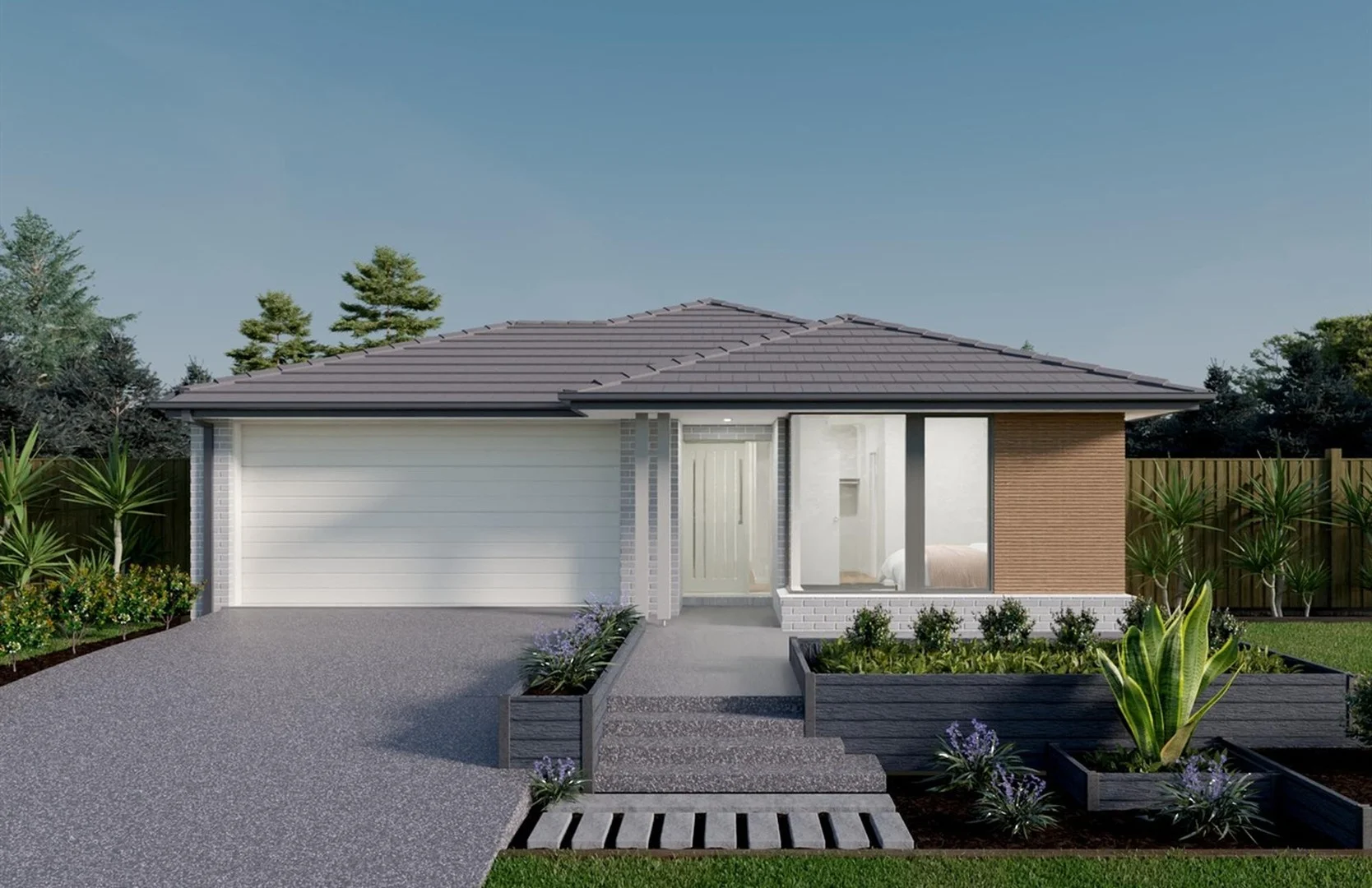 $730,500
propertyType.NEW HOUSE & LAND
$730,500
propertyType.NEW HOUSE & LAND
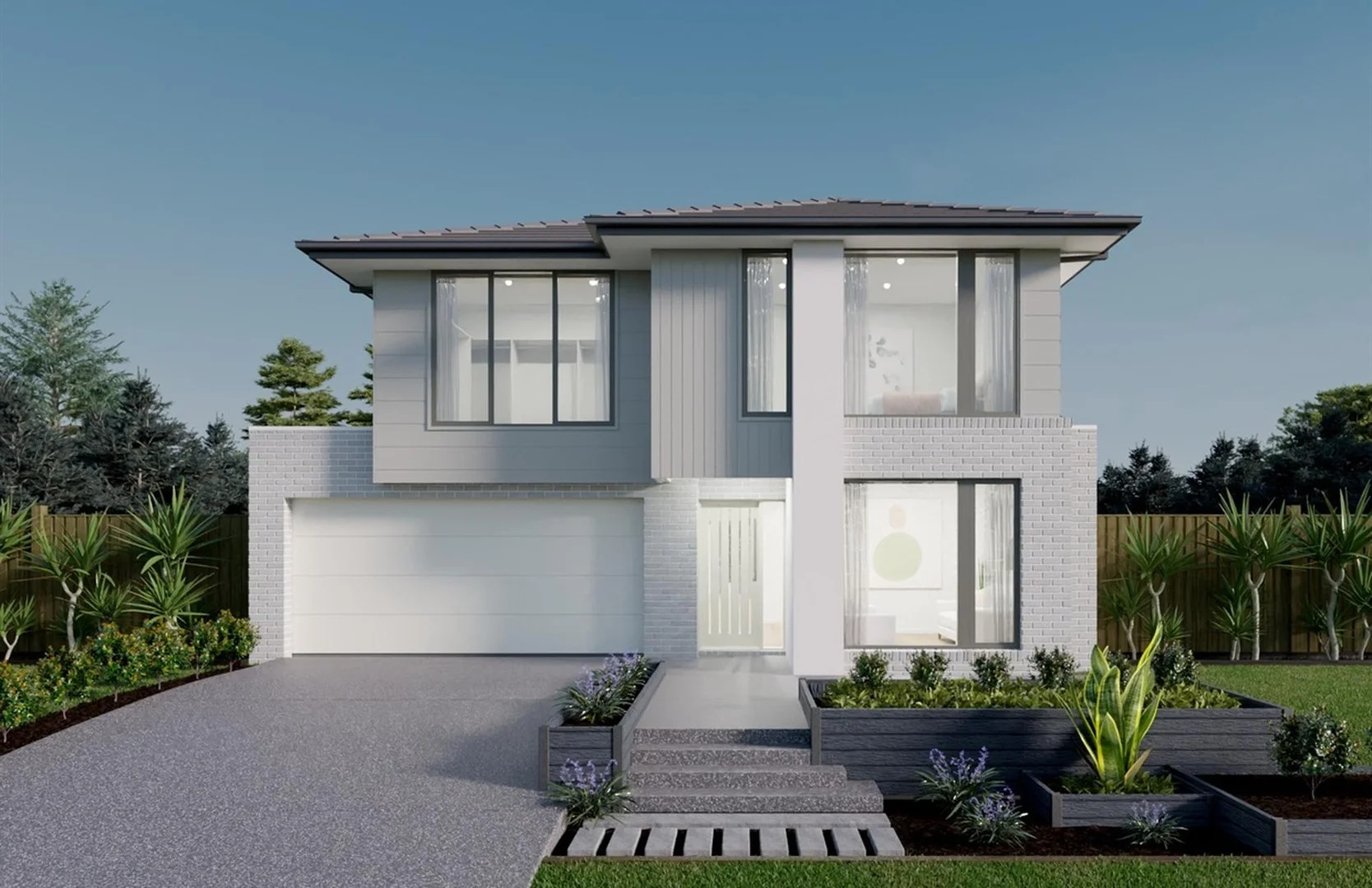 $866,400
propertyType.NEW HOUSE & LAND
$866,400
propertyType.NEW HOUSE & LAND
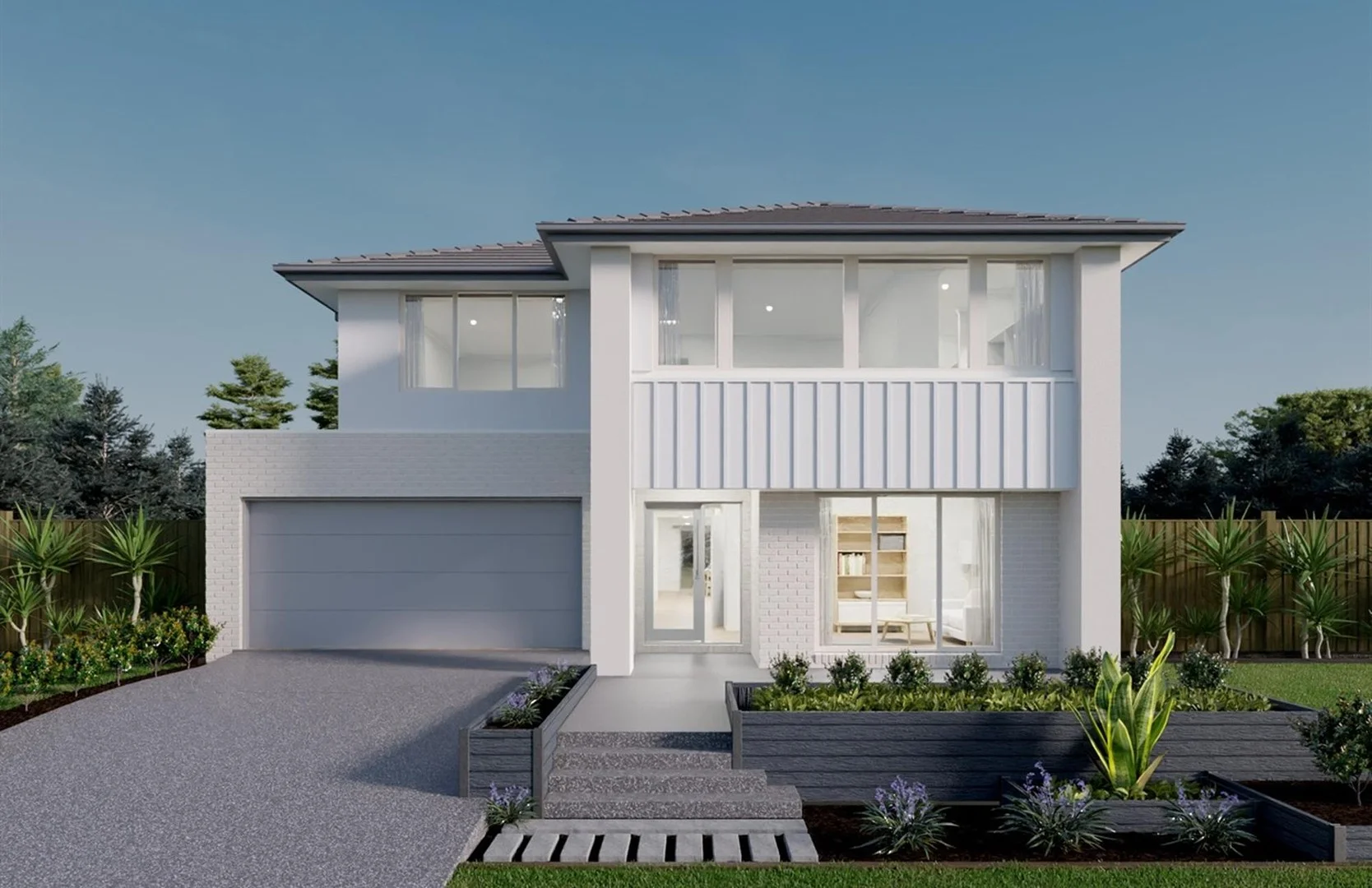 $980,500
propertyType.NEW HOUSE & LAND
$980,500
propertyType.NEW HOUSE & LAND
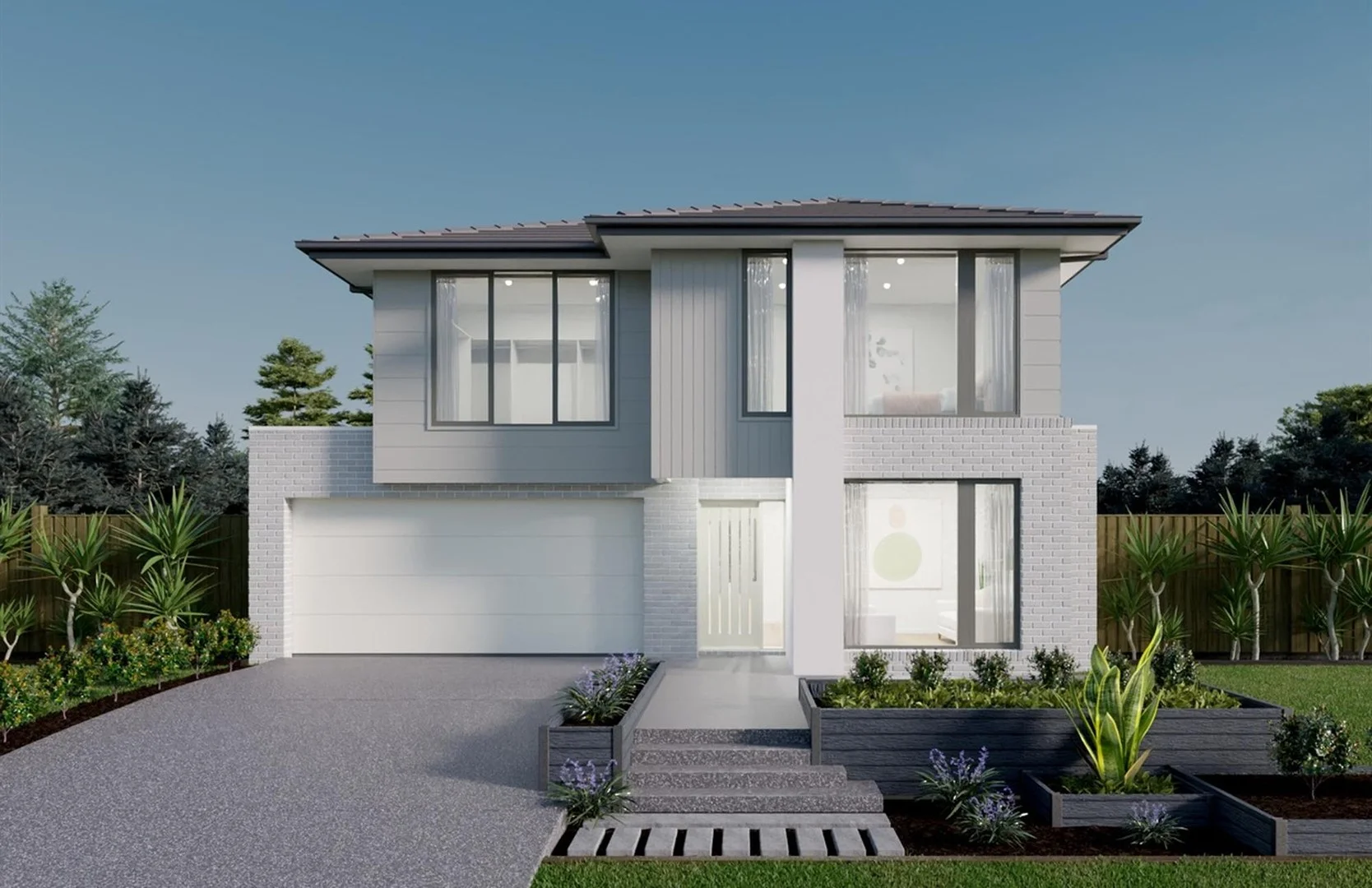 $1,019,100
propertyType.NEW HOUSE & LAND
$1,019,100
propertyType.NEW HOUSE & LAND
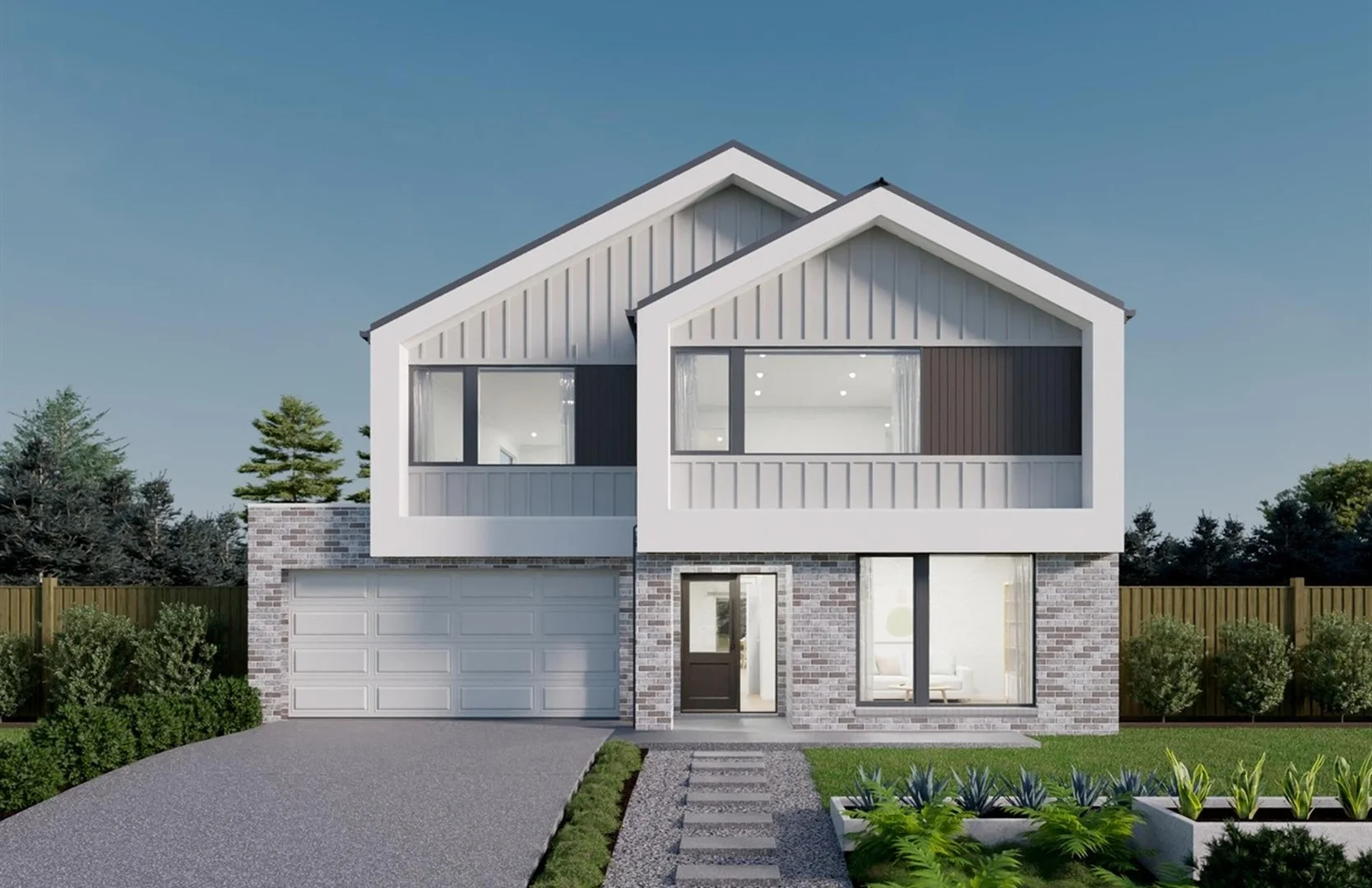 $918,000
propertyType.NEW HOUSE & LAND
$918,000
propertyType.NEW HOUSE & LAND
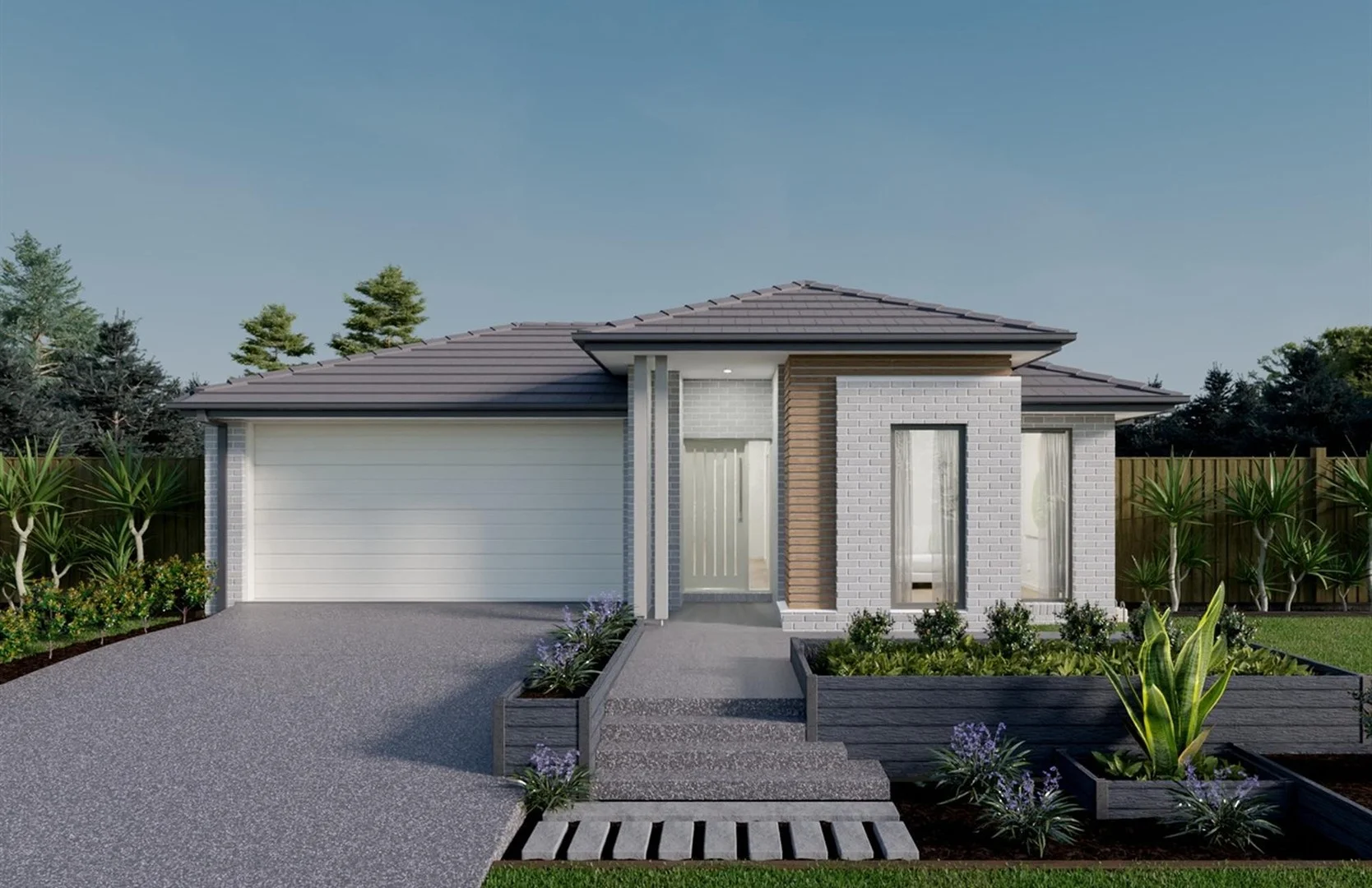 $739,100
propertyType.NEW HOUSE & LAND
$739,100
propertyType.NEW HOUSE & LAND
 $870,800
propertyType.NEW HOUSE & LAND
$870,800
propertyType.NEW HOUSE & LAND
 $688,800
propertyType.NEW HOUSE & LAND
$688,800
propertyType.NEW HOUSE & LAND
 $1,021,700
propertyType.NEW HOUSE & LAND
$1,021,700
propertyType.NEW HOUSE & LAND