# 1. Overview (1–2 paragraphs max)
Mount Carmel Pennington is a Catholic primary school serving families in the Pennington area. As a Catholic school, it focuses on faith-based values, a supportive community, and a well-rounded education. The school is small to medium in size, with class sizes typically around 20–25 students, which supports strong teacher–student relationships and personalised learning. The atmosphere is nurturing, inclusive, and faith-centered, with an emphasis on academic foundation, pastoral care, and community involvement.
Key points:
- School type: Catholic
- School size: Small to medium
- Class size: Approximately 20–25 students
- Atmosphere/culture: Nurturing, inclusive, faith-based, community-focused
---
# 2. Academics & Learning
- Academic strengths: Strong literacy and numeracy foundations, with a positive emphasis on core subjects and critical thinking. Opportunities to develop skills across STEM, English, and the arts.
- Special programs: Access to gifted and talented initiatives, technology literacy, and integrated digital learning approaches; support for diverse learners as needed.
- NAPLAN / Ofsted trends: Expect ongoing emphasis on improving reading and numeracy with stable year-to-year growth; trends reflect steady progress typical for school cohorts.
- Student-teacher ratios: Small class sizes enable more targeted instruction and frequent teacher feedback.
- Support for diverse learners: Dedicated support for English as an Additional Language (EAL) learners and students with additional learning needs (SEN), including targeted small-group interventions and learning support plans.
---
# 3. Sports & Extracurricular Strengths
- Sports offered: Common primary offerings such as soccer, netball, AFL-inspired activities, basketball, and athletics; opportunities for participation in inter-school events.
- Strong teams or achievements: Active involvement in regional/catholic inter-school activities with participation in sports leagues and tournaments.
- Music, arts, drama programs: School choirs, music groups, and development in performing arts; opportunities to participate in school productions and concerts.
- Clubs: Robotics, chess, coding, debating, and other STEM/creative clubs.
- Partnerships: Local community partnerships and Catholic Education SA activities and competitions that provide broader opportunities outside the classroom.
---
# 4. Wellbeing & Pastoral Care
- Anti-bullying approach: Whole-school anti-bullying policies and proactive wellbeing education to promote respect and safe environments.
- House system: House-based activities and competitions to foster belonging, leadership, and teamwork.
- Counsellors / wellbeing officers: Access to school counsellors or wellbeing staff to support student resilience and social-emotional learning.
- Transition support for new students: Buddy programs, orientation sessions, and teacher check-ins to ease transition for new families.
---
# 5. Facilities
- Sports grounds: Outdoor play spaces and courts for active break times and sports.
- Libraries: Library facilities supporting reading programs and research skills.
- Science labs: Dedicated spaces for hands-on science learning.
- Music/performing arts centers: Rooms and spaces for music education and performances.
- Tech/innovation labs: Computer/STEM spaces to support digital literacy and project-based learning.
- Cafeteria: On-site canteen or lunch facilities with accommodating food options.
- Updated playgrounds: Modern play areas designed for safe, inclusive play.
---
# 6. School Values & Community Culture
- School values / mission: Faith-based education grounded in Catholic values such as compassion, respect, service, and integrity.
- Leadership style: Collaborative and student-inclusive, with opportunities for student voice through class leadership and house activities.
- Behaviour expectations: Positive behaviour framework that reinforces respect, responsibility, and community involvement.
- Community reputation: Strong connections with local parish and families; emphasis on community service and involvement.
- Diversity & inclusion: Welcoming environment that supports students from diverse backgrounds and abilities.
---
# 7. School Logistics & Daily Operations
- School hours: Typical daytime schedule aligned with local primary school hours; start and end times communicated by the school.
- Before/after school care: OSHC or similar programs available to support families outside normal hours.
- Uniform requirements: Standard school uniform with seasonal variants; clear guidelines for everyday wear and active days.
- Transport (train/bus routes): Access to local bus services; proximity to public transport options; information available through the school.
- Canteen availability: Canteen or lunch program with meals or lunch-order options on certain days.
- Fees (low/medium/high ranges): Fees fall within a middle range for Catholic systemic primary schools; details provided by the school.
---
# 8. Enrolment & Admissions
11. What is the enrolment process and timeline?
- Interested families typically start with an information session or open day, followed by a formal application. Required documents (e.g., birth and custody papers, baptism details if applicable) are submitted with the application. The school may conduct an information session or interview for families, then offers are made according to space and priority considerations. Final confirmation is completed after a placement is accepted and any required fees are paid.
12. Is there a waiting list, and how does it work?
- Yes, there is often a waiting list when the cohort is full. Applications are recorded in order of receipt, with priority often given to enrolled siblings and parish considerations. The school communicates waitlist status and estimated timelines as space becomes available.
13. Are there any entry requirements, tests, or interviews?
- For primary-aged intake, there is usually no academic entry test. Some schools may offer an information session or brief interview, and documentation such as baptism certificates or family details may be requested. The focus is typically on fit with the school’s values and community.
14. Does the school accept mid-year transfers?
- Mid-year transfers are usually possible if space permits and a smooth transition plan can be arranged. Parents should initiate discussions early to coordinate enrollment, transcripts, and any required assessments.
---
# 9. Frequently Asked Questions
- Why Parents Choose This School?
- Families often choose for values-based education, supportive community, strong wellbeing focus, and close teacher–student relationships.
- What type of student thrives at this school?
- Students who value community, faith-based learning, steady academic progress, and active involvement in school life tend to thrive.
- What opportunities are available for students to extend their skills (academics, sports, arts)?
- Enrichment in reading and numeracy, participation in sports and inter-school events, music and performing arts, and clubs such as robotics, coding, debating, and chess.
- How does the school communicate with parents?
- Through newsletters, a parent portal or app, emails, and regular updates from teachers and the principal.
- What is the school’s approach to teaching and learning?
- A student-centered, differentiated approach that integrates technology, supports diverse learners, and emphasizes foundational skills in literacy and numeracy.
- How does the school support students who need extra academic help?
- Targeted small-group support, learning adjustments, EAL/SEN programs, and learning support plans as needed.
- What support is available for academic challenges?
- Access to learning support staff, specialist programs, and regular progress monitoring to tailor assistance.
- How does the school communicate with parents? (Repeat)
- See above: newsletters, portal/app, emails, and direct teacher communications.
- What are the class sizes and how much individual attention do students receive?
- Class sizes are small (roughly 20–25 students), allowing more teacher attention and personalised feedback.
- What extracurricular and sports opportunities are available?
- A range of sports (soccer, netball, basketball, etc.), music and drama programs, and clubs such as robotics, coding, chess, and debating.
- What facilities does the school offer (sports, science, arts)?
- Sports courts/grounds, library, science labs, music/performing arts spaces, tech/innovation labs, canteen, and updated playgrounds.
- What is the school’s approach to technology and digital learning?
- Integrated digital literacy, computer/tech classrooms, and opportunities for project-based learning using technology.
- What transport and accessibility options are available?
- Local bus routes and easy access to public transport; information on routes and accessibility provided by the school.
- What are the typical school fees or additional costs?
- Fees fall in a middle range for Catholic systemic primary schools; specific figures and any levies are provided by the school.
---
# 10. Short Pros & Cons list
- Pros
- Values-based education with a supportive, faith-informed community
- Small to medium class sizes enabling personalised support
- Strong focus on wellbeing, pastoral care, and student safety
- Range of extracurriculars in academics, arts, and sports
- Active parent involvement and parish connections
- Cons
- Smaller school may mean fewer specialist programs compared with larger schools
- Waiting lists can occur during popular intake periods
- Catholic ethos may not suit every family’s beliefs or preferences
- Transport options may vary by locale; families may need to plan commutes
- Availability of certain advanced programs may depend on cohort size









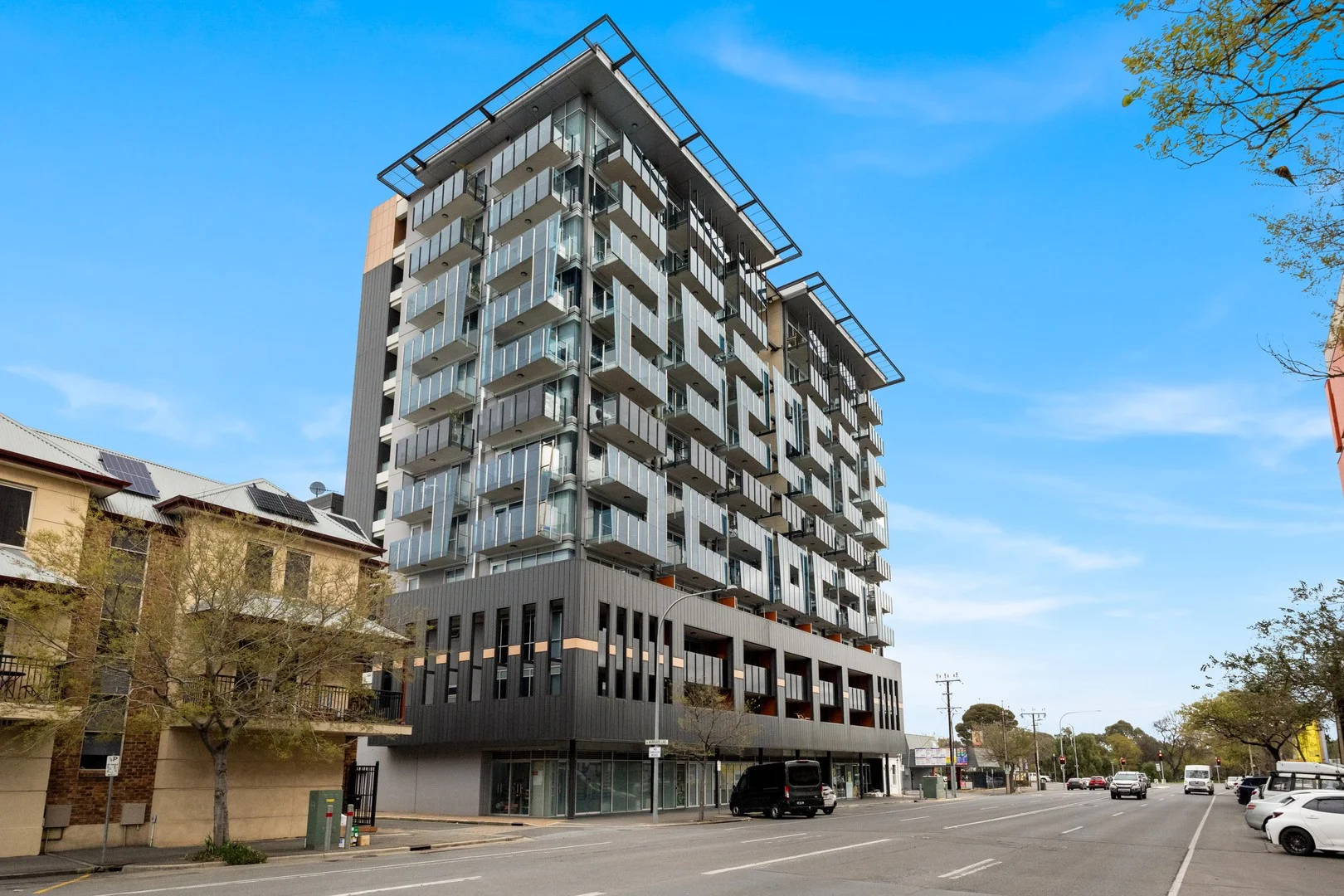 $1,100,000
Apartment / Unit / Flat
$1,100,000
Apartment / Unit / Flat
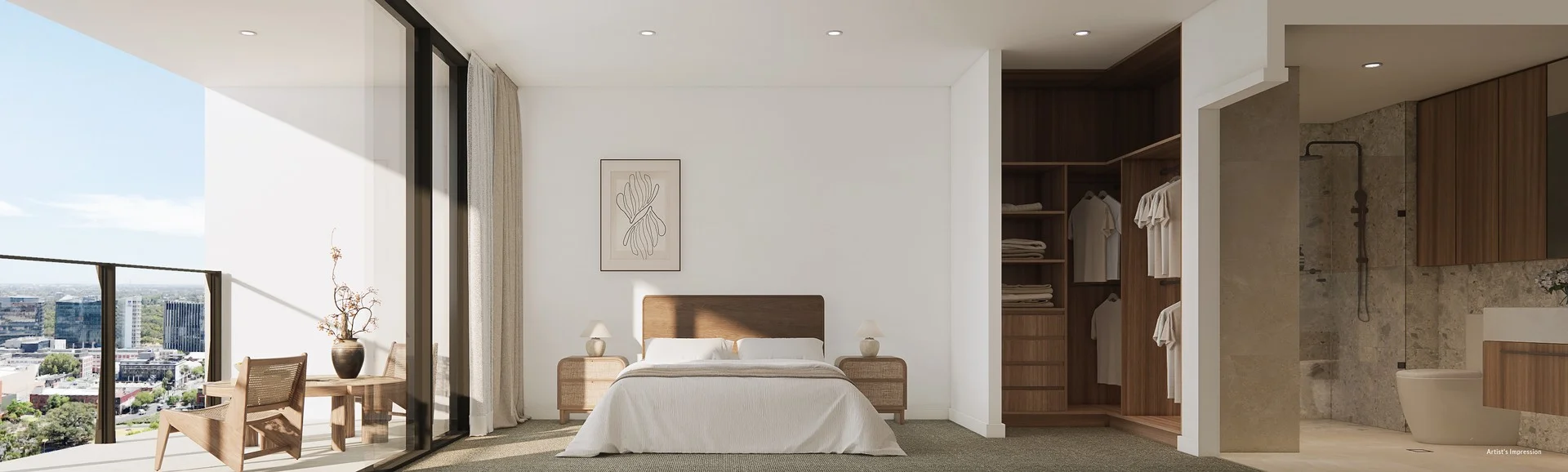 $1,056,000
Apartment / Unit / Flat
$1,056,000
Apartment / Unit / Flat
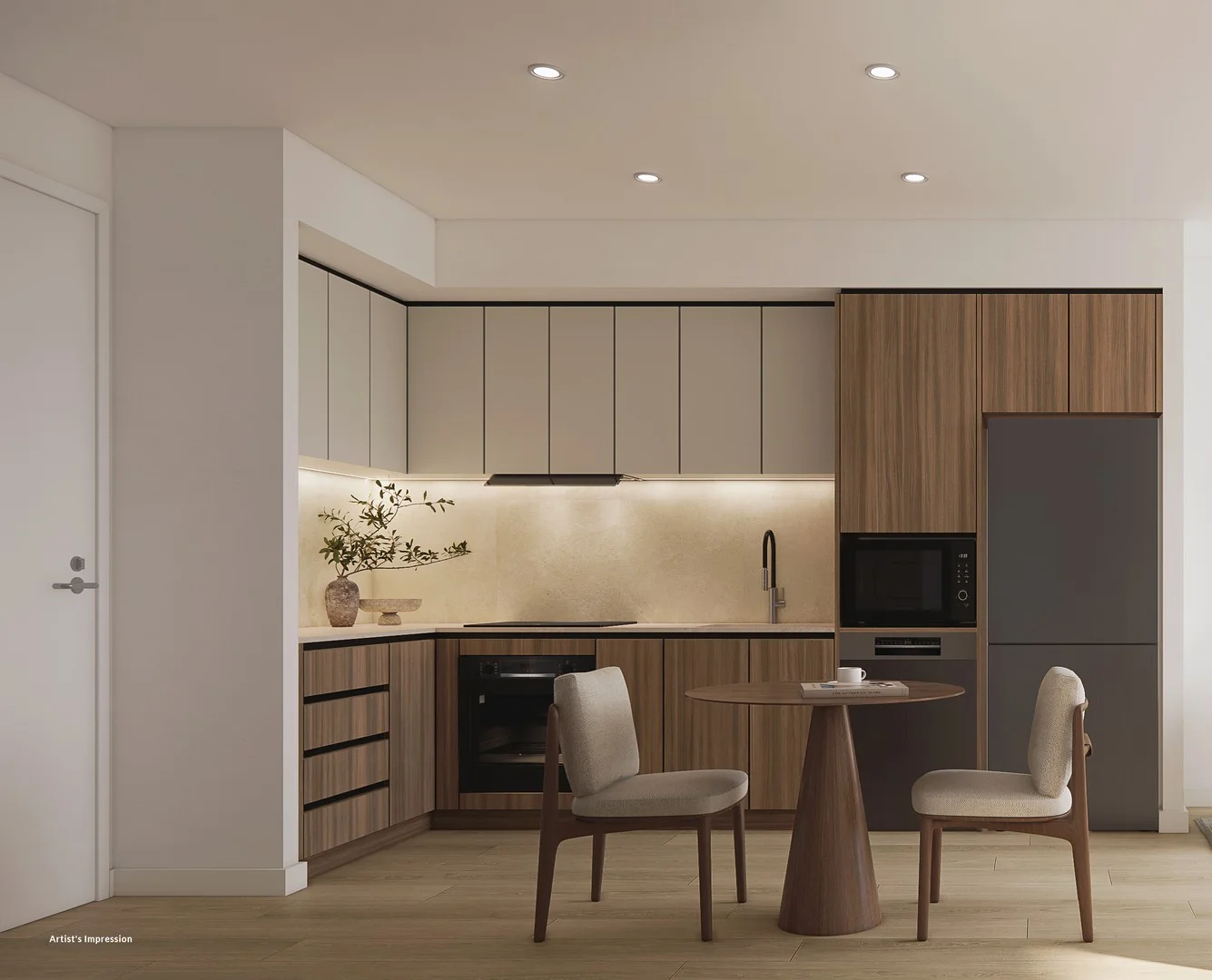 $557,000
Apartment / Unit / Flat
$557,000
Apartment / Unit / Flat
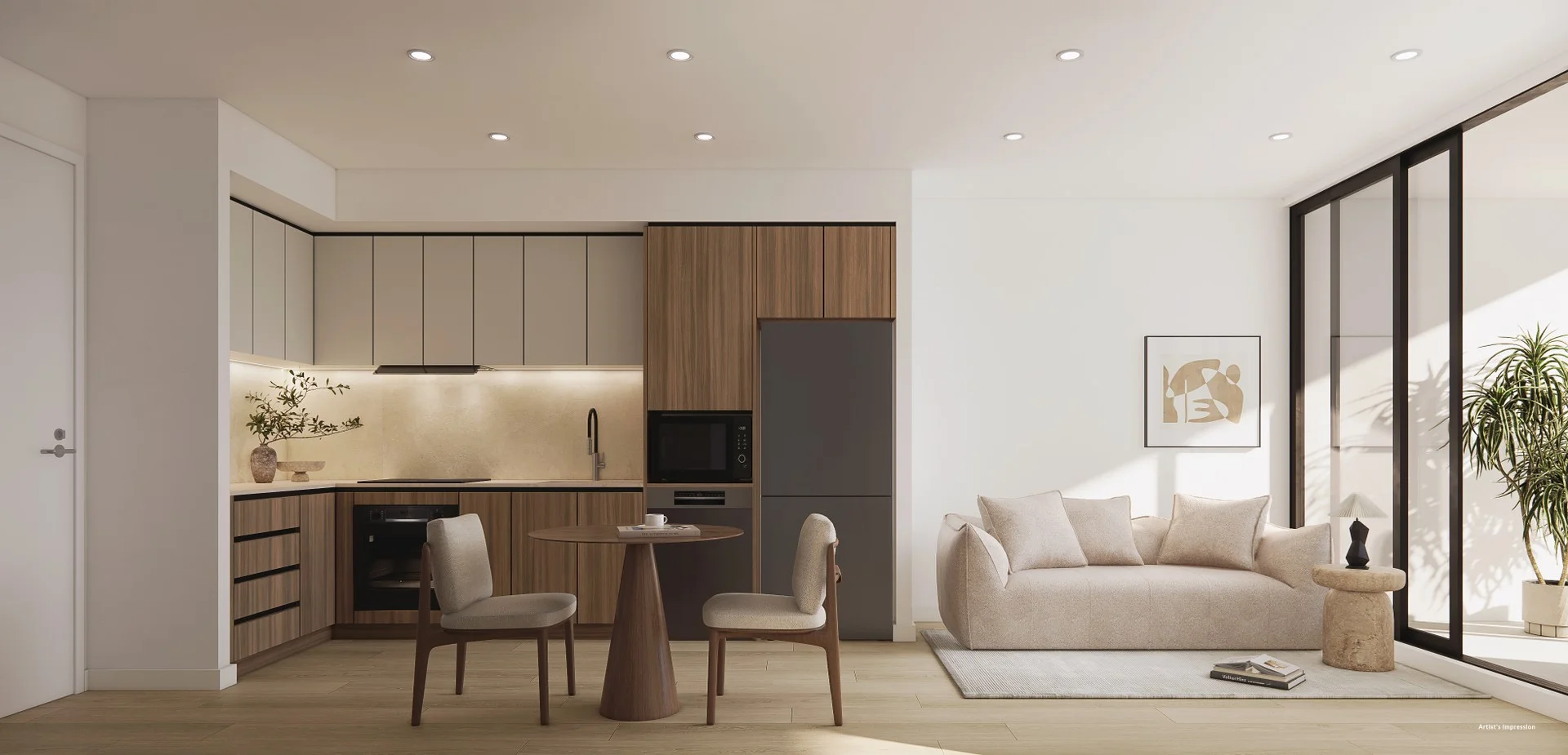 $588,000
Apartment / Unit / Flat
$588,000
Apartment / Unit / Flat
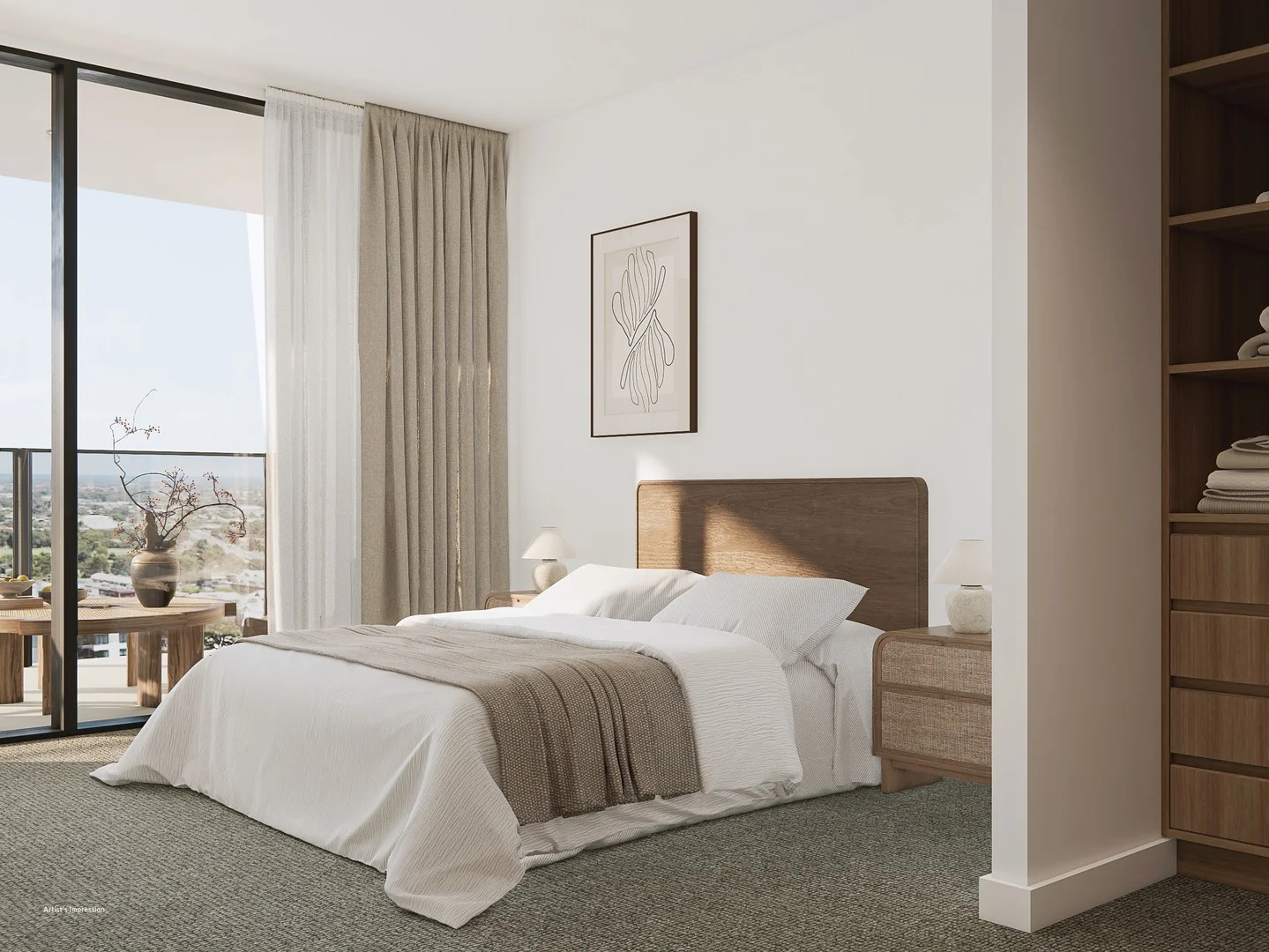 $935,000
Apartment / Unit / Flat
$935,000
Apartment / Unit / Flat
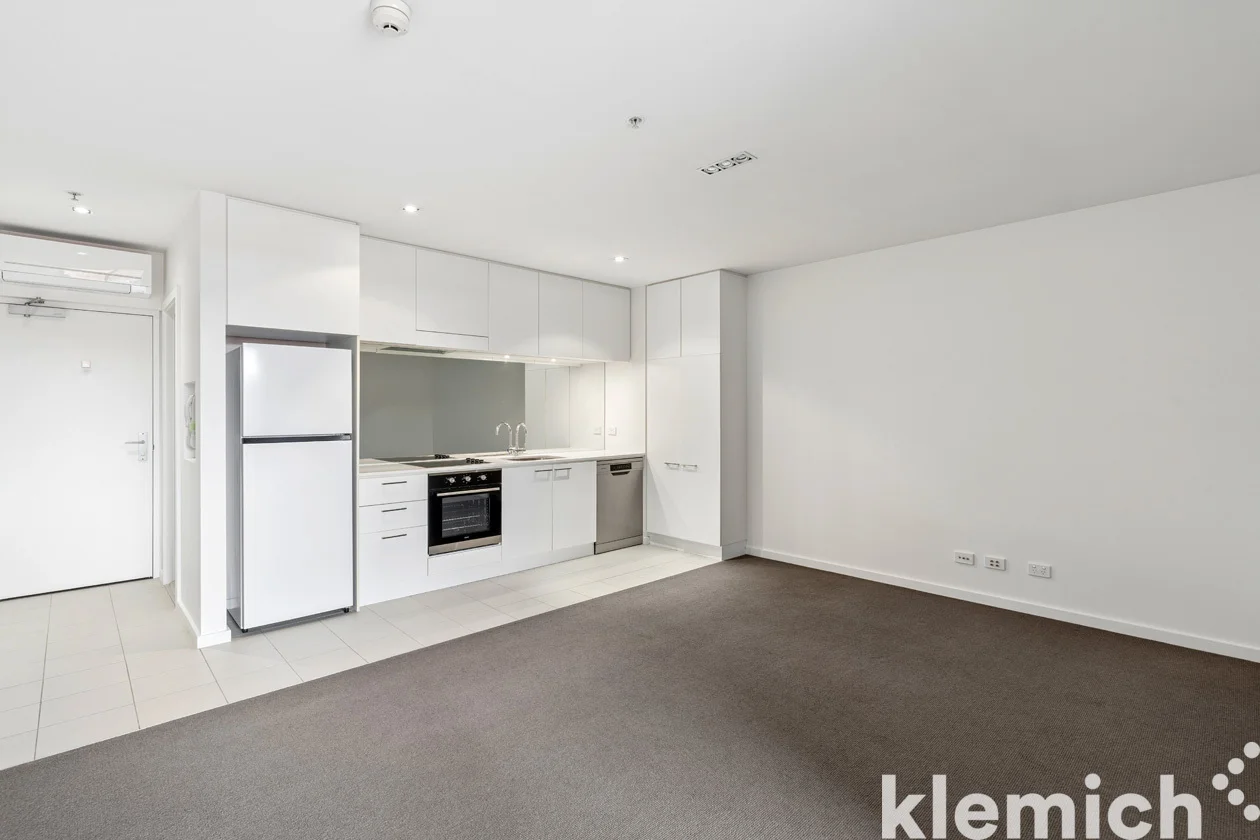 $440,000
Apartment / Unit / Flat
$440,000
Apartment / Unit / Flat
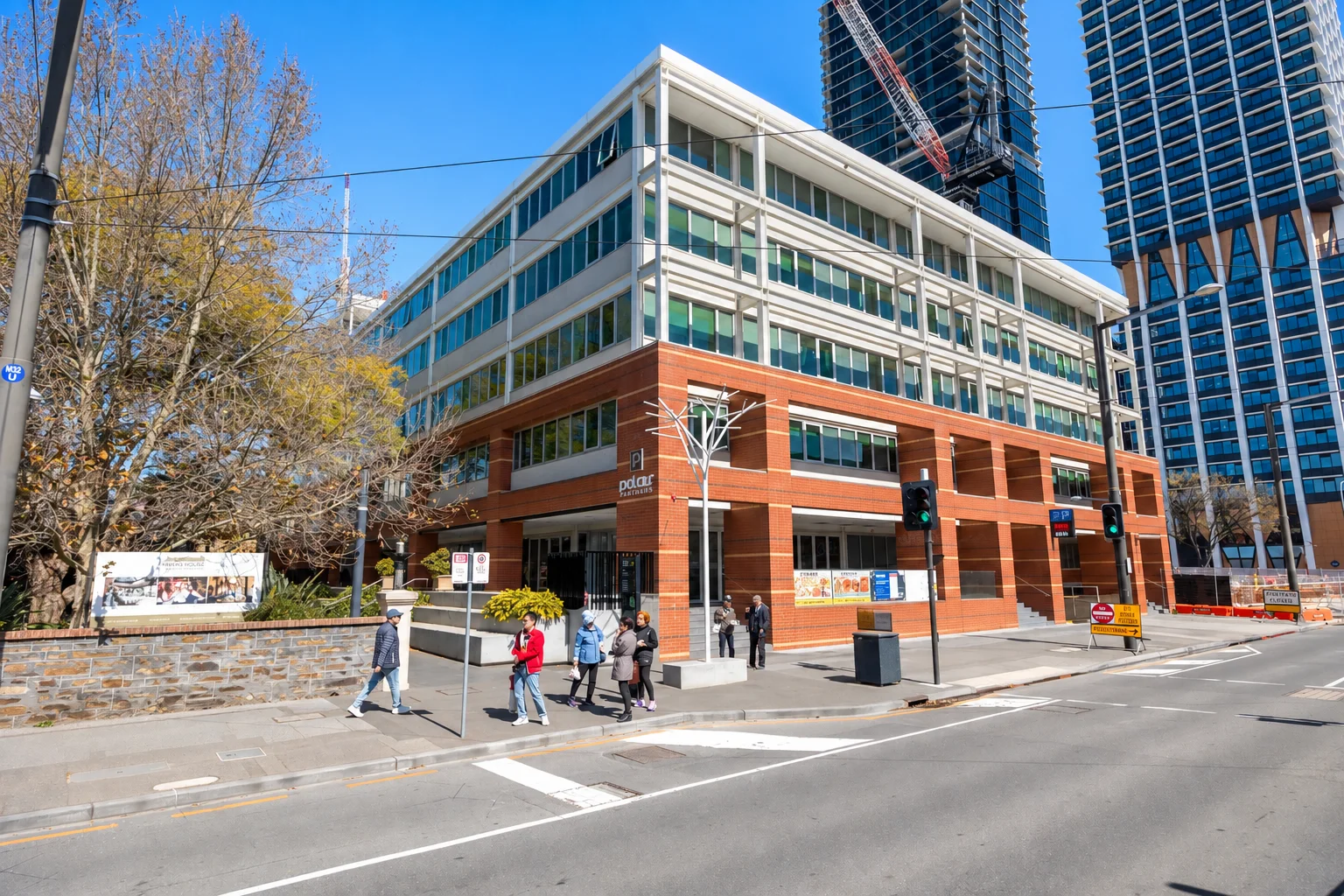 $545,000
Apartment / Unit / Flat
$545,000
Apartment / Unit / Flat
 $775,000
House
$775,000
House