## 1. Overview
Mount Carmel College Rosewater is a Catholic, systemic school for girls in Rosewater, Adelaide. The college emphasises faith-based values, academic growth, and community service within a supportive environment. As a medium-sized school, it offers a close-knit atmosphere with opportunities for personalized learning while maintaining a broad range of programs.
- School type: Catholic
- School size: Medium
- Class size: Mid-20s
- Atmosphere/culture: Nurturing, inclusive, faith-infused, service-oriented
---
## 2. Academics & Learning
The college focuses on strong literacy and numeracy foundations alongside a broad curriculum that supports STEM, humanities, languages, and the arts. There are opportunities for extended learning through targeted programs and enrichment activities, helping students prepare for senior studies and life beyond school.
- Academic strengths: Literacy, numeracy, STEM, humanities, languages; emphasis on critical thinking and inquiry
- Special programs: Gifted & Talented/accelerated options, leadership development, SACE/ATAR preparation, EAL and targeted learning support
- NAPLAN / Ofsted trends: Trends typically show stable to improving performance in reading and numeracy, with progress aligned to national benchmarks
- Student-teacher ratios: Favourable ratios that facilitate targeted feedback and individualized support
- Support for diverse learners: EAL support, inclusive education, learning support staff and accommodations as needed
---
## 3. Sports & Extracurricular Strengths
Extracurricular life is designed to support physical activity, creativity, and teamwork. Students can participate in a range of sports and engage in clubs and performances that bolster college spirit and personal growth.
- Sports offered: Netball, basketball, soccer, volleyball, tennis, athletics, swimming
- Strong teams or achievements: Regular participation in inter-school events with competitive performance and finals appearances
- Music, arts, drama programs: School choir, instrumental programs, theatre and drama productions, performing arts opportunities
- Clubs: Robotics, coding, chess, debating, and other interest-based clubs
- Partnerships: Connections with local clubs and Catholic Education SA events and inter-school competitions
---
## 4. Wellbeing & Pastoral Care
Wellbeing is central to the student experience, with proactive supports to nurture resilience, safety, and belonging. The pastoral framework helps students navigate school life with confidence.
- Anti-bullying approach: Clear policies and dedicated programs to foster a respectful, zero-tolerance environment
- House system: House groups to build belonging, teamwork, and healthy competition
- Counsellors / wellbeing officers: On-site counsellors and wellbeing staff available for student support
- Transition support for new students: Orientation programs, buddy systems, and ongoing pastoral support to ease transitions
---
## 5. Facilities
The college provides well-equipped spaces designed to support a dynamic learning environment, with facilities that cater to academics, arts, and sport.
- Sports grounds
- Libraries
- Science labs
- Music/performing arts centers
- Tech/innovation labs
- Cafeteria
- Updated playgrounds
- Auditorium/ performing arts space
---
## 6. School Values & Community Culture
The school promotes a values-led education with an emphasis on faith, service, and community. Leadership opportunities and clear behavioural expectations help maintain a positive, respectful culture.
- School values / mission: Faith, excellence, service, respect
- Leadership style: Student voice opportunities, leadership programs, and inclusive participation
- Behaviour expectations: Code of Conduct focused on respect, accountability, and integrity; restorative approaches where appropriate
- Community reputation: Known for a warm, supportive, family-like atmosphere and active parent involvement
- Diversity & inclusion: Welcoming to students from diverse backgrounds with inclusive practices
---
## 7. School Logistics & Daily Operations
Practical details help families plan around school life, with standard routines and supportive services.
- School hours: Typical school day starts in the morning and ends in the afternoon (around standard term hours)
- Before/after school care: Available
- Uniform requirements: Standard Catholic uniform with seasonal options, appropriate footwear, and guidance on grooming
- Transport (train/bus routes): Accessible by public transport and school bus arrangements; routine drop-off/pick-up zones
- Canteen availability: On-site canteen offering healthy options
- Fees (low/medium/high ranges): Fees are in the mid-range for Catholic Education SA schools, with additional costs for excursions and materials as applicable
---
## 8. Enrolment & Admissions
Clear steps help families understand how to join the college and what to expect during the process.
11. What is the enrolment process and timeline?
- Submit an application with required documents (birth certificate, baptism details if applicable, school reports)
- Depending on year level, there may be an interview or intake assessment
- Offers are issued for the upcoming intake year; once offered, steps are completed to secure enrolment
- Orientation or information sessions may be available before the start of the year
12. Is there a waiting list, and how does it work?
- Waiting lists can apply, with length varying by year level and space availability
- Priority often given to siblings, parish or community connections, and sequential timelines
13. Are there any entry requirements, tests, or interviews?
- Interviews or intake discussions may be used for certain year levels
- Some years may require an assessment or documentation to support placement
- Catholic faith alignment or parish documentation may be requested
14. Does the school accept mid-year transfers?
- Mid-year transfers may be considered depending on space and timetabling
- Transfer requires an application, transcripts, and confirmation of enrolment from the receiving school
---
## 9. Frequently Asked Questions
- Why Parents Choose This School?
- A values-driven, faith-based education with a supportive community, strong pastoral care, and a balanced academic program.
- What type of student thrives at this school?
- Students who value community, service, academic engagement, and a supportive environment that encourages leadership and personal growth.
- What opportunities are available for students to extend their skills (academics, sports, arts)?
- Enrichment programs, leadership opportunities, clubs, competitive sports, music and drama, robotics and coding, and participation in inter-school events.
- How does the school communicate with parents?
- Regular newsletters, parent portals, emails, parent-teacher interviews, and notification systems for upcoming events and concerns.
- What is the school’s approach to teaching and learning?
- Student-centered, inquiry-based learning with differentiation, technology integration, and assessments that support growth and understanding.
- How does the school support students who need extra academic help?
- Targeted literacy/numeracy support, learning support staff, and adjustments within lessons to meet diverse needs.
- What support is available for academic challenges?
- Access to tutors, mentors, and specialist staff; ongoing monitoring and early intervention strategies.
- What are the class sizes and how much individual attention do students receive?
- Class sizes are mid-range, with teacher support and opportunities for individualized feedback and small-group assistance.
- What extracurricular and sports opportunities are available?
- A broad offering across sports, arts, robotics, debating, chess, and other clubs; regular participation in inter-school events.
- What facilities does the school offer (sports, science, arts)?
- Comprehensive facilities including sports grounds, science labs, libraries, performing arts spaces, and technology labs.
- What is the school’s approach to technology and digital learning?
- Integrated ICT across the curriculum, use of student devices and online platforms, with focus on digital citizenship.
- What transport and accessibility options are available?
- Public transport access and school bus services, with standard drop-off/pick-up arrangements; accessible facilities.
- What are typical school fees or additional costs?
- Fees are mid-range for the region, with additional costs for excursions, materials, uniforms, and optional activities.
---
## 10. Short Pros & Cons list
- Pros
- Catholic values and community-focused culture
- Strong pastoral care and support for diverse learners
- Broad academic and enrichment programs
- Balanced emphasis on academics, arts, and sport
- Good facilities and supportive learning environment
- Cons
- As a faith-based school, emphasis on Catholic values; may not suit non-religious families
- Medium size means fewer niche programs than very large schools
- Uniforms and related costs can be an ongoing expense
- Transport options may vary by family location and commute
- Some mid-year transfer applications depend on space availability









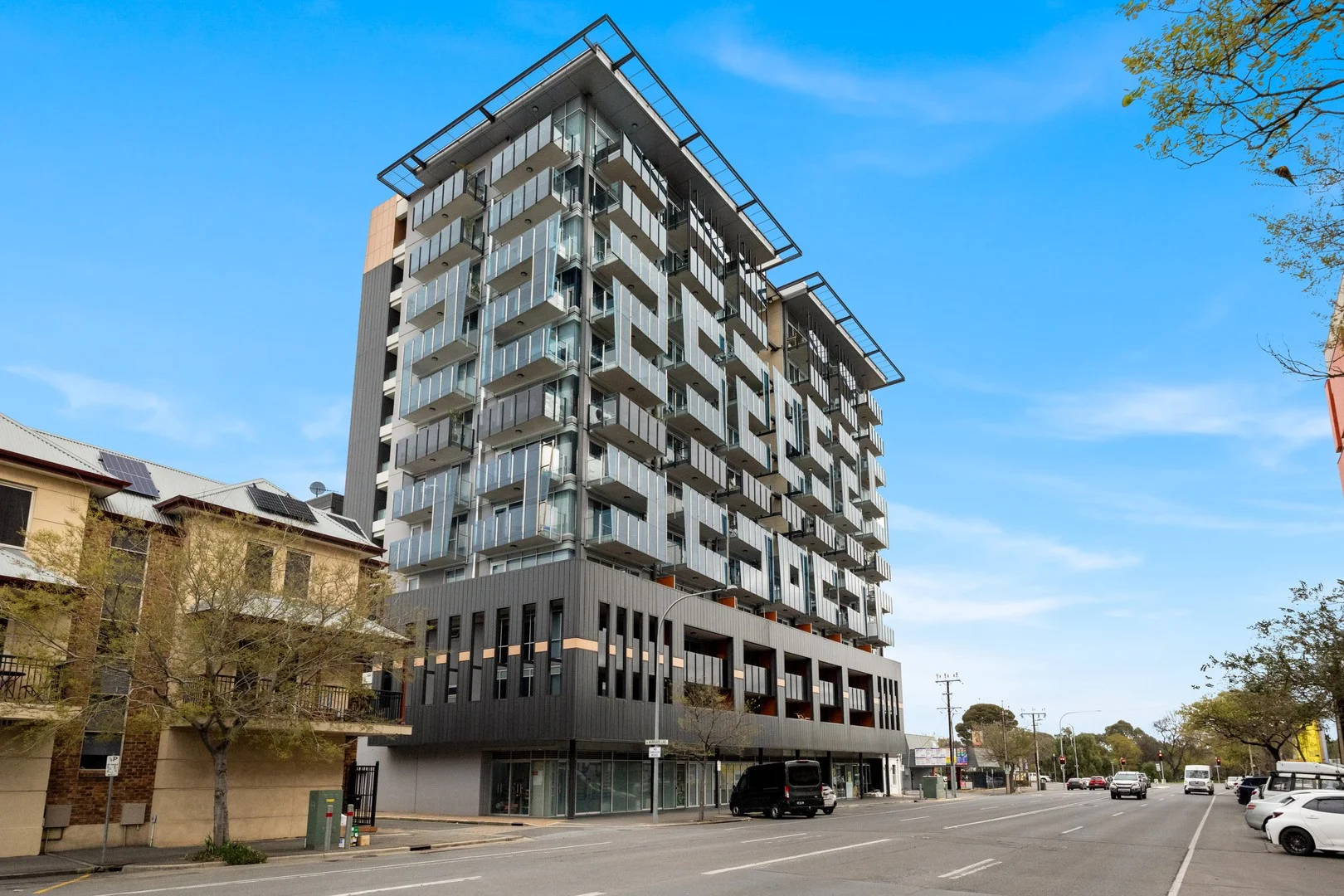 $1,100,000
Apartment / Unit / Flat
$1,100,000
Apartment / Unit / Flat
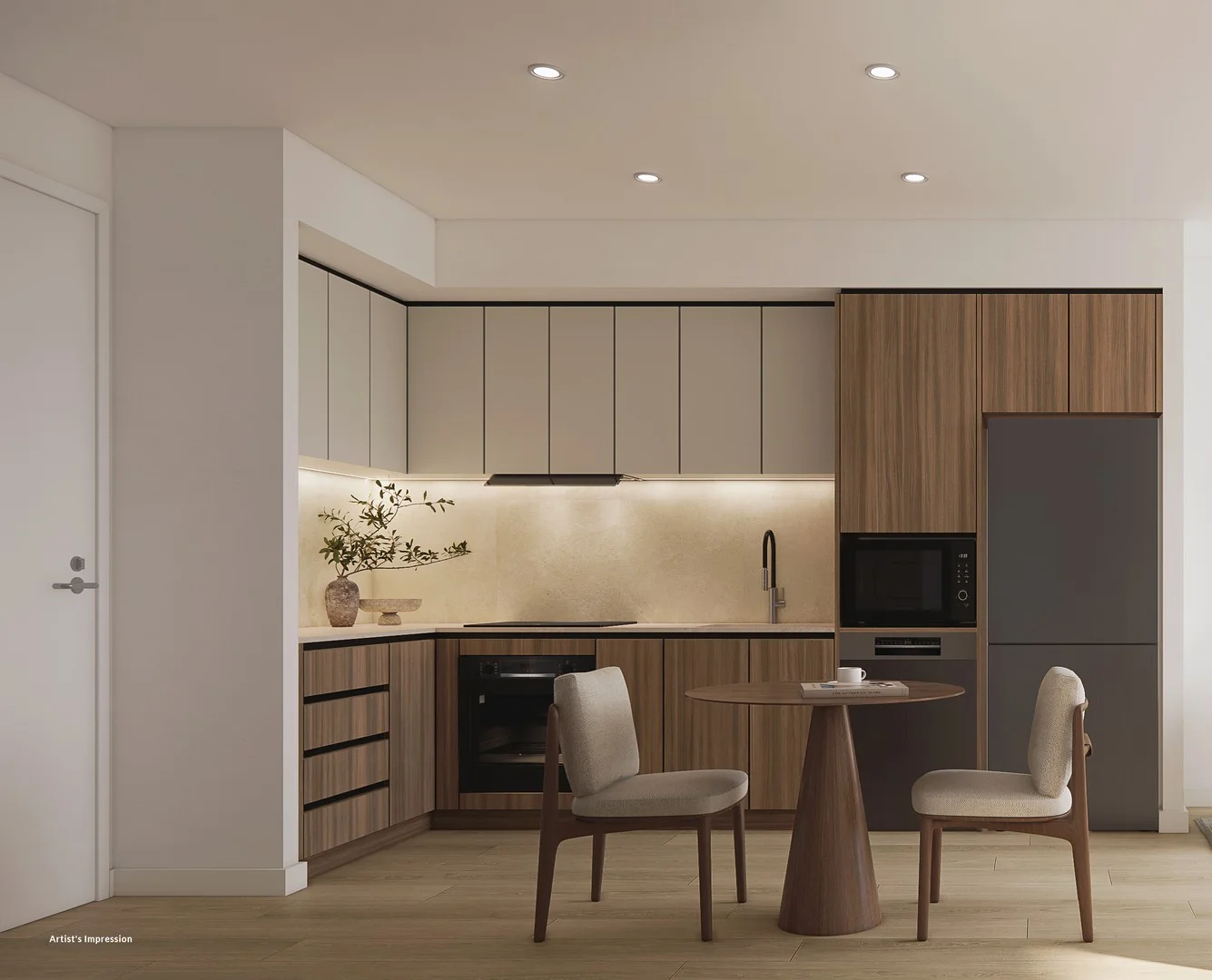 $557,000
Apartment / Unit / Flat
$557,000
Apartment / Unit / Flat
 $588,000
Apartment / Unit / Flat
$588,000
Apartment / Unit / Flat
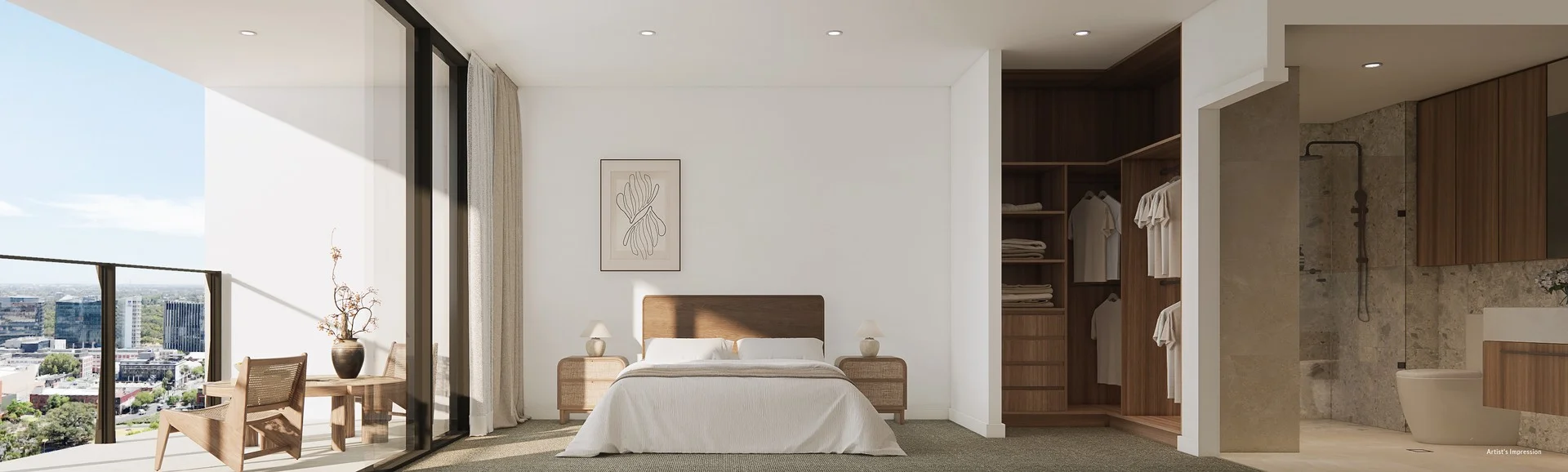 $1,056,000
Apartment / Unit / Flat
$1,056,000
Apartment / Unit / Flat
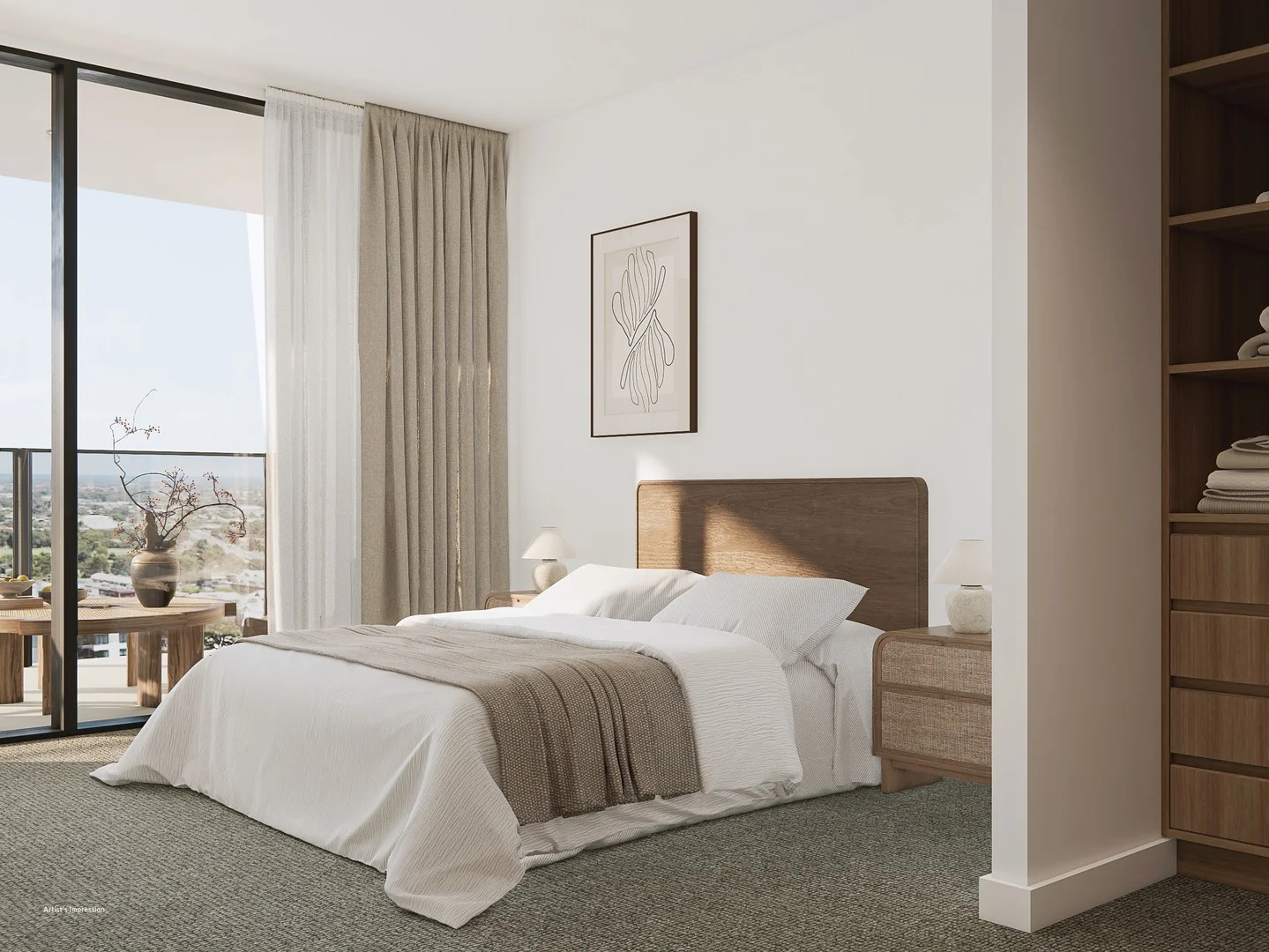 $935,000
Apartment / Unit / Flat
$935,000
Apartment / Unit / Flat
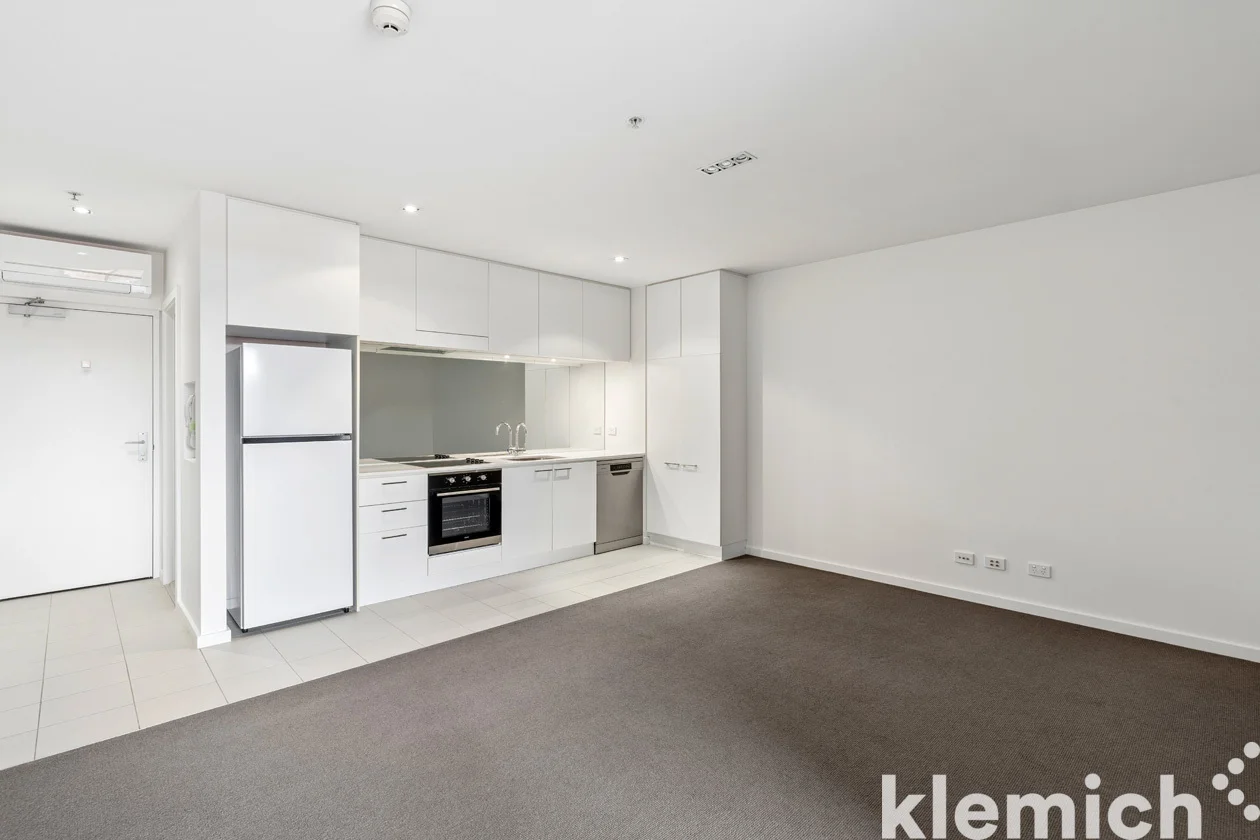 $440,000
Apartment / Unit / Flat
$440,000
Apartment / Unit / Flat
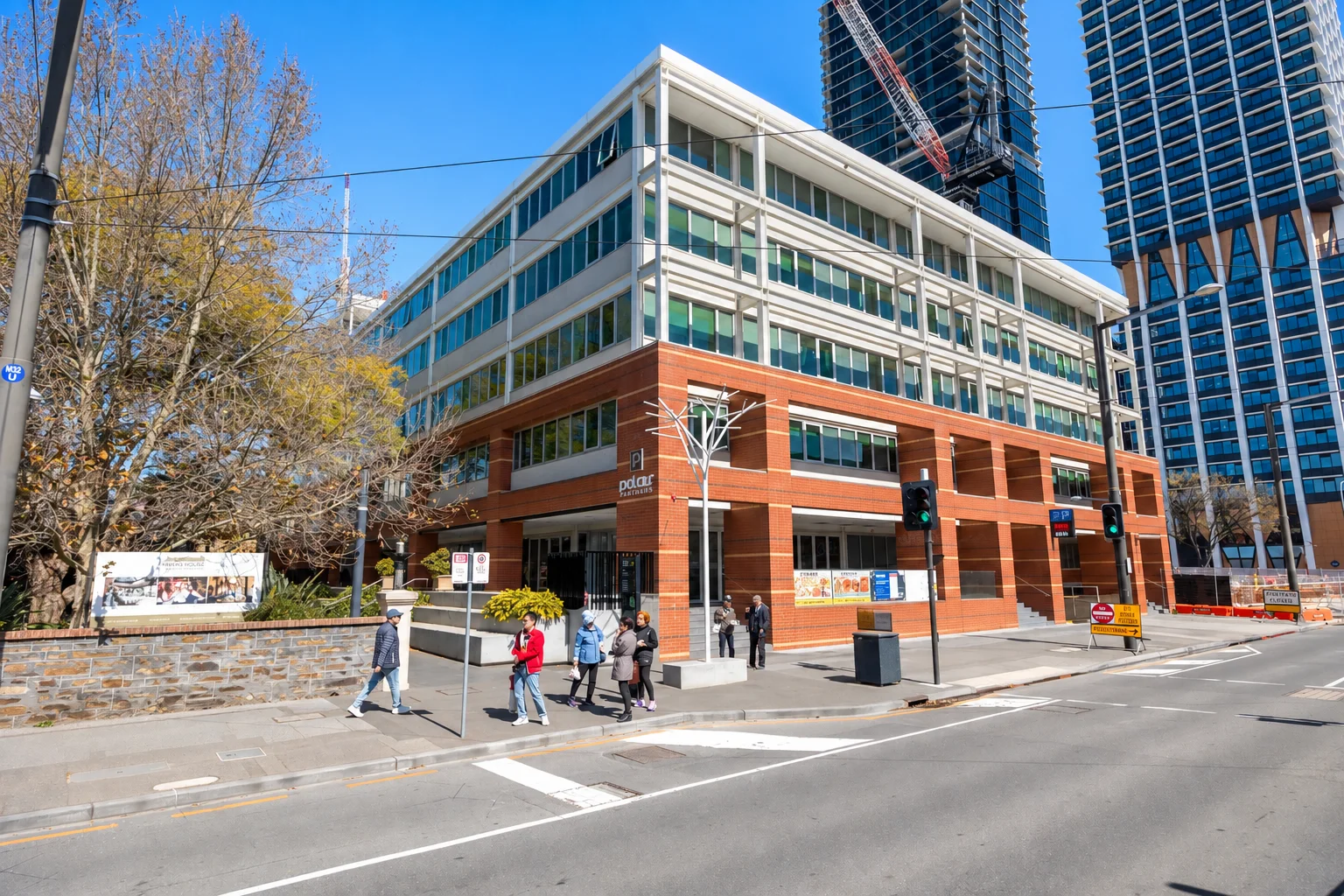 $545,000
Apartment / Unit / Flat
$545,000
Apartment / Unit / Flat
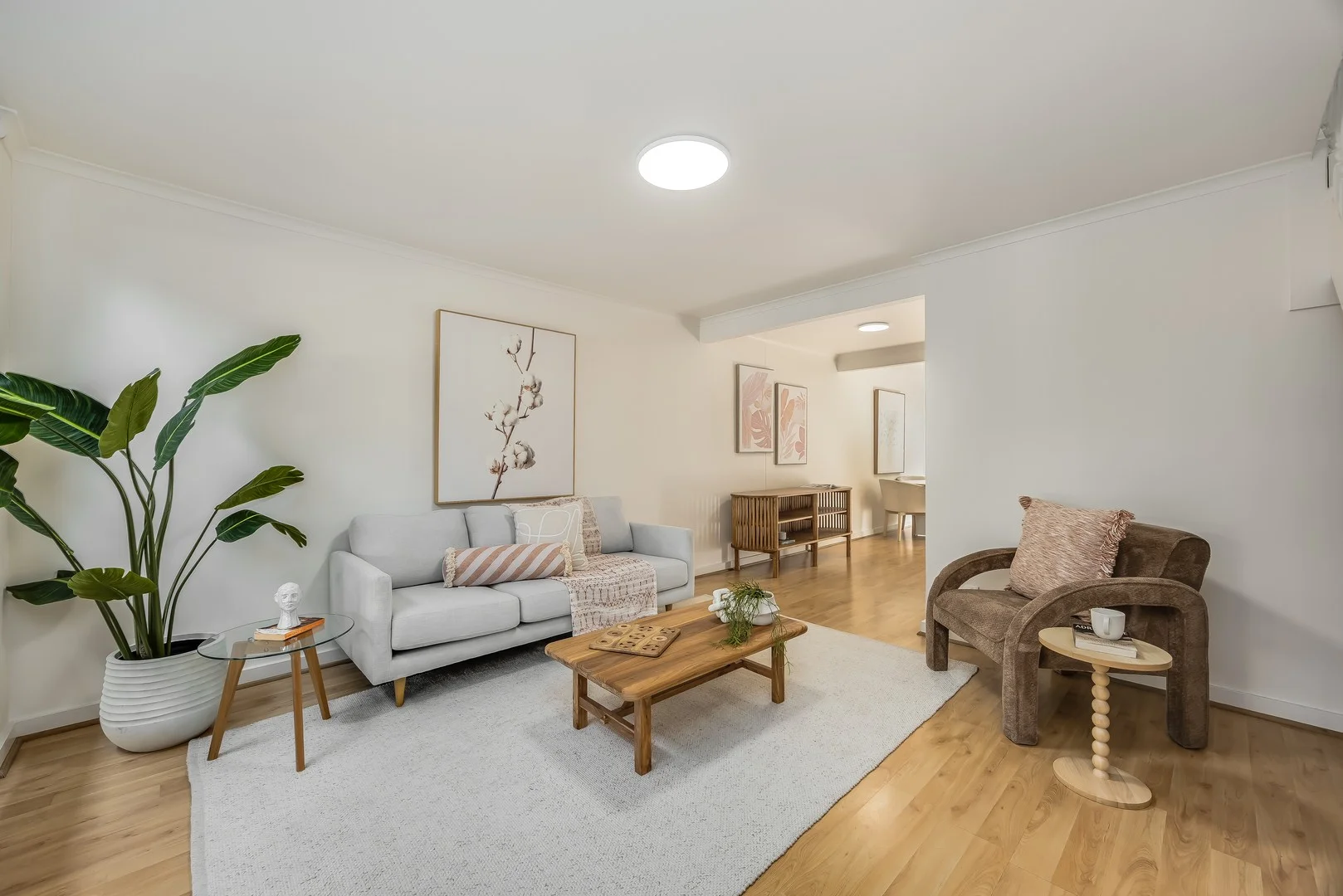 $775,000
House
$775,000
House