1. Overview
St Joseph’s Ottoway is a Catholic, co-educational primary school serving families in the Ottoway area. The school aims to blend faith with learning in a supportive, inclusive environment. With a medium-sized community and a welcoming culture, it strives to nurture students who are curious, confident and connected to their values.
- School type: Catholic
- School size: Medium
- Class size: Typically around 20–25 students per class
- Atmosphere/culture: Nurturing, inclusive, faith-based, community-focused
⸻
2. Academics & Learning
The school integrates faith and learning in everyday classroom practice, with a focus on building strong foundational skills across core subjects and developing well-rounded, responsible young people.
- Academic strengths: English and Maths are prioritized within a holistic curriculum; Religious Education is integrated as a core element; emphasis on literacy and numeracy alongside developing critical thinking and resilience.
- Special programs: Enrichment and targeted learning opportunities, with potential accelerated or extension options in line with individual student needs; programs designed to support gifted and talented learners where available.
- NAPLAN / trends: Past trends show stable performance with gradual improvements in targeted year levels; emphasis on continuous growth and year-on-year progress.
- Student-teacher ratios: Generally favorable, with small to medium class groups supporting more individualized attention (typical range around 1:18–1:22).
- Support for diverse learners: EAL support and dedicated learning support for students with additional needs; access to a learning support team and targeted interventions where required.
⸻
3. Sports & Extracurricular Strengths
A strong focus on physical wellbeing and a variety of enrichment options helps students develop teamwork, discipline and confidence.
- Sports offered: Football (soccer), netball, basketball, athletics, cricket, tennis and minor codes depending on term offerings.
- Strong teams or achievements: Participation in inter-school and Catholic school competitions; emphasis on fair play, improvement and team spirit.
- Music, arts, drama programs: School music opportunities, choir and school plays or drama activities; exposure to visual and performing arts.
- Clubs: Robotics, coding, chess, debating and other STEM/academic clubs often available to extend learning beyond the classroom.
- Partnerships: Engagement with local clubs, community programs and regional competitions to broaden experiences and opportunities.
⸻
4. Wellbeing & Pastoral Care
Wellbeing is central to student success, with structures in place to support positive relationships, resilience and a safe school climate.
- Anti-bullying approach: Clear anti-bullying policies, student wellbeing programs and proactive restorative practices.
- House system: A house-based framework for fostering belonging, leadership, and school spirit during events and competitions.
- Counsellors / wellbeing officers: Access to school-based wellbeing staff or counsellors to support emotional and social health.
- Transition support for new students: Orientation activities, buddy systems and targeted supports to help new students settle in smoothly.
⸻
5. Facilities
Facilities are designed to support a broad, engaging learning experience and safe, active lifestyles.
- Sports grounds: Play and practice spaces suitable for football, netball and athletics.
- Libraries: A library with a range of books and learning resources.
- Science labs: Dedicated spaces for hands-on science learning.
- Music/performing arts centers: Designated areas for music, drama and performances.
- Tech/innovation labs: Modern spaces for technology, coding and digital learning.
- Cafeteria: On-site canteen or food services supporting healthy eating.
- Updated playgrounds: Inviting outdoor play areas aligned with safety standards.
⸻
6. School Values & Community Culture
The school fosters a values-led culture that emphasizes respect, service and community.
- School values / mission: Faith-based education grounded in Catholic values; emphasis on character, service and active citizenship.
- Leadership style: Collaborative leadership with opportunities for student involvement in respectful, age-appropriate decision-making.
- Behaviour expectations: Clear codes of conduct emphasizing courtesy, responsibility and integrity; restorative approaches to discipline.
- Community reputation: Welcoming, parish-connected community with a focus on family involvement and mutual support.
- Diversity & inclusion: Commitment to an inclusive environment that supports diverse backgrounds, needs and perspectives; active support for EAL and culturally diverse families.
⸻
7. School Logistics & Daily Operations
Practical daily routines help families plan around school life.
- School hours: Typical day runs during standard primary-school hours (start and finish times align with term schedules; check current calendar).
- Before/after school care: Availability of before/after school care or supervision, depending on term and enrolment.
- Uniform requirements: School uniform policy in place, with approved attire for daily wear and sports.
- Transport (train/bus routes): Public transport options and school-provisioned or suggested bus routes serving the Ottoway area.
- Canteen availability: On-site or nearby canteen/food service supporting student meals and snacks.
- Fees (low/medium/high ranges): Catholic primary schools generally have moderate annual fees with additional costs for certain activities; exact figures provided by the school on request.
⸻
8. Enrolment & Admissions
11. What is the enrolment process and timeline?
- Submit an application with required documentation, follow the school’s enrolment timelines, participate in any required interview or information sessions, and complete any assessments or supporting steps as advised by the school.
12. Is there a waiting list, and how does it work?
- Waiting lists may apply during high-demand periods; placement typically depends on availability, sibling considerations, and Catholic identity checks or enrolment policies.
13. Are there any entry requirements, tests, or interviews?
- Entry often involves a families’ application, possible interview, and alignment with the school’s Catholic identity; tests may be used selectively to assess learning needs or placement.
14. Does the school accept mid-year transfers?
- Mid-year transfers can be accommodated when spaces are available, subject to the school’s internal processes and appropriate documentation.
⸻
9. Frequently Asked Questions
- Why Parents Choose This School?
- A strong Catholic ethos, a nurturing community, small-to-medium class sizes, and a focus on developing both academic skills and values.
- What type of student thrives at this school?
- Students who value faith-based learning, community involvement, inclusive culture and participation in a broad range of academic, sport and arts activities.
- What opportunities are available for students to extend their skills (academics, sports, arts)?
- Enrichment in literacy and numeracy, STEM/tech clubs, music and drama programs, sports teams and inter-school competitions, and leadership opportunities through a house system.
- How does the school communicate with parents?
- Regular newsletters, calendars, parent-teacher interviews, and digital portals or platforms for updates and student progress.
- What is the school’s approach to teaching and learning?
- Student-centered, differentiated instruction with faith-informed learning; emphasis on inquiry, collaboration and real-world connections.
- How does the school support students who need extra academic help?
- Targeted literacy/numeracy support, learning support staff, and access to intervention programs as needed.
- What support is available for academic challenges?
- Early intervention, tailored supports, and collaboration with families to plan learning steps and monitor progress.
- How does the school communicate with parents? (Repeated)
- As above: newsletters, portals, and regular formal and informal updates.
- What are the class sizes and how much individual attention do students receive?
- Class sizes are typically around 20–25 students, enabling more frequent teacher check-ins and targeted support.
- What extracurricular and sports opportunities are available?
- A range of sports (soccer, netball, basketball, athletics, cricket, etc.), plus clubs such as robotics, coding, chess and debating, and arts/music programs.
- What facilities does the school offer (sports, science, arts)?
- Sports grounds, library, science labs, music/performing arts spaces, tech/innovation labs, cafeteria, and updated outdoor play areas.
- What is the school’s approach to technology and digital learning?
- Integrated technology use across the curriculum with digital learning tools and age-appropriate devices to build ICT skills and responsible use.
- What transport and accessibility options are available?
- Public transport routes and school-friendly arrangements; information about nearby bus stops and access to train lines as relevant.
- What are typical school fees or additional costs?
- Fees are in the moderate range for Catholic primary schools; additional costs may apply for certain activities or excursions. Check the current schedule with the school.
⸻
10. Short Pros & Cons list
Pros
- Strong Catholic ethos with a values-driven culture
- Nurturing, inclusive, family-like atmosphere
- Small-to-medium class sizes support individualized attention
- Broad program offering (academics, sports, arts, and clubs)
- Active wellbeing and pastoral care with house-based events
- Solid facilities for learning, including science, arts and tech spaces
Cons
- As a faith-based primary school, the Catholic environment may not suit all families
- Enrollment may be competitive during peak years, with potential waiting lists
- Some specialised programs or extensions may be limited by school size and staffing
- Transport options depend on location and available routes; may require planning for families outside catchment
⸻









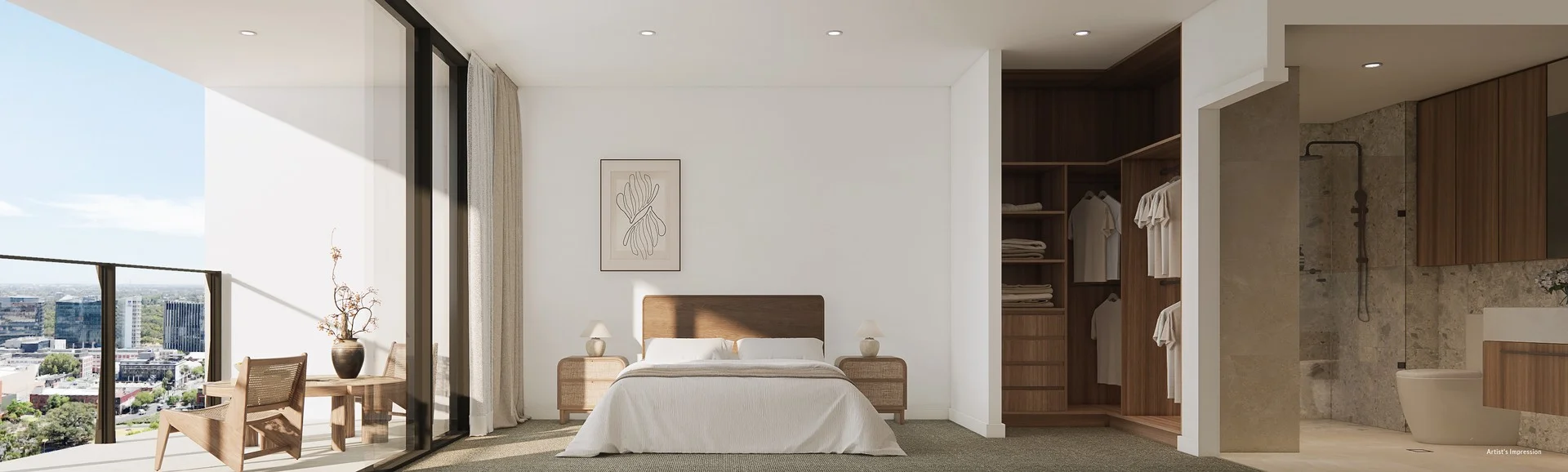 $1,056,000
Apartment / Unit / Flat
$1,056,000
Apartment / Unit / Flat
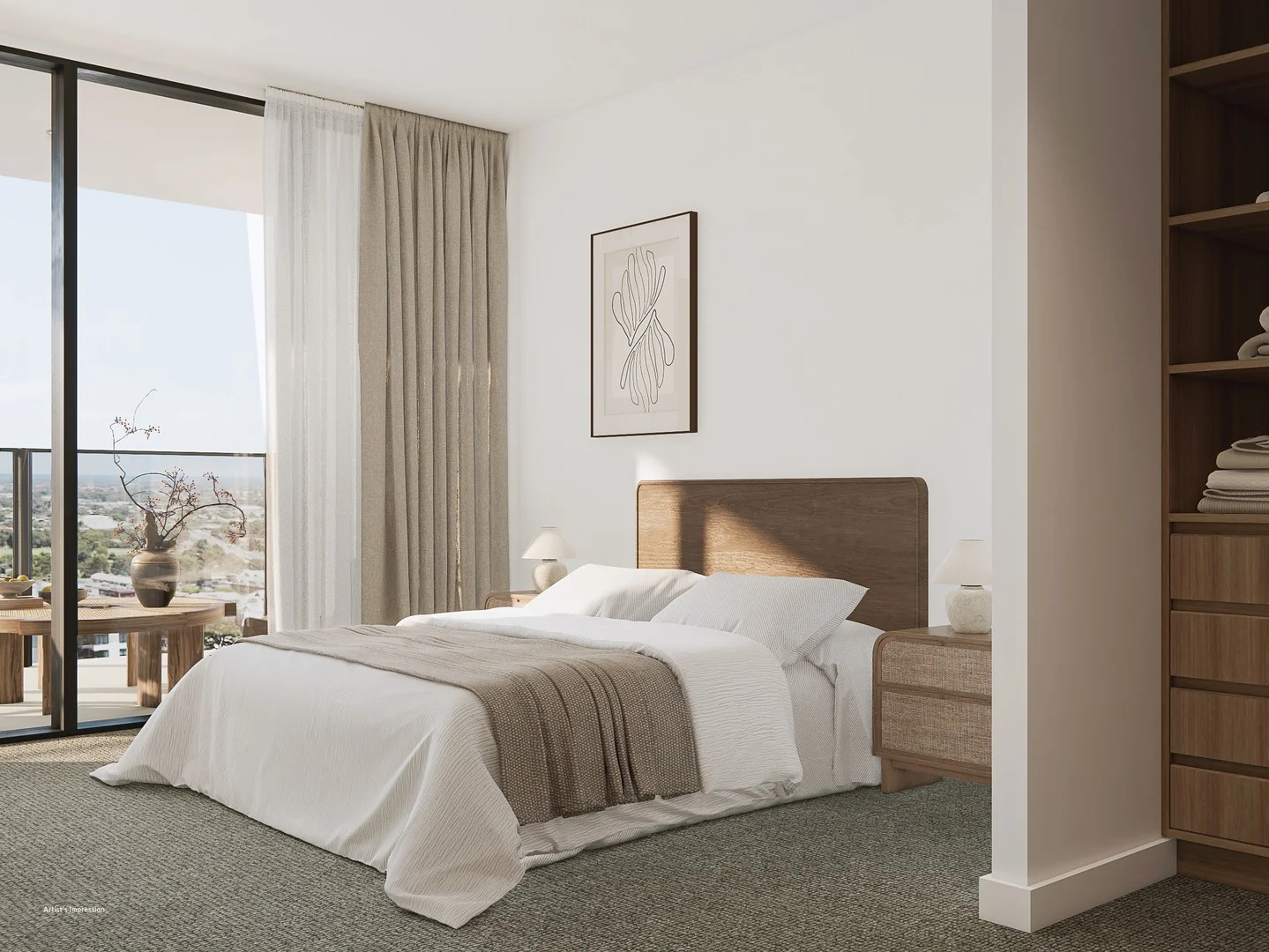 $935,000
Apartment / Unit / Flat
$935,000
Apartment / Unit / Flat
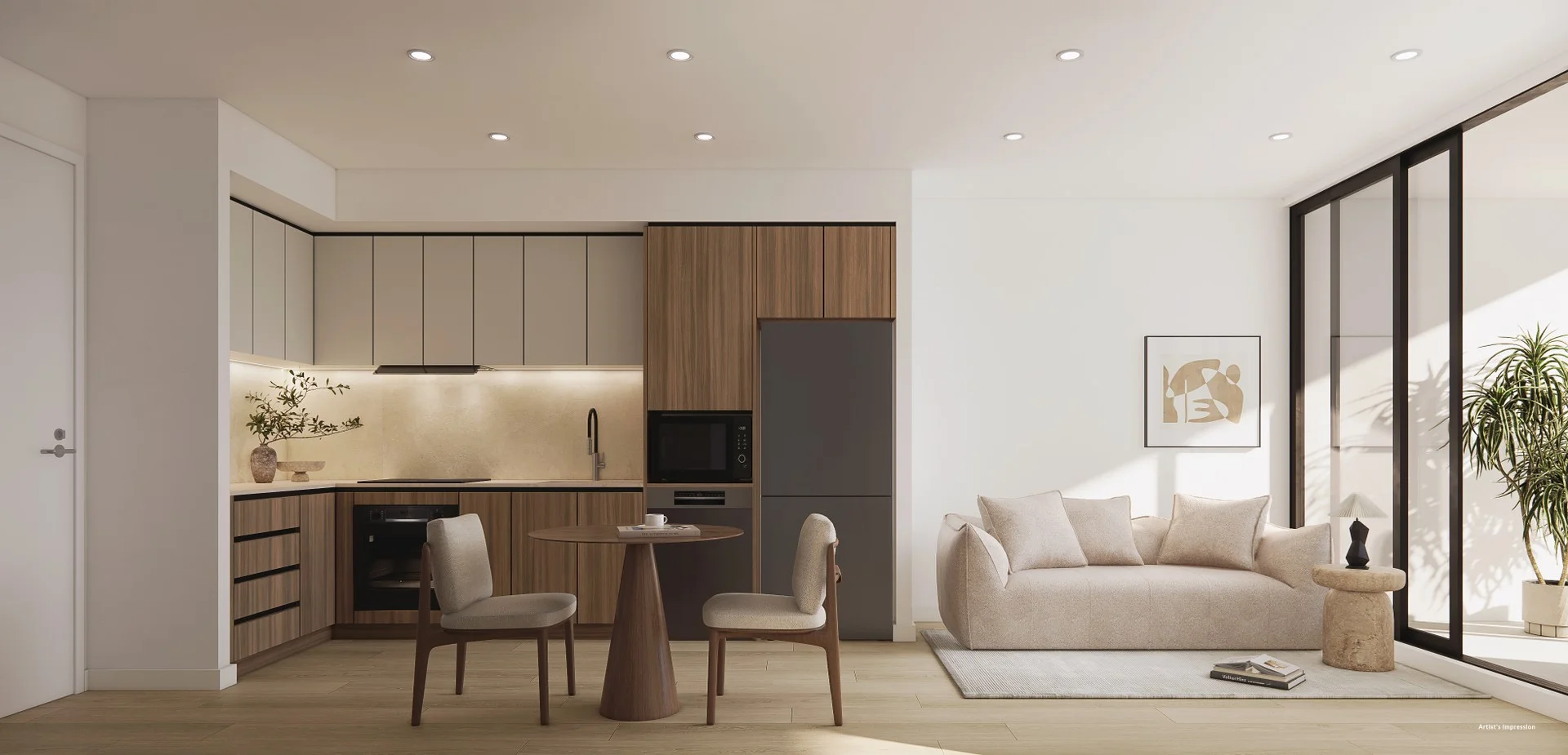 $588,000
Apartment / Unit / Flat
$588,000
Apartment / Unit / Flat
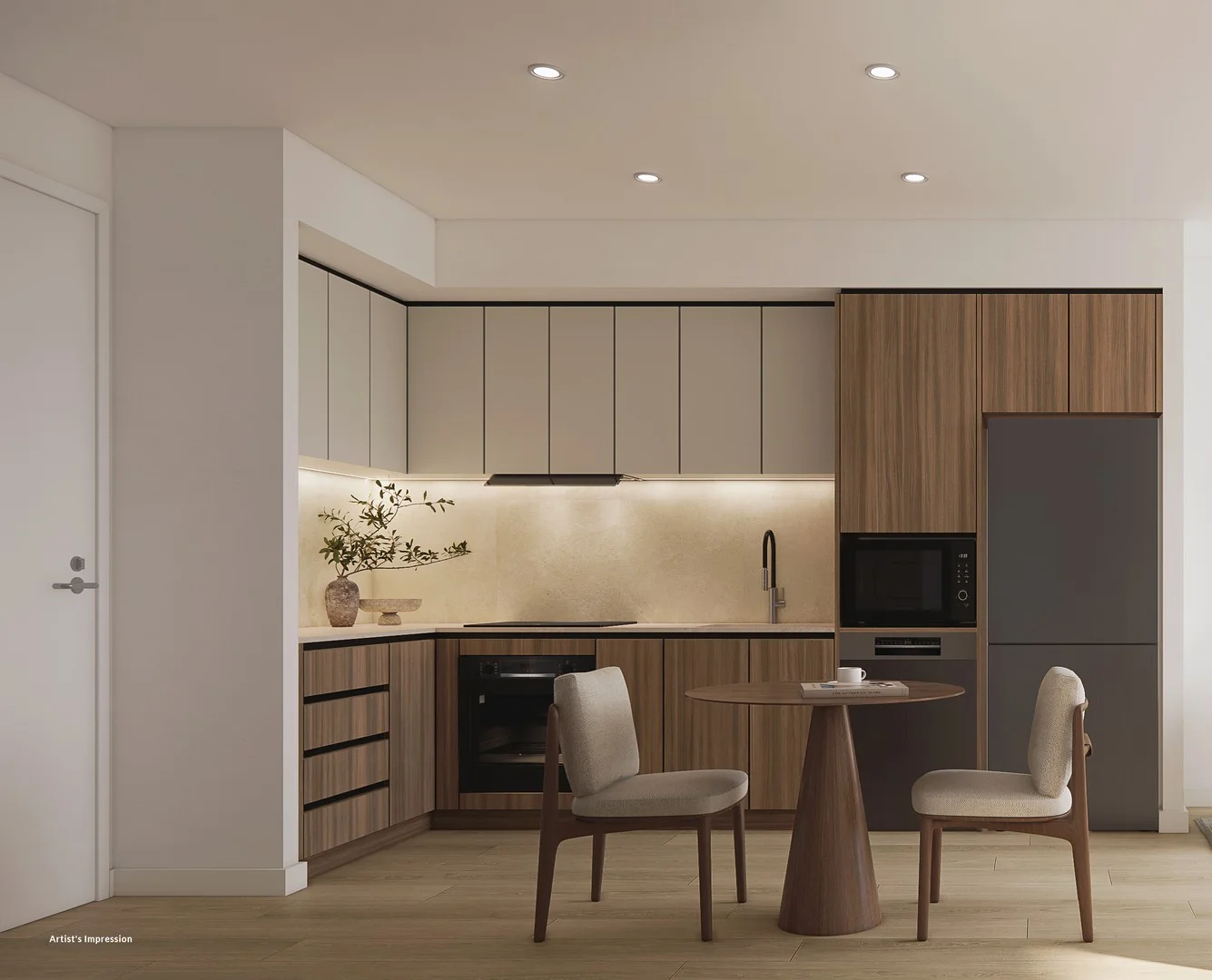 $557,000
Apartment / Unit / Flat
$557,000
Apartment / Unit / Flat
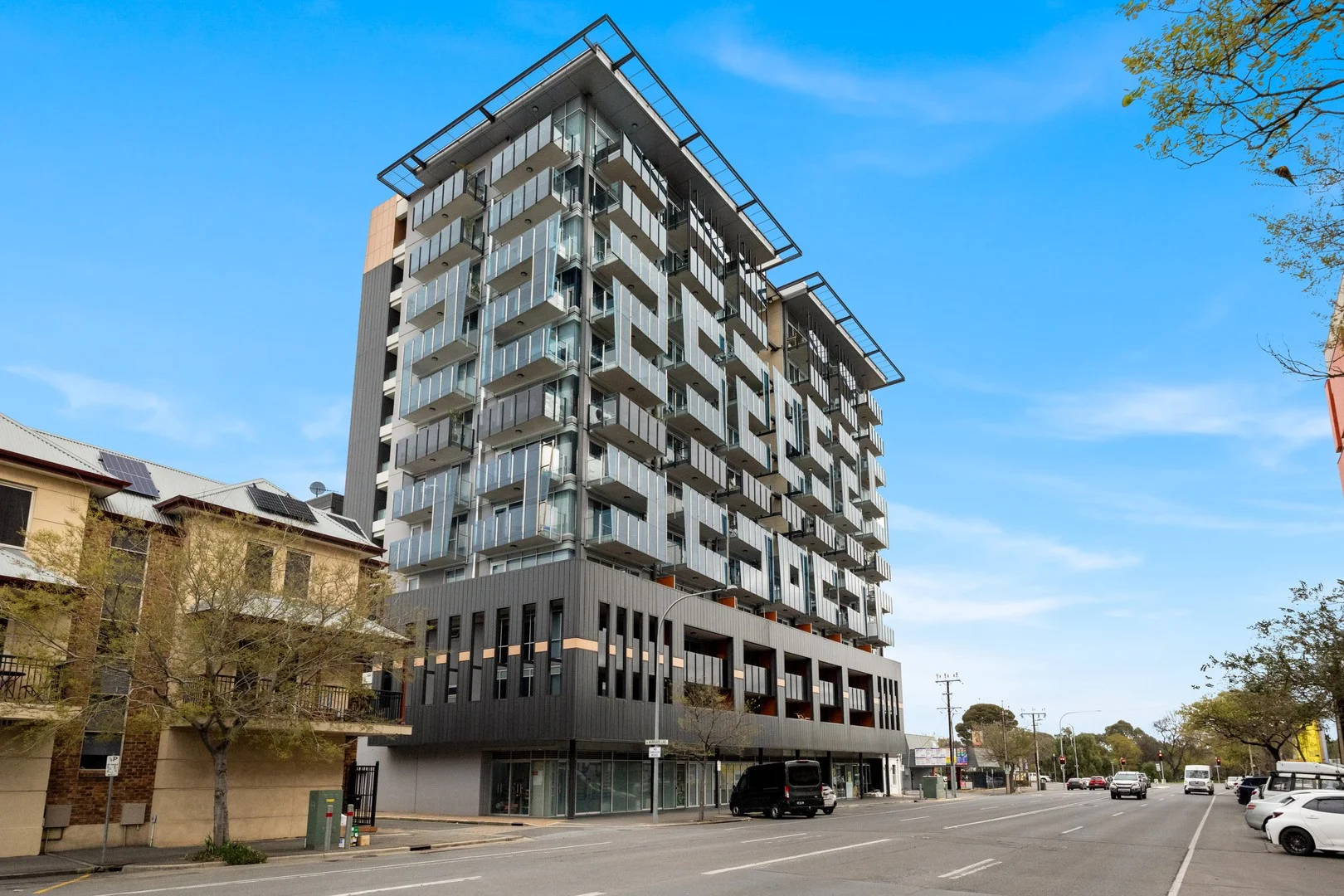 $1,100,000
Apartment / Unit / Flat
$1,100,000
Apartment / Unit / Flat
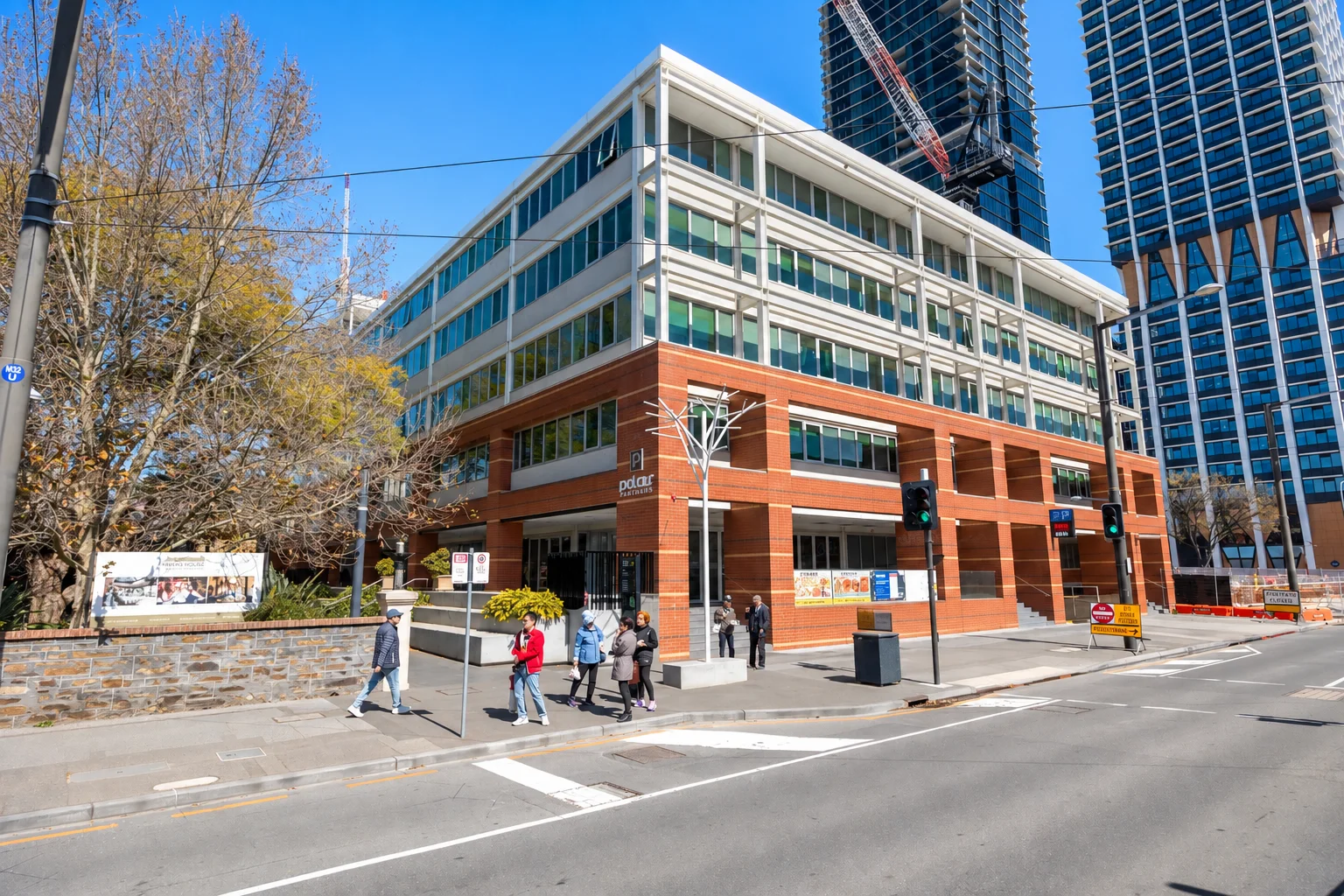 $545,000
Apartment / Unit / Flat
$545,000
Apartment / Unit / Flat
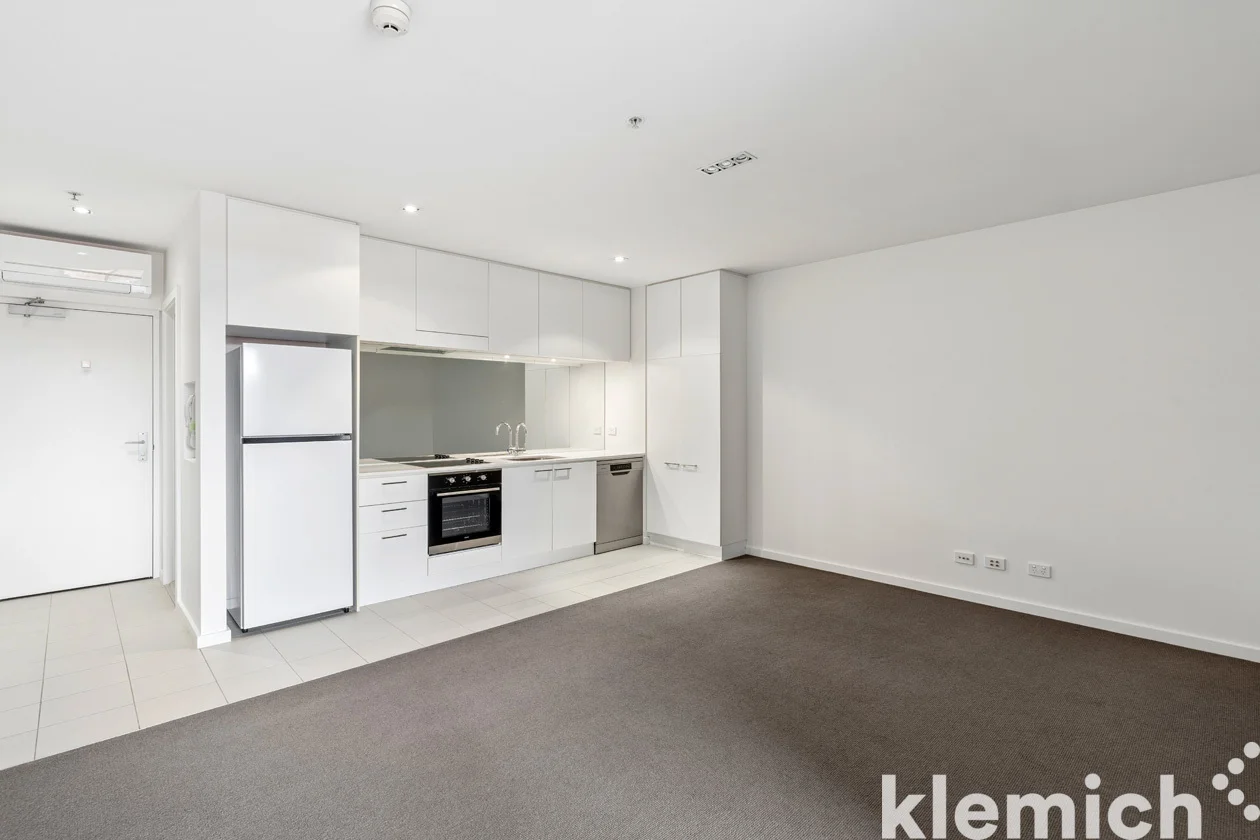 $440,000
Apartment / Unit / Flat
$440,000
Apartment / Unit / Flat
 $775,000
House
$775,000
House