## 1. Overview
Hendon Primary School is a public, government primary school serving families in Royal Park, SA 5014. The school focuses on building a warm, inclusive community where students feel safe to learn, take risks and grow.
The campus is small-to-medium in size, with class sizes typically around 20–24 students. The atmosphere is nurturing and supportive, emphasising student wellbeing, respect and a collaborative approach to learning.
⸻
## 2. Academics & Learning
- Academic strengths: Strong emphasis on English literacy and numeracy, with opportunities in STEM activities, digital learning and the arts to develop well-rounded learners. Leadership experiences are available through student roles and collaboration projects.
- Special programs: Gifted and talented options, accelerated learning opportunities and targeted interventions may be available. There are pathways to nurture student leadership and inquiry-based learning.
- NAPLAN / trends: NAPLAN performance trends at SA public primary schools show stable to improving results in reading and numeracy over recent years, with ongoing focus on supporting students to meet national benchmarks.
- Student-teacher ratios: Class sizes typically around 20–24 students, supporting regular interaction with teachers and tailored feedback.
- Support for diverse learners: EAL (English as an Additional Language) support for students new to English; inclusive practices for students with diverse learning needs; in-class and targeted SEN support as required.
⸻
## 3. Sports & Extracurricular Strengths
- Sports offered: Soccer, netball, basketball, cricket, Australian rules football, athletics and other standard primary-school activities.
- Strong teams or achievements: Participation in inter-school sport and district events; opportunities to represent the school in local competitions.
- Music, arts, drama programs: Music programs and opportunities to participate in school productions or drama activities; ensemble or recital-style experiences.
- Clubs: Robotics, coding, chess and debating are commonly available options to extend interests beyond the classroom.
- Partnerships: Involvement with local community clubs and regional competitions to broaden experiences in sport, arts and STEM activities.
⸻
## 4. Wellbeing & Pastoral Care
- Anti-bullying approach: Clear anti-bullying policies with a focus on respectful relationships, social-emotional learning and restorative practices.
- House system: A house system is used to promote school spirit, teamwork and positive competition across events.
- Counsellors / wellbeing officers: Access to school-based wellbeing staff or counsellors to support social and emotional learning.
- Transition support for new students: Buddy programs, orientation activities and transition support to help new students settle in smoothly.
⸻
## 5. Facilities
- Sports grounds: Adequate outdoor spaces for active play, sport and physical education.
- Libraries: A well-stocked library fostering reading for pleasure and research skills.
- Science labs: Dedicated spaces for hands-on science activities.
- Music/performing arts centers: Facilities for music, drama and performance.
- Tech/innovation labs: Computer or ICT spaces to support digital learning and coding.
- Cafeteria: On-site canteen or lunch options, with healthy meal choices.
- Updated playgrounds: Well-maintained play areas and outdoor learning spaces.
⸻
## 6. School Values & Community Culture
- School values / mission: A focus on respect, responsibility, resilience and integrity, aligned with a culture of wellbeing and inclusion.
- Leadership style: Collaborative leadership with opportunities for student voice through councils or representative roles.
- Behaviour expectations: Clear behaviours standards with positive reinforcement and restorative approaches to discipline.
- Community reputation: Known for a friendly, welcoming community and active parent involvement.
- Diversity & inclusion: Inclusive environment with support for families from diverse backgrounds and access needs, including EAL students.
⸻
## 7. School Logistics & Daily Operations
- School hours: Typical day runs from around 9:00am to 3:15pm (times may vary; confirm with the school).
- Before/after school care: Available through local providers; options for before and after school care around the school day.
- Uniform requirements: School uniform required; sport uniform on PE days.
- Transport (train/bus routes): Access to local bus routes and proximity to public transport; catchment-based enrolment considerations.
- Canteen availability: Canteen or lunch-order options available to students.
- Fees (low/medium/high ranges): Public school education has no tuition fees; there are voluntary contributions and costs for excursions, camps, uniforms and some activities.
⸻
## 8. Enrolment & Admissions
11. What is the enrolment process and timeline?
- Check catchment eligibility and school placement criteria.
- Complete the school enrolment form and submit required documents (proof of address, birth certificate, immunisation details).
- Review space availability and, if needed, arrange a brief discussion or interview for placement considerations.
- Receive enrolment confirmation and information about orientation and transition activities.
12. Is there a waiting list, and how does it work?
- There may be a waiting list, particularly for non-catchment or high-demand periods. Priority is generally given to students within the catchment area. Out-of-area applicants may be placed on a waitlist and offered placement when spaces become available.
13. Are there any entry requirements, tests, or interviews?
- Typically no entrance exams are required. Some transfer cases (especially mid-year or out-of-area) may involve a brief discussion with the principal or a member of the leadership team to discuss needs and fit.
14. Does the school accept mid-year transfers?
- Yes, mid-year transfers are possible if there is space. Parents should contact the school early to discuss availability and transition planning.
⸻
## 9. Frequently Asked Questions
- Why Parents Choose This School?
Public, local access with a welcoming, inclusive culture; strong focus on student wellbeing, literacy and community involvement.
- What type of student thrives at this school?
Students who enjoy collaboration, supportive relationships and a balanced program across academics, sport, arts and wellbeing.
- What opportunities are available for students to extend their skills (academics, sports, arts)?
Opportunities in gifted and talented pathways, leadership roles, inter-school sport, music and drama programs, coding and robotics clubs, and creative arts projects.
- How does the school communicate with parents?
Regular newsletters, notices, school app or portal updates, parent-teacher meetings and clear channels for feedback.
- What is the school’s approach to teaching and learning?
Student-centred, evidence-based approaches with differentiation, inquiry-driven learning and integrated ICT to build digital literacy.
- How does the school support students who need extra academic help?
Targeted interventions, in-class support, EAL programs and access to SEN support staff or specialists.
- What support is available for academic challenges?
Additional tutoring or small-group support as needed, with referrals to specialist services when appropriate.
- How does the school communicate with parents?
See above; ongoing updates through multiple channels to keep families informed.
- What are the class sizes and how much individual attention do students receive?
Class sizes typically around 20–24 students, enabling regular teacher feedback and targeted support.
- What extracurricular and sports opportunities are available?
A range of sports, clubs (robotics, coding, chess, debating) and arts activities, plus opportunities to participate in inter-school events.
- What facilities does the school offer (sports, science, arts)?
Outdoor sports grounds, library, science labs, music/performing arts spaces, ICT/tech labs, canteen and modern playgrounds.
- What is the school’s approach to technology and digital learning?
Integrated ICT in learning with access to computer labs or devices for students to develop digital literacy and coding skills.
- What transport and accessibility options are available?
Local bus routes and proximity to public transport; consideration of accessibility for families and students.
- What are typical school fees or additional costs?
No tuition for public schooling; additional costs for uniforms, excursions, camps and voluntary contributions may apply.
⸻
## 10. Short Pros & Cons list
- Pros
- Public, local school with easy access for families in Royal Park.
- Small-to-medium size fosters a close-knit, supportive community.
- Strong emphasis on wellbeing, inclusive education and student voice.
- Broad range of academic, sport, arts and coding clubs to extend learning.
- Clear communication with families and active community involvement.
- Cons
- As a public school, some programs may be more limited in scope compared with larger independent or specialist schools.
- Availability of mid-year transfers can depend on space; waiting lists may apply for out-of-area placements.
- Specific extracurricular offerings and facilities may vary by year and demand; confirm current availability with the school.







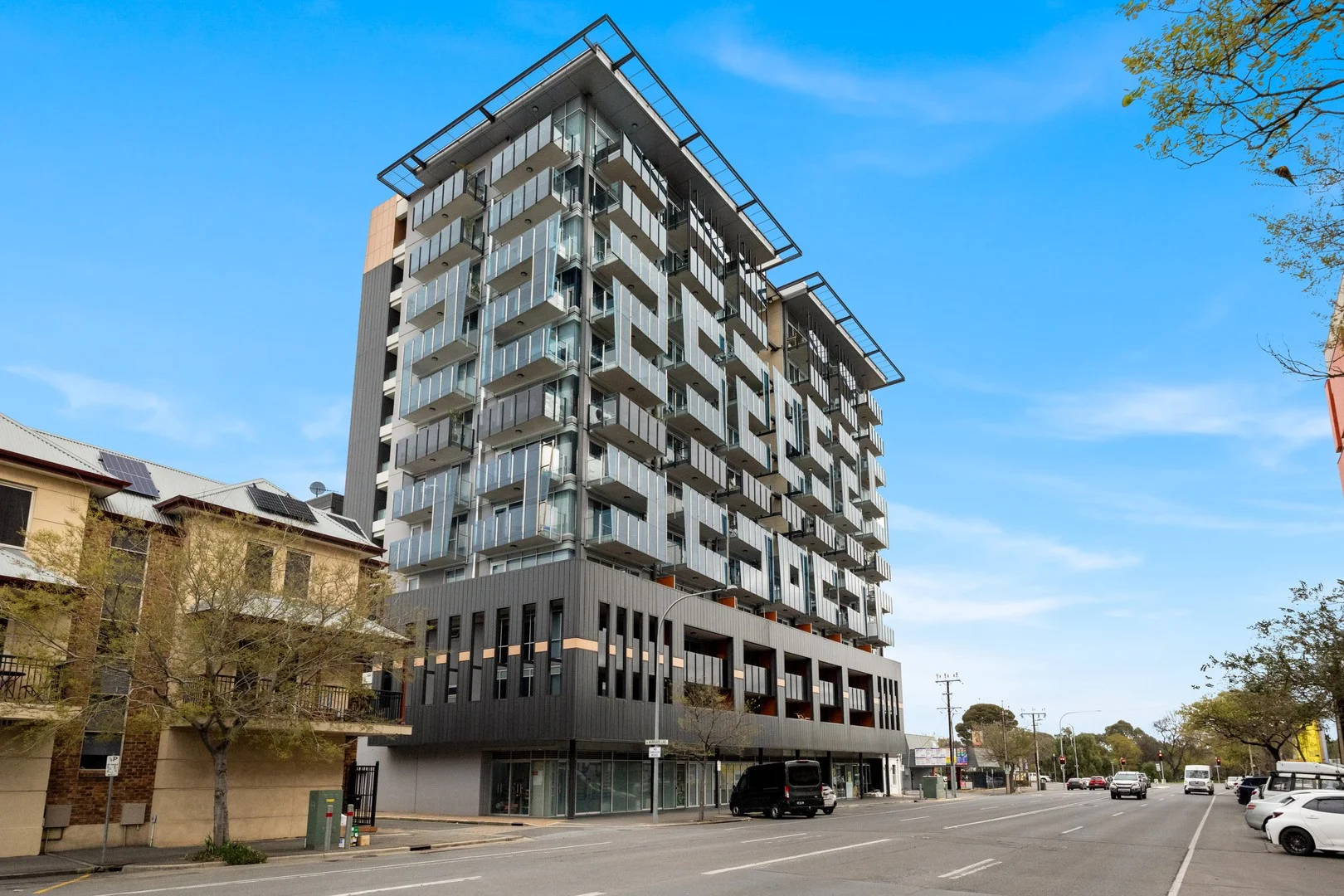 $1,100,000
Apartment / Unit / Flat
$1,100,000
Apartment / Unit / Flat
 $557,000
Apartment / Unit / Flat
$557,000
Apartment / Unit / Flat
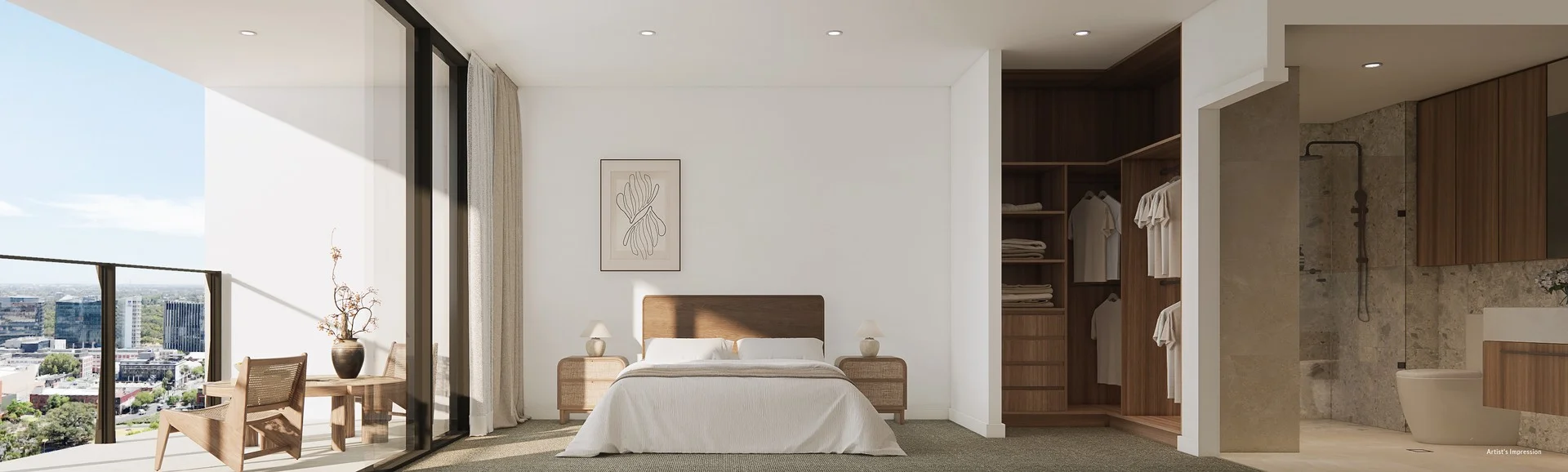 $1,056,000
Apartment / Unit / Flat
$1,056,000
Apartment / Unit / Flat
 $588,000
Apartment / Unit / Flat
$588,000
Apartment / Unit / Flat
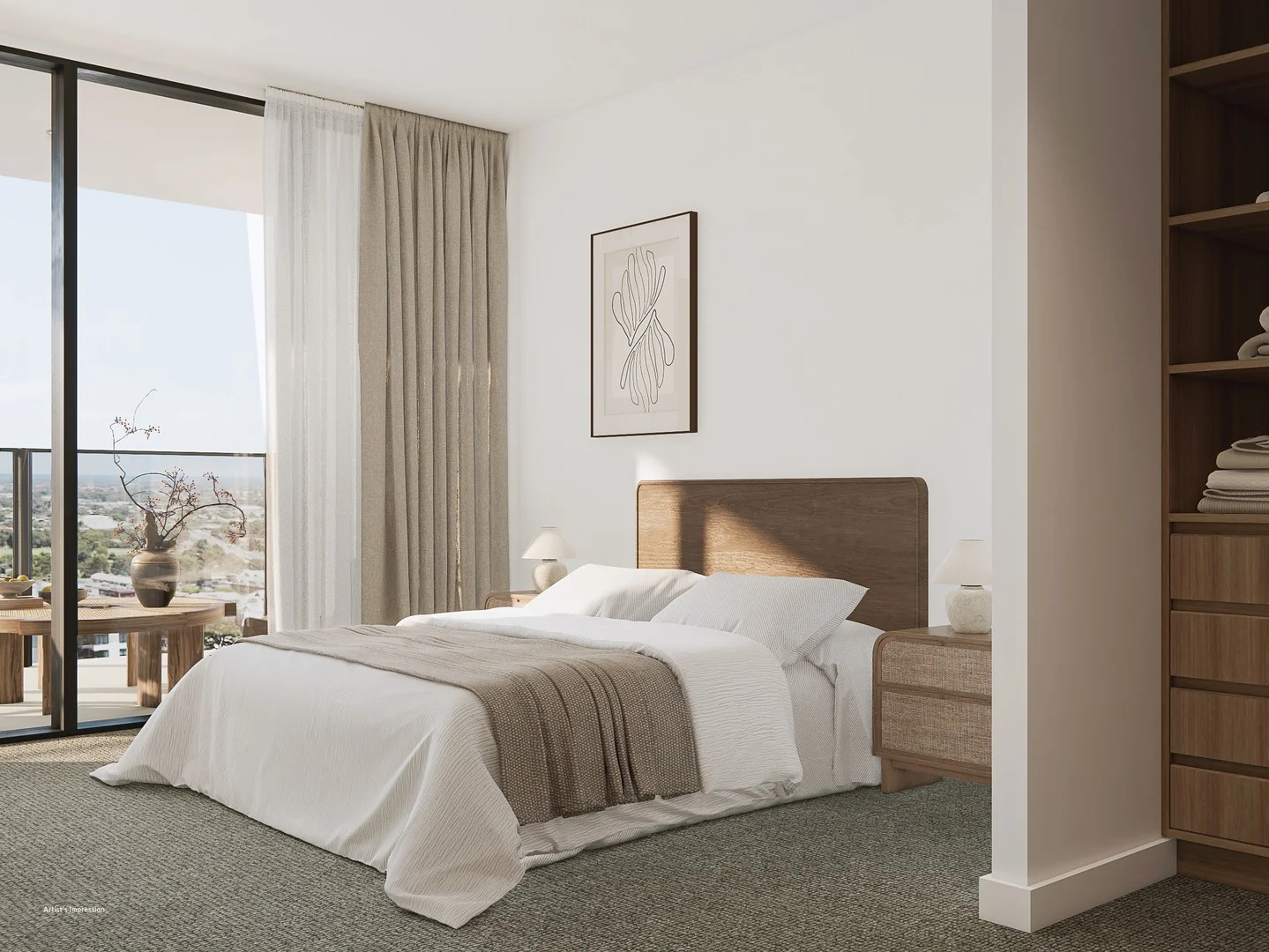 $935,000
Apartment / Unit / Flat
$935,000
Apartment / Unit / Flat
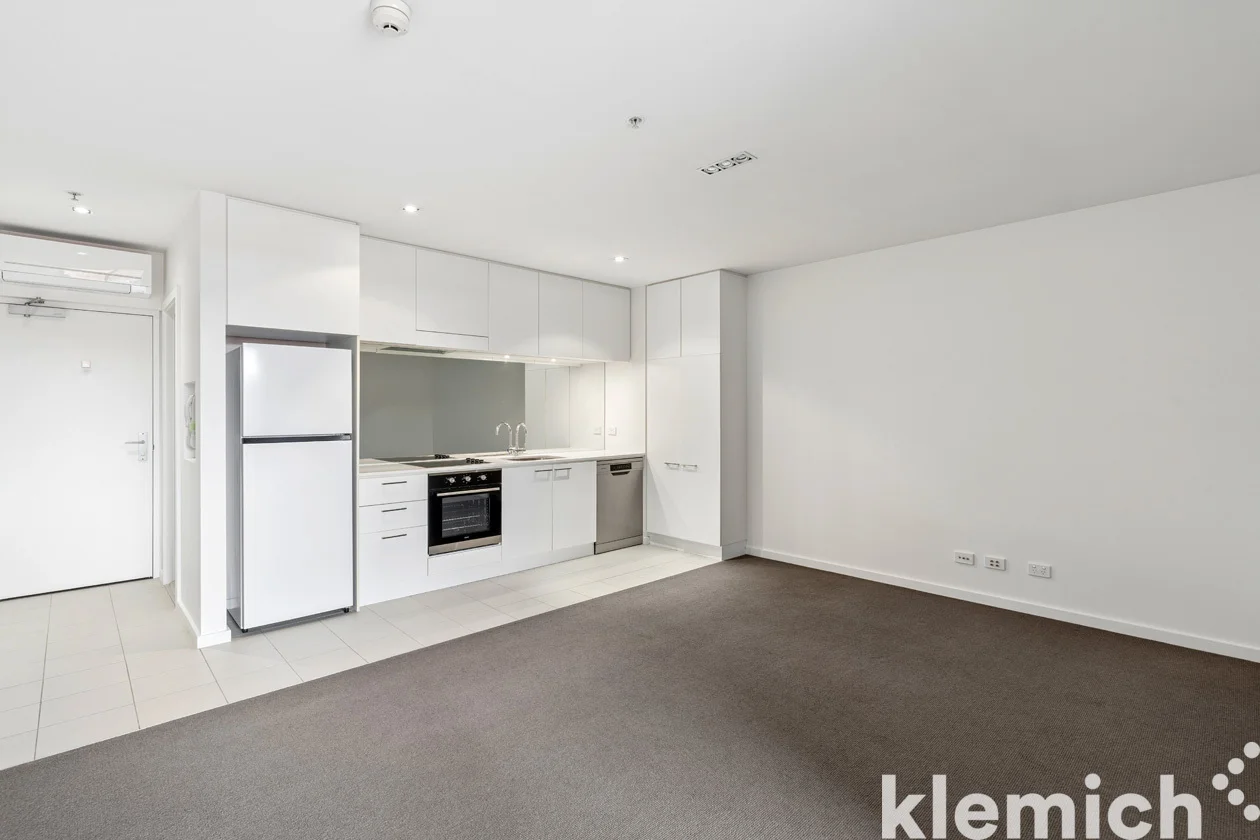 $440,000
Apartment / Unit / Flat
$440,000
Apartment / Unit / Flat
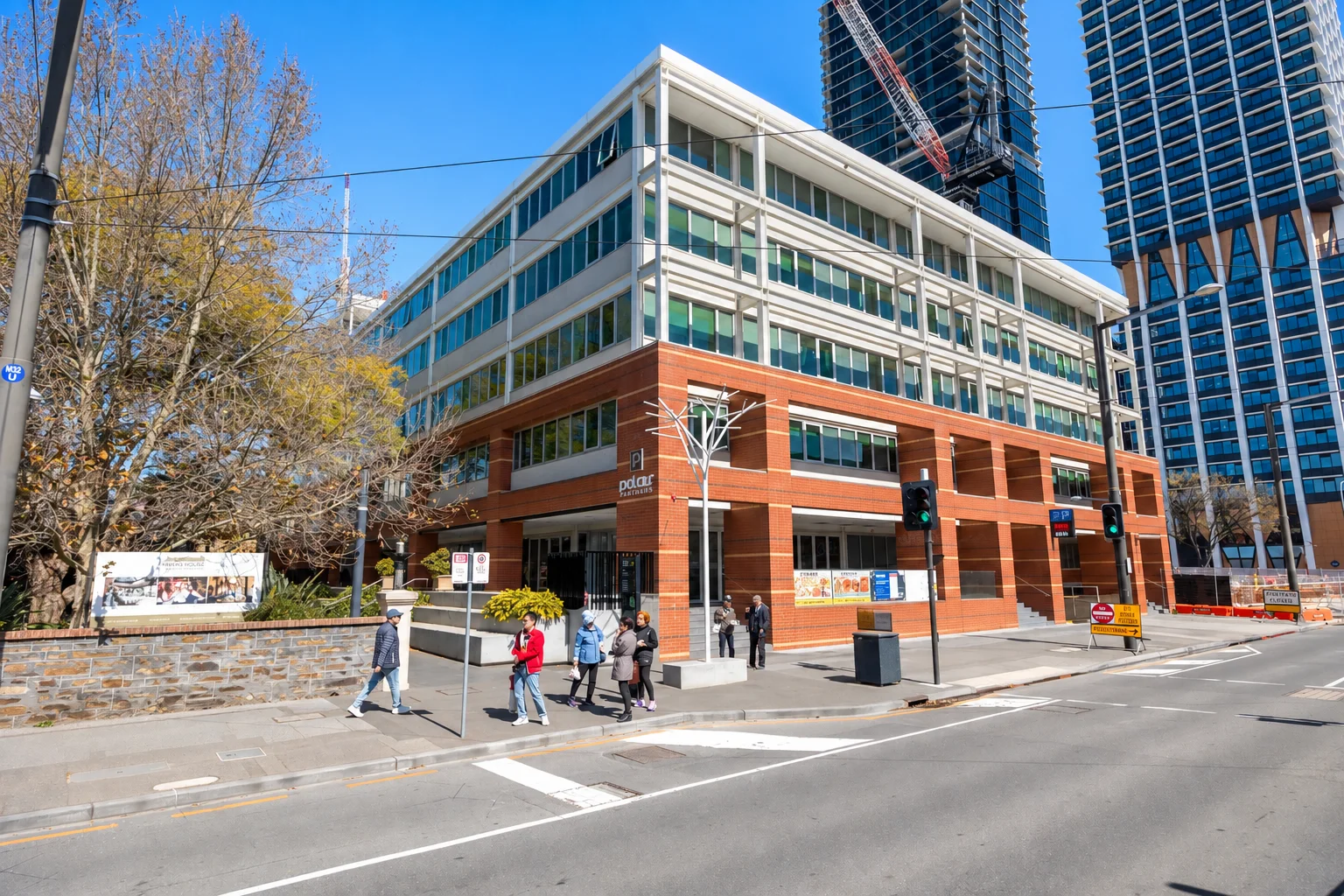 $545,000
Apartment / Unit / Flat
$545,000
Apartment / Unit / Flat
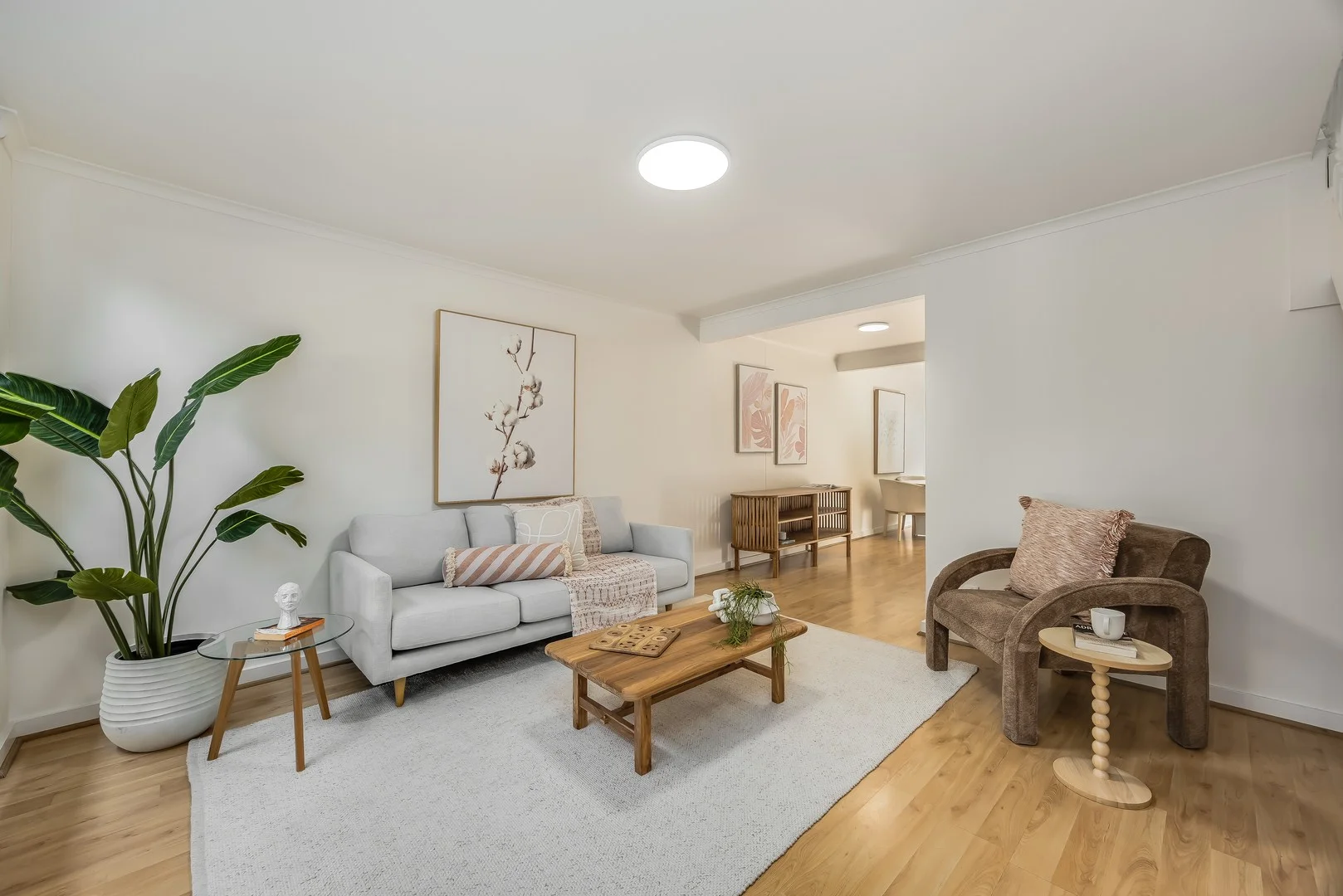 $775,000
House
$775,000
House


