Overview
# 1. Overview
Wattle View Primary School is a public (government) primary school serving families in the Ferntree Gully area. It offers a friendly, community-focused atmosphere with a medium-sized school community that emphasises belonging and support for every student. Class sizes are typically in the low to mid-twenties, enabling teachers to provide individual attention within a collaborative learning culture. The environment is nurturing and inclusive, with a strong emphasis on student well-being and positive relationships.
Students benefit from a welcoming, respectful culture that values diversity, participation, and effort. The school prioritises a balanced approach to learning, combining academic rigour with opportunities for creativity, physical activity, and social development.
# 2. Academics & Learning
Academic strengths are built around solid literacy and numeracy foundations, with renewed focus on STEM, creative arts, and critical thinking. The school pursues a well-rounded curriculum that supports literacy development, mathematical reasoning, and problem-solving skills, while also encouraging students to explore writing, science, and technology.
Special programs may include enrichment opportunities, targeted literacy/numeracy interventions, and access to small-group supports. Some years may offer extension or gifted/talented pathways through school or cluster programs. Student-teacher ratios are typically favorable for differentiation and personalized feedback. The school also supports diverse learners, including EAL (English as an Additional Language) students and those with additional learning needs, through targeted supports and inclusive practices.
NAPLAN trends (nationally and locally) are monitored over time, with a focus on steady improvement and informing teaching strategies rather than chasing a single score. Parents can request the school’s latest performance trends through the annual report or school communication channels.
# 3. Sports & Extracurricular Strengths
Sports are a strong focus and a prominent part of school life. The school offers a range of sports programs and competitive opportunities, with teams that participate in interschool events and local district competitions. In addition to sports, students can engage in music, drama, and arts programs that encourage performance and creativity.
Clubs and activities commonly available include robotics, coding, chess, and debating, along with other student-led initiatives. The school often collaborates with local community groups and sporting clubs to provide additional opportunities for skill development and competition.
# 4. Wellbeing & Pastoral Care
Wellbeing is a top priority, with a proactive approach to creating a safe and supportive learning environment. The school adopts inclusive practices to prevent bullying and promote respectful, positive behaviour. There is typically a house or prefect system that fosters belonging, teamwork, and healthy competition.
Counsellors or wellbeing officers are available to support students’ emotional and social needs, and transition support helps new students settle into the school community smoothly. The school emphasizes building resilience, communication, and peer support as part of its pastoral care.
# 5. Facilities
- Sports grounds and outdoor play spaces
- Library with a diverse collection
- Science labs or dedicated science spaces
- Music and performing arts spaces or rooms
- Tech/innovation spaces for coding and design
- Canteen or food service area
- Updated playgrounds and outdoor learning areas
The campus is designed to be visually engaging and easy to navigate, with flexible spaces that support both whole-class learning and small-group activities.
# 6. School Values & Community Culture
The school’s values and mission focus on respect, responsibility, teamwork, and a growth mindset. Leadership is typically collaborative, with opportunities for student voice and involvement in school improvement initiatives. Behaviour expectations emphasise consistency, fairness, and a positive approach to discipline. The school enjoys a supportive community reputation, with strong parental engagement and a commitment to diversity and inclusion.
# 7. School Logistics & Daily Operations
- School hours: typical start and finish times aligned with state guidelines
- Before/after school care: options may be available through on-site programs or community providers
- Uniform requirements: standard school uniform (and any house or sport uniforms as applicable)
- Transport: proximity to local bus routes and rail options; designated drop-off/pick-up zones
- Canteen: availability of healthy meal and snack options
- Fees: as a public school, there are usually no tuition fees; there may be voluntary contributions and item costs for some activities or programs
# 8. Enrolment & Admissions
11. What is the enrolment process and timeline?
- Begin by submitting an enrolment application to the school (or through the state Department’s process) and providing required proof of residency and identity.
- Enrolment decisions are typically aligned with catchment boundaries, with timelines that vary by school year. Parents are advised to apply as early as possible to secure a place, especially in busy intake periods.
12. Is there a waiting list, and how does it work?
- Some years may have more applicants than available places. If a waiting list is used, it is usually managed by the school or Department, often prioritising eligibility within the catchment and, if applicable, siblings or other criteria. Families are kept informed about their status and any expected timelines.
13. Are there any entry requirements, tests, or interviews?
- Public primary schools generally do not require entry tests or academic interviews for enrolment. Some schools may request standard documentation or provide orientation activities for new families and students.
14. Does the school accept mid-year transfers?
- Mid-year transfers are considered where there are available places. Families seeking a mid-year transfer should contact the school early to check current vacancies and understand the transition process, which may include documentation and planning for a smooth start.
# 9. Frequently Ask Questions
- “Why Parents Choose This School?”
A welcoming, inclusive community with strong wellbeing support, dedicated teachers, and a balanced focus on academics, sports, and the arts.
- “What type of student thrives at this school?”
Students who enjoy collaborative learning, participate in clubs and sport, and respond to a supportive, respectful environment.
- “What opportunities are available for students to extend their skills (academics, sports, arts)?”
Enrichment opportunities, targeted literacy/numeracy supports, STEM and coding clubs, robotics, chess, debating, music and drama programs, and sports teams.
- “How does the school communicate with parents?”
Regular communications via newsletters, email, school apps or portals, notices, and scheduled parent-teacher interviews.
- “What is the school’s approach to teaching and learning?”
Student-centered, differentiated instruction with a focus on literacy, numeracy, inquiry, and practical applications; emphasis on feedback and continuous improvement.
- “How does the school support students who need extra academic help?”
Small-group interventions, targeted in-class supports, EAL programs, and SEN supports aimed at improving progress and confidence.
- “What support is available for academic challenges?”
Access to teachers, learning support staff, and intervention programs designed to address specific learning needs.
- “What extracurricular and sports opportunities are available?”
A range of sports, music, drama, robotics, coding, chess, and debate programs, along with related competitions and performances.
- “What facilities does the school offer (sports, science, arts)?”
Sports grounds, library, science labs or spaces, music/performing arts facilities, and technology/innovation spaces.
- “What is the school’s approach to technology and digital learning?”
Emphasis on digital literacy and safe online practices, with the use of device-led learning and related software to support classroom activities.
- “What transport and accessibility options are available?”
Access to local bus/train routes, appropriate drop-off/pick-up arrangements, and accessible facilities for students.
- “What are the typical school fees or additional costs?”
As a public school, there are no standard tuition fees; families may encounter voluntary contributions and costs for certain items or activities.
# 10. Short Pros & Cons list
Pros
- Supportive, inclusive school culture with a focus on wellbeing
- Balanced academic program with opportunities in sports, arts, and STEM
- Small-to-medium class sizes enabling individual attention
- Range of clubs and extracurricular activities
Cons
- Competition for places in busy intake years may necessitate early application
- Availability of certain enrichment programs can vary by year and cohort
- Mid-year transfers depend on space and school readiness for new entrants
If you’d like, I can tailor any section further with more specific language or adjust the tone to match your Aroundschools branding.











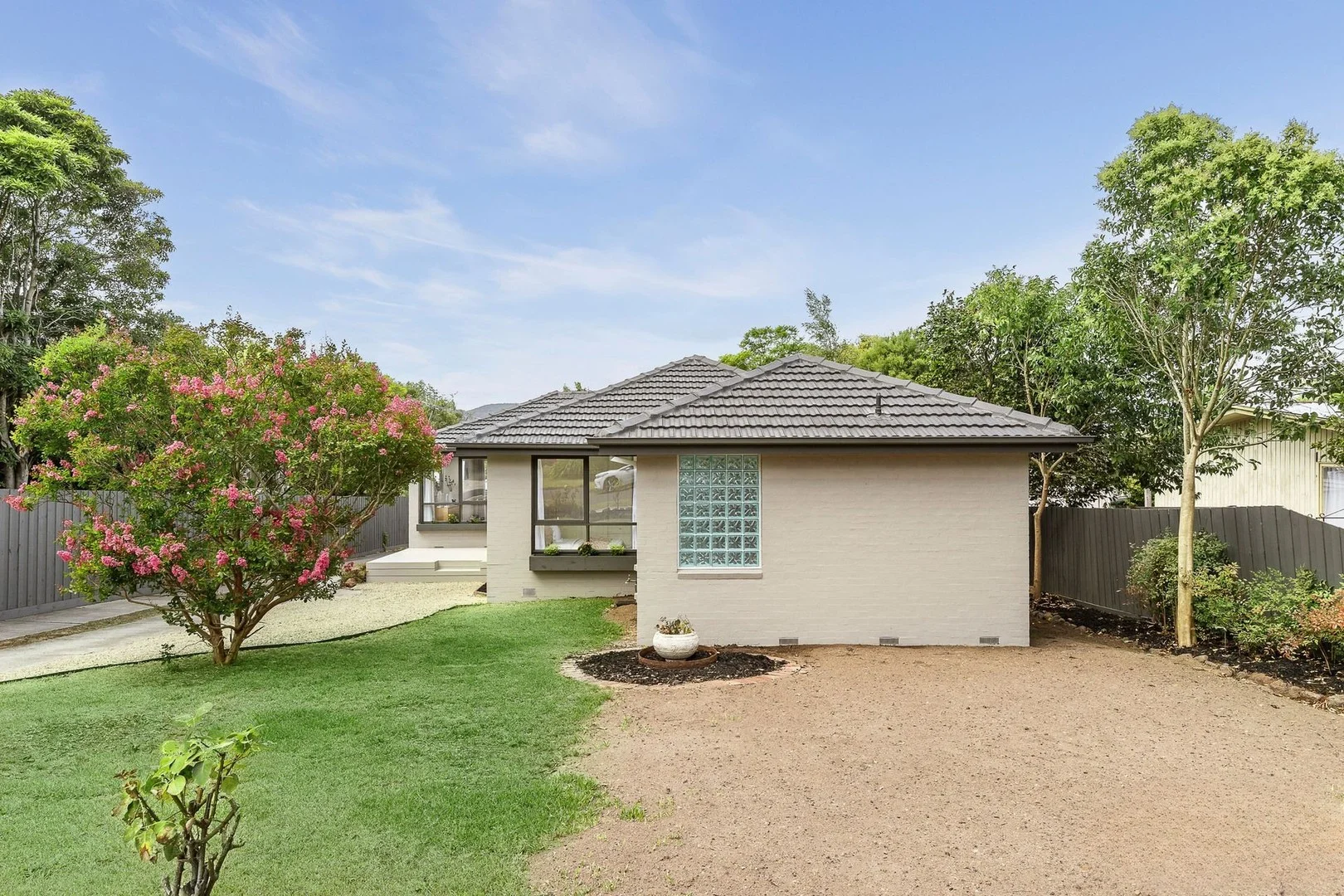 $700
Apartment / Unit / Flat
$700
Apartment / Unit / Flat
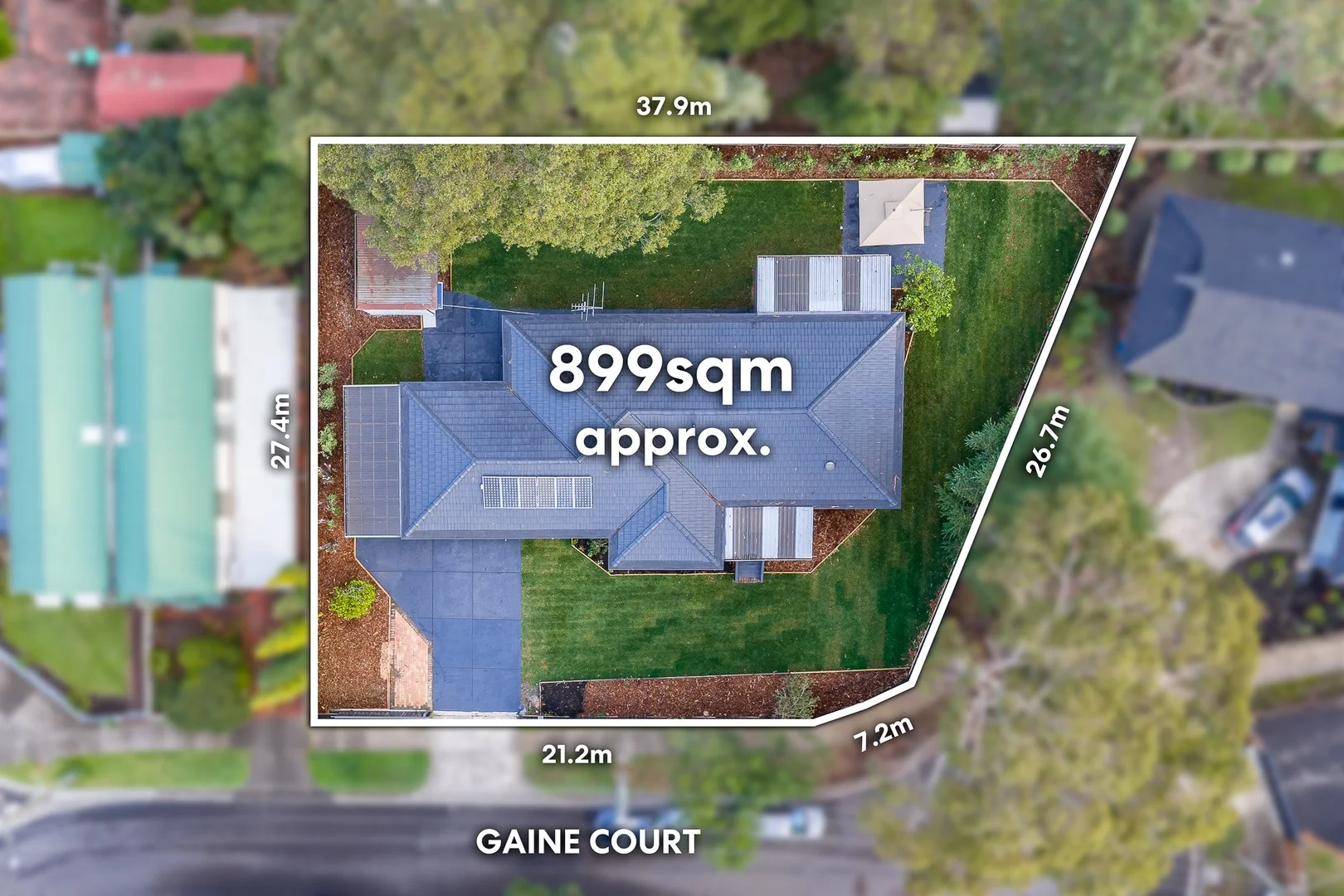 $990,000 - $1,080,000
House
$990,000 - $1,080,000
House
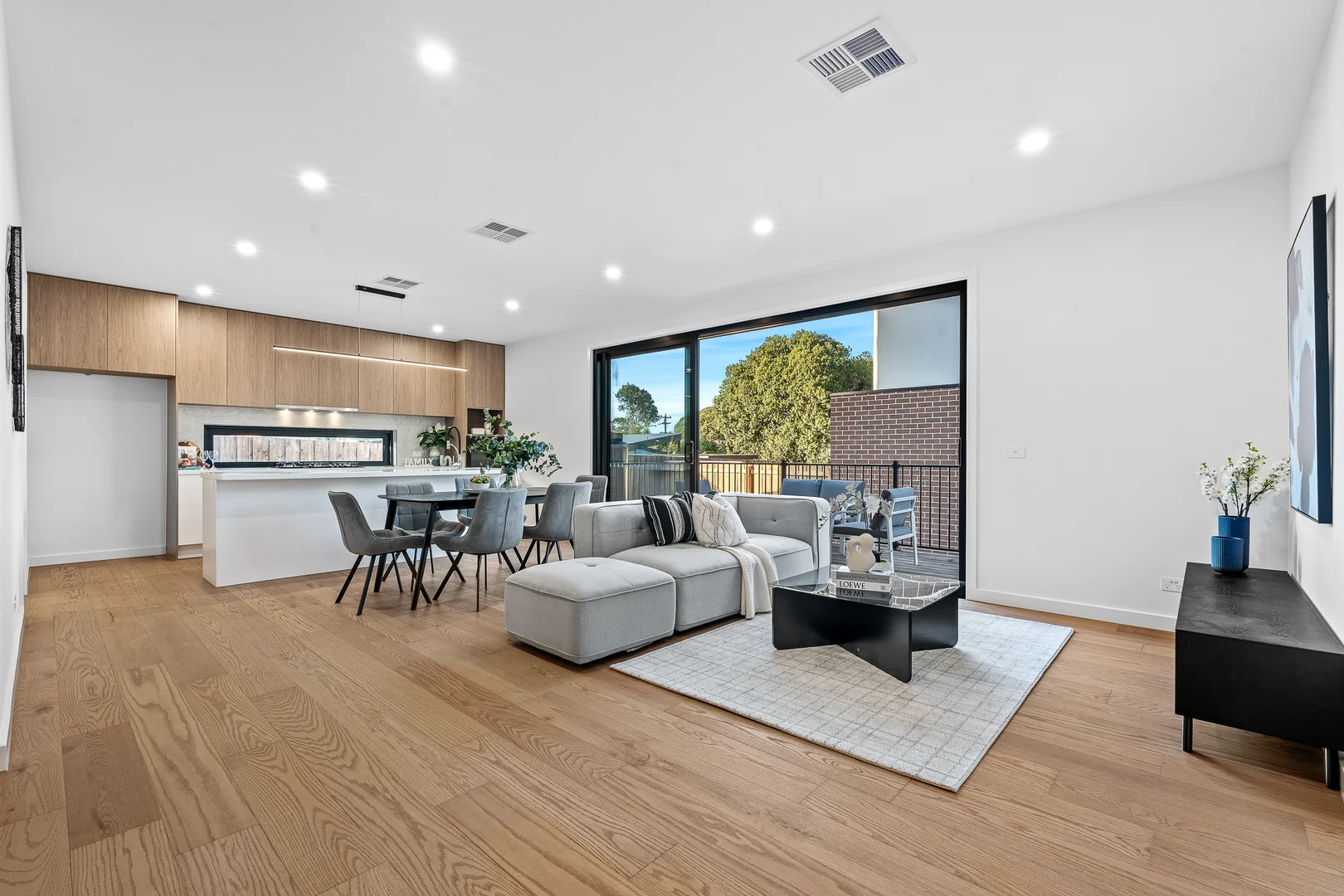 $990,000 - $1,080,000
Townhouse
$990,000 - $1,080,000
Townhouse
 $1,300,000
House
$1,300,000
House
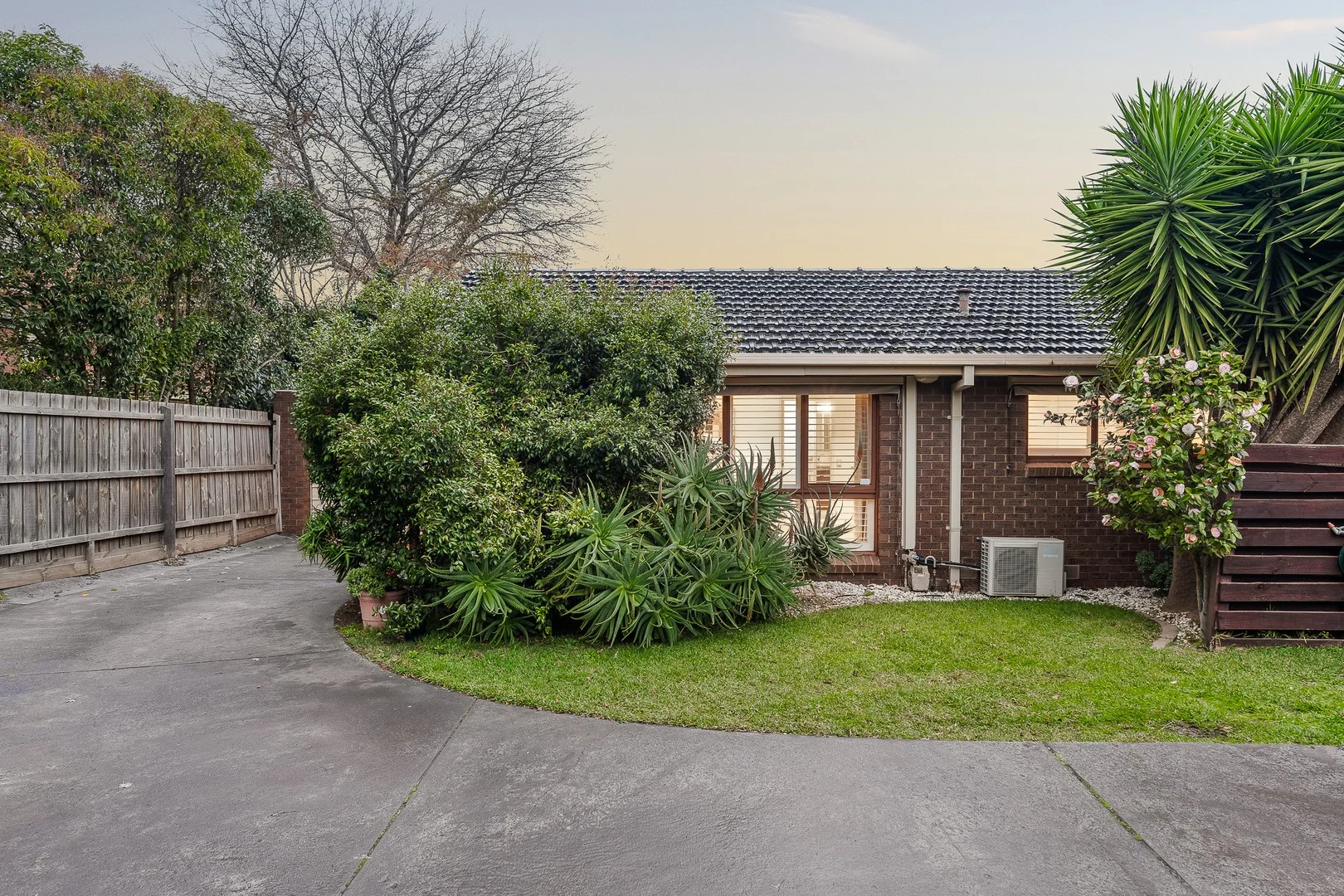 $770,000 - $820,000
Apartment / Unit / Flat
$770,000 - $820,000
Apartment / Unit / Flat
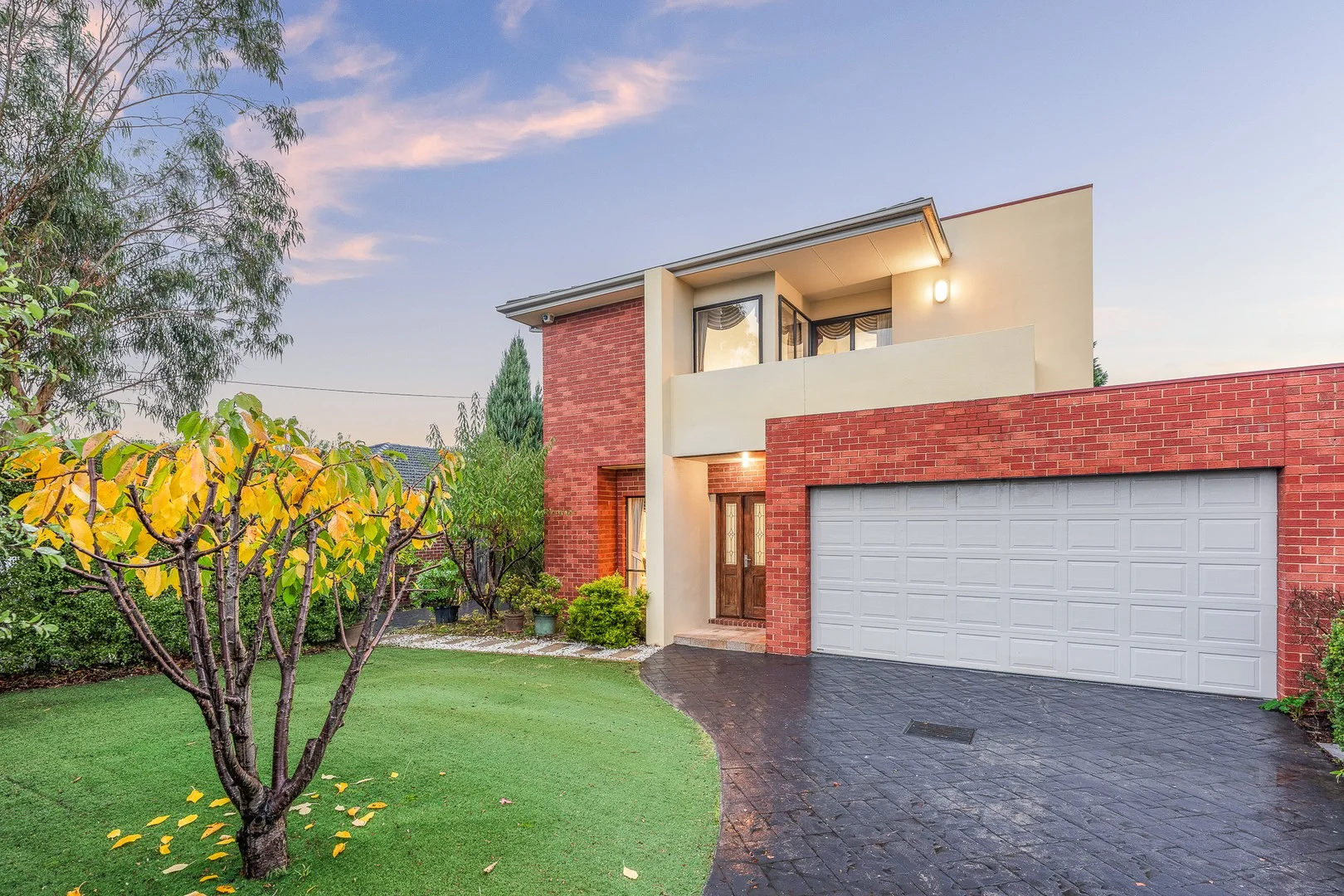 $1,150,000 - $1,250,000
Townhouse
$1,150,000 - $1,250,000
Townhouse
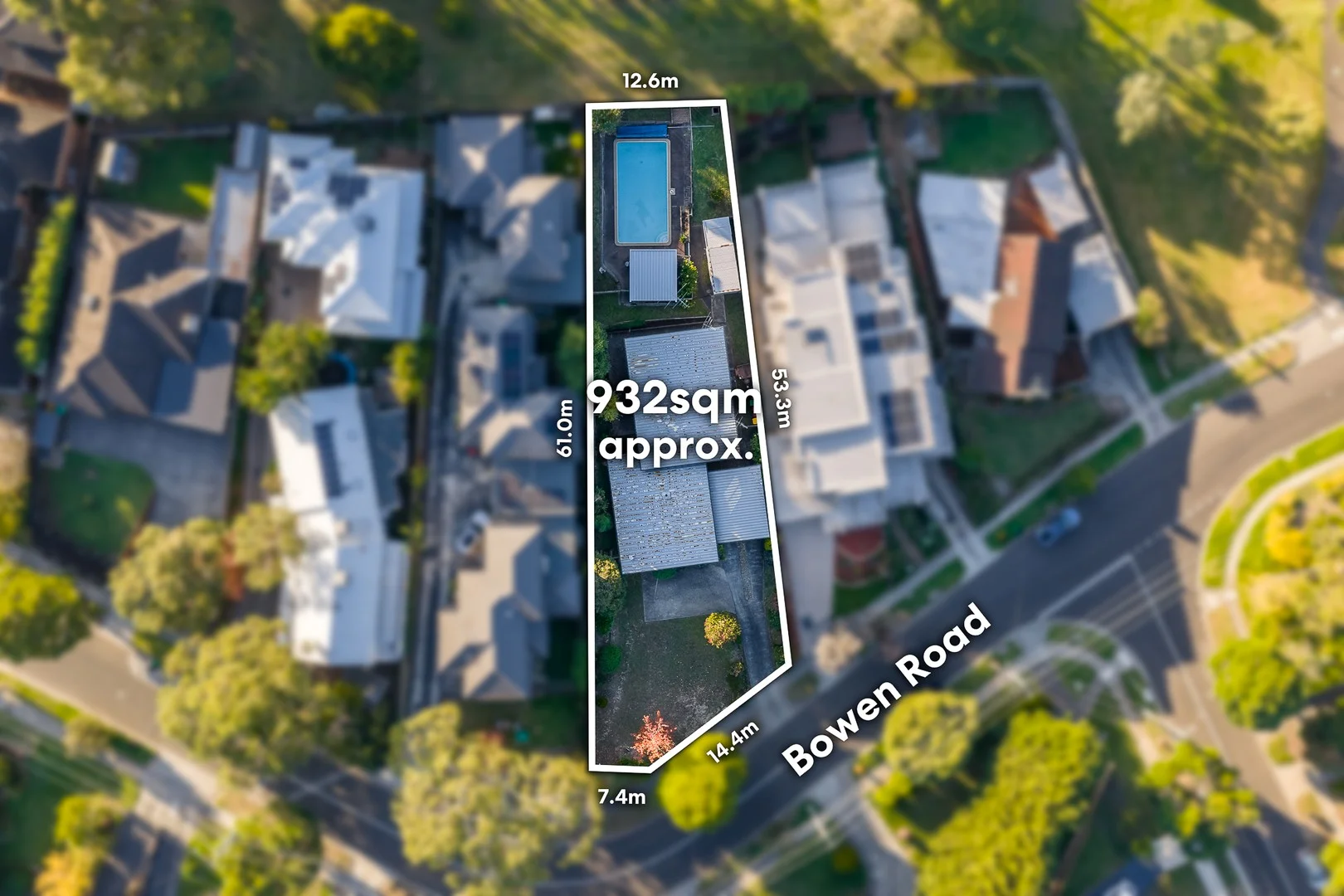 $1,300,000 - $1,400,000
House
$1,300,000 - $1,400,000
House
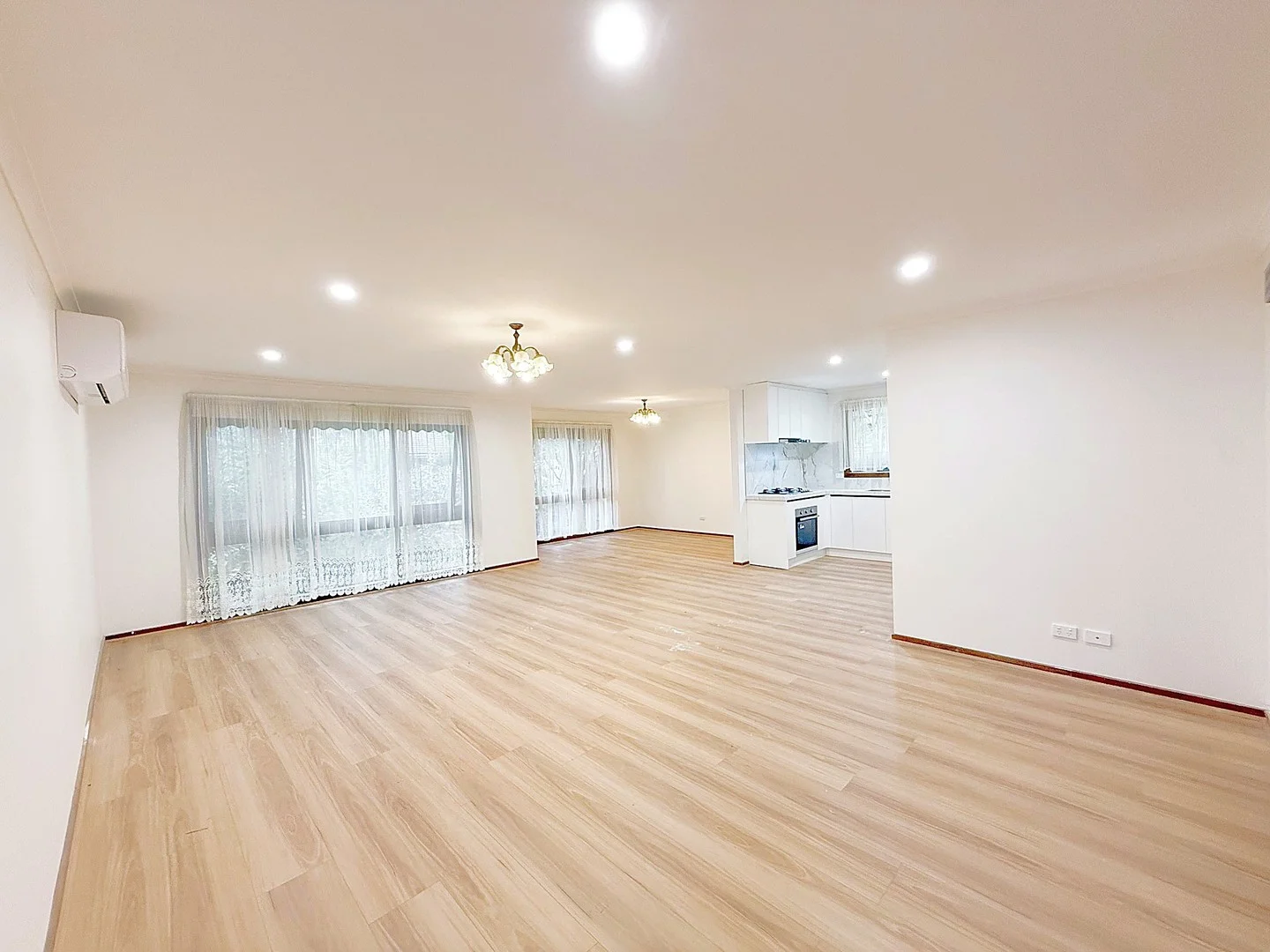 $1,100
House
$1,100
House
 $1,500,000
House
$1,500,000
House