## Overview
Mowbray Public School is a public, co-educational primary school serving families in Lane Cove and surrounding areas. As a medium-sized NSW public school, it aims to provide a balanced, inclusive learning environment that supports a wide range of student interests and abilities. Class sizes are typically in the low-mid range for NSW public primary schools, with a focus on ensuring individual attention within a collaborative, friendly atmosphere.
The school emphasises a nurturing culture that values participation, diversity and community involvement. Students are encouraged to build strong foundations in literacy and numeracy while also exploring sports, arts and technology to develop well-rounded skills and confidence for their next steps.
---
## Academics & Learning
- Academic strengths: Core literacy and numeracy are prioritised, with additional emphasis on STEM activities, creative arts, and language exposure as part of the school program.
- Special programs: NSW Gifted and Talented Education (GATE) opportunities and school-based extension activities may be available; ICT and digital learning are integrated across the curriculum.
- NAPLAN trends: Expect steady progress aligned with NSW public primary benchmarks, with a focus on improving reading, writing and numeracy across year groups.
- Student-teacher ratios: Typical primary-level ratios around 1:12 to 1:20, varying by grade and activity.
- Support for diverse learners: EAL/D support, learning support programs, and inclusive education services are provided to assist students with diverse learning needs.
---
## Sports & Extracurricular Strengths
- Sports offered: A range of team and individual sports such as soccer, netball, cricket, athletics, and rugby league are commonly available through PE programs and inter-school activities.
- Strong teams or achievements: Participation in local inter-school competitions and events is encouraged, helping students develop teamwork and competitive spirit.
- Music, arts, drama programs: Active participation in school music ensembles, choirs or bands, and theatre/drama activities are typically encouraged.
- Clubs: Robotics, chess, coding, debating and other interest clubs are commonly offered to extend learning beyond the classroom.
- Partnerships: Opportunities to engage with local community groups and regional events or competitions are often available to broaden experiences.
---
## Wellbeing & Pastoral Care
- Anti-bullying approach: A proactive, student-centered approach with positive behaviour frameworks and clear anti-bullying policies.
- House system: House groups are used to foster leadership, teamwork and healthy competition during events and celebrations.
- Counsellors / wellbeing officers: A school counsellor or wellbeing support staff provide ongoing social-emotional support.
- Transition support for new students: Orientation programs, buddy systems and targeted transition activities help new students settle in smoothly.
---
## Facilities
- Sports grounds: Outdoor playing fields and paved/play areas for outdoor education.
- Libraries: A school library with access to books and learning resources.
- Science labs: Dedicated spaces for hands-on science exploration.
- Music/performing arts centers: Spaces for music practice, drama and small-scale performances.
- Tech/innovation labs: Computer or makerspace/ICT facilities to support digital learning.
- Cafeteria: On-site canteen or meal facilities supporting recess and lunch.
- Updated playgrounds: Modernised play spaces and equipment for active learning breaks.
---
## School Values & Community Culture
- School values / mission: Emphasis on respect, responsibility, integrity, inclusion and collaboration as core principles.
- Leadership style: Student leadership opportunities (e.g., student council) and a participatory approach to school life.
- Behaviour expectations: Clear codes of conduct aligned with the school values; consistent expectations across classrooms.
- Community reputation: Strong sense of community with active involvement from families and local groups.
- Diversity & inclusion: Commitment to a welcoming environment for students from diverse backgrounds and with differing needs.
---
## School Logistics & Daily Operations
- School hours: Typical start in the morning and finish in the mid-afternoon, with clear transition times between lessons and breaks.
- Before/after school care: OSHC or similar arrangements may be available through external providers; check current offerings.
- Uniform requirements: School uniform policy in place, with specified daily and sports uniforms.
- Transport: Access to local bus routes and public transport; stop locations and arrangements vary by area.
- Canteen availability: Recess and lunch programs through an on-site or nearby canteen.
- Fees (low/medium/high ranges): Public schools have minimal compulsory tuition; families may incur voluntary contributions and costs for excursions, activities, and some materials. Uniform and optional activity costs are additional.
---
## Enrolment & Admissions
11. What is the enrolment process and timeline?
- Enrolment generally goes through the NSW Department of Education process. Check catchment eligibility and submit required documentation (birth certificate, immunisation records, proof of address, etc.). For Year 1, applications typically open well before the start of the school year; processing times vary and may conclude in late the previous year or early in the year of entry. For other years, enrolments are handled when vacancies arise. Contact the school administration for precise timelines.
12. Is there a waiting list, and how does it work?
- Waiting lists can occur if the school is oversubscribed. Priority is usually given to in-catchment applicants. If you’re placed on a waiting list, you’ll be advised of your position and any opportunities for placement as vacancies arise.
13. Are there any entry requirements, tests, or interviews?
- For regular public primary enrolments, there are typically no entrance tests or interviews. Some special programs or supports may involve discussion with staff to determine appropriate placement, but formal testing is not common for standard year groups.
14. Does the school accept mid-year transfers?
- Yes, mid-year transfers can be accommodated if vacancies exist. Prospective families should contact the school to discuss availability and required documentation, including current school records and immunisation evidence.
---
## Frequently Asked Questions
- Why Parents Choose This School?
- A welcoming, public education environment with a focus on literacy, numeracy and holistic development; strong community involvement and supportive staff.
- What type of student thrives at this school?
- Students who are curious, cooperative, eager to participate in a range of academic and extracurricular activities, and who benefit from a supportive, inclusive classroom environment.
- What opportunities are available for students to extend their skills (academics, sports, arts)?
- Access to extension activities in literacy and numeracy, STEM, arts and music programs, sports teams, clubs (robotics, coding, chess, debating) and opportunities to participate in inter-school events.
- How does the school communicate with parents?
- Regular newsletters, email updates, parent-teacher interviews, school portals or apps, and annual reports. Additional information is shared during information evenings and through the school office.
- What is the school’s approach to teaching and learning?
- Student-centered, evidence-based teaching with a focus on differentiation, formative assessment and inclusion. Technology and digital learning are integrated to support engagement and skills development.
- How does the school support students who need extra academic help?
- Targeted learning support, EAL/D assistance, and access to learning support staff and programs as part of an inclusive education approach.
- What support is available for academic challenges?
- Early identification, intervention strategies, and ongoing monitoring to help students stay on track, with adjustments and additional resources as needed.
- How does the school communicate with parents?
- See above; multiple channels used to ensure timely, clear information and opportunities for parental involvement.
- What are the class sizes and how much individual attention do students receive?
- Class sizes are in a typical primary range (roughly 20–25 students, depending on year level and staffing). Teachers plan for differentiation to address individual learning needs.
- What extracurricular and sports opportunities are available?
- A broad mix of sports, arts, music programs and clubs such as robotics, coding, chess and debating; participation in inter-school events is encouraged.
- What facilities does the school offer (sports, science, arts)?
- Sports grounds, library, science labs, music/performing arts spaces, technology/innovation labs, canteen and modern playgrounds.
- What is the school’s approach to technology and digital learning?
- Focus on integrating ICT across learning, with access to devices and digital resources to develop essential technology skills.
- What transport and accessibility options are available?
- Access to local bus routes and public transport; school facilities are designed for general accessibility; specifics depend on location and route options.
- What are the typical school fees or additional costs?
- Public schools require minimal compulsory fees; there may be voluntary contributions and costs for excursions, activities and materials, plus uniform costs.
---
## Short Pros & Cons list
- Pros
- Public, inclusive environment with strong community involvement
- Balanced focus on academics, sport, arts and technology
- Supportive wellbeing and transition programs for new students
- Range of clubs and extracurricular activities
- Reasonable class sizes and dedicated staff
- Cons
- As a medium-sized urban school, facilities and programs may be more constrained than larger campuses
- Demand for places can lead to waiting lists in oversubscribed years or catchments
- Availability of certain specialist programs may vary year to year depending on staffing and funding











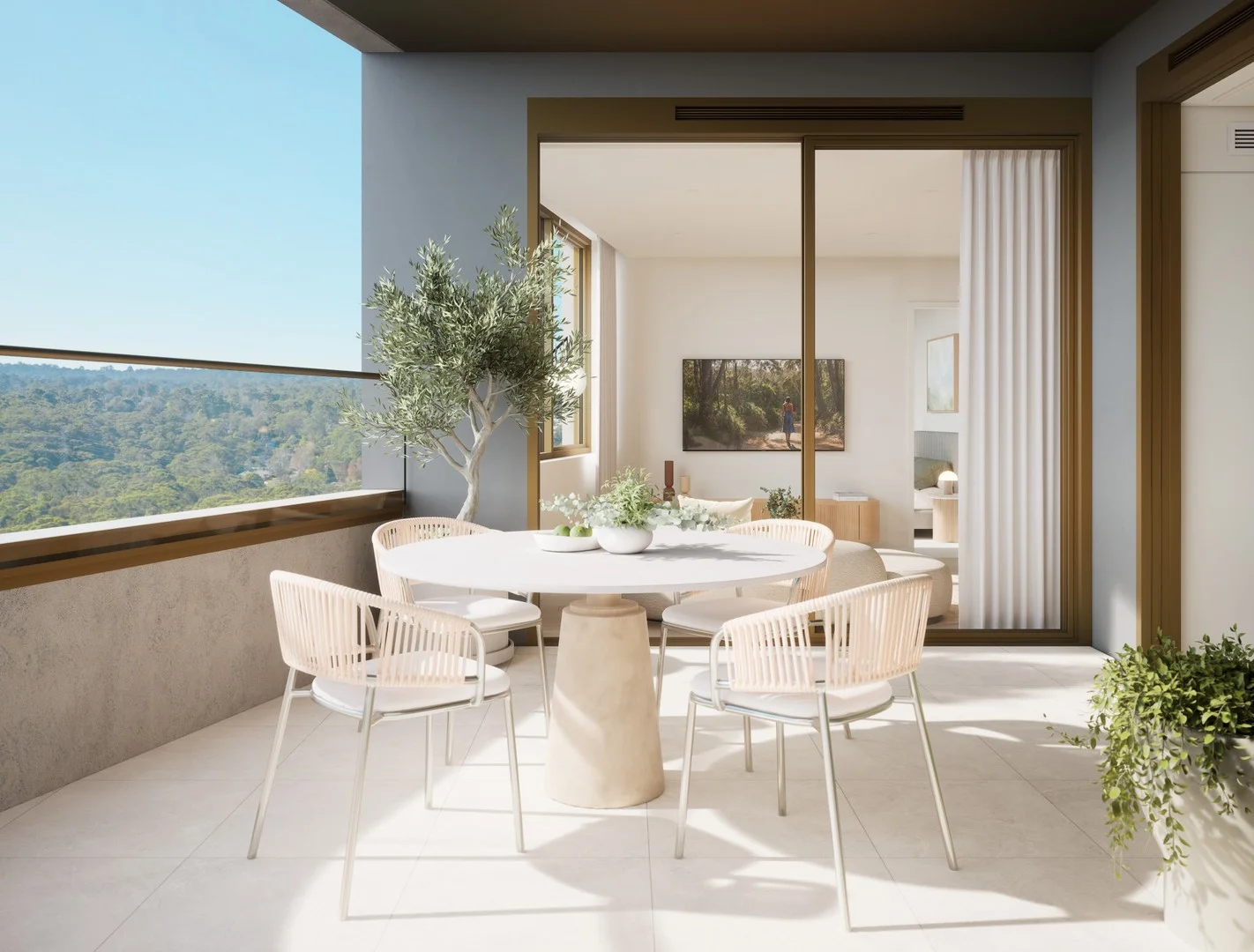 $1,525,000
Apartment / Unit / Flat
$1,525,000
Apartment / Unit / Flat
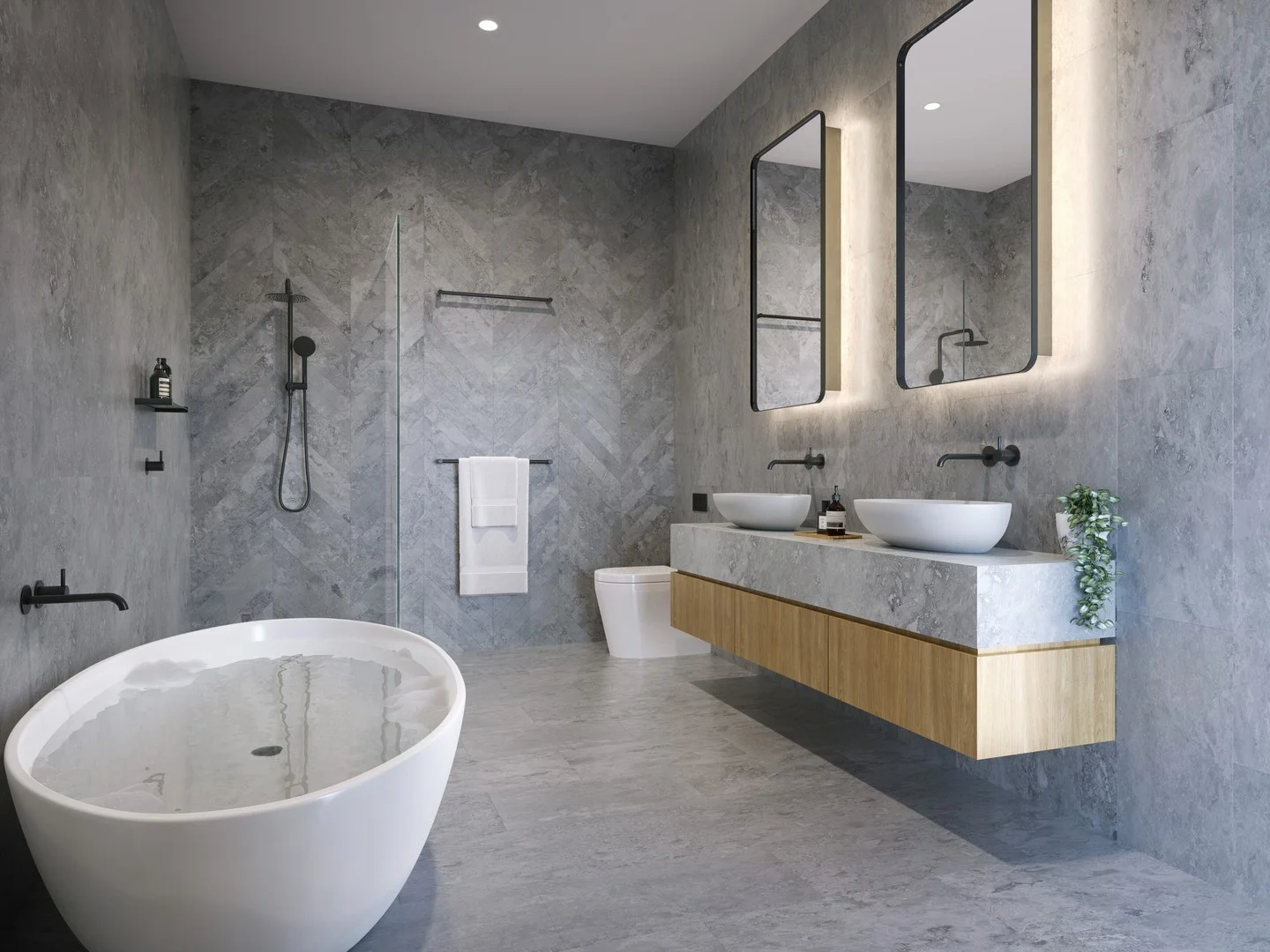 $2,824,000
Apartment / Unit / Flat
$2,824,000
Apartment / Unit / Flat
 $36,000,000 - $39,500,000
Vacant Land
$36,000,000 - $39,500,000
Vacant Land
 $26,550,000
propertyType.NEW APARTMENTS / OFF THE PLAN
$26,550,000
propertyType.NEW APARTMENTS / OFF THE PLAN
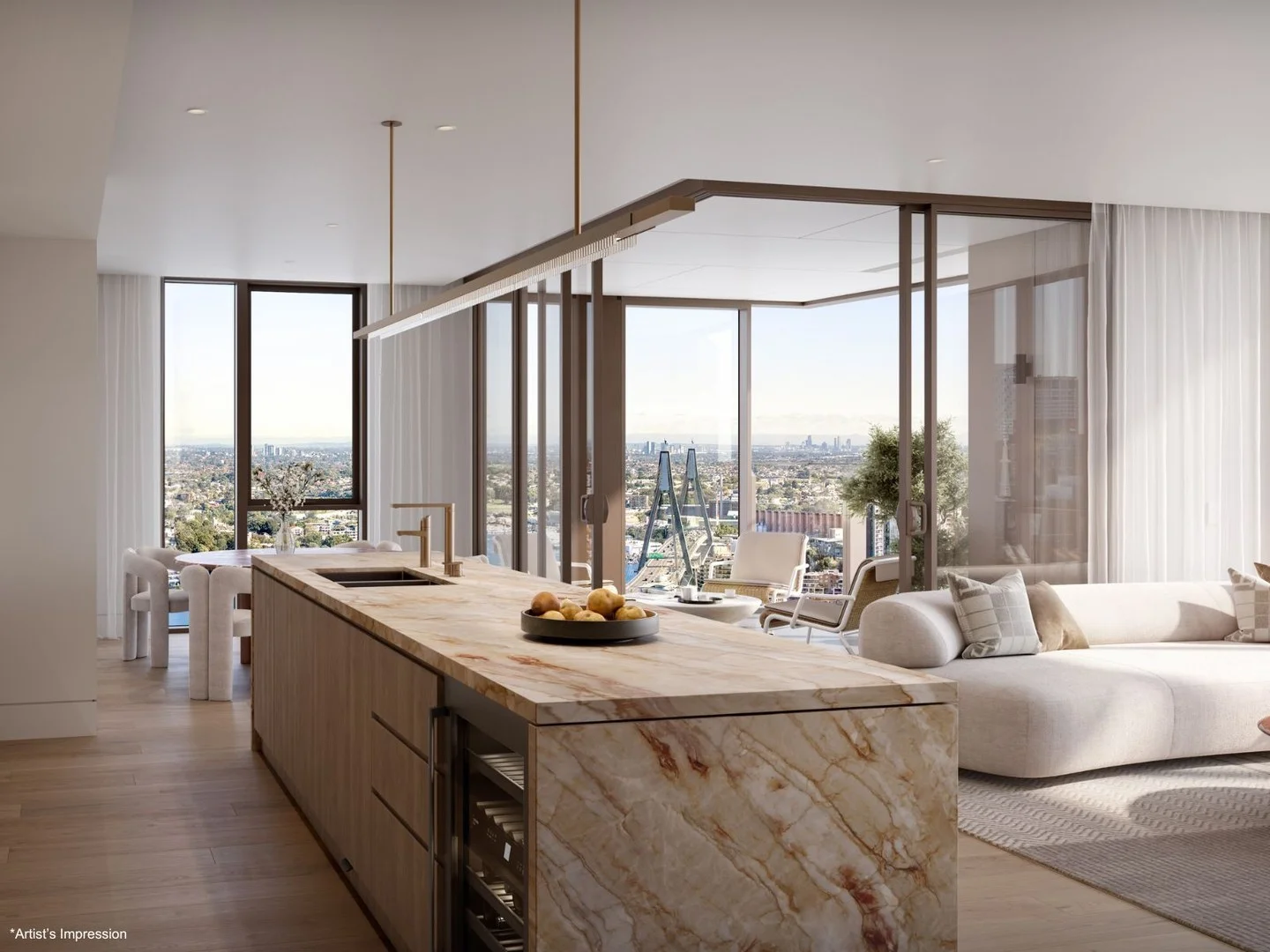 $9,020,000
propertyType.NEW APARTMENTS / OFF THE PLAN
$9,020,000
propertyType.NEW APARTMENTS / OFF THE PLAN
 $6,225,000
propertyType.NEW APARTMENTS / OFF THE PLAN
$6,225,000
propertyType.NEW APARTMENTS / OFF THE PLAN
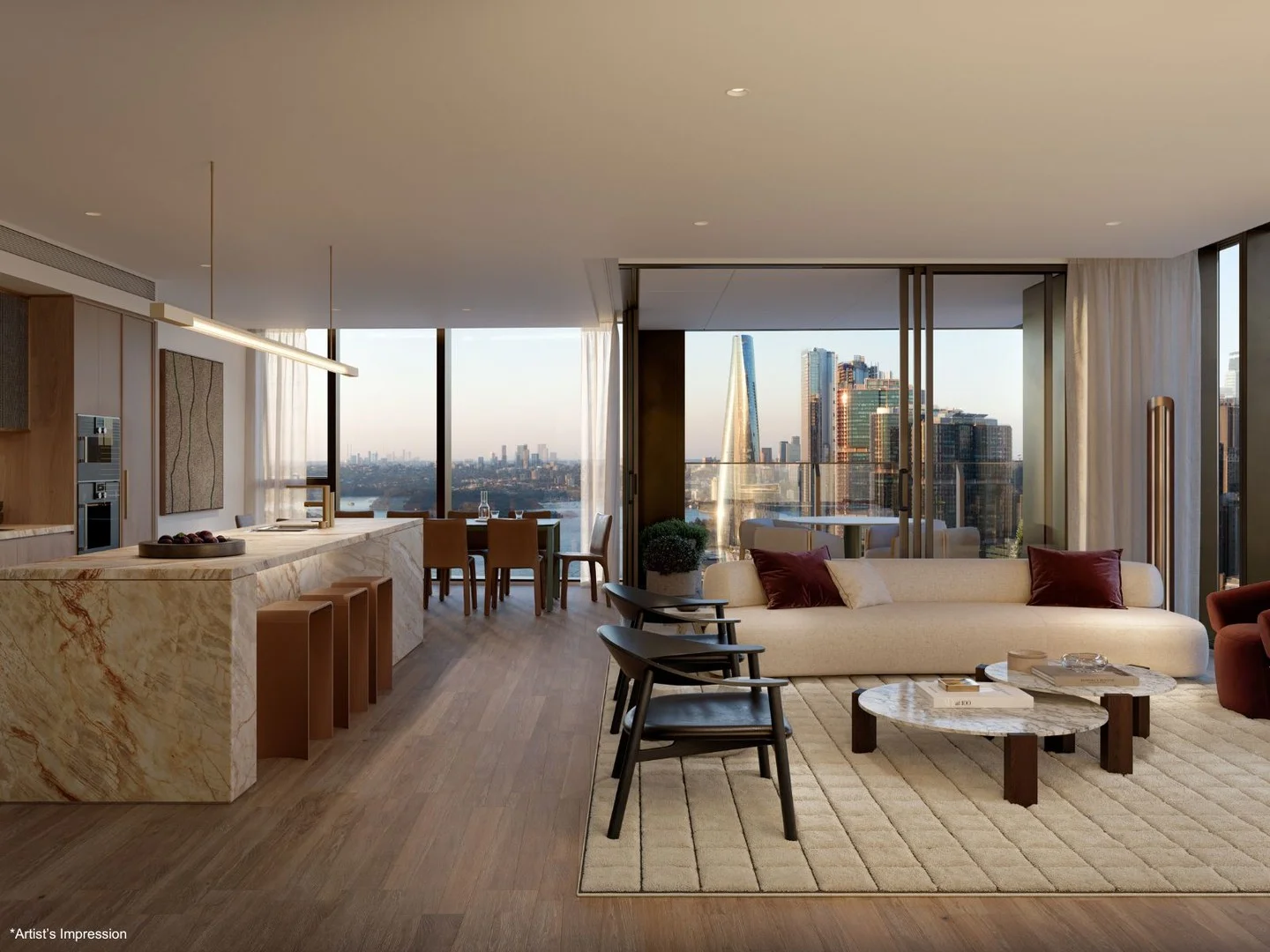 $12,980,000
propertyType.NEW APARTMENTS / OFF THE PLAN
$12,980,000
propertyType.NEW APARTMENTS / OFF THE PLAN
 $8,630,000
propertyType.NEW APARTMENTS / OFF THE PLAN
$8,630,000
propertyType.NEW APARTMENTS / OFF THE PLAN
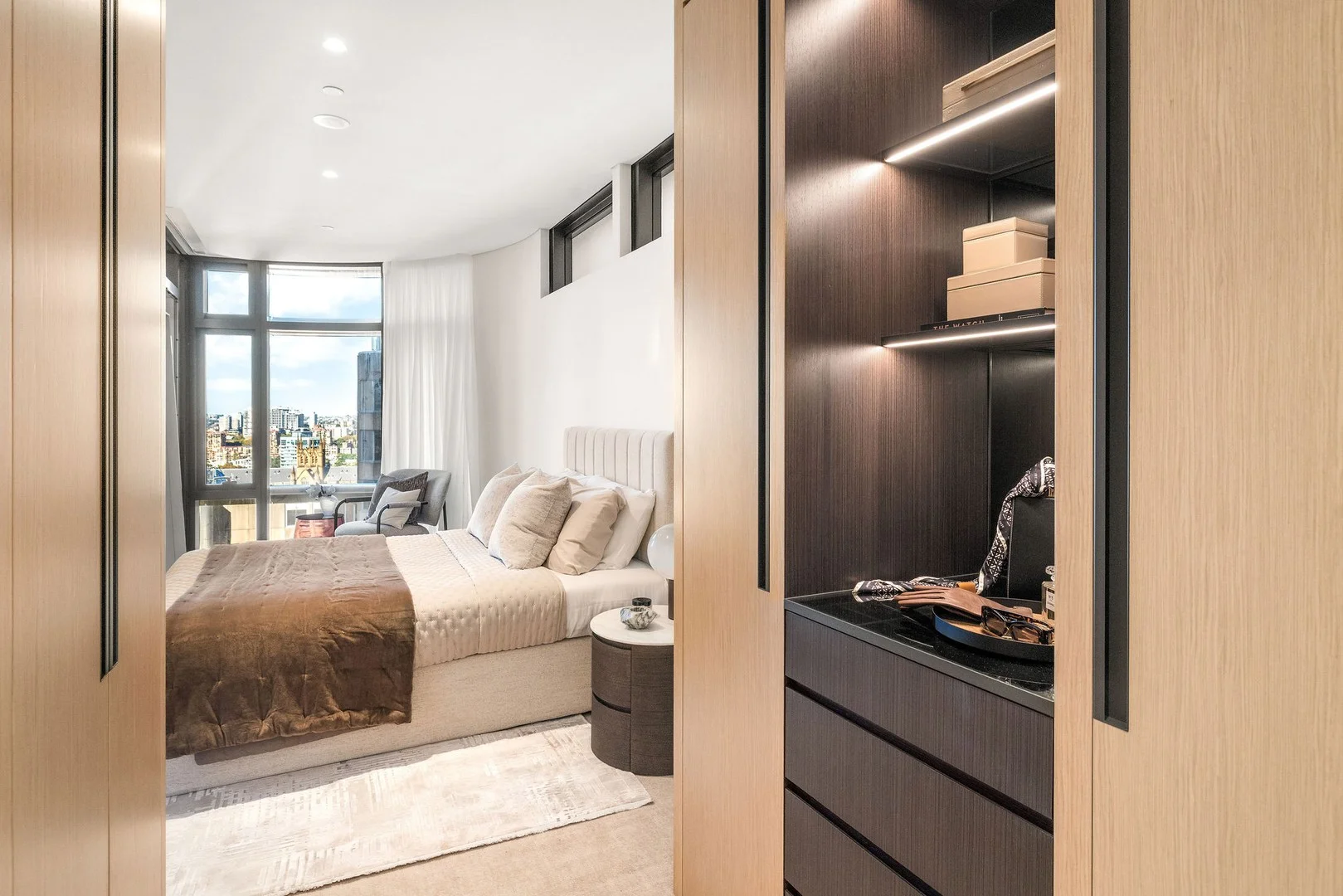 $2,745,000
propertyType.NEW APARTMENTS / OFF THE PLAN
$2,745,000
propertyType.NEW APARTMENTS / OFF THE PLAN


