## 1. Overview
Doubleview Primary School is a public, co-educational primary school serving the local WA community. As a medium-sized government school, it aims to provide a supportive and inclusive environment where students are encouraged to grow academically and personally. Class sizes are typically in the low-to-mid 20s, enabling teachers to offer individualized attention within a collaborative classroom culture. The atmosphere is nurturing, with a strong emphasis on student wellbeing, respect, and community involvement.
## 2. Academics & Learning
- Academic strengths: emphasis on literacy and numeracy development, with opportunities to pursue STEM-related activities, leadership skills, and arts experiences across the curriculum.
- Special programs: targeted extension and enrichment opportunities, alongside reading and numeracy support; EAL assistance and inclusive education practices to support diverse learners.
- NAPLAN / trends: recent years show steady improvement in key literacy areas (reading and writing) and solid numeracy performance, reflecting a stable trend of growth and consistency.
- Student-teacher ratios: typical ratios in the low-to-mid 20s for class sizes, with teachers able to provide focused instruction and regular feedback.
- Support for diverse learners: strong framework for EAL and SEN support, including individual plans, small-group instruction, and differentiated learning to meet varied needs.
## 3. Sports & Extracurricular Strengths
- Sports offered: a range of interschool and local sport programs including soccer, netball, basketball, cricket, AFL-style activities, and athletics.
- Strong teams or achievements: active participation in inter-school events and house-based competitions; regular involvement in regional sports programs.
- Music, arts, drama programs: robust music and performing arts opportunities, with opportunities to participate in choir, concerts, and school productions.
- Clubs: robotics, chess, coding, debating, and other interest clubs supporting inquiry, problem-solving, and public speaking.
- Partnerships: connections with local clubs and regional competitions to broaden exposure to sport, STEM, and arts experiences.
## 4. Wellbeing & Pastoral Care
- Anti-bullying approach: whole-school approach to safety and respect, with restorative practices and clear processes for addressing concerns.
- House system: house groups used to foster belonging, leadership, and team-based events and celebrations.
- Counsellors / wellbeing officers: access to wellbeing staff to support social-emotional learning, resilience, and one-on-one or small-group support.
- Transition support for new students: buddy programs, orientation activities, and targeted supports to help new students settle in smoothly.
## 5. Facilities
- Sports grounds: on-site spaces for physical education and outdoor activities.
- Libraries: well-stocked library supporting literacy and research interests.
- Science labs: dedicated spaces for hands-on science learning.
- Music/performing arts centers: rooms and spaces for music practice and performing arts activities.
- Tech/innovation labs: environments to explore coding, robotics, and digital projects.
- Cafeteria: on-site canteen facilities or lunch options to support daily meals.
- Updated playgrounds: engaging outdoor play spaces with safety and shade considerations.
## 6. School Values & Community Culture
- School values / mission: a focus on Respect, Responsibility, Resilience, and Inclusion within a supportive community.
- Leadership style: collaborative leadership that involves teachers, staff, and families in shaping the school environment.
- Behaviour expectations: clear codes of conduct and positive behaviour supports that promote a safe and respectful school culture.
- Community reputation: valued for its welcoming community, active parent involvement, and a commitment to student welfare.
- Diversity & inclusion: inclusive practices that support learners from diverse backgrounds and with varying needs.
## 7. School Logistics & Daily Operations
- School hours: typical school day runs during standard hours with clear start and finish times (adjustments may apply by year level).
- Before/after school care: available through approved providers on-site or nearby arrangements to support families.
- Uniform requirements: uniform dress code in place, with house colours and hats for sun protection; consistent standards across year levels.
- Transport (train/bus routes): bus services and walking/cycling options within the local area; proximity to public transport varies by location—check specifics with the school.
- Canteen availability: canteen or lunch program options to support daily meals.
- Fees (low/medium/high ranges): as a public school, there is no tuition, with additional costs mainly for excursions, camps, and optional resources.
## 8. Enrolment & Admissions
11. What is the enrolment process and timeline?
- Submit an enrolment application through the school (and, where required, via the Department of Education process).
- Provide documentation such as proof of residency within the local intake area, birth certificate, immunisation records, and any custody or care arrangements as applicable.
- After submission, you’ll be guided on the timeline for a place, with notification contingent on available vacancies and catchment rules.
12. Is there a waiting list, and how does it work?
- Some year levels may have wait lists depending on vacancies. Priorities typically go to local residents and siblings, with offers made as spaces become available.
13. Are there any entry requirements, tests, or interviews?
- Public primary schools generally do not require entrance tests. An informal intake discussion or information session may occur to understand support needs and to plan for a smooth transition for your child.
14. Does the school accept mid-year transfers?
- Yes, subject to vacancies and the ability to accommodate new students mid-year. Parents should contact the school as early as possible to discuss available places and transfer procedures.
## 9. Frequently Asked Questions
- Why Parents Choose This School?
- A welcoming, inclusive community with strong emphasis on wellbeing, balanced academics, and active parental involvement.
- What type of student thrives at this school?
- Students who are collaborative, motivated to learn, and benefit from a supportive, multi-tiered approach to teaching and wellbeing.
- What opportunities are available for students to extend their skills (academics, sports, arts)?
- Enrichment programs, sports teams, arts and music opportunities, robotics and coding clubs, debates, leadership experiences, and inter-school events.
- How does the school communicate with parents?
- Regular newsletters, emails, parent-teacher interviews, school portals, and open communication channels with teachers and administration.
- What is the school’s approach to teaching and learning?
- Student-centred, differentiated instruction with emphasis on literacy and numeracy, inquiry-based learning, and integration of digital learning.
- How does the school support students who need extra academic help?
- Targeted interventions, small-group teaching, EAL and SEN supports, reading recovery, and enhanced teacher planning for diverse needs.
- What support is available for academic challenges?
- Additional tutoring or targeted assistance within the classroom, adjustments or accommodations as needed, and ongoing progress monitoring.
- How does the school communicate with parents?
- See above; multiple channels used to keep families informed and engaged.
- What are the class sizes and how much individual attention do students receive?
- Classes typically sit in the low-to-mid 20s, with teachers providing differentiated instruction and regular feedback to support individual growth.
- What extracurricular and sports opportunities are available?
- A range of sports and physical activities, plus clubs in robotics, coding, chess, debating, music, drama, and other enrichment areas.
- What facilities does the school offer (sports, science, arts)?
- Sports grounds, library, science labs, music and performing arts spaces, tech/innovation labs, canteen, and updated playgrounds.
- What is the school’s approach to technology and digital learning?
- Emphasis on digital literacy, access to devices and learning platforms, and a focus on safe, responsible use of technology.
- What transport and accessibility options are available?
- Local bus routes, walkable catchment options, and school guidance on transport; accessibility features aligned with mainstream facilities.
- What are typical school fees or additional costs?
- No tuition for public schooling; costs are mainly for excursions, camps, and optional activities or materials.
## 10. Short Pros & Cons list
- Pros
- Public, inclusive environment with strong wellbeing focus
- Balanced academics with enrichment opportunities
- Active involvement of families and community
- Range of clubs and extracurriculars (e.g., robotics, coding, debating)
- Support for diverse learners (EAL and SEN)
- Cons
- As a public school, availability of places depends on local intake and waiting lists
- Transport options vary by location and may require planning
- Extracurricular costs can add up for families (excursions, camps, etc.)
- Class sizes are in the mid-20s, which may differ from smaller private settings for some families











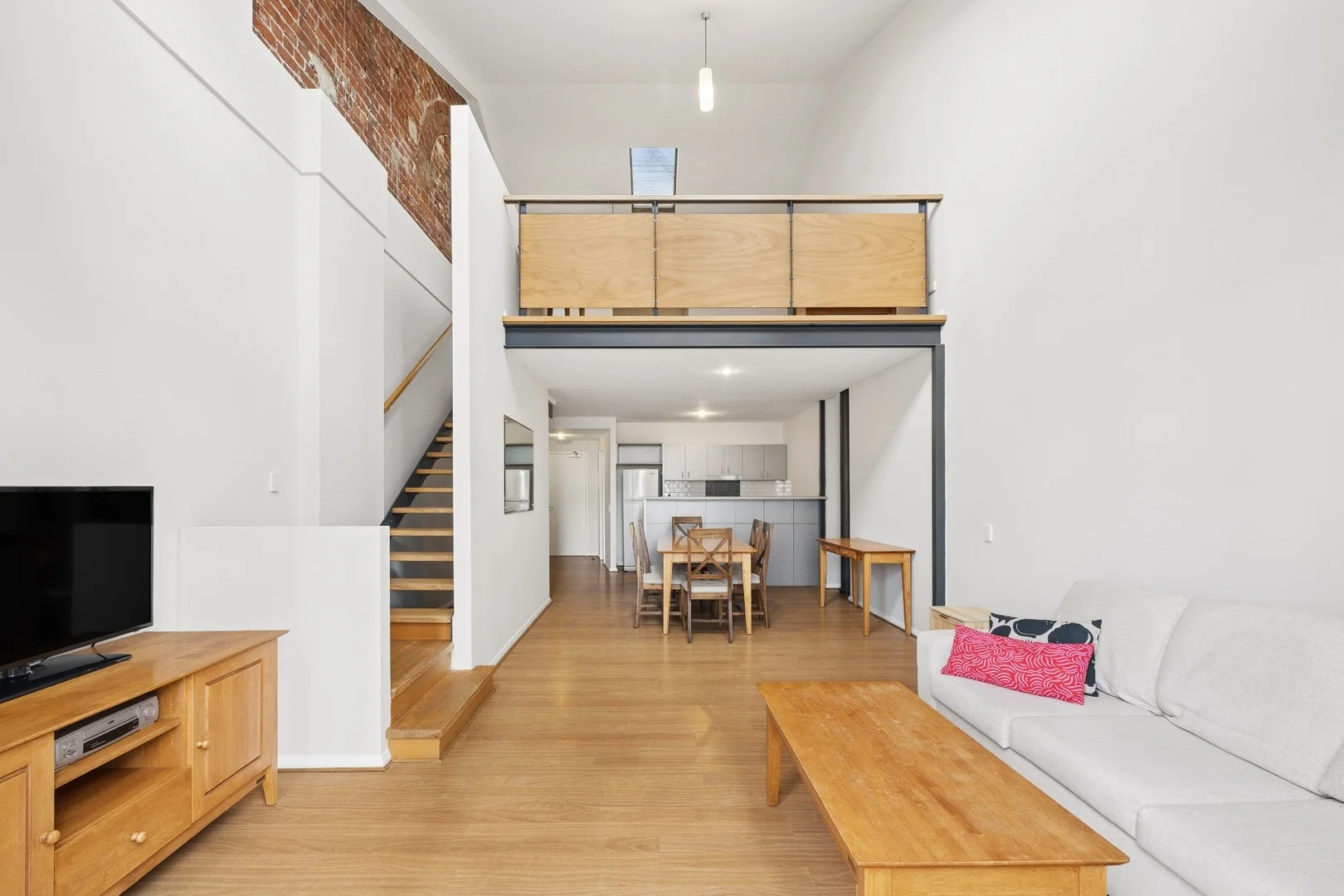 $549,000
Apartment / Unit / Flat
$549,000
Apartment / Unit / Flat
 $580,000
Apartment / Unit / Flat
$580,000
Apartment / Unit / Flat
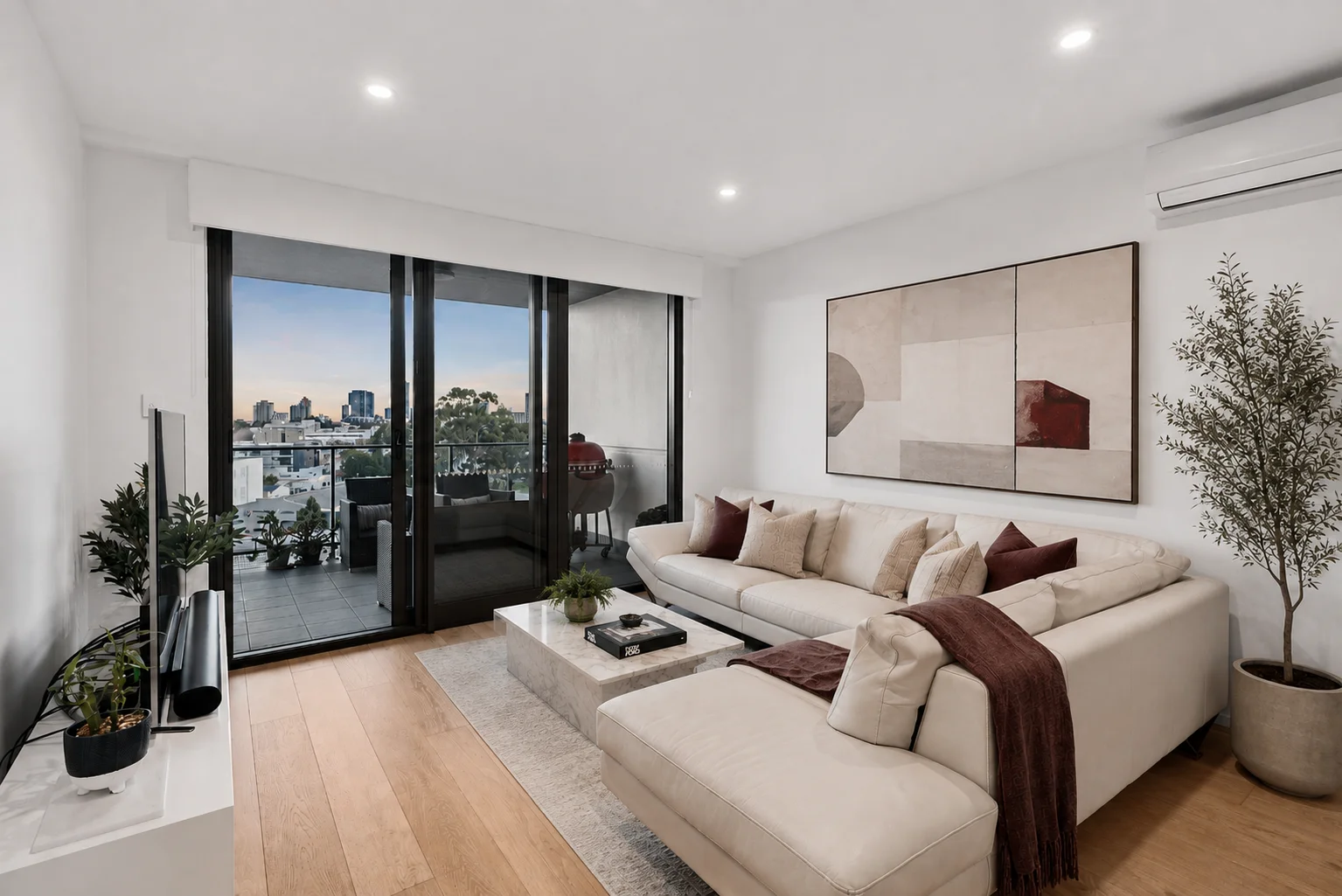 $700,000
Apartment / Unit / Flat
$700,000
Apartment / Unit / Flat


