1. Overview
Yuluma Primary School is a public (state) primary school serving families in the Wanneroo area. The school fosters a community-focused environment where students are encouraged to be curious, respectful and engaged learners. With a medium-sized school community, class sizes typically sit in a range that supports individual attention, collaborative learning and active teacher involvement. The atmosphere is inclusive and nurturing, emphasising strong relationships between students, staff and families.
- School type: Public
- School size: Medium
- Class size: Approximately in the low-to-mid 20s
- Atmosphere/culture: Inclusive, nurturing, community-focused
⟻
2. Academics & Learning
Yuluma Primary aims to build solid foundations across literacy, numeracy and key curriculum areas while offering opportunities for enquiry, creativity and growth.
- Academic strengths: Strong emphasis on literacy and numeracy with integrated STEM and inquiry-based learning; focus on English, mathematics and critical thinking; opportunities in languages or LOTE where offered.
- Special programs: Enrichment and extension opportunities for capable learners; targeted intervention and support programs to assist students who need extra help; digital learning and hands-on projects embedded in the curriculum.
- NAPLAN / trends: Public data typically show stable to improving trends across key domains (reading, writing, numeracy) with standard year-to-year variation; the school tracks this progress to inform teaching approaches.
- Student-teacher ratios: Generally around 1:22 to 1:26, varying by year level and class configuration.
- Support for diverse learners: Access to EAL (English as an Additional Language) support and SEN (Special Educational Needs) supports within a mainstream setting; additional targeted supports and referral pathways as needed.
⟻
3. Sports & Extracurricular Strengths
Extracurricular and sport options are designed to support physical wellbeing, teamwork and a range of interests.
- Sports offered: A broad selection including athletics, cricket, netball, soccer/football and other school-wide activity programs; participation in inter-school competitions where available.
- Strong teams or achievements: Representation in inter-school sports and events; emphasis on teamwork, fair play and personal improvement.
- Music, arts, drama programs: School-wide music activities, ensembles or choirs, and regular arts/performing arts opportunities; opportunities to perform at school events.
- Clubs: Robotics, coding, chess, debating and other age-appropriate clubs that promote problem-solving and critical thinking.
- Partnerships: Local community programs and inter-school/cluster competitions to broaden experience and competition exposure.
⟻
4. Wellbeing & Pastoral Care
Wellbeing is a central priority, with a proactive approach to creating a safe and supportive learning environment.
- Anti-bullying approach: Clear expectations, consistent procedures and a whole-school approach to promote respectful behaviour and safe interactions.
- House system: Adopted to build belonging, leadership opportunities and healthy competition among students.
- Counsellors / wellbeing officers: Access to school-based wellbeing supports and guidance; dedicated staff to assist with social-emotional needs.
- Transition support for new students: Orientation activities, buddy programs and targeted supports to help new students settle in smoothly.
⟻
5. Facilities
Facilities are designed to support a broad curriculum and engaging learning experiences.
- Sports grounds: Outdoor playing fields and courts for a range of sports.
- Libraries: A well-resourced library supporting literacy and research.
- Science labs: Dedicated spaces for hands-on experiments and inquiry.
- Music/performing arts centers: Rooms or spaces for music practice and performances.
- Tech/innovation labs: ICT/STEAM spaces to support coding, digital creation and project work.
- Cafeteria: On-site canteen or lunch facilities offering healthy options.
- Updated playgrounds: Well-maintained play areas and outdoor learning spaces.
⟻
6. School Values & Community Culture
The school aims to cultivate students who are respectful, responsible and resilient, with a focus on developing leadership and community involvement.
- School values / mission: Core values such as respect, responsibility, integrity and teamwork guide daily behaviour and decisions.
- Leadership style: Student voice and leadership opportunities through student councils or house roles; collaborative planning with staff and families.
- Behaviour expectations: Clear codes of conduct with consistent routines and positive reinforcement.
- Community reputation: A welcoming and inclusive school culture with active family partnerships.
- Diversity & inclusion: Commitment to providing equitable learning opportunities and welcoming students from diverse backgrounds.
⟻
7. School Logistics & Daily Operations
Practical information to help families plan around school life.
- School hours: Typical school day starts in the morning and ends in the afternoon; exact times provided by the school calendar.
- Before/after school care: OSHC or approved external providers available to support families with before/after school care.
- Uniform requirements: School uniform policy in place; details outlined by the school (and school council) each year.
- Transport (train/bus routes): Public transport options and local bus routes commonly used by students; information provided by the school and local transit authorities.
- Canteen availability: On-site or partner canteen offering healthy food options.
- Fees (low/medium/high ranges): As a public school, there is no tuition fee for standard enrolment; there may be voluntary contributions, incurred charges for activities or programs, and bulk purchasing costs; details provided by the school.
⟻
8. Enrolment & Admissions
11. What is the enrolment process and timeline?
- Applications are typically submitted through the relevant department or school enrollment system. Timeline varies by year and space availability; families should check the school's admissions calendar for key dates and required documents.
12. Is there a waiting list, and how does it work?
- Waiting lists can occur when demand exceeds available places. The school (or the enrolling authority) will advise on wait-list processes, priorities (e.g., catchment eligibility), and approximate wait times.
13. Are there any entry requirements, tests, or interviews?
- Most primary enrollments do not require entry tests. Some programs or specialist tracks may involve informal assessments or parent/teacher discussions to understand needs and readiness. Interviews are not typical for standard enrollment but may occur for specific programs.
14. Does the school accept mid-year transfers?
- Mid-year transfers are considered subject to space availability and timetabling needs. Families should contact the school early to discuss feasibility and required documentation.
⟻
9. Frequently Ask Questions
- Why Parents Choose This School?
- A welcoming community with a focus on literacy, numeracy and well-rounded development; emphasis on inclusive practices and family partnerships.
- What type of student thrives at this school?
- Students who are curious, collaborative and committed to learning; those who respond well to a supportive environment and a range of learning opportunities.
- What opportunities are available for students to extend their skills (academics, sports, arts)?
- Enrichment and extension options in core subjects, participation in clubs (robotics, coding, chess, debating), sports teams and performing arts activities.
- How does the school communicate with parents?
- Regular updates via newsletters, the school website, emails/text alerts and scheduled information evenings; opportunities to engage through parent associations and events.
- What is the school’s approach to teaching and learning?
- Student-centered, evidence-informed practices with a mix of direct instruction, collaborative learning, inquiry, and technology-enabled learning.
- How does the school support students who need extra academic help?
- Targeted intervention programs, small-group support and access to specialist staff to tailor learning plans.
- What support is available for academic challenges?
- Diagnostic assessments, targeted supports and ongoing monitoring to keep students on track and progressing.
- How does the school communicate with parents? (Repeated)
- See above: newsletters, digital platforms, meetings and events to keep families informed.
- What are the class sizes and how much individual attention do students receive?
- Class sizes are generally mid-20s, with teachers/learning support available to provide targeted assistance and feedback.
- What extracurricular and sports opportunities are available?
- A range of sports (team and individual), music/arts activities, and clubs such as robotics, coding, chess and debating.
- What facilities does the school offer (sports, science, arts)?
- Sports grounds, libraries, science labs, music/performing arts spaces, tech/innovation labs and a canteen, plus updated playgrounds.
- What is the school’s approach to technology and digital learning?
- Integrated ICT and digital learning across the curriculum, with opportunities for coding and technology-based projects.
- What transport and accessibility options are available?
- Local bus routes and public transport options; information on access and drop-off/pick-up arrangements provided by the school.
- What are the typical school fees or additional costs?
- Public school enrolment involves standard contributions and possible elective activity costs; details provided by the school.
⟻
10. Short Pros & Cons list
Pros
- Inclusive, community-focused environment with strong family partnerships
- Solid academic foundation with emphasis on literacy, numeracy and inquiry
- Broad range of extracurriculars including sports, arts and clubs
- Support for diverse learners (EAL/SEN) and intervention programs
- Well-maintained facilities and dedicated spaces for science, tech and arts
Cons
- As a public school, space can be influenced by enrolment demand; some years may have wait lists
- Class sizes can vary by year level and staffing, which may affect the amount of individual attention
- Uniforms and voluntary contributions may be an added requirement for families
- Mid-year transfers depend on space and timetabling
⟻
![Storytime at Cambridge Library [Every Thursdays]](https://image.aroundschools.com.au/[object Object]) Free
Free











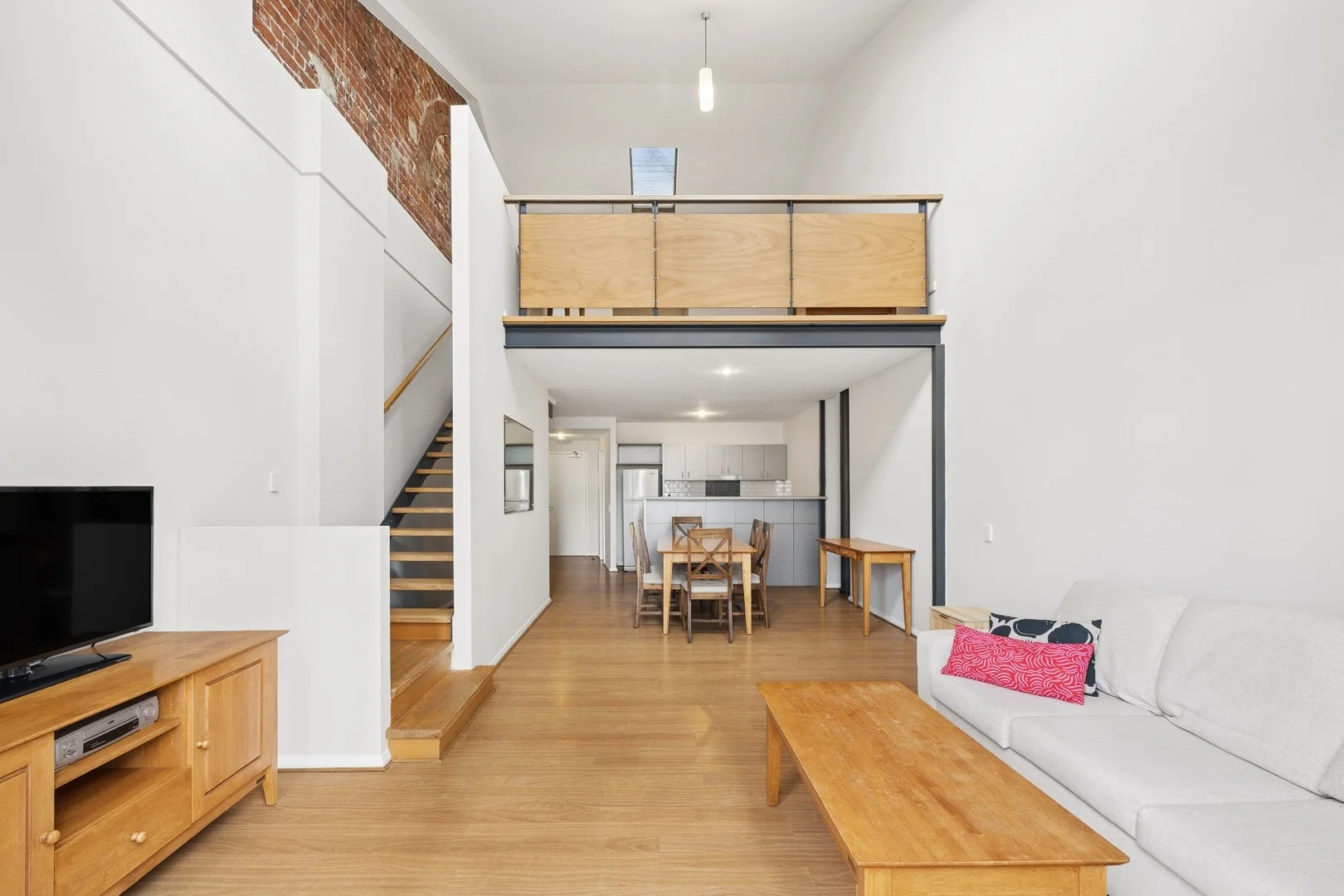 $549,000
Apartment / Unit / Flat
$549,000
Apartment / Unit / Flat
 $580,000
Apartment / Unit / Flat
$580,000
Apartment / Unit / Flat
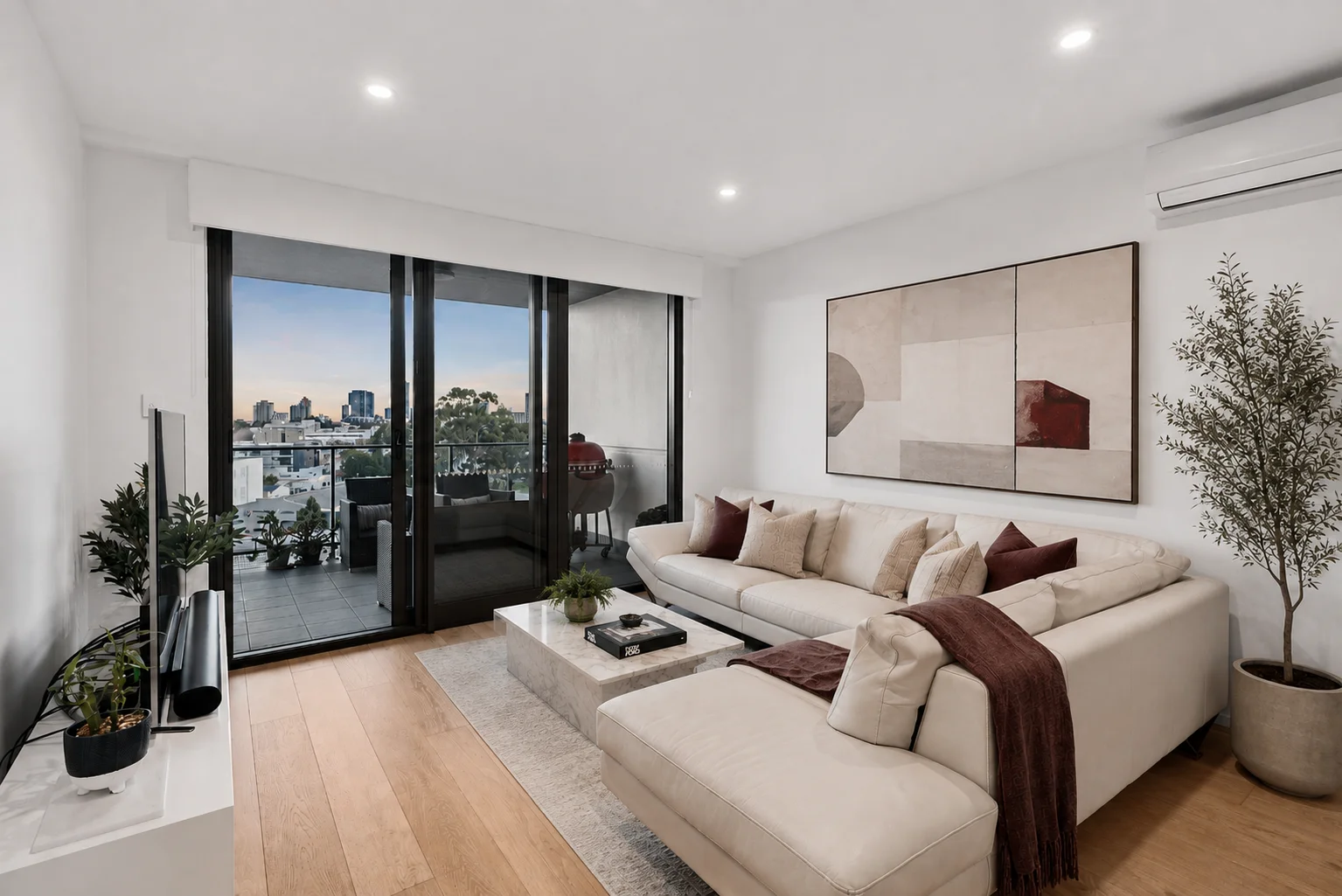 $700,000
Apartment / Unit / Flat
$700,000
Apartment / Unit / Flat


