Overview
## 1. Overview (1–2 paragraphs max)
Newdegate Primary School is a public, government-supported school in Newdegate, Western Australia. It serves as a small, close-knit learning community where families and staff know one another, supporting students through their primary years with a focus on foundational skills and personal growth.
The school tends to be described as small in size with multi-age opportunities in some year levels. The atmosphere is generally nurturing and inclusive, with an emphasis on creating a supportive environment where students feel safe to learn, participate, and take ownership of their progress.
## 2. Academics & Learning
- Academic strengths: Strong emphasis on core literacy and numeracy, with hands-on learning in science and practical problem-solving across year levels. There is a focus on developing strong reading, writing and mathematical foundations, complemented by opportunities to explore creativity and inquiry.
- Special programs: WA primary schools commonly offer extension activities and opportunities for leadership and student voice; there may also be targeted support and enrichment options to cater for diverse learner needs and interests.
- NAPLAN trends: Public reporting generally shows stable performance with year-to-year improvement in some domains; for precise trends and year-by-year data, consult the Department of Education’s School Performance data.
- Student-teacher ratios: Class sizes tend to be smaller due to the rural setting, with multi-age grouping common in some year levels. This often supports more individualized attention within the classroom.
- Support for diverse learners: Inclusive education is a priority, with strategies and supports in place for students needing additional help (SEN support) and language learners (where applicable), as well as targeted intervention where needed.
## 3. Sports & Extracurricular Strengths
- Sports offered: Core school sport programs typically include activities such as athletics, cricket, football/netball, and cross-country events; opportunities to participate in district and inter-school competitions exist.
- Strong teams or achievements: The school regularly participates in local and district events, with a focus on teamwork, sportsmanship, and personal bests rather than high-stakes competition.
- Music, arts, drama programs: Music and performing arts activities are commonly available, offering opportunities to participate in school concerts, assemblies, and related events.
- Clubs: Clubs such as robotics, coding, chess, and debating may be available or explored through school initiatives or partnerships; availability can vary by year.
- Partnerships: The school may connect with local community groups, sporting clubs, and education networks to provide additional opportunities, coaching, and friendly competitions.
## 4. Wellbeing & Pastoral Care
- Anti-bullying approach: A proactive, whole-school approach to safety and inclusivity, with clear expectations and reporting processes to address concerns promptly.
- House system: A house or cohort system is often used to foster belonging, healthy competition, and peer support across year levels.
- Counsellors / wellbeing officers: Access to wellbeing staff and guidance supports is emphasized to help students manage social, emotional, and academic wellbeing.
- Transition support for new students: Orientation activities, buddy systems, and targeted transition support help new students integrate smoothly into the school community.
## 5. Facilities
- Sports grounds: Open and well-maintained outdoor spaces suitable for physical education and sport.
- Libraries: A library or learning resource area supports reading for pleasure and research activities.
- Science labs: Dedicated space for hands-on science learning, experiments, and inquiry-based projects where available.
- Music/performing arts centers: A dedicated space for music and drama activities, rehearsals, and performances.
- Tech/innovation labs: Computer or multimedia spaces support digital literacy and coding activities when offered.
- Cafeteria: A school canteen or snack area provides healthy options for students during the day.
- Updated playgrounds: Play spaces designed for safe active play and social interaction.
## 6. School Values & Community Culture
- School values / mission: Emphasis typically on core values such as respect, responsibility, resilience, and inclusion to guide student behavior and learning.
- Leadership style: A collaborative, student-friendly leadership approach that includes teacher leadership and opportunities for student voice in ways appropriate to the age group.
- Behaviour expectations: Clear, positive behavior expectations aligned with restorative practices and consistent routines to foster a safe learning environment.
- Community reputation: A welcoming and supportive community reputation, with strong engagement from families and local residents.
- Diversity & inclusion: A culture that values diversity and strives to be inclusive, supporting students from varied backgrounds to participate and succeed.
## 7. School Logistics & Daily Operations
- School hours: Typical daily schedule follows standard WA primary hours (morning start and afternoon finish times aligned to district norms).
- Before/after school care: After-school care options may be available through school-provided programs or local providers; check current arrangements.
- Uniform requirements: School uniform is typically required, with guidelines for daily wear and on special occasions.
- Transport (train/bus routes): Access to bus transport is common in regional WA; families may rely on school bus services or local transport arrangements.
- Canteen availability: A canteen or snack facilities are commonly available to provide light meals or refreshments during the day.
- Fees (low/medium/high ranges): Schools in this category generally have modest fees for resources and activities beyond core programs; exact figures vary by year and program.
## 8. Enrolment & Admissions
11. What is the enrolment process and timeline?
- Inquiries usually begin with an expression of interest or application through the Department of Education’s process. Timeline varies, but families are encouraged to start early, especially before the start of the school year, to secure placement where possible.
12. Is there a waiting list, and how does it work?
- Waiting lists may exist when year levels reach capacity. Priority is often given to local residents within the school’s intake area, with placement determined by availability and enrollment policies.
13. Are there any entry requirements, tests, or interviews?
- Entry requirements typically include standard documentation (birth certificate, immunisation details, proof of address). Tests or formal interviews are not routinely required for primary-year entry, though some schools may conduct informal discussions or assessments to understand student needs.
14. Does the school accept mid-year transfers?
- Yes, mid-year transfers are possible if there is space and alignment with the year group; enrollment outcomes depend on capacity and the school’s transfer process.
## 9. Frequently Asked Questions
- Why Parents Choose This School?
- A small, supportive community with a focus on personalized attention, strong core literacy and numeracy foundations, and a welcoming environment for families.
- What type of student thrives at this school?
- Students who benefit from a close-knit community, multi-age learning opportunities, and a balanced focus on academics, wellbeing, and participation in local activities.
- What opportunities are available for students to extend their skills (academics, sports, arts)?
- Core academic programs with enrichment options, wellbeing and leadership opportunities, sport and physical activity, music/arts participation, and various clubs or activities as offered.
- How does the school communicate with parents?
- Regular updates through newsletters, notices, parent meetings, and digital platforms as applicable; open channels for appointments and phone or email contact.
- What is the school’s approach to teaching and learning?
- A student-centered approach with emphasis on foundational skills, inquiry-based learning, and opportunities for collaboration, with differentiation to support diverse learners.
- How does the school support students who need extra academic help?
- Targeted intervention, small-group support, and access to SEN or learning support staff to assist with literacy, numeracy, and development goals.
- What support is available for academic challenges?
- Additional tutoring, adjustments to instruction, and coordinated support plans to help students reach their learning targets.
- How does the school communicate with parents? (Repeated)
- See above: newsletters, meetings, and digital communications; ongoing channels for updates and feedback.
- What are the class sizes and how much individual attention do students receive?
- Class sizes are small to medium for a rural primary setting, with multi-age groupings that enable more personalized interaction and teacher guidance.
- What extracurricular and sports opportunities are available?
- A range of sports and physical activities tied to school programs and local community opportunities; clubs and arts programs may be offered as available.
- What facilities does the school offer (sports, science, arts)?
- Sports grounds, library, science spaces, music/performing arts areas, and spaces for technology and learning activities; dedicated areas for daily learning and performances.
- What is the school’s approach to technology and digital learning?
- Integration of digital literacy and basic technology use within the curriculum, with opportunities for coding or multimedia activities where available.
- What transport and accessibility options are available?
- School transport typically includes bus services within the regional network; accessibility considerations are addressed through established facilities and provisions.
- What are the typical school fees or additional costs?
- Core education is funded publicly; additional costs may relate to materials, excursions, or extra-curricular activities, with variations by year and program.
## 10. Short Pros & Cons list
- Pros
- Small, close-knit community with strong parent and staff partnerships
- Focus on foundational literacy and numeracy plus practical, hands-on learning
- Inclusive environment with supports for diverse learners
- Opportunities for student leadership, wellbeing, and community involvement
- Local connections and involvement in regional activities
- Cons
- Smaller size may mean fewer specialist staff and limited subject breadth in some year levels
- Limited on-site facilities or clubs compared to larger urban schools
- Transport options may be more dependent on regional services and schedules
- Availability of mid-year transfers can be subject to capacity limits
If you’d like, I can tailor any section further with more precise language or adapt the tone to be more concise for quick-read decision guides.












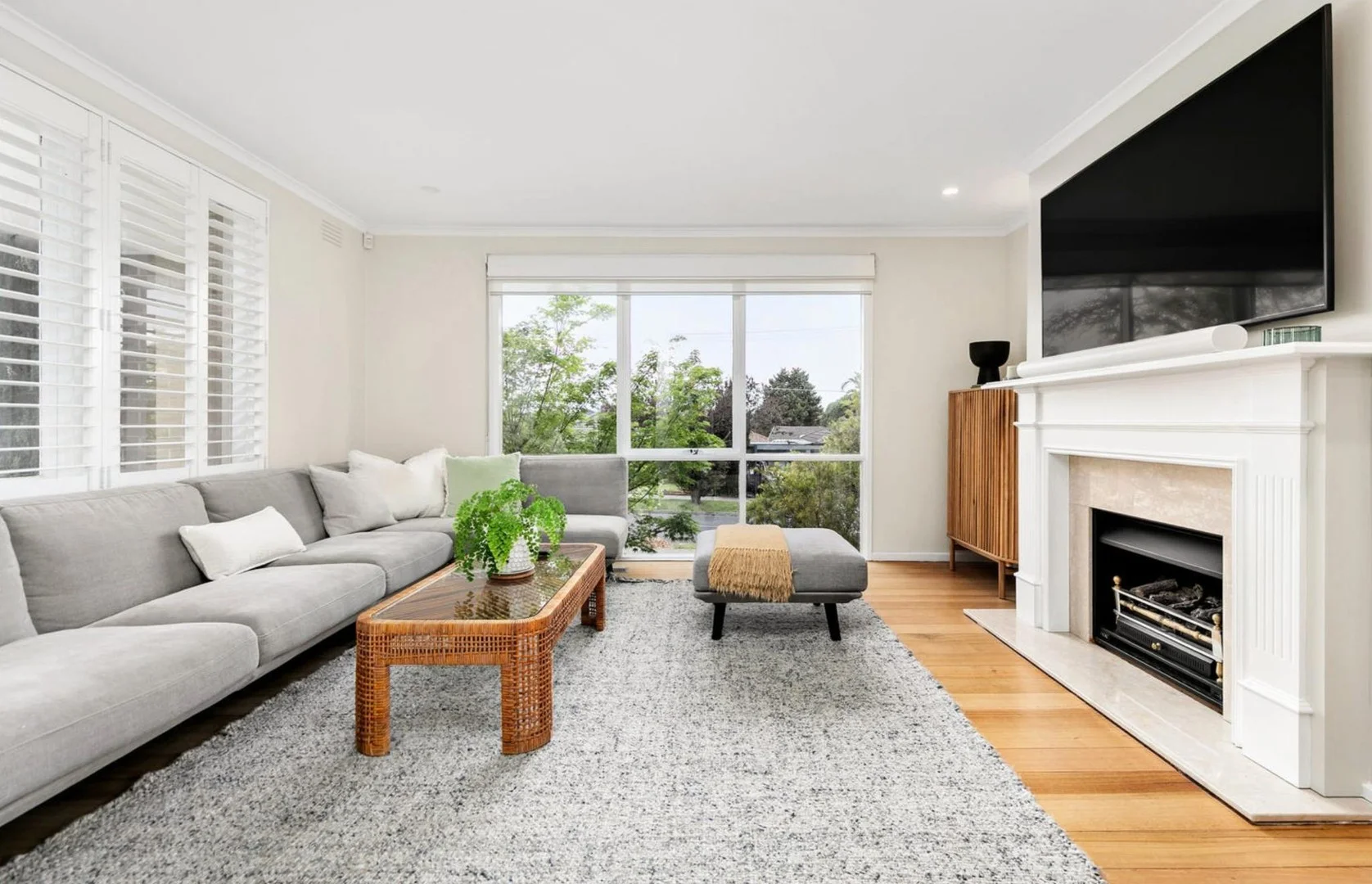 $750
House
$750
House
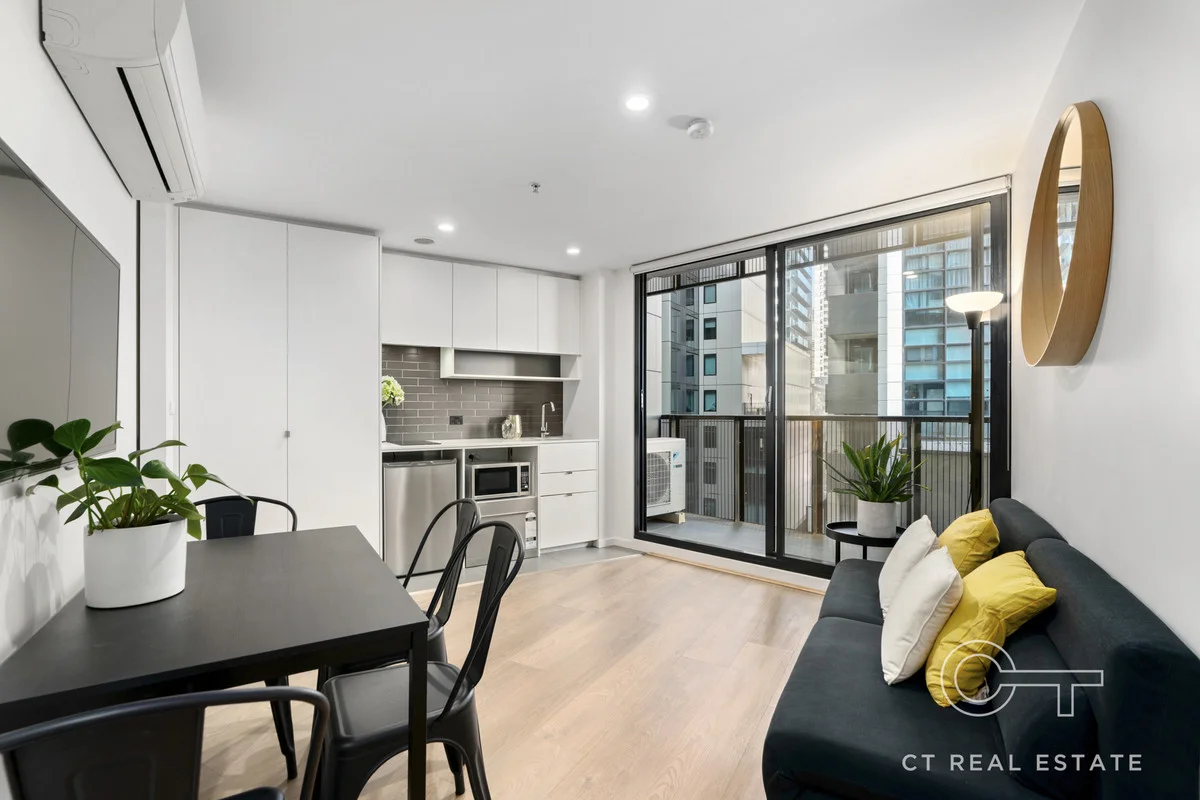 $360,000
Apartment / Unit / Flat
$360,000
Apartment / Unit / Flat
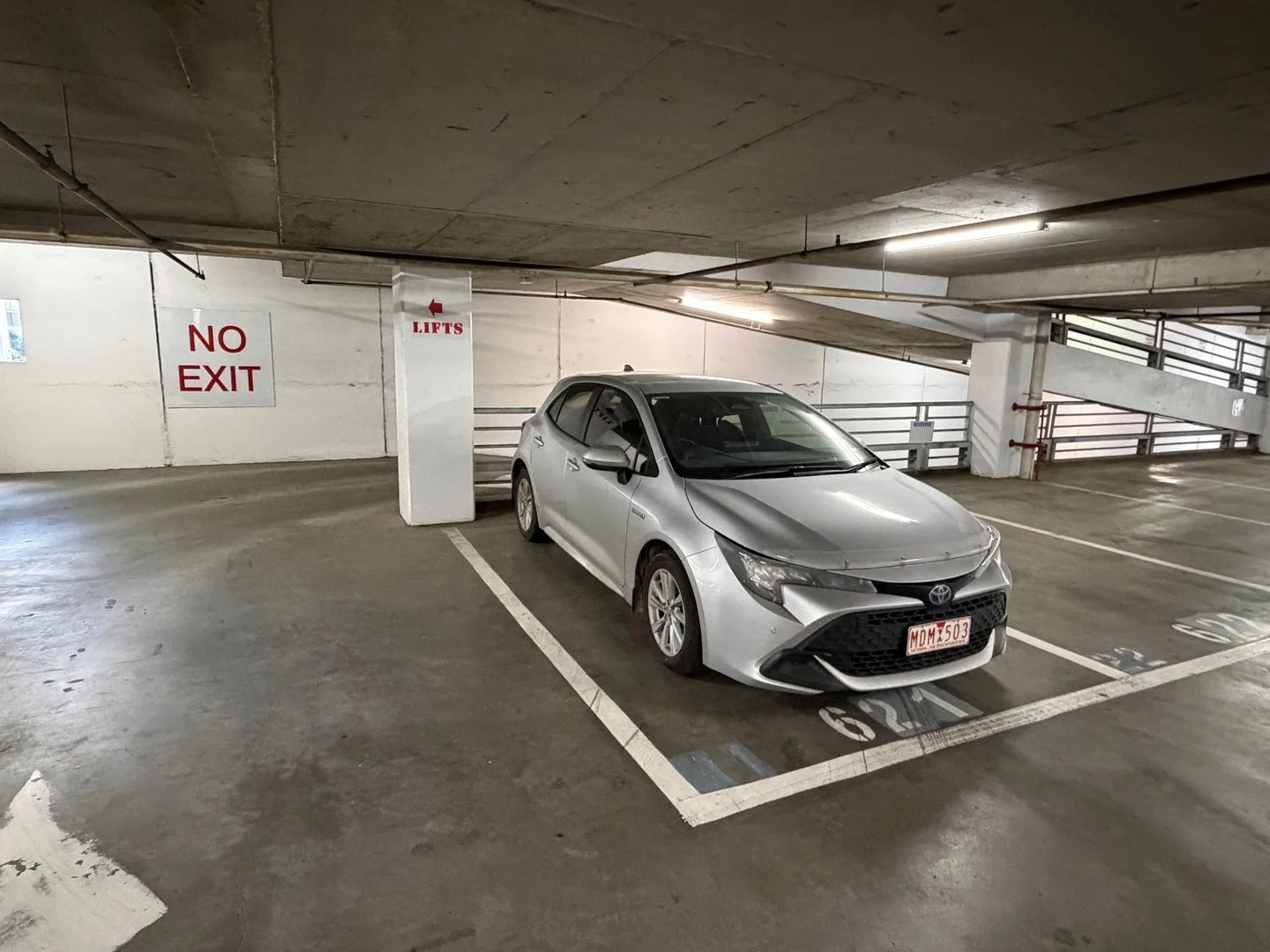 $27,500
propertyType.CAR SPACE
$27,500
propertyType.CAR SPACE
 $2,865,000
Apartment / Unit / Flat
$2,865,000
Apartment / Unit / Flat
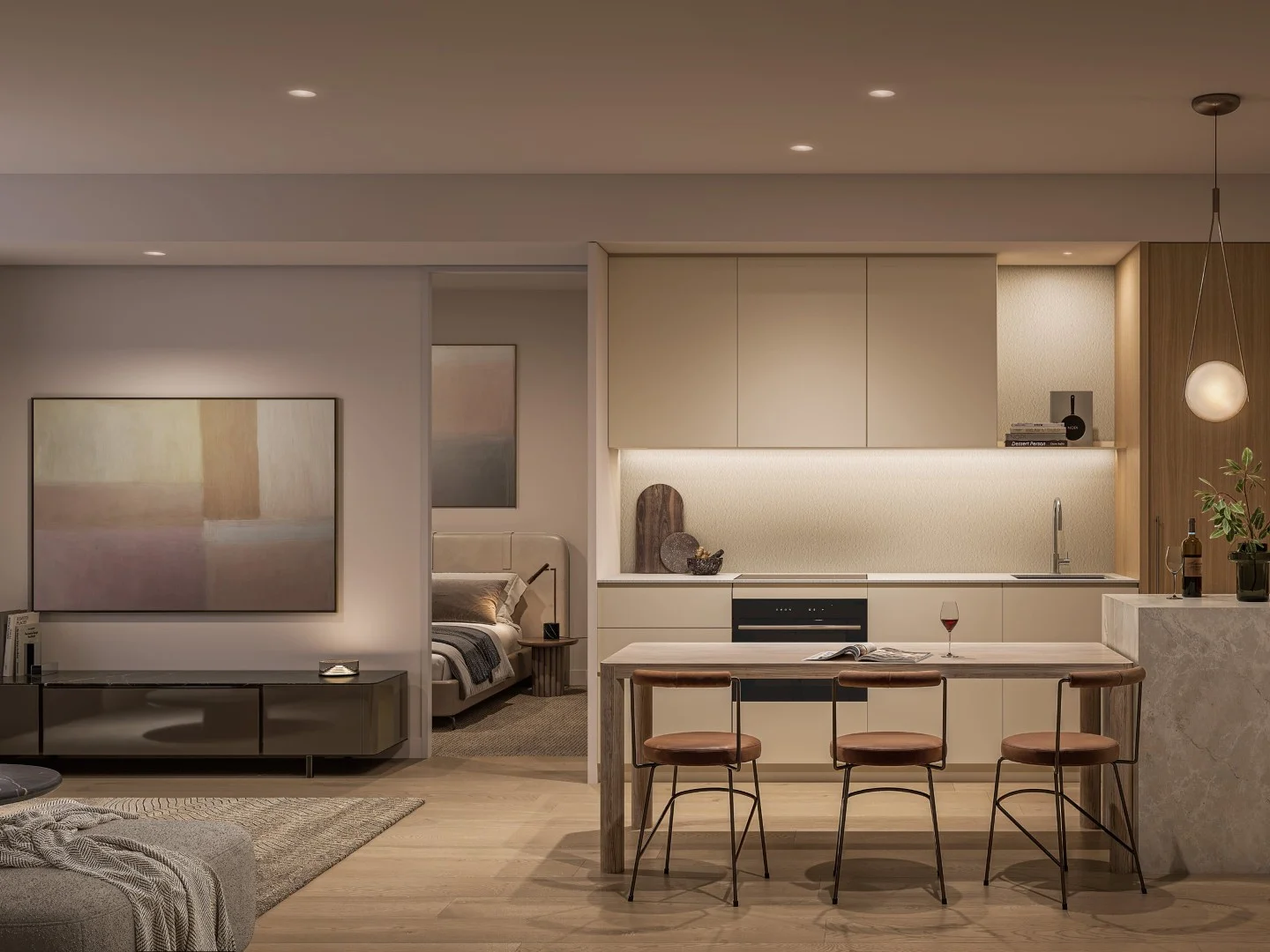 $666,000
Apartment / Unit / Flat
$666,000
Apartment / Unit / Flat
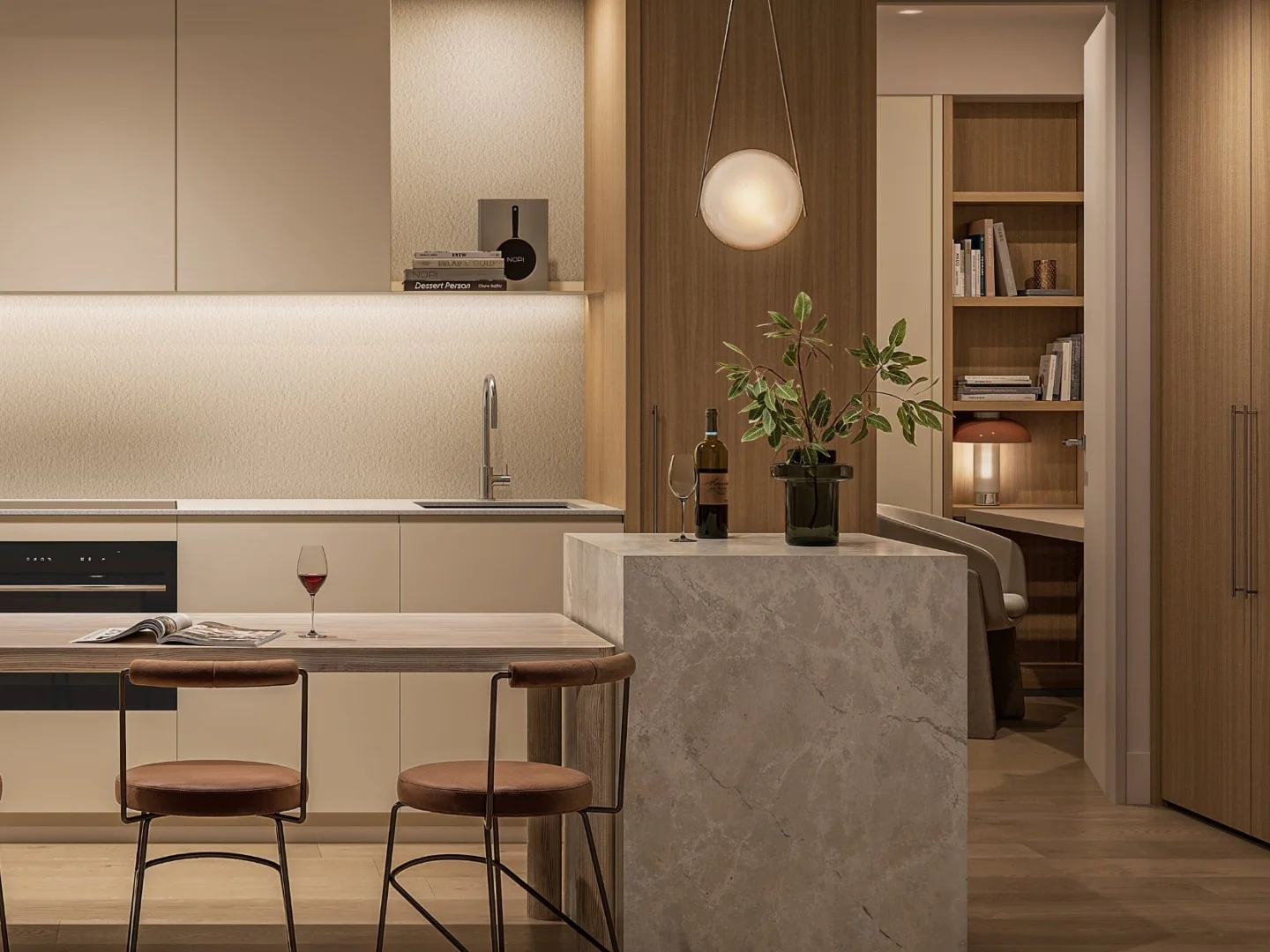 $712,500
Apartment / Unit / Flat
$712,500
Apartment / Unit / Flat
 $1,870,000
propertyType.NEW APARTMENTS / OFF THE PLAN
$1,870,000
propertyType.NEW APARTMENTS / OFF THE PLAN
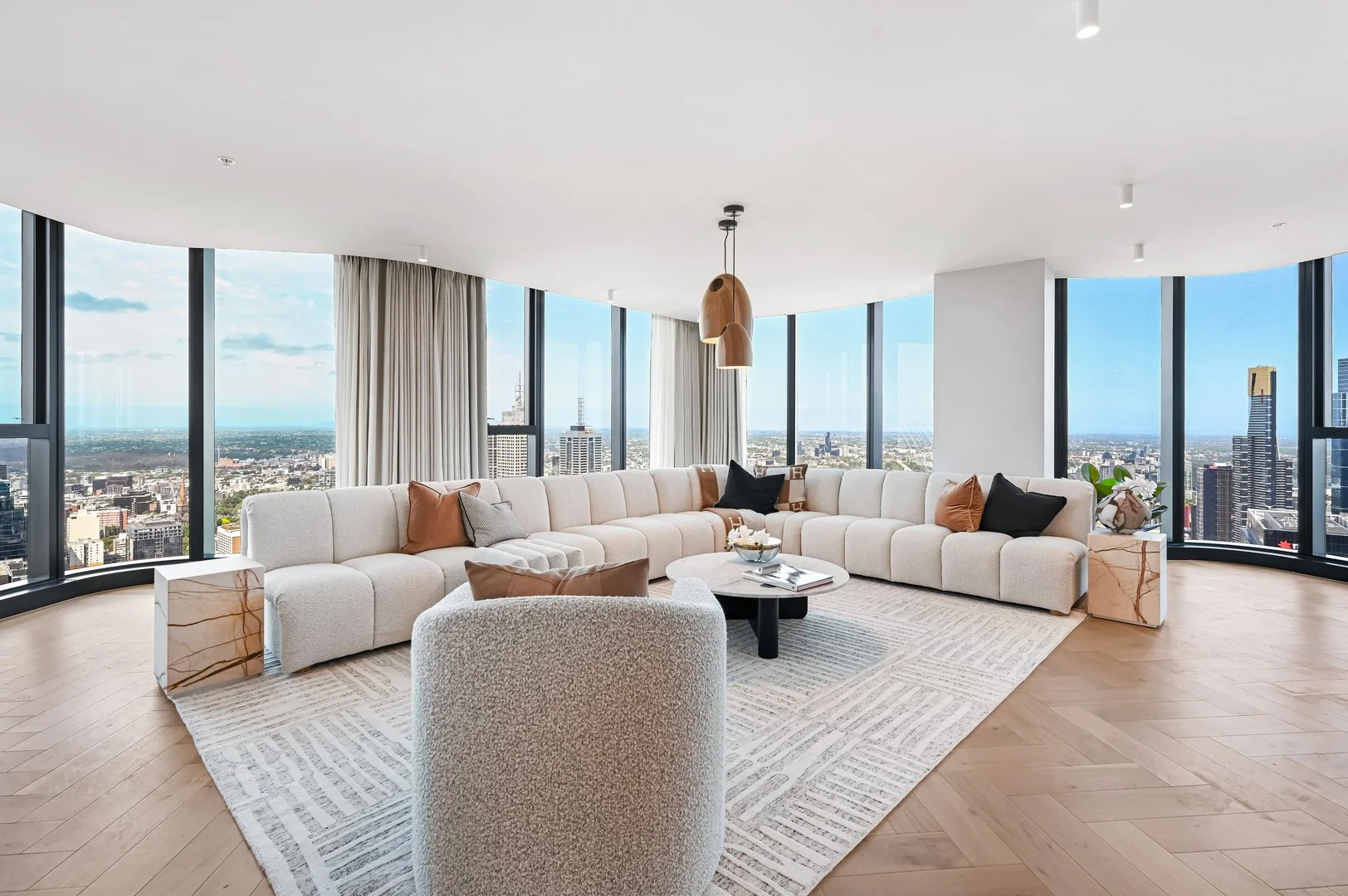 $5,512,000
propertyType.NEW APARTMENTS / OFF THE PLAN
$5,512,000
propertyType.NEW APARTMENTS / OFF THE PLAN
 $2,008,000
propertyType.NEW APARTMENTS / OFF THE PLAN
$2,008,000
propertyType.NEW APARTMENTS / OFF THE PLAN