1. Overview
St Bernard's College Essendon is a Catholic boys' secondary school serving the north-west Melbourne community. The school focuses on building strong academics within a supportive, faith-informed environment and emphasises character development, service, and leadership. It operates as a private Catholic school with a medium-to-large student body, delivering Year 7–12 education.
School type: Catholic
Size: Medium to large
Class size: Approximately 20–25 students per class
Atmosphere/culture: Nurturing, inclusive, academically focused with a strong sporting and pastoral culture
2. Academics & Learning
Academic strengths include English, Mathematics and Science, with robust programs across Humanities, Languages, and Religious Education. The college supports leadership development, service learning, and contemporary digital literacy as part of its core learning.
Special programs: VCE pathways (ATAR), leadership programs, gifted and talented initiatives, and strong pastoral care embedded in the curriculum.
NAPLAN / trends: The school aims for steady improvement and consistently solid performance over time, with trends showing growth relative to prior years and alignment with state expectations.
Student-teacher ratios: Typically around 1:15 to 1:20, providing opportunities for individual attention within a comprehensive curriculum.
Support for diverse learners: EAL support, learning support services, and tailored assistance for students with diverse learning needs to promote inclusion and success.
3. Sports & Extracurricular Strengths
Sports offered: Australian rules football, basketball, cricket, soccer, rugby, athletics, swimming, tennis, and other outdoor activities as part of the school program.
Strong teams or achievements: Competitive inter-school teams with participation in regional and district competitions; emphasis on teamwork and sportsmanship.
Music, arts, drama programs: Active music programs (choir, bands), drama productions, and opportunities to participate in performing arts.
Clubs: Robotics, chess, coding, debating, and other academic or interest-based clubs are available to broaden student experiences.
Partnerships: Local clubs, associations, and inter-school events provide additional pathways for competitions and development.
4. Wellbeing & Pastoral Care
Anti-bullying approach: Clear policies and proactive programs to create a safe environment, with ongoing education and reporting mechanisms.
House system: A house-based structure to support pastoral care, attendance, and school-wide activities.
Counsellors / wellbeing officers: Access to school counsellors and wellbeing staff to support student mental health, adjustment, and personal development.
Transition support: Orientation programs, buddy systems for new students, and smooth pathways between year levels to support wellbeing and belonging.
5. Facilities
Sports grounds: On-site facilities for training and games, with ready access to local sporting venues as needed.
Libraries: Well-equipped library with study spaces and digital resources.
Science labs: Modern science laboratories for hands-on experiments and STEM activities.
Music/performing arts centers: Dedicated spaces for music practice, rehearsals, and performance.
Tech/innovation labs: Computer labs and makerspaces to support coding, robotics, and design thinking.
Cafeteria: On-site canteen or cafeteria offering a range of meals and snacks.
Updated playgrounds: Outdoor spaces for recreation and leisure, along with secure outdoor play areas.
6. School Values & Community Culture
School values / mission: Catholic values emphasizing respect, integrity, service, and compassion; focus on forming students as responsible, engaged citizens.
Leadership style: Collaborative and student-centered, with opportunities for student voice in leadership councils and clubs.
Behaviour expectations: Clear codes of conduct with consistent expectations for behaviour, respect, and responsibility.
Community reputation: Strong ties with local parishes and the broader Essendon community, recognised for pastoral care and academic effort.
Diversity & inclusion: Welcomes students from diverse backgrounds; commitment to inclusive practice and equal opportunities.
7. School Logistics & Daily Operations
School hours: Typical start in the morning around 8:30–9:00am and finish around 3:30pm; exact times align with the school calendar.
Before/after school care: Wrap-around care or supervised activities may be offered to support families outside core hours.
Uniform requirements: School uniform required (formal daily wear; seasonal adjustments may apply). Clear guidance provided by the school on items and dress standards.
Transport: Access to public transport options (local buses and trains) and on-site or nearby drop-off/pick-up arrangements; parking and drop-off zones designed for safety and efficiency.
Canteen availability: On-site canteen or food service offering snacks and meals.
Fees: Fees fall within the private Catholic school range; including tuition and recurring charges for materials or activities. Specific costs are published by the school and updated annually.
8. Enrolment & Admissions
11. What is the enrolment process and timeline?
- Submit an application and supporting documents by the designated deadline.
- Complete any required assessments, interviews, or information sessions.
- Attend an enrolment interview where possible, and participate in any required religious or community acceptance steps.
- Receive a placement offer if a vacancy exists; complete enrolment paperwork to secure a place. The timeline varies by year and demand, so check the school’s current guidelines.
12. Is there a waiting list, and how does it work?
- Waiting lists may apply when vacancies are limited. Placement on the list typically depends on factors such as sibling attendance, parish preferences, and date of application. The school will provide guidance on how the waitlist is managed and the expected wait times.
13. Are there any entry requirements, tests, or interviews?
- Entry often includes an interview and review of academic records; some Catholic schools also consider parish affiliation or family involvement with the parish. Specific testing is not always required, but the school will outline any assessments or documents needed in the current enrolment materials.
14. Does the school accept mid-year transfers?
- Mid-year transfers may be possible if spaces are available. Applications for transfers are reviewed on a case-by-case basis, with consideration given to readiness, alignment with the curriculum, and capacity.
9. Frequently Asked Questions
- Why do parents choose this school?
A Catholic values-based environment with strong pastoral care, solid academic pathways, and a broad range of extracurricular opportunities that foster leadership, service, and character development.
- What type of student thrives at this school?
Students who are academically motivated, participate in pastoral programs, and engage in sports, arts, and clubs often find a good fit in this school culture.
- What opportunities are available to extend skills (academics, sports, arts)?
A broad curriculum includes VCE/ATAR pathways, leadership programs, STEM and humanities electives, sports teams, music and drama productions, and clubs like robotics, coding, and debating.
- How does the school communicate with parents?
Regular channels include newsletters, a parent portal, notices via email, and scheduled parent-teacher events. The school prioritizes timely, transparent communication.
- What is the school’s approach to teaching and learning?
A student-centered approach with a mix of teacher-led instruction, collaborative learning, and individual support. Emphasis on core literacy and numeracy, digital proficiency, and critical thinking.
- How does the school support students who need extra academic help?
Targeted learning support, EAL assistance, and access to tutoring or remediation programs as needed, with ongoing progress monitoring.
- What support is available for academic challenges?
Individual or small-group interventions, access to learning support staff, and adjustments based on student needs to help them succeed.
- How does the school communicate with parents? (Duplicate)
See above. The school uses multiple channels to ensure parents are informed and engaged.
- What are the class sizes and how much individual attention do students receive?
Class sizes are typically around 20–25 students, with opportunities for one-on-one or small-group support through learning assistance and teacher availability.
- What extracurricular and sports opportunities are available?
A wide range of sports and clubs exists, including football, basketball, cricket, soccer, athletics, music programs, drama, robotics, chess, coding, and debating.
- What facilities does the school offer (sports, science, arts)?
Comprehensive facilities include sports grounds, libraries, science labs, music/performing arts spaces, tech/innovation labs, a cafeteria, and outdoor recreation areas.
- What is the school’s approach to technology and digital learning?
Integration of digital tools and resources across the curriculum to develop coding, information literacy, and digital citizenship.
- What transport and accessibility options are available?
Access to public transport and clear routes for drop-off/pick-up, with information on nearby stations and bus routes provided by the school.
- What are the typical school fees or additional costs?
Fees reflect typical private Catholic school levels and include tuition plus student resource/activity charges. Exact figures are published by the school each year.
10. Short Pros & Cons list
Pros
- Catholic values-based education with strong pastoral care
- Broad academic and VCE/ATAR pathways
- Wide range of sports, arts, and clubs
- Supportive environment with emphasis on leadership and service
- Good facilities for science, technology, and performing arts
Cons
- Tuition-based model; ongoing costs may be higher than public options
- Large school environment may feel less personalized for some students
- Religious affiliation may not suit every family or belief system
If you’d like, I can tailor these sections more tightly to the latest SBC materials or help format them for your site.

 Free
Free












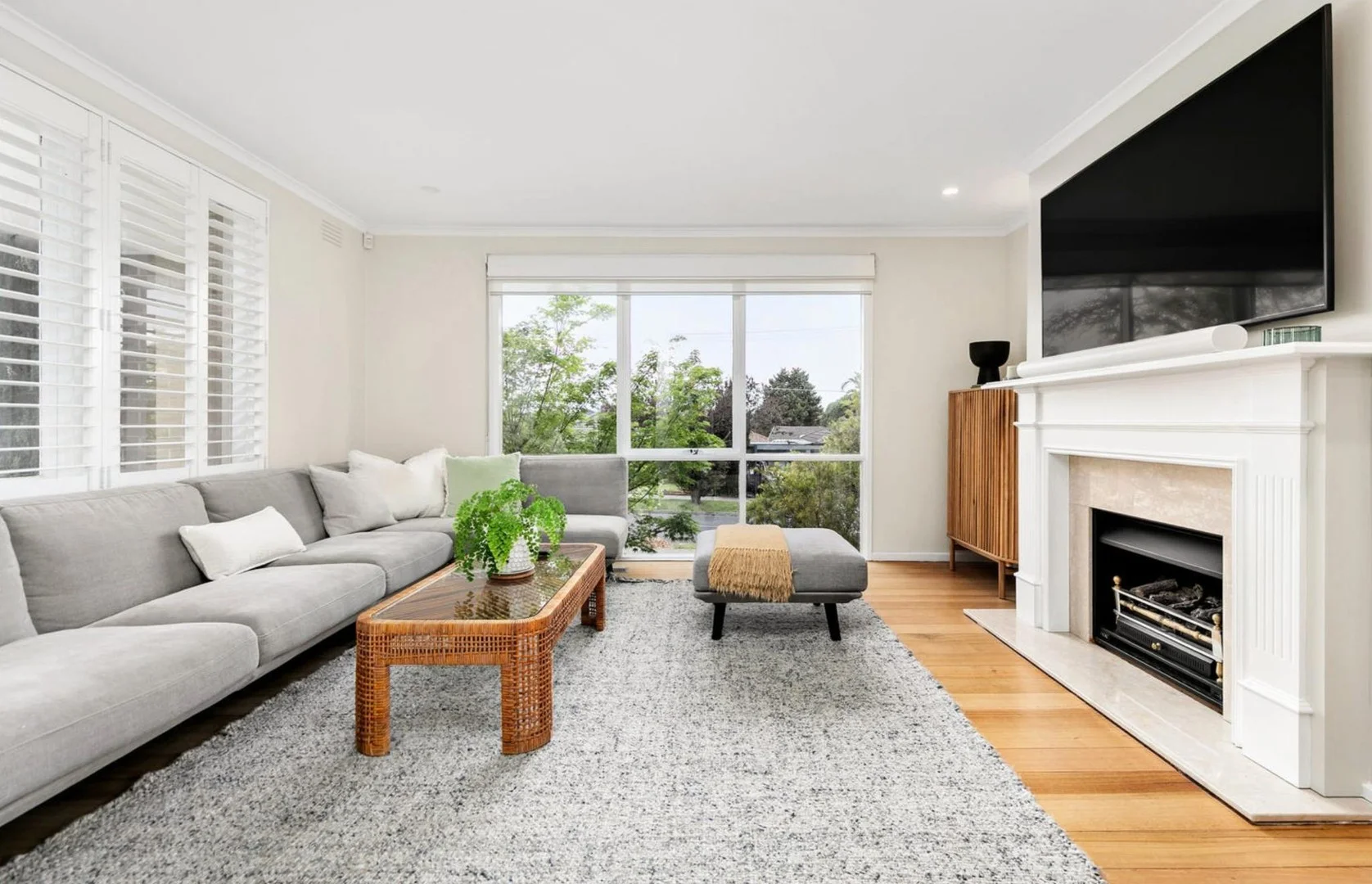 $750
House
$750
House
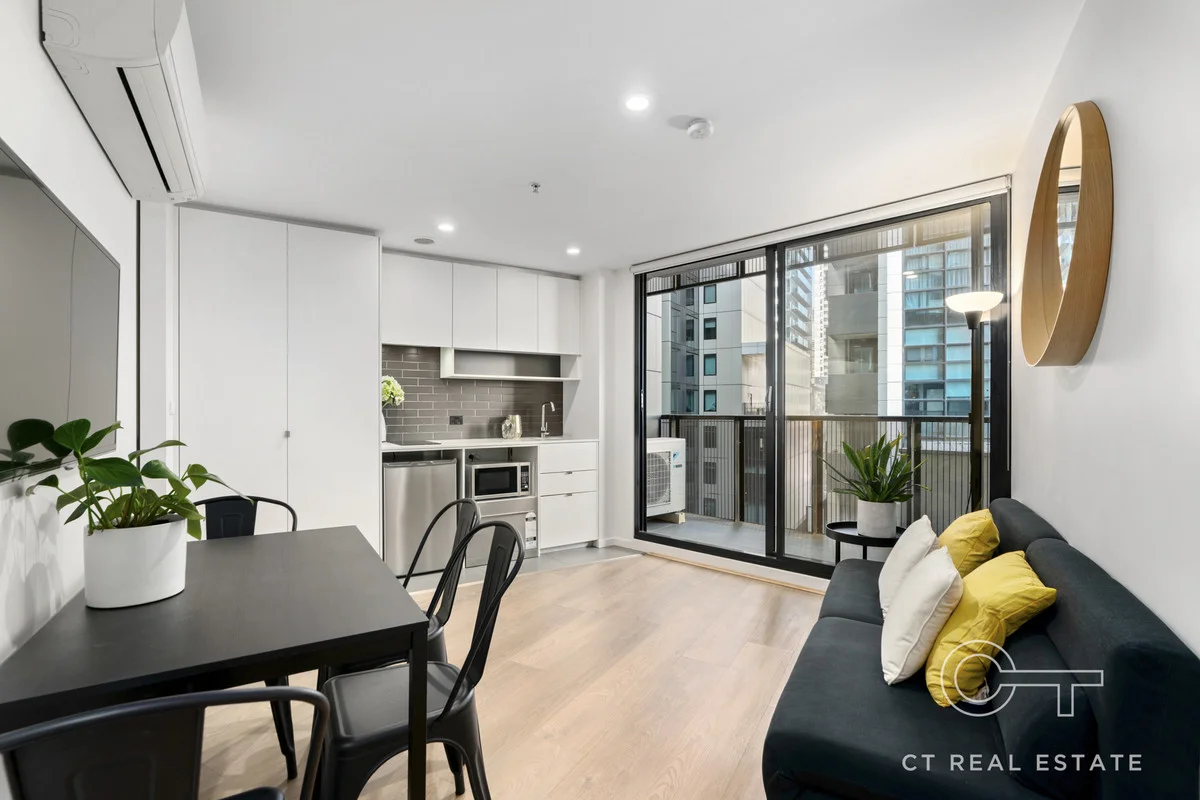 $360,000
Apartment / Unit / Flat
$360,000
Apartment / Unit / Flat
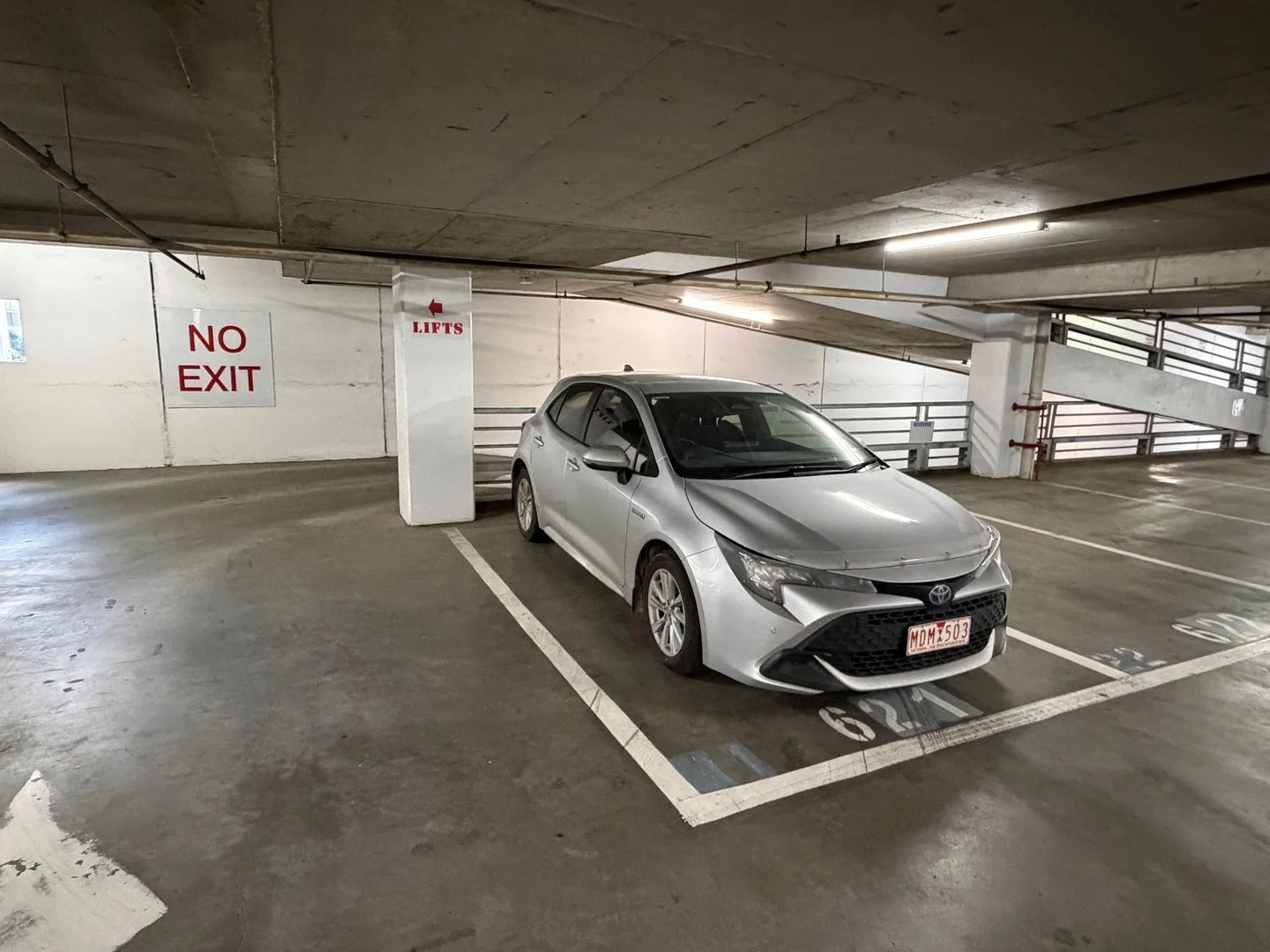 $27,500
propertyType.CAR SPACE
$27,500
propertyType.CAR SPACE
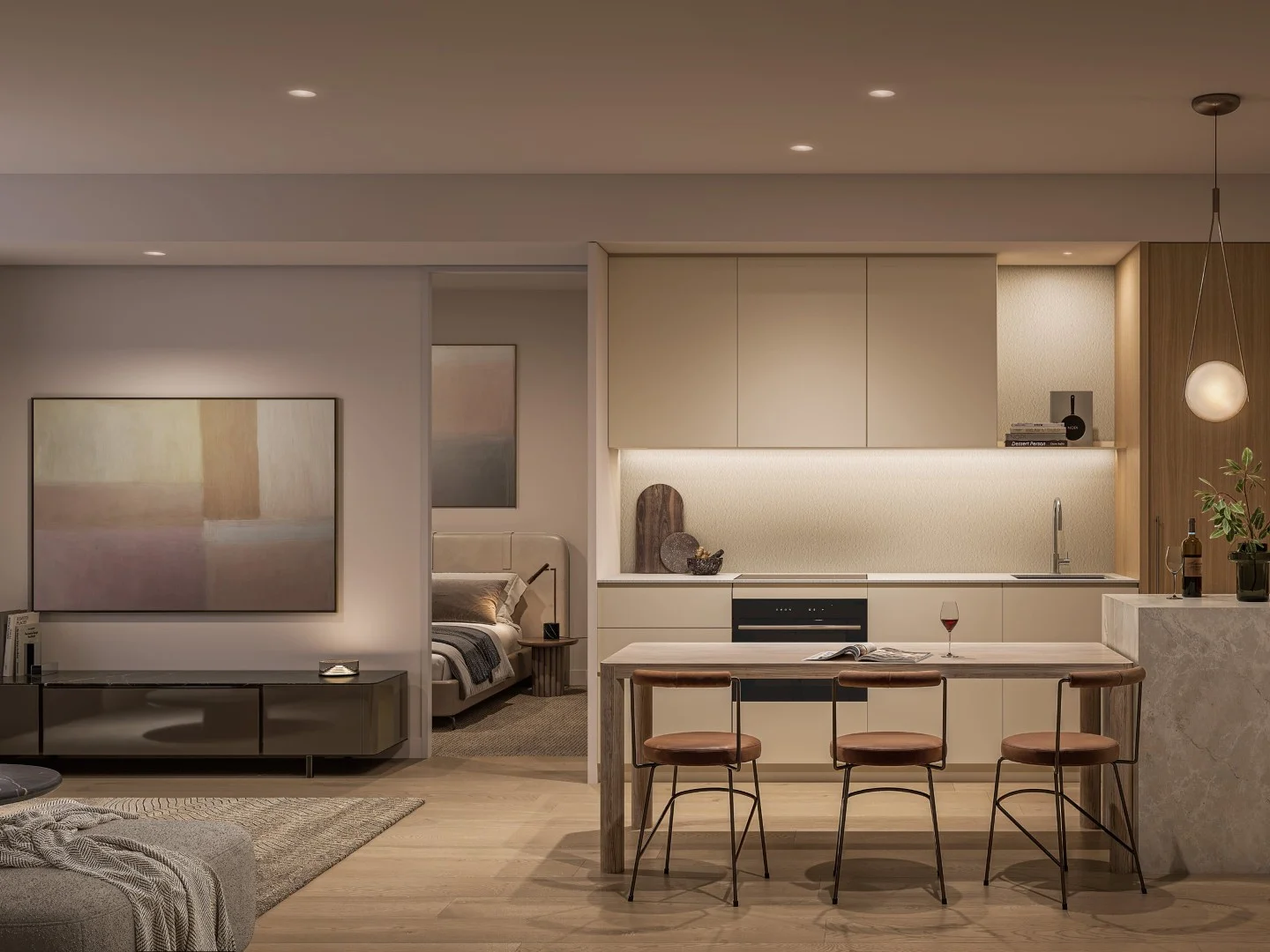 $666,000
Apartment / Unit / Flat
$666,000
Apartment / Unit / Flat
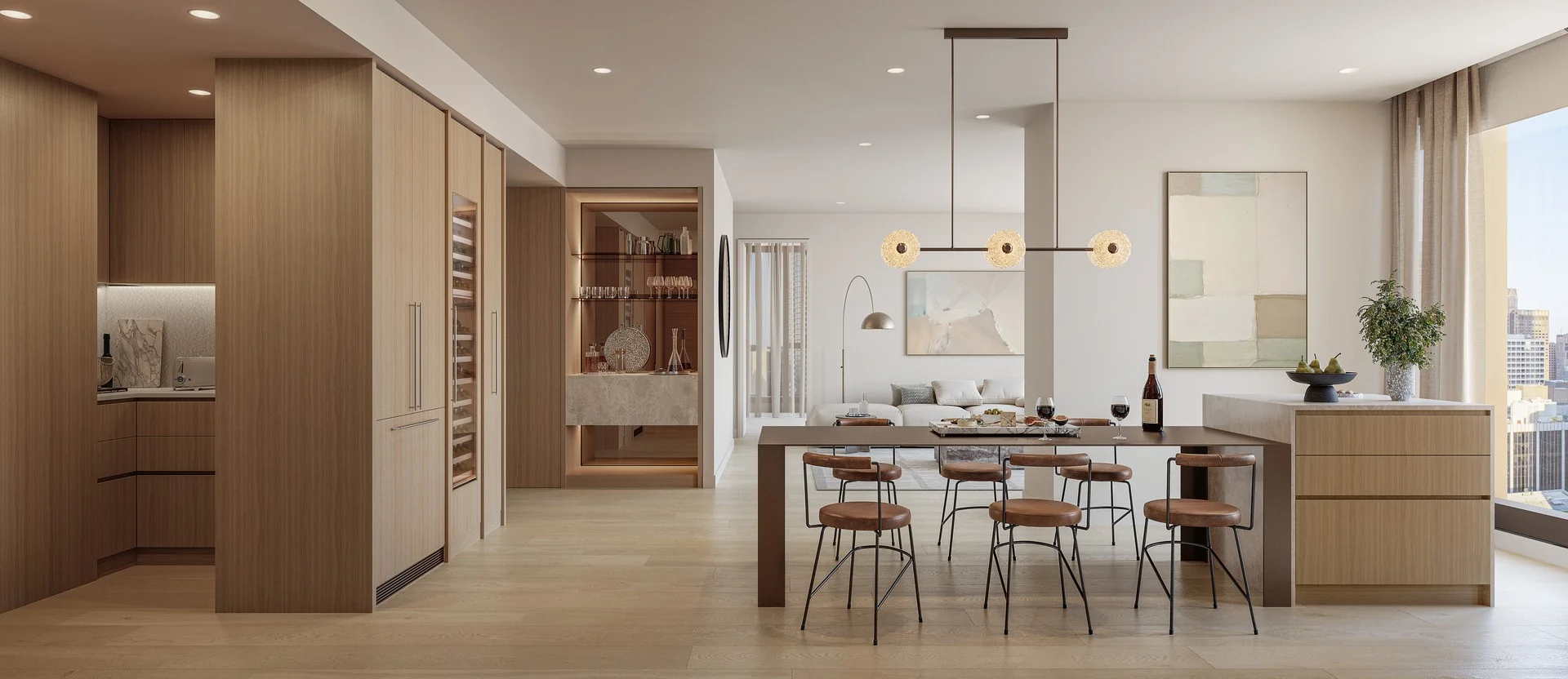 $2,865,000
Apartment / Unit / Flat
$2,865,000
Apartment / Unit / Flat
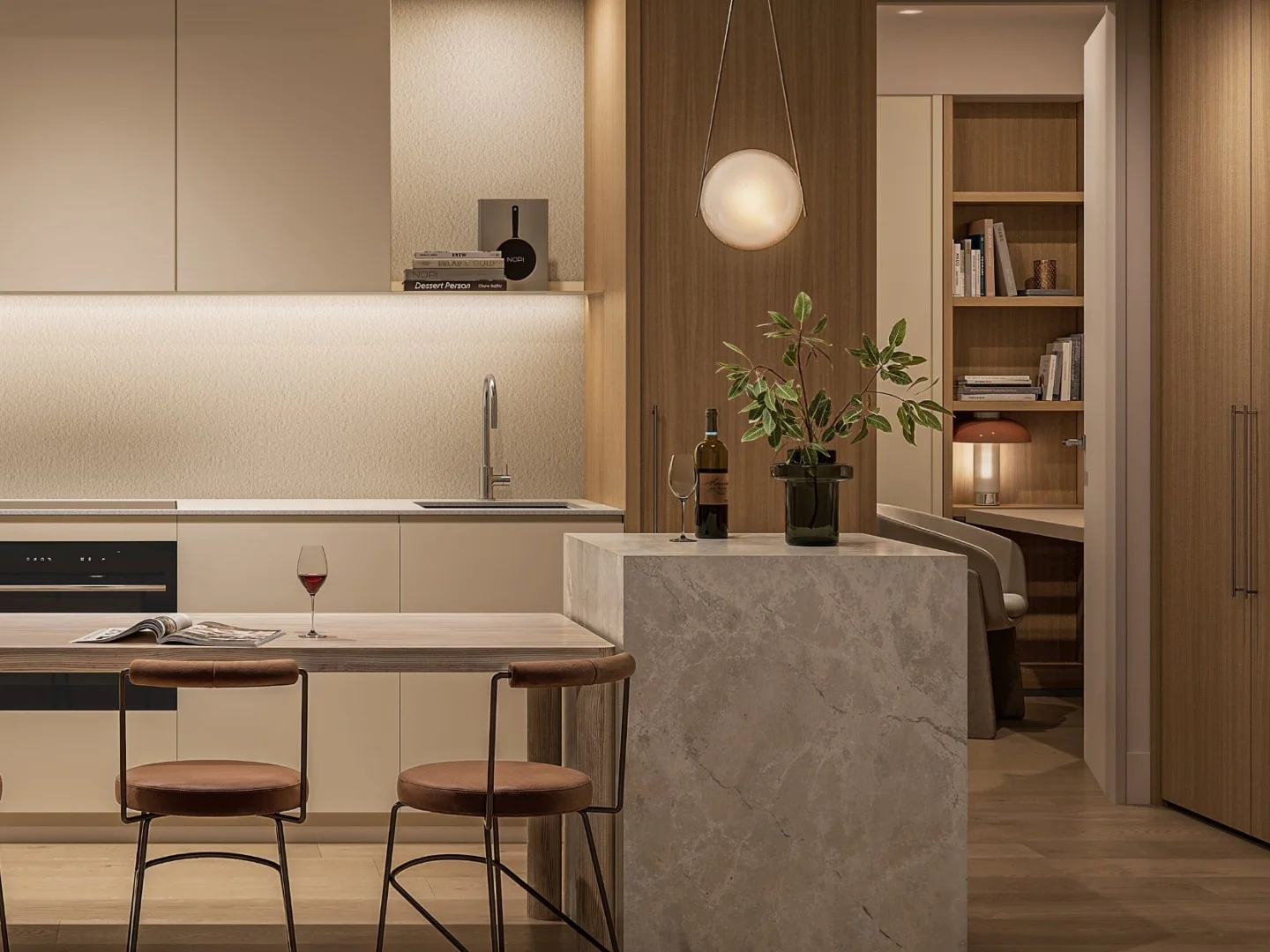 $712,500
Apartment / Unit / Flat
$712,500
Apartment / Unit / Flat
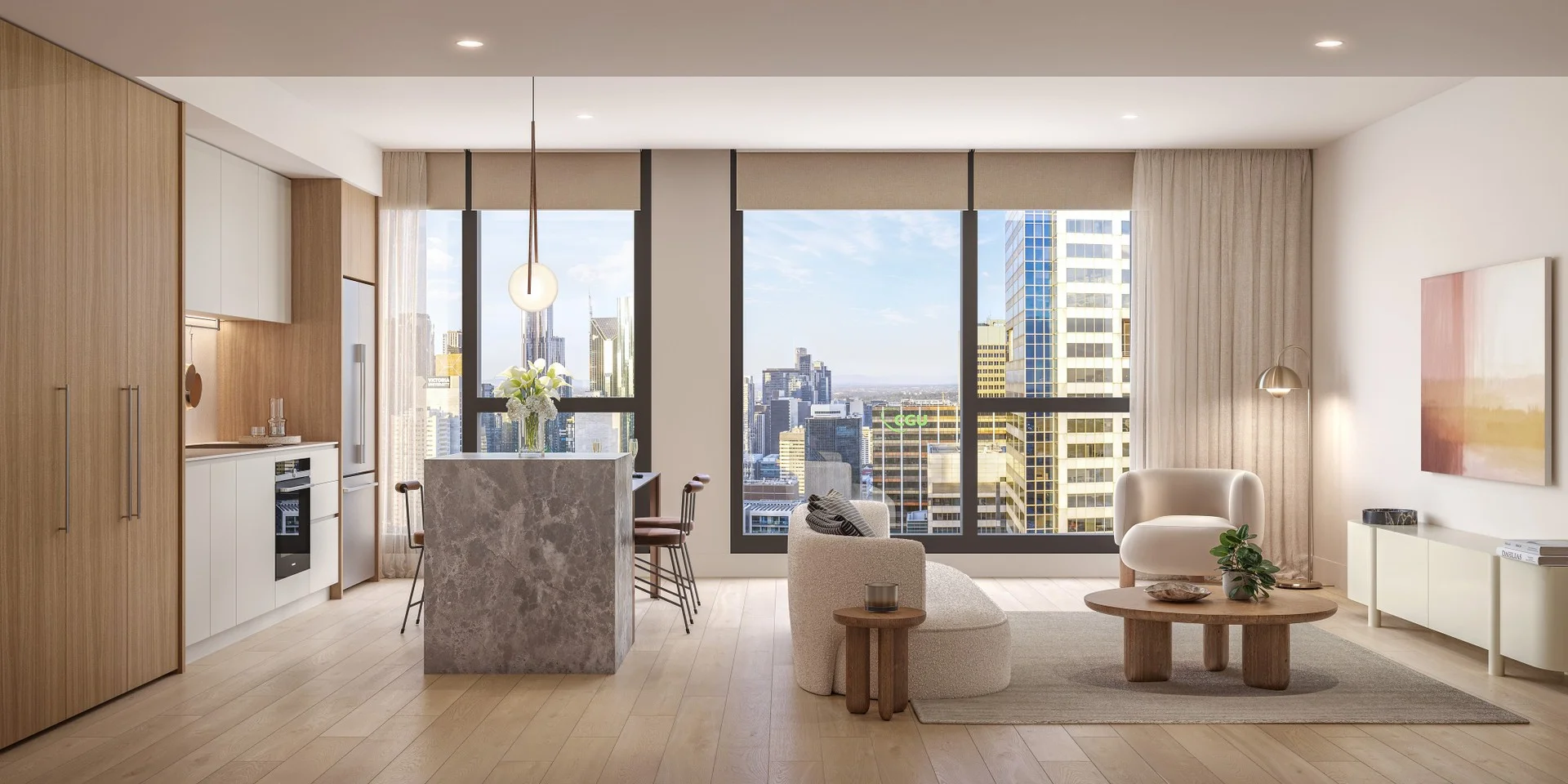 $1,870,000
propertyType.NEW APARTMENTS / OFF THE PLAN
$1,870,000
propertyType.NEW APARTMENTS / OFF THE PLAN
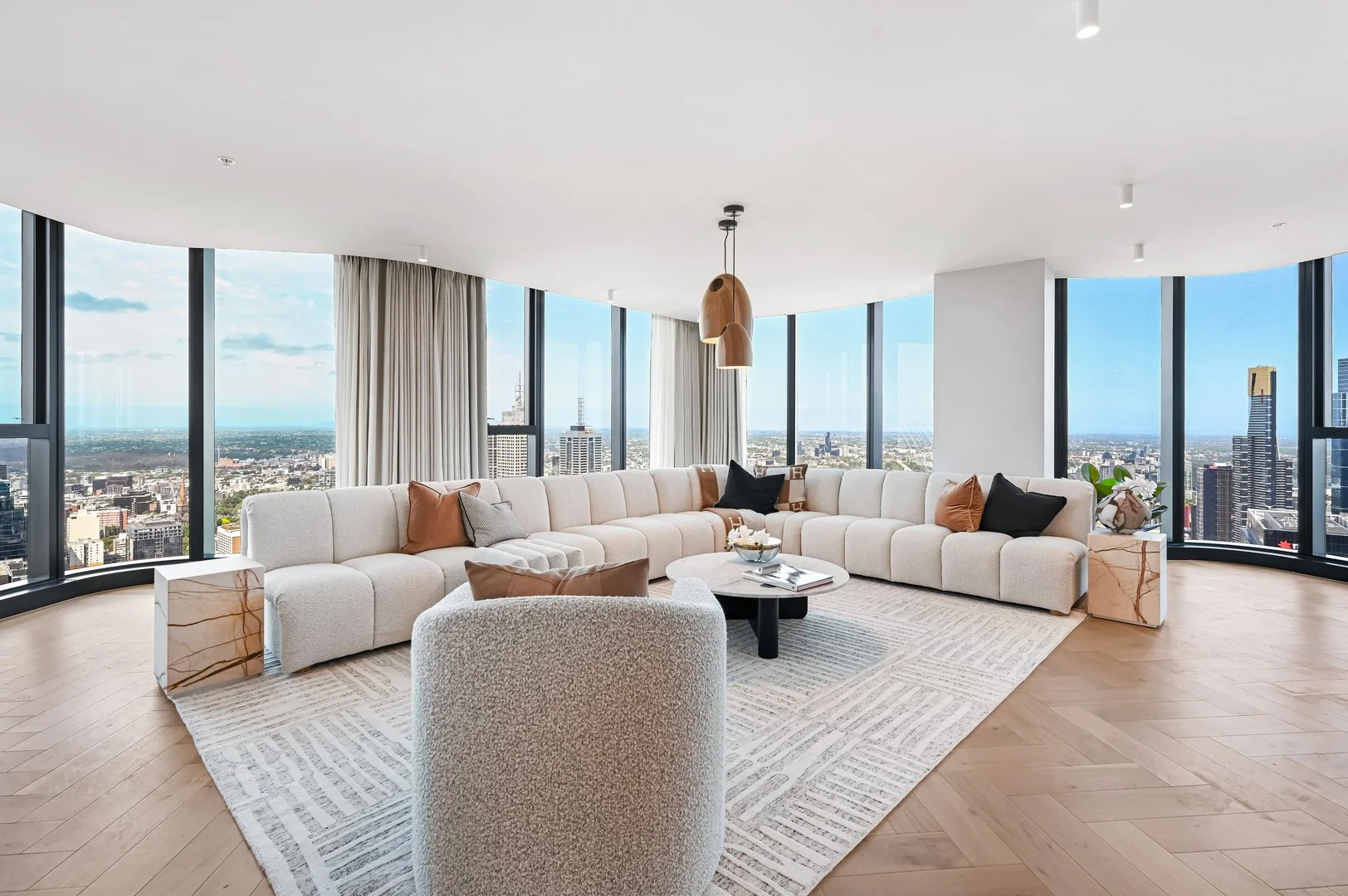 $5,512,000
propertyType.NEW APARTMENTS / OFF THE PLAN
$5,512,000
propertyType.NEW APARTMENTS / OFF THE PLAN
 $2,008,000
propertyType.NEW APARTMENTS / OFF THE PLAN
$2,008,000
propertyType.NEW APARTMENTS / OFF THE PLAN


