1. Overview
Newington Public School is a public primary school serving the Newington community with a focus on providing a quality, inclusive education for all students. The school emphasizes a supportive, community-driven atmosphere where students are encouraged to develop academically, socially and personally.
The school is medium-sized with class sizes typically around 20–28 students. The learning environment aims to be nurturing and inclusive, balancing academic expectations with opportunities for creativity, sport and wellbeing so students feel valued and engaged.
⸻
2. Academics & Learning
- Academic strengths: strong focus on English and mathematics, with emphasis on literacy and numeracy foundations. There are opportunities to explore STEM activities, creativity through the arts, and leadership development as part of school programs.
- Special programs: Gifted and Talented education and accelerated learning options are available where appropriate, plus access to enrichment activities and digital learning experiences.
- NAPLAN trends: overall trends show steady performance with continuous targeted literacy and numeracy improvement efforts; results align with or exceed local NSW averages in several year bands.
- Student-teacher ratios: typical class sizes and ratios approximate 1:20–1:25 in core classes, with specialist teachers supporting areas such as music, science, and languages.
- Support for diverse learners: robust support for EAL/D students and learners with additional needs (SEN), including targeted interventions and access to learning support staff.
⸻
3. Sports & Extracurricular Strengths
- Sports offered: a range including soccer, netball, basketball, cricket, athletics and swimming (seasonal) to suit varying interests and skill levels.
- Strong teams or achievements: regular participation in inter-school and district-level events; emphasis on teamwork, fair play and school-wide participation.
- Music, arts, drama programs: active music and performing arts opportunities, with school assemblies, concerts and occasional drama productions that showcase student talent.
- Clubs: robotics, chess, coding, debating and other enrichment clubs support practical skills and critical thinking.
- Partnerships: connections with local clubs and community organizations; participation in regional competitions and events to broaden student experiences.
⸻
4. Wellbeing & Pastoral Care
- Anti-bullying approach: proactive social-emotional learning, clear conduct expectations and confidential reporting channels; emphasis on respectful relationships and student safety.
- House system: house-based activities and events to foster leadership, teamwork and belonging across year levels.
- Counsellors / wellbeing officers: access to school counsellors and wellbeing staff to support student welfare and mental health.
- Transition support for new students: structured orientation, buddy systems and transition planning to help new students settle in smoothly.
⸻
5. Facilities
- Sports grounds: on-site sports fields and courts to support physical education and team sports.
- Libraries: well-stocked library supporting literacy programs and independent reading.
- Science labs: dedicated science facilities for hands-on experiments and inquiry.
- Music/performing arts centers: spaces for music education, performances and rehearsals.
- Tech/innovation labs: spaces for technology, coding and digital learning activities.
- Cafeteria: on-site canteen options providing healthy meal and snack choices.
- Updated playgrounds: modern play spaces that support active play and gross motor development.
⸻
6. School Values & Community Culture
- School values / mission: clear emphasis on respect, responsibility, resilience and inclusivity; mission to develop capable, independent learners who contribute positively to their community.
- Leadership style: student voice is encouraged; leadership opportunities and collaborative decision-making are integrated into school life.
- Behaviour expectations: a positive behaviour framework with consistent routines, praise for effort and restorative approaches to conflict.
- Community reputation: known for a welcoming, supportive atmosphere and strong home–school partnership.
- Diversity & inclusion: commitment to inclusive education, celebrating diversity and ensuring access to learning for all students.
⸻
7. School Logistics & Daily Operations
- School hours: typical daily hours run from around 9:00 am to 3:00 pm, with variations by term; routines support smooth transitions between classes and breaks.
- Before/after school care: available through school-approved programs or local providers; information provided by the school.
- Uniform requirements: official school uniform is expected; details on items and purchasing are provided by the school.
- Transport (train/bus routes): access to local bus services and nearby public transport options; families should consult Transport for NSW or the school for route specifics.
- Canteen availability: canteen services operating on selected days or times; healthy options available.
- Fees (low/medium/high ranges): as a government public school, there is no tuition fee; there may be voluntary contributions and costs for some activities or activities beyond standard curriculum.
⸻
8. Enrolment & Admissions
11. What is the enrolment process and timeline?
- Enrolments are typically managed through the NSW Department of Education processes and the school’s enrolment offices. Families should apply within the local catchment and submit required documentation (proof of address, immunisation records, and birth certificate). Offers and placement decisions are communicated within the department’s timelines, with alignment to catchment availability and enrollment priorities.
12. Is there a waiting list, and how does it work?
- Some time periods may involve waiting lists if the school reaches capacity or if demand exceeds available places. The school can advise on current wait-list processes, with places allocated according to department policy, catchment rules, and any special considerations (e.g., siblings, special programs).
13. Are there any entry requirements, tests, or interviews?
- In NSW public primary schools, entry tests are not typically required for general enrolment. Some programs or supports may involve information gathering (e.g., language needs or learning support) or brief discussions to plan transitions, but formal entrance exams are uncommon for primary-aged students.
14. Does the school accept mid-year transfers?
- Mid-year transfers are possible where there is capacity and appropriate documentation. The enrolment team will coordinate with enrolling families to confirm placement and ensure a smooth transition for the student.
⸻
9. Frequently Asked Questions
- Why Parents Choose This School?
- A public, community-focused school with a welcoming environment, strong literacy and numeracy foundations, inclusive practices, and opportunities across academics, sport and the arts.
- What type of student thrives at this school?
- Students who value a supportive community, a balanced approach to learning, and opportunities to participate in a range of activities (academics, sport, arts) while receiving strong pastoral care.
- What opportunities are available for students to extend their skills (academics, sports, arts)?
- Enrichment through G&T programs, targeted literacy/numeracy supports, STEM activities, music and performing arts, sports teams, and clubs such as robotics, coding, chess and debating.
- How does the school communicate with parents?
- Regular updates through newsletters, emails, parent portals and scheduled meetings; open channels for feedback and timely responses from staff.
- What is the school’s approach to teaching and learning?
- A student-centered approach focused on foundational literacy and numeracy, enquiry-based learning, and opportunities for collaboration and hands-on activities; inclusion and differentiated support are key.
- How does the school support students who need extra academic help?
- Targeted interventions, small-group support, access to learning support staff, and EAL/D or SEN programs as needed.
- What support is available for academic challenges?
- Early identification, tailored learning plans, and collaboration with teachers, specialists and families to develop appropriate goals and strategies.
- How does the school communicate with parents?
- (Repeated) See above: newsletters, portals, meetings, and direct contact with teachers or admin for ongoing dialogue.
- What are the class sizes and how much individual attention do students receive?
- Class sizes typically range around 20–28 students; teachers provide curriculum guidance and targeted support to meet diverse learning needs.
- What extracurricular and sports opportunities are available?
- A broad range of sports (soccer, netball, basketball, cricket, athletics, swimming), plus clubs in robotics, chess, coding and debating; music and arts programs complement the activity mix.
- What facilities does the school offer (sports, science, arts)?
- Sports grounds, libraries, science labs, music/performing arts spaces, tech/innovation labs, a canteen and updated playgrounds.
- What is the school’s approach to technology and digital learning?
- Integration of digital literacy across the curriculum with access to technology labs and opportunities to develop coding and digital skills as part of learning activities.
- What transport and accessibility options are available?
- Local bus routes and proximity to public transport; school guidance on accessible options and travel planning.
- What are the typical school fees or additional costs?
- As a government public school, no tuition; there may be voluntary contributions and costs for certain activities or materials beyond the standard curriculum.
⸻
10. Short Pros & Cons list
Pros
- Public, community-focused school with inclusive culture
- Strong literacy and numeracy foundation with broader enrichment
- Wide range of sports, arts and clubs; opportunities for leadership
- Support for diverse learners (EAL/D and SEN) and wellbeing services
- Positive house system and emphasis on values and character
Cons
- Class sizes can vary; some periods may have larger groups
- Uniform and elective costs outside standard curriculum
- Transport options depend on local routes and availability
- Mid-year transfers depend on space and enrolment policies
⸻










 $36,000,000 - $39,500,000
Vacant Land
$36,000,000 - $39,500,000
Vacant Land
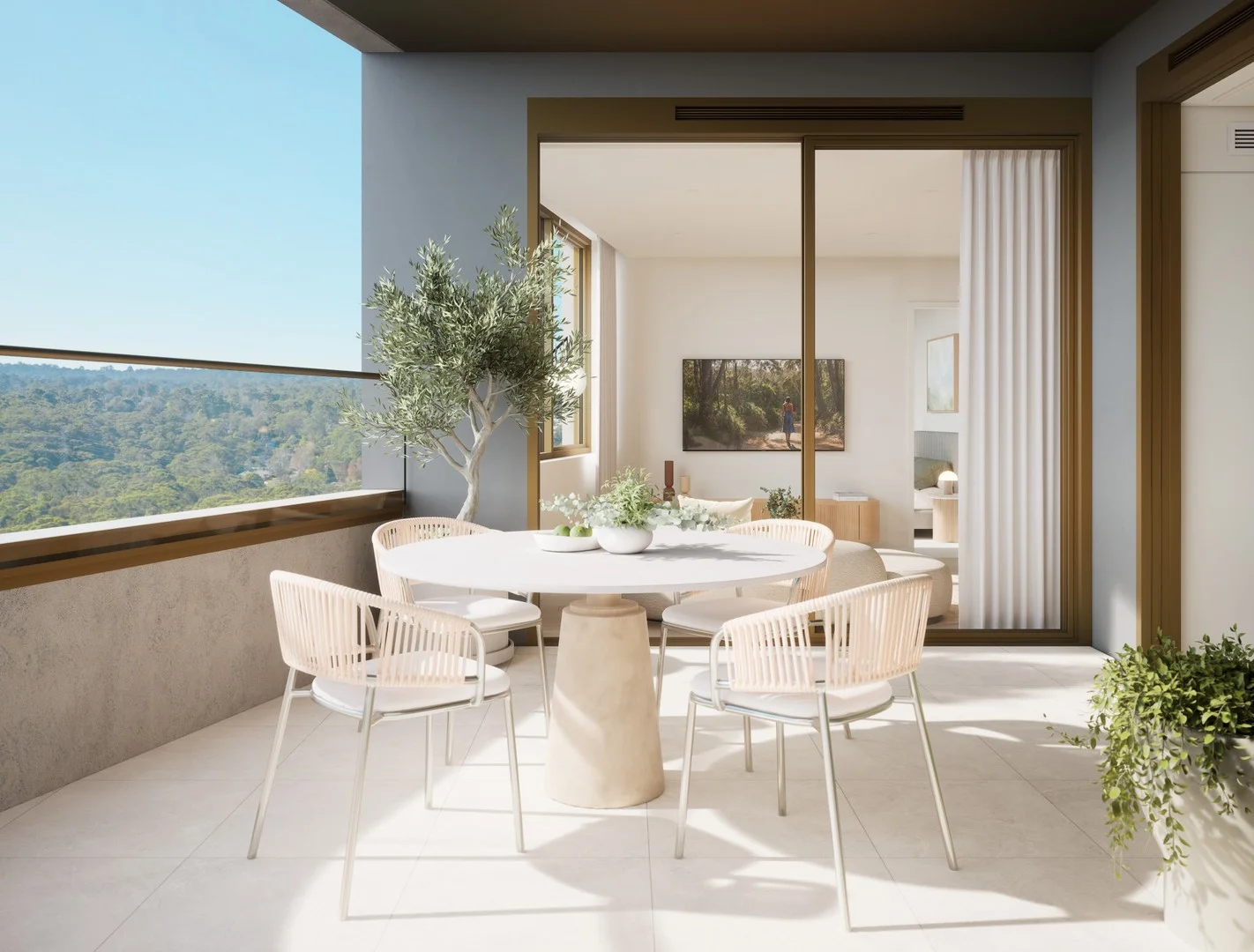 $1,525,000
Apartment / Unit / Flat
$1,525,000
Apartment / Unit / Flat
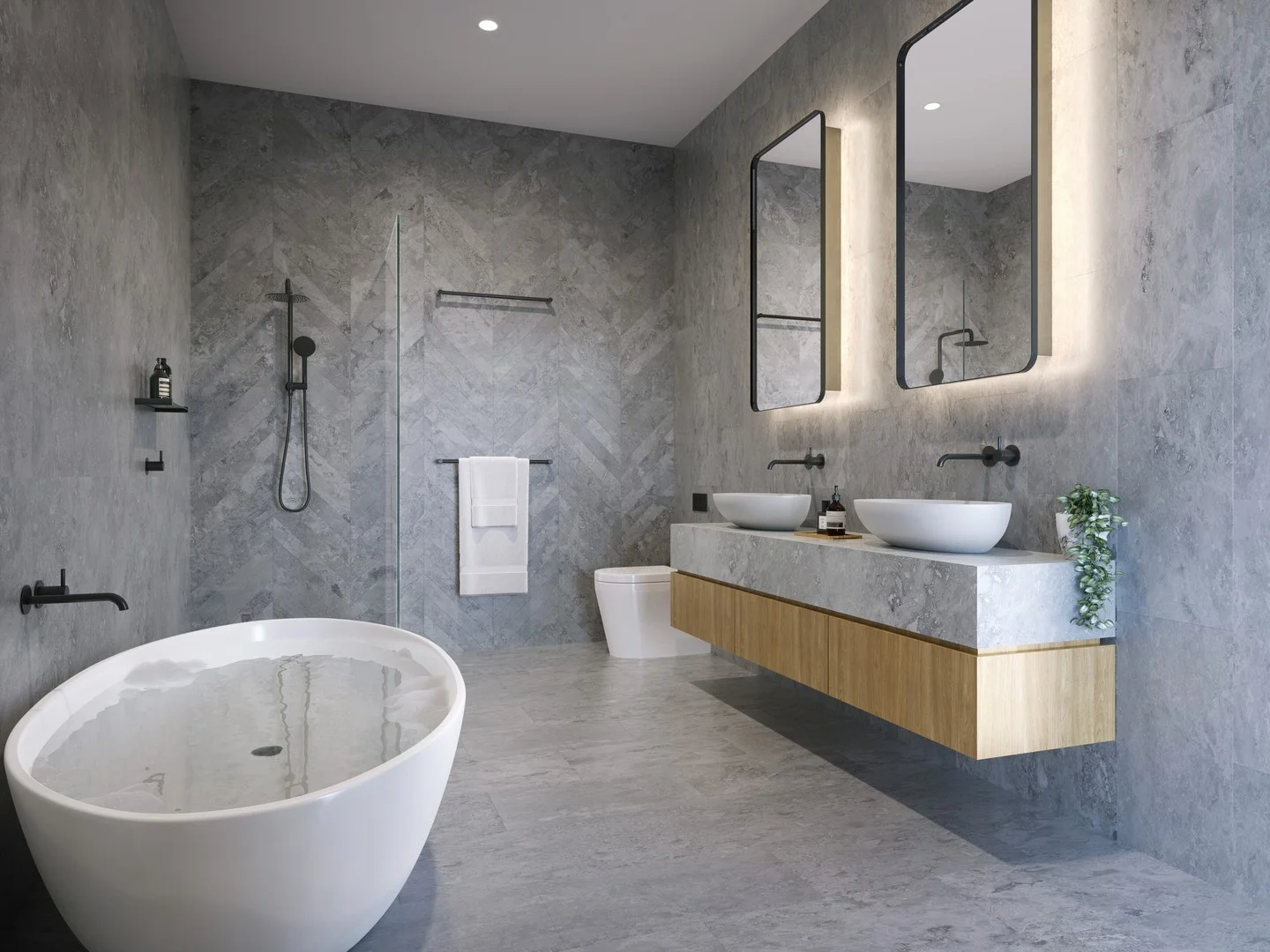 $2,824,000
Apartment / Unit / Flat
$2,824,000
Apartment / Unit / Flat
 $12,980,000
propertyType.NEW APARTMENTS / OFF THE PLAN
$12,980,000
propertyType.NEW APARTMENTS / OFF THE PLAN
 $8,630,000
propertyType.NEW APARTMENTS / OFF THE PLAN
$8,630,000
propertyType.NEW APARTMENTS / OFF THE PLAN
 $6,225,000
propertyType.NEW APARTMENTS / OFF THE PLAN
$6,225,000
propertyType.NEW APARTMENTS / OFF THE PLAN
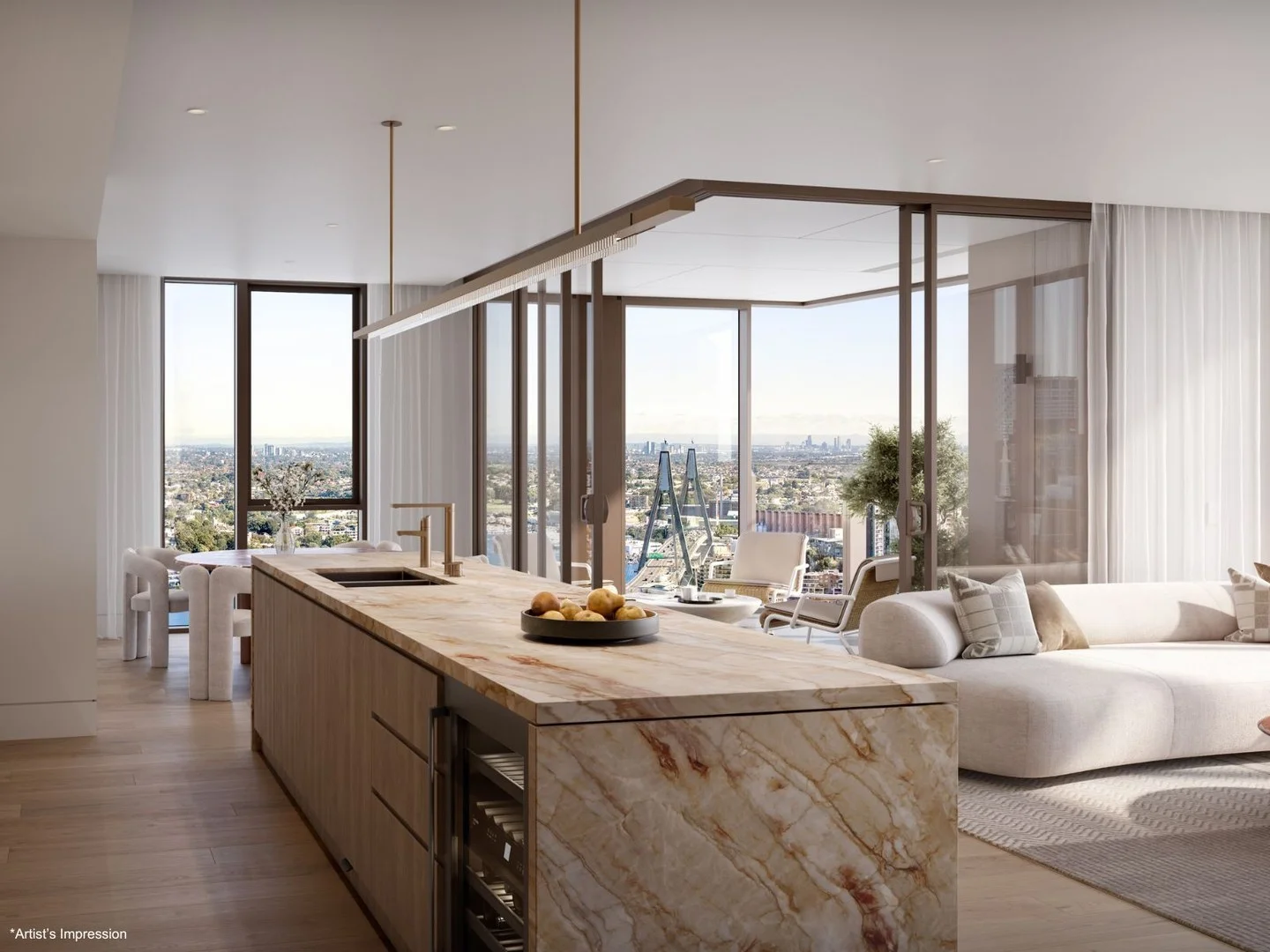 $9,020,000
propertyType.NEW APARTMENTS / OFF THE PLAN
$9,020,000
propertyType.NEW APARTMENTS / OFF THE PLAN
 $26,550,000
propertyType.NEW APARTMENTS / OFF THE PLAN
$26,550,000
propertyType.NEW APARTMENTS / OFF THE PLAN
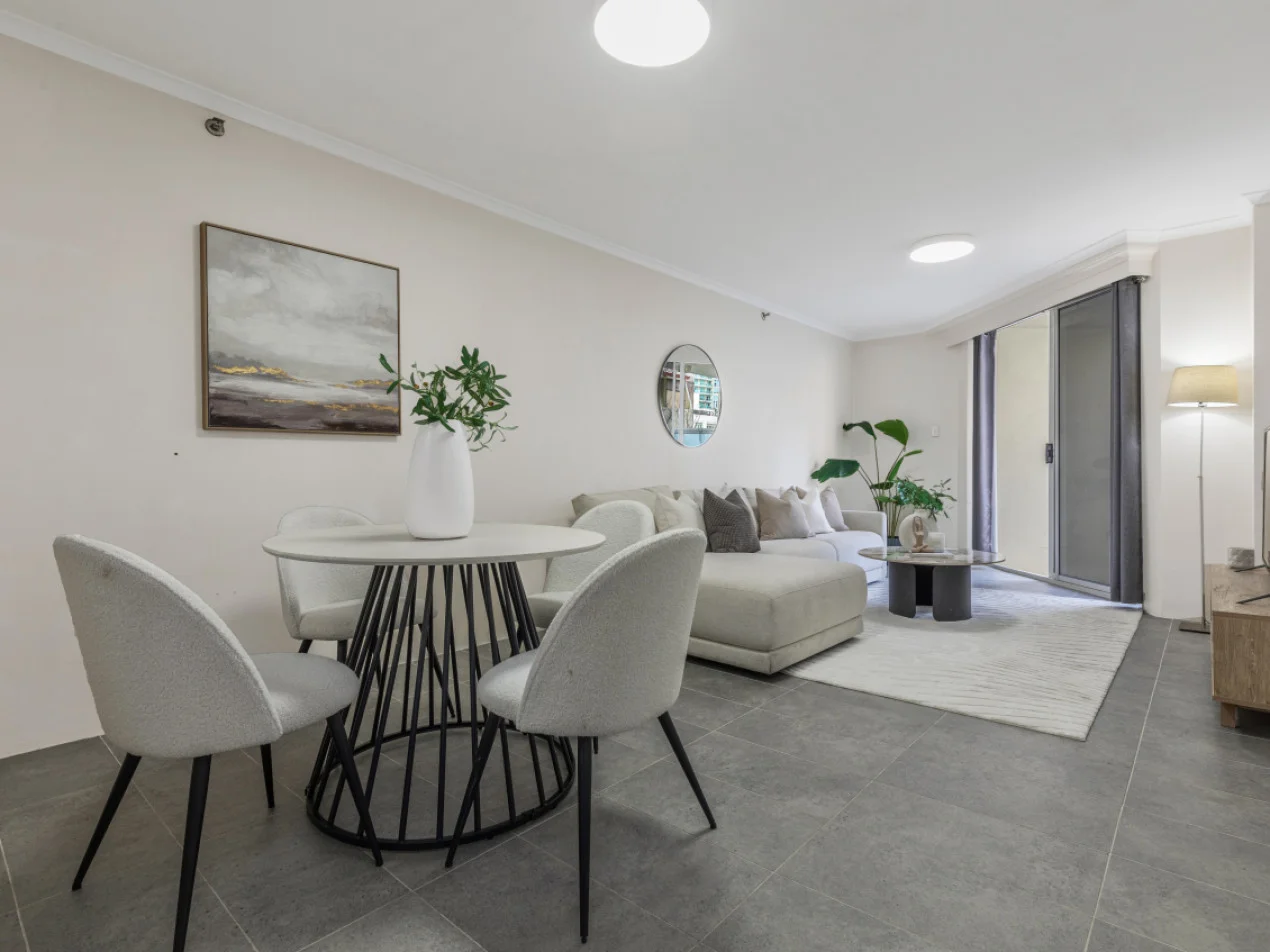 $640,000 - $675,000
Apartment / Unit / Flat
$640,000 - $675,000
Apartment / Unit / Flat


