## Overview
Lidcombe Public School is a public primary school serving Kindergarten to Year 6 within the NSW Department of Education system. The school fosters an inclusive, community-focused environment with a medium-sized student body and a balanced approach to academic and co-curricular life.
Class sizes are typically in the range of roughly 22–28 students per class, depending on year level and staffing. The atmosphere is nurturing and inclusive, with a strong emphasis on academic achievement alongside opportunities in sport, arts, and community involvement.
⸻
## Academics & Learning
- Academic strengths: English literacy and numeracy are core, with integrated STEM activities and opportunities to extend student leadership and digital literacy.
- Special programs: Extension and enrichment activities, student leadership opportunities, and targeted supports to help diverse learners.
- NAPLAN / Ofsted trends: NSW-style NAPLAN trends show steady progress in reading and writing over recent years, with ongoing focus on numeracy and equity across year levels.
- Student-teacher ratios: Typical NSW primary ranges, with a blended model including Learning and Support staff to help individual learners; school-wide average around 1:18–1:22 in classrooms.
- Support for diverse learners: Strong EAL/D support, dedicated SEN/Learning Support Team, and inclusive practices to support students with varied learning needs.
⸻
## Sports & Extracurricular Strengths
- Sports offered: Soccer, cricket, rugby league, netball, basketball, athletics, swimming programs, and general fitness activities.
- Strong teams or achievements: Active participation in district and zone events; school teams regularly compete and gain recognition in local competitions.
- Music, arts, drama programs: School choir, instrumental programs, and drama activities that showcase student creativity.
- Clubs: Robotics, coding, chess, debate/public speaking, and other clubs that run across terms.
- Partnerships: Collaborations with local community clubs and regional competitions to provide broader opportunities for sport, music, and coding.
⸻
## Wellbeing & Pastoral Care
- Anti-bullying approach: Whole-school, values-based strategies with clear anti-bullying policies and student-led wellbeing initiatives.
- House system: Four-house structure to promote spirit, teamwork, and positive competition across events and activities.
- Counsellors / wellbeing officers: Access to school counsellor or wellbeing staff as part of the student support network.
- Transition support for new students: Orientation sessions, buddy programs, and parent information evenings to ease transitions.
⸻
## Facilities
- Sports grounds
- Libraries
- Science labs or dedicated science spaces
- Music/performing arts centers
- Tech/innovation labs or ICT suite
- Canteen
- Updated playgrounds
- Multipurpose hall or gym / performance space
- Computer labs or device-enabled learning spaces
⸻
## School Values & Community Culture
- School values / mission: Emphasis on Respect, Responsibility, Inclusion, and Learning; focus on building character and academic achievement.
- Leadership style: Collaborative and distributed leadership with student voice opportunities and strong teacher leadership.
- Behaviour expectations: Clear positive-behaviour policies and routines that support a safe, respectful learning environment.
- Community reputation: Known for a welcoming, family-friendly culture and strong parental involvement.
- Diversity & inclusion: Active commitment to cultural diversity and inclusive practices for EAL/D and other diverse learners.
⸻
## School Logistics & Daily Operations
- School hours: Approximately 9:00 am–3:00 pm (subject to term schedules); supervision and programs arranged around school hours.
- Before/after school care: OSHC or external providers often available to support families before and after school.
- Uniform requirements: School uniform standard with seasonal options; guidelines provided by the school.
- Transport (train/bus routes): Accessible via local public transport; proximity to nearby bus stops and train stations to support commuting families.
- Canteen availability: Canteen or one or more canteen days providing healthy meal and snack options.
- Fees (low/medium/high ranges): In NSW public schools, voluntary contributions and activity costs apply; overall fees are generally low to moderate for extras.
⸻
## Enrolment & Admissions
11. What is the enrolment process and timeline?
- Enrolment is managed through NSW Department of Education procedures. Families usually submit an application with proof of address and required documents; Kindergarten intake often aligns with annual timelines set by the department. The school may provide information sessions and timelines for offers.
12. Is there a waiting list, and how does it work?
- Waiting lists can apply for out-of-area applicants. Placement often follows catchment rules, with priority given to in-catchment families and waitlist order. The school can advise on current wait times and the likelihood of spaces opening.
13. Are there any entry requirements, tests, or interviews?
- Public primary enrolment generally does not include entrance tests. Some schools may conduct brief information sessions or interviews to discuss supports or program fit; documentation confirming residency and immunization is typically required.
14. Does the school accept mid-year transfers?
- Yes, subject to space and availability. Families seeking mid-year transfers should contact the school early to review space, current enrolment priority, and required documents.
⸻
## Frequently Ask Questions
- Why Parents Choose This School?
- The school offers a welcoming, inclusive culture with a strong focus on literacy, numeracy, and a broad range of co-curriculars, plus solid support for diverse learners.
- What type of student thrives at this school?
- Students who engage well in a collaborative, community-oriented environment, who enjoy a balance of academics, sport, and arts, and who respond to a positive behaviour framework.
- What opportunities are available for students to extend their skills (academics, sports, arts)?
- Enrichment in literacy and numeracy, STEM activities, leadership opportunities, clubs (robotics, coding, chess, debating), sports teams, and arts programs.
- How does the school communicate with parents?
- Regular notices, newsletters, parent-teacher meetings, and digital communication platforms are used to share progress, events, and important information.
- What is the school’s approach to teaching and learning?
- Learner-centered, with a mix of teacher-led instruction, small-group support, and inclusive practices to meet diverse needs.
- How does the school support students who need extra academic help?
- Targeted Learning and Support services, EAL/D assistance, and small-group or one-on-one interventions as needed.
- What support is available for academic challenges?
- Access to learning support staff, structured interventions, and ongoing collaboration with families to tailor supports.
- How does the school communicate with parents? (Duplicate)
- See above.
- What are the class sizes and how much individual attention do students receive?
- Class sizes typically range from about 22–28 students, with Learning and Support staff available to provide additional help as needed.
- What extracurricular and sports opportunities are available?
- A range of sports across the week, robotics/coding/chess/debate clubs, music and drama programs, and opportunities to participate in district events.
- What facilities does the school offer (sports, science, arts)?
- Modern facilities include sports grounds, libraries, science spaces, music/drama rooms, ICT/tech spaces, canteen, and updated playgrounds.
- What is the school’s approach to technology and digital learning?
- Emphasizes digital literacy and responsible use, with access to ICT facilities and integrated technology across learning areas.
- What transport and accessibility options are available?
- Local public transport access (bus/train options), with typical on-site arrangements to support safe and convenient travel.
- What are the typical school fees or additional costs?
- NSW public schools have low to moderate voluntary contributions for activities and resources beyond core programs.
⸻
## Short Pros & Cons list
- Pros:
- Inclusive, supportive learning culture
- Balanced focus on academics, sport, and arts
- Strong EAL/D and SEN support
- Active parental involvement and community feel
- Broad range of co-curricular clubs and programs
- Cons:
- Class sizes can vary by year; some year levels may have larger cohorts
- As a public school, spaces can be subject to catchment and enrolment limits
- Availability of specific programs may depend on staffing and funding in a given year










 $36,000,000 - $39,500,000
Vacant Land
$36,000,000 - $39,500,000
Vacant Land
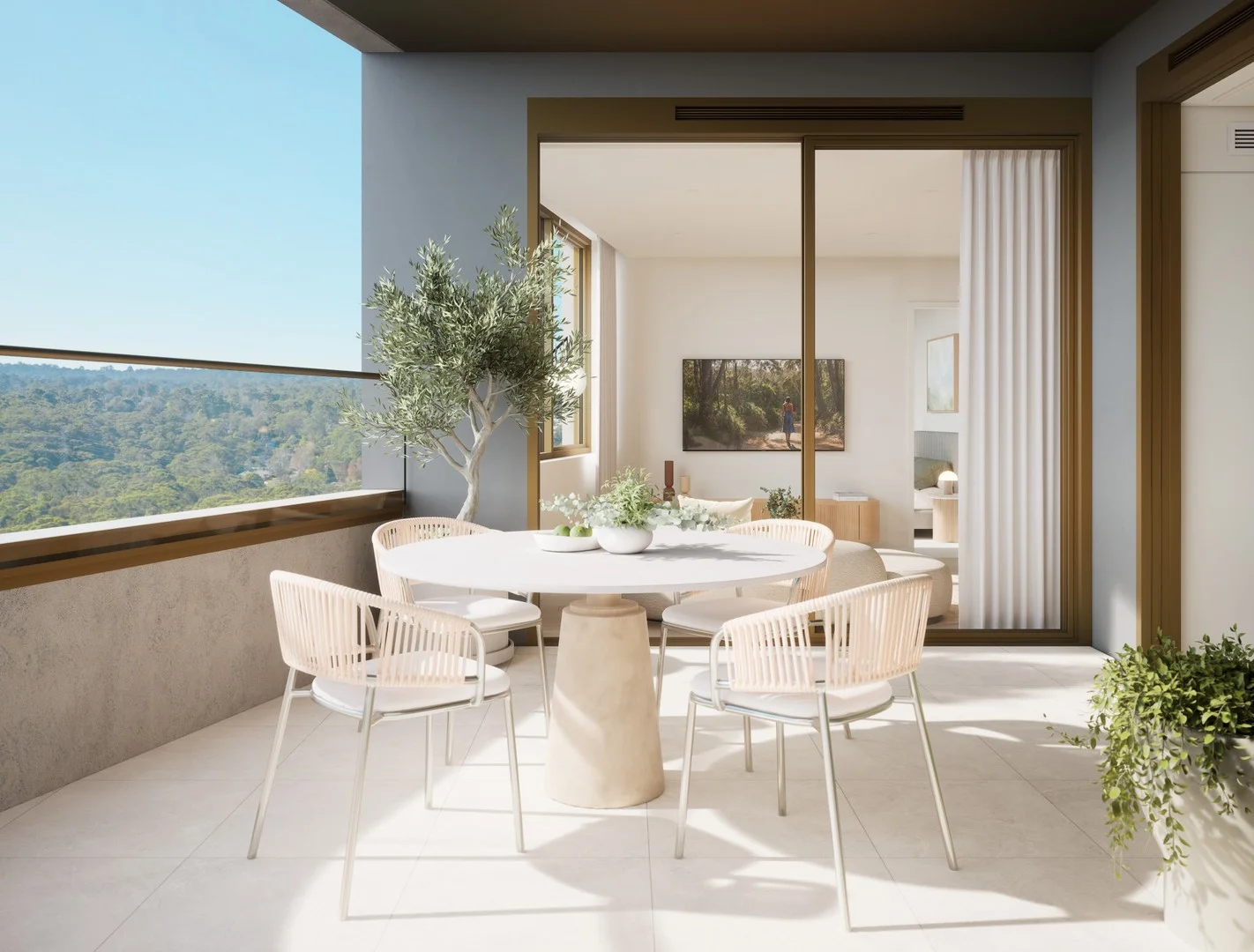 $1,525,000
Apartment / Unit / Flat
$1,525,000
Apartment / Unit / Flat
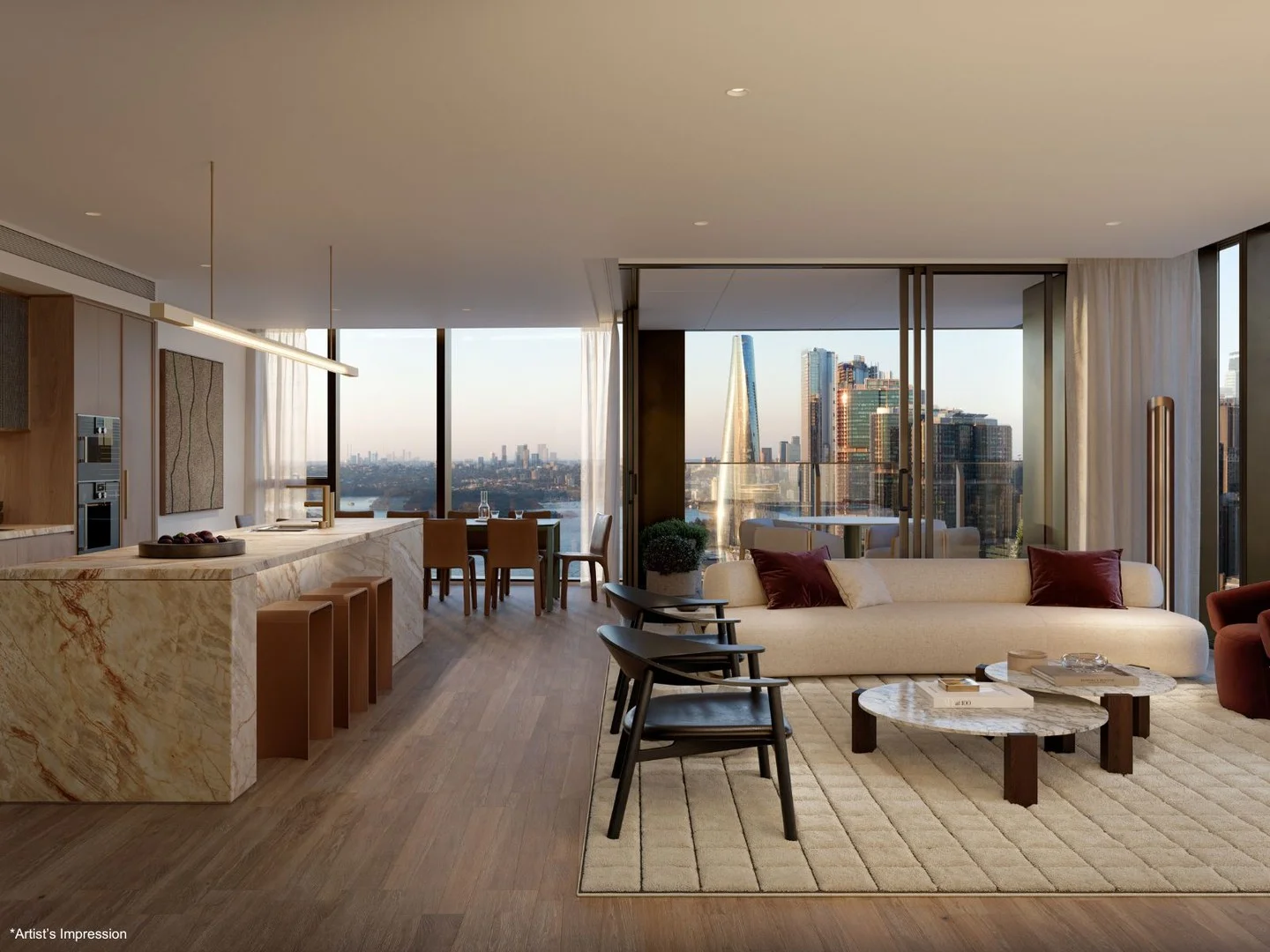 $12,980,000
propertyType.NEW APARTMENTS / OFF THE PLAN
$12,980,000
propertyType.NEW APARTMENTS / OFF THE PLAN
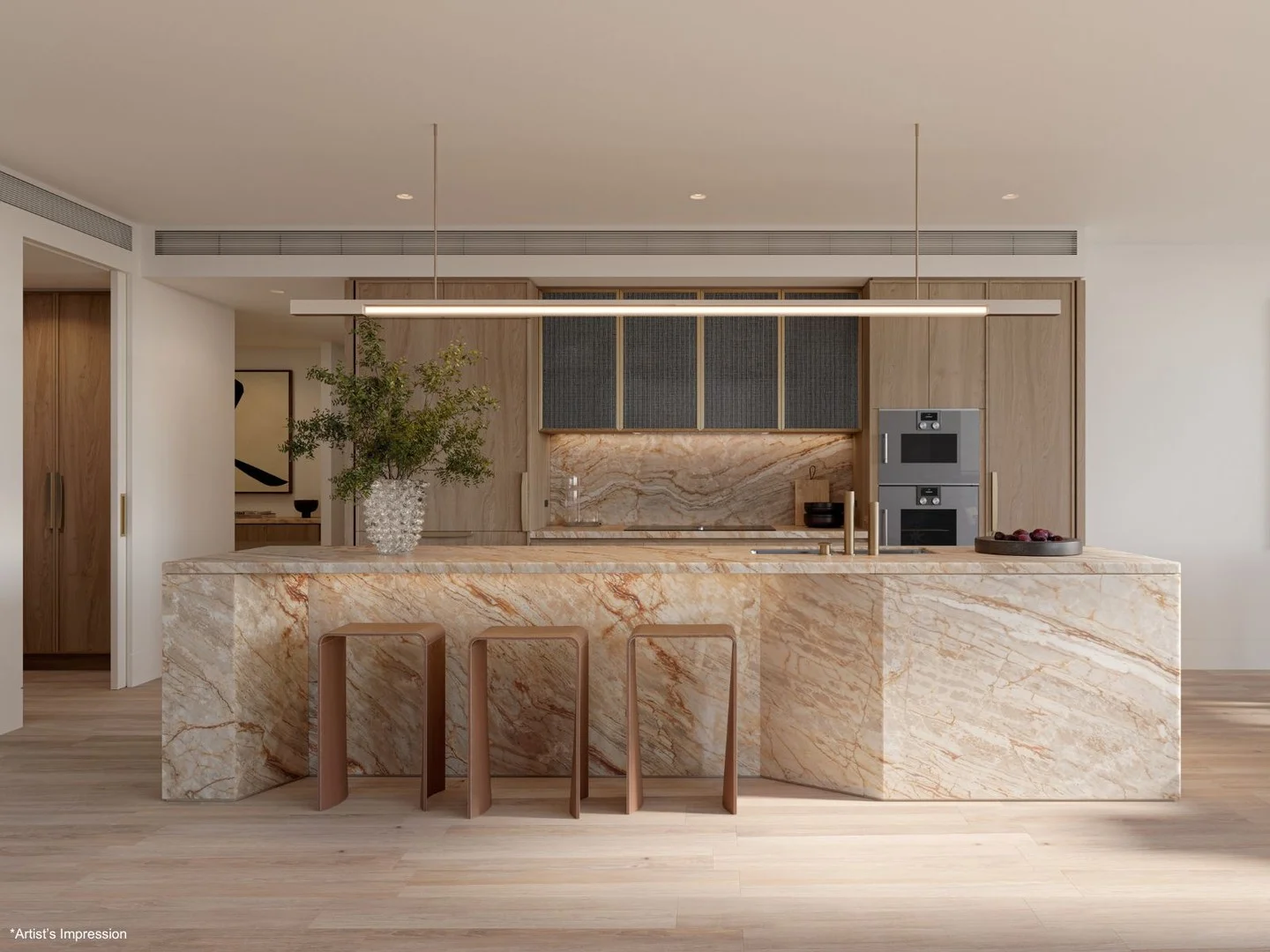 $6,225,000
propertyType.NEW APARTMENTS / OFF THE PLAN
$6,225,000
propertyType.NEW APARTMENTS / OFF THE PLAN
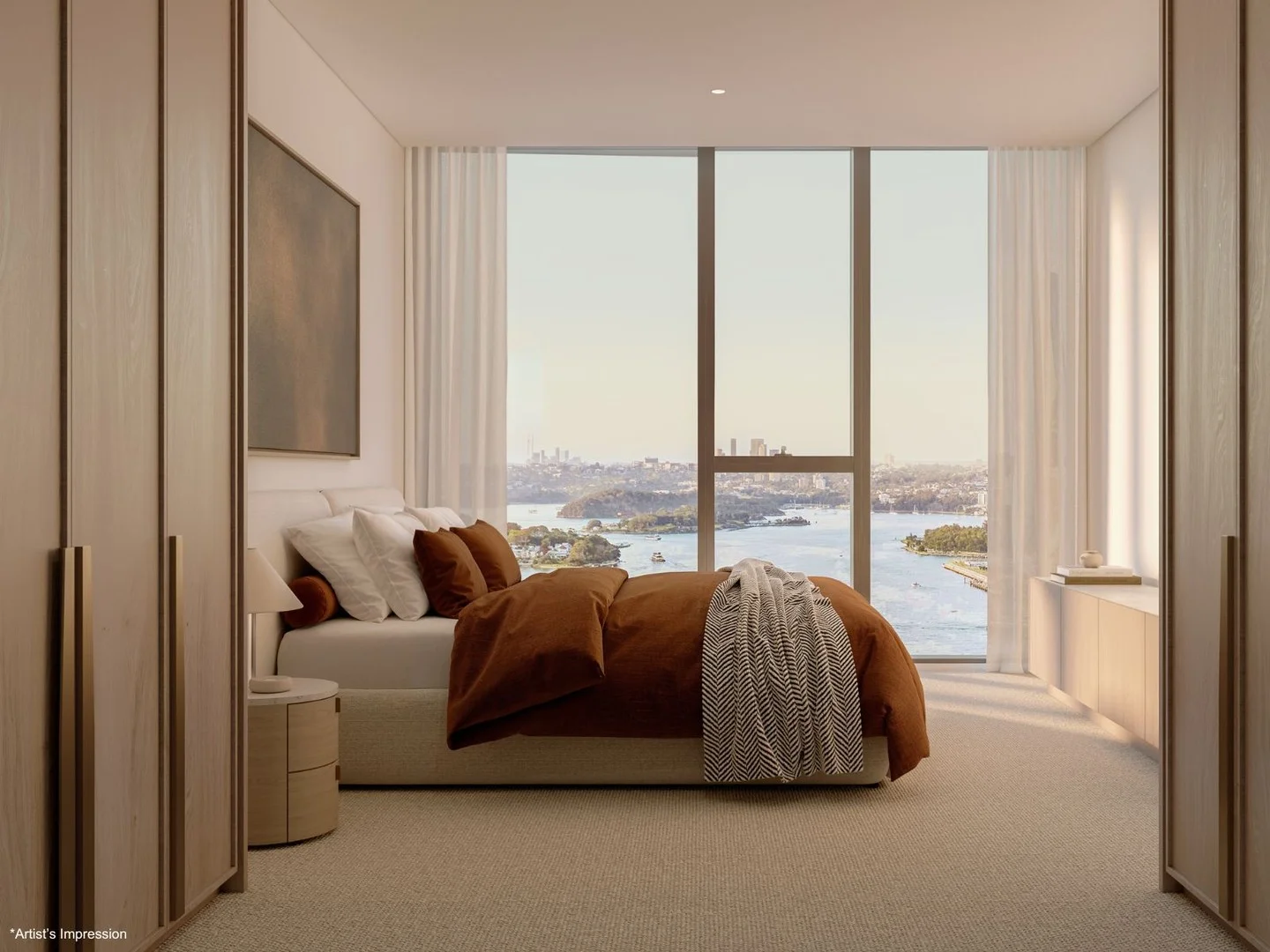 $8,630,000
propertyType.NEW APARTMENTS / OFF THE PLAN
$8,630,000
propertyType.NEW APARTMENTS / OFF THE PLAN
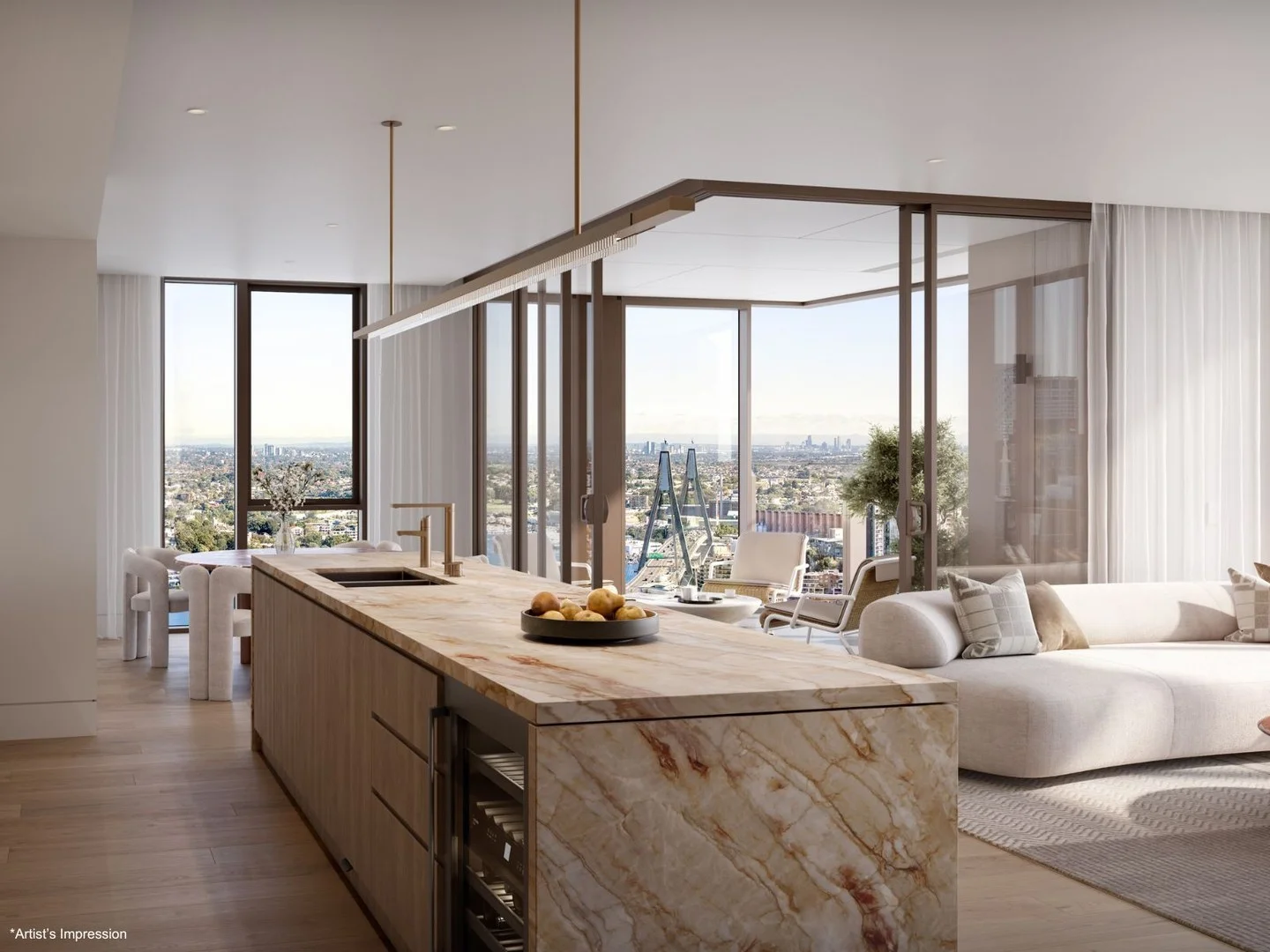 $9,020,000
propertyType.NEW APARTMENTS / OFF THE PLAN
$9,020,000
propertyType.NEW APARTMENTS / OFF THE PLAN
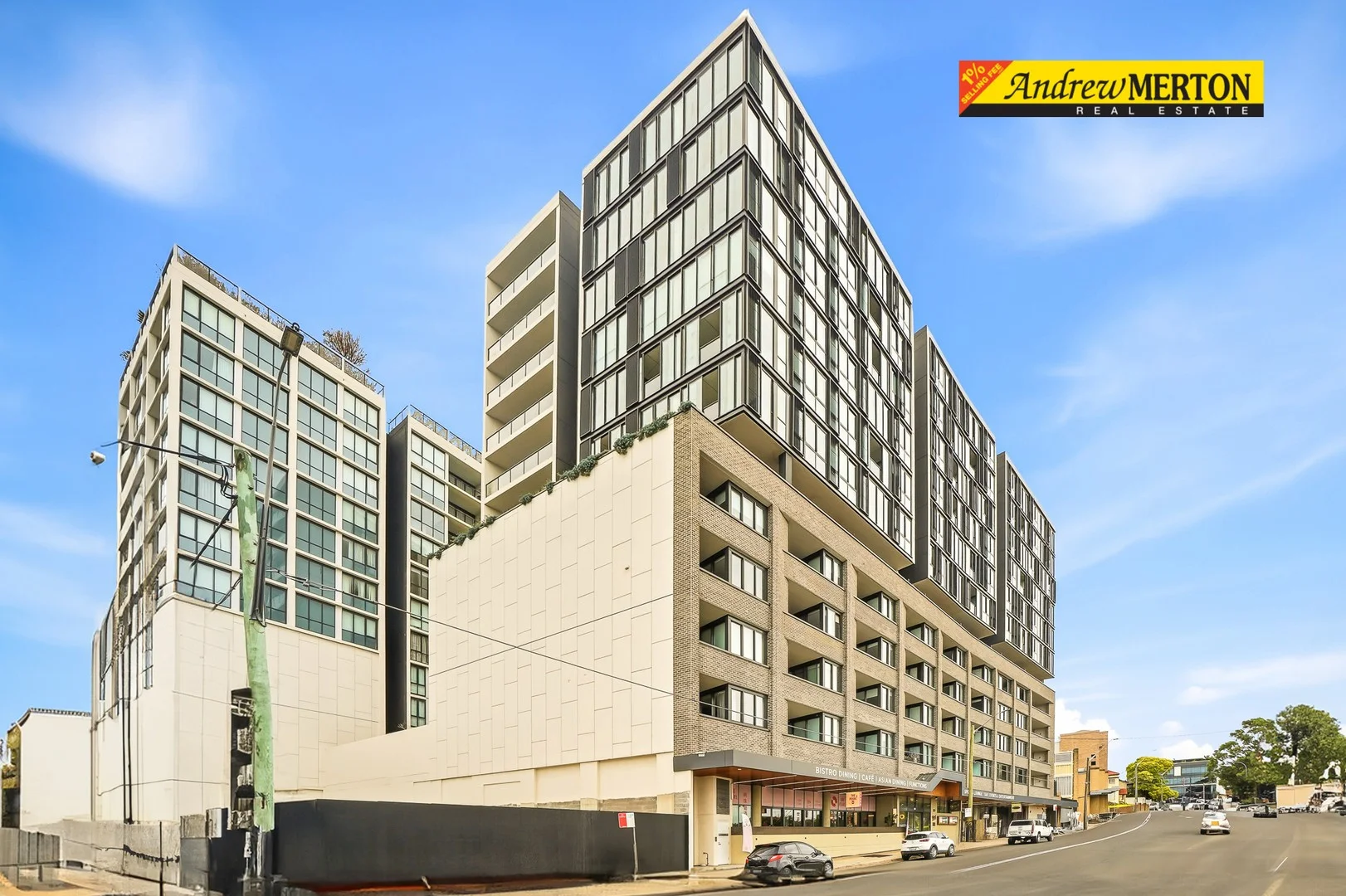 $665,000
Apartment / Unit / Flat
$665,000
Apartment / Unit / Flat
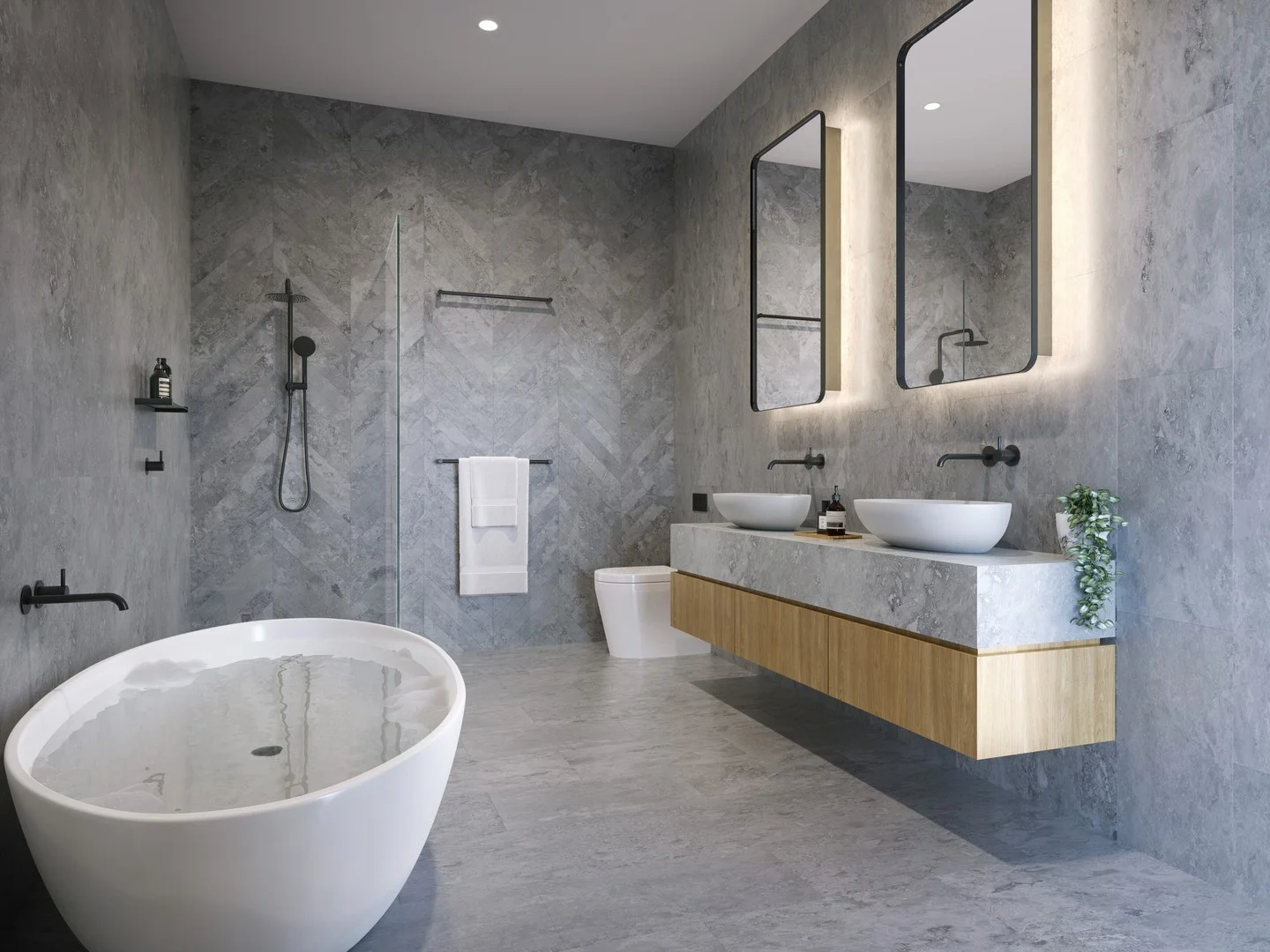 $2,824,000
Apartment / Unit / Flat
$2,824,000
Apartment / Unit / Flat
 $3,900,000
House
$3,900,000
House


