## 1. Overview
St Patrick's School, Mansfield Park is a Catholic primary school serving families in the Mansfield Park area and surrounding suburbs. The school places a strong emphasis on faith-based learning, community, and a supportive environment where students can grow academically and personally.
- School type: Catholic
- School size: Medium
- Class size: Typically around 20–25 students per class (varying by year)
- Atmosphere/culture: Nurturing, inclusive, faith-informed, with a focus on developing leadership, resilience and a sense of service
## 2. Academics & Learning
Parents want to know how learning happens and where strengths lie.
- Academic strengths: Strong emphasis on English and mathematics, with integrated religious education; opportunities to develop digital literacy and foundational STEM skills; leadership and character development are encouraged.
- Special programs: Catholic Education SA-based programs; possibilities for gifted and talented pathways or accelerated learning where appropriate; emphasis on inclusive education and individual growth.
- NAPLAN / Ofsted trends: Publicly available trend data may not be published here; check the school's latest reports for current trajectories. Schools often demonstrate stable or improving performance over time.
- Student-teacher ratios: Typically around 1:15–1:22, varying by year level and cohort.
- Support for diverse learners: Dedicated support for diverse learners, including EAL (English as an Additional Language) assistance and SEN (Special Educational Needs) support, with tailored learning plans and targeted interventions where needed.
## 3. Sports & Extracurricular Strengths
A key consideration for many Aussie and UK parents, with a broad activity mix.
- Sports offered: A range of school-based and inter-school activities (commonly including team sports such as soccer, netball, athletics, and cricket; availability can vary by year and term).
- Strong teams or achievements: Opportunities to participate in regional and inter-school events; success varies by year but there is an emphasis on participation, teamwork and skill development.
- Music, arts, drama programs: Regular music and performing arts activities, choir or ensemble opportunities, and performance events.
- Clubs: Robotics, chess, coding, debating, and other enrichment clubs are commonly available or offered through school programs or partnerships.
- Partnerships: Connections with local clubs, associations, or community groups to support competitions, performances and external experiences.
## 4. Wellbeing & Pastoral Care
Wellbeing and pastoral care are priorities for families today.
- Anti-bullying approach: Clear anti-bullying policy, student wellbeing programs, and a positive behaviour framework to promote a safe learning environment.
- House system: A house-based structure to foster community, teamwork and school spirit during events and competitions.
- Counsellors / wellbeing officers: Access to school counsellor or wellbeing staff as part of the student support framework.
- Transition support for new students: Orientation programs, buddy systems, and targeted support to help new students acclimate to the school community.
## 5. Facilities
Facilities help students learn in a modern, engaging environment.
- Sports grounds: On-site sports facilities suitable for a range of activities.
- Libraries: Well-stocked library with reading programs and access to learning resources.
- Science labs: Dedicated spaces for practical science learning and experiments.
- Music/performing arts centers: Spaces for music making, drama and performances.
- Tech/innovation labs: Digital technology spaces to support coding, robotics and STEM activities.
- Cafeteria: On-site canteen or cafeteria for meals and snacks.
- Updated playgrounds: Modern, safe outdoor play areas and equipment.
## 6. School Values & Community Culture
Parents want to know what kind of students thrive here.
- School values / mission: A faith-informed mission emphasising respect, responsibility, community service and compassion.
- Leadership style: Collaborative and student-inclusive, with opportunities for student voice and leadership roles.
- Behaviour expectations: Clear code of conduct and expectations around respect, responsibility and kindness.
- Community reputation: A supportive Catholic school community with family involvement and partnerships with parish and local groups.
- Diversity & inclusion: Commitment to an inclusive environment that welcomes families from diverse backgrounds.
## 7. School Logistics & Daily Operations
Practical details to help families organise daily life.
- School hours: Typical daytime schedule with start and finish times aligned to primary school norms; before/after school care available or arranged.
- Before/after school care: Availability of programs or supervision outside standard hours.
- Uniform requirements: School uniform with official supplier details; seasonal variations and sports uniform where applicable.
- Transport (train/bus routes): Proximity to public transport and bus routes; school may provide or coordinate drop-off/pick-up options.
- Canteen availability: On-site canteen or lunch program offering daily meals or incursions; students may be able to order ahead.
- Fees (low/medium/high ranges): Fees generally fall in the moderate range for Catholic primary schools; exact figures vary by year level and program; check the school’s current fee schedule.
## 8. Enrolment & Admissions
11. What is the enrolment process and timeline?
- Submit an application with required documents, follow the school’s intake window, and complete any interviews or assessments as requested. Offers are made after a review of applications and space availability, followed by enrolment confirmation and orientation.
12. Is there a waiting list, and how does it work?
- There is often a waiting list when intake spaces are full. Priority may be given based on catchment rules, sibling preference, and space availability. Inquiries should be directed to the school office for the current process and timing.
13. Are there any entry requirements, tests, or interviews?
- The school may require documentation (birth certificate, immunisation records) and could require an interview and/or assessment as part of the enrolment process. Religious education eligibility or alignment with school values may also be considered.
14. Does the school accept mid-year transfers?
- Mid-year transfers are possible subject to space and placement considerations. Families should contact the school early to discuss availability and onboarding arrangements.
## 9. Frequently Asked Questions
- Why Parents Choose This School?
- Catholic environment, supportive teaching staff, emphasis on values, and a community-focused culture that supports growth in academics and well-being.
- What type of student thrives at this school?
- Students who are engaged, respectful, curious and motivated to contribute to a faith-based, community-oriented environment.
- What opportunities are available for students to extend their skills (academics, sports, arts)?
- A range of opportunities across academics, sport, music, drama, robotics, coding, debating and leadership activities; programs aim to challenge and nurture talents.
- How does the school communicate with parents?
- Regular newsletters, emails, parent portals or apps, and scheduled parent-teacher meetings; updates on events and student progress are typically provided.
- What is the school’s approach to teaching and learning?
- A student-centred approach with integration of faith-based values, inclusive teaching practices, use of technology, and opportunities for inquiry and collaboration.
- How does the school support students who need extra academic help?
- Targeted interventions, learning support teams, small-group instruction and individual plans where needed.
- What support is available for academic challenges?
- Access to learning support staff, differentiated instruction, and progress-monitoring to tailor assistance.
- What are the class sizes and how much individual attention do students receive?
- Classes typically range around 20–25 students; teachers aim to provide targeted attention and small-group support as part of the learning routine.
- What extracurricular and sports opportunities are available?
- A broad mix of clubs (robotics, chess, coding, debating) and a selection of sports through the school’s programs and inter-school events, plus music and performing arts activities.
- What facilities does the school offer (sports, science, arts)?
- Sports grounds, library, science labs, music/performing arts spaces, tech/innovation labs, canteen, and updated outdoor play areas.
- What is the school’s approach to technology and digital learning?
- Integrated technology across the curriculum, digital literacy development, and supported use of educational software and potentially coding/robotics activities.
- What transport and accessibility options are available?
- Access to local bus routes and proximity to public transport; appropriate drop-off/pick-up arrangements and accessible facilities where applicable.
- What are typical school fees or additional costs?
- Fees are generally in the moderate range for Catholic primary schools; there may be additional costs for excursions, uniforms, and extra-curricular activities. Confirm current figures with the school.
## 10. Short Pros & Cons list
- Pros
- Strong Catholic ethos and values-based education
- Nurturing, inclusive culture with a focus on wellbeing
- Moderate class sizes, enabling more individual attention
- Broad range of extracurriculars and clubs
- Supportive learning environment with diverse learner programs
- Valuable community and family engagement
- Cons
- Fees common to private/Catholic provision
- Availability of spots varies by year; potential waiting lists
- Specific programs or facilities may vary by year and require confirmation
- Transport options depend on location and school catchment area
Note: The information above is intended to provide a practical overview for families considering St Patrick’s School, Mansfield Park. For the most current details on enrolment, programs, fees, and facilities, please contact the school directly.









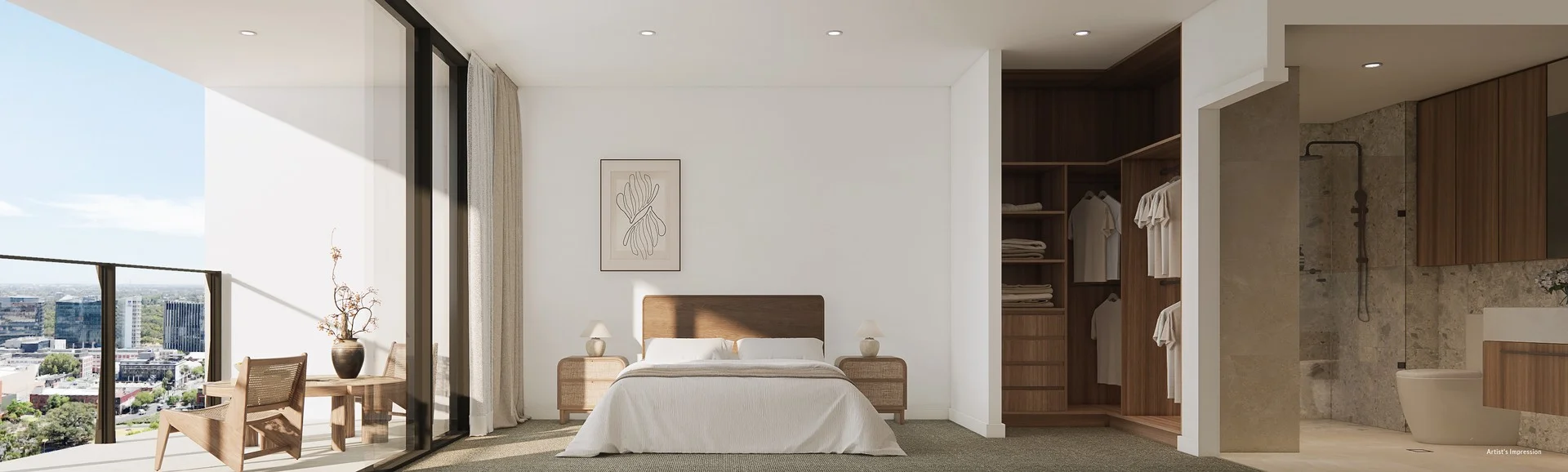 $1,056,000
Apartment / Unit / Flat
$1,056,000
Apartment / Unit / Flat
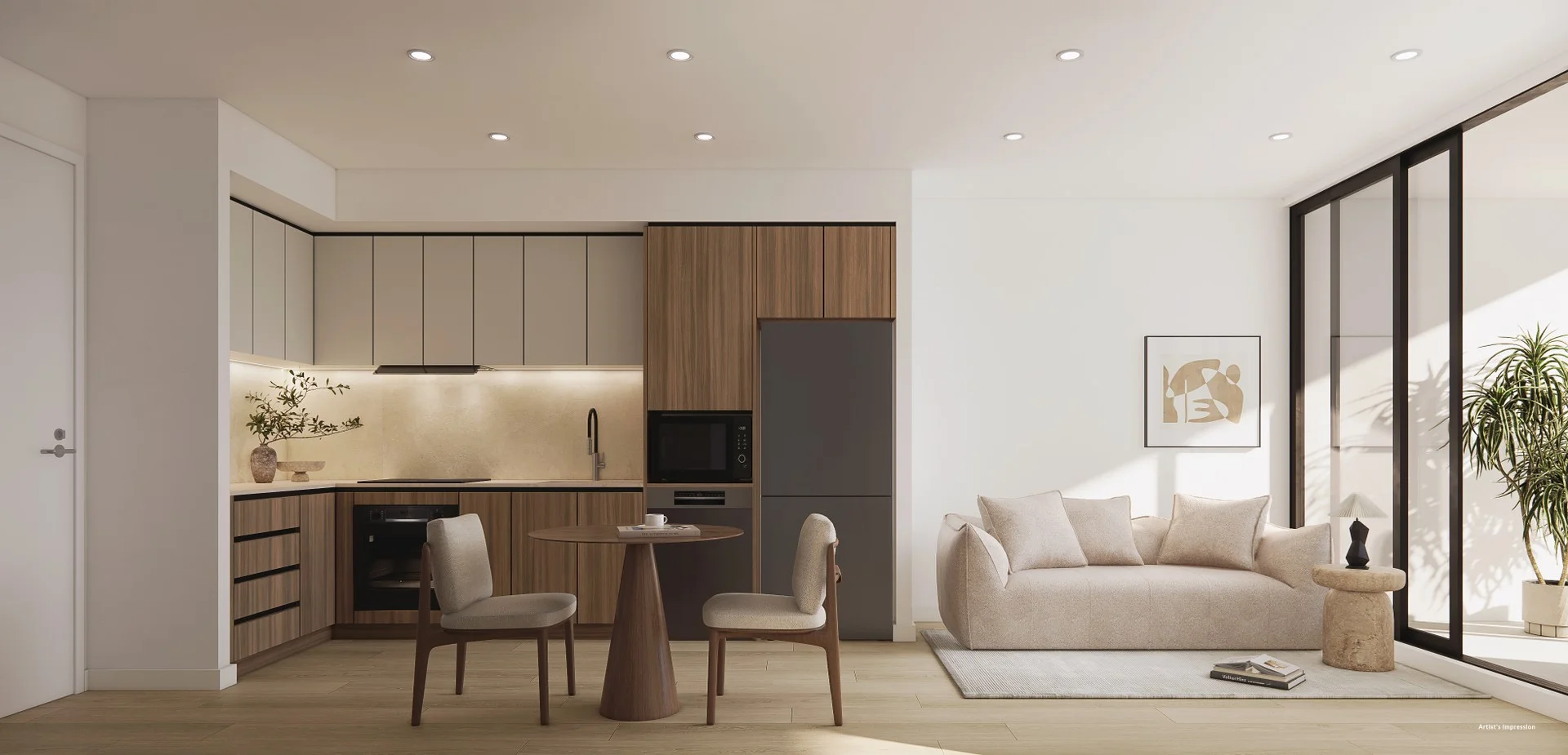 $588,000
Apartment / Unit / Flat
$588,000
Apartment / Unit / Flat
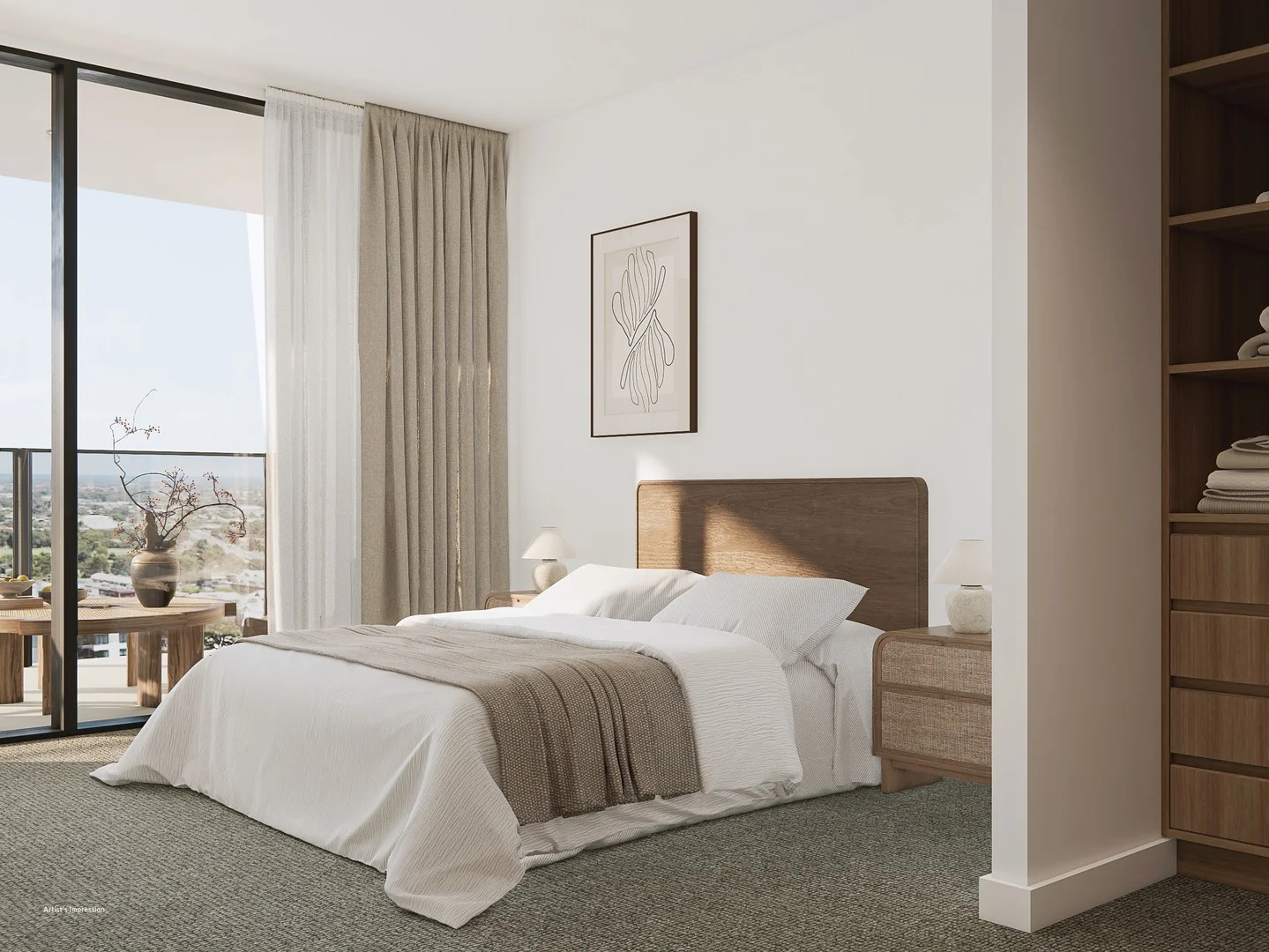 $935,000
Apartment / Unit / Flat
$935,000
Apartment / Unit / Flat
 $557,000
Apartment / Unit / Flat
$557,000
Apartment / Unit / Flat
 $545,000
Apartment / Unit / Flat
$545,000
Apartment / Unit / Flat
 $1,100,000
Apartment / Unit / Flat
$1,100,000
Apartment / Unit / Flat
 $440,000
Apartment / Unit / Flat
$440,000
Apartment / Unit / Flat
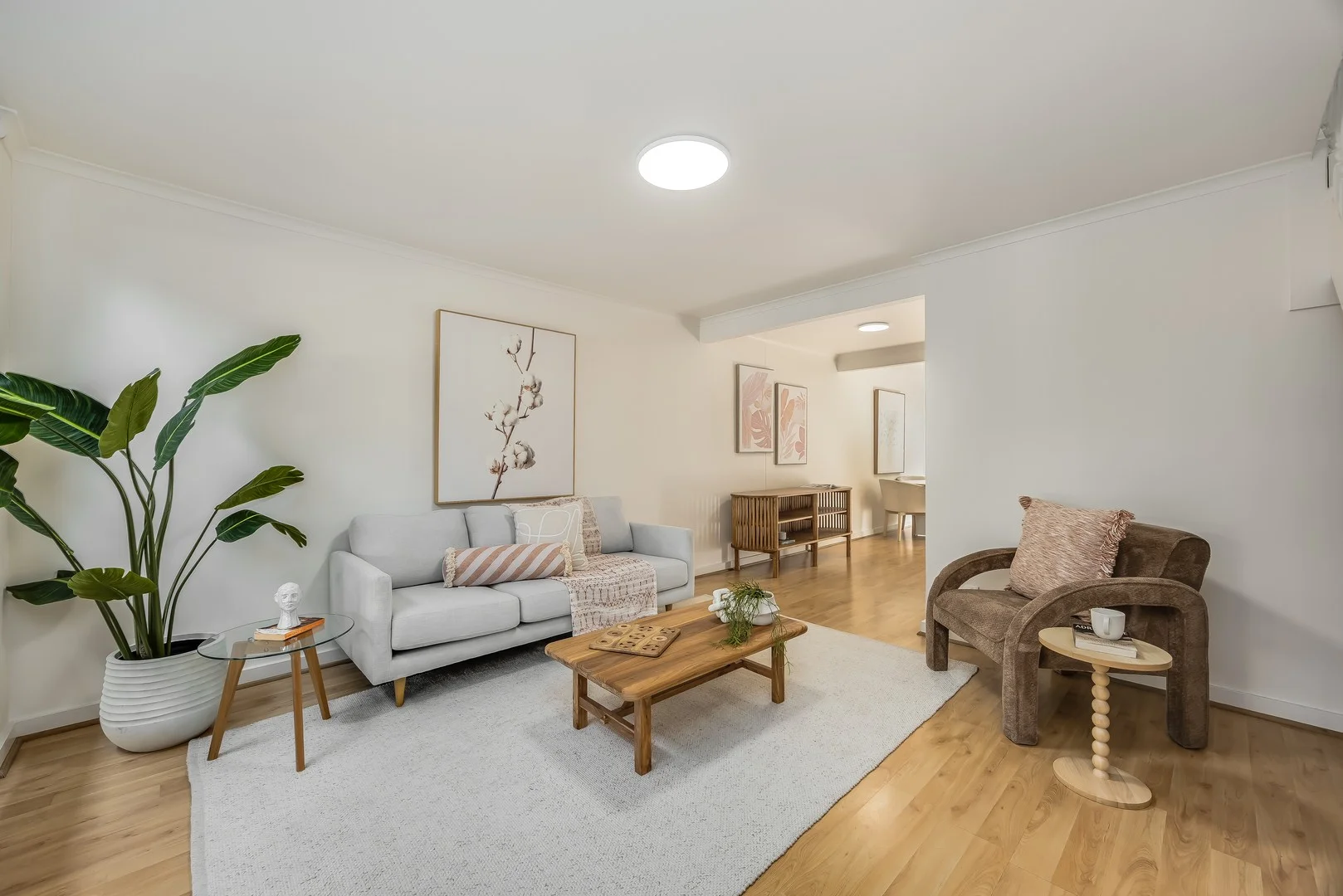 $775,000
House
$775,000
House