## Overview
St Peter's Girls' School is an independent Anglican girls' day school offering comprehensive education from Reception through to Year 12. The school is known for a values-based approach that balances academic rigor with a supportive, inclusive culture. May appeal to families seeking a strong sense of community, responsible leadership development, and opportunities across academics, arts, and sport.
- School type: Independent/private Anglican girls' school
- School size: Medium
- Class size: Typically around 18–22 students per class; student‑teacher ratios roughly 1:9–1:12
- Atmosphere/culture: Nurturing, academically focused, diverse and inclusive, with strong emphasis on sport and co-curricular participation
---
## Academics & Learning
St Peter's Girls' School emphasises well‑rounded academic achievement alongside opportunities for leadership and personal growth.
- Academic strengths: English/Literature and STEM underpin the core learning program, with robust language studies and a focus on literacy, numeracy, and critical thinking.
- Special programs: Gifted and Talented pathways and accelerated learning opportunities; leadership development programs; preparation for SACE/ATAR.
- NAPLAN / trend: Consistently strong literacy and numeracy performance with year‑on‑year improvements noted across cohorts.
- Student-teacher ratios: Small to medium class sizes with favourable ratios to enable individual attention.
- Support for diverse learners: Dedicated support for EAL and students with SEN, plus targeted learning support and access to specialists as needed.
---
## Sports & Extracurricular Strengths
A strong focus on athletics, arts, and mind‑stretching activities helps students explore interests beyond the classroom.
- Sports offered: Netball, Hockey, Tennis, Basketball, Athletics, Cricket, Swimming (plus other seasonal activities)
- Strong teams or achievements: Competitive school teams with success at state level across various sports; emphasis on teamwork and sportsmanship
- Music, arts, drama programs: Active music ensembles, choirs, orchestras, drama productions, and school theatre performances
- Clubs: Robotics, Chess, Coding, Debating, and other roving clubs that promote problem solving and communication
- Partnerships: Collaborations with local arts and sports organisations and participation in broader competitions and events
---
## Wellbeing & Pastoral Care
Pastoral care is a cornerstone, supporting students’ wellbeing and sense of belonging.
- Anti-bullying approach: Proactive, school-wide policies with reporting channels, restorative practices, and ongoing education on respectful interactions
- House system: House structure to foster belonging, leadership roles, and inter-house events
- Counsellors / wellbeing officers: Dedicated counsellors and wellbeing staff available to students and families
- Transition support for new students: Orientation programs, buddy systems, and ongoing pastoral check-ins to ease transitions
---
## Facilities
Facilities are designed to support academic, artistic, and athletic development in a welcoming environment.
- Sports grounds
- Libraries
- Science labs
- Music/performing arts centers
- Tech/innovation labs
- Cafeteria
- Updated playgrounds
---
## School Values & Community Culture
What kind of kids thrive here? A community that values curiosity, integrity and resilience, with a collaborative leadership style and clear behavioural expectations.
- School values / mission: Focus on respect, responsibility, courage, and curiosity; a mission to develop capable, compassionate young women
- Leadership style: Collaborative and student-centred, with opportunities for student voice and leadership roles
- Behaviour expectations: Clear codes of conduct emphasising respect, accountability and inclusive behaviour
- Community reputation: Strong, long-standing reputation within the SA independent school sector for academic and co-curricular excellence
- Diversity & inclusion: Commitment to a diverse and inclusive learning environment
---
## School Logistics & Daily Operations
Practical information to help families plan daily routines and commitments.
- School hours: Typically a morning to afternoon timetable (approx. 8:30am–3:30pm); before/after school care options often available
- Before/after school care: Available
- Uniform requirements: School uniform; details including wear if attending after-hours events
- Transport (train/bus routes): Access via local public transport and school-provided transport options where available
- Canteen availability: On-site canteen or tuck shop options
- Fees (low/medium/high ranges): Fees fall into the mid-to-high range for independent education; inclusive of basic tuition with additional costs for electives, camps, and activities
---
## Enrolment & Admissions
11. What is the enrolment process and timeline?
- Submit an application with the required documentation and any applicable fees
- Complete an age-appropriate assessment or interview for the candidate
- Provide academic records, references, and any requested supporting material
- Attend an interview/meeting with the school leadership or admissions panel
- Receive a conditional or unconditional offer; confirm enrolment and pay any required deposits to secure a place
- Timeline varies by year level and term; early applications are encouraged
12. Is there a waiting list, and how does it work?
- Yes, there can be a waiting list. Placement is often influenced by application date, readiness of the candidate, and available spaces
- Priority may be given to siblings or returning families, subject to school policy
13. Are there any entry requirements, tests, or interviews?
- Yes. Typically includes an admissions interview and academic assessment appropriate to the year level
- May require academic records, references, and demonstration of fit with the school values and culture
- For some year levels, there may be additional requirements or documentation
14. Does the school accept mid-year transfers?
- Yes, subject to space and curriculum alignment
- Transfers typically require an assessment, interview, and confirmation of timetable compatibility
---
## Frequently Asked Questions
- Why Parents Choose This School?
- A combination of strong academics, supportive pastoral care, and rich co-curricular opportunities within a values-driven environment.
- What type of student thrives at this school?
- Motivated, respectful girls who enjoy participating across academics, arts, and sport, and who value community, leadership and personal growth.
- What opportunities are available for students to extend their skills (academics, sports, arts)?
- Advanced coursework pathways, leadership programs, and a broad co-curricular program including STEM clubs, Debating, music ensembles, drama productions, and competitive sports.
- How does the school communicate with parents?
- Regular updates through newsletters, emails, parent portals, and scheduled meetings; open communications with teachers and pastoral staff.
- What is the school’s approach to teaching and learning?
- Balanced approach combining rigorous academic instruction with individual support, inquiry-based learning, and opportunities for creativity and collaboration.
- How does the school support students who need extra academic help?
- Targeted learning support, EAL and SEN services, and access to tutors or specialists as required.
- What support is available for academic challenges?
- Structured intervention plans, monitoring, and collaboration between teachers, specialists, and families to tailor support.
- How does the school communicate with parents? (Repeated)
- See above: newsletters, portals, meetings, and direct teacher communications.
- What are the class sizes and how much individual attention do students receive?
- Class sizes are kept small to moderate (roughly 18–22), with a favourable student‑teacher ratio to enable individual attention and timely feedback.
- What extracurricular and sports opportunities are available?
- A wide range including netball, hockey, tennis, basketball, athletics, swimming, cricket, plus clubs like robotics, chess, coding, and debating.
- What facilities does the school offer (sports, science, arts)?
- Sports grounds, modern libraries, science labs, performing arts and music spaces, tech/innovation labs, and dining facilities.
- What is the school’s approach to technology and digital learning?
- Integrated technology in learning, with appropriate digital resources, and teacher guidance on digital literacy and responsible use.
- What transport and accessibility options are available?
- Access via public transport and school transport options where available; accommodations for families to facilitate drop-off/pick-up.
- What are the typical school fees or additional costs?
- Fees are in the mid-to-high range for independent schooling; additional costs apply for enrichment activities, camps, and some materials.
---
## Short Pros & Cons list
- Pros
- Independent, values‑driven education with strong academics
- Supportive pastoral care and wellbeing resources
- Broad co-curricular program (sport, arts, clubs)
- Small to medium class sizes enabling individual attention
- Inclusive culture with emphasis on leadership and community
- Cons
- Tuition costs higher than public schools
- Competitive environment may feel busy for some families
- Availability of places varies by year level; potential wait times during peak entry years









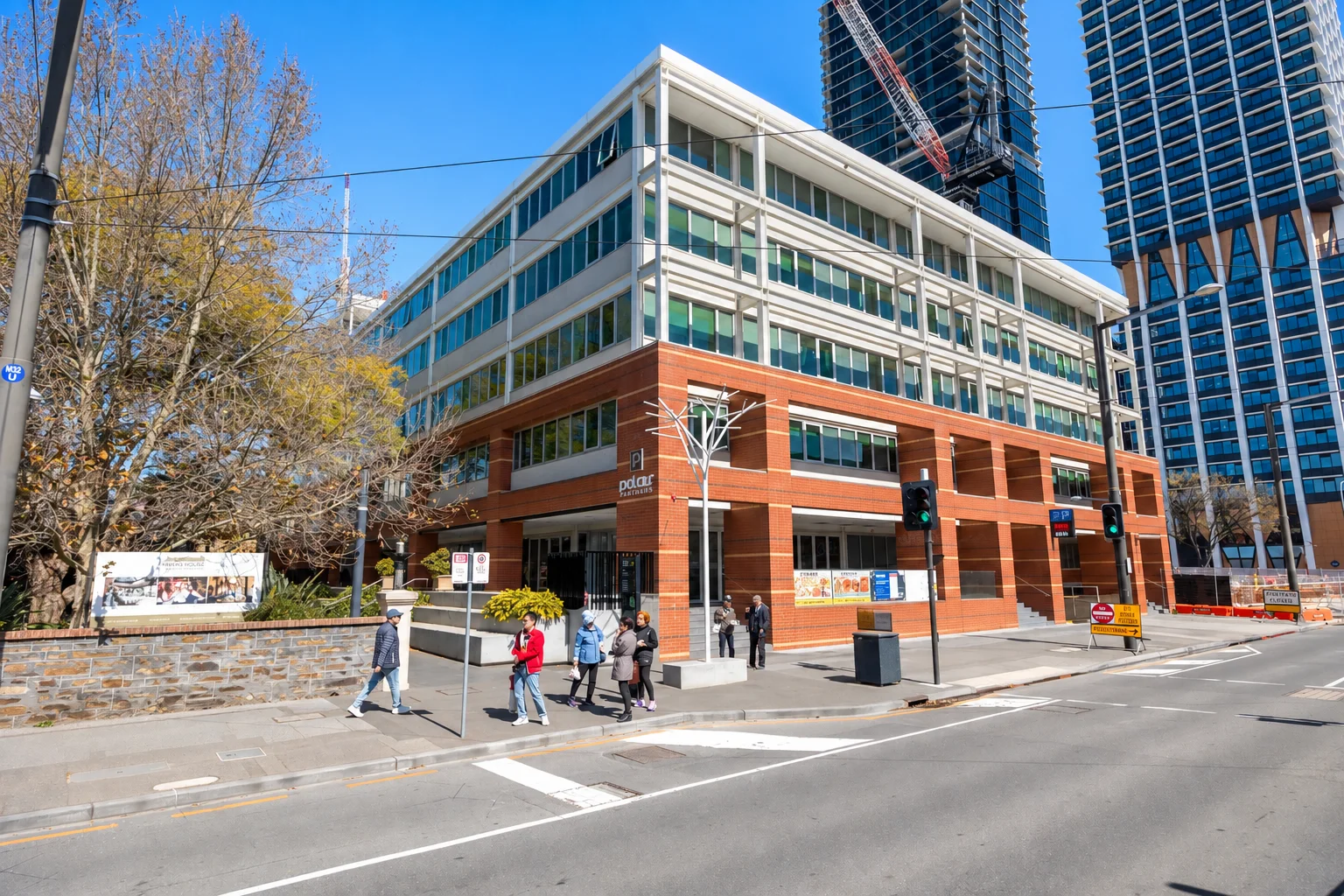 $545,000
Apartment / Unit / Flat
$545,000
Apartment / Unit / Flat
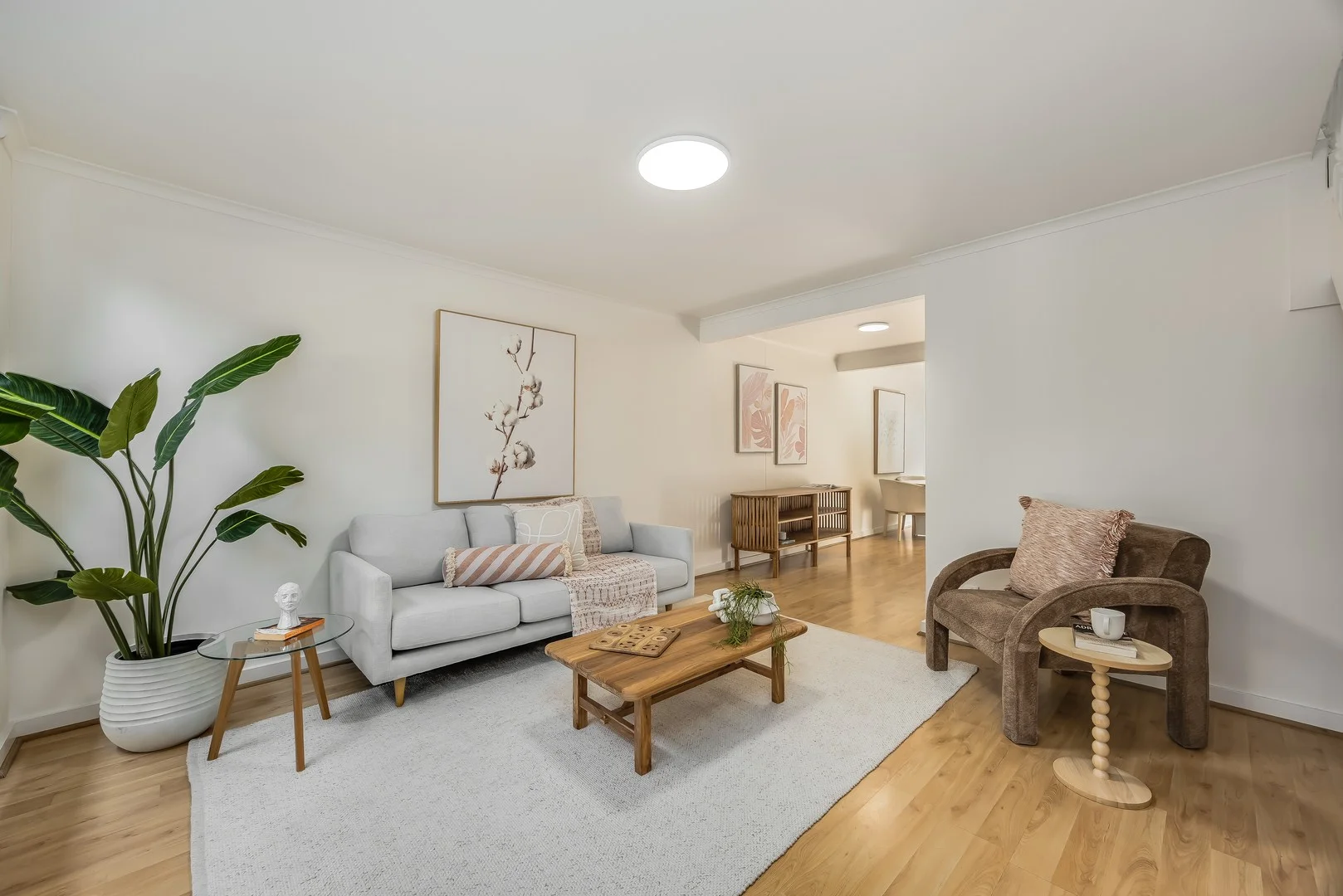 $775,000
House
$775,000
House
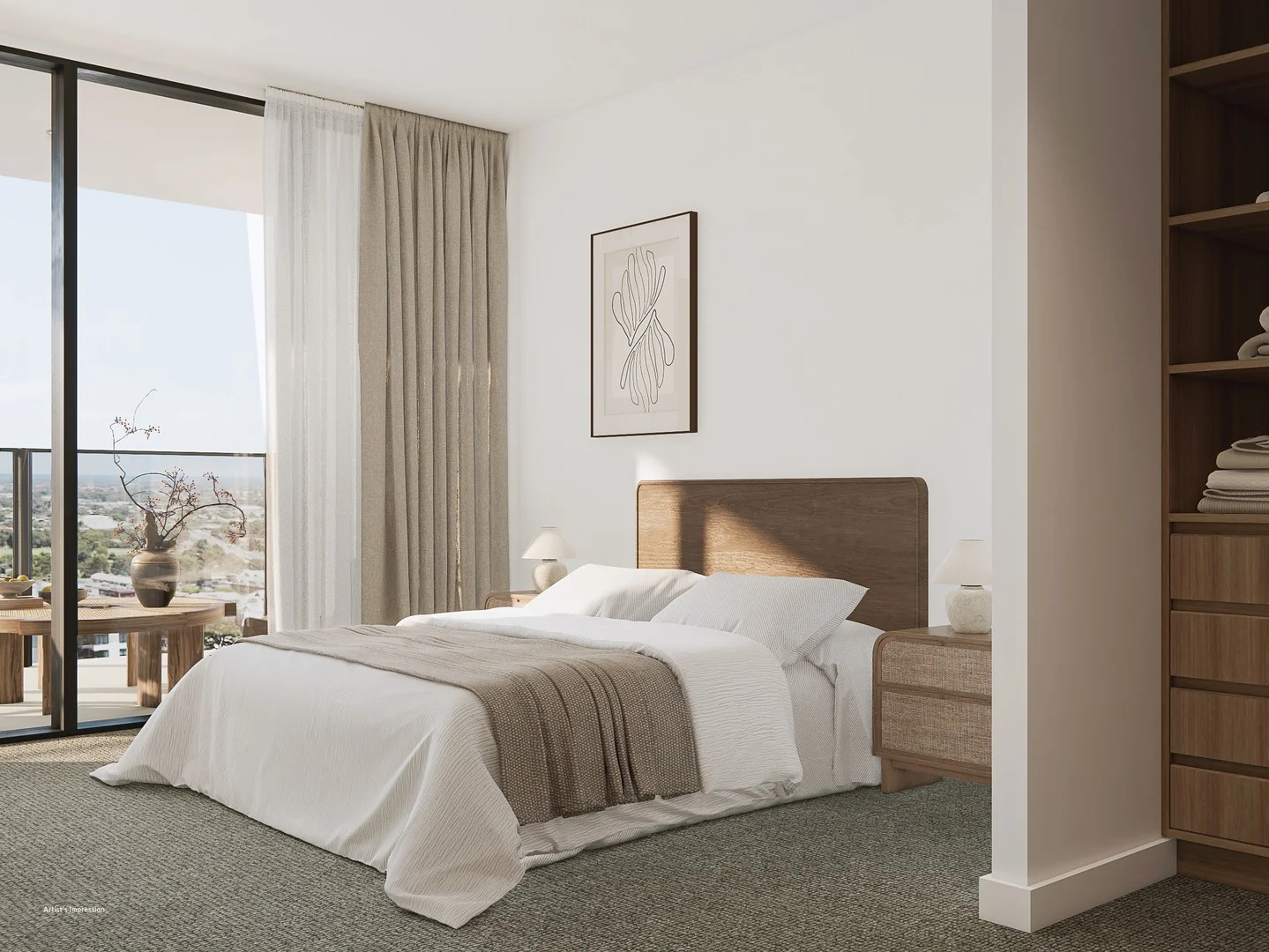 $935,000
Apartment / Unit / Flat
$935,000
Apartment / Unit / Flat
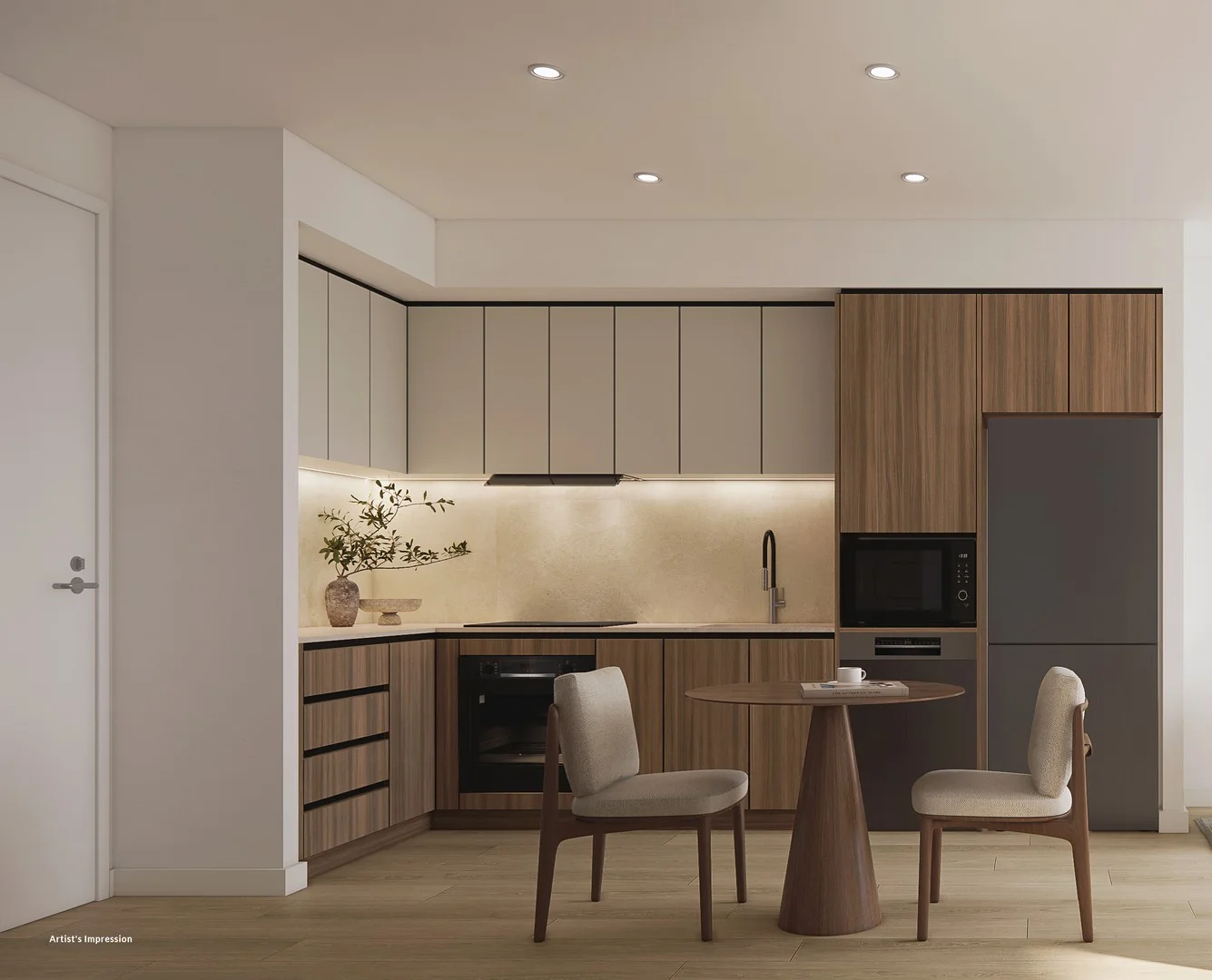 $557,000
Apartment / Unit / Flat
$557,000
Apartment / Unit / Flat
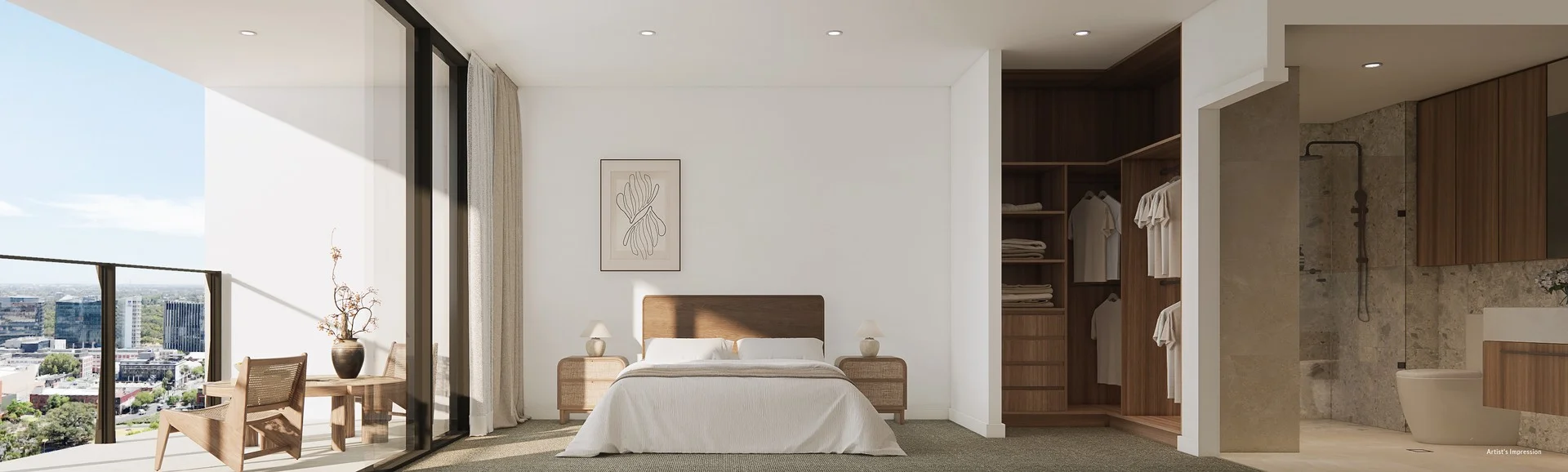 $1,056,000
Apartment / Unit / Flat
$1,056,000
Apartment / Unit / Flat
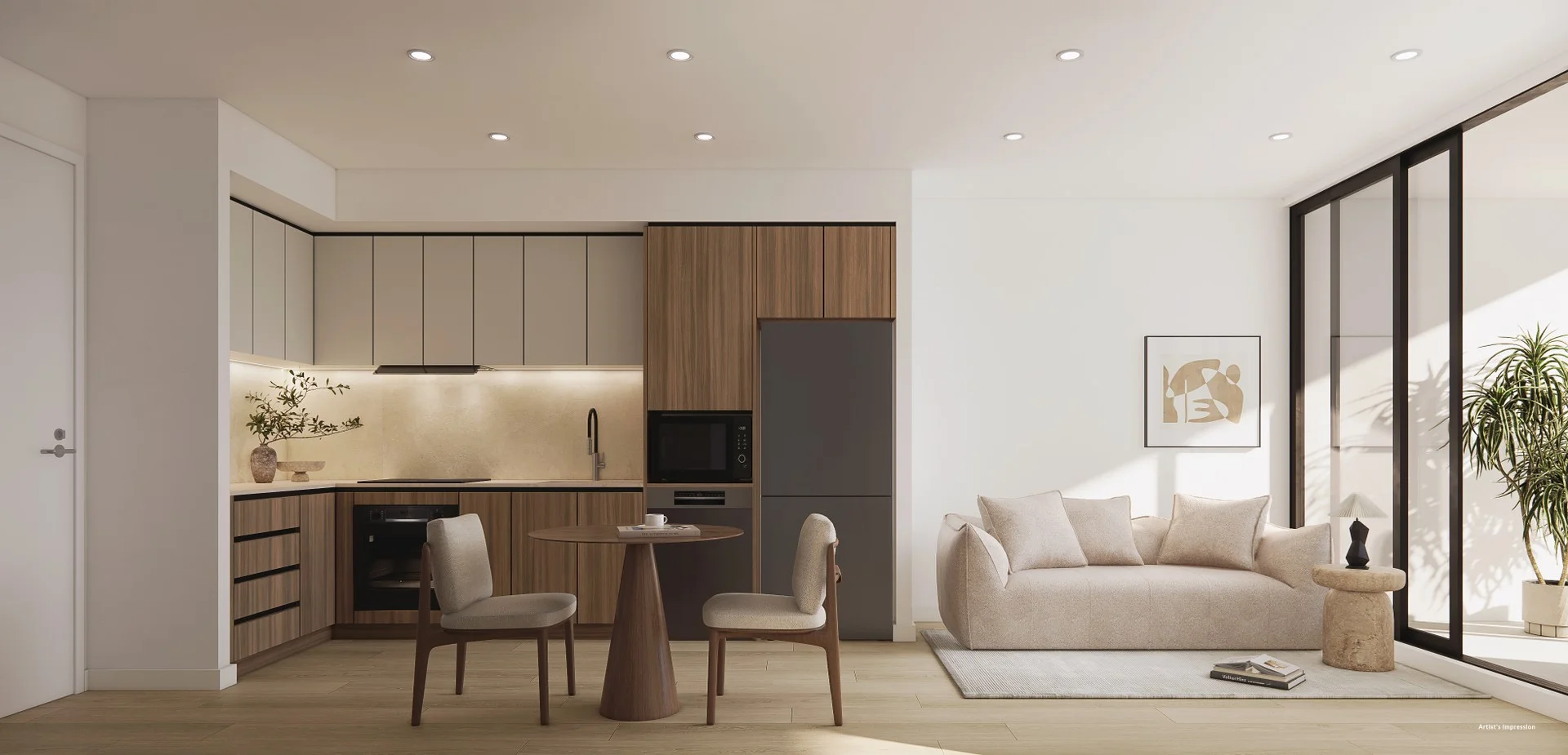 $588,000
Apartment / Unit / Flat
$588,000
Apartment / Unit / Flat
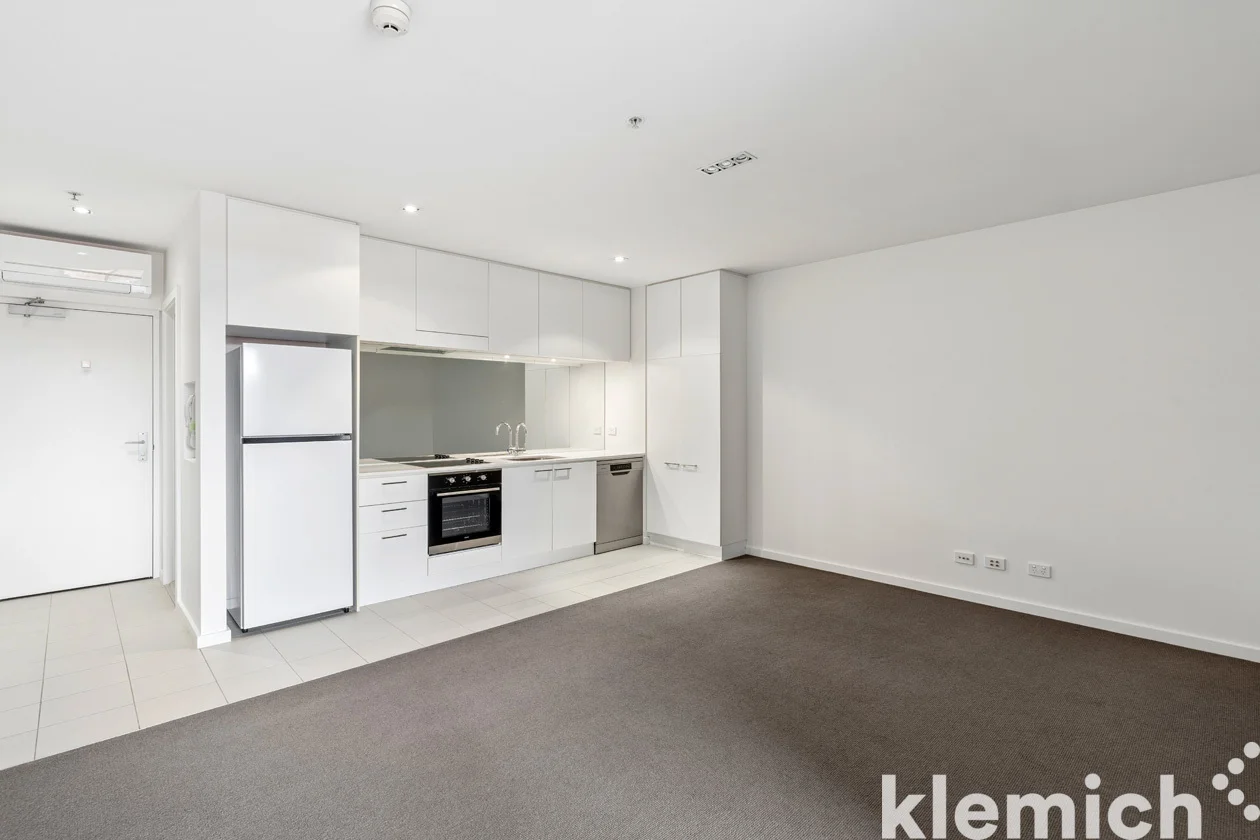 $440,000
Apartment / Unit / Flat
$440,000
Apartment / Unit / Flat
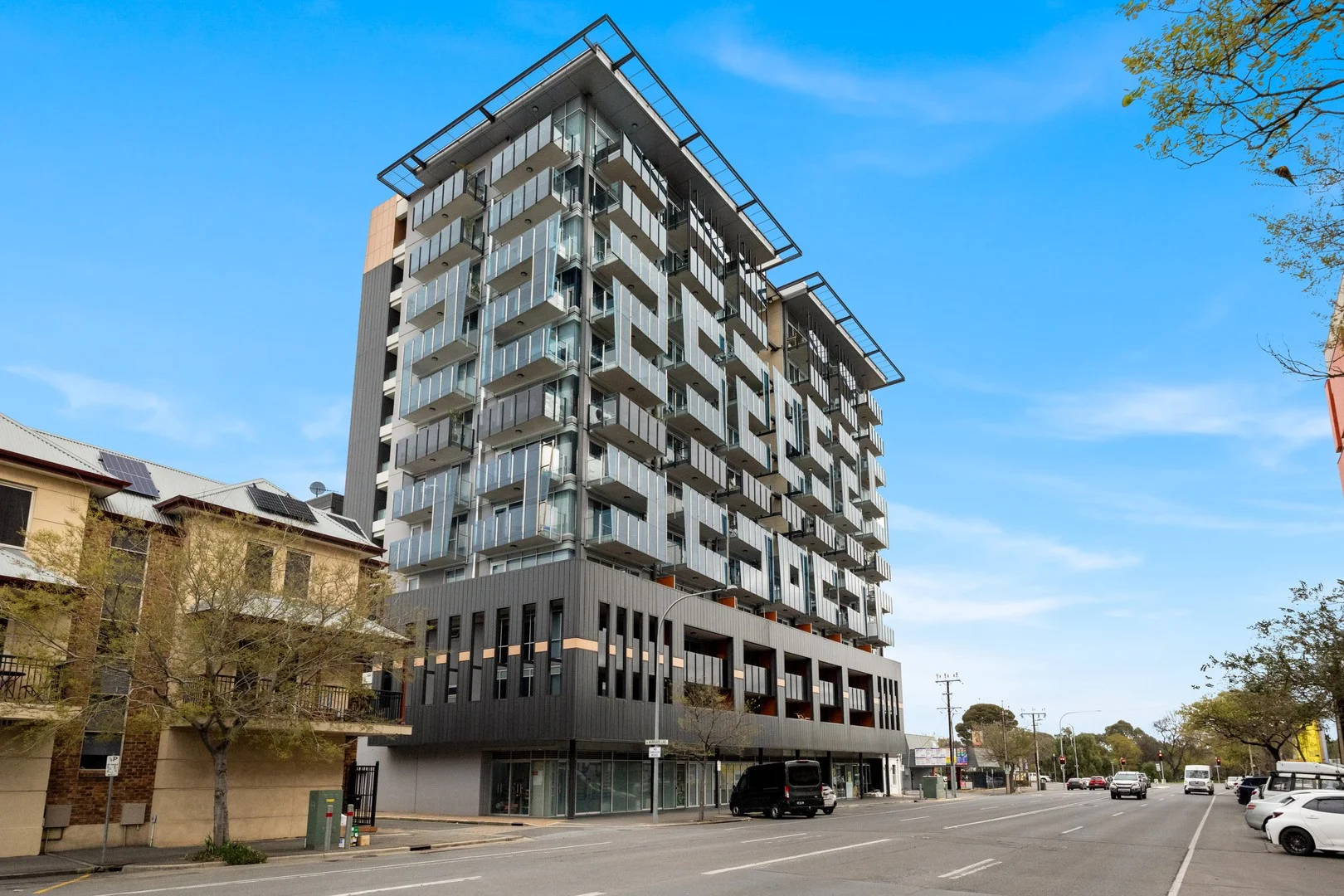 $1,100,000
Apartment / Unit / Flat
$1,100,000
Apartment / Unit / Flat