Overview
## Overview
St Joseph the Worker School is a Catholic primary school serving families in Reservoir North, Victoria. The school emphasises faith-based education within a welcoming, inclusive community. It aims to nurture students through a balanced focus on academics, values and social development, in a supportive atmosphere that encourages participation and care for others.
School size is typically described as small-to-medium, with class sizes around 20–25 students. The overall culture is nurturing and community-oriented, with a focus on inclusion, respect, and teamwork alongside solid academic foundations.
⎯⎯⎯
## Academics & Learning
- Academic strengths: Strong literacy and numeracy programs, with emphasis on faith-based values integrated across learning. English, mathematics and religious education are central, with attention to developing critical thinking and communication skills. STEM activities and hands-on learning are encouraged through inquiry-based tasks.
- Special programs: Opportunities for extension and gifted/talent pathways may be offered, along with targeted supports to meet diverse learning needs. There is typically a focus on inclusive education and differentiated instruction.
- NAPLAN / trends: Schools typically monitor literacy and numeracy trends over time, aiming for steady improvement year by year. Specific trend data should be checked with the school for the most accurate picture.
- Student-teacher ratios: Primary school class structures generally provide a favourable ratio (roughly in the low-to-mid 20s per class, with teacher aides where needed) to support individual attention.
- Support for diverse learners: EAL (English as an Additional Language) and SEN (Special Education Needs) support are commonly available, with a Learning Support Team to coordinate interventions and resource access.
⎯⎯⎯
## Sports & Extracurricular Strengths
- Sports offered: Common local options include soccer, cricket, netball, basketball and athletics, with opportunities for inter-school teams and lunchtime programs.
- Strong teams or achievements: Schools often participate in district or inter-school competitions and foster school pride through regular fixtures and school-level championships.
- Music, arts, drama programs: Involvement in choir, music, drama and school performances is typical, with opportunities to showcase student talents.
- Clubs: Robotics, coding, chess, debating and other curiosity-based clubs are commonly available to nurture problem-solving and teamwork.
- Partnerships: Local feeder clubs, community sports associations and intra-school competitions often provide additional pathways for skill development and competition.
⎯⎯⎯
## Wellbeing & Pastoral Care
- Anti-bullying approach: A proactive, whole-school stance on respectful relationships, with clear policies and restorative practices to address issues.
- House system: A house structure supports belonging, healthy competition and social connection across year levels.
- Counsellors / wellbeing officers: Access to school-based wellbeing staff (guidance counselors or wellbeing coordinators) to support emotional health and resilience.
- Transition support for new students: Orientation activities, buddy systems and targeted transition support help new students settle in smoothly.
⎯⎯⎯
## Facilities
- Sports grounds: On-site spaces for PE and outdoor activities.
- Libraries: A learning-focused library area supporting literacy and research.
- Science labs: Well-equipped spaces for hands-on science investigation.
- Music/performing arts centers: Facilities for music education and school productions.
- Tech/innovation labs: Contemporary spaces for coding, robotics and digital learning.
- Cafeteria: On-site canteen or lunch facilities for healthy meal options.
- Updated playgrounds: Safe, age-appropriate play areas with modern equipment.
⎯⎯⎯
## School Values & Community Culture
- School values / mission: Catholic faith-based education emphasising values such as respect, responsibility, compassion and service.
- Leadership style: Shared or distributed leadership with opportunities for student voice and involvement in school projects.
- Behaviour expectations: Clear behavioural codes based on respect and integrity, with restorative approaches to conflict.
- Community reputation: Strong ties with local parish and families; emphasis on welcoming new families and building a supportive school community.
- Diversity & inclusion: Commitment to creating an inclusive environment that respects diverse backgrounds and abilities.
⎯⎯⎯
## School Logistics & Daily Operations
- School hours: Typical school day starts in the morning and ends in the afternoon, with arrival and dismissal routines.
- Before/after school care: Often available, through in-school programs or partner providers.
- Uniform requirements: Standard school uniform with appropriate footwear; details provided by the school.
- Transport (train/bus routes): Proximity to public transport and local bus services; school may offer information on convenient routes and drop-off/pick-up zones.
- Canteen availability: On-site or school-wide canteen/cafeteria options on certain days.
- Fees (low/medium/high ranges): Generally in the medium range for Catholic primary schools, with details provided at enrolment and cost transparency for activities, excursions and levies.
⎯⎯⎯
## Enrolment & Admissions
11. What is the enrolment process and timeline?
- Submit an enrolment application or expression of interest.
- Provide required documents (birth certificate, immunisation records, proof of address, etc.).
- Attend an enrolment interview or meeting if requested.
- Complete any parish or family faith requirements as applicable.
- Receive an offer of placement when space is available; confirm acceptance by the stated date.
- Timeline varies by intake year and availability; check with the school for exact dates.
12. Is there a waiting list, and how does it work?
- Yes, most Catholic primary schools maintain a waiting list when intake is full.
- Access is typically offered based on a priority order (e.g., current siblings, parish placement, then general applicants) and the date of application.
- Families on the waiting list are kept informed about their status and any openings as they arise.
13. Are there any entry requirements, tests, or interviews?
- Entry requirements may include confirmation of Catholic faith where applicable, especially if parish-based admission policies apply.
- Interviews or conversations with families and students are common to understand fit with school culture and expectations.
- Formal testing is not universal for primary intake; schools may request prior school records and a standard enrolment form.
14. Does the school accept mid-year transfers?
- Mid-year transfers may be possible if there is space and a smooth transition plan for ongoing learning.
- Availability depends on grade level and current enrolments; families should contact the school early to discuss options and required documentation.
⎯⎯⎯
## Frequently Asked Questions
- Why Parents Choose This School?
- A values-driven, faith-based environment with a welcoming community and focus on academic growth, wellbeing, and character development.
- What type of student thrives at this school?
- Students who are curious, compassionate, responsible and engaged in both academics and community life. Those who value a supportive, inclusive environment tend to do well.
- What opportunities are available for students to extend their skills (academics, sports, arts)?
- Strong literacy and numeracy programs, plus clubs and activities in robotics, coding, chess, debating, music and drama. Sports programs and inter-school events provide opportunities to compete and grow.
- How does the school communicate with parents?
- Through newsletters, emails, a school app or portal, and regular parent-teacher meetings. News about events, learning milestones and wellbeing support is shared consistently.
- What is the school’s approach to teaching and learning?
- Student-centered and differentiated instruction, with emphasis on literacy, numeracy, faith formation and social-emotional development. Technology and digital learning are integrated to enhance understanding and collaboration.
- How does the school support students who need extra academic help?
- Learning Support teams coordinate targeted interventions, EAL support and SEN referrals, with tailored plans to help each student progress.
- What support is available for academic challenges?
- Diagnostic assessments, small group or one-on-one tutoring where appropriate, and collaboration with families to set goals and monitor progress.
- How does the school communicate with parents? (Repeated question)
- See above: newsletters, app/portal, email, and parent-teacher conferences.
- What are the class sizes and how much individual attention do students receive?
- Class sizes typically run around 20–25 students, with teaching staff and aides providing targeted support and opportunities for individual feedback.
- What extracurricular and sports opportunities are available?
- Sports such as soccer, netball, basketball and athletics; clubs in robotics, coding, chess and debating; music and drama programs; inter-school events and competitions.
- What facilities does the school offer (sports, science, arts)?
- Sports grounds, library, science labs, music/performing arts spaces, tech/innovation labs, canteen, and updated playgrounds.
- What is the school’s approach to technology and digital learning?
- Integration of digital tools to support learning, with appropriate devices, e-learning platforms, and emphasis on digital citizenship and safety.
- What transport and accessibility options are available?
- Information on local bus routes, proximity to train stations, and options for drop-off/pick-up; facilities designed for accessibility as needed.
- What are typical school fees or additional costs?
- Fees are typically set at a moderate level for primary schools, with additional costs for uniforms, excursions, activity levies and materials. Details are provided at enrolment.
⎯⎯⎯
## Short Pros & Cons list
- Pros:
- Catholic values-based education in a welcoming community
- Small-to-medium class sizes that support individual attention
- Strong focus on wellbeing, inclusion and character development
- Broad extracurricular options and early exposure to STEM, arts and sport
- Positive parent communication and community involvement
- Cons:
- If looking for a very large school community, this may feel smaller
- Some programs or opportunities may vary by year and staffing; check current offerings
- Fees and fundraising are part of school life; families should budget for uniforms and activities
- Availability of places depends on enrolment demand and space in the chosen year level
If you’d like, I can tailor these sections with more precise, up-to-date details once you share the latest enrolment policies, current facilities, or any particular programs this school is actively running.












 $1,220,000 - $1,320,000
House
$1,220,000 - $1,320,000
House
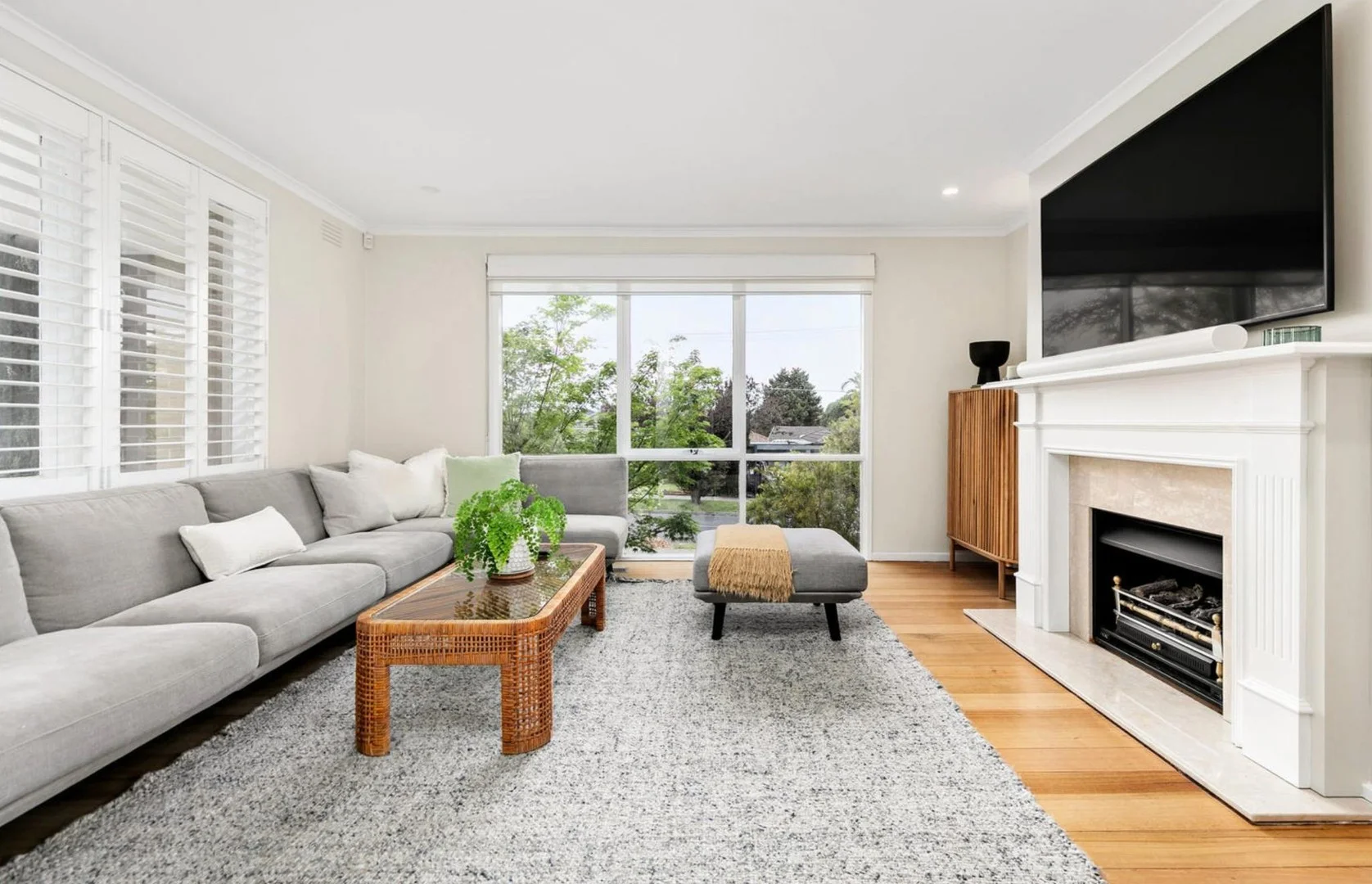 $750
House
$750
House
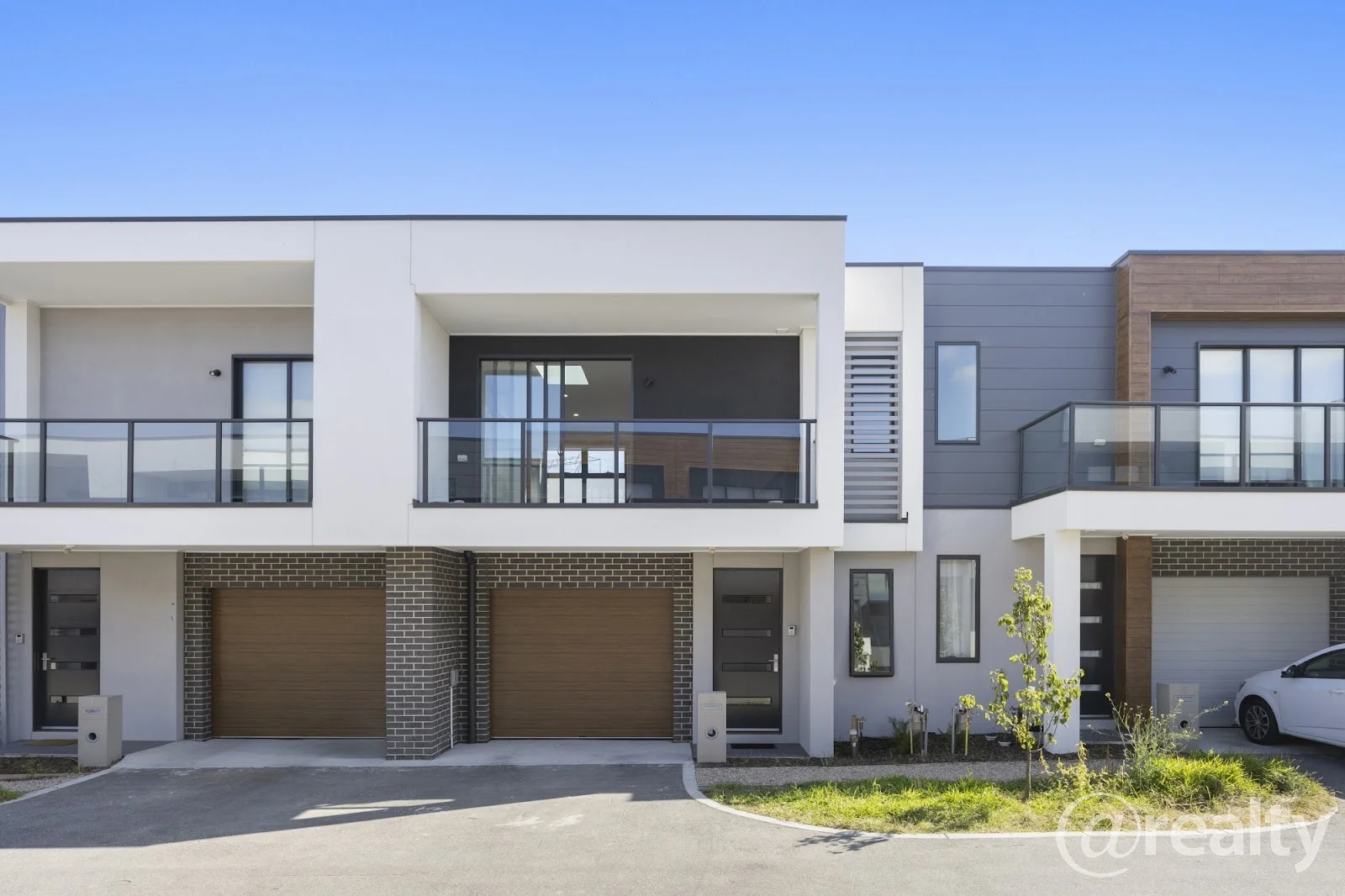 $510
Townhouse
$510
Townhouse
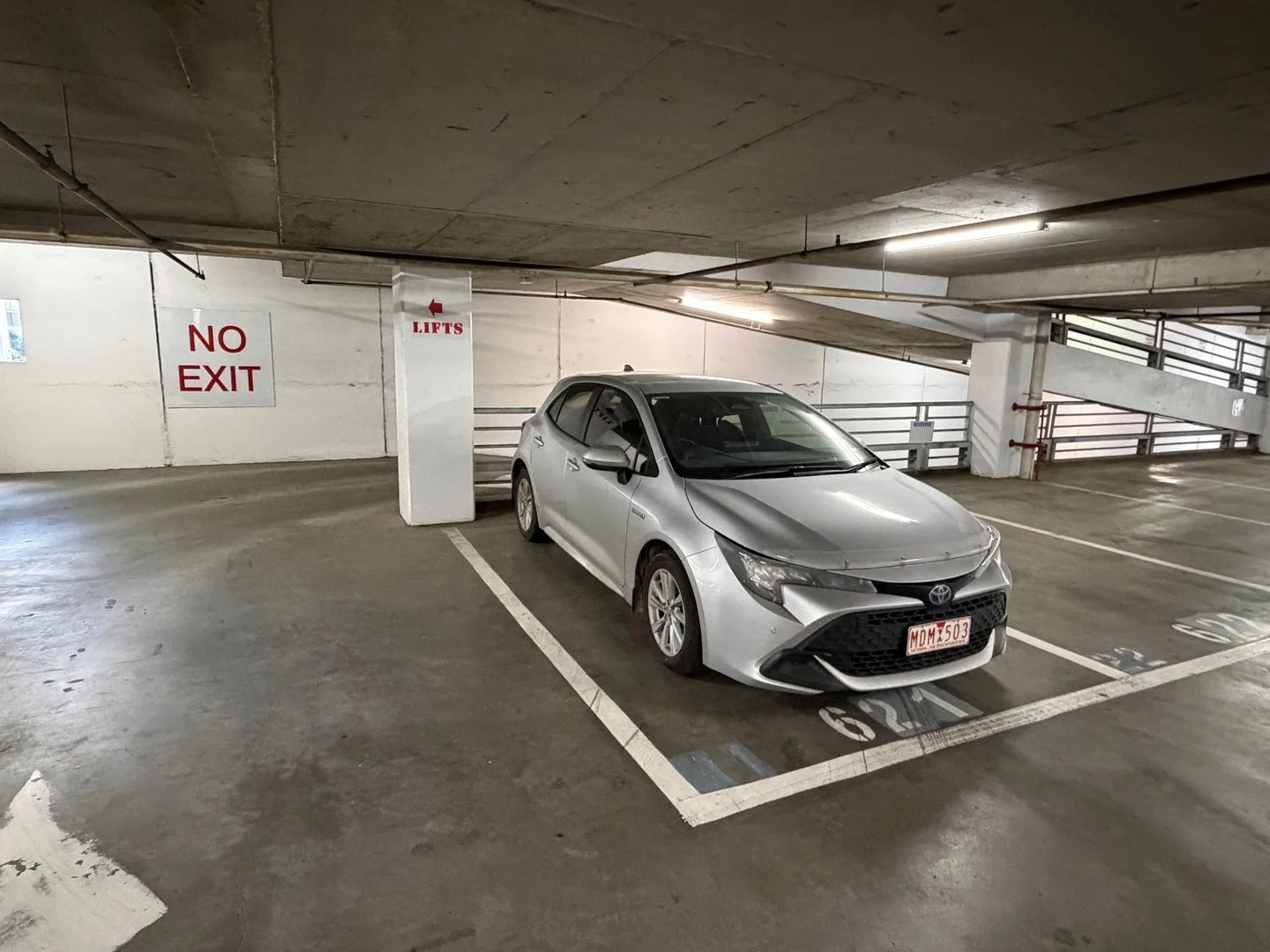 $27,500
propertyType.CAR SPACE
$27,500
propertyType.CAR SPACE
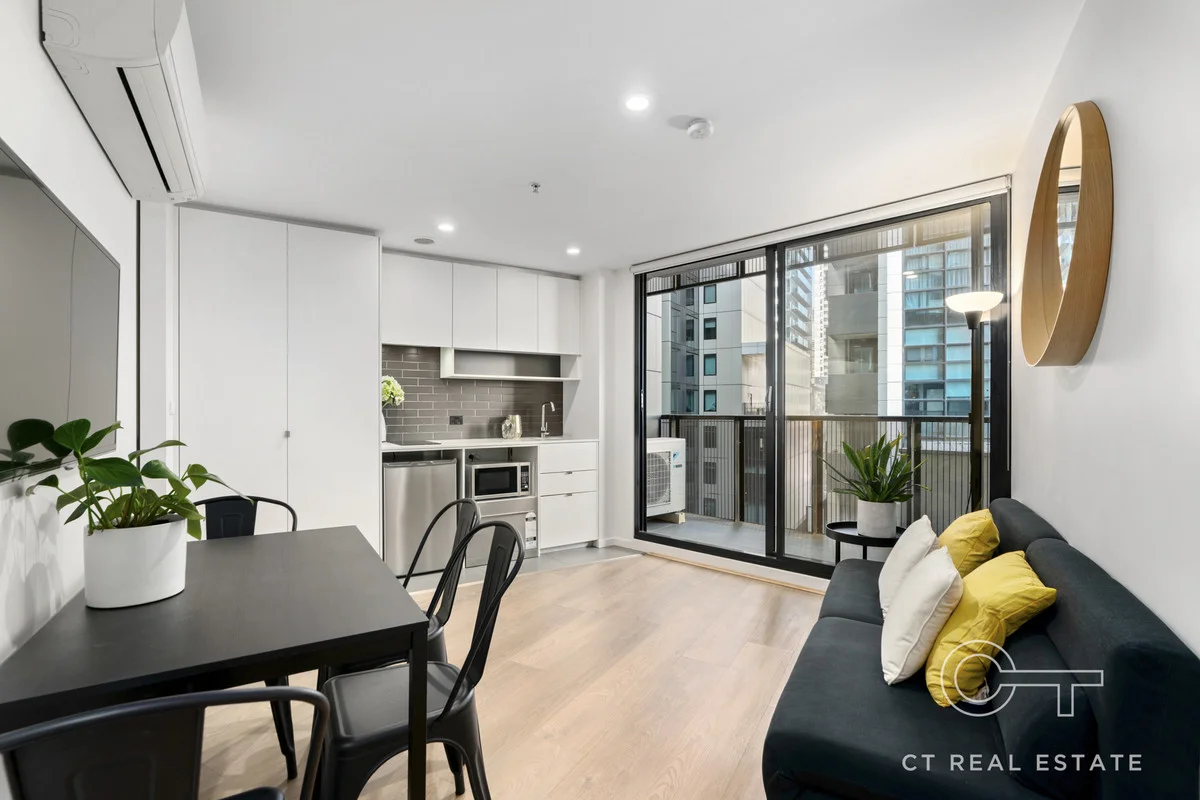 $360,000
Apartment / Unit / Flat
$360,000
Apartment / Unit / Flat
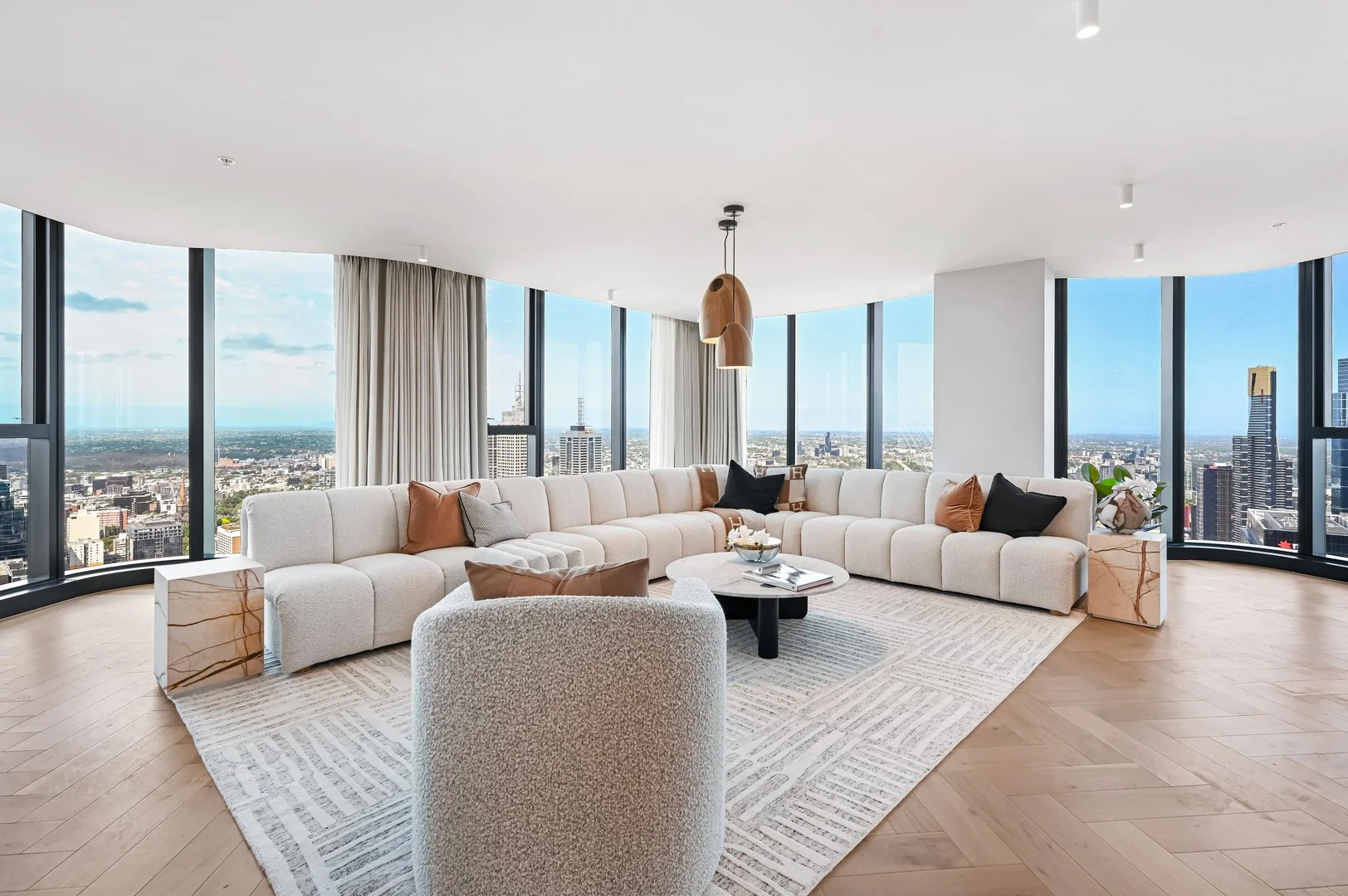 $5,512,000
propertyType.NEW APARTMENTS / OFF THE PLAN
$5,512,000
propertyType.NEW APARTMENTS / OFF THE PLAN
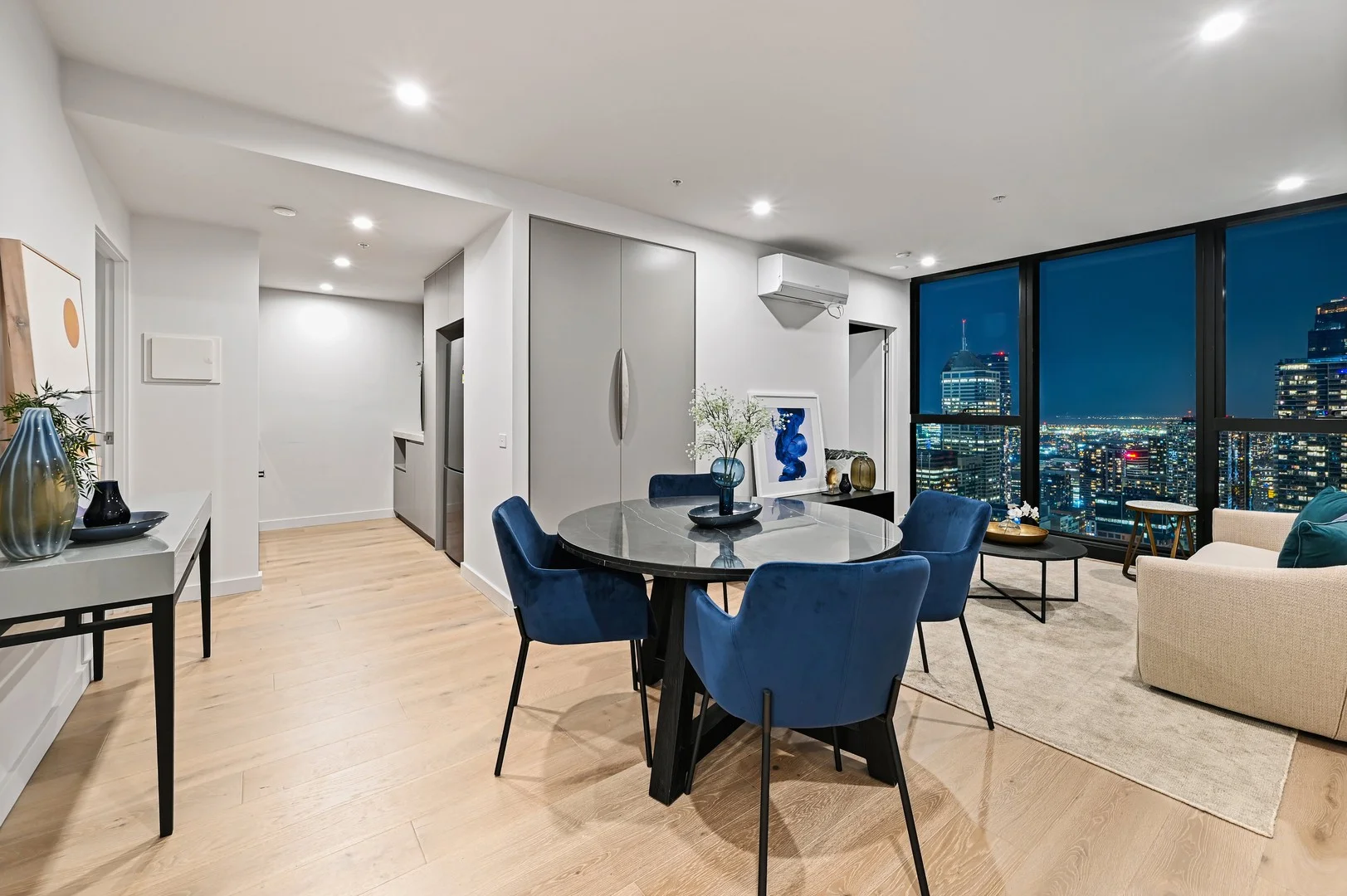 $943,000
propertyType.NEW APARTMENTS / OFF THE PLAN
$943,000
propertyType.NEW APARTMENTS / OFF THE PLAN
 $2,008,000
propertyType.NEW APARTMENTS / OFF THE PLAN
$2,008,000
propertyType.NEW APARTMENTS / OFF THE PLAN
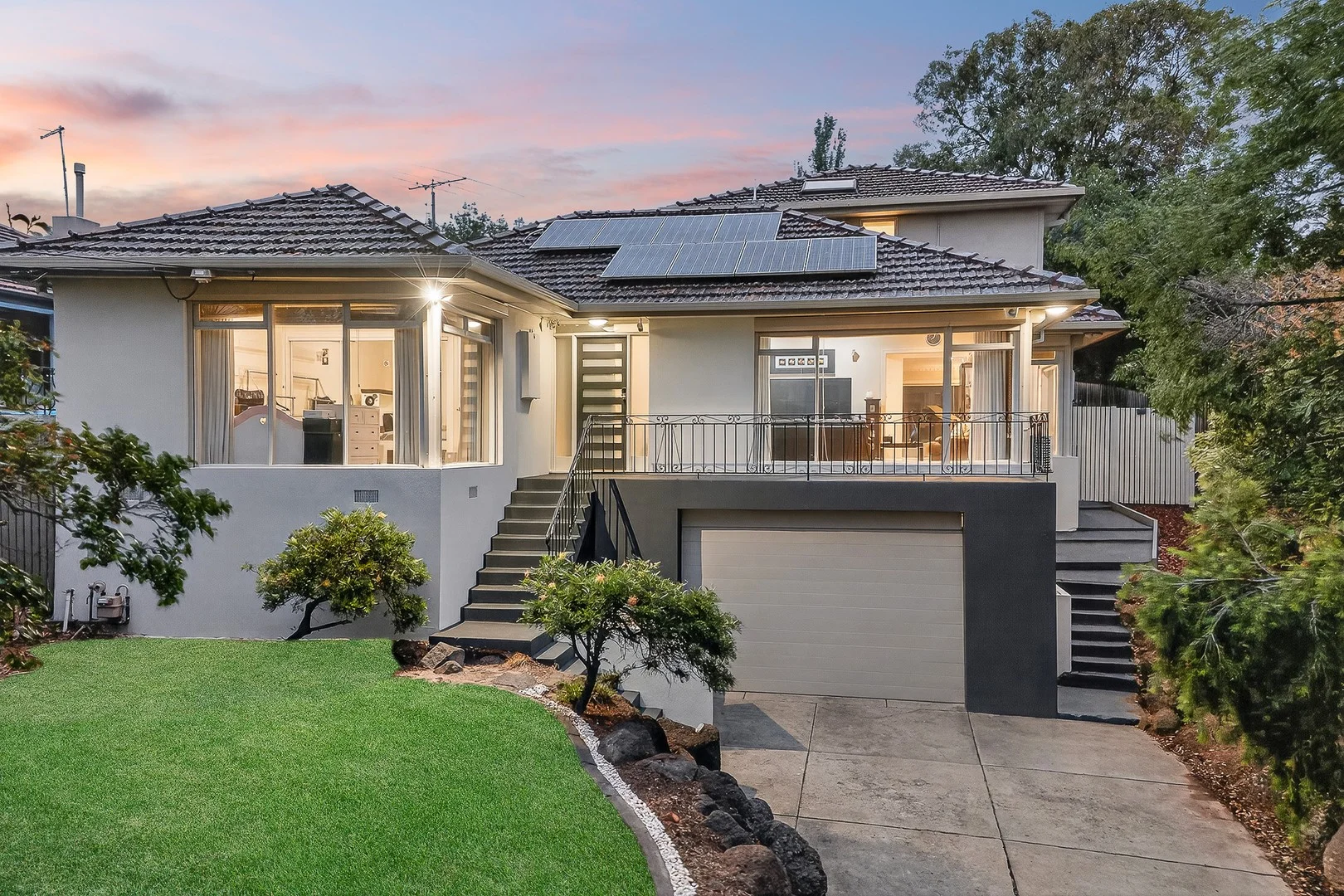 $1,350,000 - $1,450,000
House
$1,350,000 - $1,450,000
House