- Overview
Pulteney Grammar School is an independent, Anglican co-educational day school in Adelaide, South Australia. The school fosters an inclusive, academically driven culture with a strong emphasis on character, leadership and service within a supportive community. With a medium-to-large student body, it offers a comprehensive education from early years through to Year 12, aiming to prepare students for success in the Australian context and beyond.
- School type: Independent Anglican, co-educational
- School size: Medium
- Atmosphere/culture: Nurturing, academically rigorous, inclusive, with a focus on leadership and community
- Academics & Learning
Pulteney Grammar School provides a broad, rigorous curriculum designed to develop critical thinking, communication and lifelong learning. The school emphasizes strong literacy and numeracy foundations, with opportunities for deeper learning across STEM, English, languages and the humanities. A range of programs supports students to stretch academically while receiving targeted help when needed.
- Academic strengths: STEM, English, languages, humanities; leadership development and critical thinking
- Special programs: Pathways for accelerated learning and gifted/talented programs; SACE/ATAR preparation; opportunities in performing arts and visual arts
- Support for diverse learners: EAL support, learning assistance and targeted SEN programs; inclusive education approaches
- Sports & Extracurricular Strengths
An important focus for many families, Pulteney offers a well-rounded program that sits alongside academics. Students can participate in competitive team sports as well as a broad range of clubs and artistic pursuits.
- Sports offered: AFL-style football, soccer, netball, basketball, cricket, tennis, swimming, athletics; cricket and rowing programs often featured depending on year and facilities
- Strong teams or achievements: Competitive interschool programs with notable performances across several sports
- Music, arts, drama programs: Active music ensembles, choir, orchestra, drama productions and performing arts events
- Clubs: Robotics, coding, chess, debating and other academic/leadership clubs
- Partnerships: Connections with local sporting clubs, arts organizations and regional/interschool competitions for broader exposure
- Wellbeing & Pastoral Care
Wellbeing and pastoral care are central to school life, supporting students’ social-emotional development and academic progress through a structured program and supportive staff.
- Anti-bullying approach: Clear policies and programs promoting respect, empathy and a positive school climate
- House system: House groups that foster belonging, friendly competition and mentorship
- Counsellors / wellbeing officers: Access to school counsellors and wellbeing staff to support students’ mental health, study skills and transitions
- Transition support for new students: Orientation programs, buddy systems and targeted induction to help students settle in
- Facilities
Pulteney’s facilities are designed to support a broad curriculum and a vibrant co-curricular life.
- Sports grounds: Dedicated playing fields and courts for various sports
- Libraries: Well-stocked library spaces with study zones
- Science labs: Modern laboratories for chemistry, physics, biology and related disciplines
- Music/performing arts centers: Rehearsal and performance spaces for music and drama
- Tech/innovation labs: Computer labs and makerspaces supporting digital learning and fabrication
- Cafeteria: On-site canteen offering a range of healthy options
- Updated playgrounds: Well-maintained outdoor play and recreation areas
- School Values & Community Culture
Pulteney Grammar School emphasizes values-driven education within a collaborative community that encourages leadership, service and integrity.
- School values / mission: Focus on character, curiosity, respect and responsibility
- Leadership style: Supportive, student-centered with opportunities for student voice and leadership roles
- Behaviour expectations: Clear codes of conduct aligned with school values
- Community reputation: Positive, engaged school community with active parent involvement
- Diversity & inclusion: Commitment to an inclusive environment celebrating diverse backgrounds and perspectives
- School Logistics & Daily Operations
Practical aspects of day-to-day school life are designed for smooth transitions and predictable routines.
- School hours: Typical day starts in the morning and ends mid-to-late afternoon; exact times vary by year level
- Before/after school care: Available (supervised care with activities)
- Uniform requirements: Standard school uniform with seasonal variations; dress code for events
- Transport: Bus routes and access via local transport; convenient options to and from the city and surrounding suburbs
- Canteen availability: On-site canteen or vending options with healthy meal choices
- Fees: Private school fees range from mid to high; additional costs for uniforms, excursions, and activities
- Enrolment & Admissions
Key steps and considerations for families exploring entry to Pulteney Grammar School.
- 11. What is the enrolment process and timeline?
- Submit an application and supporting documents, participate in an interview or information session, and complete any required assessments. Offers are issued based on space and suitability, with timelines varying by year level.
- 12. Is there a waiting list, and how does it work?
- Yes, waiting lists may apply for popular year levels. Placement depends on space, sibling considerations and the order of applications. Some rounds may offer limited places.
- 13. Are there any entry requirements, tests, or interviews?
- Entry typically involves eligibility checks, an assessment or test relevant to the year level, and an interview or information session; references and previous school reports may be requested.
- 14. Does the school accept mid-year transfers?
- Mid-year transfers may be possible subject to space, availability of suitable year-level placement and completing the school’s transfer process.
- Frequently Asked Questions
- Why Parents Choose This School?
- A strong blend of academic rigour, supportive pastoral care, and a values-driven community; opportunities across academics, sports, arts and leadership.
- What type of student thrives at this school?
- Curious, motivated learners who value both academic achievement and active participation in co-curricular life; students who appreciate a supportive, inclusive community.
- What opportunities are available for students to extend their skills (academics, sports, arts)?
- Advanced learning pathways, accelerated programs, leadership roles, music and drama ensembles, sports teams, robotics and coding clubs, debating and public speaking.
- How does the school communicate with parents?
- Regular updates through newsletters, a parent portal/app, academic reports, and parent-teacher evenings; timely notifications for events and changes.
- What is the school’s approach to teaching and learning?
- A combination of traditional foundations and contemporary, inquiry-based learning; emphasis on literacy, numeracy, critical thinking and digital literacy.
- How does the school support students who need extra academic help?
- Targeted learning support, tutoring options, EAL support and SEN accommodations as needed.
- What support is available for academic challenges?
- Access to learning support staff, individual or small-group assistance and ongoing monitoring of progress.
- How does the school communicate with parents? (duplicate)
- See above: multiple channels including portal, email, newsletters and events.
- What extracurricular and sports opportunities are available?
- A broad range of sport, music, drama and clubs, including robotics, coding, chess and debating; interschool competitions and performing arts opportunities.
- What facilities does the school offer (sports, science, arts)?
- Comprehensive facilities across sports grounds, libraries, science labs, music/performing arts spaces and technology labs.
- What is the school’s approach to technology and digital learning?
- Integration of digital tools to support learning, with appropriate supervision and emphasis on responsible, productive use.
- What transport and accessibility options are available?
- Bus routes and access via public transport; arrangements to support convenient travel for students across the catchment.
- What are the typical school fees or additional costs?
- Fees fall within a private school range; additional costs may include uniforms, excursions, camps and extra-curricular activity fees.
- Short Pros & Cons list
- Independent, values-driven education with strong pastoral care
- Broad curriculum with opportunities in STEM, arts and languages
- Active co-curricular program (sports, music, clubs)
- Supportive transition and student well-being services
- Good facilities supporting a wide range of learning experiences
- Private school fees may be higher than government or community options
- Competitive entry process and potential waiting lists for popular year levels
- Extracurricular commitments can be demanding for students with heavy academic loads
If you’d like, I can tailor this content further with more precise details (e.g., current fee ranges, exact facilities, or recent academic highlights) once you share any points you want emphasized or any updates from the school.
 Free
Free









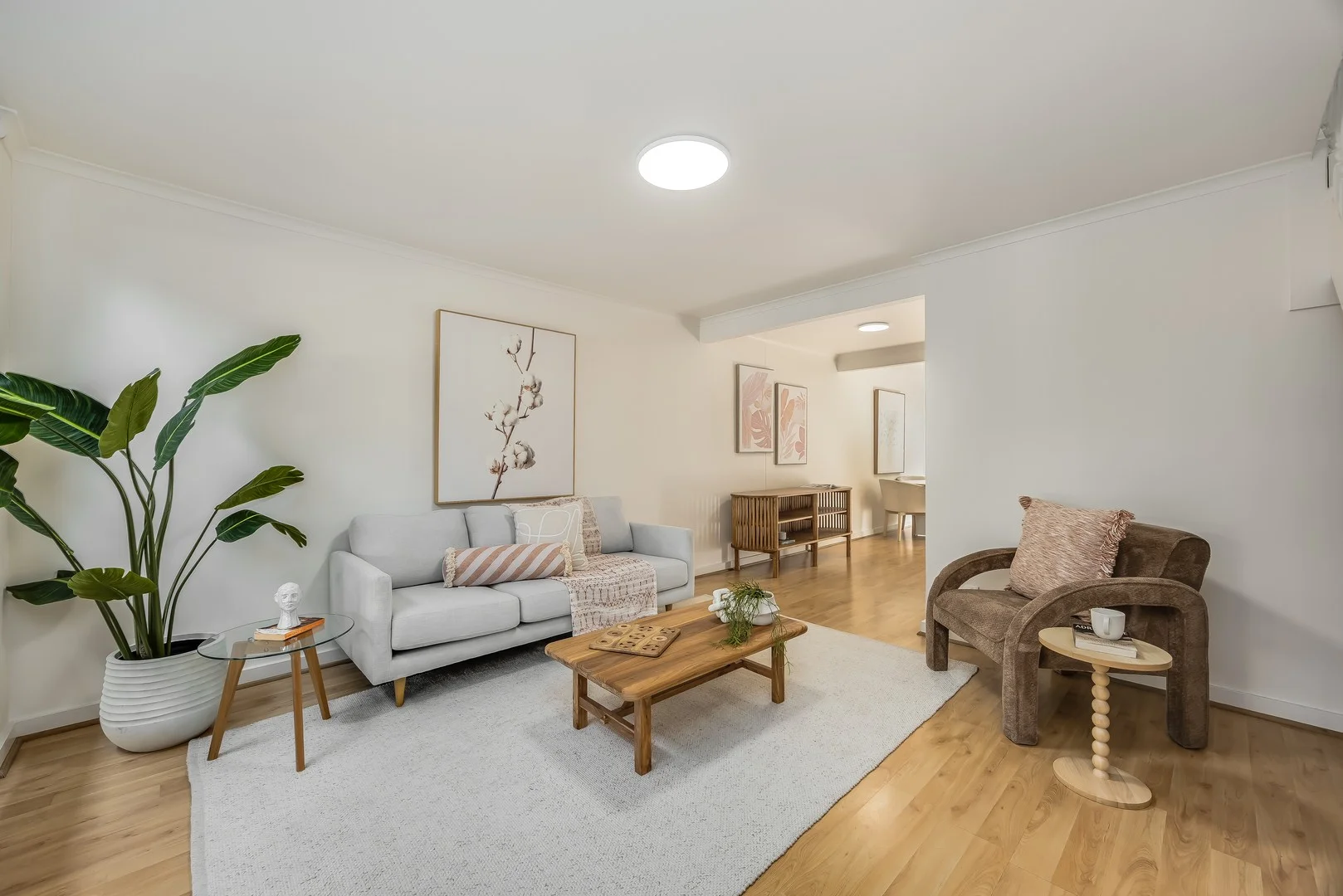 $775,000
House
$775,000
House
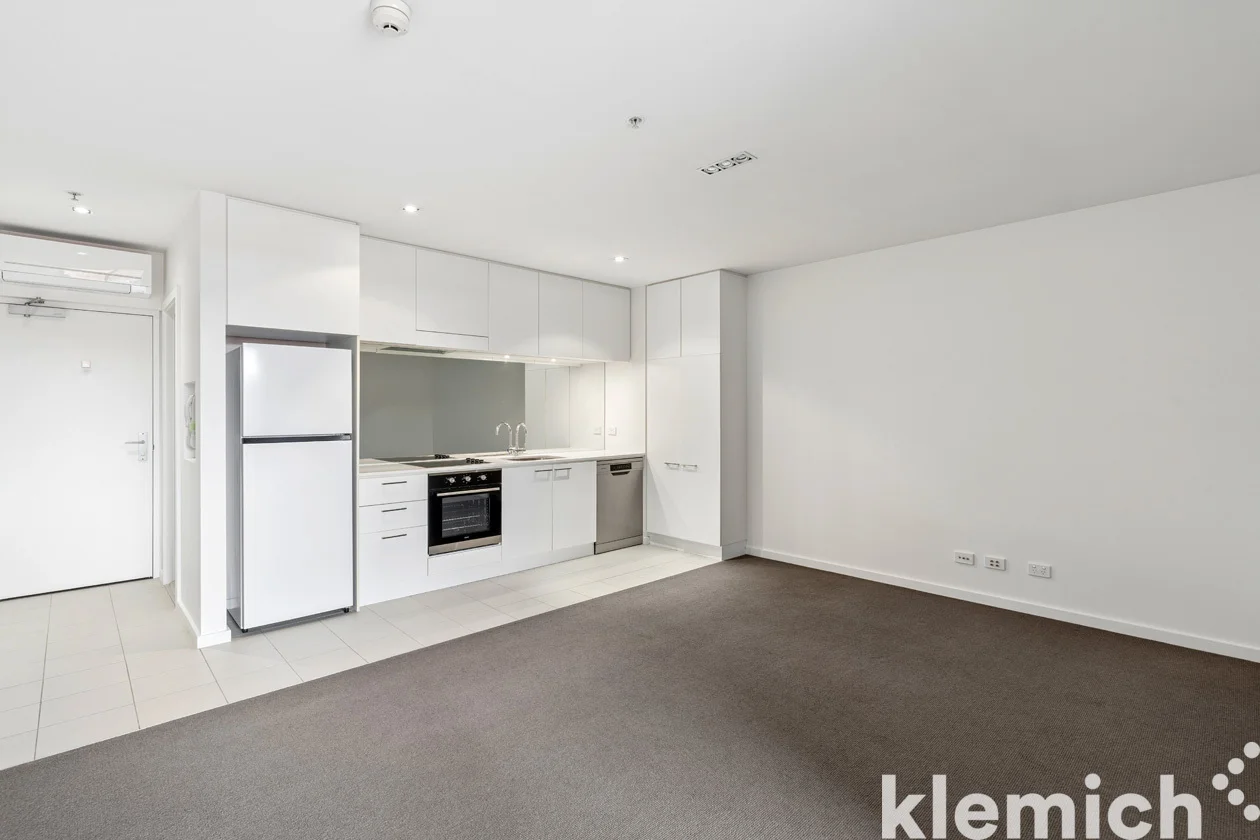 $440,000
Apartment / Unit / Flat
$440,000
Apartment / Unit / Flat
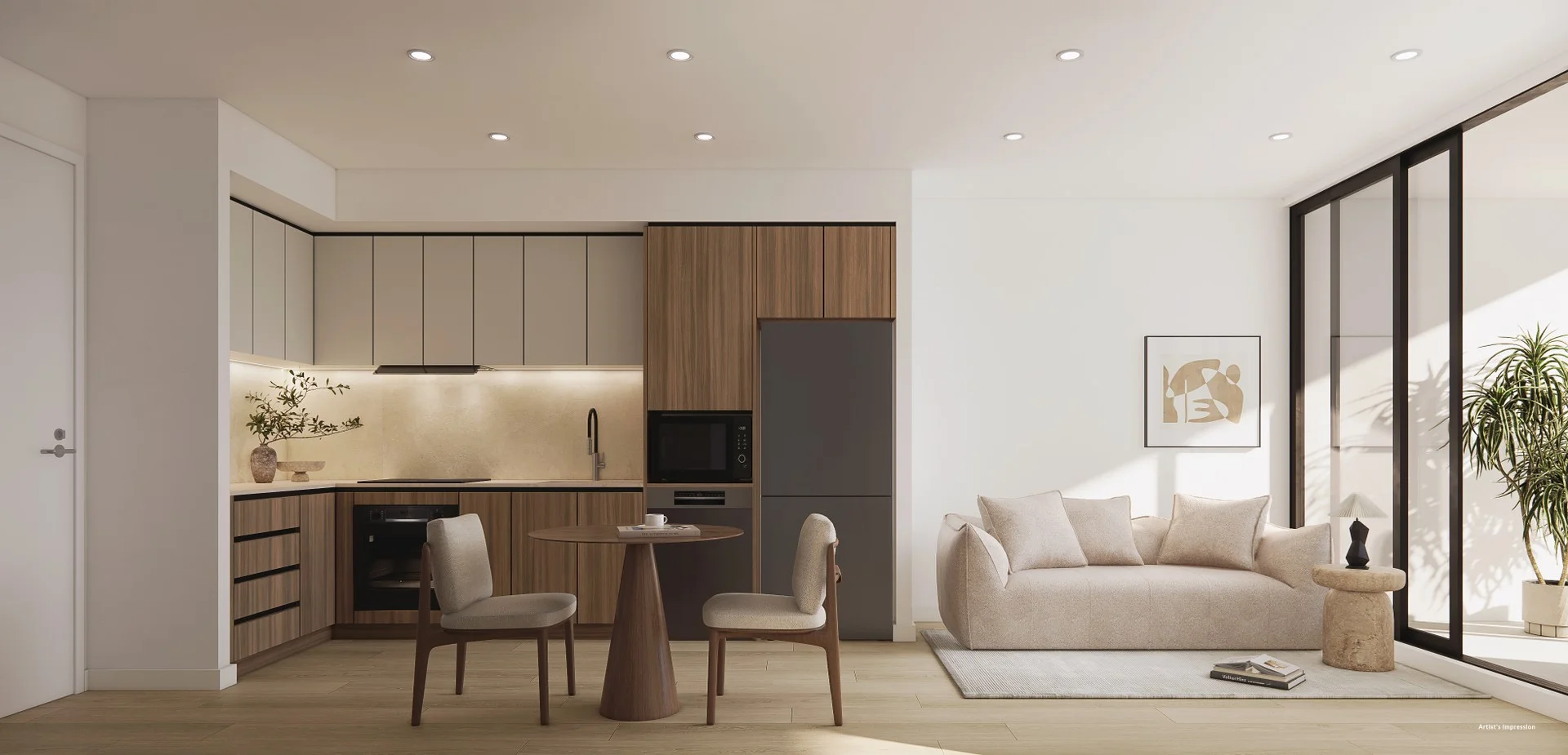 $588,000
Apartment / Unit / Flat
$588,000
Apartment / Unit / Flat
 $1,056,000
Apartment / Unit / Flat
$1,056,000
Apartment / Unit / Flat
 $935,000
Apartment / Unit / Flat
$935,000
Apartment / Unit / Flat
 $557,000
Apartment / Unit / Flat
$557,000
Apartment / Unit / Flat
 $1,100,000
Apartment / Unit / Flat
$1,100,000
Apartment / Unit / Flat
 $545,000
Apartment / Unit / Flat
$545,000
Apartment / Unit / Flat