## 1. Overview
St Aloysius College in Adelaide is an independent Catholic day school for girls, rooted in values-based education and service. The college focuses on developing confident, capable young women who are prepared for further study and responsible citizenship.
- School type: Independent Catholic
- School size: Medium to large
- Class size: Approximately 20–22 students
- Atmosphere/culture: Nurturing, academically focused, inclusive
---
## 2. Academics & Learning
- Academic strengths: English and humanities, STEM disciplines, and language study are emphasised, with opportunities for leadership development integrated into the curriculum.
- Special programs: Gifted and Talented programs, accelerated learning pathways, and leadership development opportunities are available.
- NAPLAN / trends: Recent years show stable to improving performance trends across reading, writing, and numeracy, reflective of targeted teaching and student support.
- Student-teacher ratios: Class sizes are designed to support strong teacher-student interaction, with a ratio around 1:12.
- Support for diverse learners: Dedicated learning support, EAL (English as an Additional Language) assistance, and SEN (special education needs) supports are in place to help diverse learners succeed.
---
## 3. Sports & Extracurricular Strengths
- Sports offered: Netball, basketball, soccer, hockey, tennis, athletics, swimming, and more.
- Strong teams or achievements: Competitive school-level teams with regular participation in inter-school events and championships.
- Music, arts, drama: Active music and drama programs with choirs, ensembles, school productions, and performing arts opportunities.
- Clubs: Robotics, coding, chess, debating, science clubs, and other interest-based activities.
- Partnerships: Collaborations with local academies and participation in regional competitions and festivals to broaden opportunities.
Most parents of boys aged 10–14 skim this section; for girls, the emphasis is on competitive teams, arts programs, and accessible clubs that build well-rounded skills.
---
## 4. Wellbeing & Pastoral Care
- Anti-bullying approach: Clear policies and proactive, inclusive culture to promote respectful interactions and safe environments.
- House system: A house framework supports belonging, teamwork, and friendly competition across year levels.
- Counsellors / wellbeing officers: Access to school counsellors and wellbeing staff to support emotional and social development.
- Transition support: Structured orientation and transition programs help new students settle in smoothly.
---
## 5. Facilities
- Sports grounds: On-site sports facilities and fields appropriate for team sport training and games.
- Libraries: Well-stocked library spaces with study zones.
- Science labs: Modern laboratories for hands-on science learning.
- Music/performing arts centers: Dedicated spaces for music practice, drama, and productions.
- Tech/innovation labs: Computing and STEM suites supporting digital learning and project work.
- Cafeteria: On-site dining facilities for students.
- Updated playgrounds: Evidence of modern, safe spaces for recreational breaks and outdoor activity.
---
## 6. School Values & Community Culture
- School values / mission: A values-led education emphasizing integrity, service, leadership, and care for others.
- Leadership style: Participative leadership with student involvement in clubs, student councils, and peer mentoring.
- Behaviour expectations: Clear character and conduct standards aligned with Catholic education and school policies.
- Community reputation: A trusted community focus with strong parent and parish links and a commitment to inclusion.
- Diversity & inclusion: Active efforts to welcome and support students from diverse backgrounds.
---
## 7. School Logistics & Daily Operations
- School hours: Typical school day runs through the core hours with start and finish times aligned to SA school conventions.
- Before/after school care: Availability of supervised programs or activities outside core hours.
- Uniform requirements: Standard school uniform with seasonal variations and appropriate dress expectations.
- Transport: Access to school bus routes and local public transport options; information on pick-up/drop-off arrangements.
- Canteen availability: On-site canteen or cafeteria services for students.
- Fees: Fee levels fall in the medium to high range for an independent Catholic school; details vary by year level and program.
---
## 8. Enrolment & Admissions
11. What is the enrolment process and timeline?
- Typically, families start with an online or formal application, submit required documents (academic records, birth/citizenship details, Catholic background information if applicable), and complete an information session or interview. The timeline varies by year level and intake period, with offers often made after a review period and possible orientation for new students.
12. Is there a waiting list, and how does it work?
- Yes, there can be a waiting list for certain year levels. Allocation is usually based on space availability, application date, readiness for start, and alignment with the school’s enrolment criteria.
13. Are there any entry requirements, tests, or interviews?
- Entry often involves an interview or information session, and may include documentation of prior schooling. Some programs (e.g., Gifted & Talented) may have additional assessments, but this varies by year level and intake.
14. Does the school accept mid-year transfers?
- Mid-year transfers are considered where spaces are available. The process typically involves a transfer request, submission of academic records, and an assessment of fit with current cohorts and timetable.
---
## 9. Frequently Asked Questions
- Why Parents Choose This School?
- A values-based, girl-focused education that combines strong academics with wellbeing, leadership development, and a supportive community.
- What type of student thrives at this school?
- Students who are motivated, collaborative, and want a Catholic schooling environment that emphasizes service, leadership, and academic growth.
- What opportunities are available for students to extend their skills (academics, sports, arts)?
- Advanced coursework and enrichment programs, leadership roles, competitive sports teams, performing arts ensembles, robotics, coding, debating, and community service activities.
- How does the school communicate with parents?
- Regular updates through newsletters, parent portals, emails, and scheduled parent-teacher meetings. Major communications are designed to be timely and accessible.
- What is the school’s approach to teaching and learning?
- A balanced approach combining rigorous curriculum, student-centered learning, and opportunities for experiential and collaborative projects.
- How does the school support students who need extra academic help?
- Targeted learning support, tutoring or small-group assistance, and access to SEN/EAL resources as appropriate.
- What support is available for academic challenges?
- Dedicated advisory and support staff, progress monitoring, and strategies tailored to individual learning needs.
- How does the school communicate with parents? (duplicate)
- See above: regular updates via multiple channels with clear channels for feedback.
- What are the class sizes and how much individual attention do students receive?
- Class sizes around 20–22 students, with teachers providing substantial individual guidance within the learning day.
- What extracurricular and sports opportunities are available?
- A broad range including sports (netball, basketball, soccer, hockey, athletics), music, drama, robotics, coding, chess, debating, and other clubs.
- What facilities does the school offer (sports, science, arts)?
- Modern sports facilities, libraries, science labs, performing arts spaces, tech/innovation labs, and dining/canteen areas.
- What is the school’s approach to technology and digital learning?
- Integrated technology across the curriculum with access to devices, digital projects, coding and computer science opportunities, and safe, responsible use guidelines.
- What transport and accessibility options are available?
- Access to bus routes and public transport information; details provided by the school to accommodate families.
- What are the typical school fees or additional costs?
- Fees are in the medium to high range for independent Catholic schools; specific amounts depend on year level and programs and are shared in the official enrolment information.
---
## 10. Short Pros & Cons
- Pros
- Values-based, Catholic independent education with a focus on leadership and service
- Medium-to-large school with diverse academic and co-curricular options
- Strong emphasis on wellbeing, inclusive practices, and student support
- Broad facilities supporting science, arts, and technology
- Active clubs and teams across sports, arts, and STEM
- Cons
- Fees are higher than public options and some other schools
- Competitive environment may not suit every student
- Enrollment may involve a waiting list for popular year levels
- Mid-year transfers depend on space and timetable alignment
 Free
Free








 $1,056,000
Apartment / Unit / Flat
$1,056,000
Apartment / Unit / Flat
 $588,000
Apartment / Unit / Flat
$588,000
Apartment / Unit / Flat
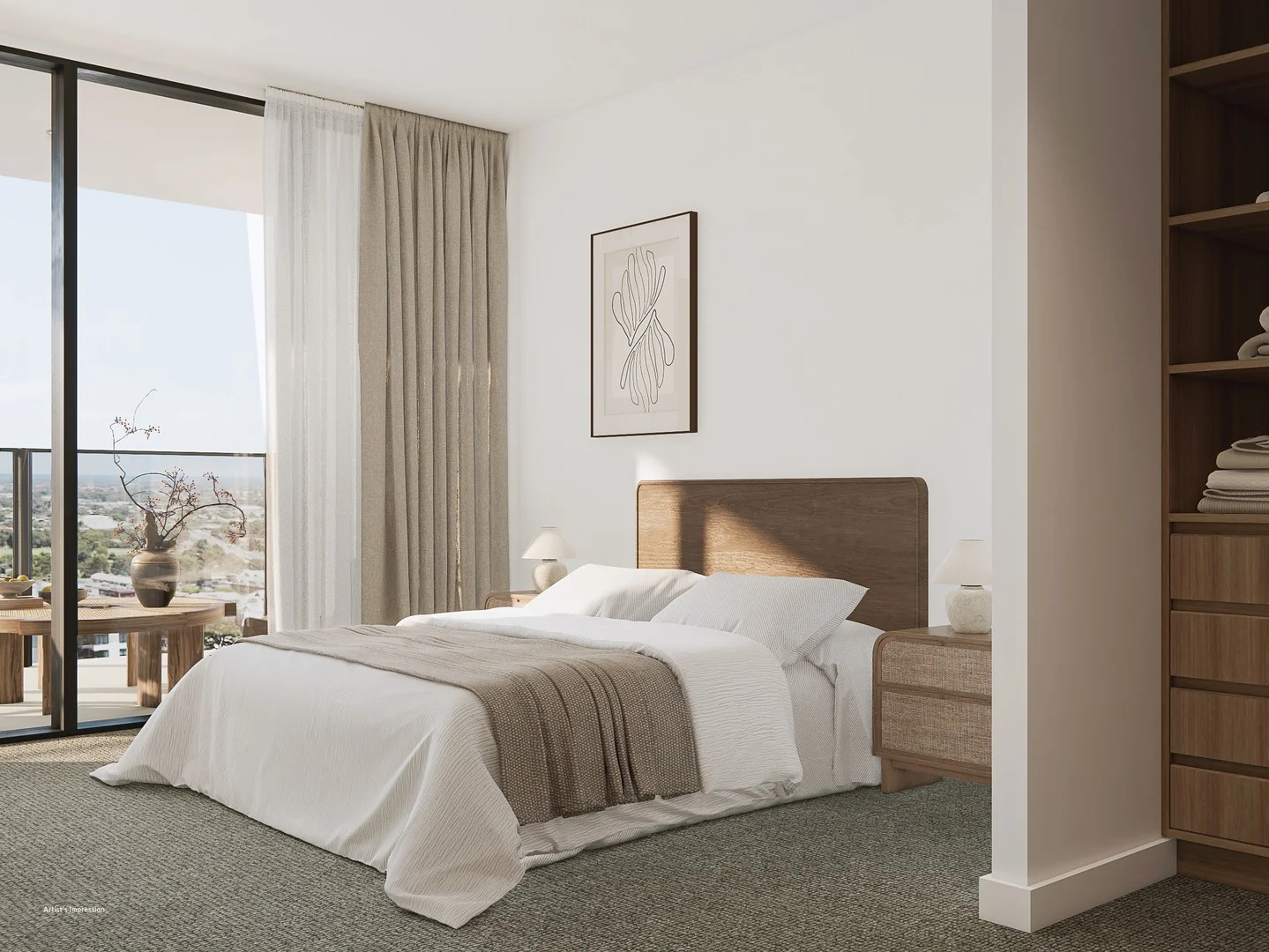 $935,000
Apartment / Unit / Flat
$935,000
Apartment / Unit / Flat
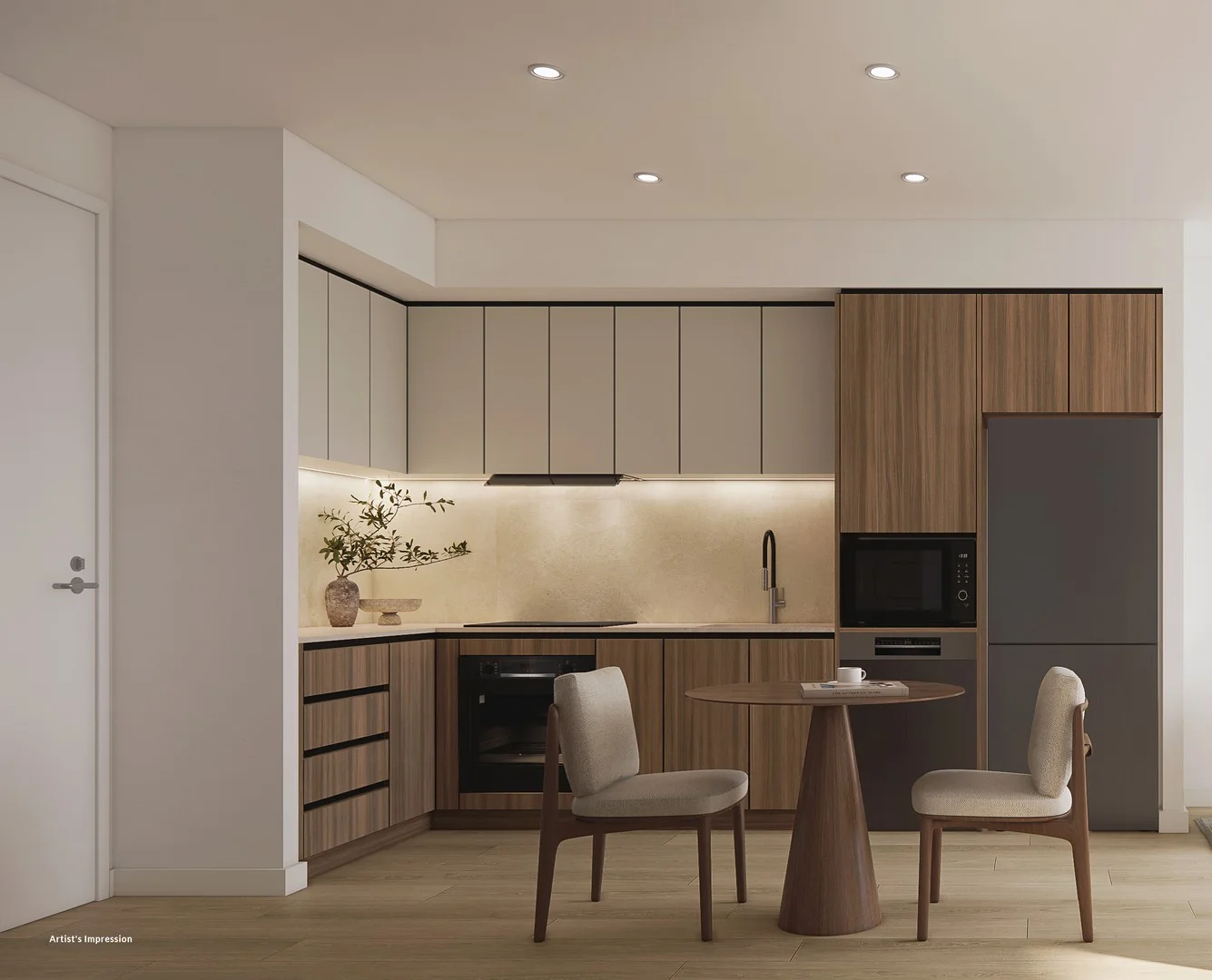 $557,000
Apartment / Unit / Flat
$557,000
Apartment / Unit / Flat
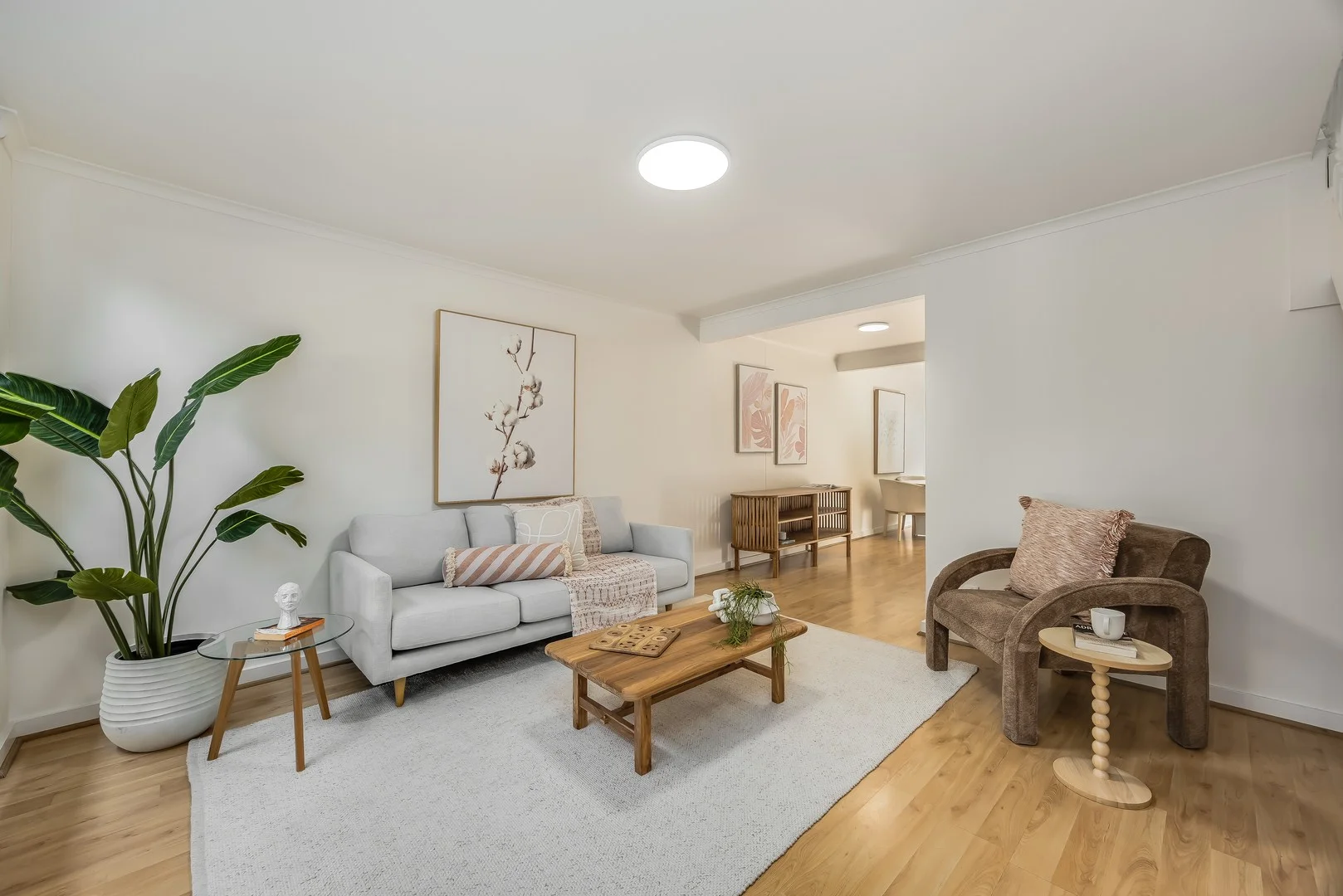 $775,000
House
$775,000
House
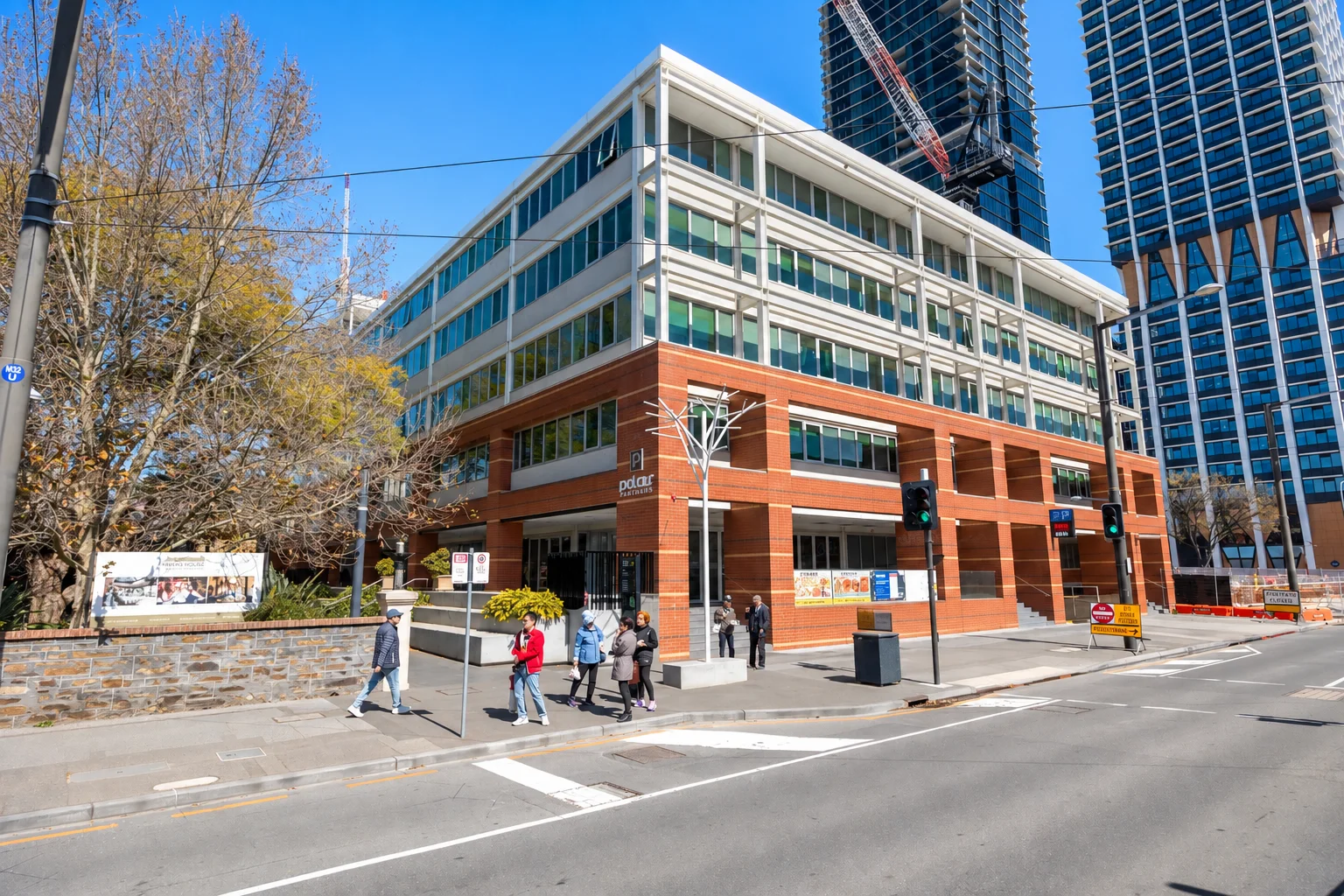 $545,000
Apartment / Unit / Flat
$545,000
Apartment / Unit / Flat
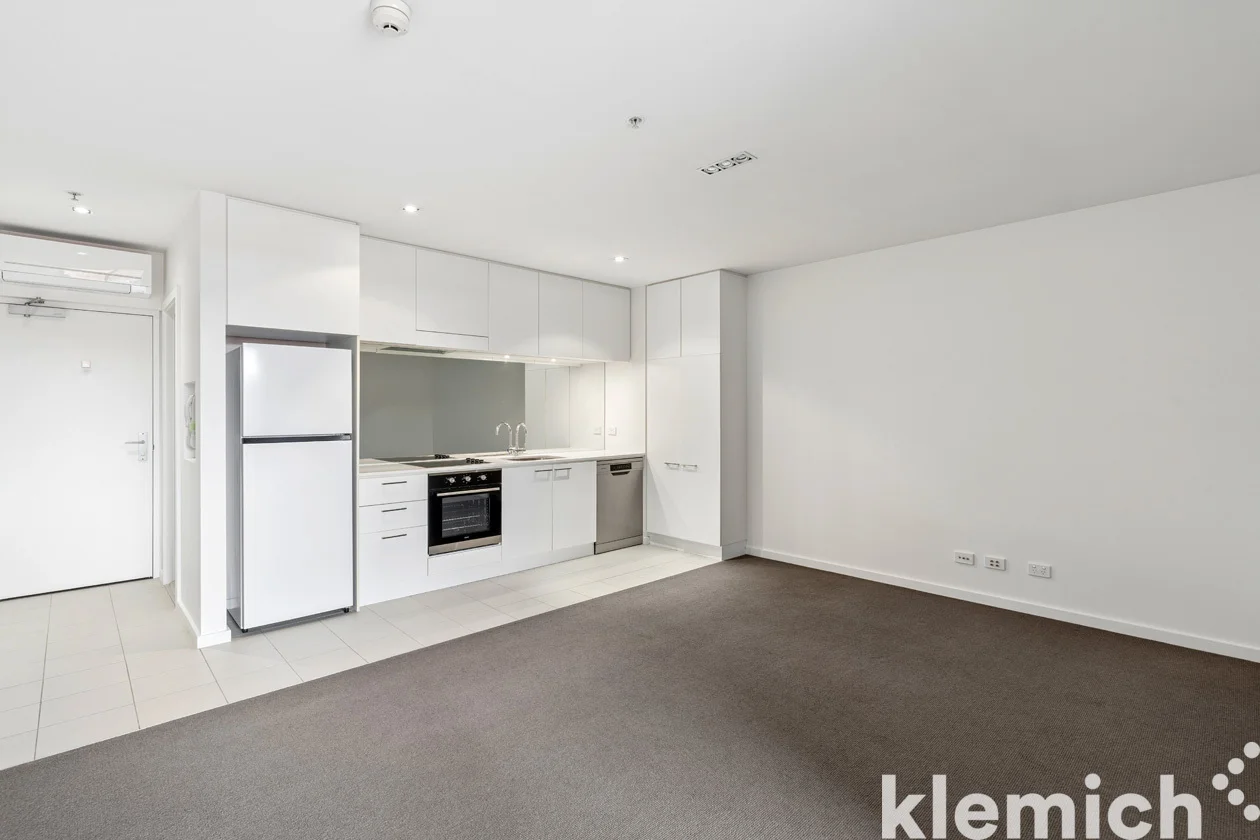 $440,000
Apartment / Unit / Flat
$440,000
Apartment / Unit / Flat
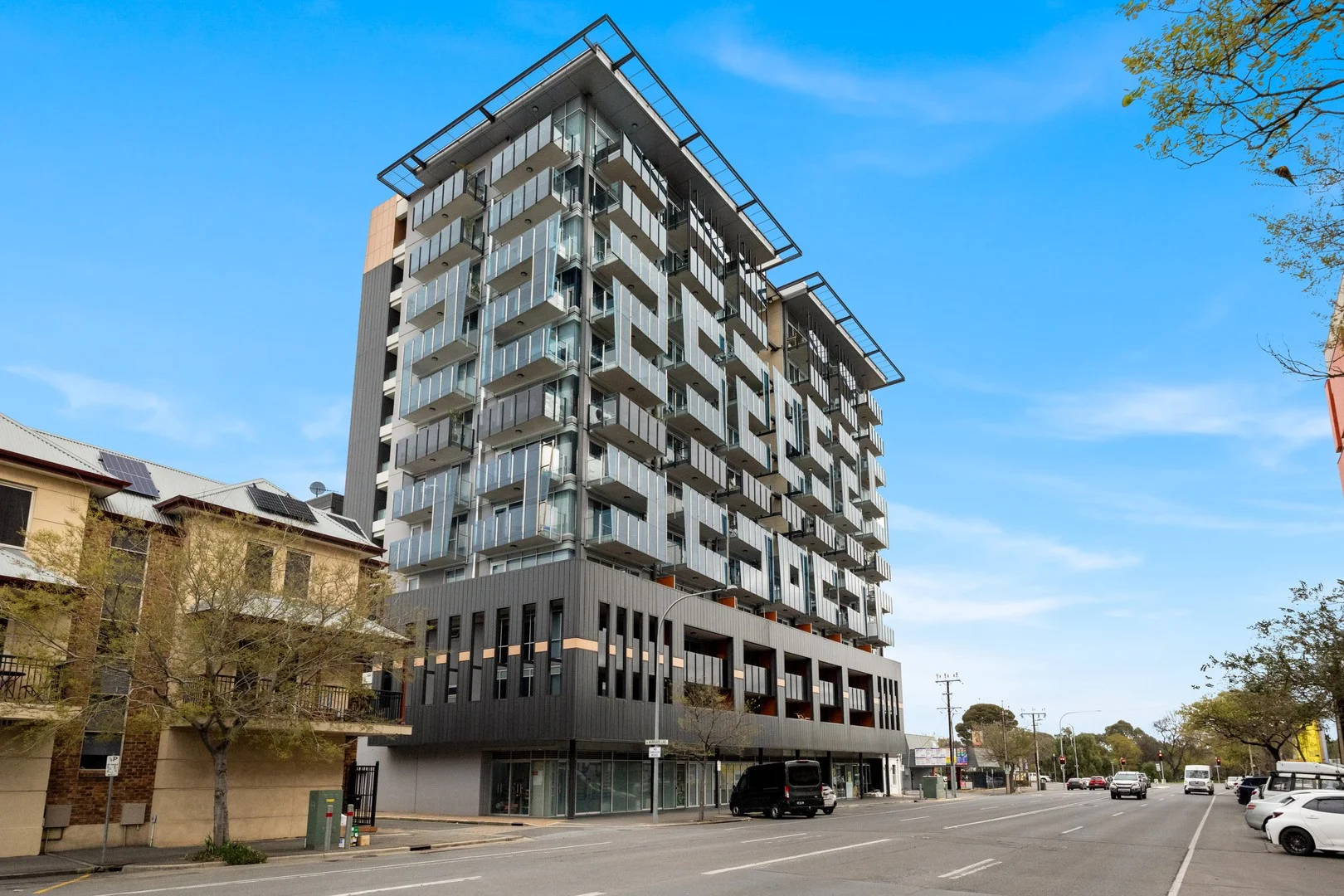 $1,100,000
Apartment / Unit / Flat
$1,100,000
Apartment / Unit / Flat