Overview
## 1. Overview
Eynesbury Senior College is an independent/private senior college offering Year 11–12 programs in Adelaide. It focuses on a college-style, adult-friendly learning environment with a strong emphasis on pathways to university and vocational training. The school tends to be medium in size, with small to medium class sizes that foster personalised attention and support.
The atmosphere is generally nurturing and academically oriented, with a culture that emphasises inclusivity and student wellbeing. Students often benefit from a supportive staff team, opportunities for leadership, and a learning environment geared toward preparing them for life beyond school.
## 2. Academics & Learning
- Academic strengths: Strong emphasis on SACE/ATAR preparation with a focus on English, mathematics and sciences, alongside opportunities to pursue leadership and career-oriented pathways. The college typically supports a range of subject choices to suit university, vocational, and apprenticeship aims.
- Special programs: Access to accelerated learning options, university partnerships or pathways programs, and vocational certificates (VET) where available. Individualised learning plans and mentoring help students tailor their senior years.
- NAPLAN trends: Over recent years, students at similar senior-college setups have shown positive trends in reading, writing and numeracy; schools of this type aim to support steady year-on-year progress.
- Student-teacher ratios: Class sizes are small to medium, typically around 12–18 students per class, enabling more personalised teaching and frequent teacher follow-up.
- Support for diverse learners: Strong support for diverse needs, including English as an Additional Language (EAL) learners, and students with SEN (special education needs) through targeted support, learning support staff, and appropriate adjustments.
## 3. Sports & Extracurricular Strengths
- Sports offered: A range of core school sports is typically available, including basketball, soccer, cricket, netball, tennis and athletics, with fixtures and local inter-school competition.
- Strong teams or achievements: Students often participate in local and regional competitions; teams regularly engage in inter-school leagues and events, with a focus on teamwork and sportsmanship.
- Music, arts, drama programs: The school usually supports music ensembles, drama productions and the performing arts, offering opportunities to participate in school productions and concerts.
- Clubs: Robotics, chess, coding, debating and other academic or interest-based clubs are commonly available to broaden student experiences beyond the classroom.
- Partnerships: Collaboration with local clubs, community organisations and regional competitions provides extra opportunities for competition, mentorship and real-world learning experiences.
## 4. Wellbeing & Pastoral Care
- Anti-bullying approach: A proactive anti-bullying policy with clear reporting mechanisms, student education, and a supportive wellbeing framework.
- House system: A house or pastoral grouping structure fosters belonging, friendly competition and community connection across year levels.
- Counsellors / wellbeing officers: Access to school counsellors or wellbeing coordinators who provide confidential support for students and families.
- Transition support for new students: Orientation programs, buddy systems, and transition support to help new students settle in smoothly.
## 5. Facilities
- Sports grounds: On-site or nearby sports facilities suitable for training and inter-school fixtures.
- Libraries: A library or learning commons with study spaces and resources.
- Science labs: Dedicated science laboratories for practical investigations across disciplines.
- Music/performing arts centers: Spaces for rehearsals, performances and music education.
- Tech/innovation labs: Computer labs, media rooms or maker spaces for digital learning and projects.
- Cafeteria: On-site canteen or food services for students and staff.
- Updated playgrounds: Designated outdoor spaces for break times and informal activities.
## 6. School Values & Community Culture
- School values / mission: Emphasis on respect, integrity, achievement, inclusion and community engagement; a mission centered on preparing students for tertiary study, trades or other pathways.
- Leadership style: Student-centred and collaborative leadership with teacher mentoring and opportunities for student voice.
- Behaviour expectations: Clear standards for conduct, consistent expectations, and a positive behaviour support system.
- Community reputation: A respected option within the local education community, known for helping students transition to further study or work.
- Diversity & inclusion: Commitment to a welcoming environment for students of varied backgrounds and abilities, with inclusive practices and support systems.
## 7. School Logistics & Daily Operations
- School hours: Typical start and end times align with standard secondary schedules, roughly around mid-morning to mid-afternoon, with occasional after-hours activities.
- Before/after school care: Some wrap-around care or supervised study options may be available; check campus-specific offerings.
- Uniform requirements: A mandatory school uniform is generally expected, with guidelines on attire for different activities.
- Transport (train/bus routes): Public transport options (bus or tram services) serving the campus area; school may provide guidance on routes and concessions.
- Canteen availability: Canteen or lunchroom offerings on site or nearby dining options.
- Fees (low/medium/high ranges): Fees for independent senior colleges are typically mid to high relative to public schools; details vary by program and year level, with potential extra costs for uniforms, materials, trips and electives.
## 8. Enrolment & Admissions
11. What is the enrolment process and timeline?
- Start with an online application or enquiry to the school.
- Submit required documents (birth certificate/identity, latest school reports, proof of residency/cunding if applicable).
- Attend an information session or interview with the enrolment team and, where appropriate, the student.
- Complete any required on-site assessments or portfolio reviews for specific programs.
- Receive an offer if space and eligibility align; complete enrolment forms and pay any deposits.
- Complete orientation and timetable setup before the start of the term.
12. Is there a waiting list, and how does it work?
- Waiting lists can occur if spaces are limited. Priority may be given to current students transitioning, siblings, and local applicants. The school will advise on expected wait times and steps to remain eligible.
13. Are there any entry requirements, tests, or interviews?
- Entry typically requires evidence of prior schooling (e.g., Year 10 completion or equivalent) and English/mathematics readiness. An interview is commonly used to assess fit and goals, and some programs may require short assessments or portfolio reviews.
14. Does the school accept mid-year transfers?
- Mid-year transfers may be possible if there is available capacity. Applicants usually need to supply current transcripts, a letter of transfer from their previous school, and a timetable review to ensure suitable subject alignment.
## 9. Frequently Ask Questions
- “Why Parents Choose This School?”
- Because of small class sizes, personalised attention, a supportive wellbeing framework, and clear pathways to university or vocational outcomes.
- “What type of student thrives at this school?”
- Proactive learners who value a college-like environment, strong study habits, and opportunities to pursue both academic and practical pathways.
- “What opportunities are available for students to extend their skills (academics, sports, arts)?”
- Access to a broad range of ATAR and VET subjects, leadership roles, clubs (robotics, coding, debating), music and drama programs, and inter-school sport participation.
- “How does the school communicate with parents?”
- Regular updates via a school portal or email, newsletters, notices, and scheduled parent-teacher interviews.
- “What is the school’s approach to teaching and learning?”
- Student-centred and teacher-guided learning with a focus on SACE/ATAR readiness, practical application, and personalised support.
- “How does the school support students who need extra academic help?”
- Dedicated learning support staff, targeted interventions, tutoring or mentoring, EAL/SEN support, and progress monitoring.
- “What support is available for academic challenges?”
- Access to guidance counsellors, learning support plans, and targeted academic coaching to lift performance.
- “What transport and accessibility options are available?”
- Public transport options (bus/train) serving the campus area, with guidance on routes, concessions and accessibility considerations.
- “What are the class sizes and how much individual attention do students receive?”
- Classes are small to medium (roughly 12–18 students), enabling more one-on-one time with teachers and tailored feedback.
- “What extracurricular and sports opportunities are available?”
- A range of sports, arts and clubs (robotics, chess, coding, debating) with opportunities to participate in inter-school events.
- “What facilities does the school offer (sports, science, arts)?”
- Sports facilities, libraries or learning commons, science labs, music/performing arts spaces, tech/innovation labs, and a canteen.
- “What is the school’s approach to technology and digital learning?”
- Emphasis on digital learning with access to IT labs and resources, supported by a learning management system for assignments and feedback.
- “What transport and accessibility options are available?”
- Public transport options and campus accessibility considerations; details vary by location.
- “What are the typical school fees or additional costs?”
- Private independent school fees vary by program and year level; expect costs for uniform, trips, materials and elective activities.
## 10. Short Pros & Cons list
- Pros:
- Small to medium class sizes enabling personalised attention
- Clear pathways to university and vocational outcomes
- Strong wellbeing and pastoral care with a supportive environment
- Wide range of academics, electives, clubs and sports
- Inclusive culture and student voice opportunities
- Cons:
- As an independent college, fees are higher than public schools
- Space may be limited at peak transfer times; mid-year intake is subject to availability
- Some programs or facilities may vary by campus location and year
- Emphasis on senior years means limited options for younger students on site
- Transport and distance considerations may affect accessibility for some families









 $588,000
Apartment / Unit / Flat
$588,000
Apartment / Unit / Flat
 $557,000
Apartment / Unit / Flat
$557,000
Apartment / Unit / Flat
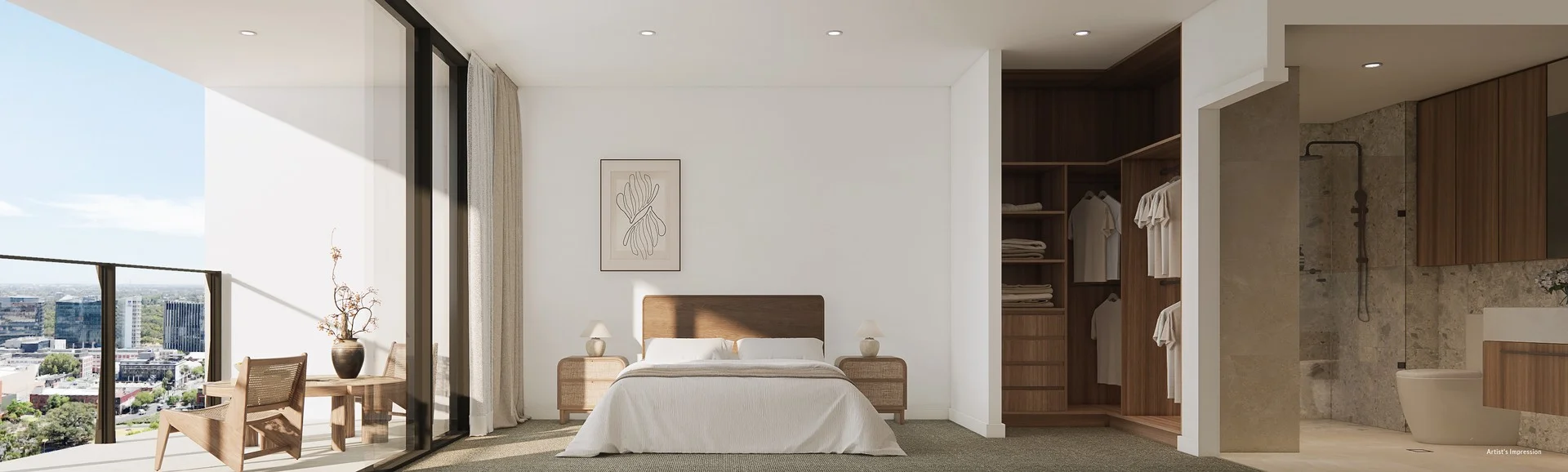 $1,056,000
Apartment / Unit / Flat
$1,056,000
Apartment / Unit / Flat
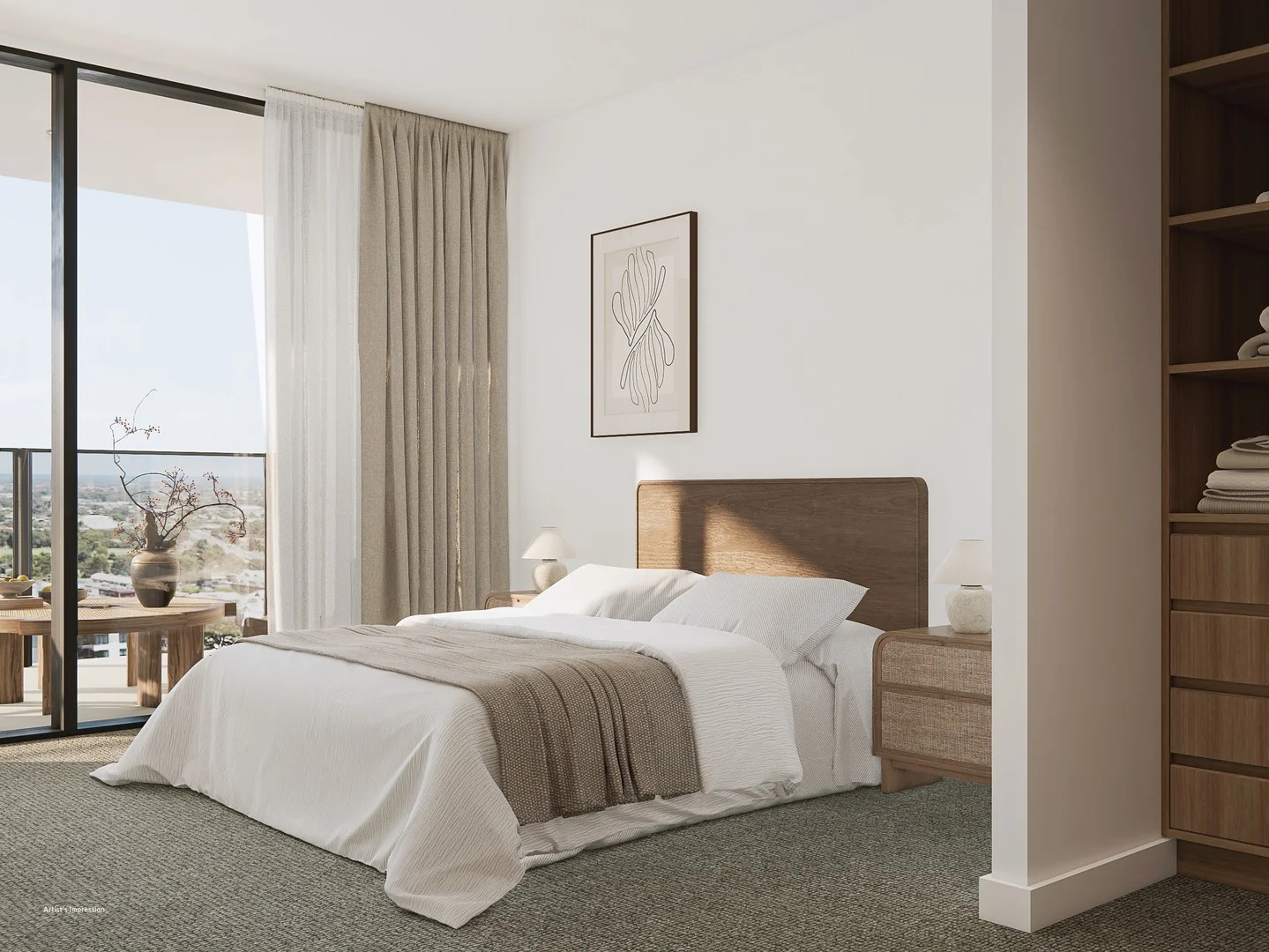 $935,000
Apartment / Unit / Flat
$935,000
Apartment / Unit / Flat
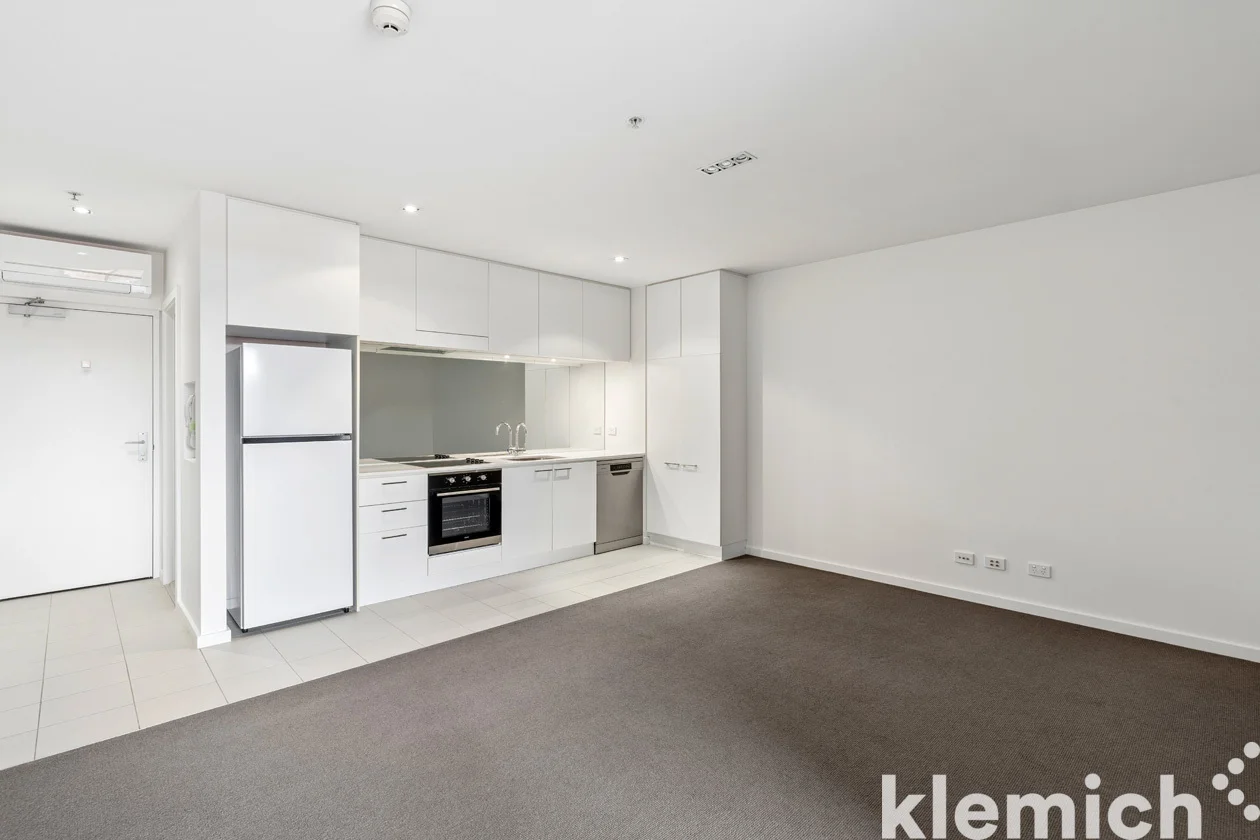 $440,000
Apartment / Unit / Flat
$440,000
Apartment / Unit / Flat
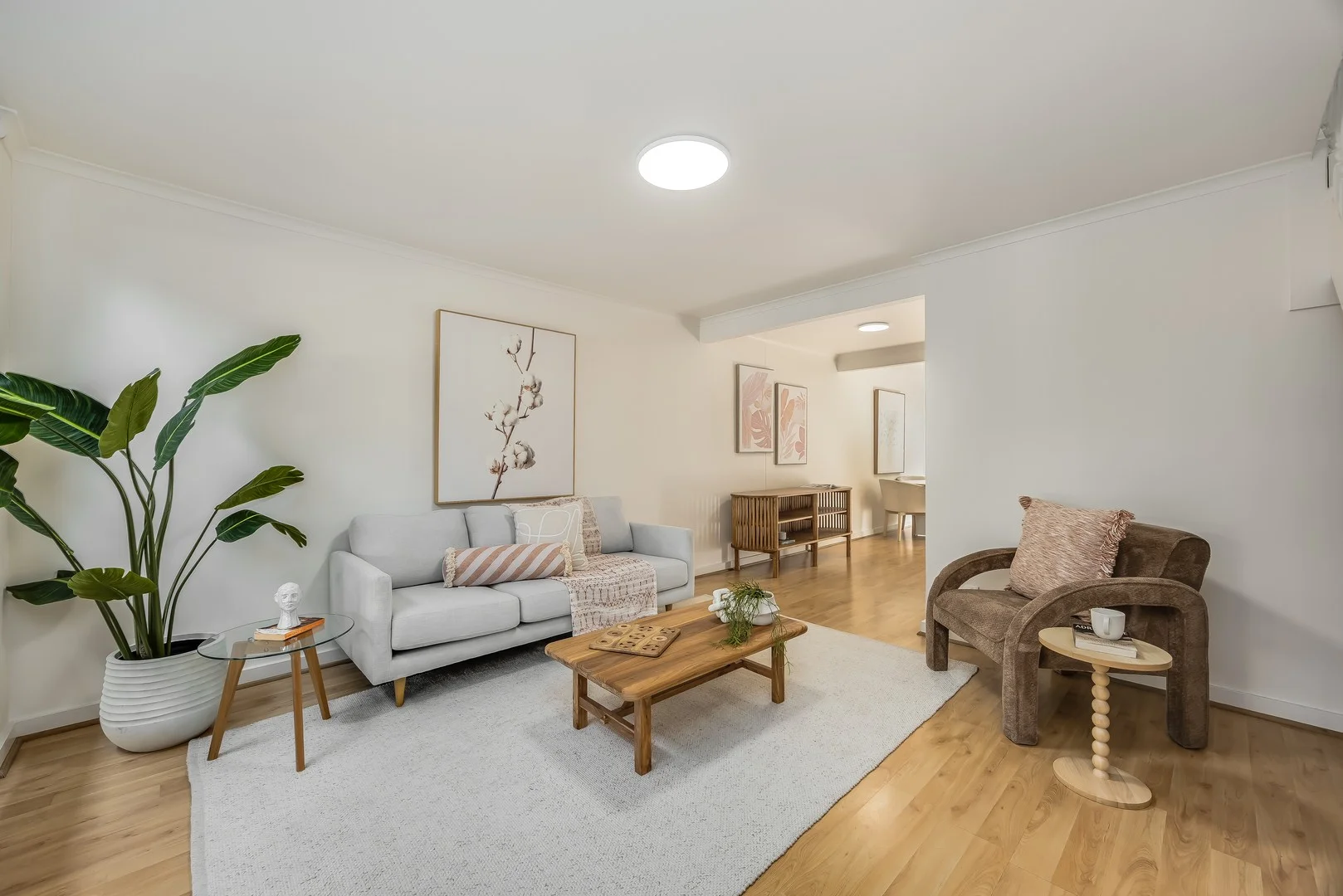 $775,000
House
$775,000
House
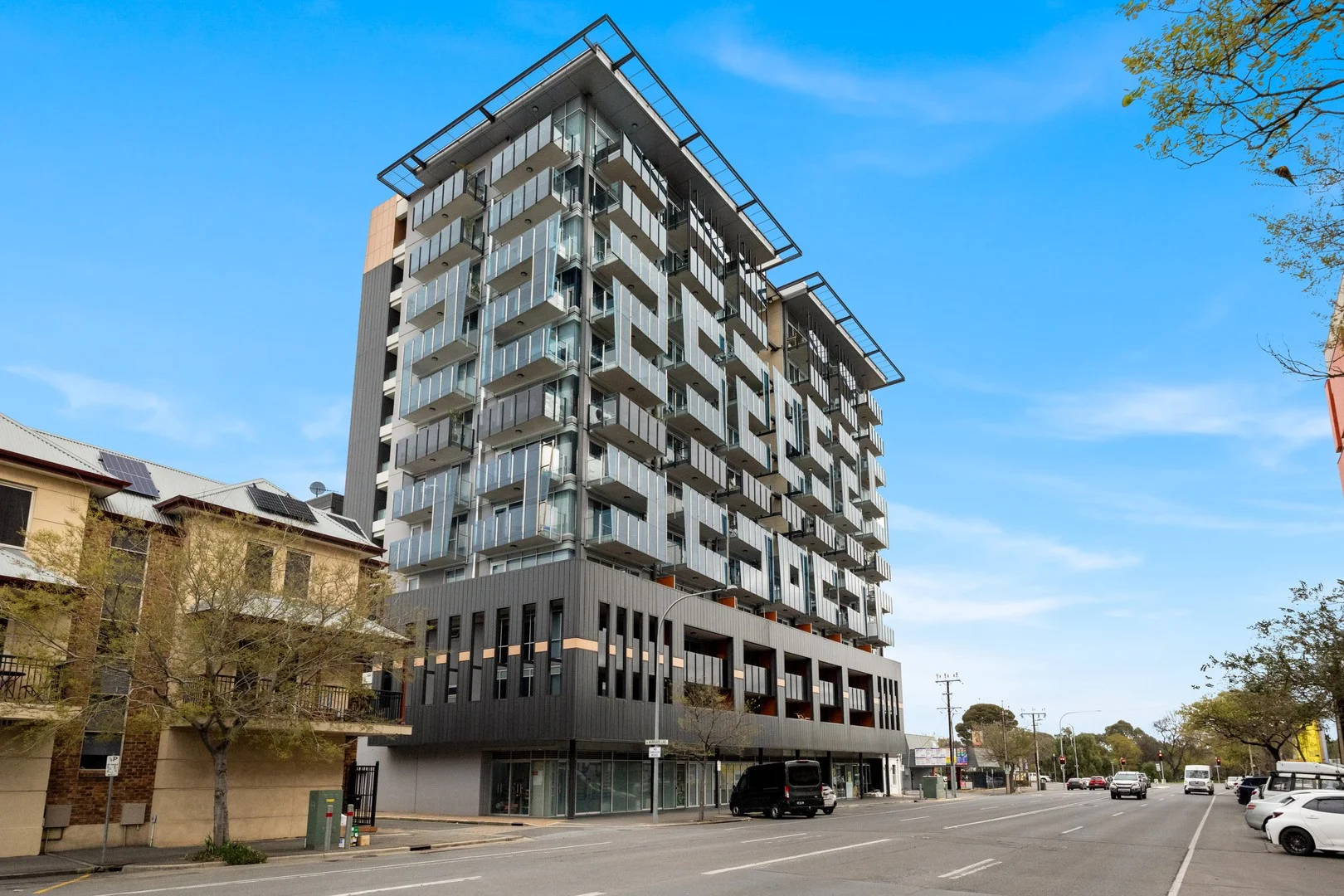 $1,100,000
Apartment / Unit / Flat
$1,100,000
Apartment / Unit / Flat
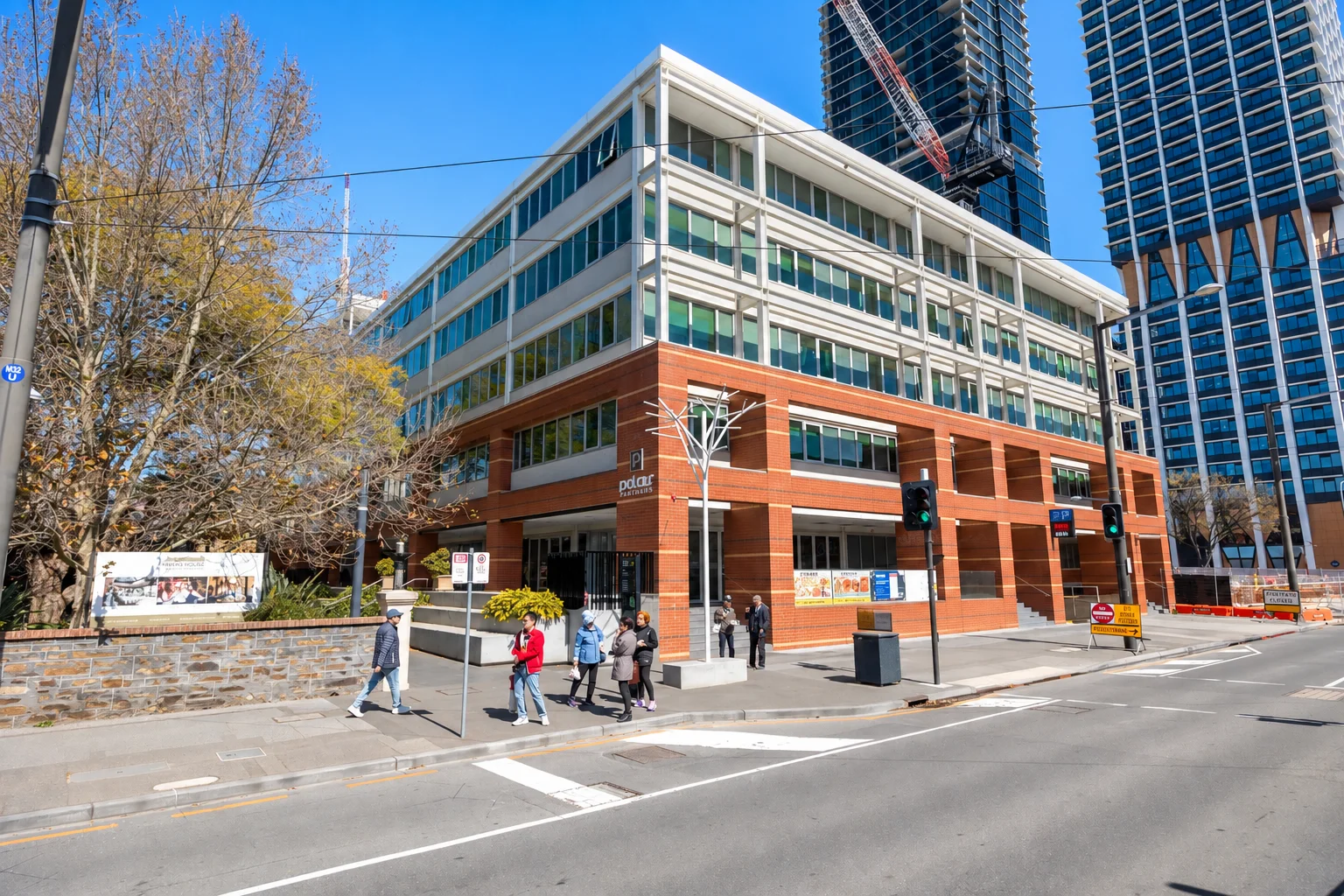 $545,000
Apartment / Unit / Flat
$545,000
Apartment / Unit / Flat