Overview
1. Overview
Muirden Senior College is a public, co-educational senior secondary college in Adelaide. The campus is medium-sized and focuses on Year 11–12 pathways, blending academic study with vocational options to support students transitioning to tertiary study or work. The atmosphere is practical and inclusive, with a strong emphasis on personalised support, preparing students for life beyond school.
⸻
2. Academics & Learning
- Academic strengths: Focus on English and mathematics foundations, with pathways into STEM, humanities, and vocational streams. Strong emphasis on SACE completion and preparing students for post-school options through targeted guidance.
- Special programs: Vocational Education and Training (VET) offerings and links to industry partners; potential ATAR/academic pathways for eligible students; opportunities for accelerated or emphasis programs as available.
- NAPLAN / Ofsted trends: NAPLAN data is not the primary measure for this Year 11–12 college; emphasis is on SACE outcomes and year-to-year completion rates. In the Australian context, formal UK-style Ofsted trends are not applicable; the college tracks senior secondary performance and progress.
- Student-teacher ratios: Generally low to medium class sizes, enabling more individual attention and support for senior secondary subjects.
- Support for diverse learners: EAL/D support, learning support staff, and accommodations to help students with diverse learning needs succeed in SACE, including adjusted assessments where appropriate.
⸻
3. Sports & Extracurricular Strengths
- Sports offered: Basketball, netball, football (soccer), cricket, athletics, and other school-based activities depending on season and facilities.
- Strong teams or achievements: Competitive teams in local leagues and inter-school events; emphasis on participation, skill development, and teamwork.
- Music, arts, drama programs: In-school music and performing arts activities; opportunities to take part in productions, ensembles, and showcases.
- Clubs: Robotics, coding, chess, debating, environmental/climate clubs, media and student leadership groups.
- Partnerships: Local community clubs and competitions (e.g., regional sports leagues, robotics or coding competitions) to provide real-world opportunities beyond the classroom.
⸻
4. Wellbeing & Pastoral Care
- Anti-bullying approach: Clear anti-bullying policies, restorative practices, and student-led initiatives to foster a respectful school culture.
- House system: House groups or pastoral care teams to support student belonging, competition, and mentorship.
- Counsellors / wellbeing officers: Access to school counsellors and wellbeing staff to support mental health, study planning, and personal development.
- Transition support for new students: Orientation programs, buddy/peer mentoring, and tailored transition support to help new students settle in.
⸻
5. Facilities
- Sports grounds: On-site or nearby sports facilities suitable for training and events.
- Libraries: On-campus libraries or learning commons with study spaces and digital resources.
- Science labs: Well-equipped science laboratories for practical experiments across key subjects.
- Music/performing arts centers: Dedicated spaces for music practice, drama, and performances.
- Tech/innovation labs: Computer labs and potential maker/tech spaces for coding, design, and digital projects.
- Cafeteria: On-site canteen or dining facilities for students.
- Updated playgrounds: Modern outdoor spaces and recreational areas to support break times.
⸻
6. School Values & Community Culture
- School values / mission: A focus on respect, responsibility, excellence, integrity, and inclusive learning—preparing students for both tertiary study and the workforce.
- Leadership style: Collaborative and student-centered, with opportunities for student voice through committees and leadership roles.
- Behaviour expectations: Clear codes of conduct, restorative approaches to conflict, and consistent reinforcement of positive behaviours.
- Community reputation: Positive local reputation for supporting senior students to complete their SACE and pursue diverse post-school options.
- Diversity & inclusion: Commitment to an inclusive environment with support for a diverse student body and equal access to opportunities.
⸻
7. School Logistics & Daily Operations
- School hours: Typical term-time hours with classes scheduled across the day; some modules or VET subjects may have extended or flexible timetables.
- Before/after school care: Availability varies; some provision may be offered or coordinated through partner programs or community services.
- Uniform requirements: School uniform policy with specified items; guidance on appropriate attire for all students.
- Transport (train/bus routes): Accessible by public transport; guidance provided on nearby bus and train options and transport planning.
- Canteen availability: On-site canteen or vending options available during breaks.
- Fees (low/medium/high ranges): Public senior college fees are generally moderate, with minimal compulsory charges; costs may arise from elective materials, VET courses, or materials specific to selected programs.
⸻
8. Enrolment & Admissions
11. What is the enrolment process and timeline?
- Submit an enrolment application through the SA Department for Education process (or school intake portal for Year 11–12 entrants).
- Provide required documents (proof of identity, residency, transcripts or most recent results, and any transfer details).
- Complete any school-specific information or interviews if required; follow the announced timeline for intake and commencement.
12. Is there a waiting list, and how does it work?
- There may be a waiting list when demand exceeds vacancies. Placement is typically prioritised by availability, student needs, proximity, and other relevant criteria set by the school and department.
13. Are there any entry requirements, tests, or interviews?
- Generally, entry for Year 11–12 relies on completed prior year results and eligibility for SACE. Some programs (e.g., certain VET or English language supports) may involve brief interviews or discussions to determine fit.
14. Does the school accept mid-year transfers?
- Yes, mid-year transfers are possible subject to vacancy, timetabling constraints, and relevant transfer processes with the school and department.
⸻
9. Frequently Asked Questions
- Why Parents Choose This School?
- Strong focus on completing SACE with practical pathways (academic, VET, and work-ready options), supportive staff, and a welcoming environment.
- What type of student thrives at this school?
- Students who want a senior-secondary focus with flexible pathways, a mix of academic and vocational options, and supportive pastoral care.
- What opportunities are available for students to extend their skills (academics, sports, arts)?
- Access to VET certificates, academic subjects aligned with SACE, leadership opportunities, sports teams, arts programs, and clubs such as robotics, coding, debating, or media.
- How does the school communicate with parents?
- Regular updates through newsletters, parent portals, emails, and scheduled parent-teacher or wellbeing meetings; clear channels for urgent communications.
- What is the school’s approach to teaching and learning?
- Student-centered learning with a blend of classroom teaching, practical activities, and targeted support to pave clear SACE outcomes and post-school options.
- How does the school support students who need extra academic help?
- Learning support staff, tutoring opportunities, EAL/D assistance, and accommodations for assessments as needed.
- What support is available for academic challenges?
- Access to counsellors, subject-specific support, study skills guidance, and pathways planning to help students improve performance and stay on track.
- How does the school communicate with parents? (duplicate)
- See above: regular updates and established communication channels.
- What are the class sizes and how much individual attention do students receive?
- Class sizes are small to medium, designed to offer more individual attention and tailored feedback.
- What extracurricular and sports opportunities are available?
- A range of sports teams, clubs (robotics, coding, debates, chess), music and drama opportunities, and partnerships for local competitions.
- What facilities does the school offer (sports, science, arts)?
- Sports facilities, libraries, science labs, music/performing arts spaces, tech/innovation labs, and on-site canteen.
- What is the school’s approach to technology and digital learning?
- Integration of digital tools and resources to support learning, with access to computer labs and online learning platforms as part of the curriculum.
- What transport and accessibility options are available?
- Public transport options nearby (bus/train routes); information and support available to help families plan commutes.
- What are the typical school fees or additional costs?
- Public senior colleges generally have low to moderate fees; additional costs may arise from elective courses, uniforms, or materials for specific programs.
⸻
10. Short Pros & Cons list
- Pros
- Public, approachable pathway into SACE with both academic and VET options.
- Medium-sized, supportive environment with opportunities for personalized attention.
- Strong emphasis on wellbeing, transition support, and a sense of community.
- Broad extracurricular offering, including clubs, sports, and arts.
- Clear focus on preparing students for post-school pathways, whether university or work.
- Cons
- May have fewer facilities or breadth of programs compared with larger, dedicated private schools.
- Availability of certain elective programs can depend on intake and timetabling constraints.
- Transport options and after-school care may vary in availability; families may need to coordinate logistics.
⸻









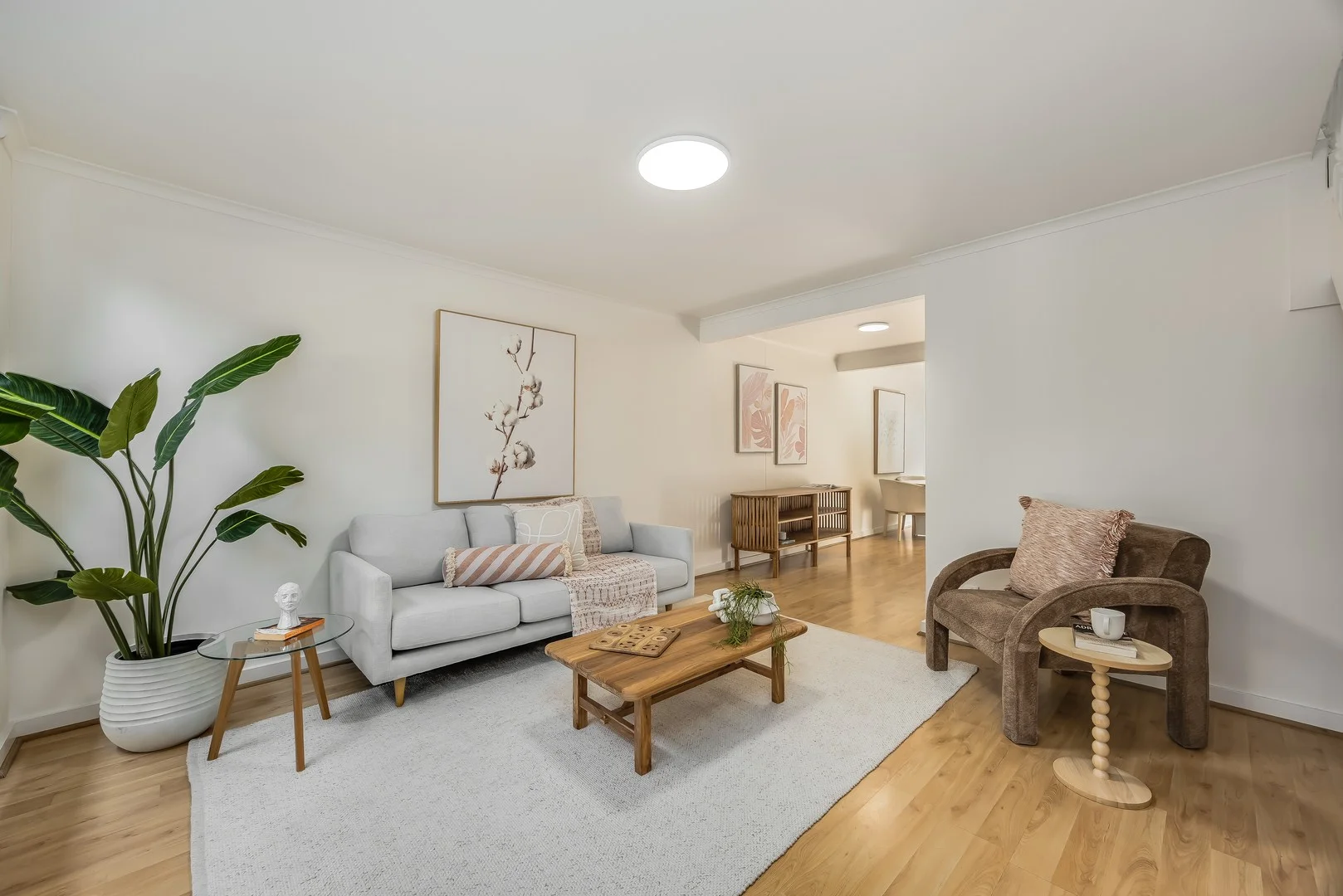 $775,000
House
$775,000
House
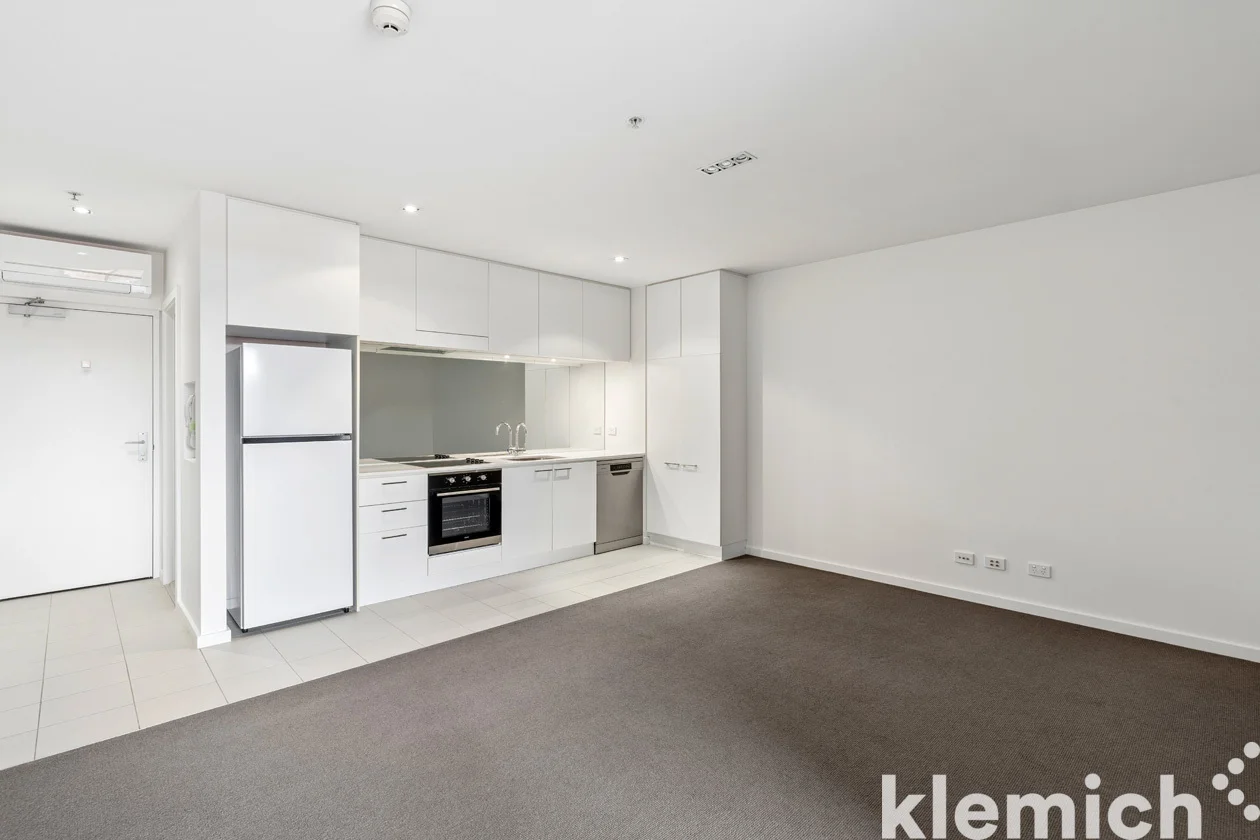 $440,000
Apartment / Unit / Flat
$440,000
Apartment / Unit / Flat
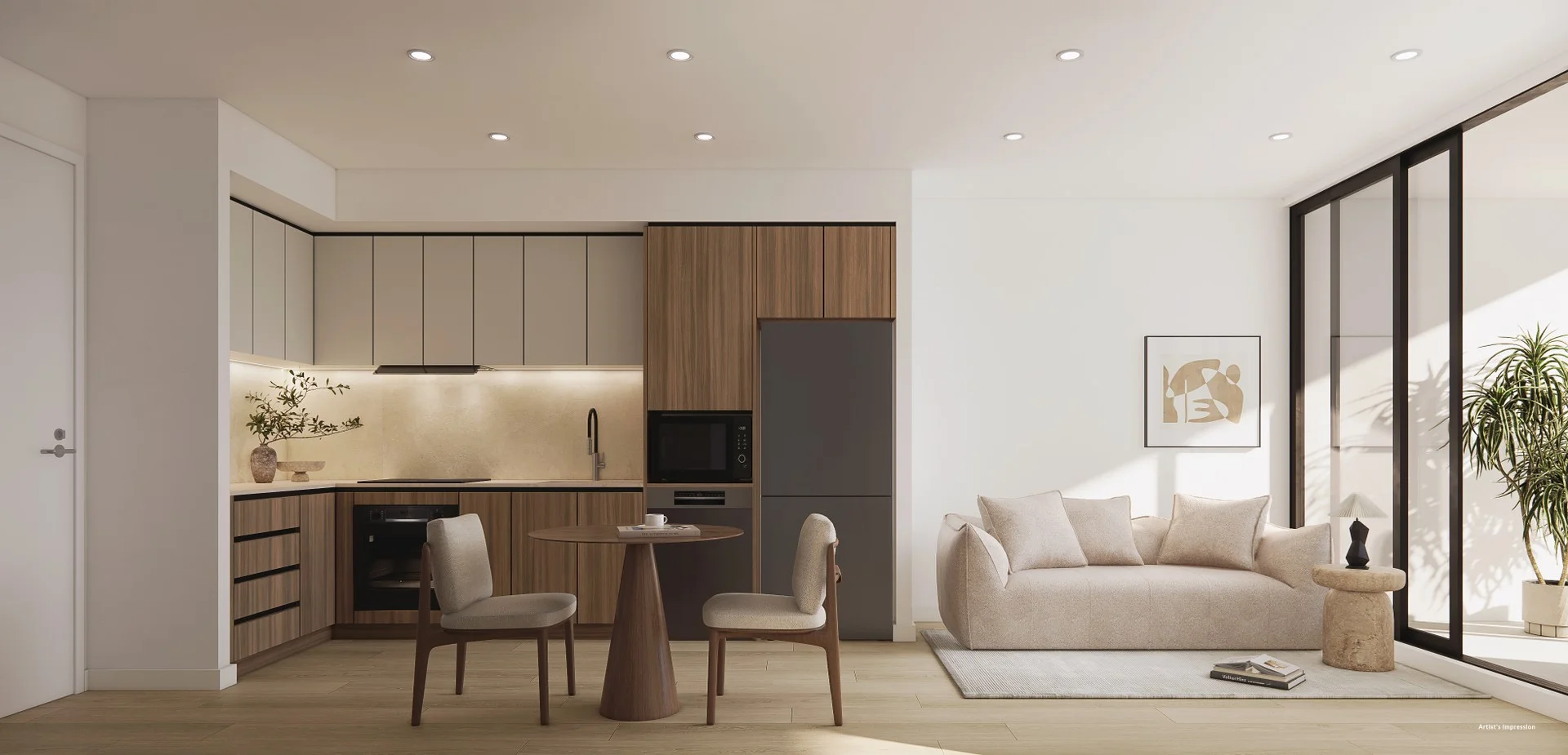 $588,000
Apartment / Unit / Flat
$588,000
Apartment / Unit / Flat
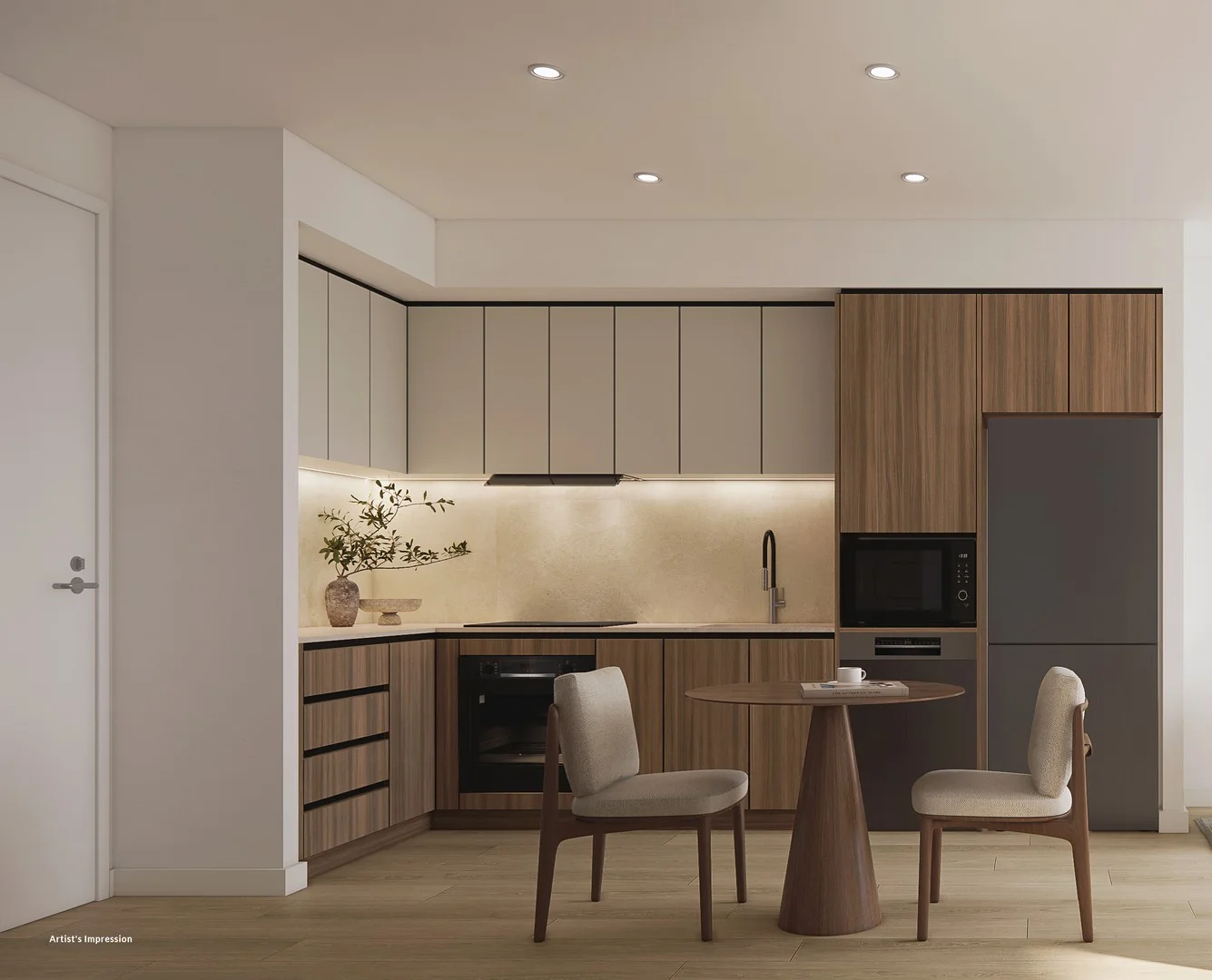 $557,000
Apartment / Unit / Flat
$557,000
Apartment / Unit / Flat
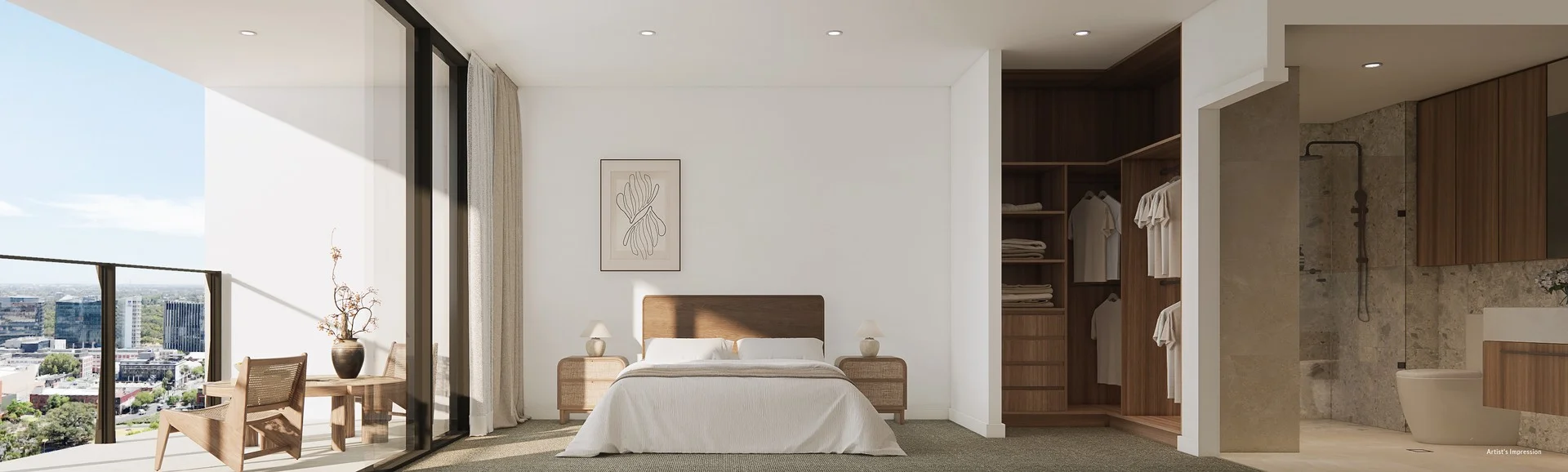 $1,056,000
Apartment / Unit / Flat
$1,056,000
Apartment / Unit / Flat
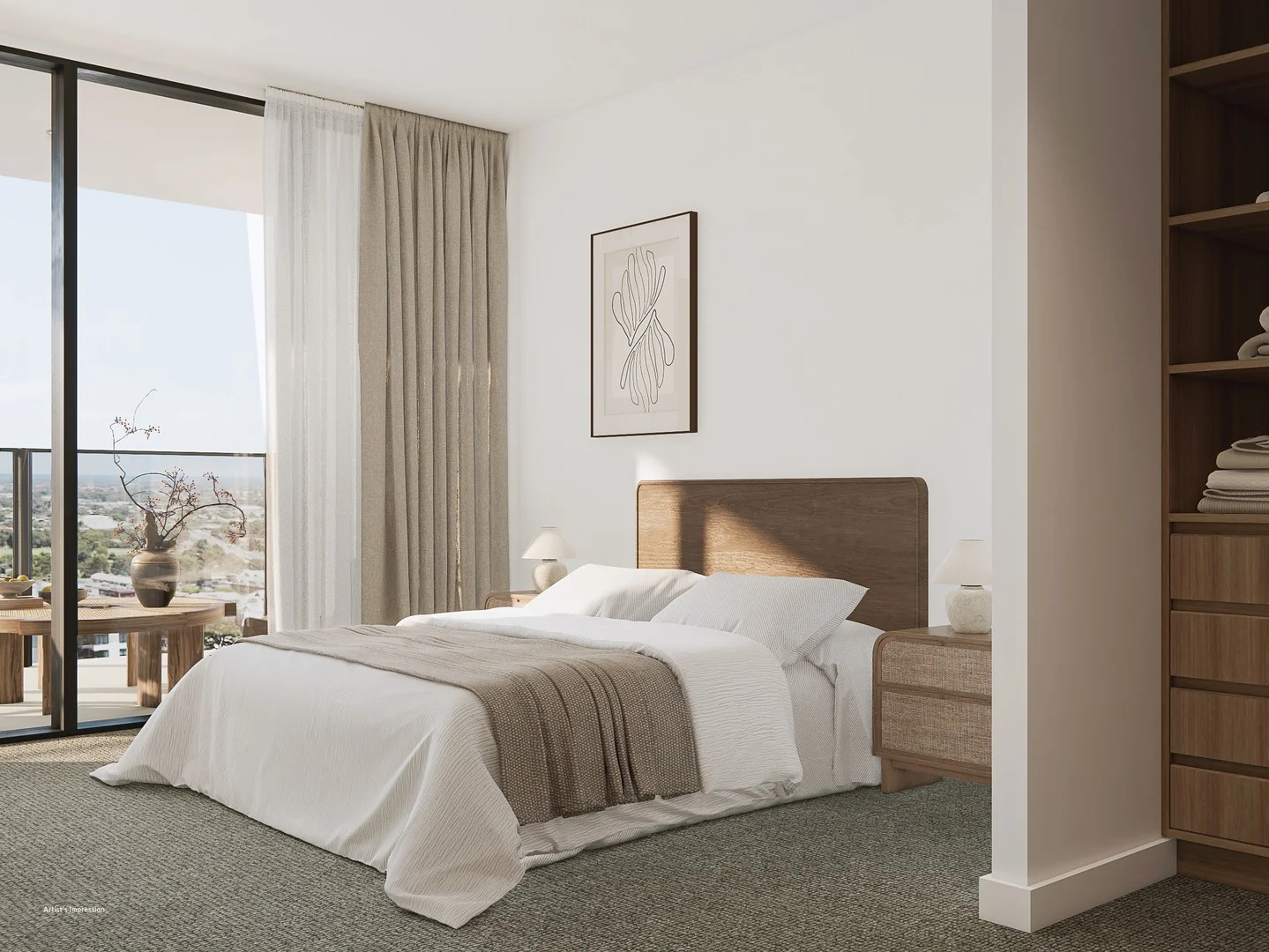 $935,000
Apartment / Unit / Flat
$935,000
Apartment / Unit / Flat
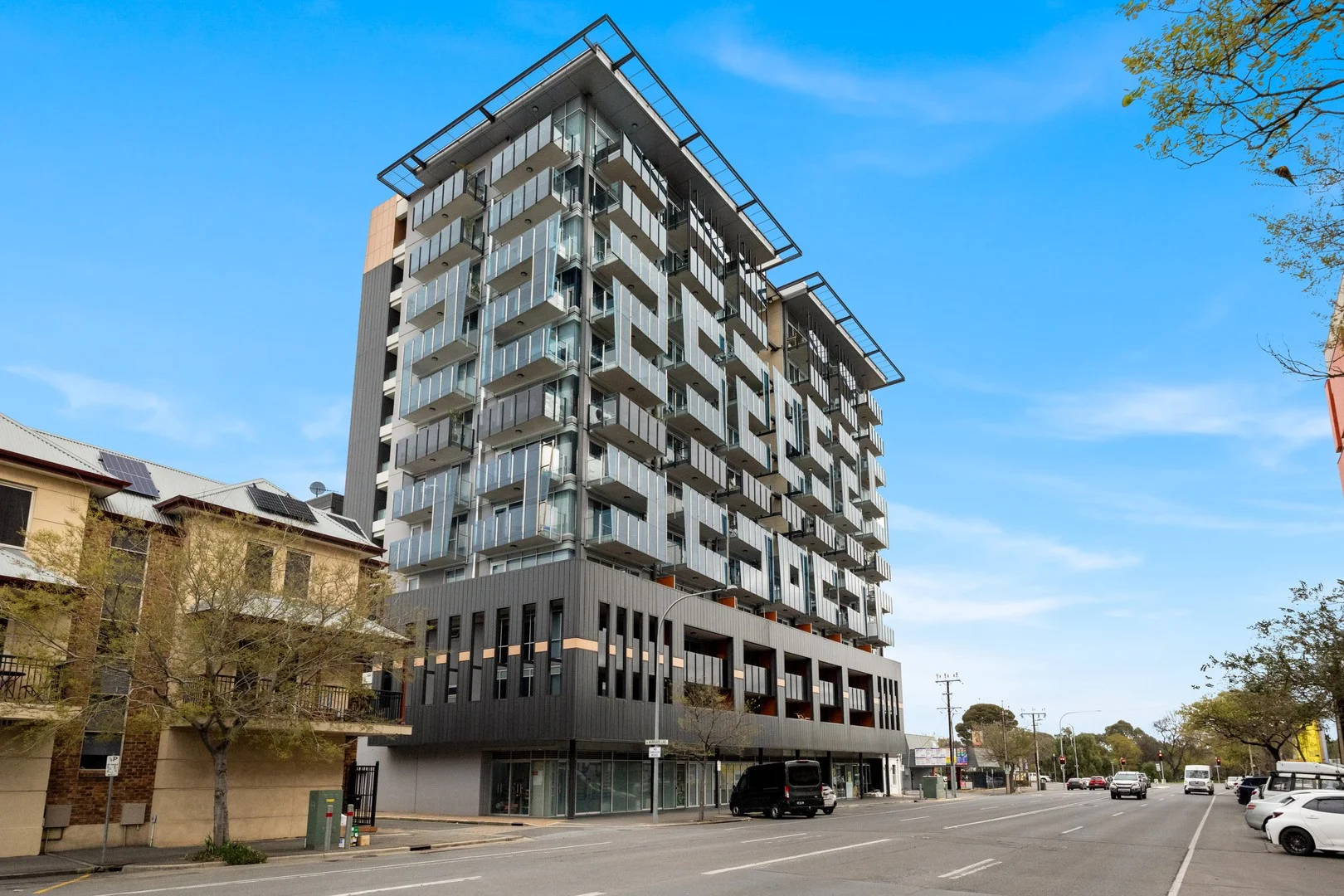 $1,100,000
Apartment / Unit / Flat
$1,100,000
Apartment / Unit / Flat
 $545,000
Apartment / Unit / Flat
$545,000
Apartment / Unit / Flat