Overview
## Overview
School Resurrection House is a public, co-educational secondary school serving the Essendon area (postcode 3040). It is a medium-sized school with a diverse student body and a strong sense of community. Class sizes typically range around 20–24 students, supporting personalized learning while maintaining a vibrant, collaborative atmosphere. The culture emphasises inclusivity and academic engagement, with a nurturing environment that also supports participation in sport and other activities.
- School type: Public
- School size: Medium
- Class size: ~20–24 students
- Atmosphere/culture: Inclusive, nurturing, academically focused, sport- and community-oriented
---
## Academics & Learning
The school offers solid academic programs across core subjects with recognized strengths in STEM and English, alongside leadership development and language studies. It runs targeted programs to support gifted and talented students and accelerated learning pathways where appropriate. Regular progress in NAPLAN-style benchmarks is evident through consistent improvement across reading, writing and numeracy in recent years. Student-teacher ratios typically sit in the mid-teens to low-twenties, enabling meaningful teacher support. The school provides strong support for diverse learners, including EAL (English as an Additional Language) and SEN (Special Educational Needs) programs, with access to tailored assistance and inclusive classroom practices.
- Academic strengths: STEM, English, leadership, languages
- Special programs: Gifted & Talented, accelerated learning, EAL/SEN support
- NAPLAN trends: Steady year-to-year improvement in key areas; positive progress across cohorts
- Student-teacher ratios: Approximately 1:14 to 1:22
- Support for diverse learners: EAL, SEN, inclusive practices, targeted interventions
---
## Sports & Extracurricular Strengths
The school supports a broad range of sports and extracurriculars, appealing to students with varied interests. Sports offerings typically include basketball, soccer, netball, athletics, and swimming, with opportunities to participate in school teams and regional competitions. The music and performing arts program runs through choirs, ensembles and theatre productions. A diverse slate of clubs—robotics, chess, coding, debating and other interest groups—helps students develop skills beyond the classroom. The school often collaborates with local clubs and competitions to broaden exposure and competitive opportunities.
- Sports offered: Basketball, soccer, netball, athletics, swimming
- Strong teams/achievements: Regular participation and standout performances in regional/inter-school events
- Music/arts/drama: Choirs, ensembles, drama productions
- Clubs: Robotics, chess, coding, debating
- Partnerships: Local academies and inter-school competitions
---
## Wellbeing & Pastoral Care
Wellbeing and pastoral care are prioritized to create a safe and supportive learning environment. The anti-bullying approach focuses on prevention, early intervention, and a responsive support system. The school operates a house system to foster belonging and peer support, alongside dedicated counsellors or wellbeing officers who provide confidential guidance and coping strategies. A structured transition program helps new students settle in smoothly, with orientation activities and buddy programs to ease adjustment.
- Anti-bullying approach: Proactive, prevention-focused with clear reporting and support
- House system: In place to encourage camaraderie and peer mentorship
- Counsellors/wellbeing officers: Available to students for pastoral care
- Transition support: Orientation programs, buddy system, and ongoing check-ins
---
## Facilities
The school’s facilities are designed to support a broad curriculum and engaging student life. Key features typically include:
- Sports grounds and courts
- Well-stocked library
- Modern science laboratories
- Well-equipped music and performing arts spaces
- Tech/innovation labs for hands-on learning
- On-site cafeteria or canteen
- Updated playgrounds and outdoor spaces
The layout prioritises accessibility, safety and the ability to run practical, interactive learning experiences across subjects.
---
## School Values & Community Culture
The school’s values and culture emphasise respect, responsibility, and inclusion, with a leadership style that encourages student voice and collaboration. Behaviour expectations focus on respectful conduct, integrity and accountability. The school maintains a positive community reputation characterized by active parent involvement, strong community partnerships and a commitment to diversity and inclusive practices. Students are encouraged to contribute to school life beyond the classroom, developing leadership and social-emotional skills.
- Values/mission: Respect, responsibility, inclusion, excellence
- Leadership style: Student voice and collaborative leadership
- Behaviour expectations: Respectful, responsible conduct; anti-bullying stance
- Community reputation: Positive and engaged
- Diversity & inclusion: Valued and promoted across programs and activities
---
## School Logistics & Daily Operations
Practical day-to-day information helps families plan around the school routine.
- School hours: Typical day runs from morning start to mid/late afternoon (roughly 8:30–3:30)
- Before/after school care: Availability varies; check local arrangements or on-site providers
- Uniform requirements: Uniforms are standard; details provided at enrolment
- Transport: Accessible by local train/bus routes; information on routes and timetables provided
- Canteen: On-site canteen or meal options are available
- Fees: Public schools generally have modest contributions; additional costs may apply for excursions and optional programs
---
## Enrolment & Admissions
11. What is the enrolment process and timeline?
- Applications are submitted through the school’s enrolling process. Families are typically advised of timelines for application receipt, assessment (if applicable), and offer/placement communications. For year-level entry, there is often a defined intake window, with balancing of cohort numbers and place availability.
12. Is there a waiting list, and how does it work?
- Depending on demand and catchment rules, a waiting list may be used. Placement preferences are commonly influenced by enrolment boundaries, sibling rules, and date of application. Families are kept informed of status and expected wait times.
13. Are there any entry requirements, tests, or interviews?
- Most enrolments for public secondary schools do not require entrance tests; some schools may conduct language or assessment checks for EAL considerations or to tailor support. Interviews are not typical for standard public enrolments but may occur for specific programs or to discuss student needs.
14. Does the school accept mid-year transfers?
- Mid-year transfers may be possible subject to space and meeting enrolment criteria. Families should contact the school administration as early as possible to discuss availability and the transfer process.
---
## Frequently Asked Questions
- Why Parents Choose This School?
- A welcoming, inclusive culture with strong academic and co-curricular offerings; supportive wellbeing program; good facilities and active parent community.
- What type of student thrives at this school?
- Students who are engaged in both academics and extra-curriculars, who value a balanced, inclusive environment and opportunities to develop leadership and teamwork.
- What opportunities are available for students to extend their skills (academics, sports, arts)?
- Strong STEM and English programs, leadership opportunities, gifted/talented pathways, a broad range of clubs (robotics, coding, debating), and arts performances.
- How does the school communicate with parents?
- Regular updates via newsletters, portals, parent-teacher meetings, and targeted communications for academic progress and wellbeing needs.
- What is the school’s approach to teaching and learning?
- Student-centered, inclusive instruction with emphasis on critical thinking, collaboration, and practical application across subjects.
- How does the school support students who need extra academic help?
- Targeted interventions, EAL/SEN support, tutoring options, and differentiated instruction within classes.
- What support is available for academic challenges?
- Access to counsellors and learning support staff, progress monitoring, and tailored study plans.
- How does the school communicate with parents? (Repeated)
- See above: regular updates via portal, calls, emails, and parent meetings.
- What are the class sizes and how much individual attention do students receive?
- Class sizes typically around 20–24 students, with teacher support and small group or one-to-one assistance as needed.
- What extracurricular and sports opportunities are available?
- A wide range of sports (basketball, soccer, netball, athletics, swimming), clubs (robotics, chess, coding, debating), and arts programs (music, drama).
- What facilities does the school offer (sports, science, arts)?
- Sports grounds, libraries, science labs, music/performing arts spaces, tech/innovation labs, canteen, and well-maintained outdoor areas.
- What is the school’s approach to technology and digital learning?
- Integrated digital learning with devices and resources (where available), supported by curricula that promote digital literacy and responsible use.
- What transport and accessibility options are available?
- Accessible by local train/bus networks; information on routes and travel planning provided by the school.
- What are the typical school fees or additional costs?
- Public schools have moderate contributions; additional costs may include excursions, materials for certain programs, and optional activities.
---
## Short Pros & Cons list
- Pros
- Inclusive, supportive culture with strong academic and co-curricular offerings
- Broad range of clubs and sports; good facilities
- Solid wellbeing and pastoral care with a focus on student safety
- Active community involvement and partnerships
- Cons
- As a medium-sized public school, competition for places can occur during high-demand intake years
- Uniforms and certain program costs may represent ongoing expenses
- Transport times can vary with network schedules depending on location














 $360,000
Apartment / Unit / Flat
$360,000
Apartment / Unit / Flat
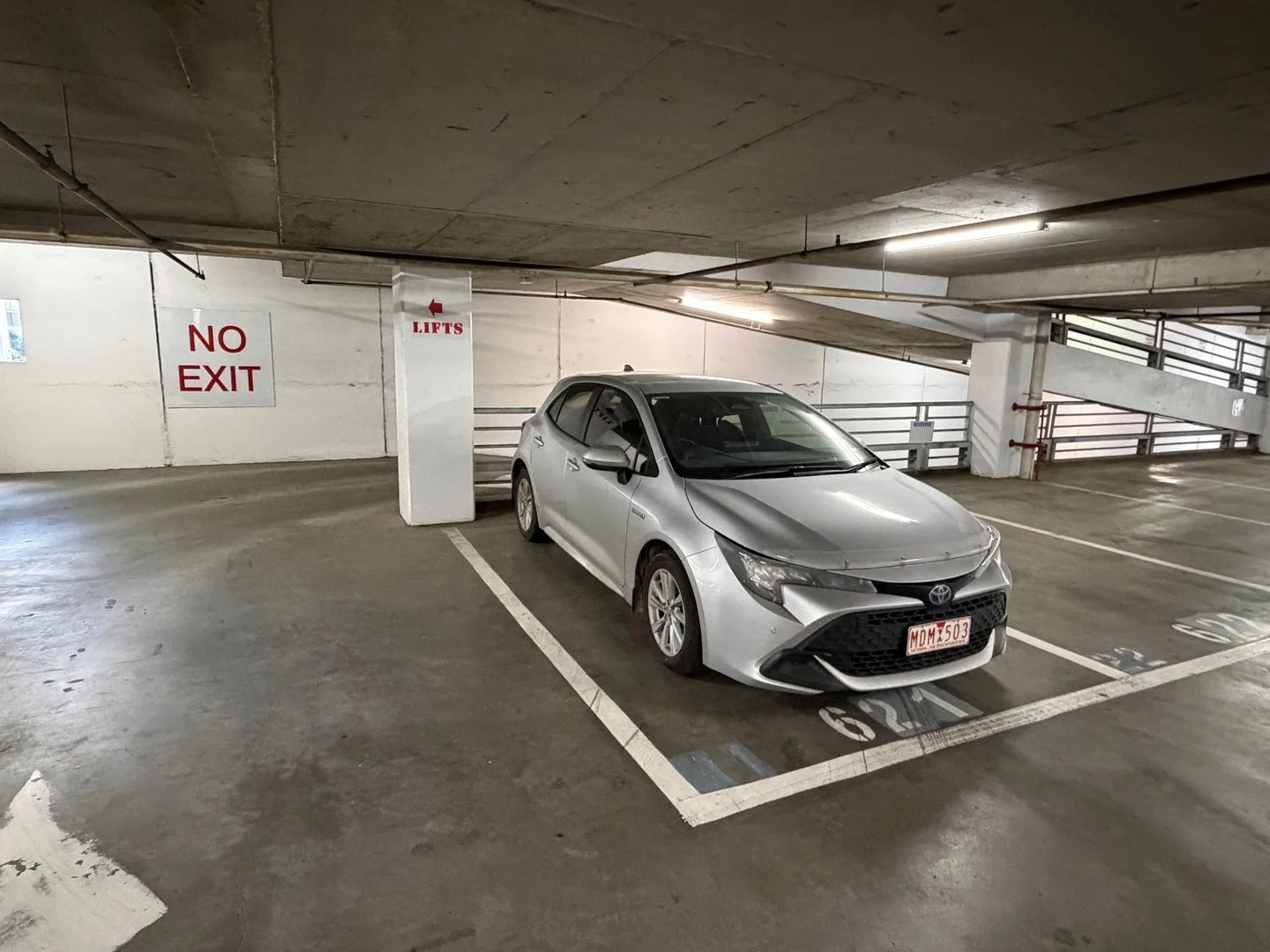 $27,500
propertyType.CAR SPACE
$27,500
propertyType.CAR SPACE
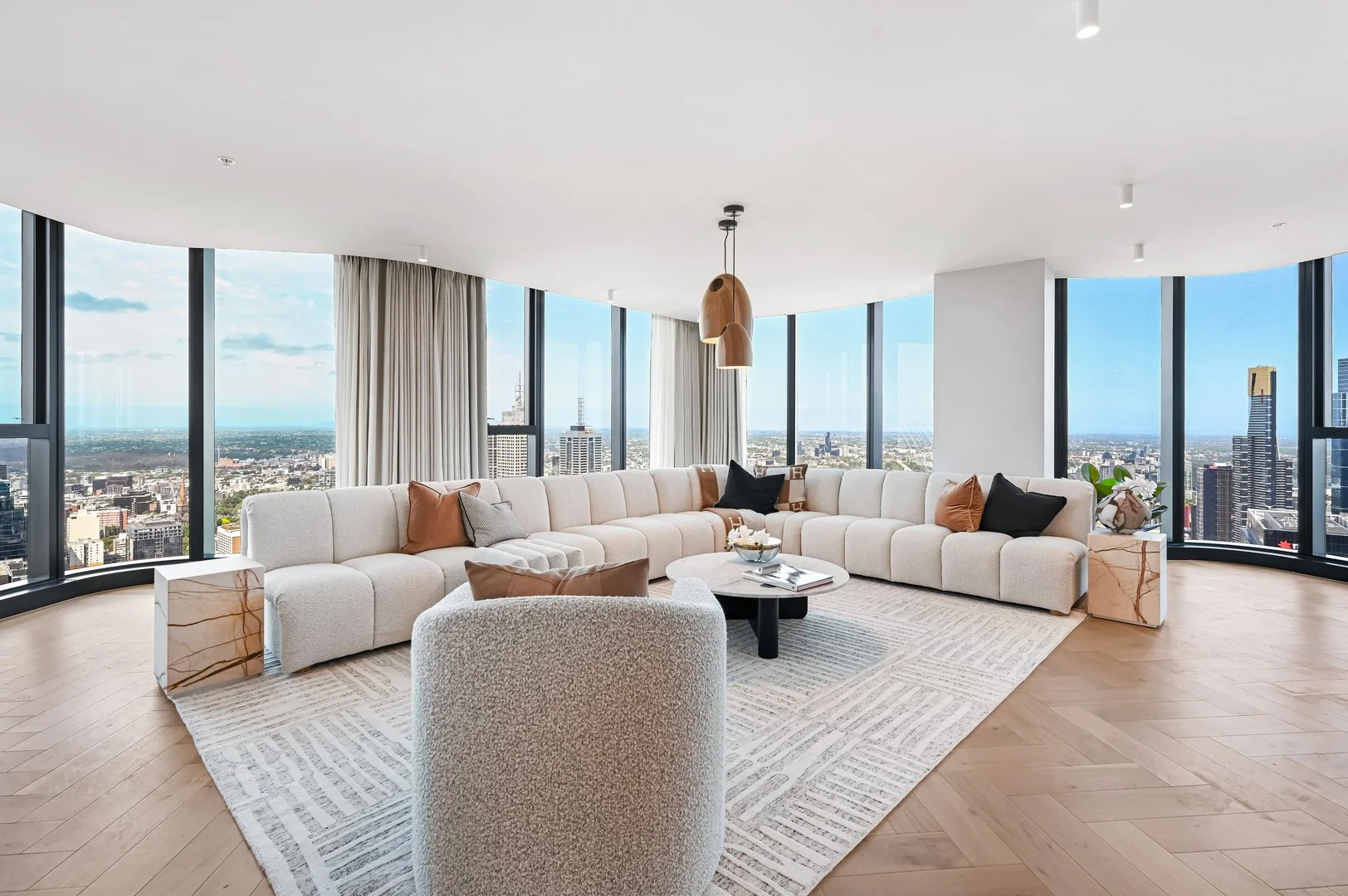 $5,512,000
propertyType.NEW APARTMENTS / OFF THE PLAN
$5,512,000
propertyType.NEW APARTMENTS / OFF THE PLAN
 $2,008,000
propertyType.NEW APARTMENTS / OFF THE PLAN
$2,008,000
propertyType.NEW APARTMENTS / OFF THE PLAN
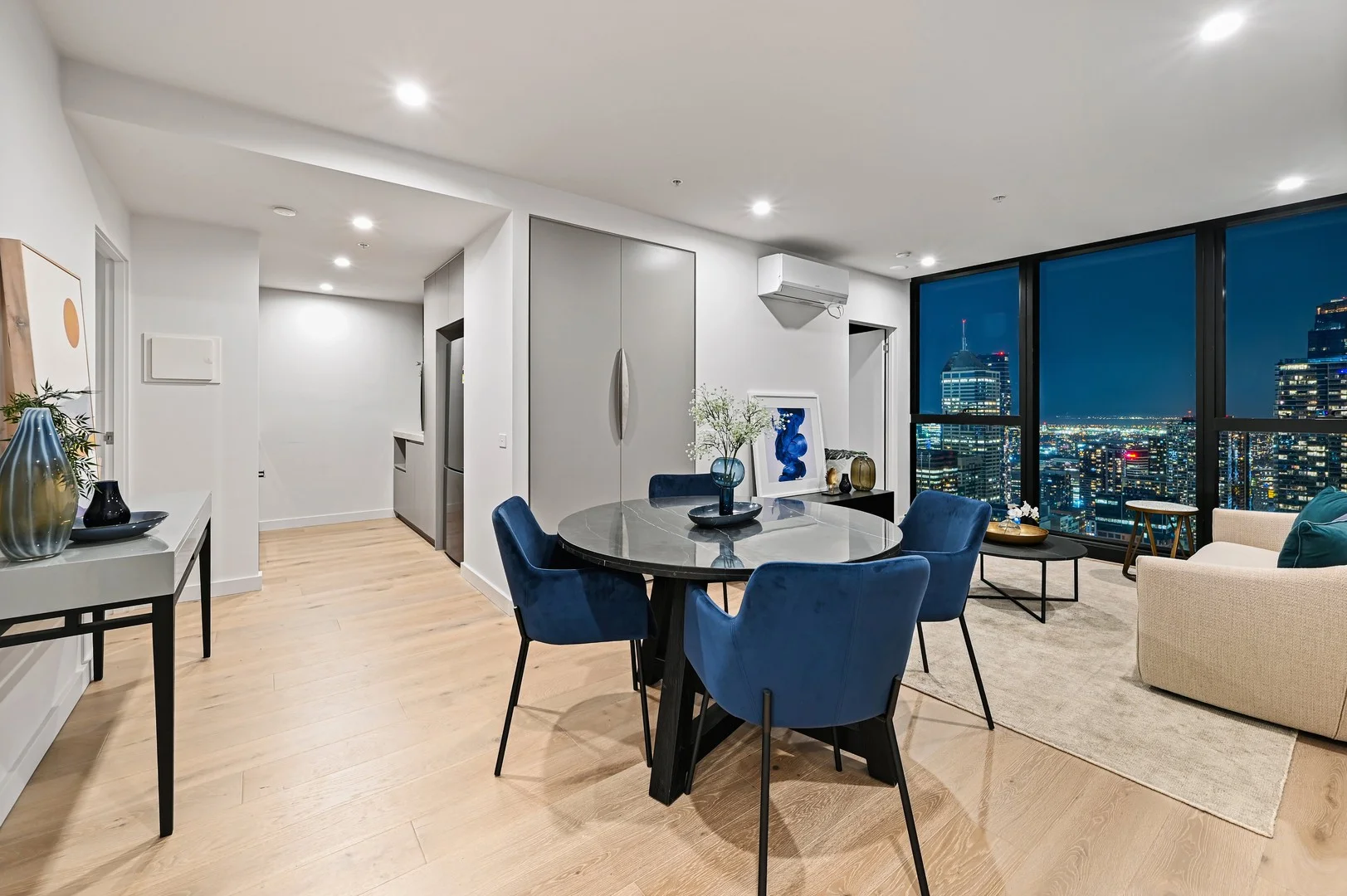 $943,000
propertyType.NEW APARTMENTS / OFF THE PLAN
$943,000
propertyType.NEW APARTMENTS / OFF THE PLAN
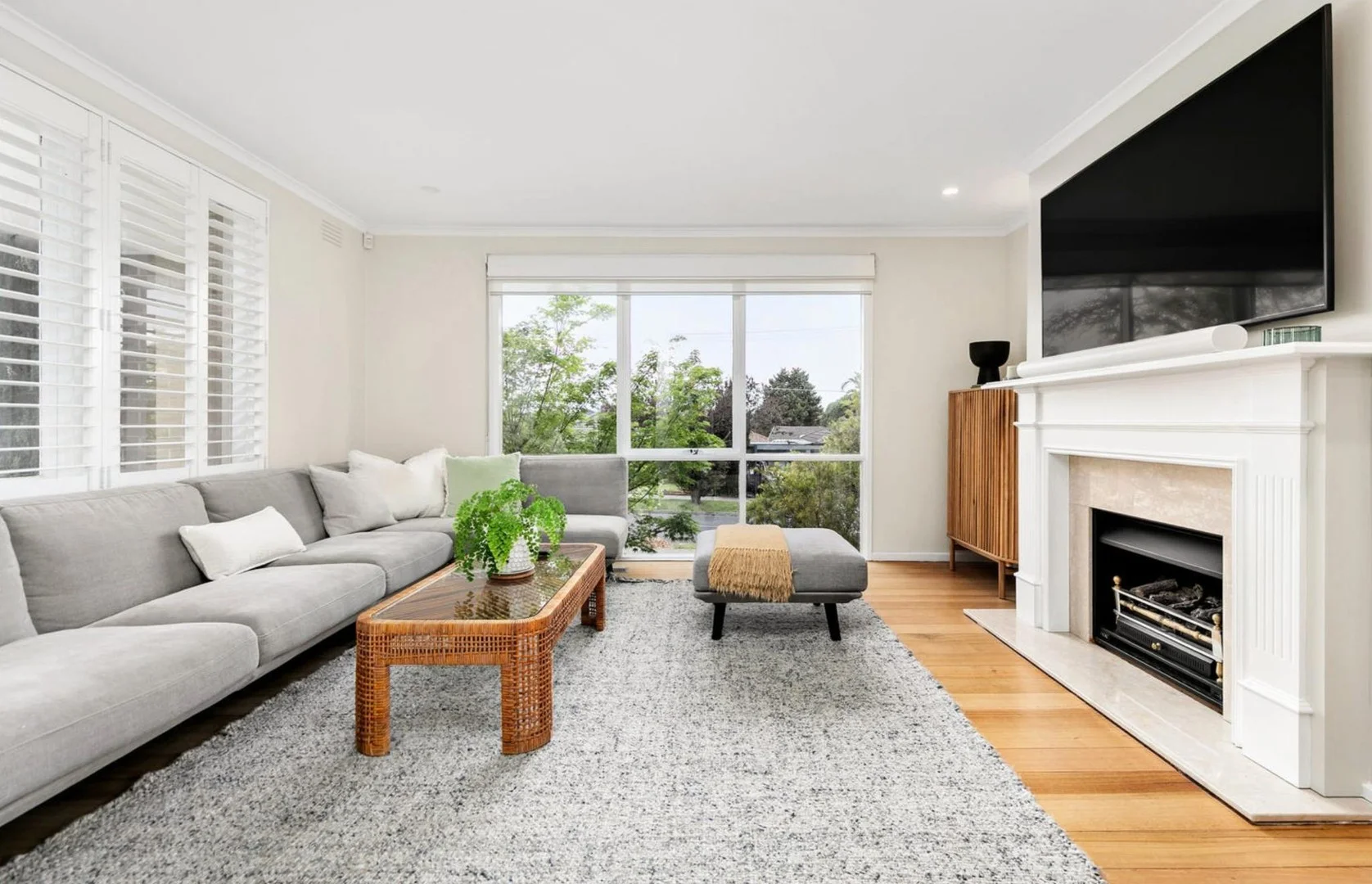 $750
House
$750
House
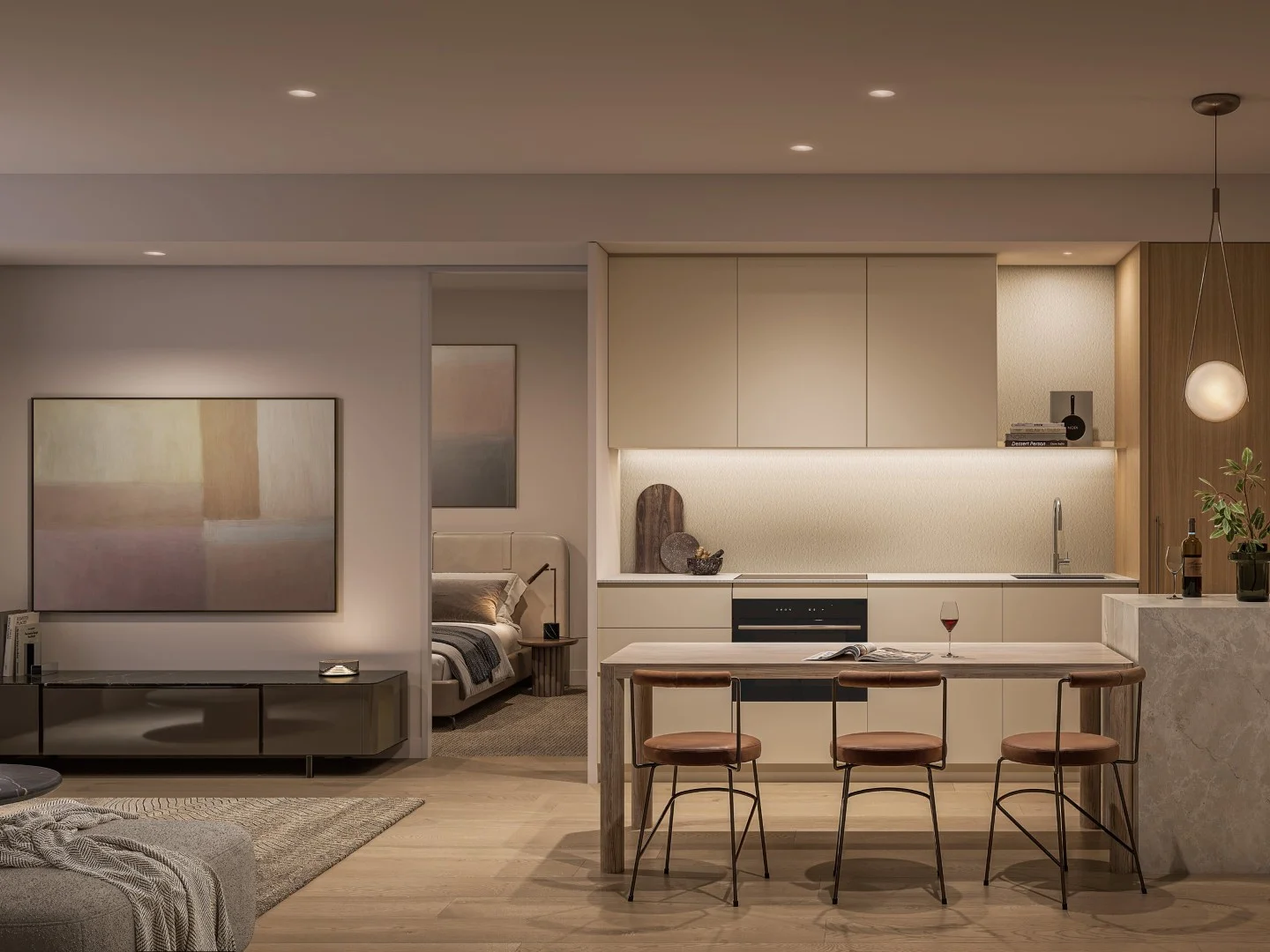 $666,000
Apartment / Unit / Flat
$666,000
Apartment / Unit / Flat
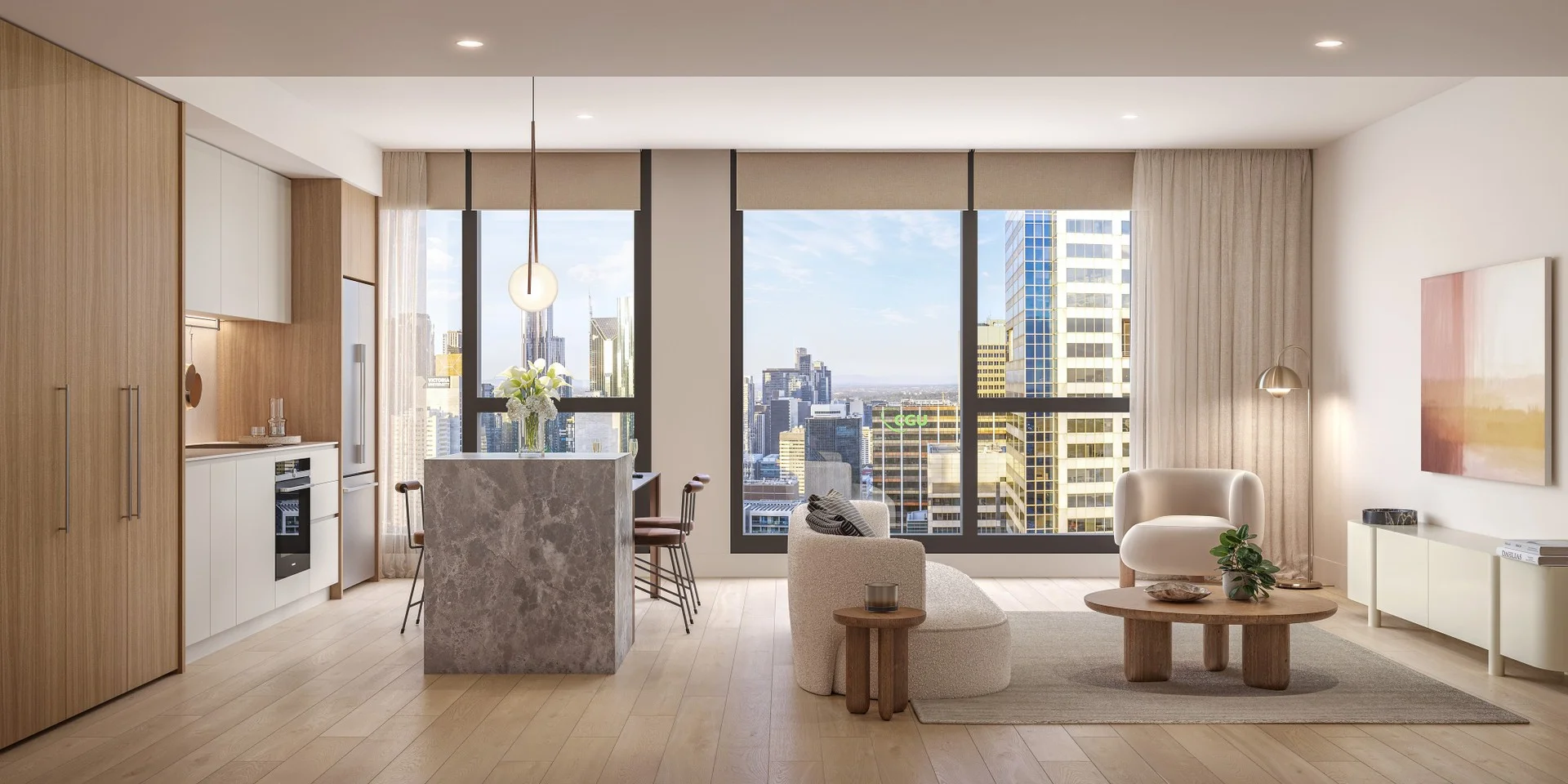 $1,870,000
propertyType.NEW APARTMENTS / OFF THE PLAN
$1,870,000
propertyType.NEW APARTMENTS / OFF THE PLAN
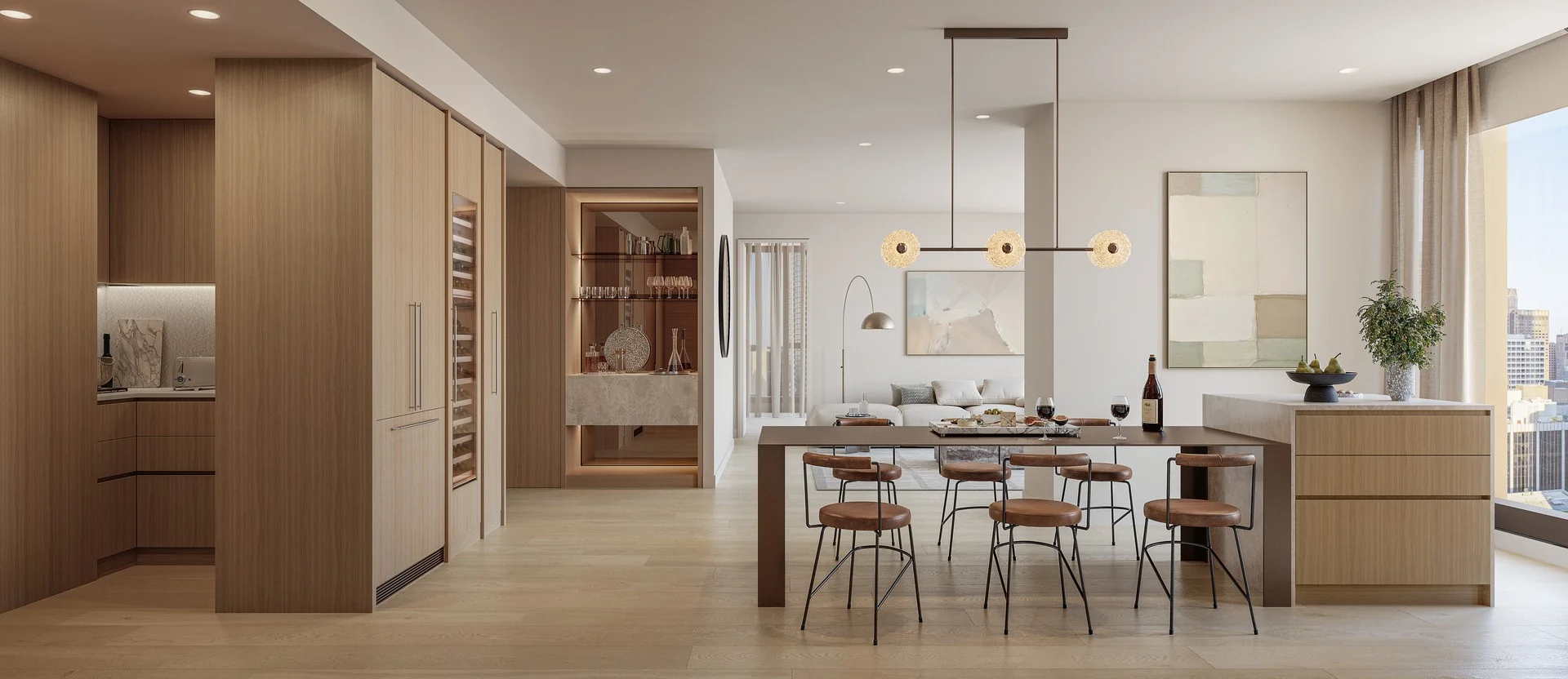 $2,865,000
Apartment / Unit / Flat
$2,865,000
Apartment / Unit / Flat