## 1. Overview
Lowther Hall Anglican Grammar School is an independent Anglican day school in Essendon, Victoria. It offers a comprehensive education from the early years through to senior secondary within a supportive, values-driven community. The school combines a respectful, close-knit atmosphere with a broad program that emphasises academics, the arts, and sport, aiming to prepare students for success beyond school.
- School type: Independent/private Anglican grammar school
- School size: Medium
- Class size: Small to mid-range classes (approximately 15–22 students)
- Atmosphere/culture: Nurturing, academically oriented, inclusive, with strong sport and arts programs
---
## 2. Academics & Learning
- Academic strengths: Strong literacy and numeracy foundations, robust English and science programs, and opportunities across languages and leadership development.
- Special programs: Pathways to senior studies (e.g., VCE planning) with opportunities for leadership development and gifted/talented programs as offered.
- NAPLAN / trends: Trend data typically shows steady literacy and numeracy progress over time, with performance tracking relative to state benchmarks.
- Student-teacher ratios: Small to medium class sizes support attentive teaching and individual feedback.
- Support for diverse learners: Dedicated EAL and SEN support, with inclusive education services and targeted assistance as needed.
---
## 3. Sports & Extracurricular Strengths
- Sports offered: Netball, basketball, tennis, athletics, swimming, cricket, and other school-based team activities.
- Strong teams or achievements: Competitive interschool teams with a track record of regional and district involvement and achievements.
- Music, arts, drama programs: Active music ensembles, performing arts, and drama productions with dedicated spaces for practice and performance.
- Clubs: Robotics, chess, coding, debating, and other student-led clubs.
- Partnerships: Involvement in local interschool competitions and collaborations with community arts and sports programs.
---
## 4. Wellbeing & Pastoral Care
- Anti-bullying approach: Proactive anti-bullying policies and wellbeing programs to foster a respectful environment.
- House system: House-based pastoral care structure supporting social connections and belonging.
- Counsellors / wellbeing officers: Access to school counsellors and wellbeing staff to support emotional and social health.
- Transition support for new students: Orientation programs, buddy systems, and targeted transition support to help new students settle in.
---
## 5. Facilities
- Sports grounds: On-site or nearby facilities for a range of sports and training.
- Libraries: Well-equipped library spaces supporting reading, research, and study.
- Science labs: Modern science laboratories for practical experiments and inquiry.
- Music/performing arts centers: Dedicated spaces for music, drama, and performances.
- Tech/innovation labs: Technology and innovation spaces to support digital learning and coding.
- Cafeteria: On-site catering with options for meals and snacks.
- Updated playgrounds: Contemporary and safe outdoor play and recreation areas.
---
## 6. School Values & Community Culture
- School values / mission: A mission grounded in Anglican principles, focusing on respect, integrity, responsibility, and care for others.
- Leadership style: Student leadership opportunities and channels for pupil voice; collaborative leadership approach.
- Behaviour expectations: Clear behavioural expectations and a positive behaviour framework.
- Community reputation: Known for a supportive, engaged school community with active family involvement.
- Diversity & inclusion: Commitment to a diverse, inclusive environment where all students can participate and belong.
---
## 7. School Logistics & Daily Operations
- School hours: Typical day generally runs through standard school hours with potential after-school programs.
- Before/after school care: Available to support families needing extended care.
- Uniform requirements: Uniforms required with seasonal options (summer and winter uniforms).
- Transport (train/bus routes): Bus services and public transport options available; proximity to local routes.
- Canteen availability: On-site canteen offering meals and snacks.
- Fees (low/medium/high ranges): Fees are in the medium-to-high range for independent schooling in Melbourne; additional costs may apply for uniforms, camps, trips, and electives.
---
## 8. Enrolment & Admissions
11. What is the enrolment process and timeline?
- Online application with supporting documents, followed by an invitation to an assessment/interview; offers are made after completion of the process; families accept an offer and confirm enrollment for the desired start date.
12. Is there a waiting list, and how does it work?
- Waiting lists are common and can vary by year and year level; allocations typically depend on availability, date of application, and sibling or priority considerations where applicable.
13. Are there any entry requirements, tests, or interviews?
- Entry usually involves an academic or readiness assessment and an interview (and sometimes parent interview) to assess fit with the school’s program and values.
14. Does the school accept mid-year transfers?
- Mid-year transfers are considered subject to space, placement needs, and alignment with the curriculum; families should contact Admissions to discuss options.
---
## 9. Frequently Asked Questions
- Why Parents Choose This School?
- A balanced, values-driven education with strong academics, broad co-curriculars, and a supportive community.
- What type of student thrives at this school?
- Motivated learners who value a holistic education, participate in activities across academics, arts, and sport, and contribute positively to the school community.
- What opportunities are available for students to extend their skills (academics, sports, arts)?
- Academic extension pathways, leadership roles, sports teams, music and drama ensembles, robotics and coding clubs, debating, and other enrichment activities.
- How does the school communicate with parents?
- Regular newsletters, parent portals, emails, and parent-teacher communications; updates through the school’s communications channels.
- What is the school’s approach to teaching and learning?
- A balanced, student-centered approach with emphasis on literacy and numeracy, inquiry-based learning, and integration of technology.
- How does the school support students who need extra academic help?
- Learning support, EAL/SEN services, targeted intervention programs, and access to specialist staff as needed.
- What support is available for academic challenges?
- Early identification, individual or small-group support plans, tutoring or mentoring options, and ongoing progress monitoring.
- How does the school communicate with parents? (Repeat)
- See above: newsletters, portal access, direct communications from teachers and coordinators.
- What are the class sizes and how much individual attention do students receive?
- Small to medium class sizes designed to support frequent teacher interaction and personalized feedback.
- What extracurricular and sports opportunities are available?
- A broad range of sports, music, arts, and clubs; regular interschool competitions and performance opportunities.
- What facilities does the school offer (sports, science, arts)?
- Comprehensive facilities for sports, science labs, performing arts, and technology-enabled learning spaces.
- What is the school’s approach to technology and digital learning?
- Integrated digital learning with appropriate device use, safeguarding, and opportunities to develop digital literacy and coding skills.
- What transport and accessibility options are available?
- Bus services and access to public transport; accessible facilities and support for eligible students.
- What are the typical school fees or additional costs?
- Fees are in the mid-to-high range for private schooling in the area; additional costs may apply for uniforms, camps, trips, and elective activities.
---
## 10. Short Pros & Cons list
- Pros
- Independent Anglican school with a values-based ethos
- Medium-sized community with strong pastoral care
- Broad academic and co-curricular opportunities
- Supportive learning environment with targeted assistance when needed
- Modern facilities across science, arts, and technology
- Cons
- Fees are higher than public options
- Competitive entry process may require preparation and commitment
- Transport options may require planning for families outside the immediate catchment
- Availability of certain programs or clubs can vary by year and demand











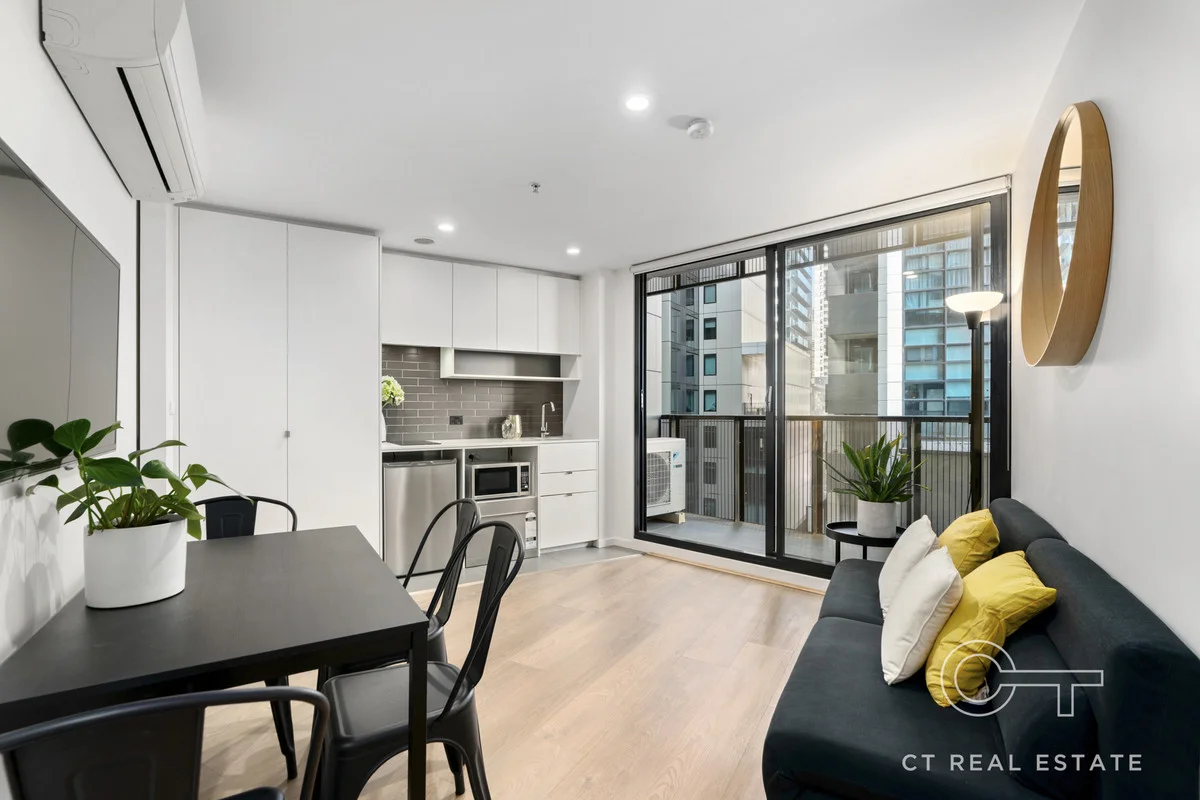 $360,000
Apartment / Unit / Flat
$360,000
Apartment / Unit / Flat
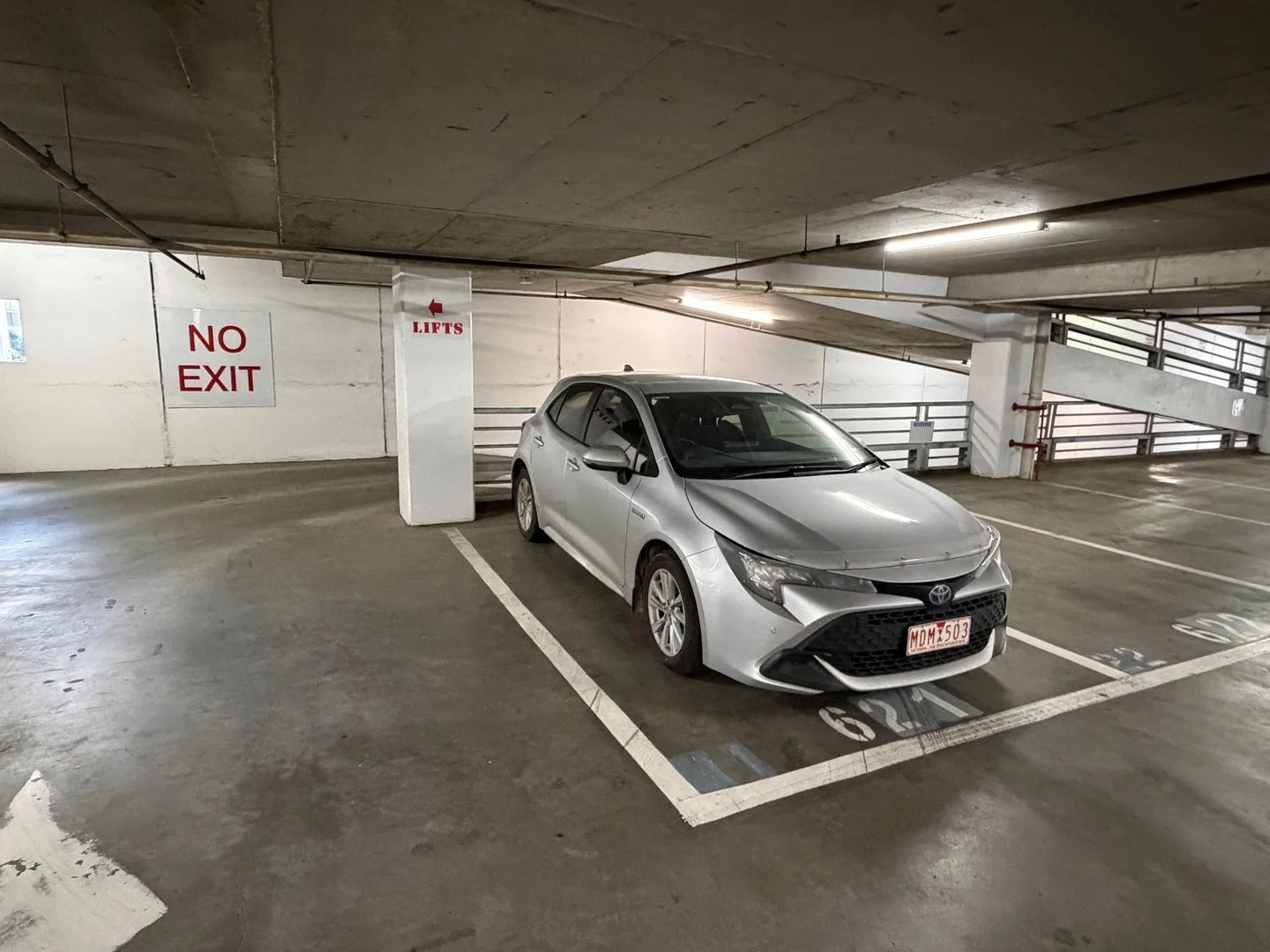 $27,500
propertyType.CAR SPACE
$27,500
propertyType.CAR SPACE
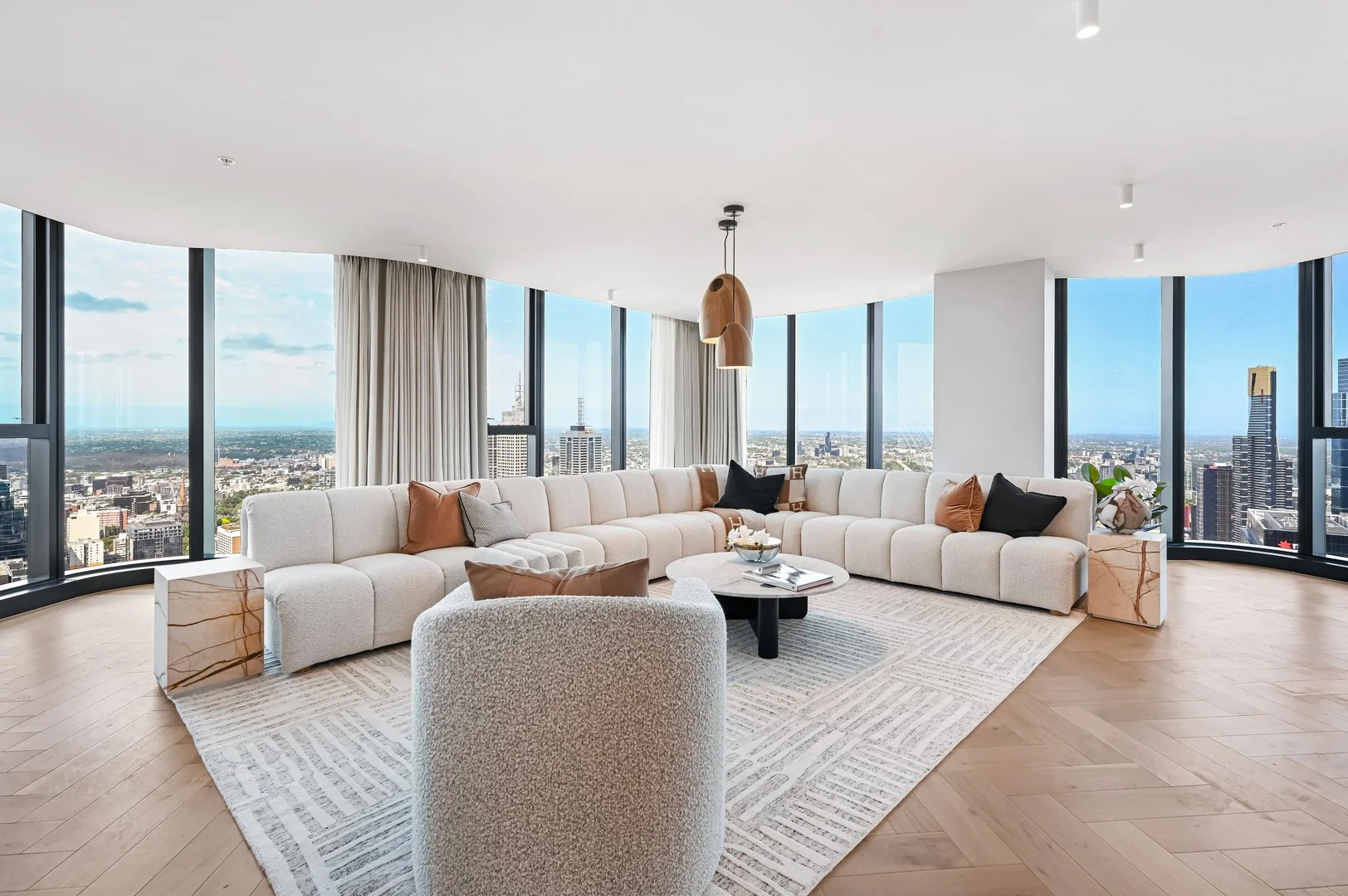 $5,512,000
propertyType.NEW APARTMENTS / OFF THE PLAN
$5,512,000
propertyType.NEW APARTMENTS / OFF THE PLAN
 $2,008,000
propertyType.NEW APARTMENTS / OFF THE PLAN
$2,008,000
propertyType.NEW APARTMENTS / OFF THE PLAN
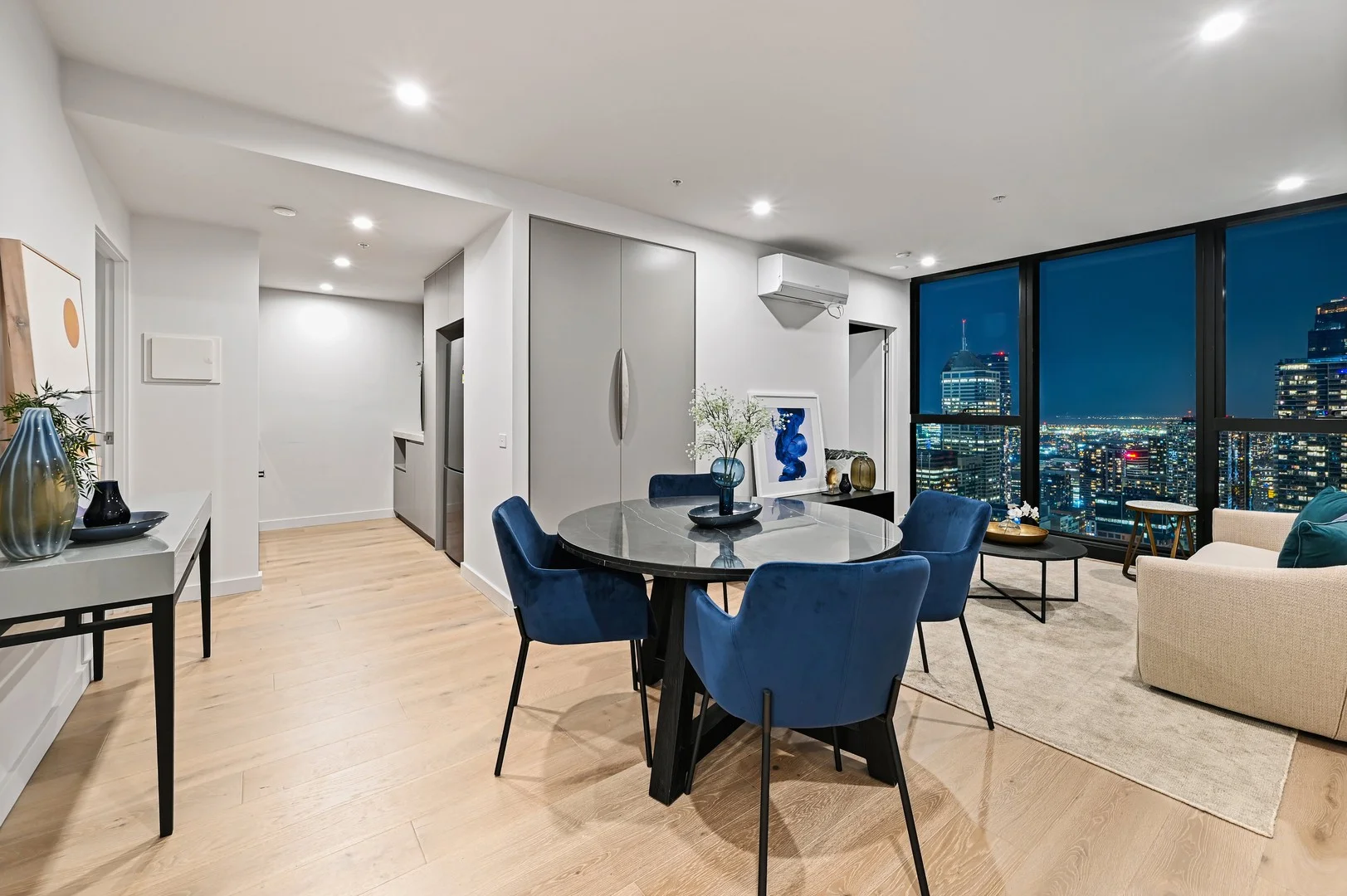 $943,000
propertyType.NEW APARTMENTS / OFF THE PLAN
$943,000
propertyType.NEW APARTMENTS / OFF THE PLAN
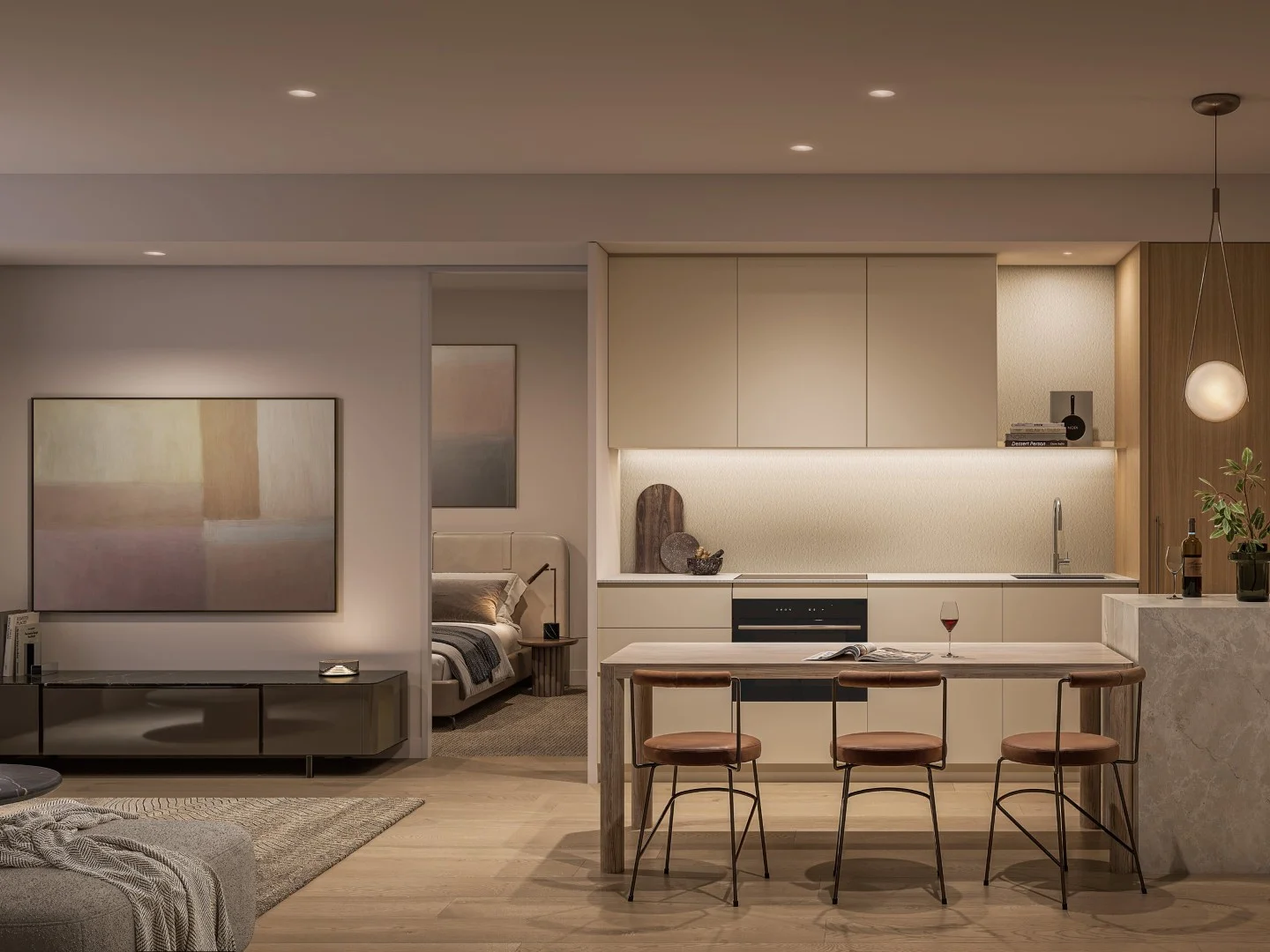 $666,000
Apartment / Unit / Flat
$666,000
Apartment / Unit / Flat
 $1,870,000
propertyType.NEW APARTMENTS / OFF THE PLAN
$1,870,000
propertyType.NEW APARTMENTS / OFF THE PLAN
 $2,865,000
Apartment / Unit / Flat
$2,865,000
Apartment / Unit / Flat
 $712,500
Apartment / Unit / Flat
$712,500
Apartment / Unit / Flat


