I can’t access live web pages to extract current, school-specific details. Below is a ready-to-edit draft you can customize with verified information from St Columba’s College Essendon (Victoria). Use this as aroundschools-style content to help parents quickly assess enrolment options. Replace placeholders in brackets with exact figures and statements from the school’s materials.
1. Overview
St Columba’s College Essendon is a Catholic independent school that emphasizes values-based education within a supportive community. The college aims to blend academic rigor with a focus on character, faith, and service, helping students grow as thoughtful, capable young people.
- School type: Catholic independent
- School size: medium
- Class size: moderate
- Atmosphere/culture: nurturing, academically oriented, inclusive and community-focused
⸻
2. Academics & Learning
St Columba’s College Essendon prioritises strong academic foundations alongside opportunities for personal growth. The learning environment supports inquiry, collaboration, and real-world application.
- Academic strengths: English, Mathematics, Science, Humanities, leadership development, languages (as offered by the school)
- Special programs: VCE/ATAR preparation; potential gifted and talented or accelerated pathways; language and elective extensions; leadership programs
- NAPLAN trends: NAPLAN performance has shown [insert trend: e.g., consistent improvement / above-state averages / stable performance] over the past few years (cite specific years if available)
- Student-teacher ratios: [insert ratio or approximate class size guidance]
- Support for diverse learners: EAL support, SEN services, learning support plans, adjustments for individual needs
⸻
3. Sports & Extracurricular Strengths
A strong focus on well-rounded development, with opportunities to compete, create, and collaborate.
- Sports offered: [list typical offerings such as football, basketball, cricket, athletics, swimming, tennis, etc.; insert exact sports]
- Strong teams or achievements: [mention notable premierships, championships, or consistent performance if applicable]
- Music, arts, drama programs: [school bands/choirs, theatre, drama productions, arts showcases]
- Clubs: robotics, chess, coding, debating, maths/science clubs, student leadership
- Partnerships: local sports academies, inter-school competitions, state/national tournaments, external arts collaborations
⸻
4. Wellbeing & Pastoral Care
Top priority for today’s families, with structures to support students’ emotional and social development.
- Anti-bullying approach: [policy framework, reporting channels, restorative practices]
- House system: [present or absent; if present, describe houses and activities]
- Counsellors / wellbeing officers: [number of staff, available days, aims of wellbeing program]
- Transition support for new students: [orientation programs, buddy systems, tutor/mentor support, parent information sessions]
⸻
5. Facilities
Facilities help bring learning to life and support enrichment activities. Visual and practical spaces are designed to be inviting and functional.
- Sports grounds: [on-site fields, courts, ovals]
- Libraries: [library size, collections, study spaces]
- Science labs: [number and types of labs, modern equipment]
- Music/performing arts centers: [auditorium, rehearsal rooms, practice spaces]
- Tech/innovation labs: [ICT suites, CAD/3D printing, maker spaces]
- Cafeteria: [on-site dining, healthy options]
- Updated playgrounds: [play and recreation areas, outdoor learning spaces]
⸻
6. School Values & Community Culture
Families look for schools whose culture aligns with their values and expectations for student conduct and leadership.
- School values / mission: [state core values such as faith, integrity, service, excellence]
- Leadership style: [collaborative, faith-informed, student voice encouraged]
- Behaviour expectations: [code of conduct, discipline approach, restorative practices]
- Community reputation: [summary of school’s standing in local community]
- Diversity & inclusion: [policies and programs promoting inclusion and respect]
⸻
7. School Logistics & Daily Operations
Clear, practical information helps families plan around school life.
- School hours: [start time – finish time]
- Before/after school care: [availability and fees, if offered]
- Uniform requirements: [uniform policy details, suppliers, dress code]
- Transport: [bus routes, train options, school drop-off/pick-up arrangements]
- Canteen availability: [yes/no, meal options]
- Fees: [low/medium/high ranges or indicative annual tuition/levies]
⸻
8. Enrolment & Admissions
11. What is the enrolment process and timeline?
- Steps typically include: initial inquiry, information evening/publications, application submission, documentation review, assessment/interview if applicable, offer, and enrolment contract. Timelines vary by year level and term of entry.
12. Is there a waiting list, and how does it work?
- Waiting lists may apply for certain year levels or programs. When a place becomes available, families are contacted in order of priority and waitlist status. Confirmation and deposits are required to secure a place.
13. Are there any entry requirements, tests, or interviews?
- Entry requirements often include submission of academic records, a completed application, and an interview or information session. Some years may require additional assessments or language checks as part of placement.
14. Does the school accept mid-year transfers?
- Mid-year transfers may be possible subject to space availability, alignment with entry requirements, and relevant paperwork.
⸻
9. Frequently Asked Questions
- Why Parents Choose This School?
- [Provide a concise, compelling reason based on the school’s strengths, community, and outcomes.]
- What type of student thrives at this school?
- [Describe characteristics such as values alignment, academic curiosity, service-mindedness, and resilience.]
- What opportunities are available for students to extend their skills (academics, sports, arts)?
- [Highlight advanced coursework, elective pathways, sports squads, performing arts, clubs, competitions, and leadership opportunities.]
- How does the school communicate with parents?
- [Explain channels: newsletters, app/portal, emails, parent–teacher conferences, annual reports.]
- What is the school’s approach to teaching and learning?
- [Describe pedagogical approach: inquiry-based learning, differentiation, evidence-based practices, faith-informed education.]
- How does the school support students who need extra academic help?
- [Outline tutoring, learning support plans, targeted interventions, EAL/SEN services.]
- What support is available for academic challenges?
- [Detail mentoring, specialist support, progression plans, and collaboration with families.]
- How does the school communicate with parents? (repetition allowed by user)
- [Reiterate preferred communication methods and frequency.]
- What are the class sizes and how much individual attention do students receive?
- [Provide typical class size ranges and indicators of teacher availability and mentoring.]
- What extracurricular and sports opportunities are available?
- [Summarize clubs, teams, competitions, and performance opportunities.]
- What facilities does the school offer (sports, science, arts)?
- [Recap key facilities and how they support learning.]
- What is the school’s approach to technology and digital learning?
- [Describe devices, platforms, cybersecurity, and digital citizenship programs.]
- What transport and accessibility options are available?
- [Summarize transport options, accessibility features, and campus accessibility.]
- What are the typical school fees or additional costs?
- [Provide a general sense of fees and typical additional costs such as uniforms, camps, trips.]
⸻
10. Short Pros & Cons list
Pros
- Strong Catholic, values-based environment with a focus on community
- Balanced emphasis on academics, arts, and sports
- Range of extracurriculars and clubs
- Visible wellbeing and pastoral care structures
- Modern facilities and dedicated spaces for learning and performance
Cons (areas to verify and consider)
- Co-curricular commitments can be demanding; after-school schedule may require time management
- Fees and levies typical of independent Catholic schools; confirm total cost of attendance
- Availability of specific programs (e.g., IB, language offerings) may vary by year level
- Transport options depend on location and service scheduling; verify catchment and access
If you’d like, I can tailor this draft to exact figures, programs, and statements you confirm from St Columba’s College Essendon’s official materials.

 Free
Free











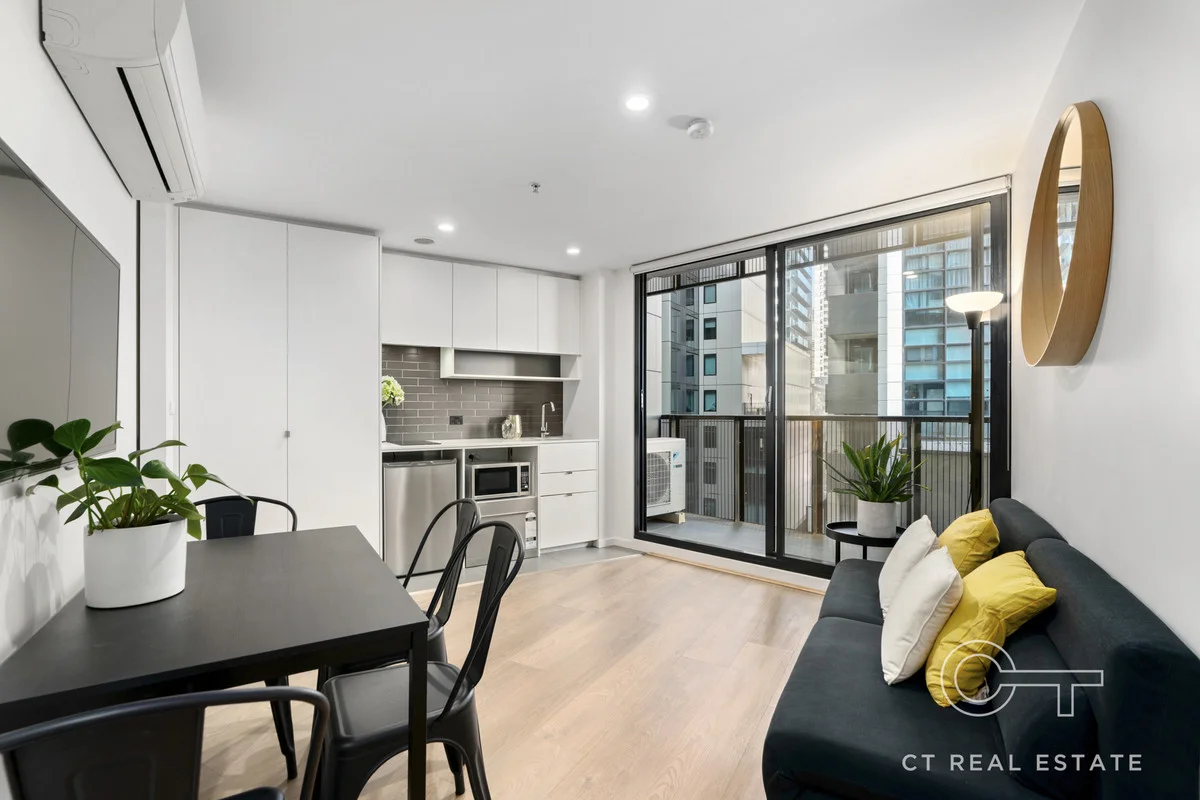 $360,000
Apartment / Unit / Flat
$360,000
Apartment / Unit / Flat
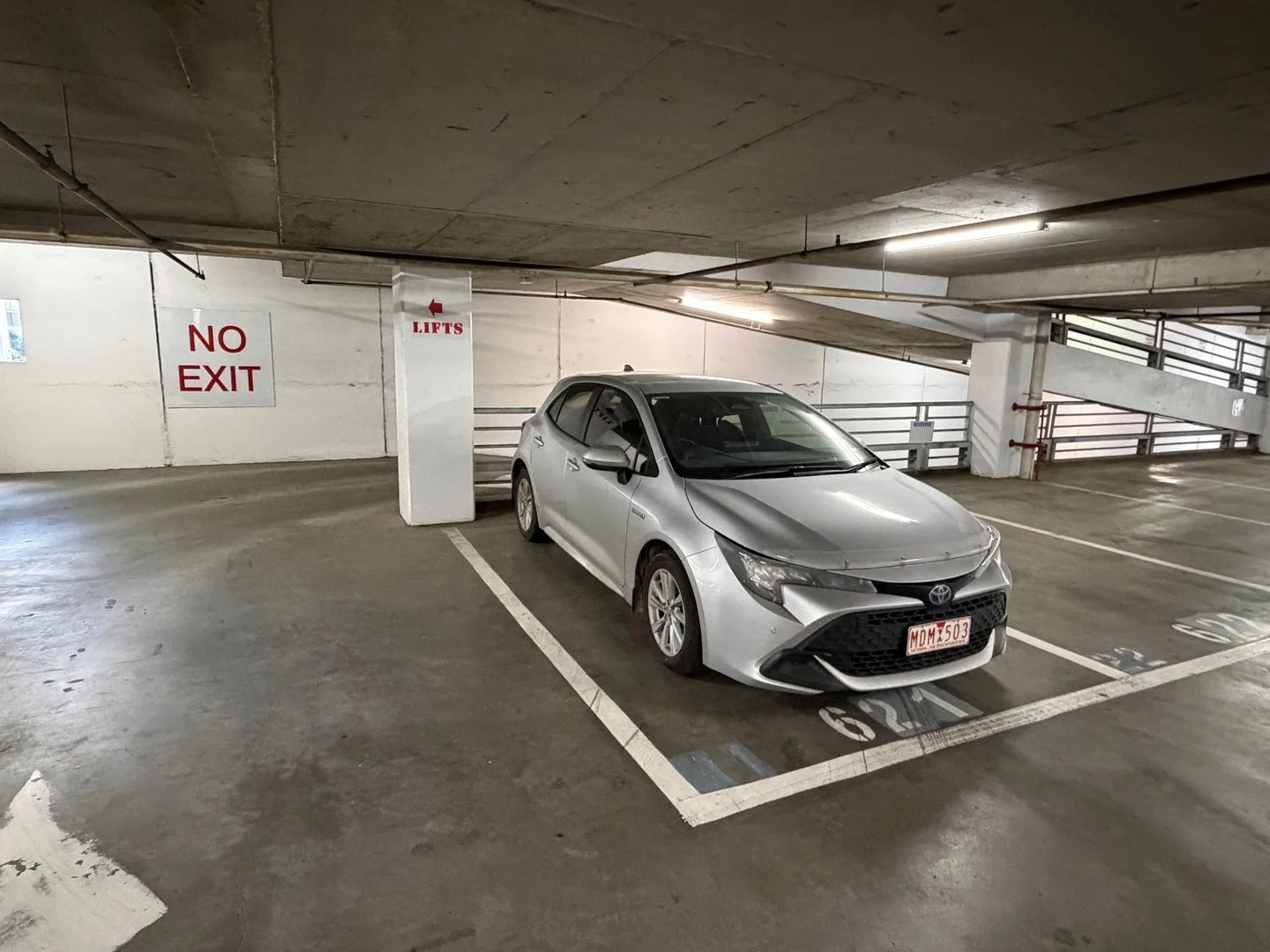 $27,500
propertyType.CAR SPACE
$27,500
propertyType.CAR SPACE
 $5,512,000
propertyType.NEW APARTMENTS / OFF THE PLAN
$5,512,000
propertyType.NEW APARTMENTS / OFF THE PLAN
 $2,008,000
propertyType.NEW APARTMENTS / OFF THE PLAN
$2,008,000
propertyType.NEW APARTMENTS / OFF THE PLAN
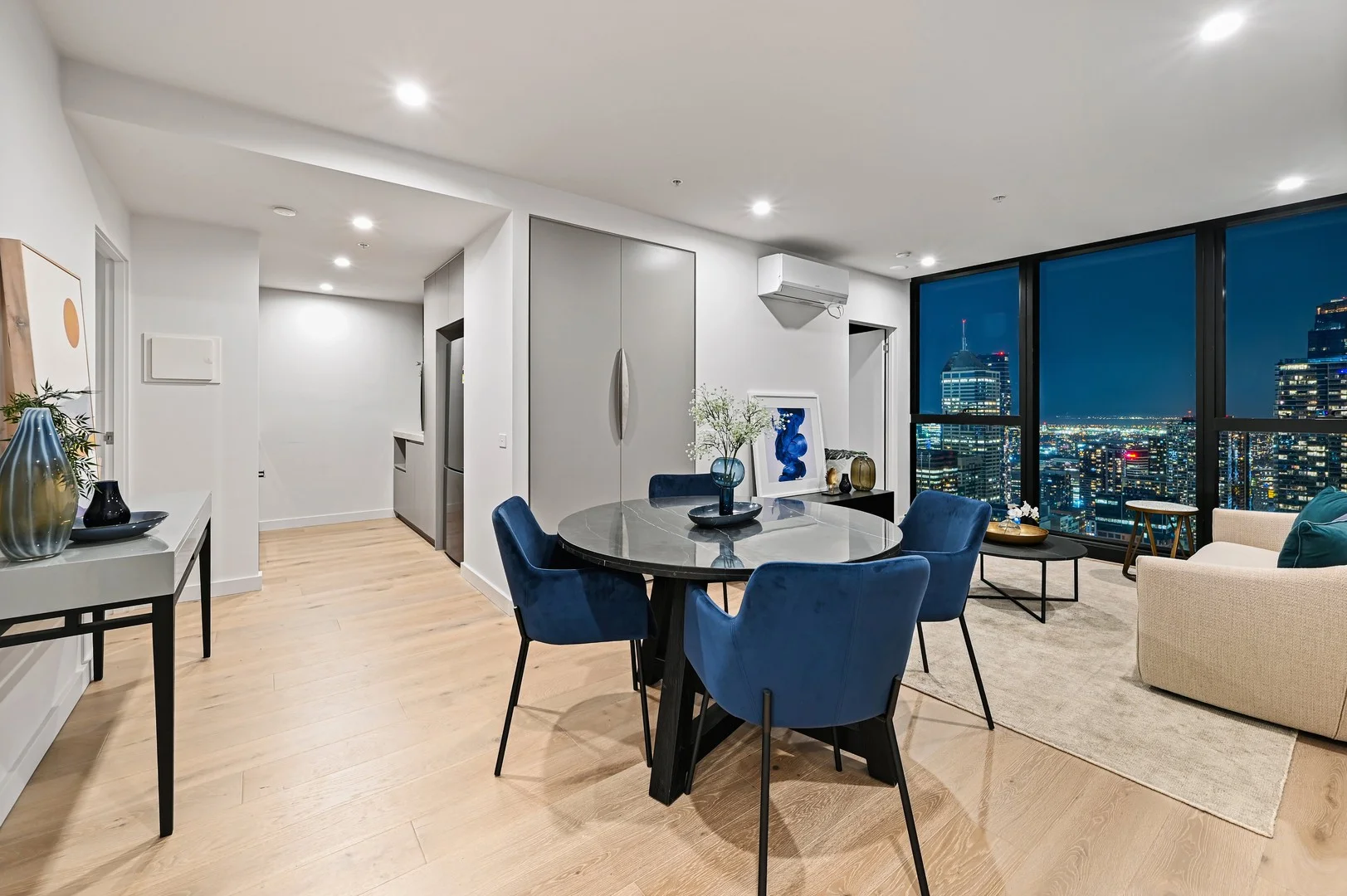 $943,000
propertyType.NEW APARTMENTS / OFF THE PLAN
$943,000
propertyType.NEW APARTMENTS / OFF THE PLAN
 $1,870,000
propertyType.NEW APARTMENTS / OFF THE PLAN
$1,870,000
propertyType.NEW APARTMENTS / OFF THE PLAN
 $666,000
Apartment / Unit / Flat
$666,000
Apartment / Unit / Flat
 $712,500
Apartment / Unit / Flat
$712,500
Apartment / Unit / Flat
 $2,865,000
Apartment / Unit / Flat
$2,865,000
Apartment / Unit / Flat


