1. Overview
Roseville Public School is a public, co-educational primary school serving students from Kindergarten to Year 6. With a medium-sized enrolment, it fosters a close-knit community where staff know families well and strive to support each child’s growth. Class sizes are kept to a level that enables regular individual feedback and collaboration among students. The atmosphere is inclusive and nurturing, with a strong emphasis on academic achievement, wellbeing, and active community involvement.
2. Academics & Learning
- Academic strengths: The school emphasizes strong literacy and numeracy foundations, with opportunities for hands-on learning across science, technology, engineering and mathematics (STEM), and creative arts. There is an ongoing focus on developing critical thinking and communication skills.
- Special programs: English as an Additional Language/Dialect (EAL/D) support, learning support for students who need extra help, and access to enrichment opportunities where available. The school may offer targeted programs for gifted and talented students where appropriate.
- NAPLAN / trends: NSW state-wide trends are used for comparison, and the school aims to maintain steady performance in line with state averages. Over recent years, there is emphasis on improving reading and writing outcomes and ensuring progress for all learners.
- Student-teacher ratios: The school maintains a supportive student-teacher ratio typical of NSW public primary schools, enabling regular feedback, differentiation, and small-group instruction.
- Support for diverse learners: Strong focus on inclusive education with EAL/D support, learning support programs, and collaborations with families to meet individual learning needs.
3. Sports & Extracurricular Strengths
- Sports offered: A range of team and individual sports are available, with opportunities to participate in inter-school events and local competitions.
- Strong teams or achievements: The school celebrates student participation and teamwork, with opportunities to contribute to school-level teams and fixtures.
- Music, arts, drama programs: Active programs in music, drama, and performing arts, with opportunities for performance and public presentation.
- Clubs: Robotics, coding, chess, debating, and other after-school clubs are offered to develop skills beyond core academics.
- Partnerships: Connections with local community clubs and competitions provide additional pathways for sport, coding, and other interests.
4. Wellbeing & Pastoral Care
- Anti-bullying approach: A clear, school-wide anti-bullying policy with teaching and intervention to promote respectful relationships.
- House system: A house-based structure supports camaraderie, healthy competition, and pastoral activities.
- Counsellors / wellbeing officers: Access to school-based wellbeing support and guidance for students and families.
- Transition support for new students: Programs and targeted induction to help new students settle socially and academically.
5. Facilities
- Sports grounds: On-site spaces for physical education and outdoor activities.
- Libraries: A library or library space supporting reading and research.
- Science labs: Facilities that enable hands-on science learning.
- Music/performing arts centers: Dedicated spaces or rooms for music, drama, and performance.
- Tech/innovation labs: Access to technology-rich learning environments and digital literacy activities.
- Cafeteria: On-site canteen or food service for students.
- Updated playgrounds: Well-maintained outdoor play spaces supporting active play.
6. School Values & Community Culture
- School values / mission: A values-driven environment focusing on respect, responsibility, inclusion, and collaboration.
- Leadership style: Inclusive and student-centered leadership that encourages student voice and teacher collaboration.
- Behaviour expectations: Clear expectations around conduct, respect, and responsibility; consistent application across the school.
- Community reputation: Known for a family-friendly, welcoming atmosphere that encourages parent engagement.
- Diversity & inclusion: Commitment to an inclusive community that welcomes students from diverse backgrounds and abilities.
7. School Logistics & Daily Operations
- School hours: Typical school day structure with start and end times appropriate for a primary school.
- Before/after school care: Availability of before- and after-school care or supervision, subject to booking or enrolment.
- Uniform requirements: School uniform policy with practical attire for daily learning.
- Transport (train/bus routes): Access to public transport options; families may rely on bus services and local routes.
- Canteen availability: Canteen or food service during the school day.
- Fees (low/medium/high ranges): As a public school, charges are primarily for additional activities or materials; details provided by the school.
8. Enrolment & Admissions
11. What is the enrolment process and timeline?
- Begin by confirming the school’s catchment and submitting an enrolment application within the district’s timelines. Gather required documents (proof of child’s identity, proof of address, immunisation records, and any other documents requested by the school). The school will provide a date for intake, orientation, and any necessary confirmations.
12. Is there a waiting list, and how does it work?
- If the school is oversubscribed, a waiting list may be used. Priority is generally given to students within the catchment area and to siblings of current students. The school will advise on how the waitlist is managed and how places are allocated.
13. Are there any entry requirements, tests, or interviews?
- For primary enrolments, entry requirements typically include documentation and eligibility checks. Most NSW public primary schools do not require entrance tests; interviews are uncommon but may occur for specific circumstances or in limited cases. The school will outline any required assessments or documentation.
14. Does the school accept mid-year transfers?
- Mid-year transfers are considered if places are available. Families should contact the school as early as possible to discuss eligibility, availability, and required documentation.
9. Frequently Ask Questions
- Why Parents Choose This School?
- What type of student thrives at this school?
- What opportunities are available for students to extend their skills (academics, sports, arts)?
- How does the school communicate with parents?
- What is the school’s approach to teaching and learning?
- How does the school support students who need extra academic help?
- What support is available for academic challenges?
- What are the class sizes and how much individual attention do students receive?
- What extracurricular and sports opportunities are available?
- What facilities does the school offer (sports, science, arts)?
- What is the school’s approach to technology and digital learning?
- What transport and accessibility options are available?
- What are the typical school fees or additional costs?
10. Short Pros & Cons list
Pros
- Public, community-focused environment with a nurturing atmosphere
- Balanced emphasis on academics, wellbeing, and extracurriculars
- Inclusive practices with support for diverse learners
- Range of clubs and activities (STEM, arts, sport, debating)
- Flexible, family-friendly approach to enrolment and transfers
Cons
- Limited availability of advanced or specialised programs (where available) depending on funding and staffing
- Class sizes and resources may vary year to year with enrolment changes
- Public-school processes for transfers and waitlists can involve waiting periods during oversubscribed years
If you’d like, I can tailor this content further with any specifics you can share from Roseville Public School’s latest annual report or school newsletter, or help format it for your site’s design.












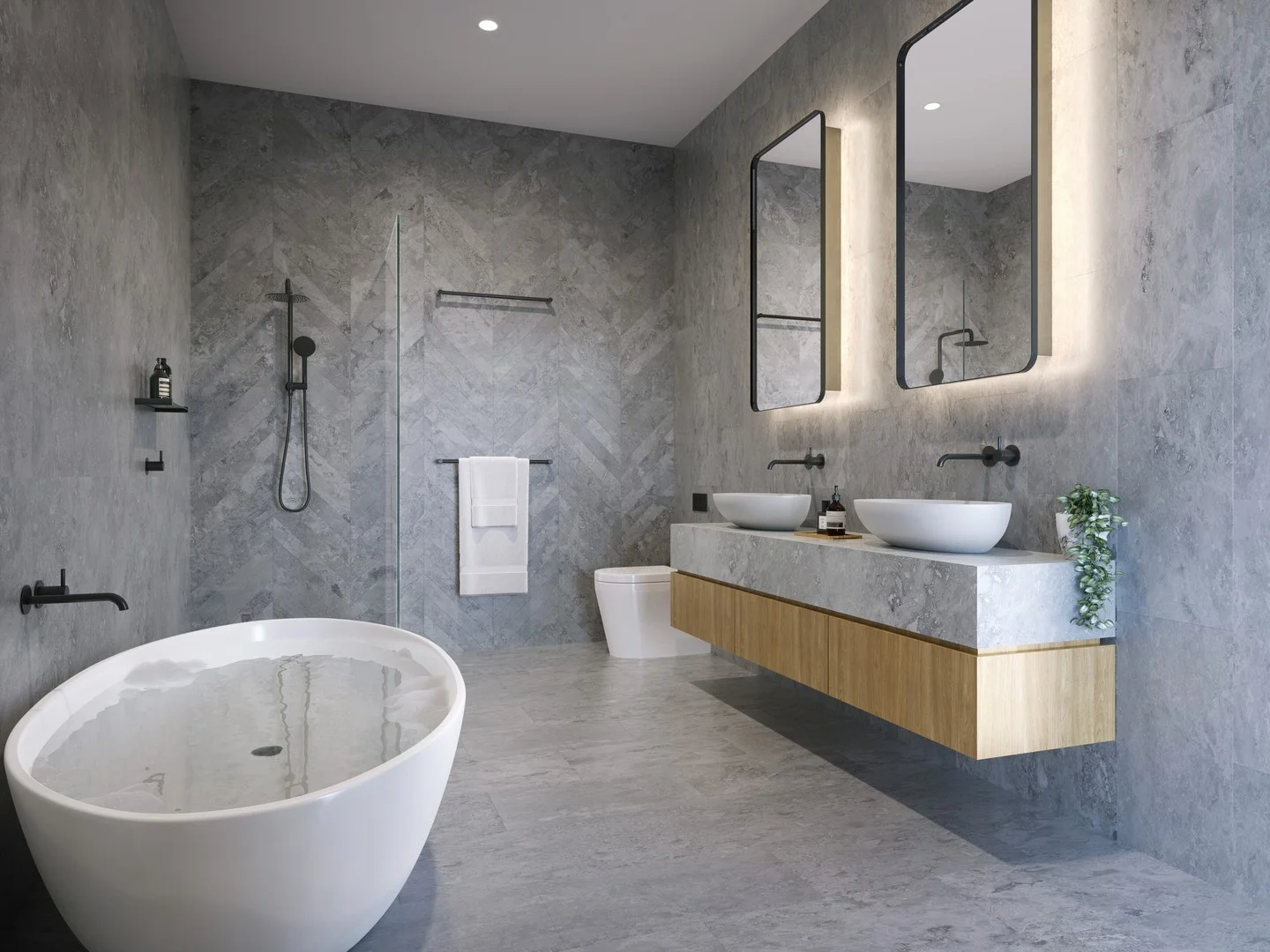 $2,824,000
Apartment / Unit / Flat
$2,824,000
Apartment / Unit / Flat
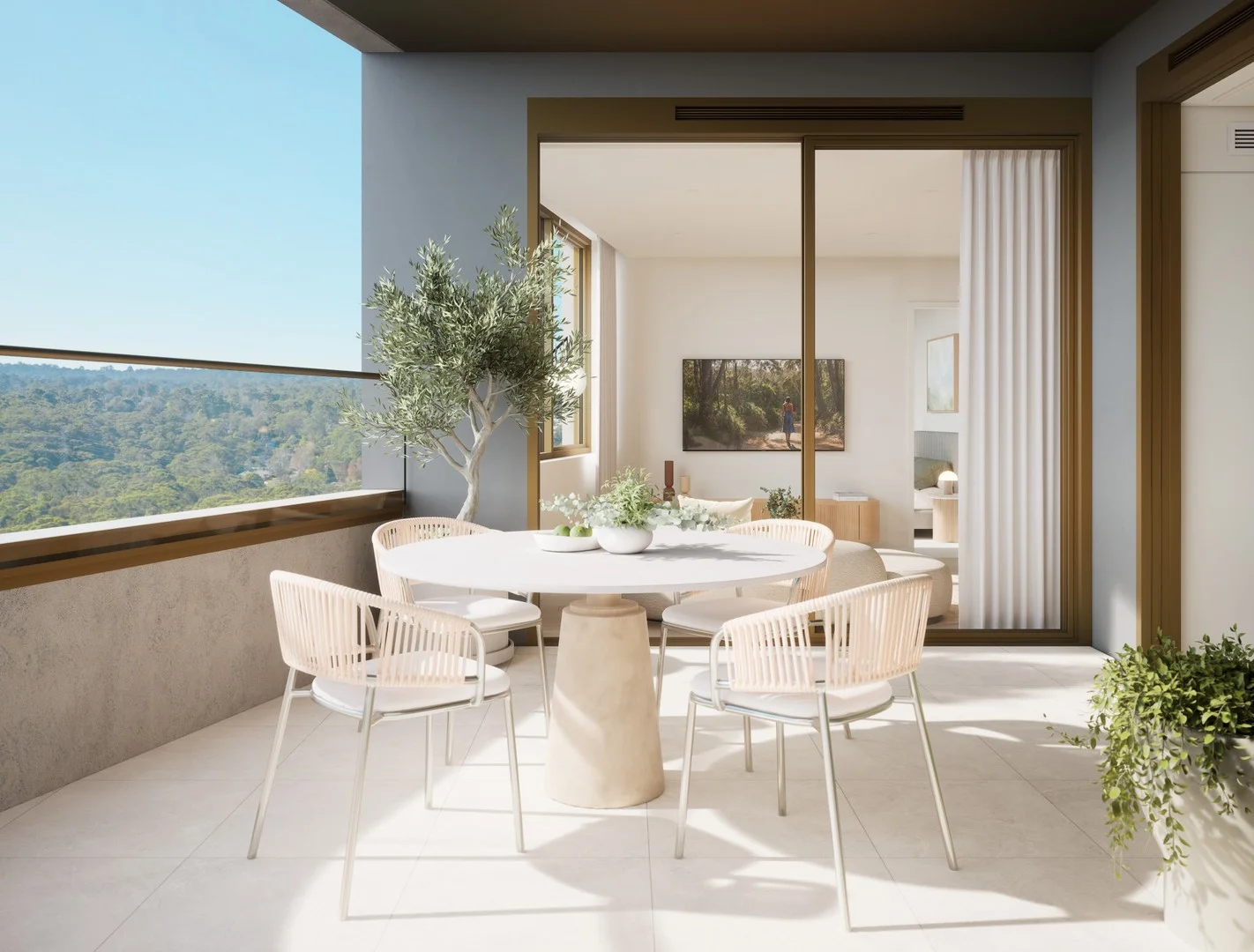 $1,525,000
Apartment / Unit / Flat
$1,525,000
Apartment / Unit / Flat
 $36,000,000 - $39,500,000
Vacant Land
$36,000,000 - $39,500,000
Vacant Land
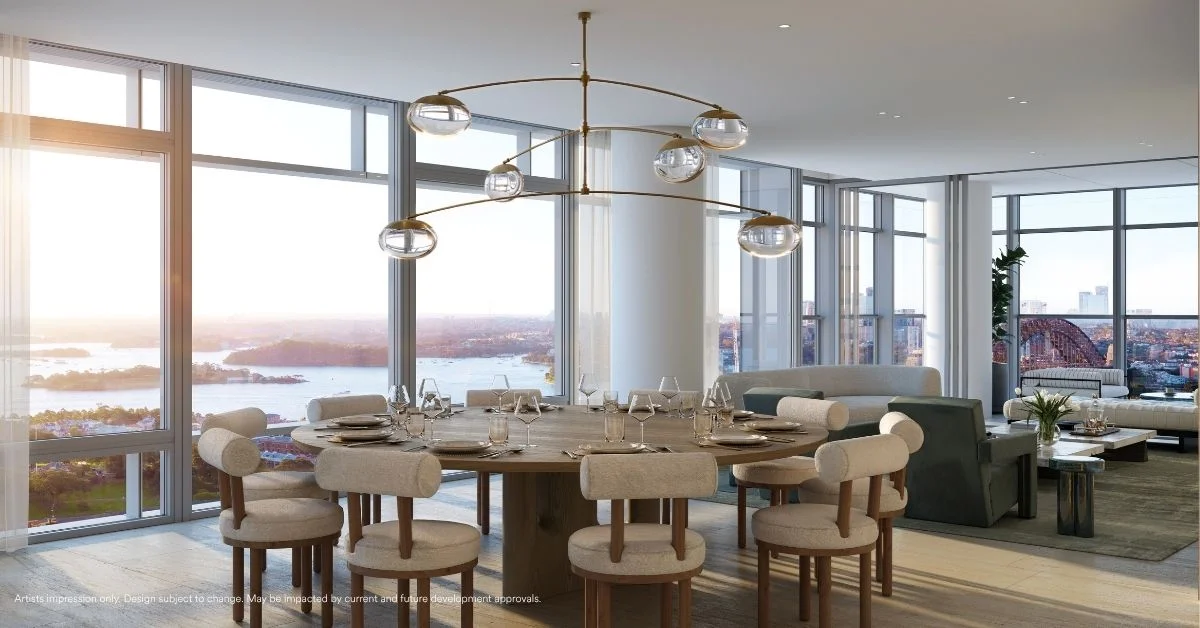 $26,550,000
propertyType.NEW APARTMENTS / OFF THE PLAN
$26,550,000
propertyType.NEW APARTMENTS / OFF THE PLAN
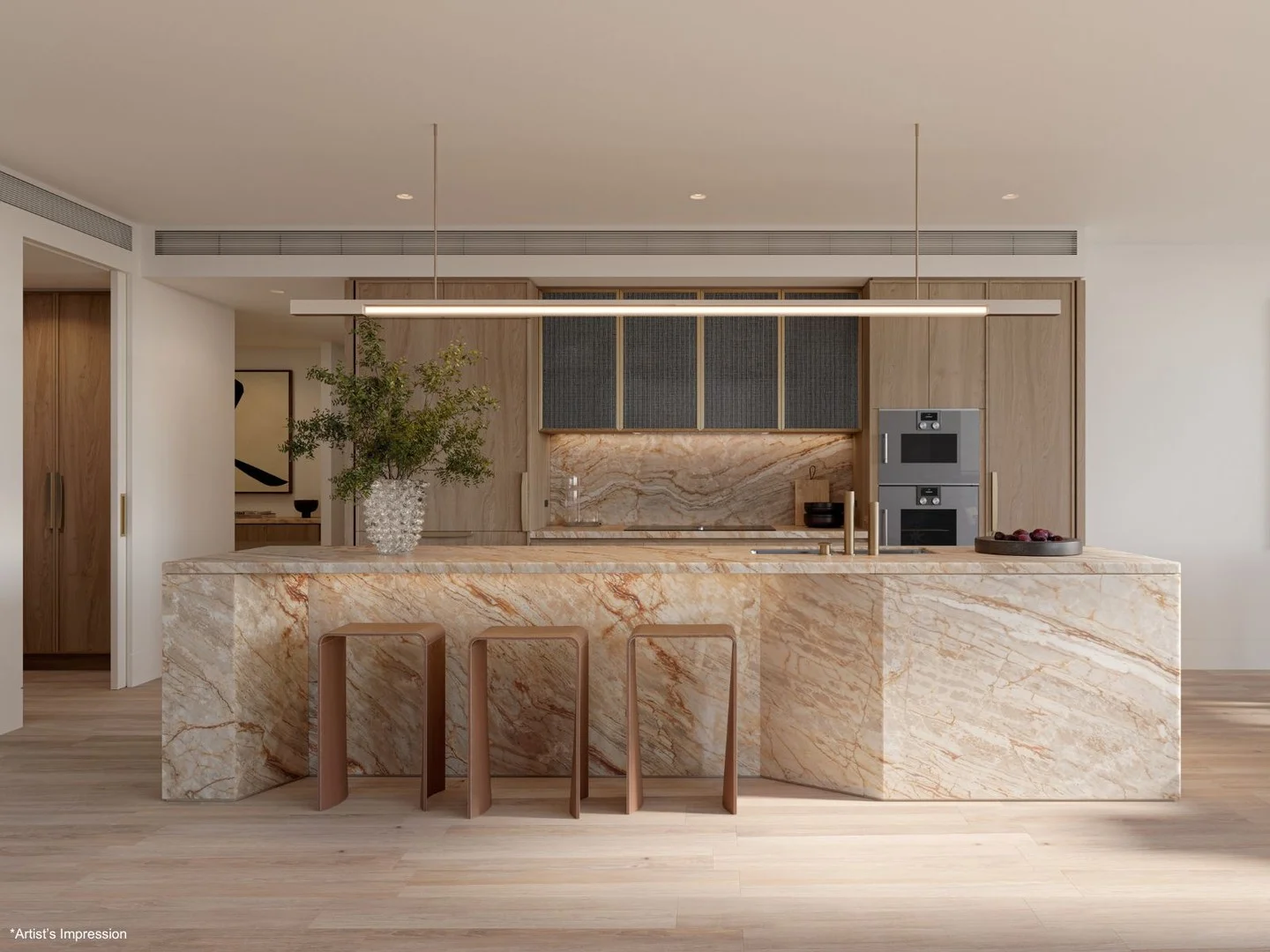 $6,225,000
propertyType.NEW APARTMENTS / OFF THE PLAN
$6,225,000
propertyType.NEW APARTMENTS / OFF THE PLAN
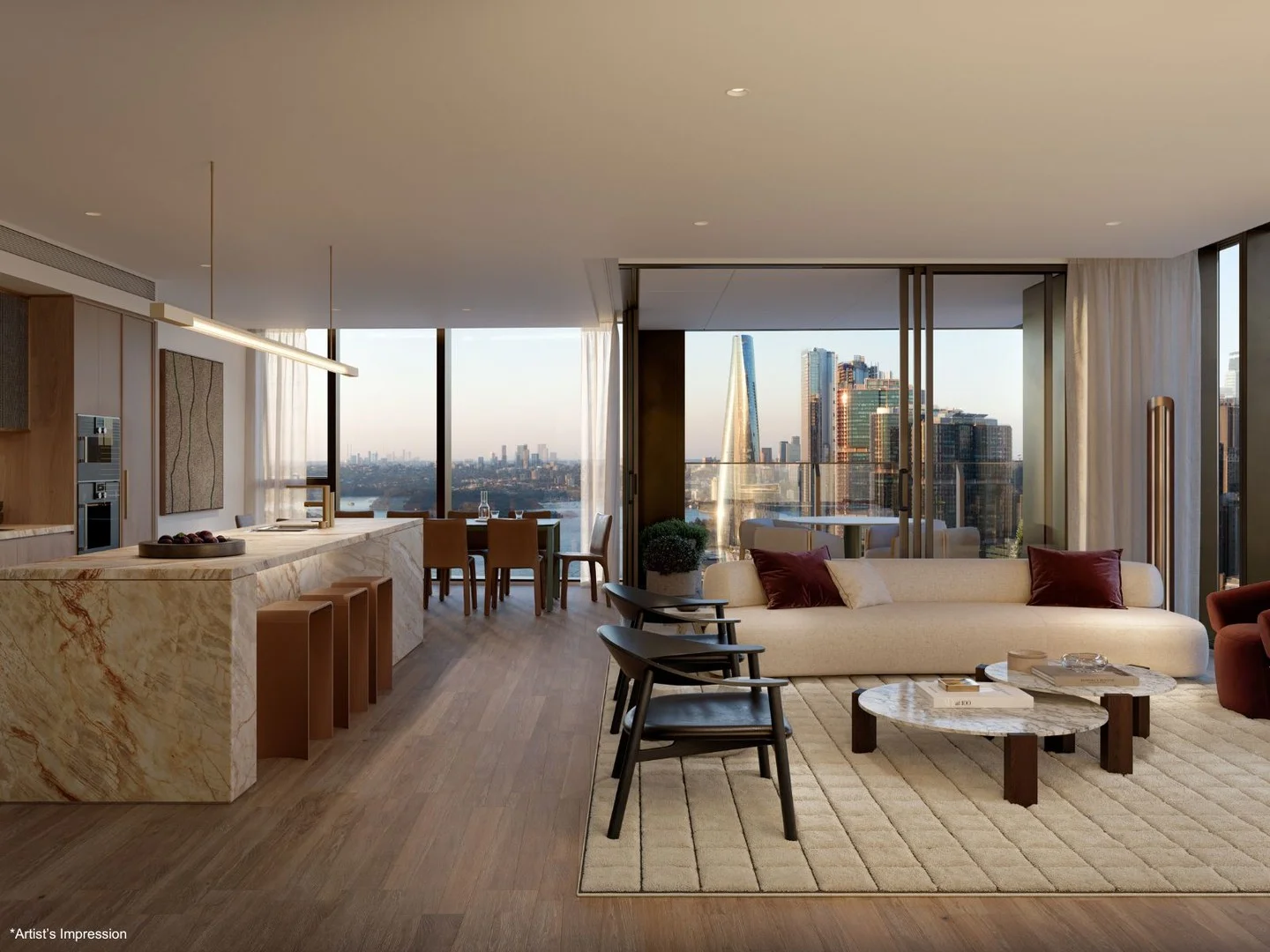 $12,980,000
propertyType.NEW APARTMENTS / OFF THE PLAN
$12,980,000
propertyType.NEW APARTMENTS / OFF THE PLAN
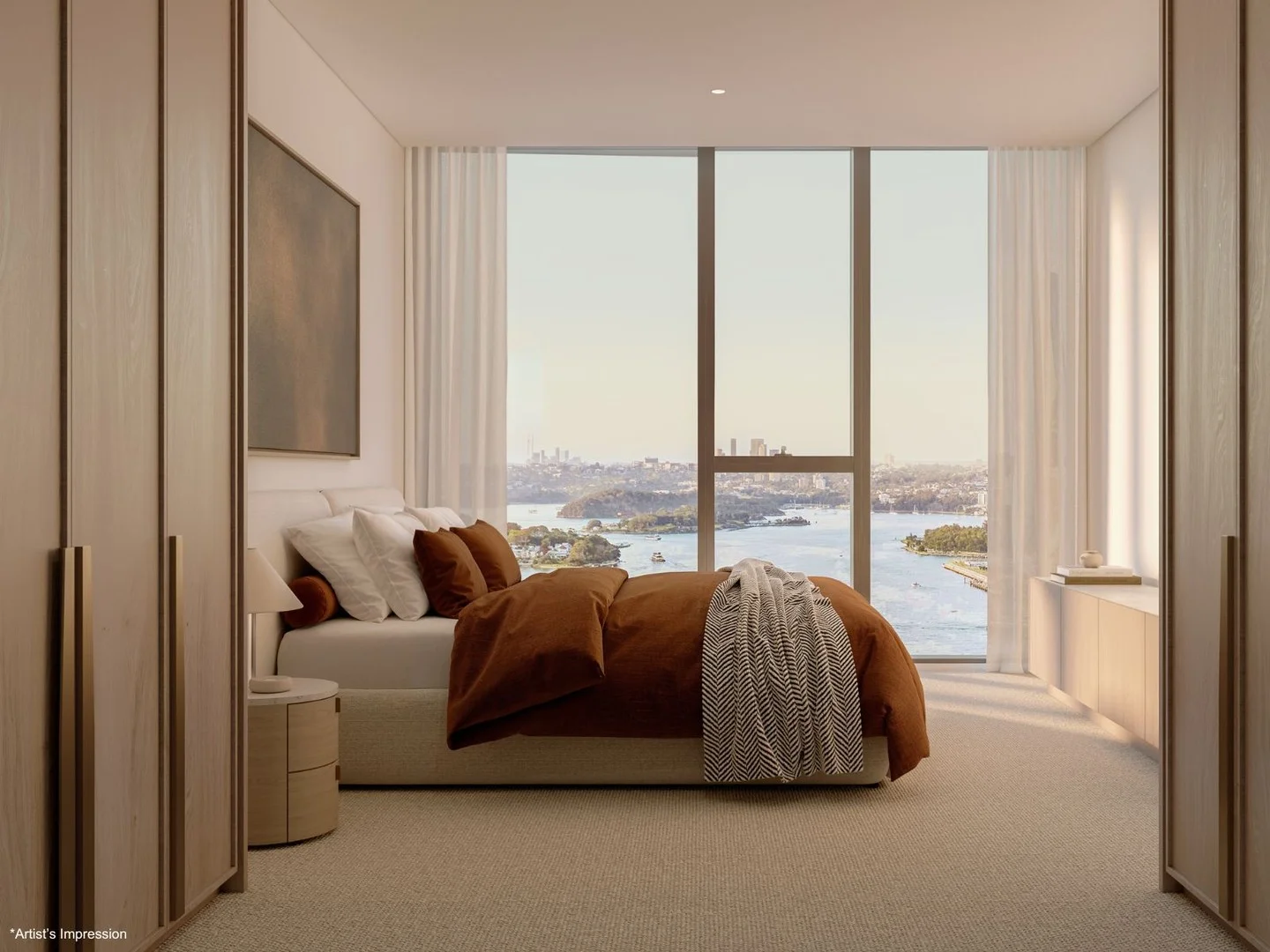 $8,630,000
propertyType.NEW APARTMENTS / OFF THE PLAN
$8,630,000
propertyType.NEW APARTMENTS / OFF THE PLAN
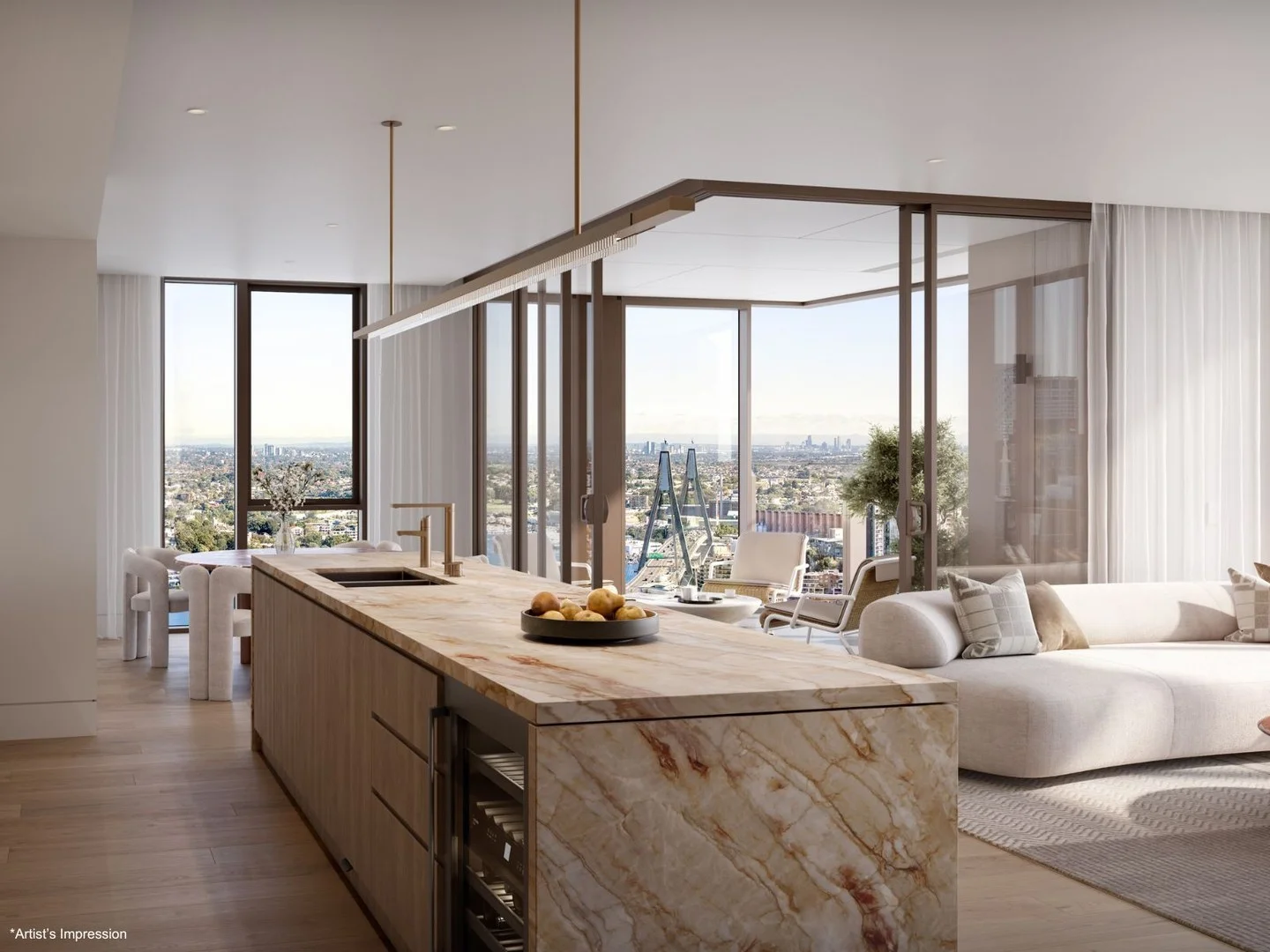 $9,020,000
propertyType.NEW APARTMENTS / OFF THE PLAN
$9,020,000
propertyType.NEW APARTMENTS / OFF THE PLAN
 $2,745,000
propertyType.NEW APARTMENTS / OFF THE PLAN
$2,745,000
propertyType.NEW APARTMENTS / OFF THE PLAN


