## 1. Overview
Lindfield Public School is a public, co-educational primary school in Lindfield, NSW. It serves students from Kindergarten to Year 6 and reflects the NSW Department of Education’s focus on inclusive, quality public schooling. The school tends to be medium-sized for a NSW primary, with class sizes typically in the low 20s and a strong emphasis on creating a welcoming, collaborative learning environment where students feel supported to grow academically and socially.
The atmosphere is nurturing and inclusive, with a culture that encourages curiosity, resilience and participation. Staff strive to balance rigorous academic learning with opportunities for creativity, sport and community involvement, helping students develop confidence and a positive sense of belonging.
⸻
## 2. Academics & Learning
- Academic strengths: Focus on literacy and numeracy foundations, with opportunities to develop digital literacy and critical thinking through inquiry-based learning and integrated projects. The school aims to cultivate student leadership and responsible, evidence-based learning habits.
- Special programs: NSW public primary schools often provide targeted support for diverse learners, including EAL (English as an Additional Language) support and SEN (Special Education Needs) assistance. Enrichment and extension opportunities may be available within the curriculum or via school-based clubs and activities.
- NAPLAN / trends: NSW schools track year-to-year progress; trends typically show stable or improving results in reading and numeracy with ongoing emphasis on writing development and evidence-based learning improvements over time.
- Student-teacher ratios: Primary class sizes generally sit in the low-to-mid 20s, with a student-teacher ratio that aligns with NSW benchmarks to support differentiated instruction and individual feedback.
- Support for diverse learners: Strong emphasis on inclusive education, with EAL and SEN support, inclusive teaching strategies, and individualized learning plans where needed.
⸻
## 3. Sports & Extracurricular Strengths
- Sports offered: Common NSW primary options such as soccer, cricket, netball, basketball, athletics, swimming and cross-country, with opportunities to participate in school and district events.
- Strong teams or achievements: Students often participate in inter-school and district-level competitions; extended programs help students build teamwork, discipline, and competitive spirit.
- Music, arts, drama programs: Regular engagement in music and performing arts (choir, band, school productions) to develop creativity and performance skills.
- Clubs: Robotics, coding, chess, debating and other STEM or humanities clubs are typical extracurricular offerings that support enquiry, problem-solving and public speaking.
- Partnerships: Local community partnerships and participation in district or regional competitions help extend opportunities beyond the classroom.
⸻
## 4. Wellbeing & Pastoral Care
- Anti-bullying approach: Whole-school approach to safety and respectful relationships, with clear policies, classroom programs and staff support to promote a positive culture.
- House system: A house system or similar framework is used to foster belonging, teamwork and school-wide events and challenges.
- Counsellors / wellbeing officers: Access to school wellbeing staff or a guidance counselor to support mental health, resilience and social-emotional learning.
- Transition support for new students: Orientation activities, buddy systems and transition planning to help new students settle, make friends and adjust to the school routine.
⸻
## 5. Facilities
- Sports grounds: Open spaces and playing fields for physical education and sports.
- Libraries: Well-stocked library facilities supporting literacy and inquiry.
- Science labs: Dedicated spaces for hands-on science exploration.
- Music/performing arts centers: Areas for music instruction, rehearsals and performances.
- Tech/innovation labs: Technology spaces or makerspaces for coding, robotics and design projects.
- Cafeteria: On-site canteen or lunch facilities to support healthy eating.
- Updated playgrounds: Modern play areas and age-appropriate equipment.
⸻
## 6. School Values & Community Culture
- School values / mission: A focus on respect, responsibility, resilience, inclusivity and integrity; emphasis on character development alongside academic learning.
- Leadership style: Collaborative and student-centered, with opportunities for student voice and leadership roles.
- Behaviour expectations: Clear codes of conduct and reinforcement of positive behaviours across classrooms and common areas.
- Community reputation: A supportive and engaged school community, with active parental involvement and partnerships with local groups.
- Diversity & inclusion: Welcomes families from varied backgrounds and strives to create an inclusive environment where every student can participate and succeed.
⸻
## 7. School Logistics & Daily Operations
- School hours: Typical day runs from morning start around 9:00am to afternoon dismissal around 3:00pm (times can vary; confirm with the school).
- Before/after school care: Out-of-school-hours care (OSHC) or similar programs are often available to support working families.
- Uniform requirements: School uniform policy with approved attire; most NSW public primary schools require wearing the official uniform.
- Transport (train/bus routes): Access via local transport options (bus services and nearby train stations) with arrangements for student travel safety.
- Canteen availability: On-site canteen or lunch facilities offering meal/ snack options.
- Fees (low/medium/high ranges): NSW public schools have minimal compulsory tuition; families may encounter voluntary contributions and elective activity fees, generally modest and communicated by the school.
⸻
## 8. Enrolment & Admissions
11. What is the enrolment process and timeline?
- Enrolment is typically handled through the NSW Department of Education and the school’s enrolment team. You’ll usually need to provide proof of address within the school’s catchment area, your child’s birth certificate, immunisation records, and other standard documentation. The timeline varies by intake cycle (start of year, mid-year) and space availability; your local school will guide you on the expected processing time.
12. Is there a waiting list, and how does it work?
- Yes, when demand exceeds places, a waiting list may be used. Allocation generally follows the Department’s policy and the school’s space availability, sometimes prioritising in-catchment students. Out-of-area requests are subject to approval and may require longer wait times.
13. Are there any entry requirements, tests, or interviews?
- Primary enrolments typically do not require entrance tests. Some schools may offer information sessions or brief interviews for families moving from out-of-area or for transitions requiring additional support; documentation and transfer information are usually the main requirements.
14. Does the school accept mid-year transfers?
- Mid-year transfers are possible if there is space and the appropriate documentation is provided (including a transfer note from the current school). Availability can vary depending on cohort size and time of year.
⸻
## 9. Frequently Asked Questions
- Why Parents Choose This School?
- A welcoming, public primary environment that emphasizes academic growth, wellbeing and community involvement, with strong foundations in literacy, numeracy and inclusive education.
- What type of student thrives at this school?
- Curious, collaborative learners who value a supportive community, regular attendance, and opportunities to participate in academics, arts, sport and leadership activities.
- What opportunities are available for students to extend their skills (academics, sports, arts)?
- Enrichment in literacy and numeracy, digital learning, leadership roles, select clubs (robotics, coding, debating), music and arts programs, and participation in district sports and performance events.
- How does the school communicate with parents?
- Regular updates via newsletters, parent-teacher conferences, emails and the school website/app; clear channels for feedback and questions.
- What is the school’s approach to teaching and learning?
- A NSW Curriculum-aligned approach with differentiated instruction, inquiry-based learning, and ongoing assessment to support all learners.
- How does the school support students who need extra academic help?
- Targeted EAL and SEN support, intervention programs within the classroom, and access to learning support staff as needed.
- What support is available for academic challenges?
- Individualized support plans, small-group tuning, and collaboration with teachers to adjust learning tasks and goals.
- How does the school communicate with parents? (Repeated item)
- See above: newsletters, conferences, digital updates and direct contact with teachers.
- What are the class sizes and how much individual attention do students receive?
- Typical class sizes are in the low 20s, with a focus on differentiated teaching and regular feedback to provide individual attention within the classroom.
- What extracurricular and sports opportunities are available?
- A broad range of sports (soccer, netball, cricket, basketball, athletics, swimming), plus clubs in robotics, coding, chess and debating, and music/arts programs.
- What facilities does the school offer (sports, science, arts)?
- Sports grounds, libraries, science labs, music/performing arts spaces, tech/innovation labs, a canteen, and updated playgrounds.
- What is the school’s approach to technology and digital learning?
- Digital literacy is embedded in learning, with access to devices and age-appropriate technology-rich activities to support inquiry and collaboration.
- What transport and accessibility options are available?
- Local bus services and proximity to train routes; the school supports safe travel arrangements and accessibility for students with special requirements.
- What are the typical school fees or additional costs?
- Public primary schools have minimal compulsory fees; families may encounter voluntary contributions and costs for certain activities or programs, communicated by the school.
⸻
## 10. Short Pros & Cons list
- Pros
- Public, inclusive primary education with a focus on literacy, numeracy and wellbeing.
- Support for diverse learners (EAL, SEN) and emphasis on student welfare.
- Wide range of extracurriculars (sports, clubs, music, arts) and local community connections.
- Moderate class sizes and opportunities for leadership and student voice.
- Cons
- As a public school, space and program availability can vary by year and intake.
- Specific advanced programs (e.g., IB or highly specialized accelerated tracks) may not be available; confirm current offerings with the school.
- Transport logistics depend on local routes; some families may rely on public transport or school-based transport options.
- Fees are generally low but may include voluntary contributions and costs for certain activities.










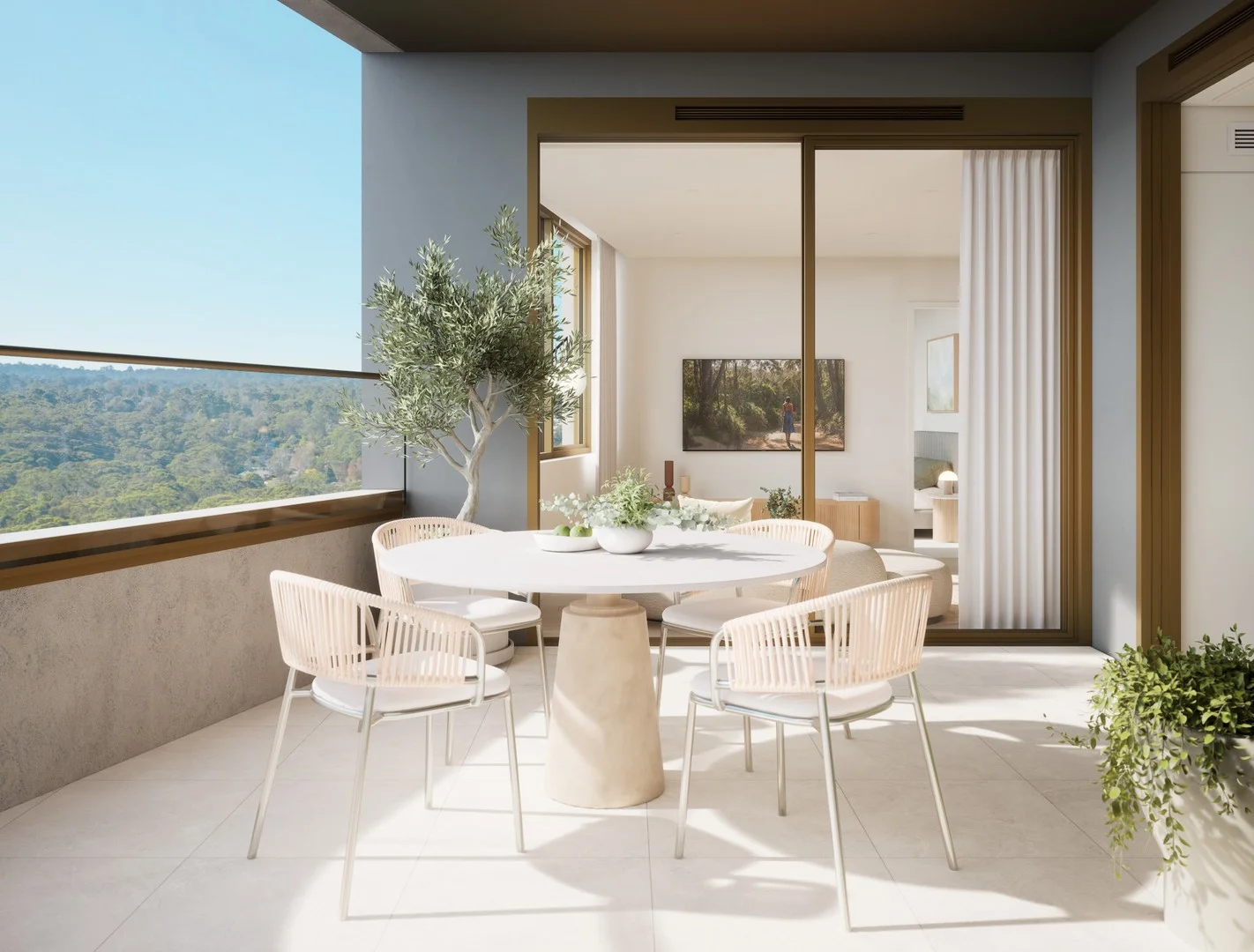 $1,525,000
Apartment / Unit / Flat
$1,525,000
Apartment / Unit / Flat
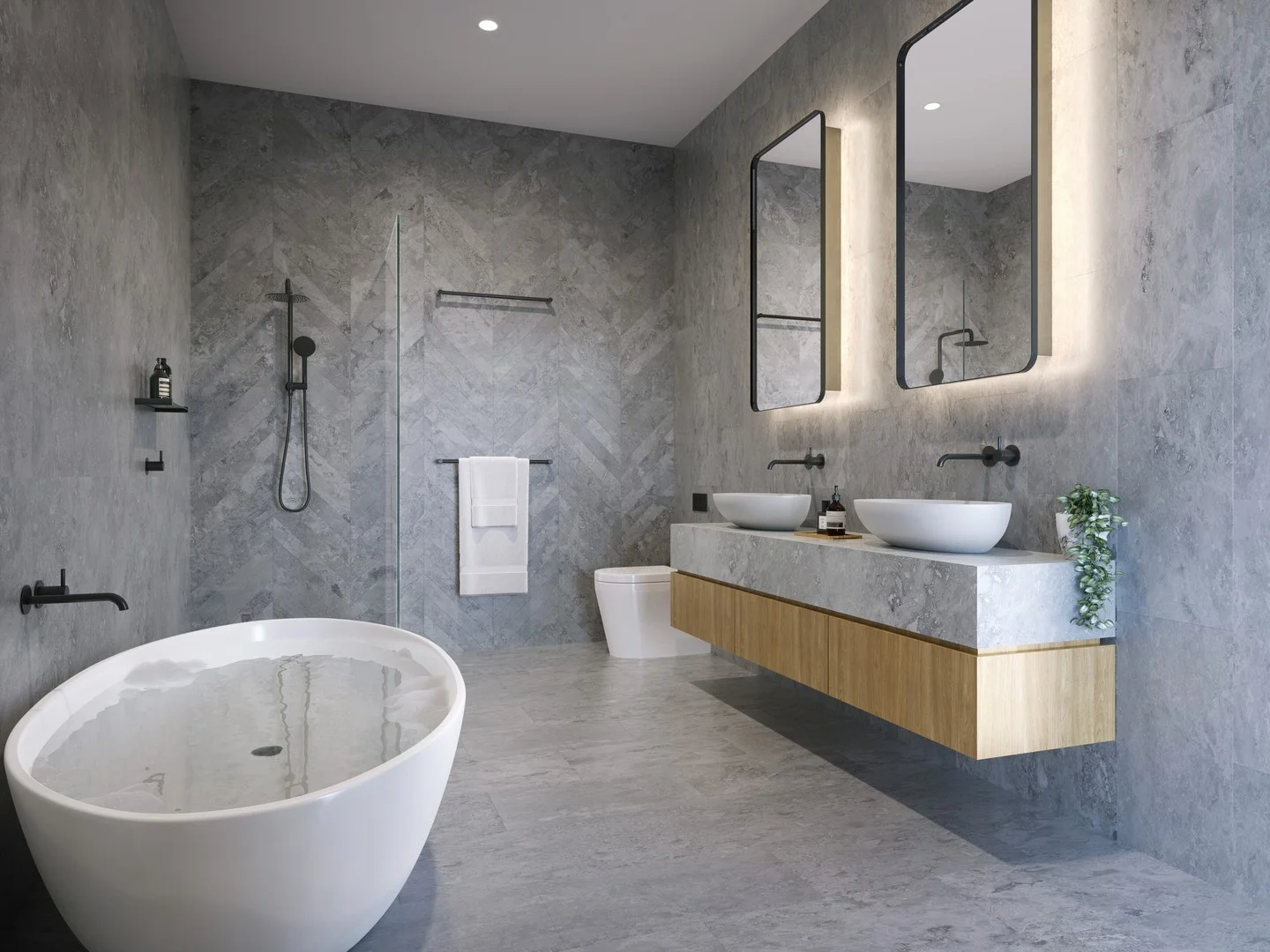 $2,824,000
Apartment / Unit / Flat
$2,824,000
Apartment / Unit / Flat
 $36,000,000 - $39,500,000
Vacant Land
$36,000,000 - $39,500,000
Vacant Land
 $26,550,000
propertyType.NEW APARTMENTS / OFF THE PLAN
$26,550,000
propertyType.NEW APARTMENTS / OFF THE PLAN
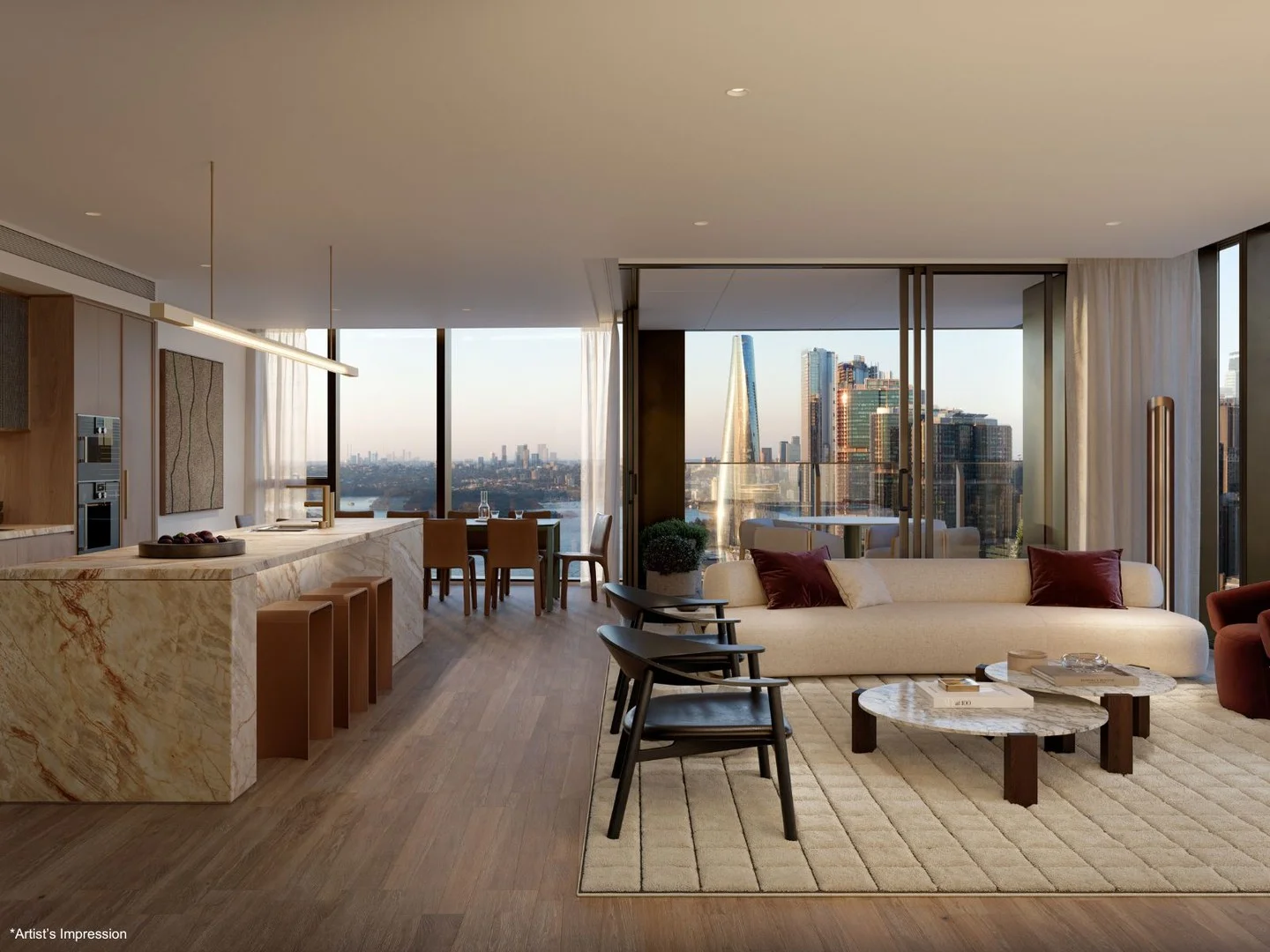 $12,980,000
propertyType.NEW APARTMENTS / OFF THE PLAN
$12,980,000
propertyType.NEW APARTMENTS / OFF THE PLAN
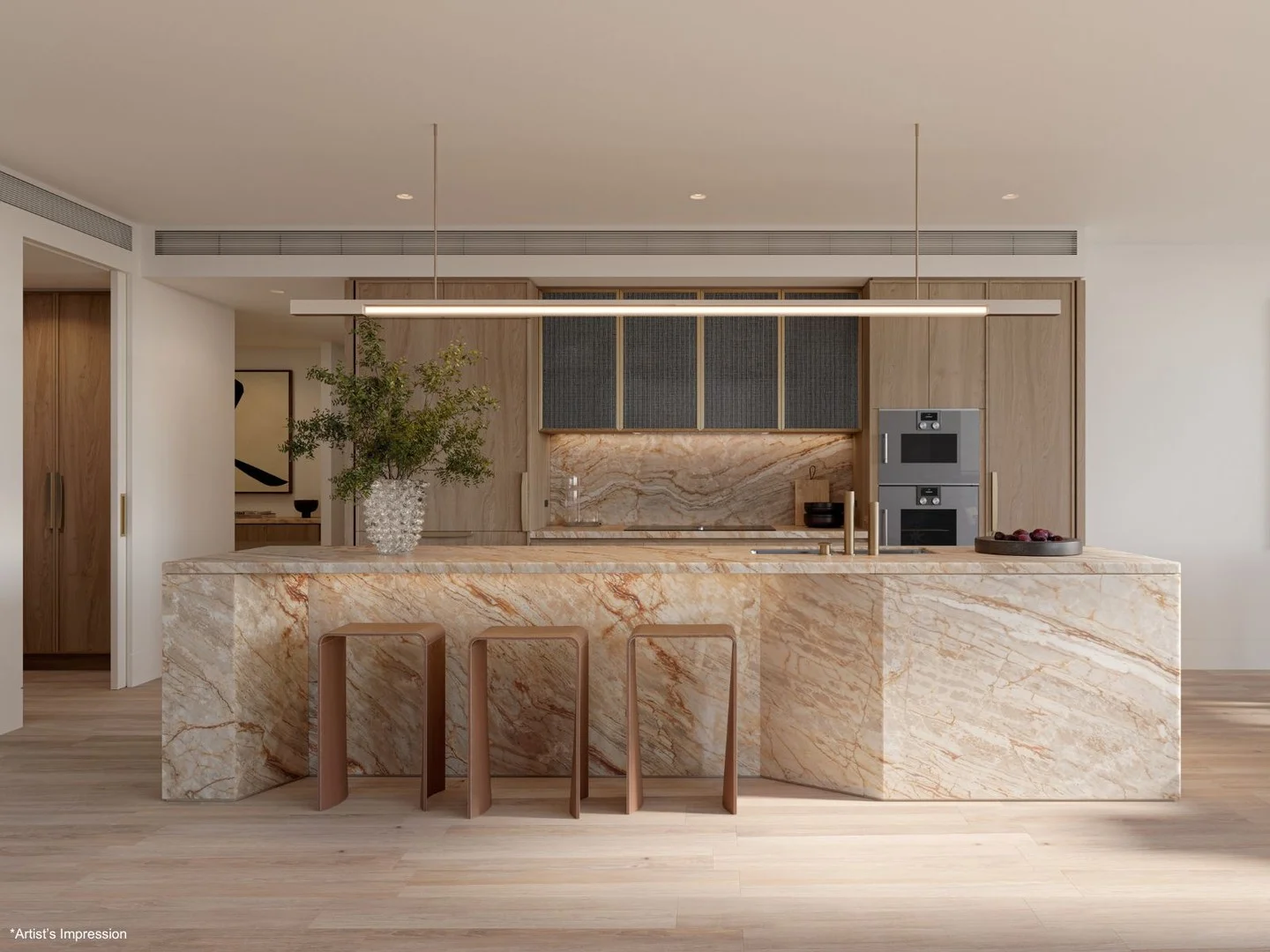 $6,225,000
propertyType.NEW APARTMENTS / OFF THE PLAN
$6,225,000
propertyType.NEW APARTMENTS / OFF THE PLAN
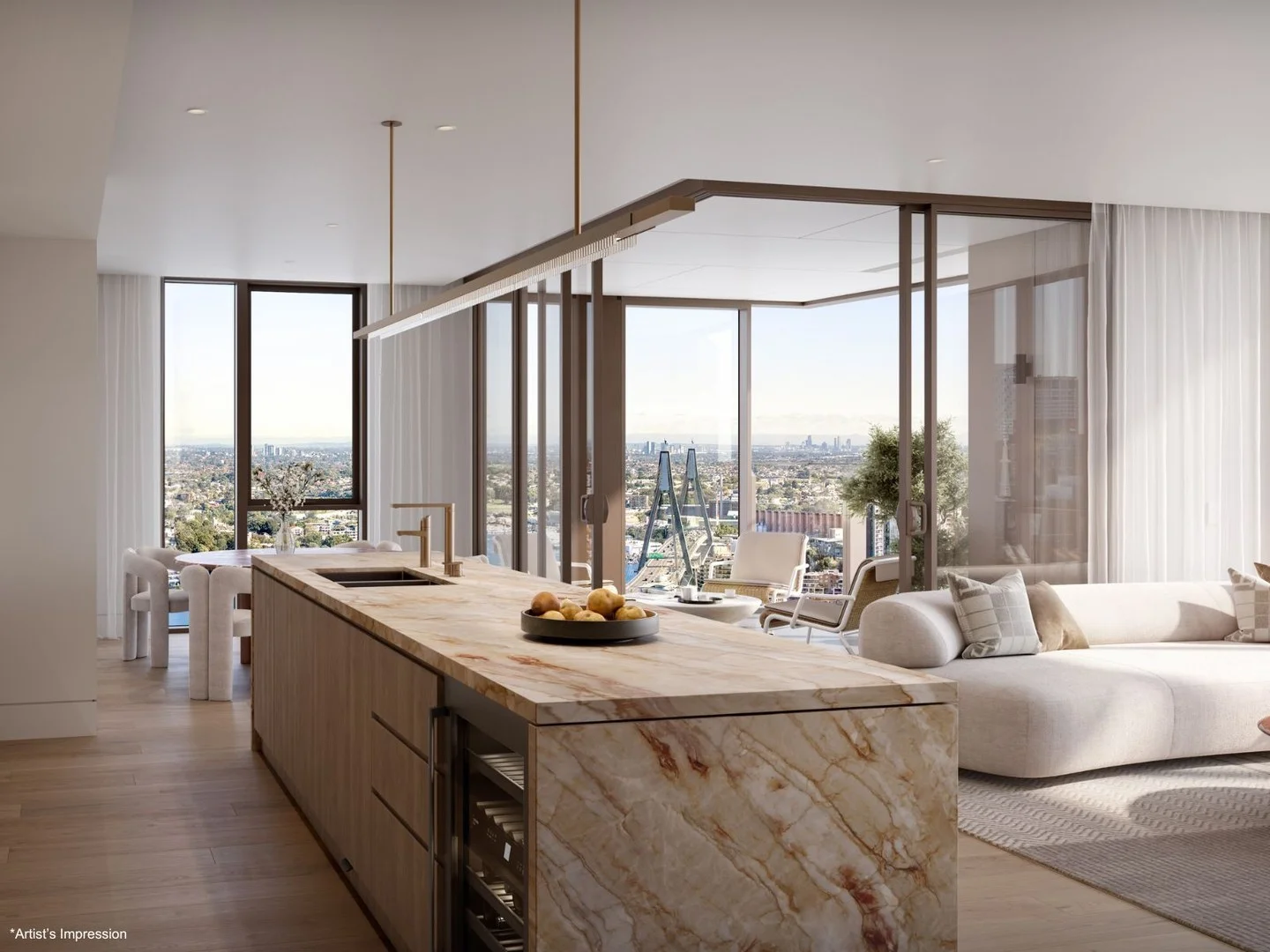 $9,020,000
propertyType.NEW APARTMENTS / OFF THE PLAN
$9,020,000
propertyType.NEW APARTMENTS / OFF THE PLAN
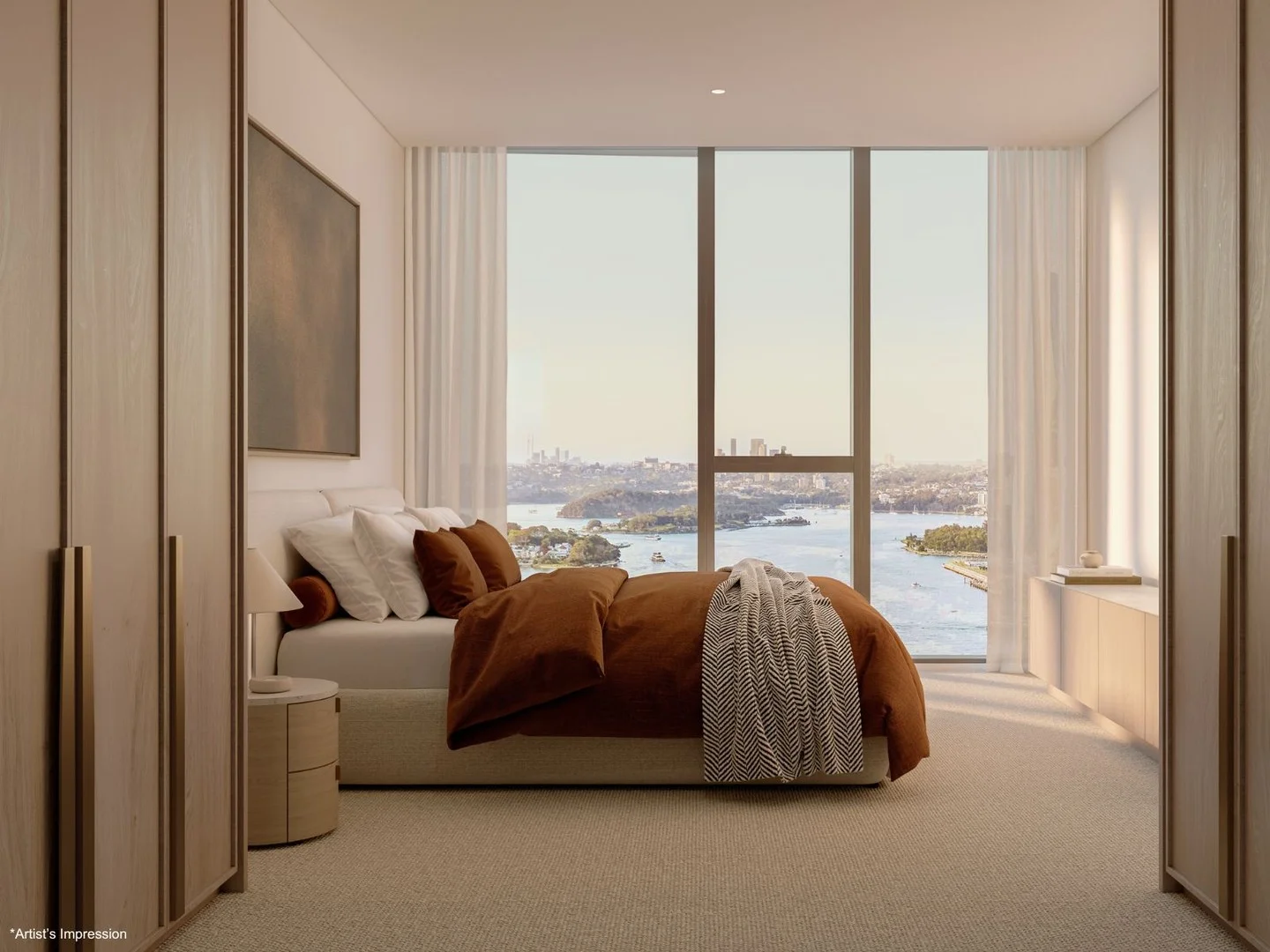 $8,630,000
propertyType.NEW APARTMENTS / OFF THE PLAN
$8,630,000
propertyType.NEW APARTMENTS / OFF THE PLAN
 $2,745,000
propertyType.NEW APARTMENTS / OFF THE PLAN
$2,745,000
propertyType.NEW APARTMENTS / OFF THE PLAN


