 Government secondary school in Rowville
Rowville Secondary College
Rowville, VIC 3178
Rowville Secondary College is a public, co-educational secondary school serving students in the Rowville area. As a state school, it emphasizes accessible education for all backgrounds and aims to build a balanced, well-rounded…
About Rowville Secondary College
Read the full description
- Overview
Rowville Secondary College is a public, co-educational secondary school serving students in the Rowville area. As a state school, it emphasizes accessible education for all backgrounds and aims to build a balanced, well-rounded student experience. The college typically serves a large student cohort across years 7–12, with facilities and programs designed to support both academic growth and personal development.
School size is generally described as large, reflecting a wide range of subjects, programs and extracurricular opportunities. Class sizes are typically in the low-to-mid 20s, with a focus on providing supportive teacher-student interaction and opportunities for student leadership, collaboration and participation in a broad program of activities. The atmosphere tends to be inclusive, diverse and academically oriented, with an emphasis on student wellbeing and community involvement.
- Academics & Learning
• Academic strengths: Strong emphasis on English, mathematics, science and STEM, with opportunities to engage in leadership development and language study. The college supports a broad curriculum designed to prepare students for post-school pathways.
• Special programs: VCE and VCAL pathways are offered, along with opportunities for accelerated or gifted and talented programs where available. There are also programs and clubs focused on STEM, robotics and other skills development.
• Support for diverse learners: The college provides targeted support for EAL (English as an Additional Language) learners and students with SEN (Special Educational Needs), including in-class differentiation and access to learning support staff.
- Sports & Extracurricular Strengths
• Sports offered: A wide range of team and individual sports, including basketball, football (AFL), netball, soccer, cricket, tennis, athletics and swimming, with regular involvement in district competitions.
• Strong teams or achievements: Active participation in inter-school events with competitive teams and a culture of sport participation and school spirit.
• Music, arts, drama programs: Comprehensive music and performing arts offerings, with opportunities to participate in ensembles, concerts and productions.
• Clubs: Robotics, chess, coding, debating and other clubs support student interests beyond the classroom.
• Partnerships: Local community and club partnerships support competitions, coaching and enrichment activities in sports, robotics and coding.
- Wellbeing & Pastoral Care
• Anti-bullying approach: Clear anti-bullying policies and programs to promote a safe and respectful school environment, with restorative practices where appropriate.
• House system: A house-based structure supports pastoral care, leadership opportunities and inter-house events that foster belonging and friendly competition.
• Counsellors / wellbeing officers: Dedicated wellbeing staff and counsellors provide ongoing support for students’ emotional and social needs.
• Transition support for new students: Orientation programs, buddy systems and targeted induction activities help new students settle in smoothly.
- Facilities
• Sports grounds: On-site sports fields and courts to support physical education and school sport.
• Libraries: Well-stocked library facilities to support reading, research and study.
• Science labs: Modern science laboratories for practical work and inquiry-based learning.
• Music/performing arts centers: Dedicated spaces for music education and performing arts activities.
• Tech/innovation labs: Computer and technology labs to support digital learning, coding and project work.
• Cafeteria: On-site dining facilities for students.
• Updated playgrounds: Contemporary outdoor spaces for recreation and socialising.
- School Values & Community Culture
• School values / mission: A focus on respect, integrity, excellence and opportunity, with an emphasis on inclusion and student voice.
• Leadership style: Student leadership opportunities and a collaborative approach that involves staff, students and families in decision-making and school life.
• Behaviour expectations: Clear behavioural standards and a restorative approach to discipline that supports accountability and positive choices.
• Community reputation: Strong local reputation as a welcoming, active and achievement-oriented school within the Rowville community.
• Diversity & inclusion: Commitment to diversity and inclusive practices to ensure all students feel valued and supported.
- School Logistics & Daily Operations
• School hours: Typical school day runs during standard Victorian secondary hours, with start and finish times aligning to state norms (check current term schedules with the school).
• Before/after school care: Availability may vary; families can often access after-school activities, clubs and supervision through the school or local providers.
• Uniform requirements: School uniform is standard; details and shop information are provided by the college.
• Transport (bus routes): Public transport options and bus routes servicing the area are available; check with local transit authorities for current routes and timetables.
• Canteen availability: An on-site canteen or food service is available for students.
• Fees (low/medium/high ranges): As a public school, compulsory tuition is not charged; families may incur costs for materials, camps, excursions and optional activities, with typically low-to-moderate overall contributions.
- Enrolment & Admissions
- What is the enrolment process and timeline?
• Enrolment is managed within the Victorian public schooling system. Parents/guardians submit an enrolment application for Year 7 (and other year levels as applicable) through the Department of Education. Timelines vary by year and catchment, with offers typically communicated in the months leading up to the start of the school year. Check with the school for current timelines and required documents (proof of residence, birth certificate, immunization status, etc.).
- Is there a waiting list, and how does it work?
• Waiting lists can apply if the school is oversubscribed for a particular year level or intake. Waiting lists are typically managed by the school and are influenced by catchment considerations, vacancy availability and date of application. Sibling placements and priority zones may affect positioning.
- Are there any entry requirements, tests, or interviews?
• For most general enrolments, there are no entrance tests or formal interviews. Some programs or services (e.g., gifted and talented considerations, specific pathways) may involve brief confirmation steps or discussions, but standard Year 7 entry does not require testing. Mid-year entries may be subject to vacancy and placement considerations.
- Does the school accept mid-year transfers?
• Mid-year transfers are considered on a case-by-case basis, subject to vacancy and alignment with the student’s needs and the school’s capacity. Parents should contact the school as soon as possible to discuss transfer possibilities and required documentation.
- Frequently Asked Questions
• Why Parents Choose This School?
- A welcoming, inclusive community with a broad curriculum, strong wellbeing support and robust extracurricular options that help students grow academically and personally.
• What type of student thrives at this school?
- Motivated, curious students who value a well-rounded program, participate in clubs and sports, and appreciate supportive teachers and a positive school culture.
• What opportunities are available for students to extend their skills (academics, sports, arts)?
- Access to VCE/VCAL pathways, STEM and language options, accelerated or gifted programs where available, plus clubs and teams in robotics, coding, debating, music and performing arts.
• How does the school communicate with parents?
- Through newsletters, email, a parent portal, phone calls and scheduled parent-teacher interviews, with updates about events and student progress.
• What is the school’s approach to teaching and learning?
- A student-centred, inclusive approach with differentiated instruction, ongoing assessment and emphasis on developing thinking, collaboration and resilience.
• How does the school support students who need extra academic help?
- Targeted learning support, EAL and SEN services, small-group assistance and access to learning support staff.
• What support is available for academic challenges?
- Academic coaching, study skills development, tutoring options and referrals to counsellors or learning mentors as needed.
• What extracurricular and sports opportunities are available?
- A wide array of sports, music and performing arts, plus clubs such as robotics, chess, coding and debating, with opportunities to compete in inter-school events.
• What facilities does the school offer (sports, science, arts)?
- Sports grounds, libraries, science labs, music/performing arts spaces, tech/innovation labs, a canteen and updated play areas.
• What is the school’s approach to technology and digital learning?
- Integrated digital learning with access to ICT resources, computer labs and potential device programs to support modern learning and digital literacy.
• What transport and accessibility options are available?
- Local bus routes and public transport options serve the area; accessibility features and parent drop-off areas are provided to support student access.
• What are the typical school fees or additional costs?
- As a public school, there is no compulsory tuition; families may incur costs for materials, excursions, uniforms and optional activities, which are generally moderate.
- Short Pros & Cons list
Pros
- Large, diverse and inclusive community with broad academic and co-curricular options.
- Strong wellbeing and pastoral care framework, with dedicated support staff.
- Wide range of facilities supporting science, arts, technology and sport.
- Clear pathways for VCE/VCAL, plus clubs and sports that promote student engagement.
- Positive community reputation and active student leadership opportunities.
Cons
- Transport and daily logistics may require planning for families depending on home location and school timetable.
- Like many public schools, some programs or activities may have variable uptake year to year based on student demand.
Note: The above content provides a concise, parent-focused overview intended to help with decision-making. For the most accurate and up-to-date details on enrolments, programs and facilities, please contact the school directly or consult the Victorian Department of Education resources.
A few things parents ask
Does Rowville Secondary College have a catchment area?
Yes. Rowville Secondary College serves the following official intake zone: Rowville Secondary College (secondary, 2026). Living inside a zone makes this your designated local public school. Whether a place is offered depends on the state’s enrolment policy and the year you apply — it is not a guarantee, and where current students live does not define the boundary. Use the AroundSchools catchment checker to see whether your address falls inside it, then verify with the state education department’s own tool.
What type of school is Rowville Secondary College?
Rowville Secondary College is a Government, Co-ed school in Rowville, VIC, offering Secondary year levels.
Is Rowville Secondary College a public or private school?
Rowville Secondary College is a public school. It is government-funded and part of the VIC public education system, so it is generally free for local students to attend, aside from voluntary contributions and levies.
How does Rowville Secondary College perform academically?
The stored historical averages for Rowville Secondary College include a median VCE study score of around 26.3. Stored annual exam results: 2011–2025. The period used for historical averages is not recorded. These figures do not represent current-year results; check the school’s latest published results. Source: Senior secondary completion and achievement information, © Victorian Curriculum and Assessment Authority (VCAA).
Where is Rowville Secondary College located?
Rowville Secondary College is located at Paratea Drv, Rowville VIC 3178 Australia, Rowville, VIC, 3178.
Fees & results
All year levels
School Fees
Annual fees as published by the school. The schedule year is not stated on this record, so the current year's fees may differ — confirm with the school before deciding.
Results
Stored annual exam results: 2011–2025. The period used for historical averages is not recorded. These figures do not represent current-year results; check the school’s latest published results.
Historical averages (period not recorded)
26.3
Median Study Score
Source: Senior secondary completion and achievement information, © Victorian Curriculum and Assessment Authority (VCAA).
Compare with nearby schools
The closest schools to Rowville Secondary College, side by side. Fees appear where a school publishes them; activities and events are what is listed on AroundSchools within a short drive of each school.
| School | Distance | Sector | Gender | Years | Fees / yr | Kids' activities within 2 km | Events within 3 km |
|---|---|---|---|---|---|---|---|
| Rowville Secondary CollegeThis school | Here | Government | Co-ed | Secondary | — | 15 | 0 |
| Rowville Primary School | Here | Government | Co-ed | Primary | — | 15 | 0 |
| St. Simon the Apostle School | 800 m | Catholic | Co-ed | Primary | $780 | 16 | 0 |
| Heany Park Primary School | 1.0 km | Government | Co-ed | Primary | — | 19 | 0 |
| Park Ridge Primary School | 2.3 km | Government | Co-ed | Primary | — | 13 | 0 |
| Rosewood Downs Primary School | 3.0 km | Government | Co-ed | Primary | — | 10 | 0 |
| Karoo Primary School | 3.2 km | Government | Co-ed | Primary | — | 26 | 0 |
Sorted by distance, not ranked. Check whether your address is in the catchment
Make a little more of the trip
Parks, playgrounds and libraries near the school.
Kids' activities nearby
Classes and clubs listed within a short drive of the school.
Schools nearby
The closest schools, nearest first.



Properties for sale or rent nearby34
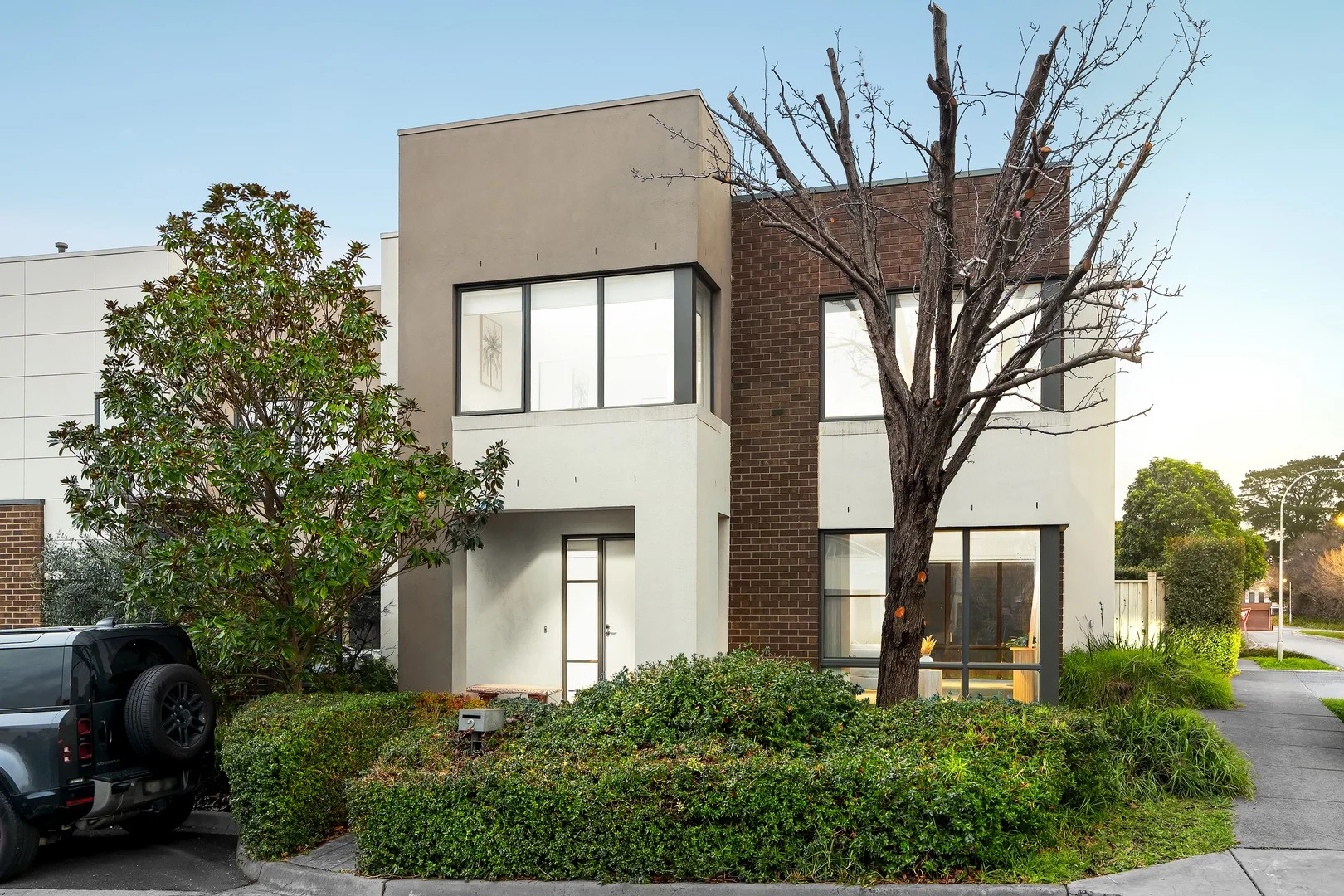
Mulgrave, VIC 3170
Property Type: House
Listing Type: Residential
Status: Active
Summary: Corner Block Living with Elevated Views
Description: Positioned on a desirable corner block, 2 Selhurst Park Road, Mulgrave offers an exciting opportunity to secure a spacious and well-positioned family home with excellent potential. From the moment you step inside, the generous living and dining areas create a welcoming sense of space, providing plenty of room for the whole family to relax, entertain and enjoy everyday living. Large windows capture beautiful views and fill the home with natural light, adding to the sense of openness and comfort. The corner-block position is a standout feature, offering an appealing combination of space, flexibility and street presence. Whether you're looking for a comfortable home to move straight into, an investment opportunity, or a property with scope for future improvement, this address is sure to attract attention. The well-proportioned living spaces provide a versatile foundation for a range of lifestyles, while the outlook adds an extra dimension rarely found in comparable homes. Set in the popular Mulgrave area, this property is conveniently positioned for access to local amenities, schools, shops, parks and transport options, making everyday living both practical and enjoyable. With its generous living and dining spaces, appealing views and sought-after corner-block position, 2 Selhurst Park Road presents an opportunity not to be missed. Whether you're a growing family, savvy investor or astute buyer looking for potential, make sure this property is on your inspection list. Corner block. Spacious interiors. Great outlook. Endless potential. Inspect and discover the possibilities for yourself. Disclaimer: We have, in preparing this document, used our best endeavours to ensure that the information contained in this document is true and accurate, but we accept no responsibility and disclaim all liability in respect to any errors, omissions, inaccuracies or misstatements in this document. Prospective purchasers should make their own enquiries to verify the information contained in this document. Purchasers should make their own enquires and refer to the due diligence checklist provided by Consumer Affairs. Click on the link for a copy of the due diligence checklist from Consumer Affairs. http://www.consumer.vic.gov.au/duediligencechecklist
Agent: Andy Chong - andy.chong@raywhite.com - 03 8290 0270
Agent: Peter Liu - peter.liu@raywhite.com - 03 8290 0270
 Ray White Clayton


Andy Chong, Peter Liu
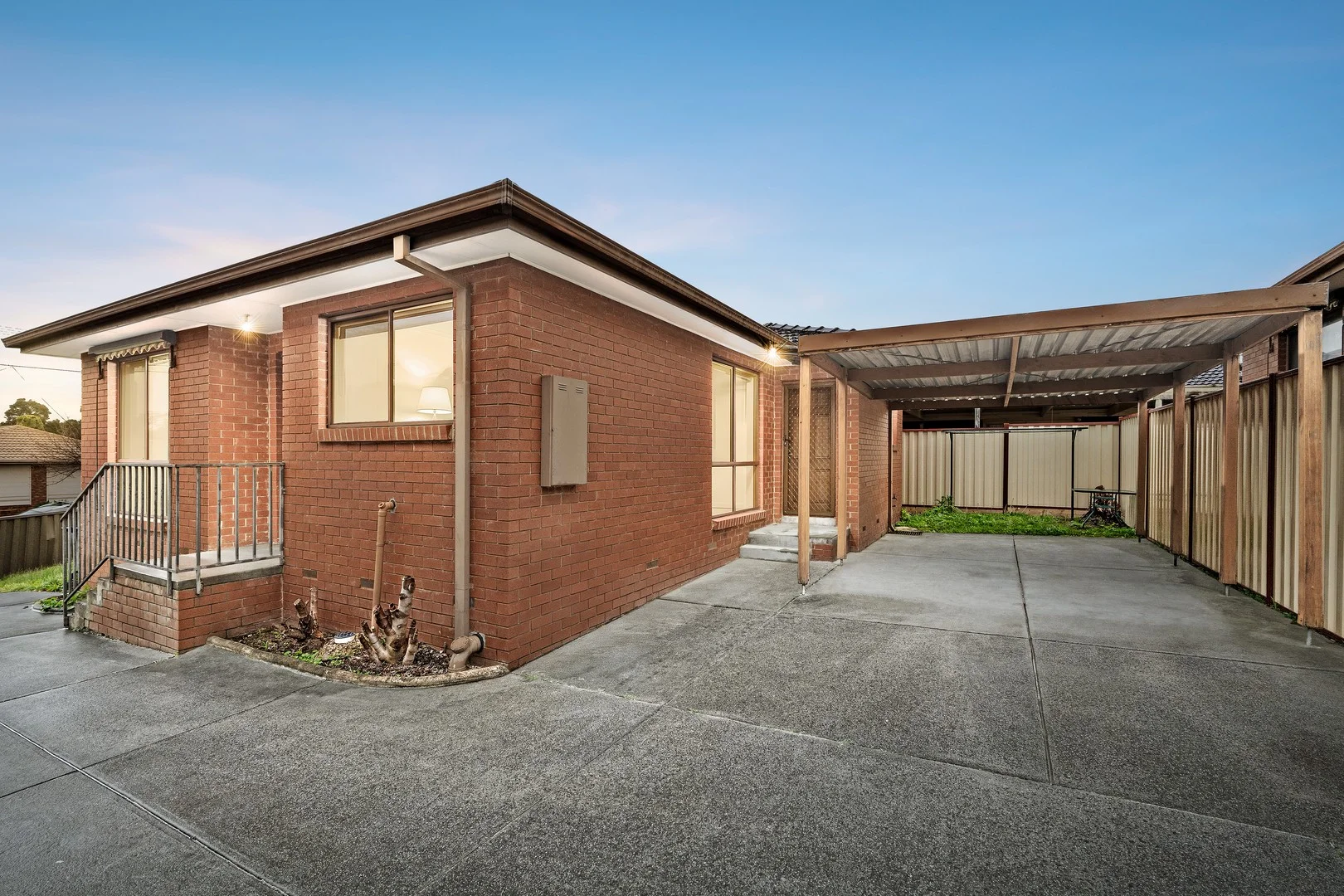
Noble Park North, VIC 3174
Property Type: House
Listing Type: Residential
Status: Active
Summary: Effortless Living in a Convenient Location
Description: Offering an outstanding opportunity for first-home buyers, downsizers, young families and astute investors alike, this inviting two-bedroom residence delivers the perfect combination of comfort, convenience and low-maintenance living. Positioned in a quiet and highly accessible pocket of Noble Park North, this well-maintained home provides a practical floorplan designed for everyday living, while its convenient location places a wealth of amenities within easy reach. Inside, the home offers two generously proportioned bedrooms, providing comfortable accommodation for residents and flexibility for those looking to utilise the second bedroom as a home office, nursery or additional living space. The central bathroom is thoughtfully positioned for convenience, while the functional kitchen provides ample scope for everyday cooking and entertaining. The adjoining dining area flows naturally into the comfortable living zone, creating a welcoming space to relax and unwind. Large windows provide an abundance of natural light throughout the home, enhancing the sense of space and creating a bright and pleasant atmosphere. Outside, the low-maintenance surroundings provide an ideal setting for those looking to spend less time maintaining their home and more time enjoying it. A dedicated car space adds further convenience, while the property's manageable footprint makes it particularly appealing to those seeking an easy-care lifestyle. The location is where this property truly shines. Positioned within close proximity to local shops, cafes, parks, schools and public transport, you'll have everything required for day-to-day living close at hand. With easy access to major roads and surrounding suburbs, commuting throughout Melbourne's south-east is made simple. Whether you're looking to take your first step into the property market, secure a comfortable home without the upkeep of a larger property, or add a solid investment to your portfolio, this residence presents an exciting opportunity in a highly convenient location. Property Highlights: • Two well-proportioned bedrooms • Central bathroom • Functional kitchen with adjoining dining area • Comfortable and light-filled living space • Practical single-level floorplan • Low-maintenance outdoor area • Dedicated car space • Conveniently positioned close to local shops and amenities • Easy access to schools, parks and public transport • Excellent connectivity to Melbourne's south-east With its practical layout, low-maintenance appeal and convenient position, 1/22 Watson Road represents an excellent opportunity to secure a home that offers both immediate comfort and future potential. Inspection is highly recommended. Disclaimer: We have, in preparing this document, used our best endeavors to ensure that the information contained in this document is true and accurate, but we accept no responsibility and disclaim all liability in respect to any errors, omissions, inaccuracies or misstatements in this document. Prospective purchasers should make their own enquiries to verify the information contained in this document. Purchasers should make their own enquiries and refer to the due diligence checklist provided by Consumer Affairs. Click on the link for a copy of the due diligence checklist from Consumer Affairs. http://www.consumer.vic.gov.au/duediligencechecklist
Agent: Kristos Barba - kristos.barba@raywhite.com
Agent: Daniel Seyran - daniel.seyran@raywhite.com
Ray White Clayton
Kristos Barba, Daniel Seyran
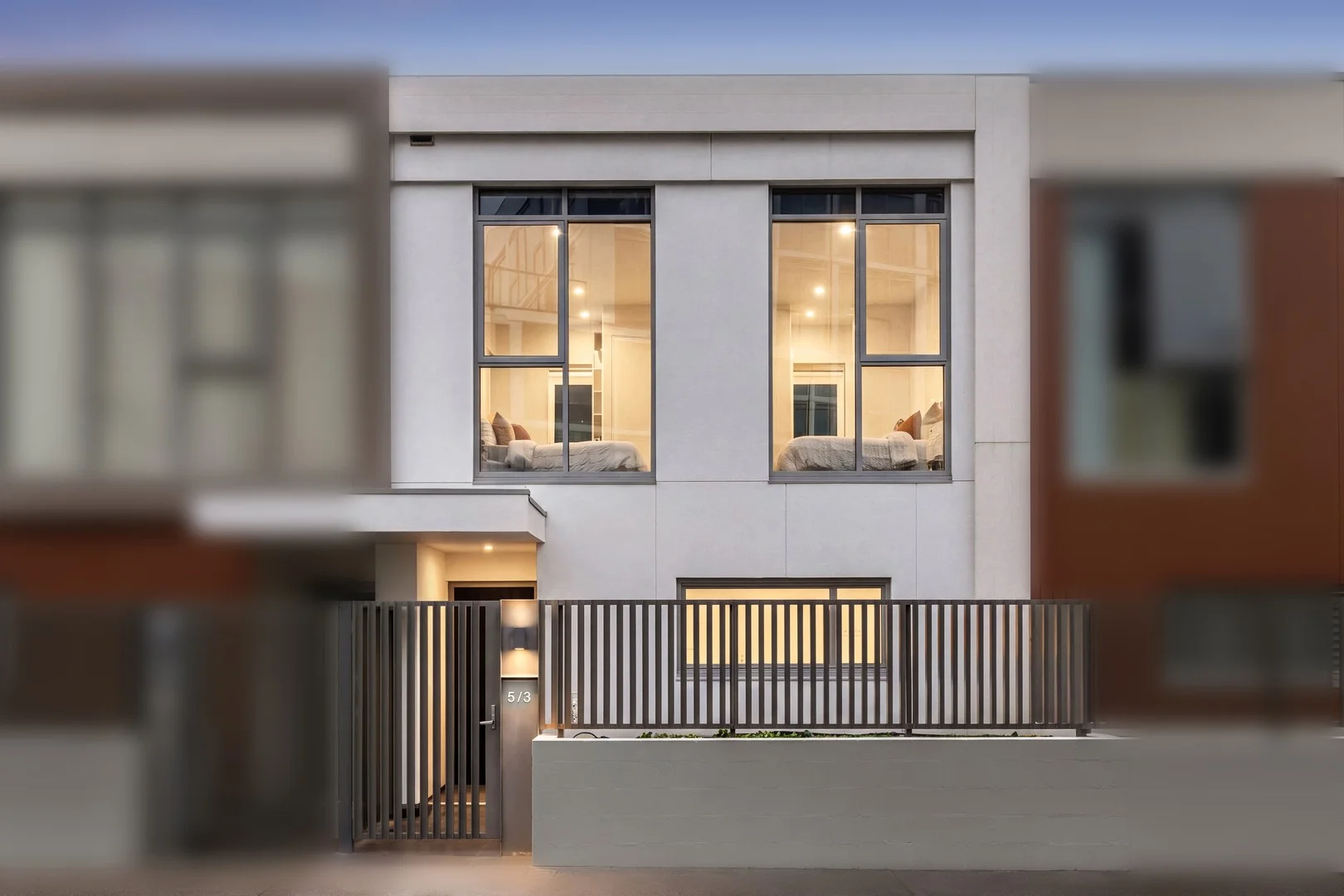
Wantirna South, VIC 3152
Property Type: Townhouse
Listing Type: Residential
Status: Active
Summary: Walk to Westfield Knox | Low-Maintenance Sanctuary | Move-In Ready
Description: Positioned in an unbeatable Wantirna South location, this immaculate 3-bedroom, 2-bathroom, 2-car townhouse delivers contemporary comfort paired with effortless, low-maintenance living. Tucked away privately while placing every key amenity right at your doorstep, this home is impeccably presented in extremely good condition, making it an ideal find for professionals, young families, downsizers, or savvy investors alike. Step inside to discover a bright, modern interior designed for easy daily living and effortless entertaining. The layout boasts three generously sized bedrooms with built-in storage, including a master suite complete with its own private ensuite. A pristine central bathroom serves the rest of the home, while light-filled open-plan living and dining areas transition seamlessly to the outdoors, ensuring a turnkey lifestyle where you can simply move in and enjoy. Outside, the property features rare private front and back courtyards that create peaceful, low-maintenance retreats. Whether you are sipping your morning coffee in the quiet front garden, hosting a weekend barbecue with friends in the private rear yard, or looking for a home that requires minimal upkeep, these dual outdoor spaces offer maximum enjoyment with minimal effort. Location is where this property truly shines. Situated just a casual 2-minute walk from Westfield Knox, you have immediate access to world-class retail shopping, vibrant dining precincts, trendy cafes, and major bus routes. The home is surrounded by local parklands and green spaces, offering the perfect balance of suburban tranquility and city-style convenience right at your doorstep. Families and students will also appreciate the unbeatable proximity to top-tier educational institutions. Wantirna South Primary School, Waverley Christian College, St Andrews Christian College, and Swinburne University are all within easy reach, while quick access to EastLink ensures seamless commuting toward the Melbourne CBD or the Mornington Peninsula. Contact us today to arrange your inspection! Disclaimer: We have, in preparing this document, used our best endeavours to ensure that the information contained in this document is true and accurate, but we accept no responsibility and disclaim all liability in respect to any errors, omissions, inaccuracies or misstatements in this document. Prospective purchasers should make their own enquiries to verify the information contained in this document. Purchasers should make their own enquires and refer to the due diligence checklist provided by Consumer Affairs. Click on the link for a copy of the due diligence checklist from Consumer Affairs. http://www.consumer.vic.gov.au/duediligencechecklist
Agent: John Chen - john.chen@raywhite.com - 0401 664 199
Agent: Michael Renzella - michael.renzella@raywhite.com - 03 8290 0270
Ray White Clayton

John Chen, Michael Renzella