Overview
## 1. Overview
Sacred Heart School – Kew is a Catholic, co-educational primary school that offers Prep to Year 6. As a mid-sized community, it focuses on a nurturing, inclusive culture that values faith, learning and service. Class sizes are kept deliberately small-to-mid to support individual attention and strong teacher-student relationships.
- School type: Catholic
- School size: Medium
- Class size: Approximately 20–24 students per class
- Atmosphere/culture: Nurturing, inclusive, academically engaged
## 2. Academics & Learning
Sacred Heart Kew emphasises strong literacy and numeracy foundations within a Catholic education framework, paired with opportunities to grow in leadership, creativity and critical thinking. The school aims to foster confident learners who contribute positively to the school and wider community.
- Academic strengths: English/literacy, numeracy, Catholic values-infused learning, leadership development, Arts and Social Studies
- Special programs: Gifted & Talented opportunities and differentiated learning within class programs; emphasis on digital literacy and inquiry-based tasks
- NAPLAN trends: Public data over recent years shows stable performance with gradual improvement in literacy and numeracy domains; emphasis on targeted planning to support learners
- Student-teacher ratios: Typically in the low-teens, with smaller groups for targeted support
- Support for diverse learners: EAL support; dedicated learning support and inclusion practices; tailored supports for students with additional needs
## 3. Sports & Extracurricular Strengths
Sports and clubs are a strong draw for families, offering a balance of competition, teamwork and personal growth.
- Sports offered: Football (AFL), soccer, netball, basketball, cricket, athletics, swimming (where appropriate)
- Strong teams or achievements: Inter-school events and local competitions in core sports; emphasis on teamwork and fair play
- Music, arts, drama programs: School ensembles and performances; regular opportunities to participate in drama and music activities
- Clubs: Robotics, coding, chess, debating and other student-led clubs
- Partnerships: Connections with local clubs and community organizations for coaching, fixtures and external competitions
## 4. Wellbeing & Pastoral Care
Wellbeing is a cornerstone of daily life at Sacred Heart Kew, with a focus on safe, respectful relationships and holistic development.
- Anti-bullying approach: Clear policies, age-appropriate education, and a supportive reporting framework
- House system: Houses promote belonging, healthy competition and peer mentoring
- Counsellors / wellbeing officers: Access to a school-based wellbeing team and counselling support
- Transition support for new students: Buddy programs, orientation activities and family induction to ease transitions
## 5. Facilities
Facilities are designed to support a broad curriculum, collaborative learning and student wellbeing.
- Sports grounds: Multi-use spaces for PE and outdoor activities
- Libraries: Central learning hub with reading and research resources
- Science labs: Hands-on science spaces for experiments and inquiry
- Music/performing arts centers: Dedicated spaces for music, drama and performances
- Tech/innovation labs: Digital learning spaces and maker-style hubs
- Canteen: On-site options or approved canteen facilities plus healthy choices
- Updated playgrounds: Safe, well-maintained play areas and outdoor learning spaces
## 6. School Values & Community Culture
The school fosters a values-led culture grounded in Catholic ethos, with an emphasis on respect, service and inclusion.
- School values / mission: Catholic teachings, compassion, service, integrity and community responsibility
- Leadership style: Collaborative leadership with classroom teachers, specialists and leadership staff guiding school direction
- Behaviour expectations: Clear expectations around respect, responsibility and kindness
- Community reputation: Strong sense of belonging and active parent involvement through school partnerships and volunteer groups
- Diversity & inclusion: Welcoming environment that celebrates different backgrounds and abilities
## 7. School Logistics & Daily Operations
Practical details to help families plan around school life.
- School hours: Typical school day with start and finish times aligned to the regional primary school schedule
- Before/after school care: Available or arranged through approved providers or school programs
- Uniform requirements: School uniform policy with designated suppliers; guidance on wearing and care
- Transport (train/bus routes): Access via local public transport and school arrangements for drop-off/pick-up
- Canteen availability: Canteen or approved snack options available
- Fees (low/medium/high ranges): Fees fall within the mid-range for Melbourne Catholic primary schools; information on additional costs (excursions, activities) typically provided by the school
## 8. Enrolment & Admissions
8. Enrolment & Admissions
11. What is the enrolment process and timeline?
- Steps commonly followed: Express interest, complete the official enrolment/application form, submit required documents (birth certificate, immunisation records, proof of residence), attend any information session or interview, and participate in any recommended readiness activities. Offers are typically made within a defined annual timeline, with timelines varying by intake and internal processes.
12. Is there a waiting list, and how does it work?
- Many Catholic primary schools maintain a waitlist when applications exceed places. Placement often considers factors such as sibling priority, parish eligibility, and date of application. The waiting list is managed by the admissions team and offers are made as spaces become available.
13. Are there any entry requirements, tests, or interviews?
- Entry commonly involves an interview or informal meeting with families and students. There may be readiness conversations rather than formal tests for primary intake, with focus on ensuring fit with the school’s values and learning environment.
14. Does the school accept mid-year transfers?
- Mid-year transfers may be possible if vacancies exist. Prospective families should contact the admissions office as early as possible to discuss availability and the transfer process.
## 9. Frequently Asked Questions
- Why Parents Choose This School?
- A strong Catholic ethos, welcoming community, solid academics, supportive wellbeing framework and a broad range of opportunities in sports, arts and clubs.
- What type of student thrives at this school?
- Students who value a faith-based community, positive peer interactions, and an environment that combines academics with character development and service.
- What opportunities are available for students to extend their skills (academics, sports, arts)?
- Extended literacy/numeracy programs, leadership opportunities, school clubs (robotics, coding, debating), sports teams, music and drama ensembles and performances.
- How does the school communicate with parents?
- Regular newsletters, emails, a school portal, and opportunities for parent-teacher meetings and updates on student progress.
- What is the school’s approach to teaching and learning?
- Student-centered, differentiated instruction with a focus on foundational skills, inquiry-based learning, and integration of digital tools to support understanding.
- How does the school support students who need extra academic help?
- Dedicated learning support staff, EAL support, interventions in reading and numeracy, and targeted assistance within the classroom.
- What support is available for academic challenges?
- Early identification, targeted intervention plans, collaboration with families, and access to additional resources or specialists as needed.
- How does the school communicate with parents? (duplicate question)
- See above: newsletters, portal, direct updates, and parent-teacher conversations.
- What are the class sizes and how much individual attention do students receive?
- Class sizes are typically around 20–24 students, with teachers providing differentiated instruction and smaller groups for targeted support.
- What extracurricular and sports opportunities are available?
- A broad mix of sports (team and individual), music and drama programs, and clubs such as robotics, coding, chess and debating.
- What facilities does the school offer (sports, science, arts)?
- Sports grounds, libraries, science labs, music/performing arts spaces, tech/innovation labs and a canteen, plus updated outdoor play areas.
- What is the school’s approach to technology and digital learning?
- Emphasis on digital literacy, use of interactive learning tools, and safe, age-appropriate technology integration within the curriculum.
- What transport and accessibility options are available?
- Access via public transport and school-supported drop-off/pick-up arrangements; campuses are designed with accessibility in mind.
- What are the typical school fees or additional costs?
- Fees are in the mid-range for Melbourne Catholic primary schools; additional costs may include excursions, activity levies and uniform purchases.
## 10. Short Pros & Cons list
- Pros
- Strong Catholic ethos and values
- Nurturing, inclusive learning environment
- Solid academic foundations with leadership and wellbeing focus
- Broad range of extracurriculars (sports, arts, clubs)
- Active community and parent involvement
- Cons
- Catholic school may not align with all families’ beliefs
- Being a mid-sized school, course depth in some niche areas may be more limited than larger schools
- Demand can lead to waitlists for specific intakes
- Uniform and associated costs are ongoing commitments
- Transport access may depend on local public routes and commute times
If you’d like, I can tailor any section to reflect the most current details from Sacred Heart School – Kew’s official materials or adjust the tone to fit a specific Aroundschools page style.















 $1,250,000
Apartment / Unit / Flat
$1,250,000
Apartment / Unit / Flat
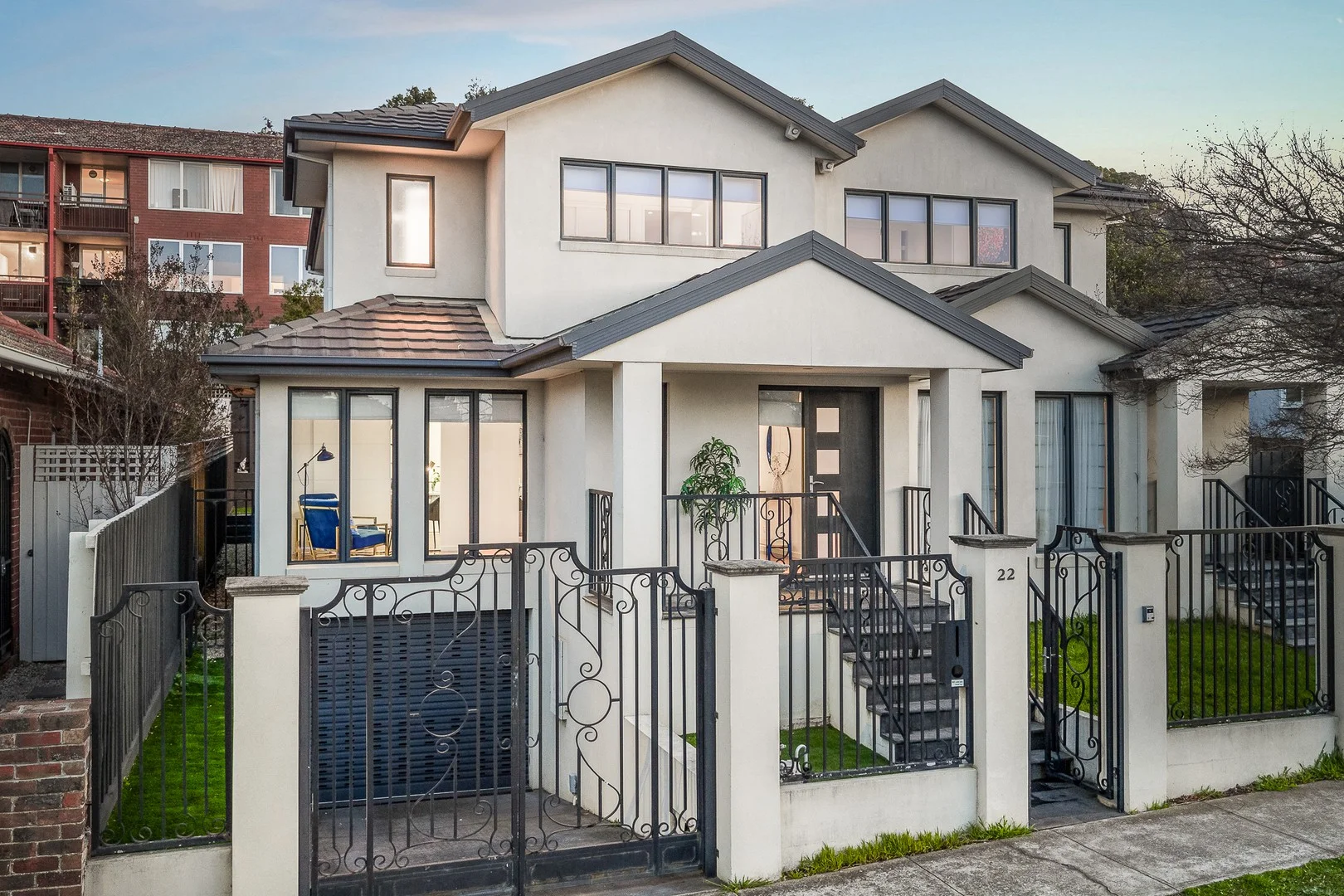 $2,390,000
Townhouse
$2,390,000
Townhouse
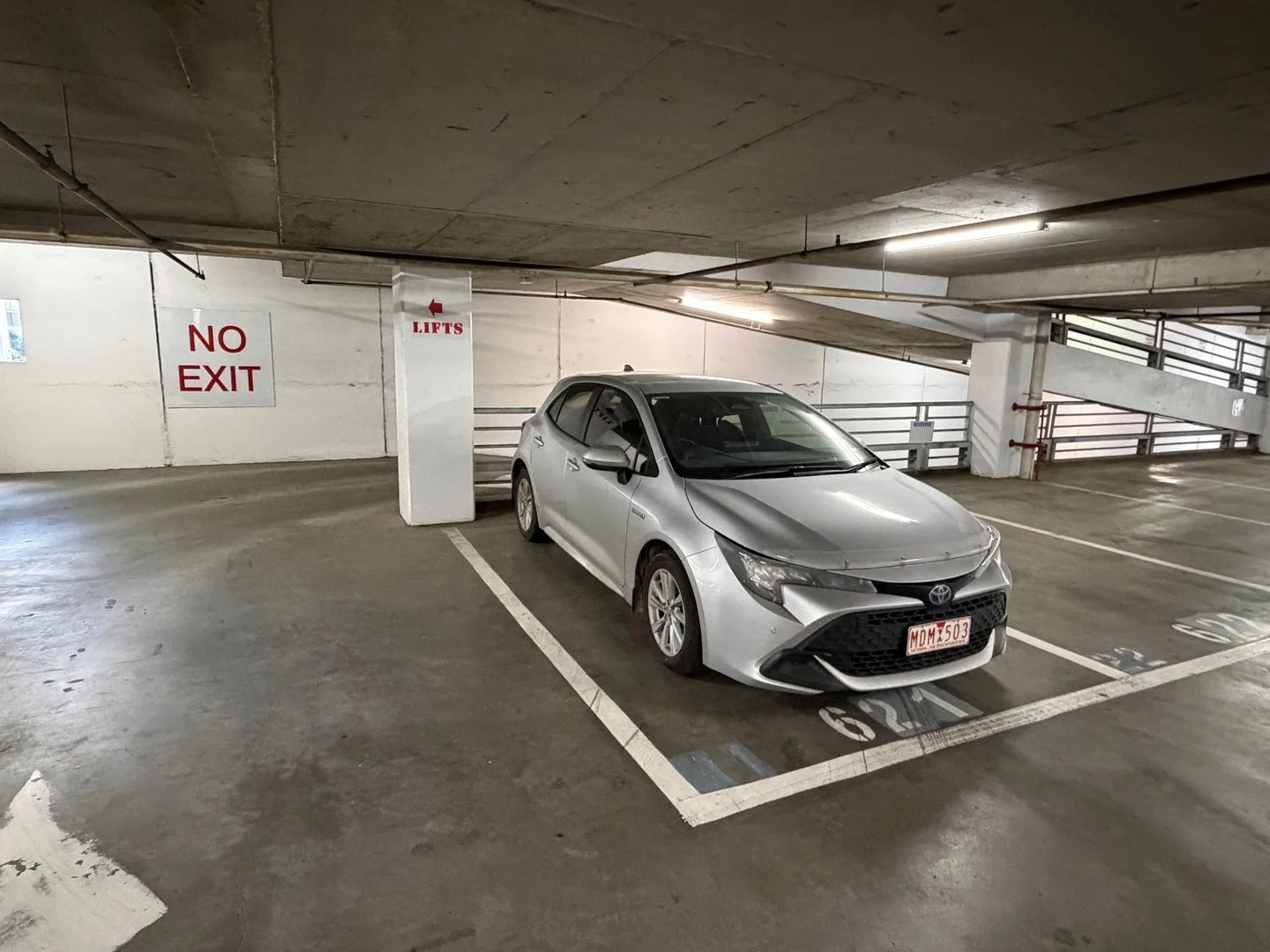 $27,500
propertyType.CAR SPACE
$27,500
propertyType.CAR SPACE
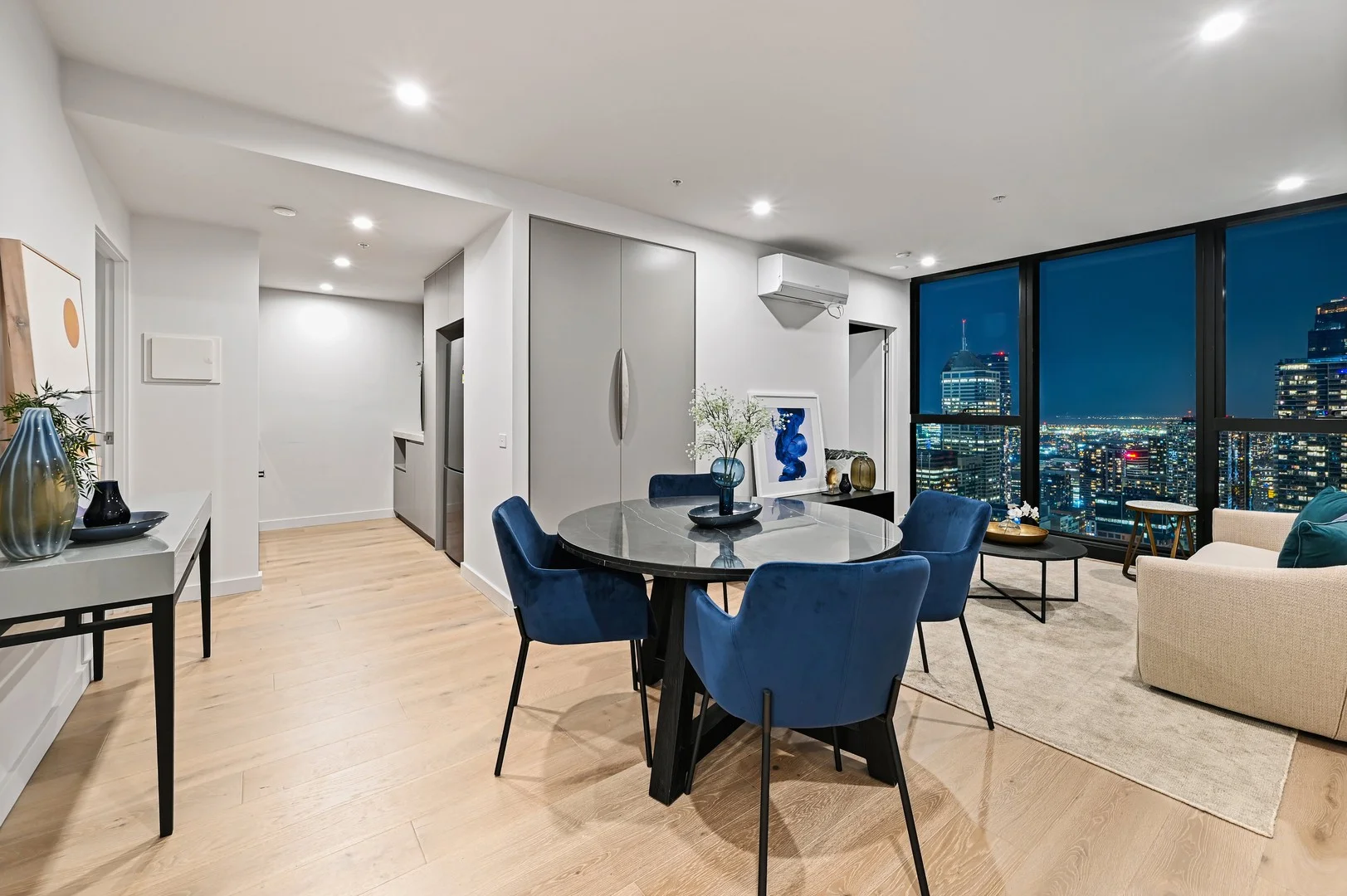 $943,000
propertyType.NEW APARTMENTS / OFF THE PLAN
$943,000
propertyType.NEW APARTMENTS / OFF THE PLAN
 $2,008,000
propertyType.NEW APARTMENTS / OFF THE PLAN
$2,008,000
propertyType.NEW APARTMENTS / OFF THE PLAN
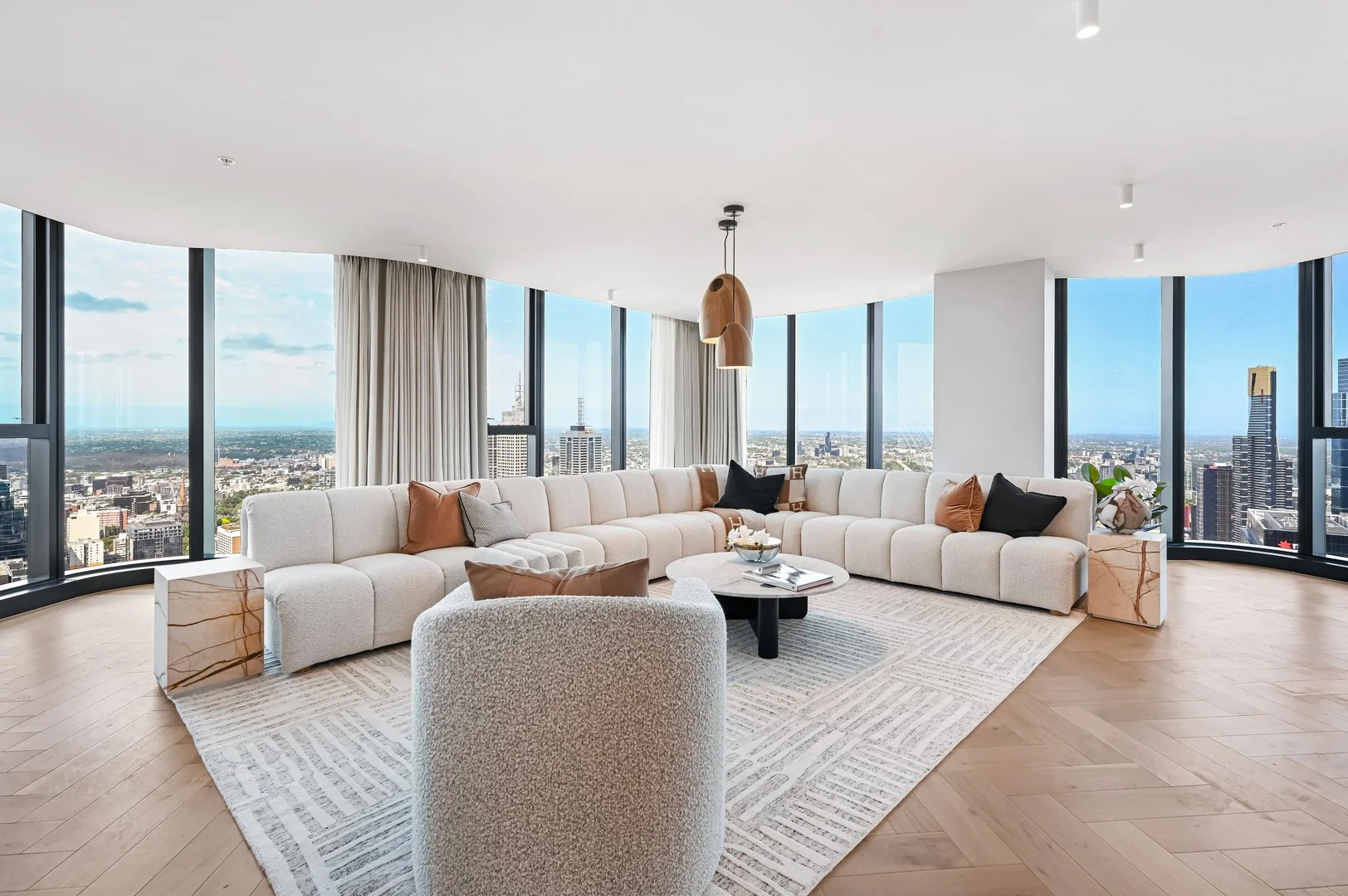 $5,512,000
propertyType.NEW APARTMENTS / OFF THE PLAN
$5,512,000
propertyType.NEW APARTMENTS / OFF THE PLAN
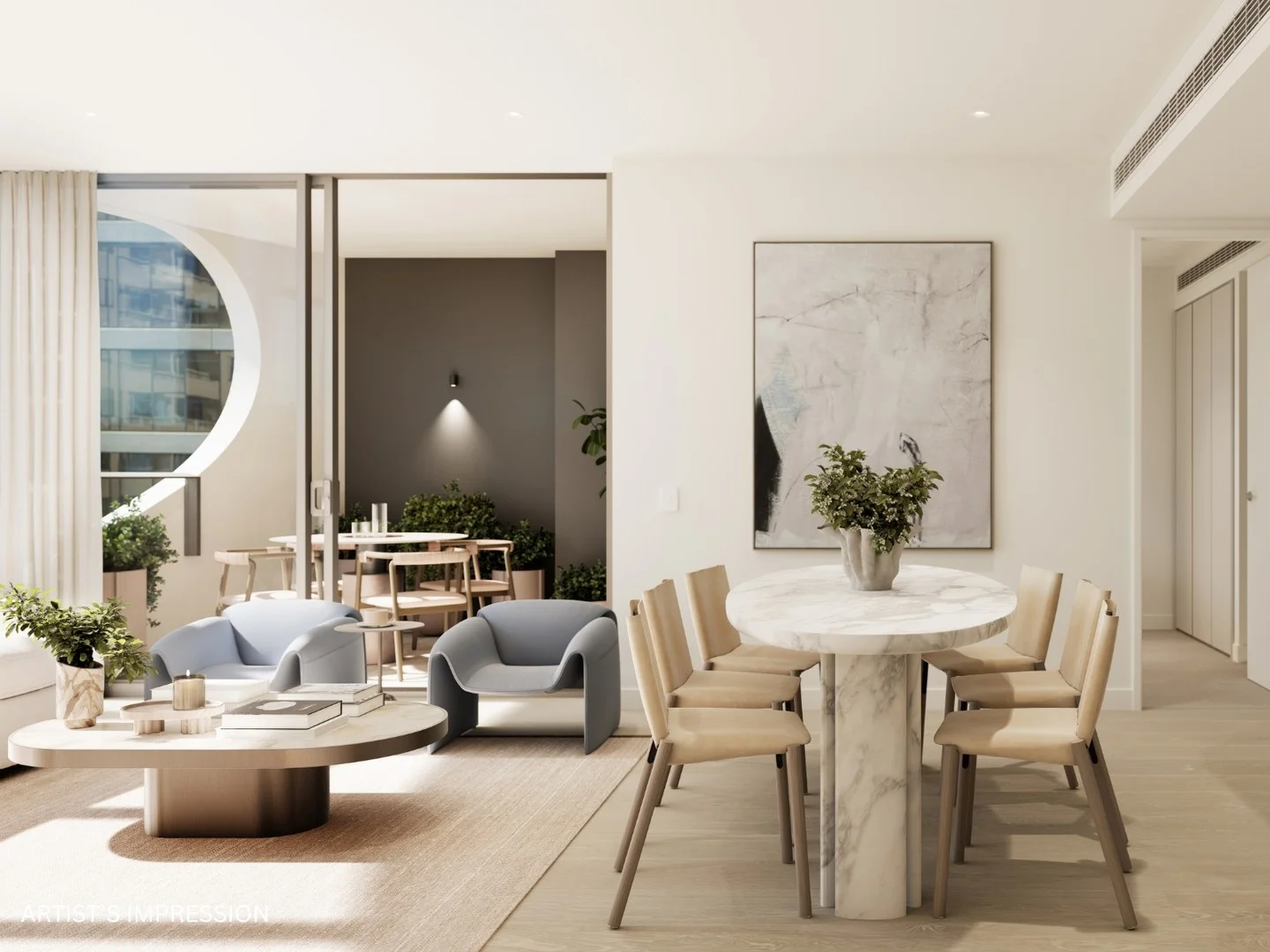 $1,640,000
Apartment / Unit / Flat
$1,640,000
Apartment / Unit / Flat
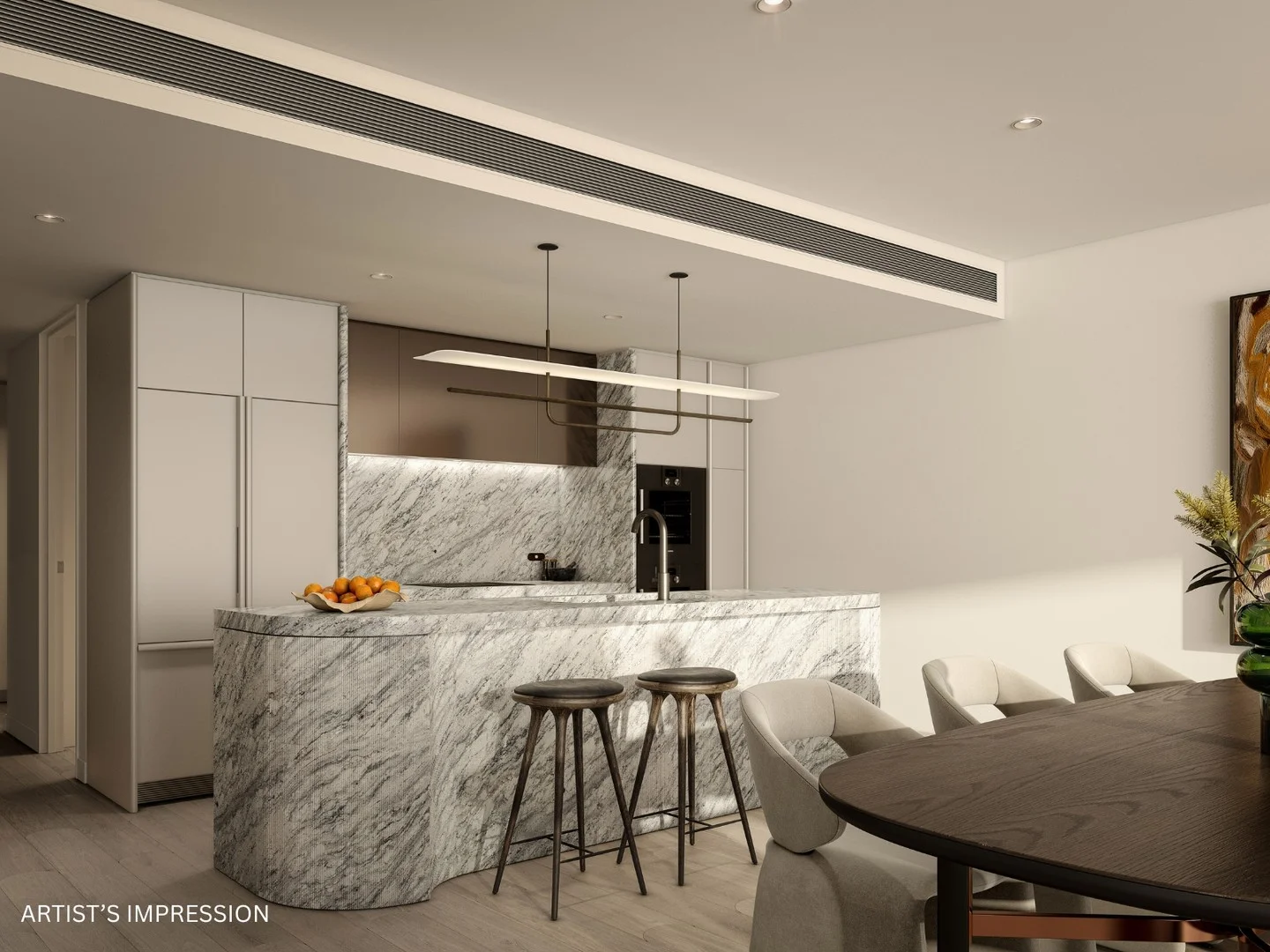 $2,900,000
Apartment / Unit / Flat
$2,900,000
Apartment / Unit / Flat
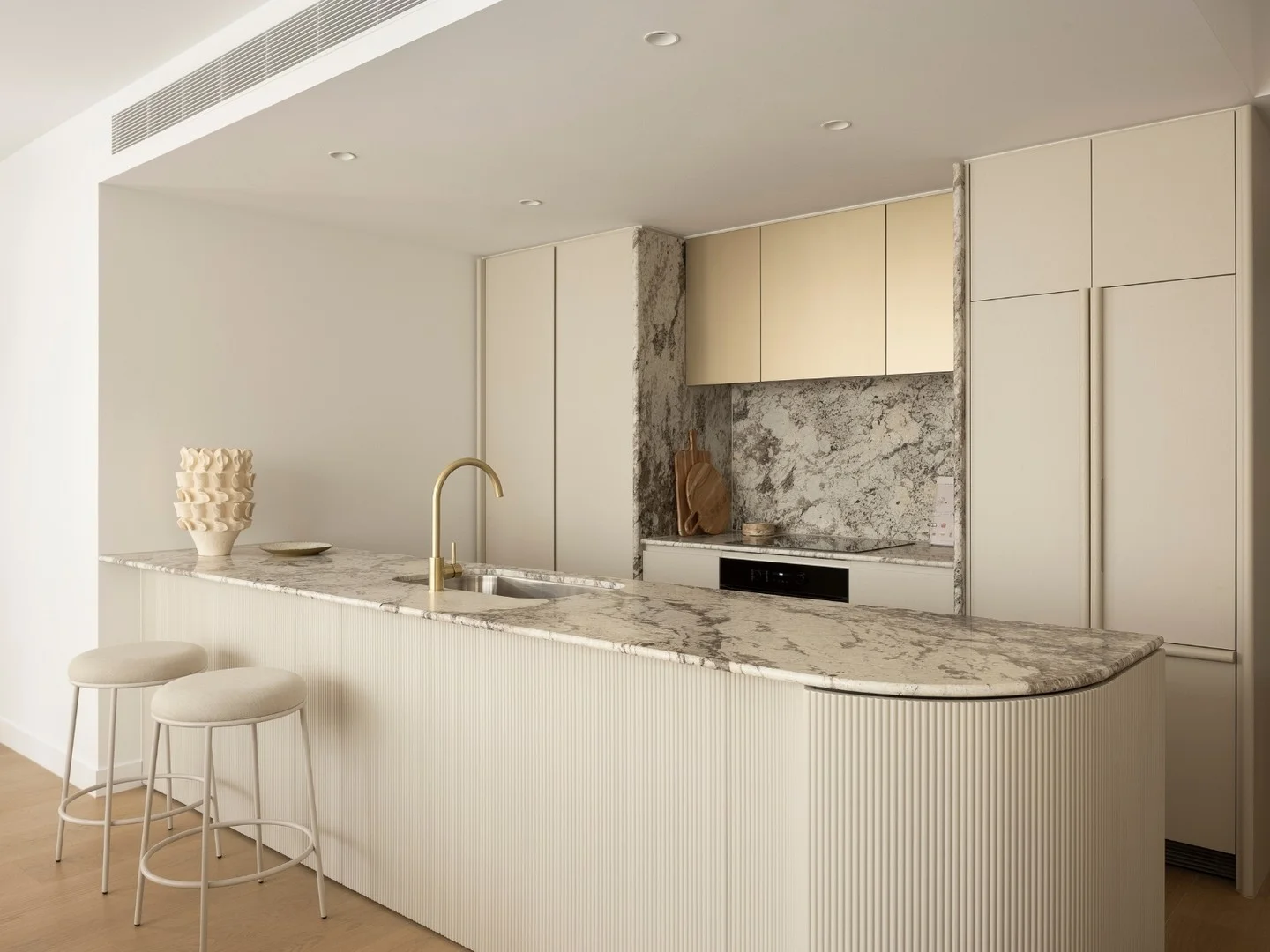 $1,345,000
Apartment / Unit / Flat
$1,345,000
Apartment / Unit / Flat