Overview
1. Overview
School type: Catholic primary school (systemic Catholic). Size: small-to-medium community with a close-knit feel. Class size: typically around 20–25 students per class. Atmosphere/culture: nurturing, inclusive, faith-centered with a focus on community, service and wellbeing.
⸻
2. Academics & Learning
Academic strengths: strong literacy and numeracy foundations, robust Religious Education, and emphasis on well-rounded learning including STEM basics, arts, and character development. Special programs: opportunities for arts, music and drama; potential access to gifted/talented pathways or acceleration options where available; language learning as part of the curriculum (LOTE may be offered). Student-teacher ratios: generally conducive to individual attention, with small-to-medium class sizes and support staff where needed. Support for diverse learners: English as an Additional Language (EAL) support, inclusive education practices, and targeted assistance for students needing additional help through learning support or SEN programs.
⸻
3. Sports & Extracurricular Strengths
Sports offered: typical offerings include football (soccer), basketball, netball, cricket, athletics, and other school-initiated activities aligned with the local calendar. Strong teams or achievements: involvement in inter-school competitions and community events; emphasis on teamwork, participation and fair play. Music, arts, drama programs: school music ensembles or choirs, school theatre/drama opportunities, and visual arts initiatives. Clubs: robotics, chess, coding, debating and other student-led or teacher-facilitated activities. Partnerships: connections with local community clubs, diocesan events and regional competitions to broaden opportunities.
⸻
4. Wellbeing & Pastoral Care
Anti-bullying approach: clear anti-bullying policies, restorative practices and a supportive school climate. House system: house groups to foster belonging, leadership and friendly competition. Counsellors / wellbeing officers: access to school-based wellbeing staff or part-time counseling support to promote emotional health. Transition support for new students: orientation activities, buddy programs, and targeted supports to help students settle into the school community.
⸻
5. Facilities
Sports grounds: on-site play areas and sport spaces suitable for daily activity and team sports. Libraries: dedicated learning spaces with books, digital resources and study areas. Science labs: practical science spaces for hands-on learning. Music/performing arts centers: spaces for rehearsal and performances. Tech/innovation labs: ICT facilities to support digital learning and projects. Cafeteria: on-site or nearby canteen with simple, healthy options. Updated playgrounds: modern play areas and outdoor learning zones.
⸻
6. School Values & Community Culture
School values / mission: faith-based education emphasising respect, responsibility, service and compassion. Leadership style: inclusive, student voice opportunities and collaborative decision-making where appropriate. Behaviour expectations: clear expectations linked to positive behaviour for learning and pastoral care. Community reputation: supportive and engaged with families and local parish communities. Diversity & inclusion: welcoming environment that recognises and values diverse backgrounds and experiences.
⸻
7. School Logistics & Daily Operations
School hours: typical day runs mid-morning to mid-afternoon; before/after school care options may be available. Uniform requirements: standard school uniform with potential house-colour options for certain activities. Transport: accessible by public transport and local routes; school may provide guidance on bus/train options and drop-off/pick-up zones. Canteen availability: canteen or snack service with healthy choices; note on canteen operating days. Fees: fees are moderate; may include voluntary contributions, book/excursion charges, and uniform costs; occasional levies for special programs or activities.
⸻
8. Enrolment & Admissions
11. What is the enrolment process and timeline?
- Submit an enrolment application through the school’s process and timelines (often via the school or diocesan online portal). Prepare required documents (birth certificate, immunisation records, proof of address, baptism or Catholic identity if applicable). Application timelines typically include a prep intake with offers made for the coming year, followed by clear communication about placement and orientation dates. Some schools also accept mid-year intake subject to space.
12. Is there a waiting list, and how does it work?
- Many Catholic primary schools maintain a waiting list when applications exceed available places. Priority is commonly given to siblings of current students and Catholic families, followed by other factors such as distance and date of application. Families on the waiting list are kept informed about openings and next steps.
13. Are there any entry requirements, tests, or interviews?
- Entry requirements generally focus on the school’s Catholic identity and placement criteria rather than formal academic tests. Some schools may conduct informal interviews or conversations with families and students to understand fit, values alignment and readiness for the program. Documentation and transition readiness are typically reviewed as part of the process.
14. Does the school accept mid-year transfers?
- Mid-year transfers are often possible if space is available. Families should contact the school early to discuss vacancies, required documentation, and any transitional supports (orientation, buddy systems) to ensure a smooth move.
⸻
9. Frequently Asked Questions
- Why Parents Choose This School?
Parents often value the school’s faith-based environment, a nurturing community, small-to-medium class sizes, strong focus on wellbeing and character, and opportunities for involvement in academics, arts and sport.
- What type of student thrives at this school?
Students who are motivated by a values-driven culture, enjoy a collaborative learning environment, engage in community activities, and appreciate supportive teacher attention tend to thrive.
- What opportunities are available for students to extend their skills (academics, sports, arts)?
There are varied opportunities across core academics, enrichment programs in arts and music, sports clubs and teams, and clubs such as robotics, coding, debating, or chess. Access to leadership roles and service activities is often encouraged.
- How does the school communicate with parents?
Communication typically includes newsletters, emails, a parent portal or app, phone calls, and parent-teacher interviews. Regular updates on learning progress and school events are common.
- What is the school’s approach to teaching and learning?
The approach combines foundational literacy and numeracy with inquiry-based, differentiated instruction and a Catholic pedagogical framework that emphasizes values, compassion and service.
- How does the school support students who need extra academic help?
Support may include targeted interventions, in-class differentiation, EAL support, and access to learning support staff or specialists.
- What support is available for academic challenges?
Students facing challenges can receive tailored plans, additional tutoring or small-group supports, and ongoing progress monitoring to adjust strategies.
- How does the school communicate with parents? (Repeated)
See above: newsletters, portals, emails, calls, and interviews to keep families informed and engaged.
- What are the class sizes and how much individual attention do students receive?
Classes are typically small-to-medium, with around 20–25 students per class and teachers providing considerable individual attention through differentiation and targeted support.
- What extracurricular and sports opportunities are available?
A range of sports (team and individual), arts, music, drama, and clubs such as robotics, coding, chess and debating are commonly offered.
- What facilities does the school offer (sports, science, arts)?
Facilities commonly include sports grounds, library, science labs, performing arts spaces, tech/innovation labs, canteen, and updated playgrounds.
- What is the school’s approach to technology and digital learning?
Technology is integrated into learning with ICT resources, computer/tech labs or class sets of devices, and a focus on digital literacy and online safety.
- What transport and accessibility options are available?
Accessibility typically includes proximity to public transport, parent parking/drop-off zones, and accessible facilities; school staff can advise on the best options.
- What are the typical school fees or additional costs?
Fees are moderate and may include book/levies, uniform costs, excursions, and optional activities; some costs vary by year level or activity.
⸻
10. Short Pros & Cons list
Pros
- Strong Catholic ethos and values-based education
- Nurturing, inclusive community with small-to-medium class sizes
- Solid focus on wellbeing and student support
- Broad range of enrichment options (arts, sports, clubs)
- Accessible facilities and learning spaces
- Positive parent-school communication and involvement
Cons
- Fees and voluntary contributions apply (relative to public schools)
- Availability of places can vary; may have waiting lists
- Mid-year transfers depend on space and alignment with programs
- Some specialist programs may have additional costs or eligibility considerations
⸻













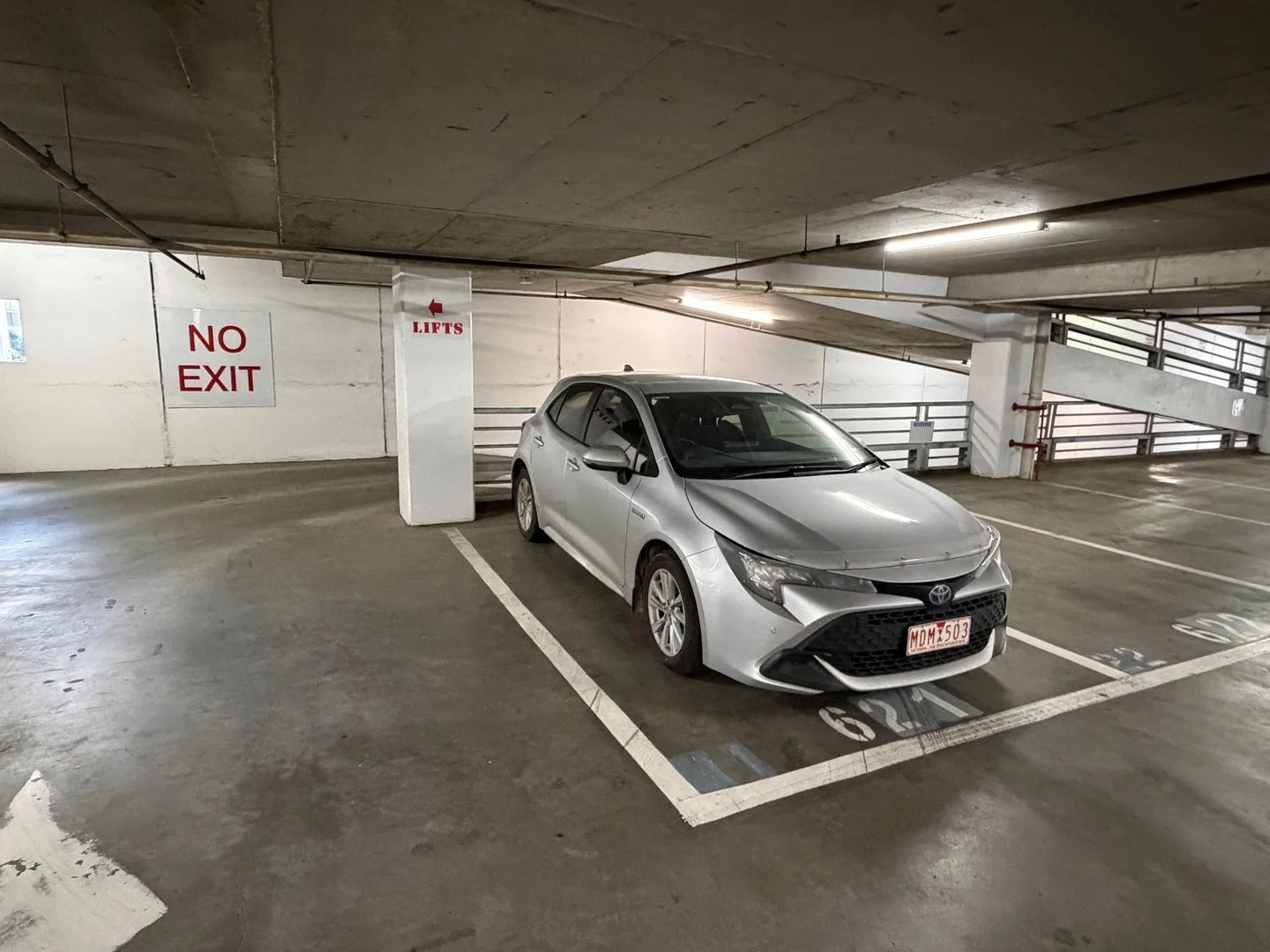 $27,500
propertyType.CAR SPACE
$27,500
propertyType.CAR SPACE
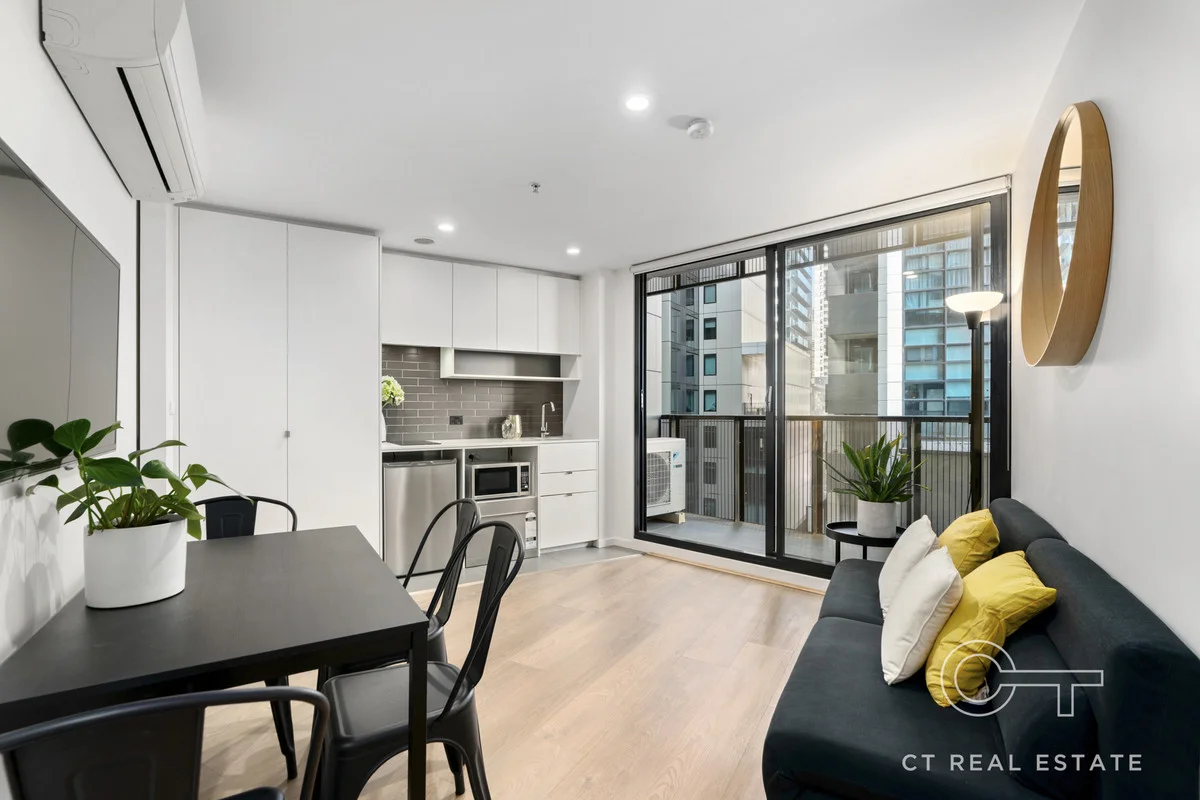 $360,000
Apartment / Unit / Flat
$360,000
Apartment / Unit / Flat
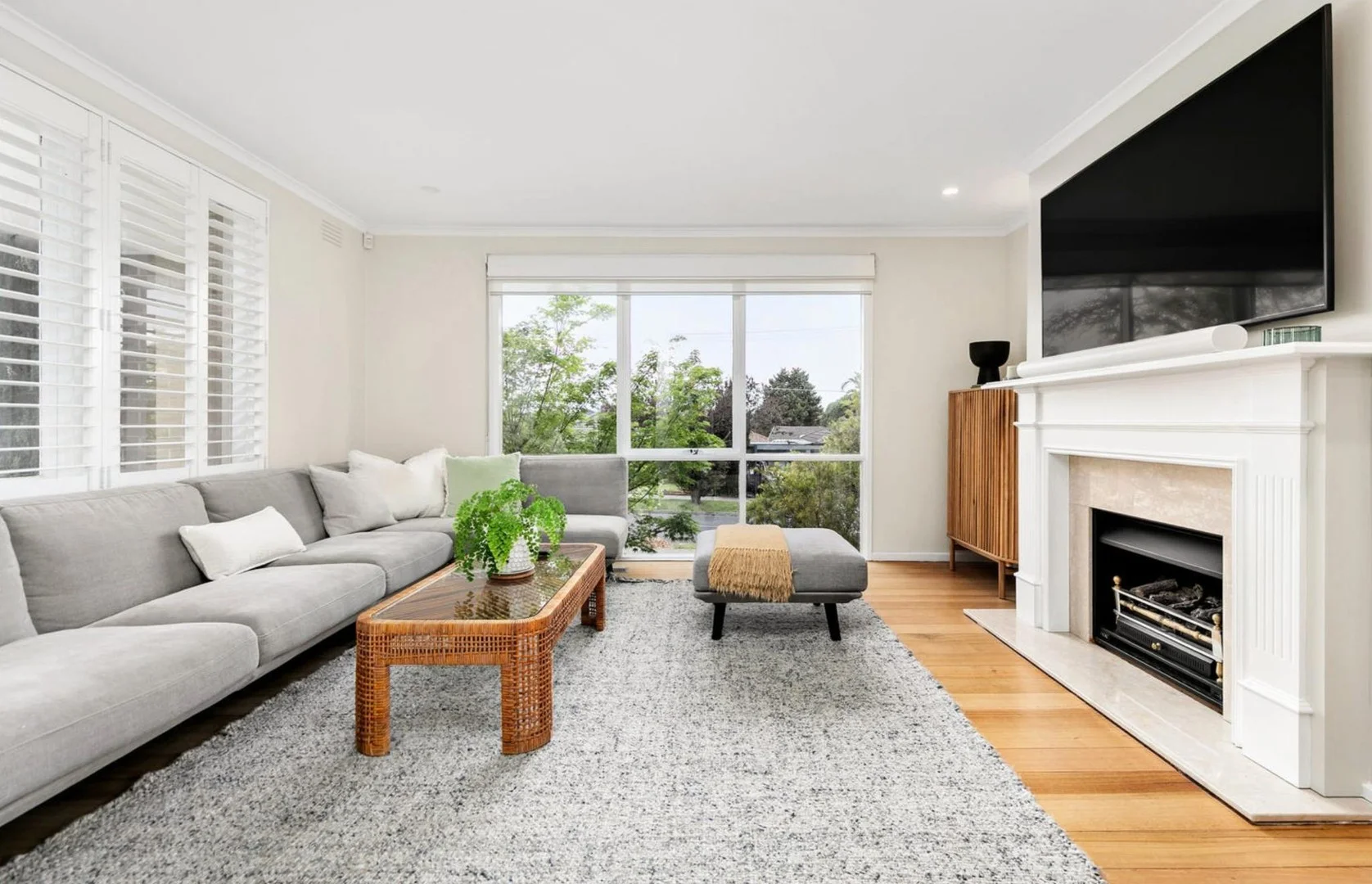 $750
House
$750
House
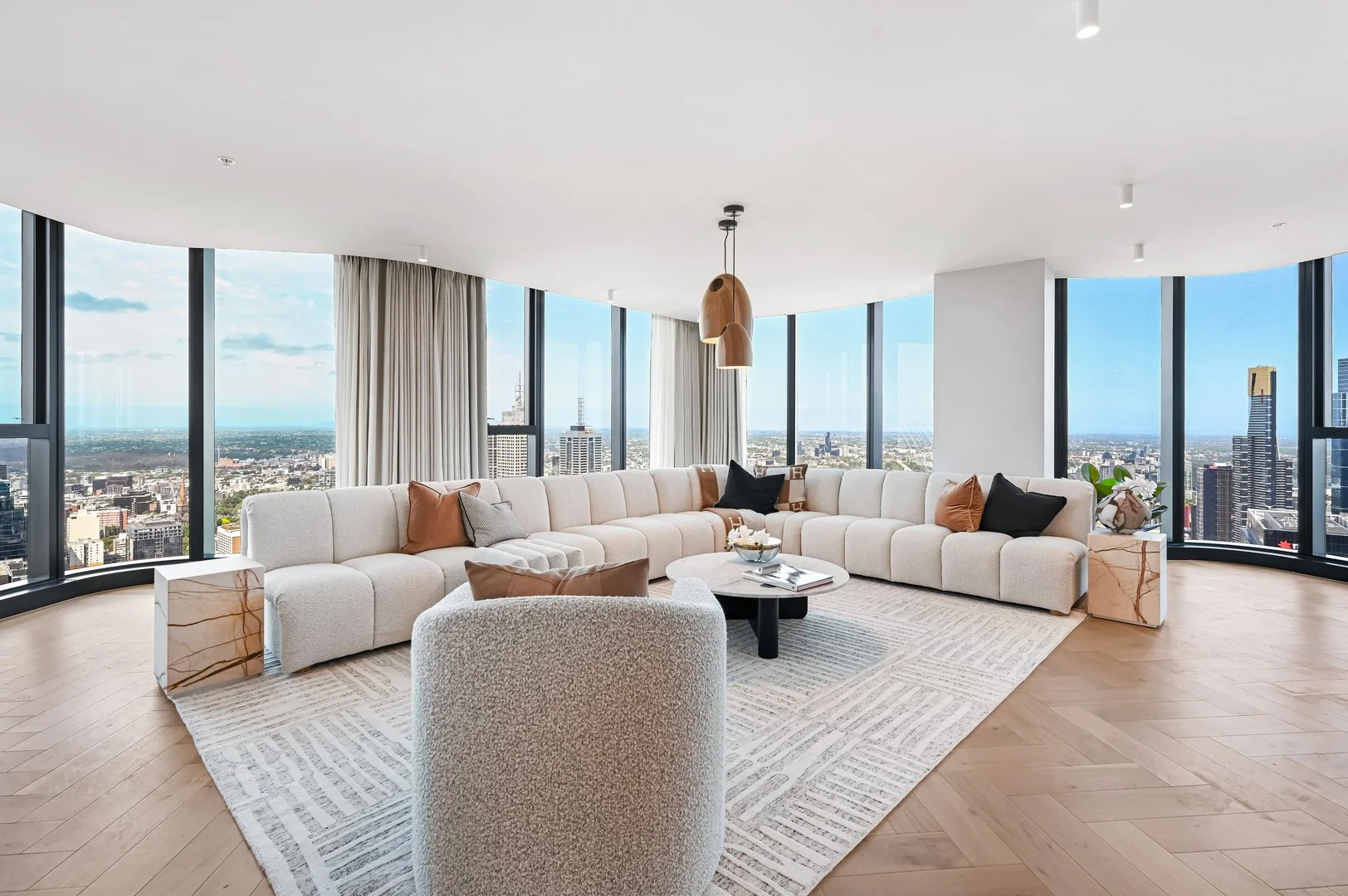 $5,512,000
propertyType.NEW APARTMENTS / OFF THE PLAN
$5,512,000
propertyType.NEW APARTMENTS / OFF THE PLAN
 $2,008,000
propertyType.NEW APARTMENTS / OFF THE PLAN
$2,008,000
propertyType.NEW APARTMENTS / OFF THE PLAN
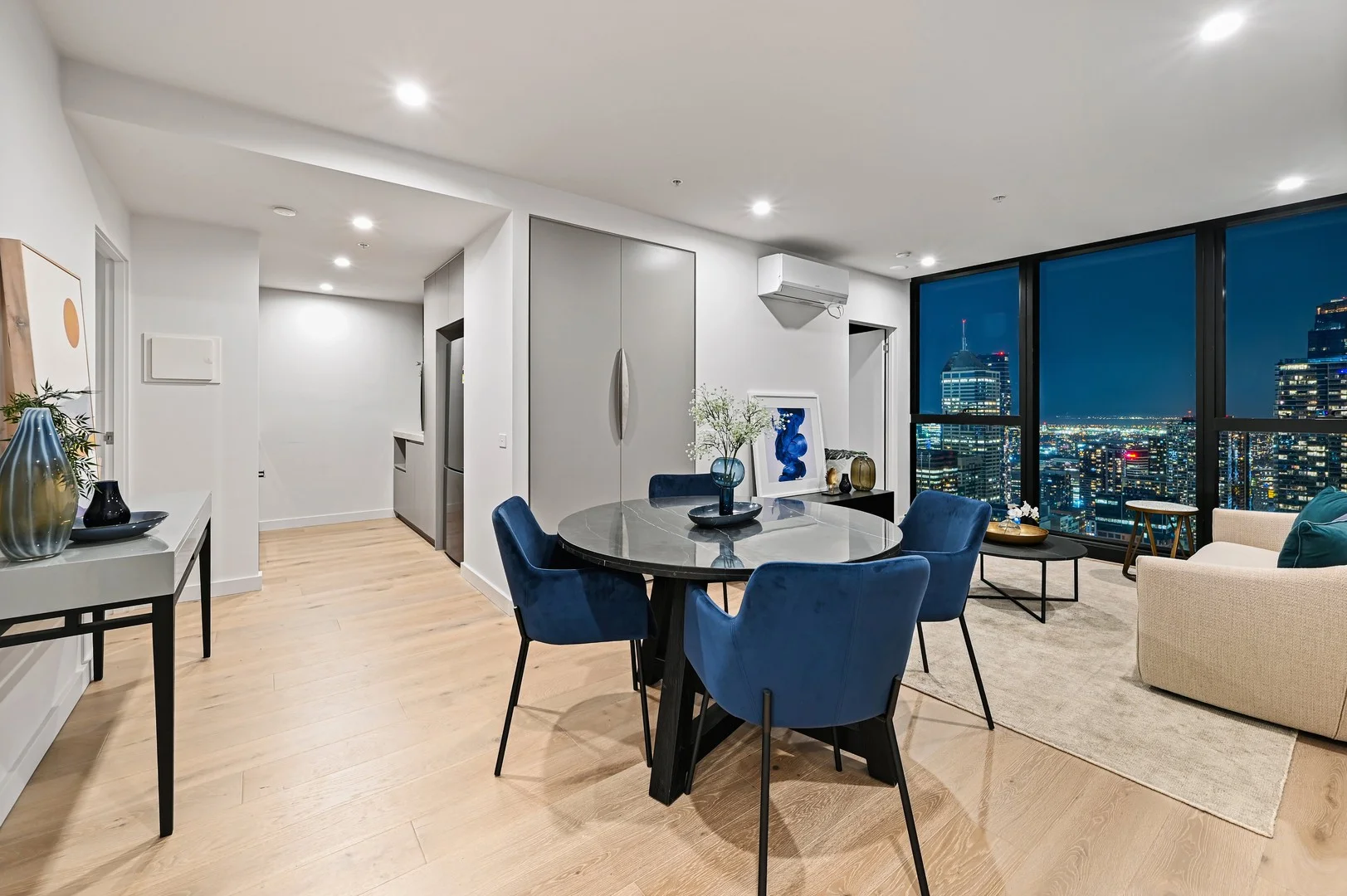 $943,000
propertyType.NEW APARTMENTS / OFF THE PLAN
$943,000
propertyType.NEW APARTMENTS / OFF THE PLAN
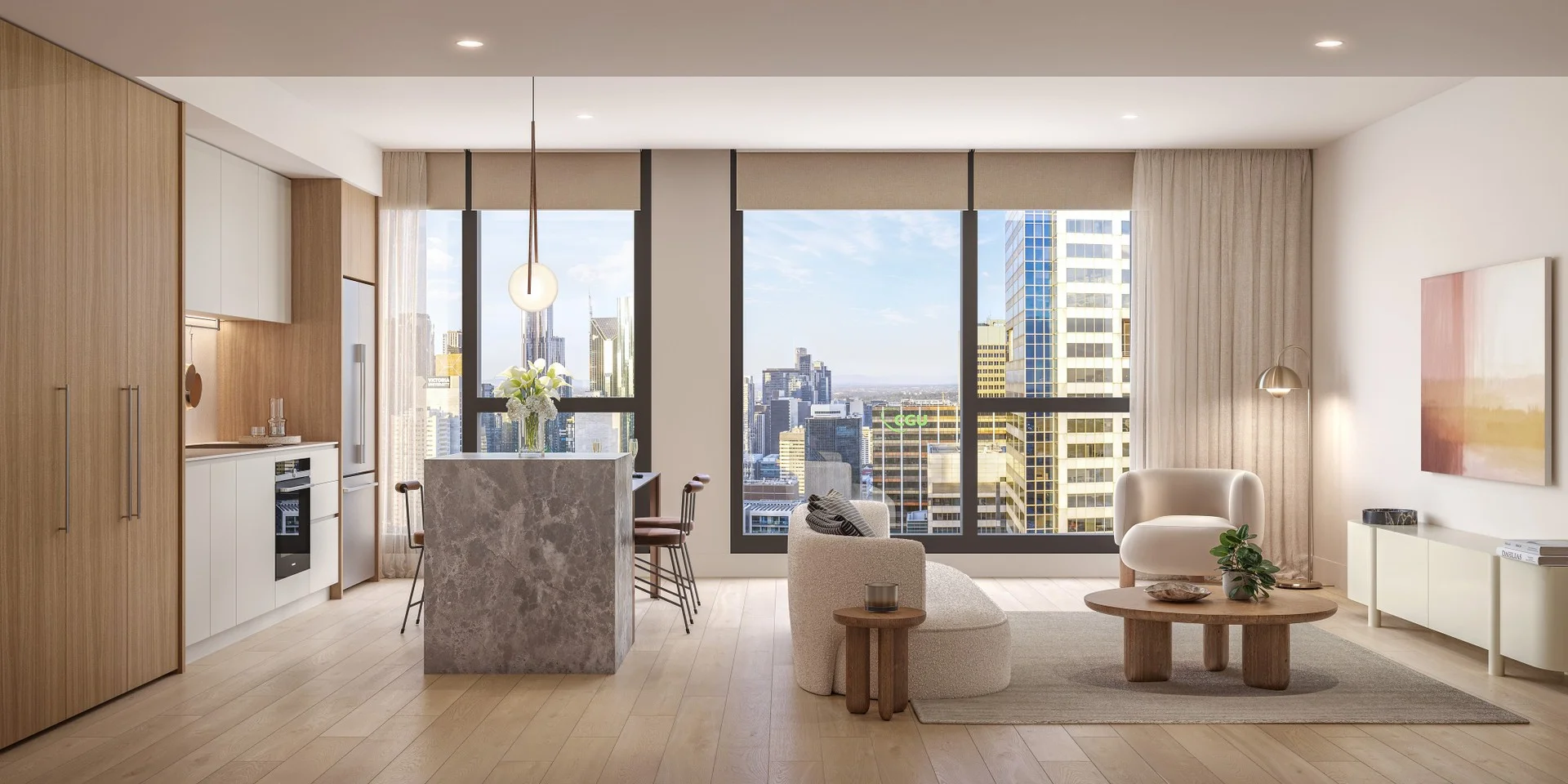 $1,870,000
propertyType.NEW APARTMENTS / OFF THE PLAN
$1,870,000
propertyType.NEW APARTMENTS / OFF THE PLAN
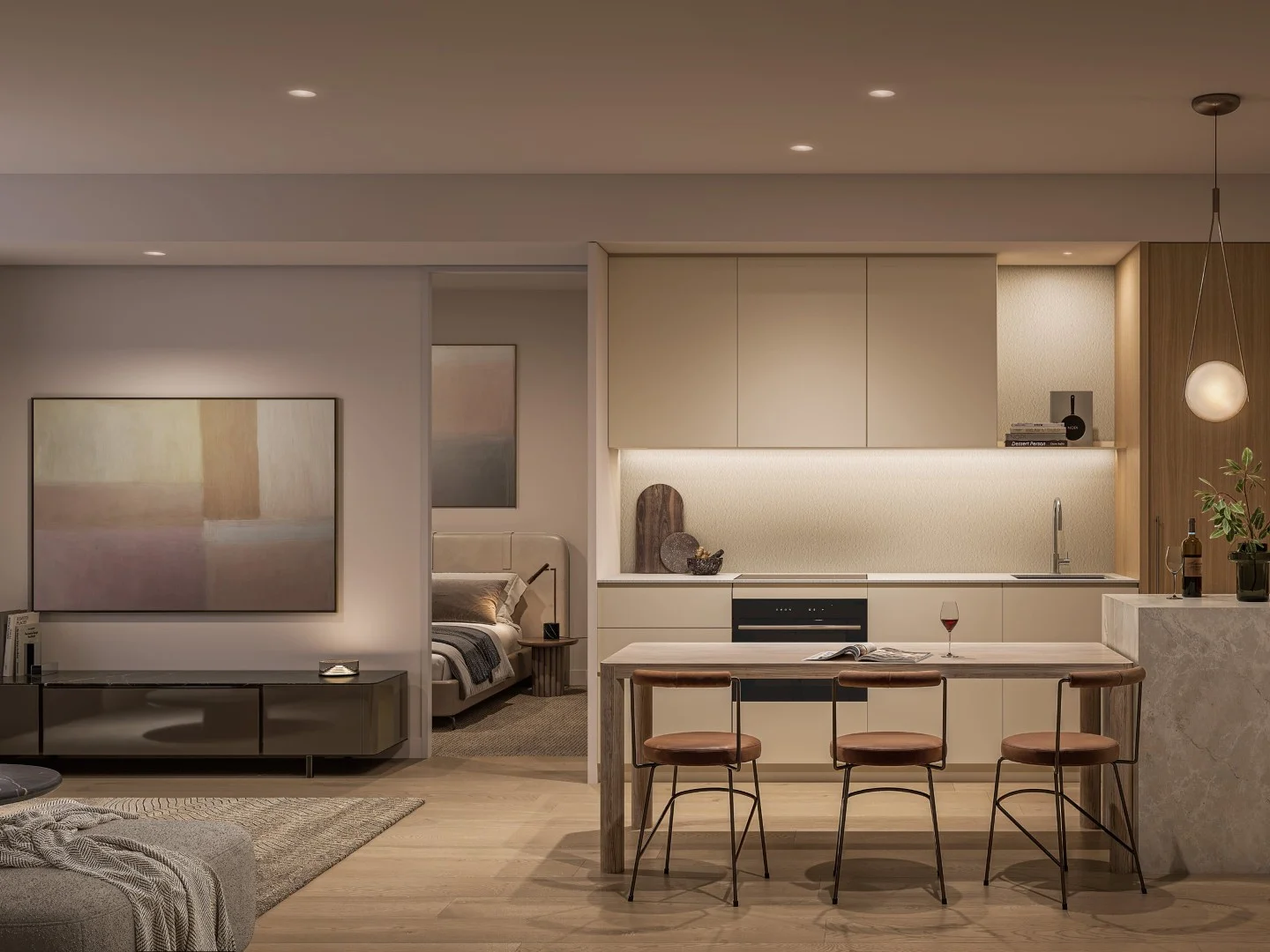 $666,000
Apartment / Unit / Flat
$666,000
Apartment / Unit / Flat
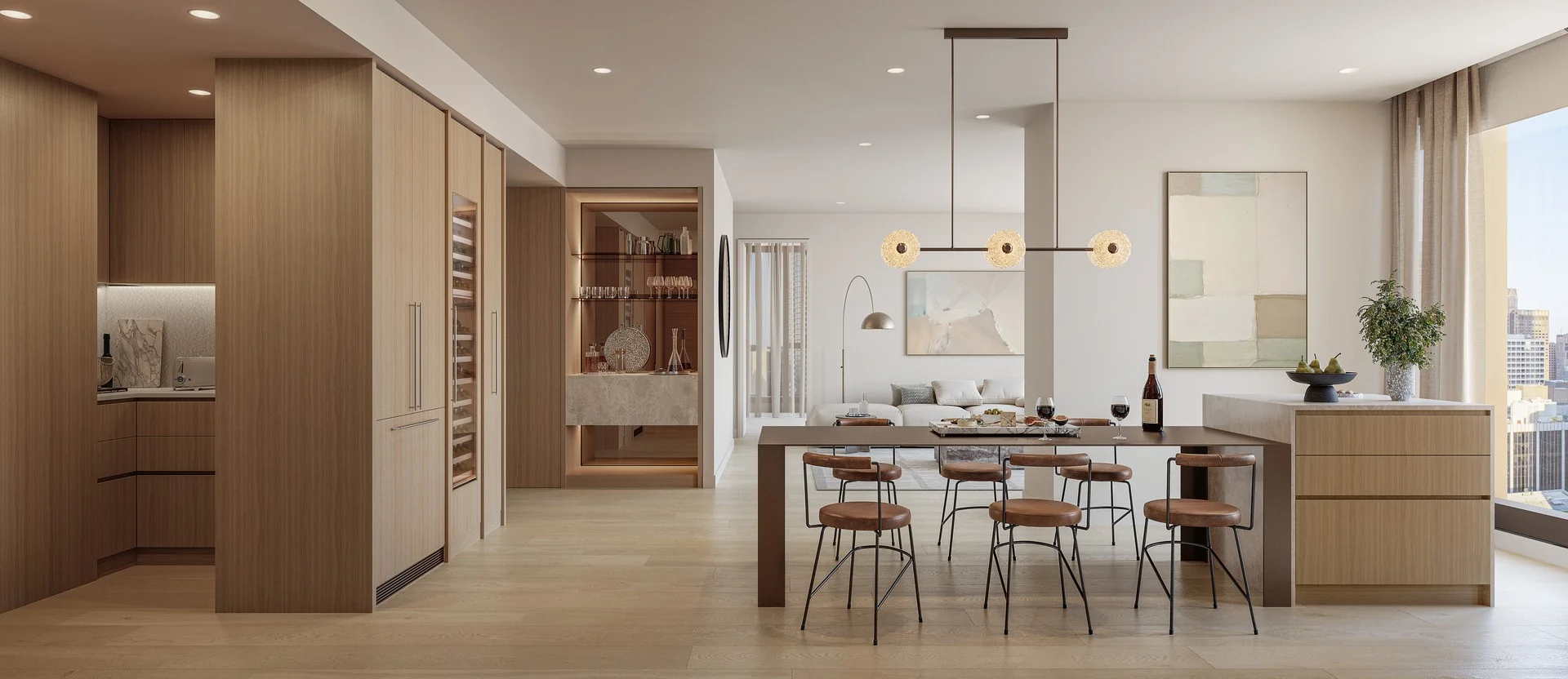 $2,865,000
Apartment / Unit / Flat
$2,865,000
Apartment / Unit / Flat