## 1. Overview
Saint Spyridon College is an independent faith-based school in Unley, SA, offering a combined primary and secondary education. The school sits within a supportive, values-driven community and provides a balanced program that emphasises both academics and character development. The atmosphere tends to be nurturing and inclusive, with a focus on fostering student wellbeing and engagement in a diverse learning environment.
The school is medium-sized, designed to accommodate students across multiple year levels with relatively small class sizes that promote individual attention. The culture prioritises a respectful, collaborative approach to learning, a strong sense of community, and opportunities for leadership, service, and participation in a range of co-curricular activities.
⸻
## 2. Academics & Learning
- Academic strengths: English, Mathematics, Science, and Humanities form the core, with emphasis on literacy and numeracy foundations, as well as opportunities to develop critical thinking, creativity, and leadership skills. Languages and social sciences are typically part of the curriculum, with a focus on well-rounded academic development within a faith-informed context.
- Special programs: Gifted & Talented pathways and accelerated learning opportunities are commonly available, along with a robust religious education component. There are programs designed to support student well-being and leadership development, and participation in arts and sport is encouraged as part of a holistic education.
- NAPLAN / trends: Over recent years, trend data at similar independent faith-based schools in the region often show steady or improving performance in literacy and numeracy, with growing strengths in writing and problem-solving tasks as students progress through year levels.
- Student-teacher ratios: Class sizes are typically kept small to medium, supporting more direct teacher contact and personalised feedback. The overall student-teacher ratio generally sits in the lower-teens to mid-teens, depending on year level and subject.
- Support for diverse learners: Strong support for diverse learners includes English as an Additional Language (EAL) assistance where needed, as well as learning support for students with special educational needs (SEN) and targeted interventions to help students reach their potential.
⸻
## 3. Sports & Extracurricular Strengths
- Sports offered: A broad program commonly includes football (soccer), basketball, netball, cricket, tennis, athletics, swimming, and other team or individual sports aligned with school facilities and staff expertise.
- Strong teams or achievements: The school typically participates in regional competitions and shows consistent performance in school sports, with notable results across age groups in various sports.
- Music, arts, drama programs: The college usually offers robust music and performing arts programs, including choir, instrumental ensembles, drama productions, and opportunities to showcase student work.
- Clubs: Robotics, chess, coding, debating, and other clubs are commonly available, encouraging students to explore interests beyond the classroom.
- Partnerships: There are usually partnerships with local clubs, regional competitions, and community groups that provide additional pathways for competition, performance, and enrichment.
⸻
## 4. Wellbeing & Pastoral Care
- Anti-bullying approach: A proactive anti-bullying policy with clear procedures, restorative practices, and a focus on creating a respectful school climate.
- House system: A house/group framework is typically used for pastoral care, team-based learning, and intra-school competitions to build belonging and leadership opportunities.
- Counsellors / wellbeing officers: Access to school counsellors or wellbeing staff supports student mental health, resilience, and personal development, with regular check-ins and targeted supports as needed.
- Transition support for new students: Structured orientation programs, buddy systems, and targeted transition support help new students settle in, build peer connections, and adjust to school routines.
⸻
## 5. Facilities
- Sports grounds: On-site or adjacent sports fields and courts support a range of physical education activities and school sports.
- Libraries: Well-equipped libraries with reading materials, study spaces, and digital resources.
- Science labs: Modern science laboratories that support practical experiments and inquiry-based learning.
- Music/performing arts centers: Dedicated spaces for music rehearsals, ensembles, and drama productions.
- Tech/innovation labs: Dedicated ICT or innovation spaces to support coding, robotics, and digital projects.
- Cafeteria: On-site dining facilities or a canteen that offers a range of meal options.
- Updated playgrounds: Well-maintained outdoor spaces for recreation and play.
⸻
## 6. School Values & Community Culture
- School values / mission: A clear emphasis on respect, integrity, service, and community, with a faith-informed approach that guides daily actions and long-term goals.
- Leadership style: A collaborative, student-centred leadership culture that encourages student voice, responsibility, and opportunities to lead in clubs, teams, and service activities.
- Behaviour expectations: Positive behaviour expectations grounded in respect for self, others, and the learning environment, reinforced through consistent routines and pastoral care.
- Community reputation: The school is known for its close-knit community, supportive staff, and emphasis on holistic development—academic achievement, wellbeing, and character.
- Diversity & inclusion: A commitment to inclusivity and respect for diverse backgrounds, with programs and practices that support students from differing cultures and abilities.
⸻
## 7. School Logistics & Daily Operations
- School hours: Typically follows a morning-to-afternoon schedule with start and finish times standard for the region, adjusted by year level.
- Before/after school care: There is usually a provision for before and after school care or supervision to support working families.
- Uniform requirements: A school uniform is standard, with guidelines for everyday wear and any special event dress codes.
- Transport (train/bus routes): Public bus routes and/or regional transport connections are commonly available, with information for parents about pick-up/drop-off arrangements.
- Canteen availability: An on-site canteen or school-based café often provides meals and snacks for students.
- Fees (low/medium/high ranges): The school operates on a private/independent fee structure, generally in the mid-to-high range for the region, with potential scholarships or fee assistance options.
⸻
## 8. Enrolment & Admissions
11. What is the enrolment process and timeline?
- Submit an application with required documents, followed by an intake interview or assessment if applicable.
- Applications are reviewed, and families are notified of eligibility and next steps within a defined timeline.
- Offer of placement is made when spaces are available; payment of any required enrollment deposits or fees may be part of the process.
- Families should allow several weeks to a few months from initial inquiry to confirmed placement, depending on year level and demand.
12. Is there a waiting list, and how does it work?
- Waiting lists are common when year levels are full. Placement on the list is typically governed by date of application, with priority given to siblings and special consideration for unique circumstances.
- Timeframes vary; families are kept informed about their status and expected wait times.
13. Are there any entry requirements, tests, or interviews?
- Some year levels may require an interview, and certain programs may involve an assessment or testing to determine readiness or placement.
- Academic records, behavioural references, and documentation of prior schooling are usually requested as part of the process.
14. Does the school accept mid-year transfers?
- Mid-year transfers are considered where space exists and appropriate documentation is provided. Availability of placements depends on year level, class composition, and the school’s admission timeline.
⸻
## 9. Frequently Ask Questions
- Why Parents Choose This School?
- A strong faith-based community, supportive pastoral care, balanced academics, and opportunities to grow in character and leadership.
- What type of student thrives at this school?
- Motivated,values-driven students who engage with both academics and co-curricular activities and who appreciate a collaborative, respectful school culture.
- What opportunities are available for students to extend their skills (academics, sports, arts)?
- Strong options across academics, sports, music, drama, robotics, coding, debating, and leadership programs, with access to accelerated pathways where appropriate.
- How does the school communicate with parents?
- Regular newsletters, parent portals, email updates, and scheduled parent-teacher conferences.
- What is the school’s approach to teaching and learning?
- Student-centred, inquiry-based learning that supports the development of critical thinking, collaboration, and lifelong learning skills, integrated with a values-based framework.
- How does the school support students who need extra academic help?
- Targeted learning support, tutoring options, EAL assistance (if applicable), and small-group interventions as needed.
- What support is available for academic challenges?
- Access to learning support staff, counseling services, and individualized plans to help students overcome difficulties and stay on track.
- How does the school communicate with parents? (Duplicate question)
- See above: regular newsletters, portals, and conferences.
- What are the class sizes and how much individual attention do students receive?
- Class sizes are small to medium, with a focus on providing sufficient teacher attention and timely feedback to each student.
- What extracurricular and sports opportunities are available?
- A wide range of sports, music and arts, robotics, coding, debating, and other clubs to suit diverse interests.
- What facilities does the school offer (sports, science, arts)?
- Sports grounds, libraries, science labs, performing arts spaces, tech/innovation labs, and a canteen, plus updated outdoor areas.
- What is the school’s approach to technology and digital learning?
- Integrated use of digital tools and ICT across the curriculum, promoting responsible digital citizenship and hands-on technology projects.
- What transport and accessibility options are available?
- Public transport options and school-arranged transport or drop-off arrangements; accessible facilities where applicable.
- What are the typical school fees or additional costs?
- Fees are in the private/independent range with potential for scholarships or assistance; exact figures vary by year level and program.
⸻
## 10. Short Pros & Cons list
- Pros
- Strong faith-based community with pastoral care and values-driven education
- Small to medium class sizes supporting individual attention
- Broad range of co-curriculars (sports, arts, robotics, debating)
- Support for diverse learners and transition assistance for new students
- Modern facilities for science, arts, and technology
- Cons
- Private/independent school fees may be higher than public options
- Admissions can be competitive with potential waitlists for popular year levels
- Transport options rely on regional routes or private arrangements
- Availability of specialised programs may vary by year level and demand
⸻









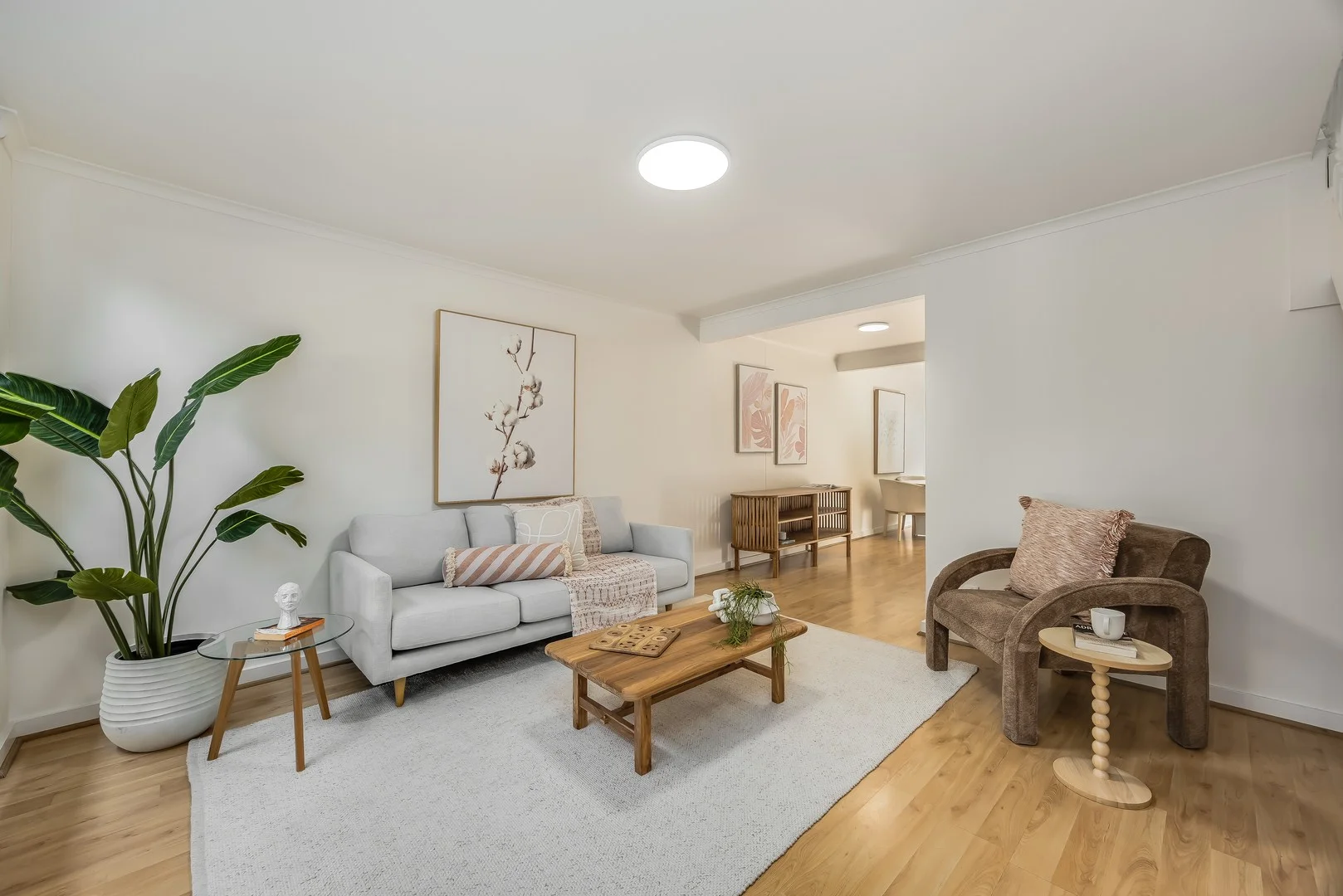 $775,000
House
$775,000
House
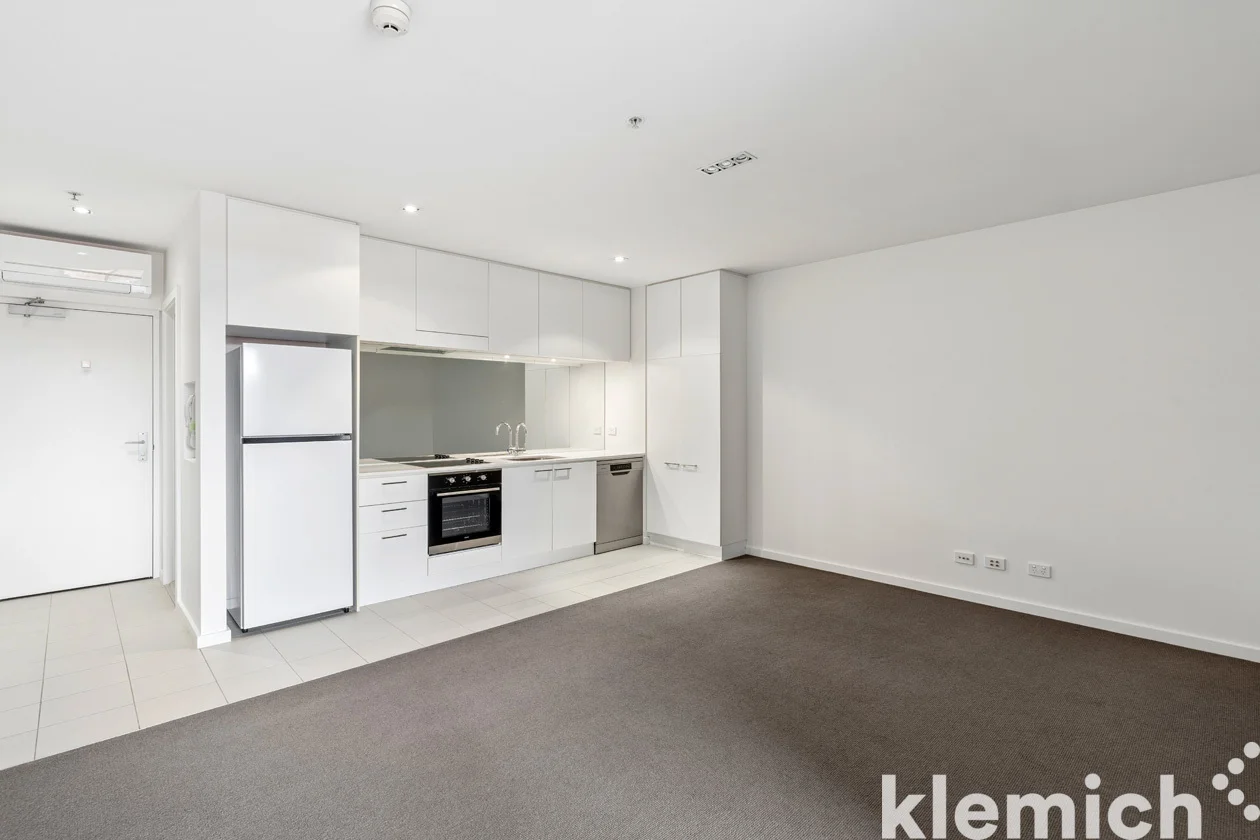 $440,000
Apartment / Unit / Flat
$440,000
Apartment / Unit / Flat
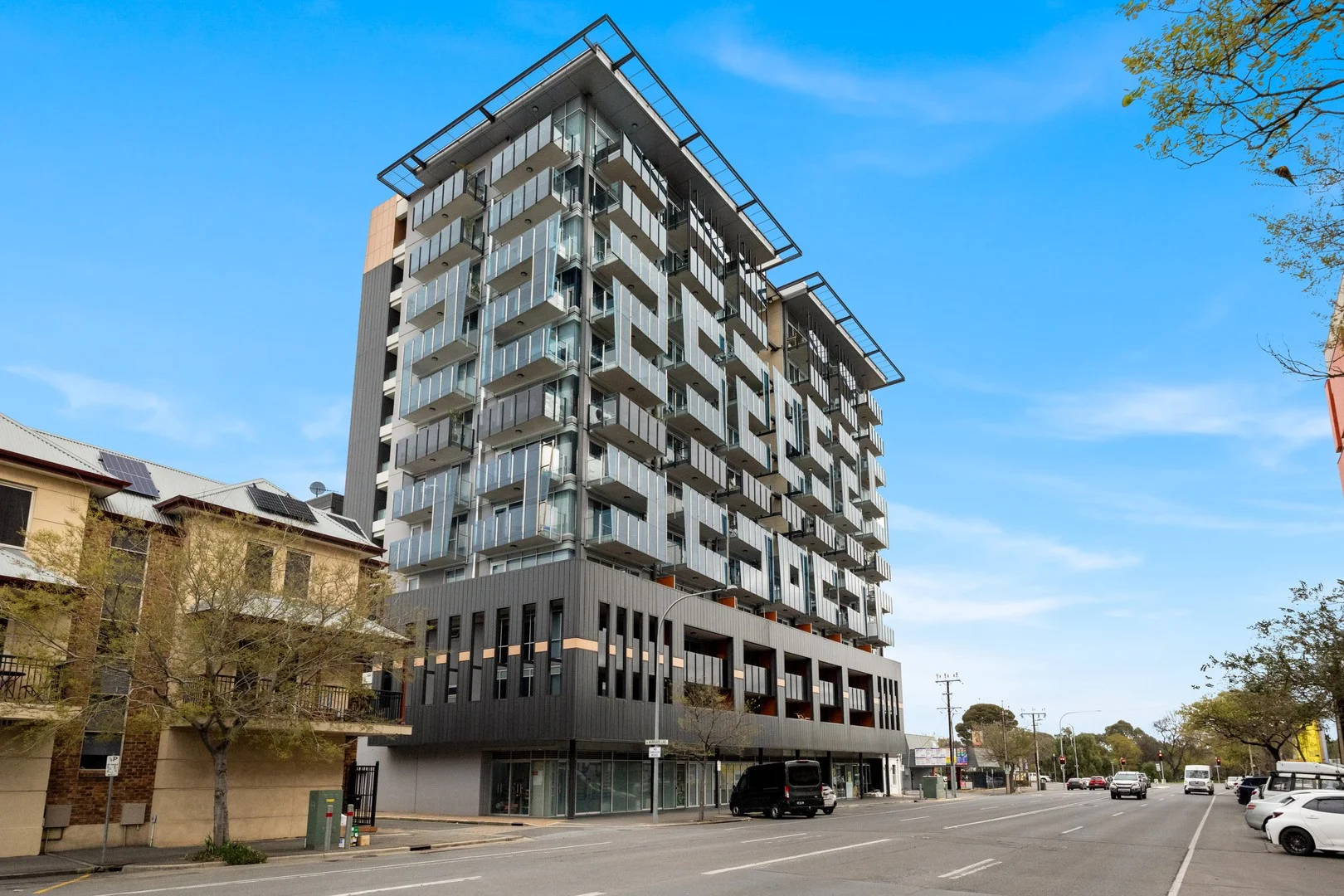 $1,100,000
Apartment / Unit / Flat
$1,100,000
Apartment / Unit / Flat
 $588,000
Apartment / Unit / Flat
$588,000
Apartment / Unit / Flat
 $557,000
Apartment / Unit / Flat
$557,000
Apartment / Unit / Flat
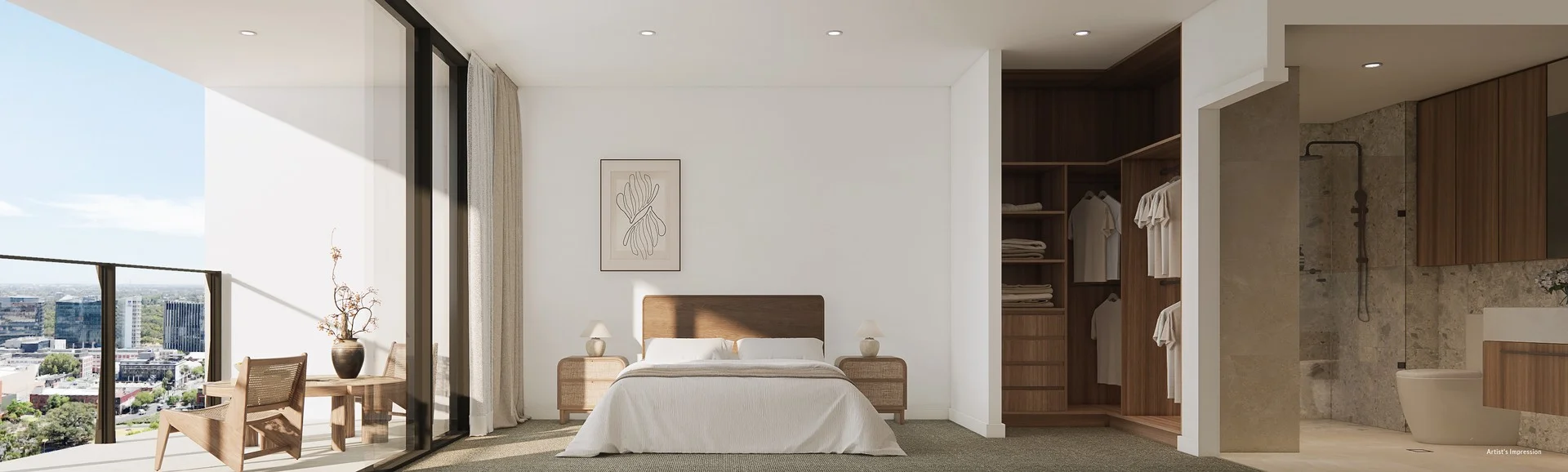 $1,056,000
Apartment / Unit / Flat
$1,056,000
Apartment / Unit / Flat
 $935,000
Apartment / Unit / Flat
$935,000
Apartment / Unit / Flat
 $545,000
Apartment / Unit / Flat
$545,000
Apartment / Unit / Flat


