## 1. Overview
Unley Primary School is a public primary school serving the Malvern area with a strong sense of community and student wellbeing at its core. The school balances a nurturing environment with a focus on academic achievement, allowing students to grow across academic, social, and creative domains.
- School type: Public
- School size: Small to medium
- Class size: Approximately 20–25 students per class
- Atmosphere/culture: Nurturing, inclusive, diverse, academically oriented
⸻
## 2. Academics & Learning
Unley Primary School emphasizes solid foundations in literacy and numeracy while expanding opportunities in STEM, arts, and digital literacy. The school provides programs and environments that encourage curiosity, collaboration, and independent thinking.
- Academic strengths: Literacy, numeracy, STEM, arts, and leadership development; emphasis on digital literacy and critical thinking
- Special programs: Gifted and Talented (G&T) options and accelerated learning where appropriate; integrated ICT/technology learning
- NAPLAN / trends: Historically steady progress with strengths in key domains; ongoing focus on targeted interventions to lift outcomes
- Student-teacher ratios: Roughly 1:14 to 1:22 depending on year level
- Support for diverse learners: EAL support, SEN support, Learning Support Team; inclusive education practices
⸻
## 3. Sports & Extracurricular Strengths
A core area for many families, the school offers a well-rounded mix of sport, music, arts, and clubs, with active participation in local competitions and events.
- Sports offered: Netball, soccer, basketball, athletics, cricket, swimming, and more
- Strong teams or achievements: Active participation in inter-school competitions with ongoing involvement in district-level events
- Music, arts, drama programs: In-school music program, choir or band opportunities, drama productions and performances
- Clubs: Robotics, coding, chess, debating, science/STEAM clubs
- Partnerships: Local academies and competitions; SAPSASA participation; community organization partnerships
⸻
## 4. Wellbeing & Pastoral Care
Wellbeing is a priority, with structures in place to support students academically and socially. The school promotes positive relationships and proactive wellbeing practices.
- Anti-bullying approach: Positive behaviour framework, clear anti-bullying policy, whole-school education and buddy programs
- House system: House groups foster belonging, teamwork and healthy competition
- Counsellors / wellbeing officers: Access to school-based wellbeing support (counsellor or wellbeing staff)
- Transition support for new students: Orientation activities, buddy programs, and transition visits to ease arrivals
⸻
## 5. Facilities
Facilities are designed to support a broad curriculum, student wellbeing, and creative expression.
- Sports grounds: Multiple playing areas and indoor spaces for physical education
- Libraries: Well-stocked library with dedicated reading programs
- Science labs: Dedicated spaces for practical science learning
- Music/performing arts centers: Performance spaces and music rooms
- Tech/innovation labs: ICT and making spaces for creative projects
- Cafeteria: On-site healthy food options and meal facilities
- Updated playgrounds: Age-appropriate play equipment and outdoor learning spaces
⸻
## 6. School Values & Community Culture
The school aims to develop responsible, respectful, and capable learners within a supportive community.
- School values / mission: Respect, Responsibility, Collaboration, Achievement (example values that align with many SA primary schools)
- Leadership style: Distributed leadership with student voice and staff collaboration
- Behaviour expectations: Clear expectations aligned with positive behaviour approaches and restorative practices
- Community reputation: Strong local involvement and active parent volunteer base
- Diversity & inclusion: Commitment to an inclusive environment that welcomes and supports students from diverse backgrounds
⸻
## 7. School Logistics & Daily Operations
Practical information to help families plan daily life around the school schedule.
- School hours: Approximately 8:45 am–3:15 pm, with settings for breaks and transitions
- Before/after school care: Available through after-school care providers (e.g., OSHClub) or school-based programs
- Uniform requirements: School uniform expected; details provided through the school shop and communications
- Transport: Access to public transport and local bus routes; clear drop-off/pick-up zones
- Canteen availability: On-site canteen or lunch facilities offering healthy options
- Fees: Public school with low to moderate voluntary contributions for materials and activities
⸻
## 8. Enrolment & Admissions
11–14: Enrolment process, wait lists, entry requirements, and mid-year transfers
11. What is the enrolment process and timeline?
- Apply through the school’s enrolment process with the local Education Department; prepare common documents (proof of identity/address, birth certificates, immunization records). Timelines vary by year level and catchment status; contact the school early in the year for specific dates and requirements.
12. Is there a waiting list, and how does it work?
- Yes, if the school is at capacity, a waiting list may operate. Priority is typically given to local residents within the catchment area, with placement determined by vacancies and the school’s enrolment policies.
13. Are there any entry requirements, tests, or interviews?
- Generally no entry tests or formal interviews for primary-age enrolments. Some programs (e.g., Gifted & Talented) may involve additional placement considerations or assessments, but standard enrolment does not require testing.
14. Does the school accept mid-year transfers?
- Yes, subject to vacancy and the appropriate documentation. Families seeking mid-year transfers should contact the school to discuss space, class placement, and transition help.
⸻
## 9. Frequently Ask Questions
- Why Parents Choose This School?
- A supportive, community-focused environment with strong wellbeing supports and a balanced academic program.
- What type of student thrives at this school?
- Students who are curious, collaborative, and engaged across academics, arts, and sport; those who benefit from small-to-medium class sizes and an inclusive culture.
- What opportunities are available for students to extend their skills (academics, sports, arts)?
- STEM and literacy extensions, Gifted & Talented pathways where available, competitive sports, music and drama programs, robotics, coding, chess, and debating clubs.
- How does the school communicate with parents?
- Regular newsletters, phone/email updates, parent-teacher meetings, and digital platforms for student progress and classroom activities.
- What is the school’s approach to teaching and learning?
- Evidence-based pedagogy, a strong literacy and numeracy focus, inquiry-based learning, and integration of technology across the curriculum.
- How does the school support students who need extra academic help?
- In-class adjustments, targeted support from learning support staff, EAL and SEN support, and small-group intervention.
- What support is available for academic challenges?
- Access to learning supports, counselling, and interventions tailored to individual student needs.
- How does the school communicate with parents?
- See above; ongoing communication channels are used to keep families informed about progress and events.
- What are the class sizes and how much individual attention do students receive?
- Class sizes are typically 20–25 students, with teachers providing regular feedback and targeted support, and additional small-group interventions as needed.
- What extracurricular and sports opportunities are available?
- A broad range of sports (netball, soccer, basketball, athletics, cricket, swimming), music and drama programs, and clubs (robotics, coding, chess, debating).
- What facilities does the school offer (sports, science, arts)?
- Updated libraries, science labs, music/performing arts spaces, tech/innovation labs, sports grounds, and a canteen.
- What is the school’s approach to technology and digital learning?
- Integrated digital literacy across the curriculum with devices and online tools to support learning and responsible use.
- What transport and accessibility options are available?
- Access to local bus routes and convenient drop-off/pick-up arrangements; proximity to public transport options.
- What are the typical school fees or additional costs?
- Public school fees are modest, with voluntary contributions for materials and activities; costs vary by program and year level.
⸻
## 10. Short Pros & Cons list
- Pros
- Strong sense of community and student wellbeing
- Small to medium class sizes enabling more individual attention
- Broad curriculum with solid literacy, numeracy, and STEM focus
- Diverse extracurriculars: sports, music, arts, clubs
- Active parent involvement and supportive culture
- Cons
- Demand for enrolments can be high; potential wait times for new families
- As a public primary school, funding and resources can vary by year and program
- Limited to general primary-level programs; some highly specialized programs may be limited by capacity
⸻






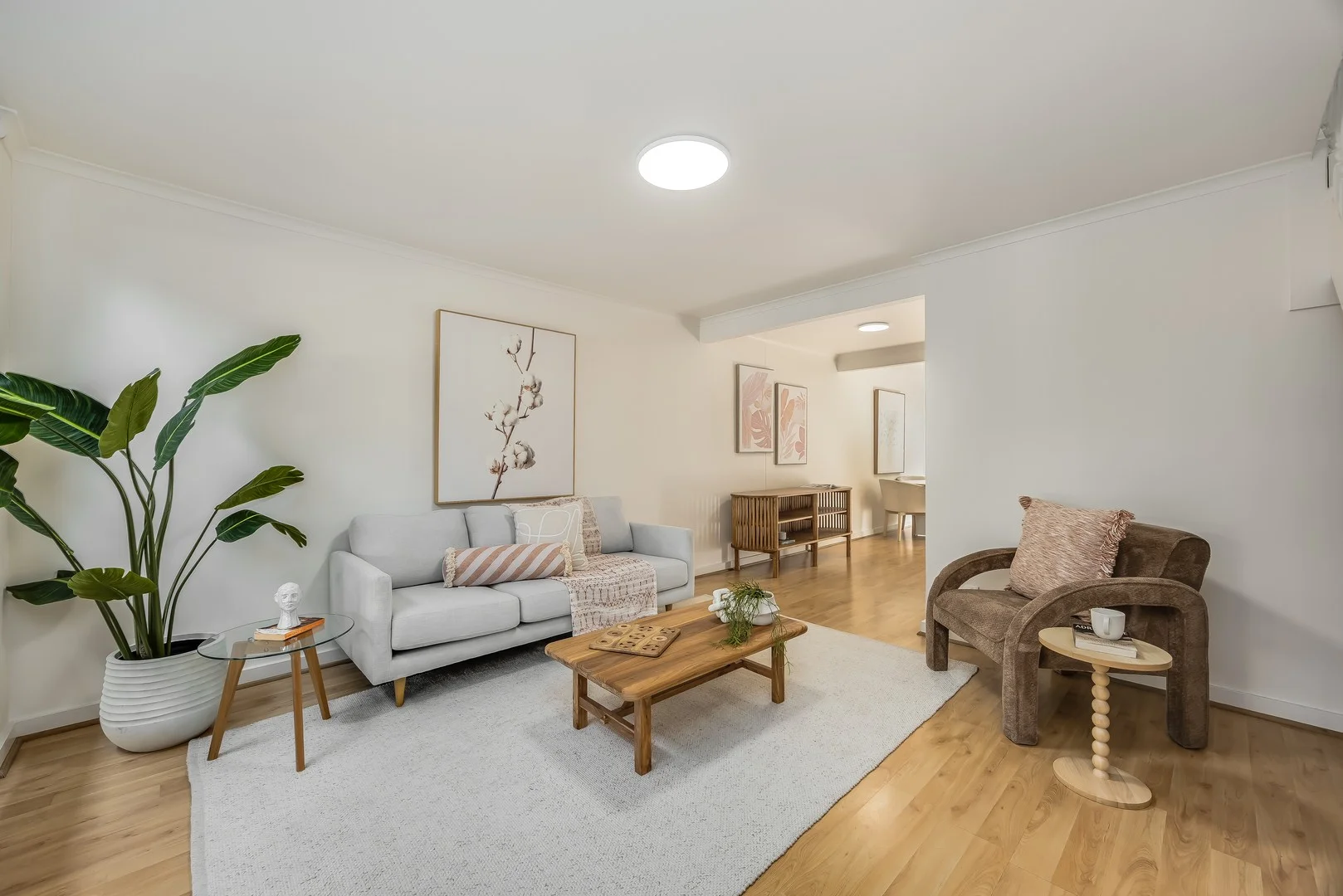 $775,000
House
$775,000
House
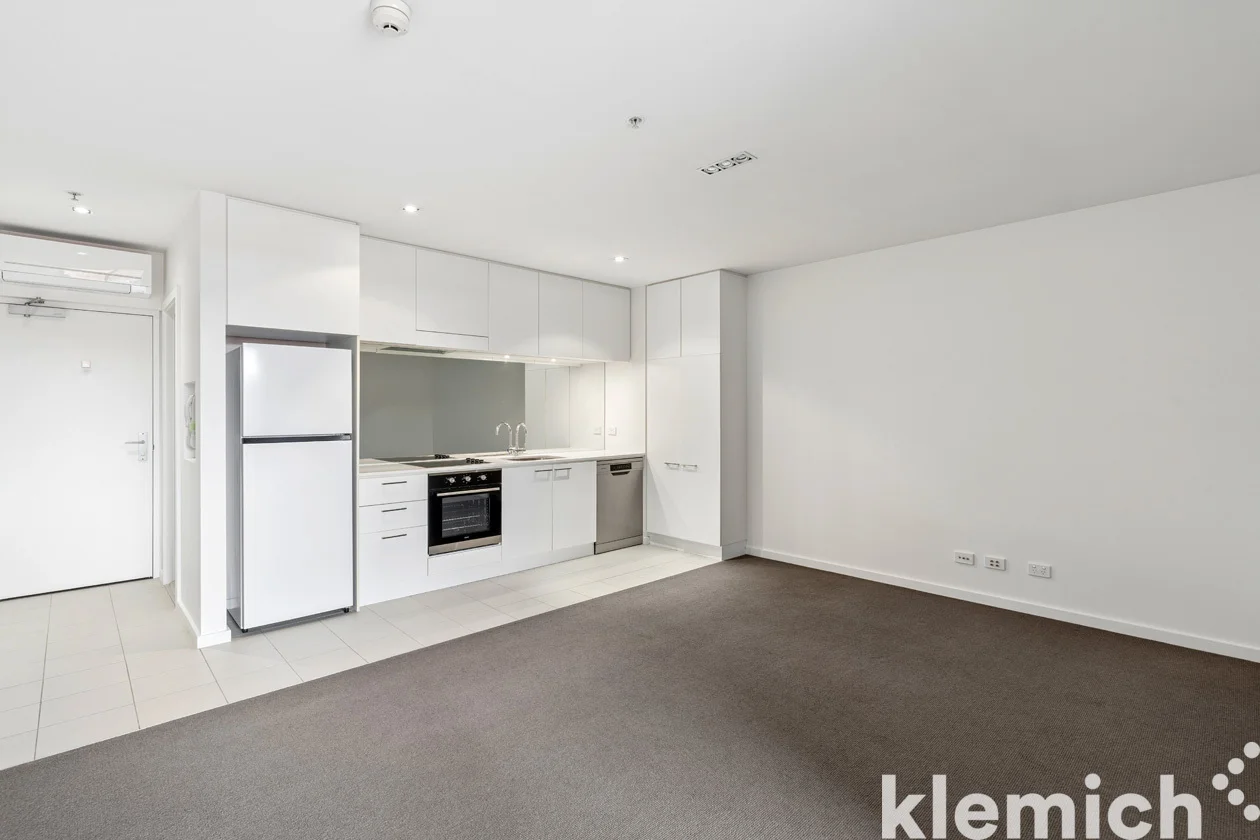 $440,000
Apartment / Unit / Flat
$440,000
Apartment / Unit / Flat
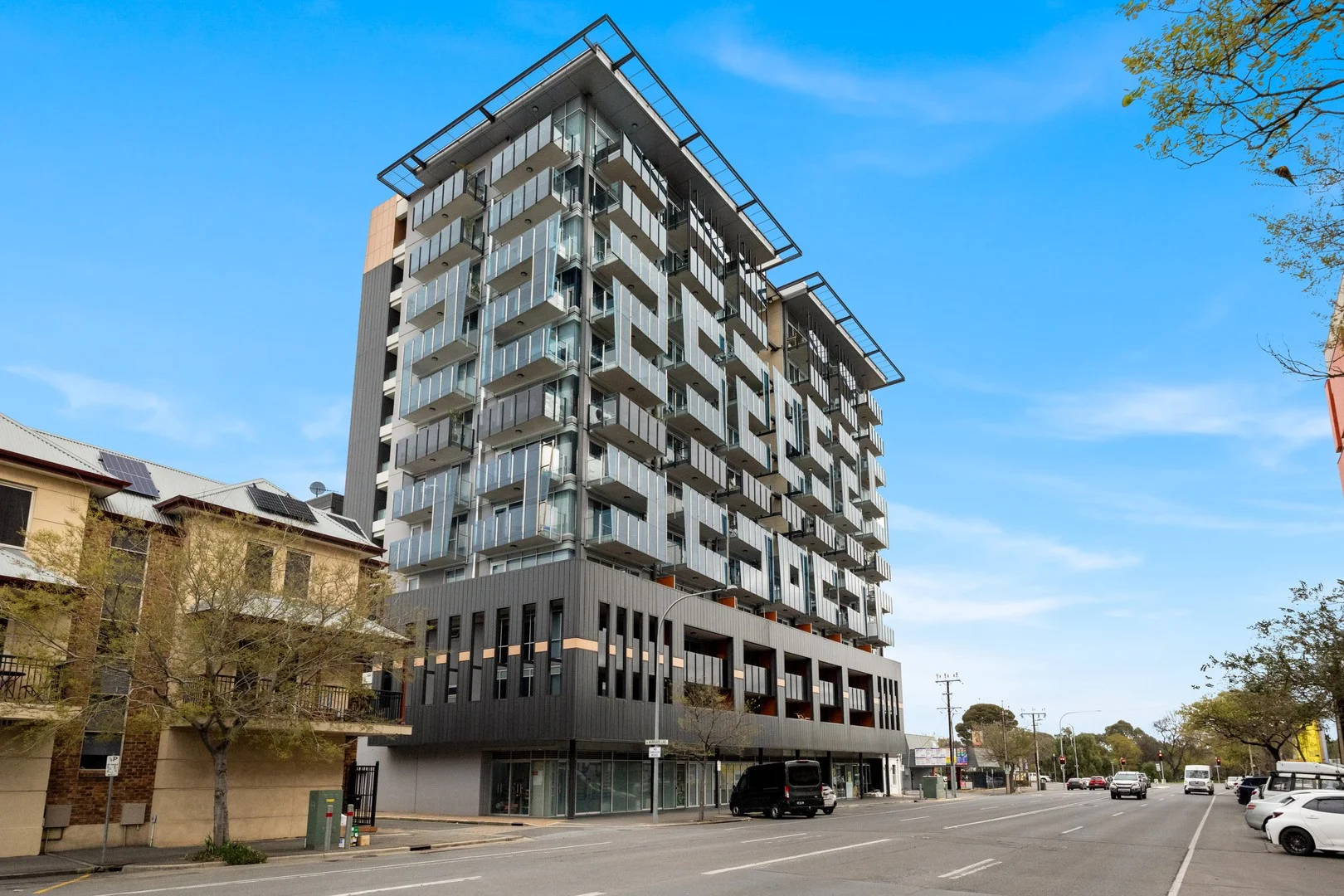 $1,100,000
Apartment / Unit / Flat
$1,100,000
Apartment / Unit / Flat
 $1,056,000
Apartment / Unit / Flat
$1,056,000
Apartment / Unit / Flat
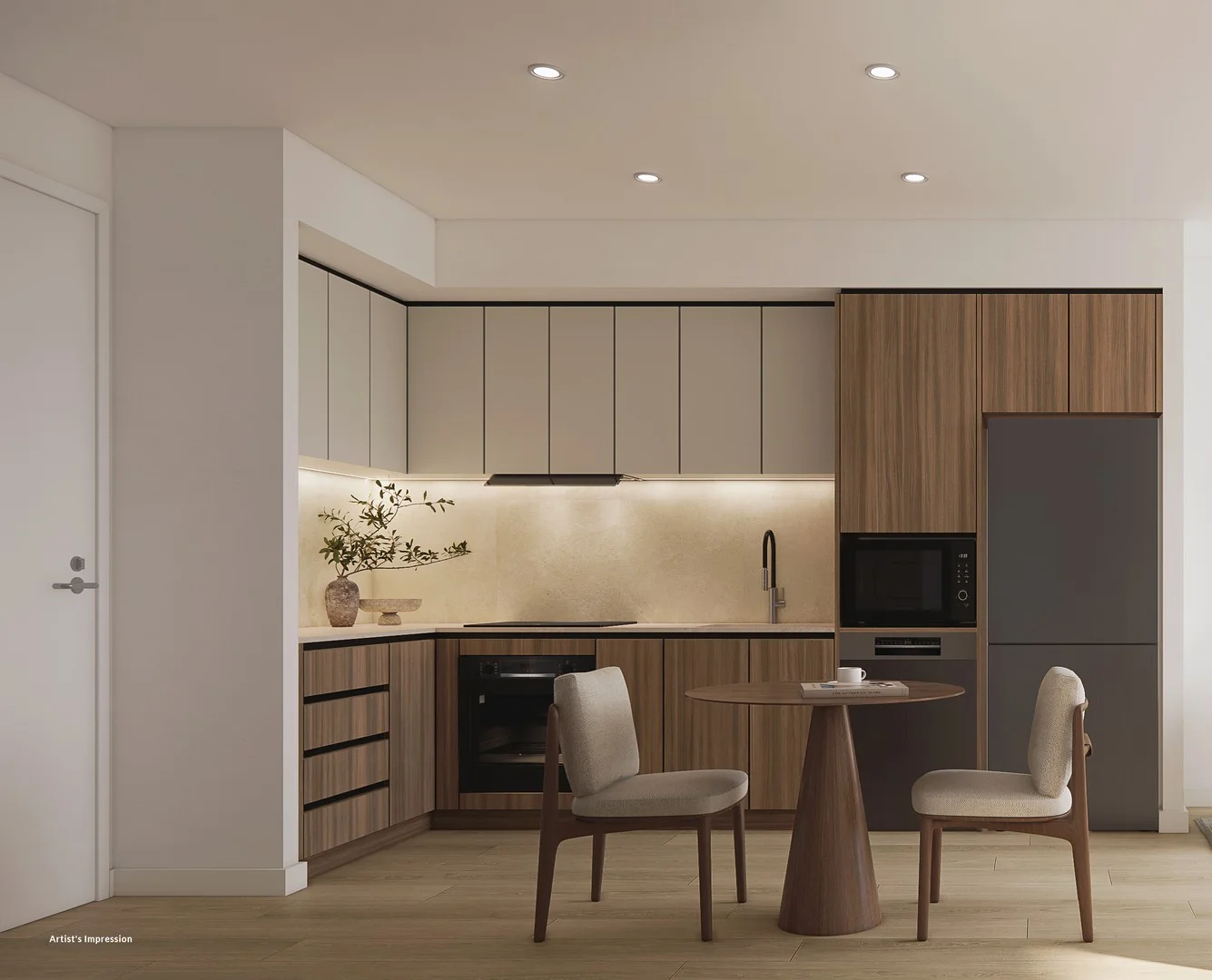 $557,000
Apartment / Unit / Flat
$557,000
Apartment / Unit / Flat
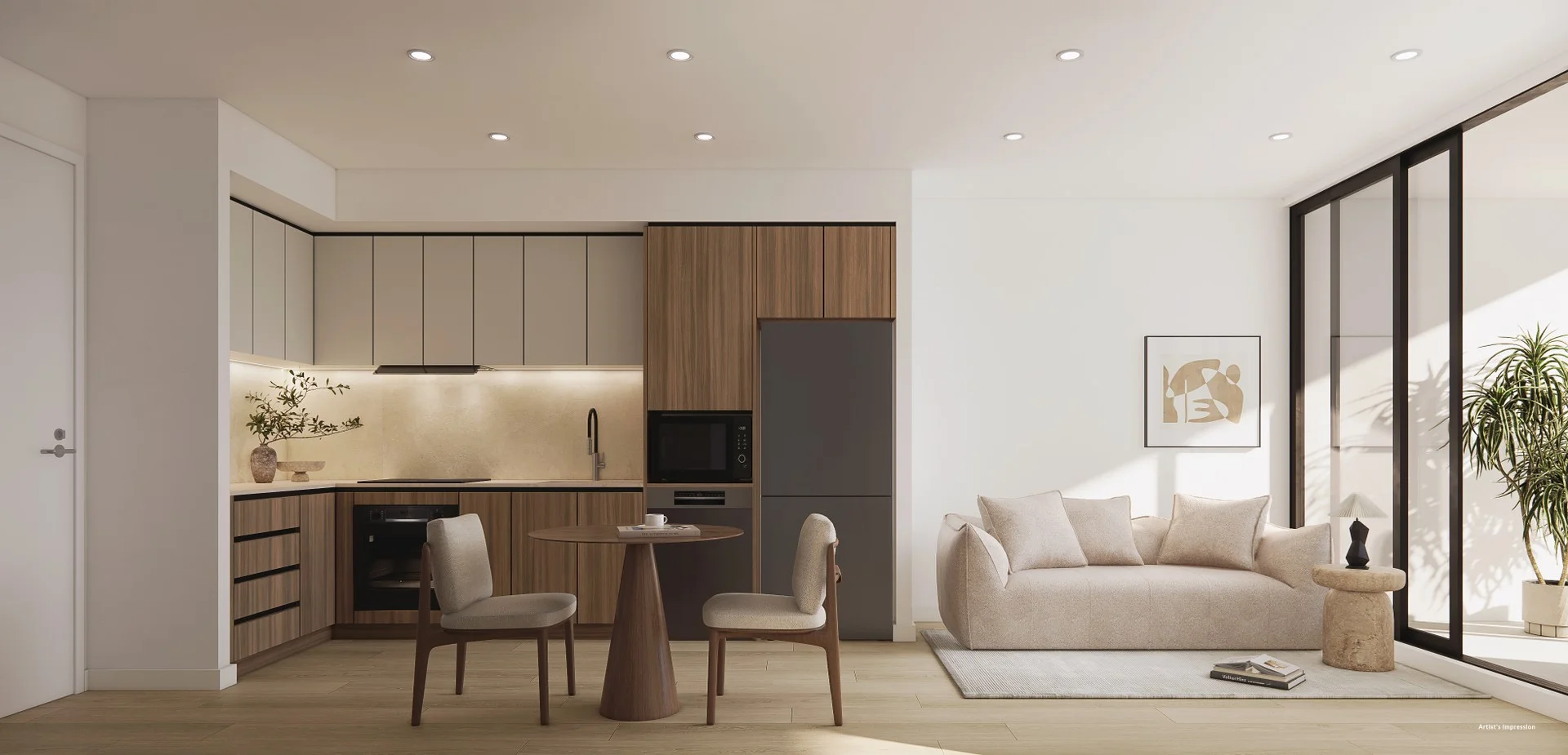 $588,000
Apartment / Unit / Flat
$588,000
Apartment / Unit / Flat
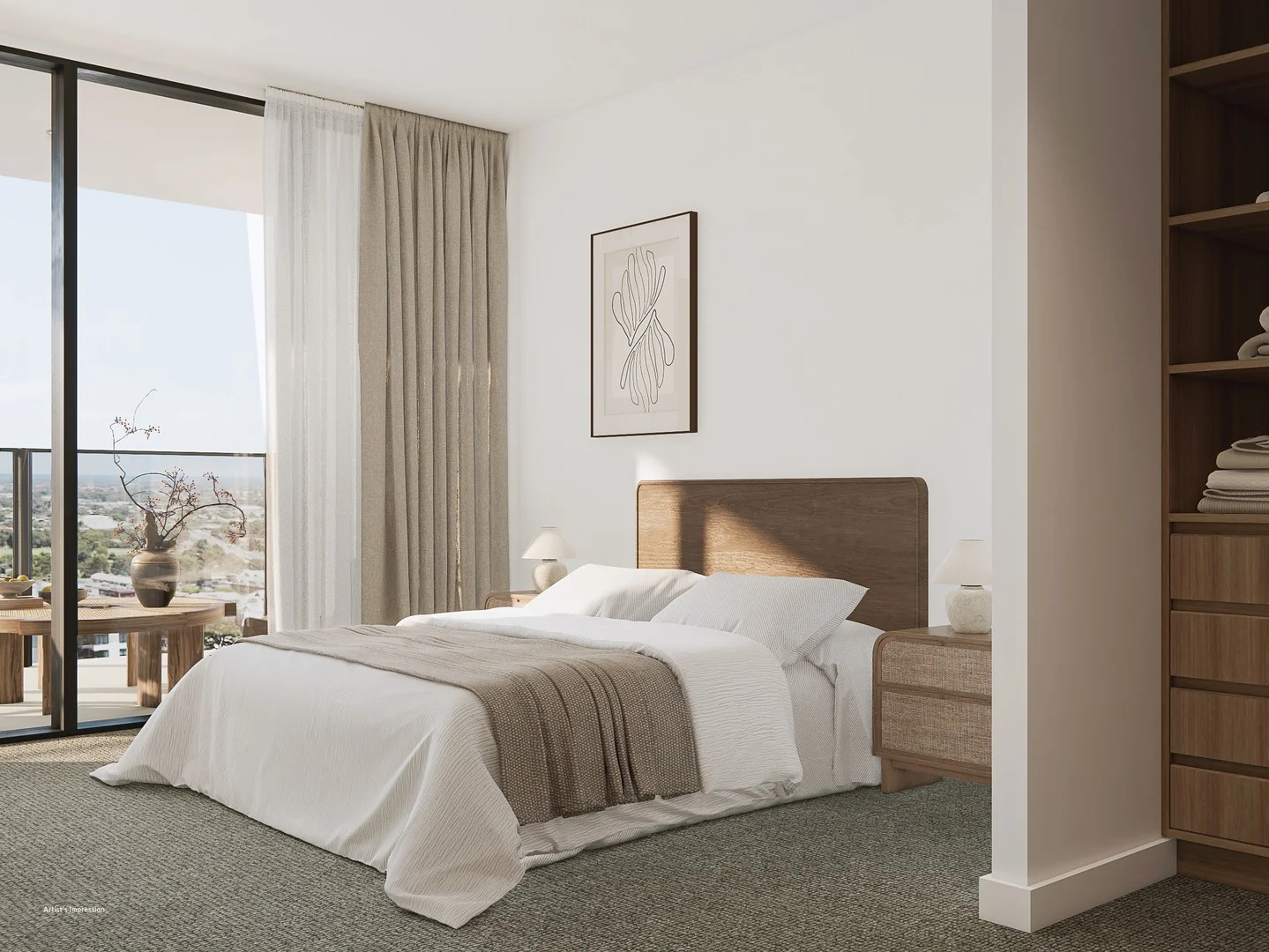 $935,000
Apartment / Unit / Flat
$935,000
Apartment / Unit / Flat
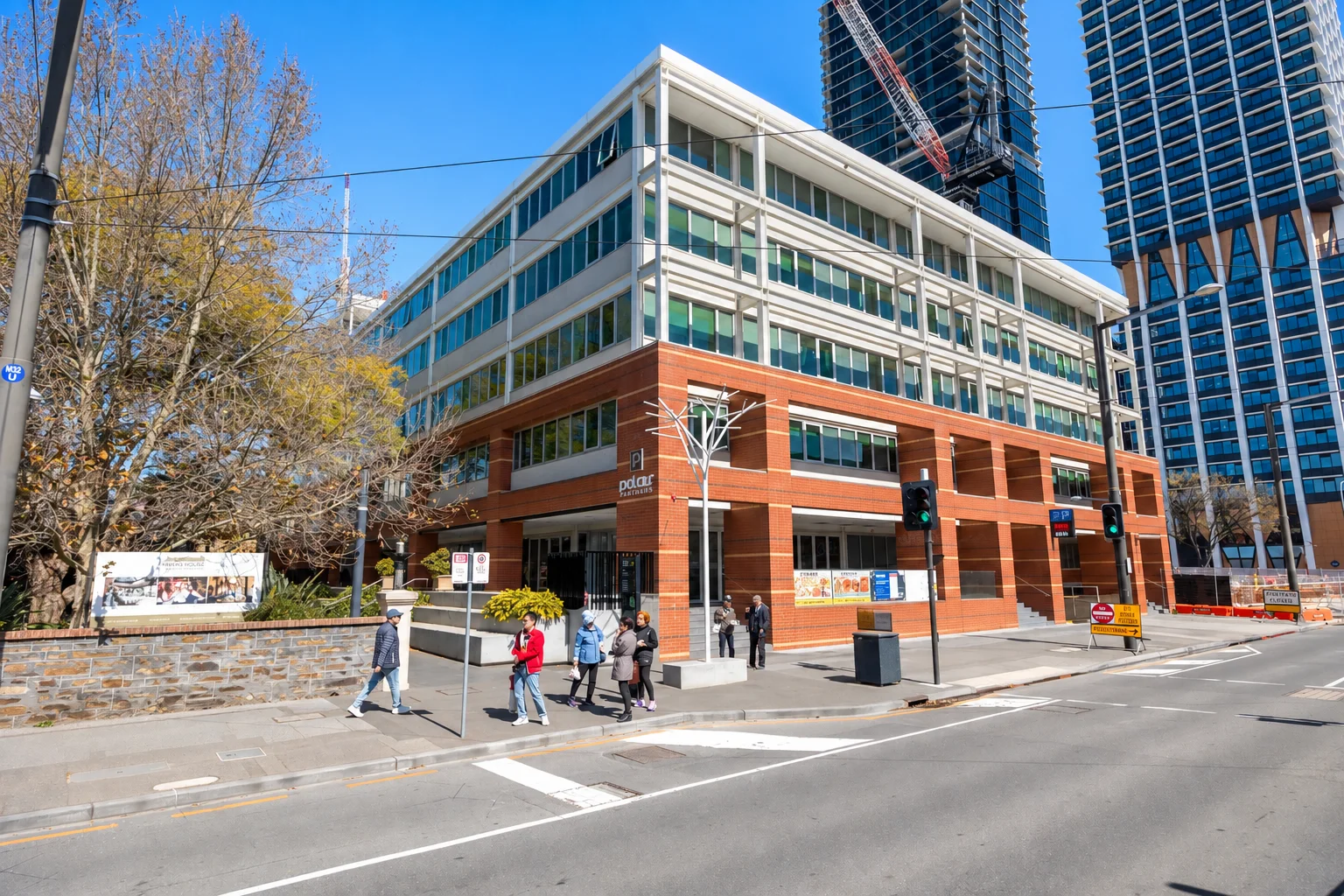 $545,000
Apartment / Unit / Flat
$545,000
Apartment / Unit / Flat