# 1. Overview
Walford Anglican School for Girls is an independent Anglican day school catering to girls from the early years through to senior secondary. It combines a faith-informed approach with a strong academic program in a supportive, values-driven environment. The school is medium-sized, prioritising close-knit community connections, with class sizes typically around 20 students to support personalised learning and strong teacher engagement.
Walford fosters a nurturing yet academically rigorous culture, emphasising leadership, service and resilience. The atmosphere encourages girls to be curious, collaborative and responsible, while offering diverse opportunities across academics, arts, sport and community involvement.
# 2. Academics & Learning
- Academic strengths: English and the humanities are strong foundations, with robust STEM and language offerings to support well-rounded learners and future-ready skills.
- Special programs: Accelerated learning and gifted/talented pathways are available, along with structured leadership development opportunities.
- NAPLAN / trends: The school has a history of solid performance in English and numeracy, with trends showing stability and ongoing improvement in key areas across year levels.
- Student-teacher ratios: Generally low-to-medium ratios, supporting targeted feedback and personalised support (approximately 1:10–1:15 in many classes).
- Support for diverse learners: Comprehensive support for diverse learners, including EAL (English as an Additional Language) and SEN (Special Educational Needs) programs, with appropriate accommodations and assistance.
# 3. Sports & Extracurricular Strengths
- Sports offered: Netball, tennis, basketball, athletics, swimming, cricket and other school-based team and individual activities.
- Strong teams or achievements: Competitive senior and intermediate teams with participation in regional-level competitions; emphasis on development and sportsmanship.
- Music, arts, drama programs: Wide-ranging performing arts offerings including choir, ensembles and annual productions, along with individual music study and performance opportunities.
- Clubs: Robotics, coding, chess, debating and other inquiry-based clubs support STEM and humanities interests.
- Partnerships: Involvement with local arts, sports academies and inter-school competitions to broaden exposure and experience.
# 4. Wellbeing & Pastoral Care
- Anti-bullying approach: Proactive, whole-school wellbeing framework with clear policies, education and reporting pathways.
- House system: A house-based structure supports belonging, friendly competition and peer mentoring across year levels.
- Counsellors / wellbeing officers: Dedicated wellbeing staff and access to confidential counselling services to support mental, social and emotional health.
- Transition support for new students: Comprehensive orientation programs, buddy systems and targeted transition activities to ease entry and social integration.
# 5. Facilities
- Sports grounds: On-site sporting facilities suitable for a range of team sports and activities.
- Libraries: Well-resourced library spaces that support research, reading for pleasure and study.
- Science labs: Modern science laboratories designed for hands-on experiments and inquiry.
- Music/performing arts centers: Dedicated spaces for music, drama and performance rehearsals.
- Tech/innovation labs: Design/technology and digital learning spaces to support creative projects.
- Cafeteria: On-site catering with healthy meal and snack options.
- Updated playgrounds: Safe, well-maintained outdoor spaces for play and recreation.
# 6. School Values & Community Culture
- School values / mission: A clear commitment to respect, integrity, compassion, curiosity and service, guided by Anglican ethos.
- Leadership style: Inclusive, participant-driven leadership opportunities for students, with strong teacher and staff mentorship.
- Behaviour expectations: Positive-behaviour framework emphasising responsibility, respect for self and others, and accountability.
- Community reputation: Known for a welcoming, supportive community with active parental involvement and a reputation for academic and personal growth.
- Diversity & inclusion: Focus on inclusive practices, celebrating diversity and ensuring access to opportunities for all students.
# 7. School Logistics & Daily Operations
- School hours: Typical day runs from around 8:00–8:15 am start to approximately 3:00–3:30 pm finish, with variations by year level.
- Before/after school care: Available on-site to support families with early drop-off and after-school needs.
- Uniform requirements: Formal school uniform with options for summer and winter dress, plus a sports uniform for physical education and activities.
- Transport: Bus and public transport access with possible school shuttle options; information on routes available through the school.
- Canteen availability: On-site canteen providing healthy meal and snack options.
- Fees: Positioned in the high range for independent schooling, reflecting comprehensive programs and facilities.
# 8. Enrolment & Admissions
- What is the enrolment process and timeline? Applications are typically assessed on a regular cycle, with formal steps including submission of documents, interviews and, where required, assessments. Timelines vary by year level and cohort.
- Is there a waiting list, and how does it work? Waiting lists do exist for some year levels; spaces are allocated based on a combination of eligibility, priority considerations, and availability.
- Are there any entry requirements, tests, or interviews? Entry usually involves a combination of application materials, interviews and, in some cases, age- or level-appropriate assessments to gauge readiness and fit.
- Does the school accept mid-year transfers? Mid-year transfers may be considered when spaces are available, subject to assessment and enrolment processes.
# 9. Frequently Asked Questions
- Why Parents Choose This School? A combination of strong academic pathways, caring pastoral care, rich co-curricular opportunities and a values-based environment that supports girls’ growth.
- What type of student thrives at this school? Curious, motivated, respectful students who engage across academics, arts and sport and who value a supportive, inclusive community.
- What opportunities are available for students to extend their skills (academics, sports, arts)? Advanced coursework pathways, leadership opportunities, projection into gifted/talented programs, competitive sport, performing arts productions, music ensembles and coding/robotics clubs.
- How does the school communicate with parents? Regular updates through newsletters, digital portals, parent-teacher meetings, and school events designed to keep families informed.
- What is the school’s approach to teaching and learning? A blend of academic rigor, inquiry-based learning, and personalised support to meet diverse learner needs within an Anglican ethos.
- How does the school support students who need extra academic help? Structured learning support, targeted intervention, EAL/SEN programs and access to teachers for differentiation.
- What support is available for academic challenges? Early identification, upgrade pathways, tutoring options and collaboration with families to build effective study habits.
- How does the school communicate with parents? (Repeated) See above: newsletters, portals, meetings and events.
- What are the class sizes and how much individual attention do students receive? Class sizes are typically around 20 students, enabling regular teacher feedback and individual guidance.
- What extracurricular and sports opportunities are available? A broad mix across sports, music, drama, robotics, coding, chess, debating and other clubs.
- What facilities does the school offer (sports, science, arts)? Updated science labs, performing arts spaces, music facilities, libraries, tech/innovation labs and well-maintained sports facilities.
- What is the school’s approach to technology and digital learning? Integrated digital learning with access to devices, online resources and skill-building in critical thinking, collaboration and responsible use.
- What transport and accessibility options are available? Bus routes and local transport options; information about accessibility and drop-off points is provided by the school.
- What are the typical school fees or additional costs? Fees are in the high range for independent schooling, with additional costs for uniforms, extracurricular activities, and excursions as applicable.
# 10. Short Pros & Cons
- Pros
- Independent, Anglican-influenced environment with a values-based approach
- Medium-sized, supportive community with strong student-teacher connections
- Robust academic program balanced with diverse co-curriculars (arts, sport, STEM)
- Strong wellbeing and pastoral care with a house system and targeted support
- Comprehensive facilities across science, arts and technology
- Cons
- Higher fees typical of private schooling
- Competitive environment may feel intense for some students
- Limited co-educational exposure as a girls’ school; multidisciplinary collaborations may differ from co-ed settings
- Waiting lists for certain year levels depending on demand
If you’d like, I can tailor any of these sections with more specific details you provide or summarize key points for a concise enrolment flyer.









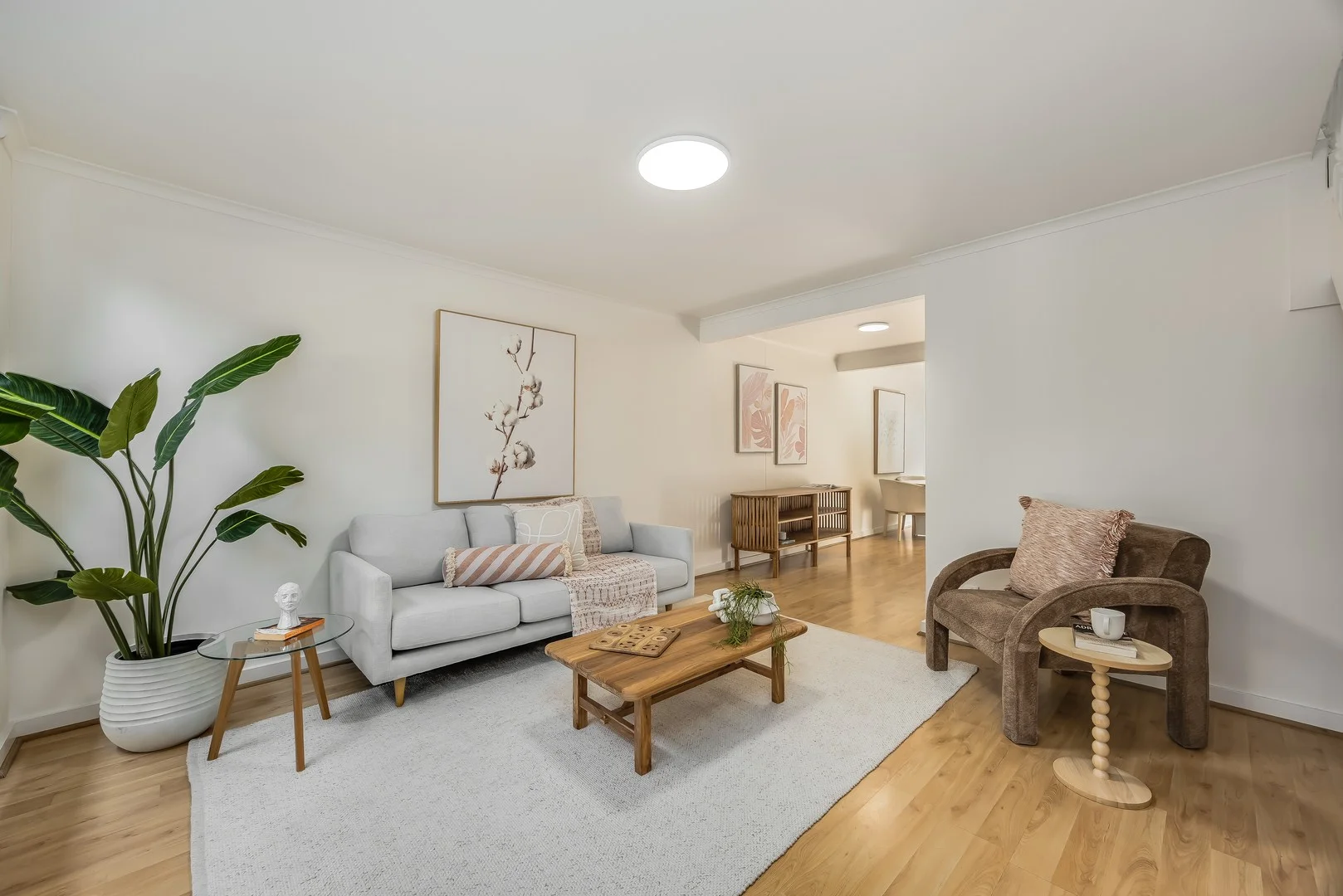 $775,000
House
$775,000
House
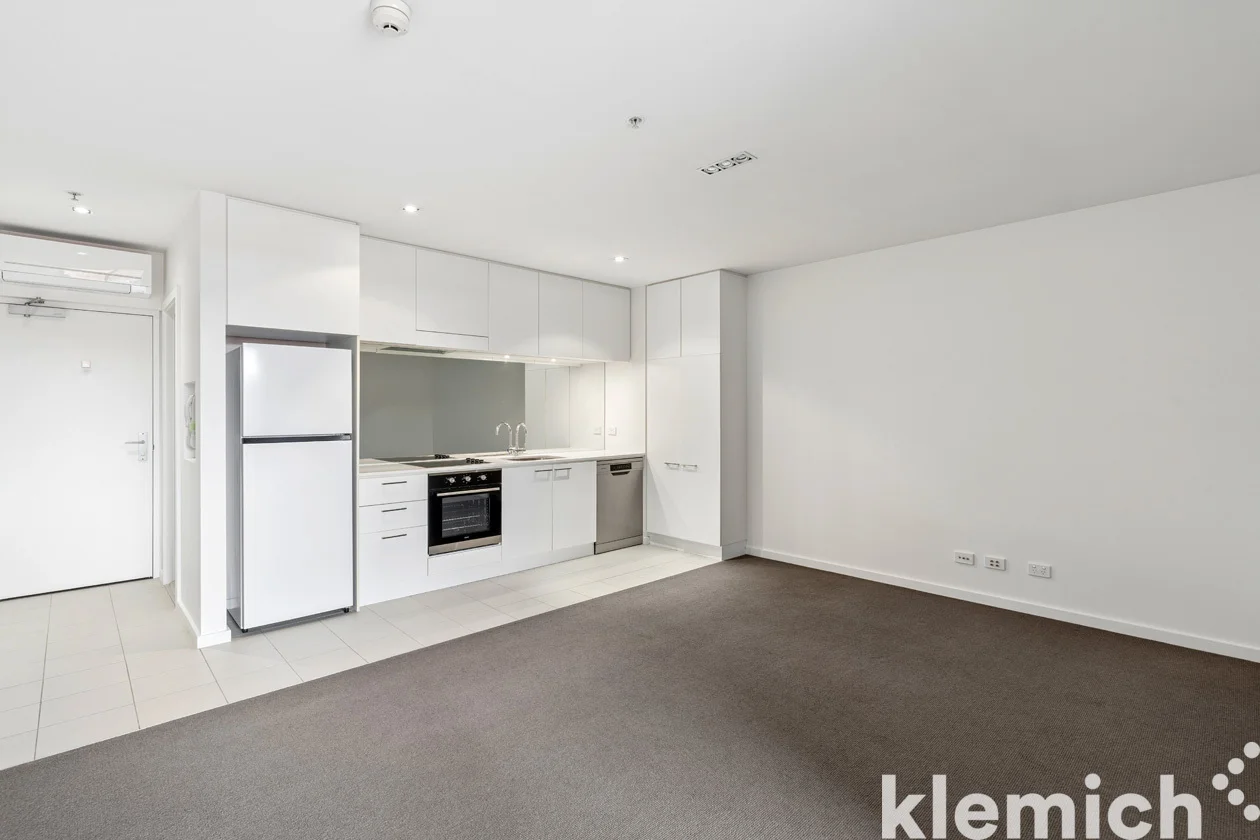 $440,000
Apartment / Unit / Flat
$440,000
Apartment / Unit / Flat
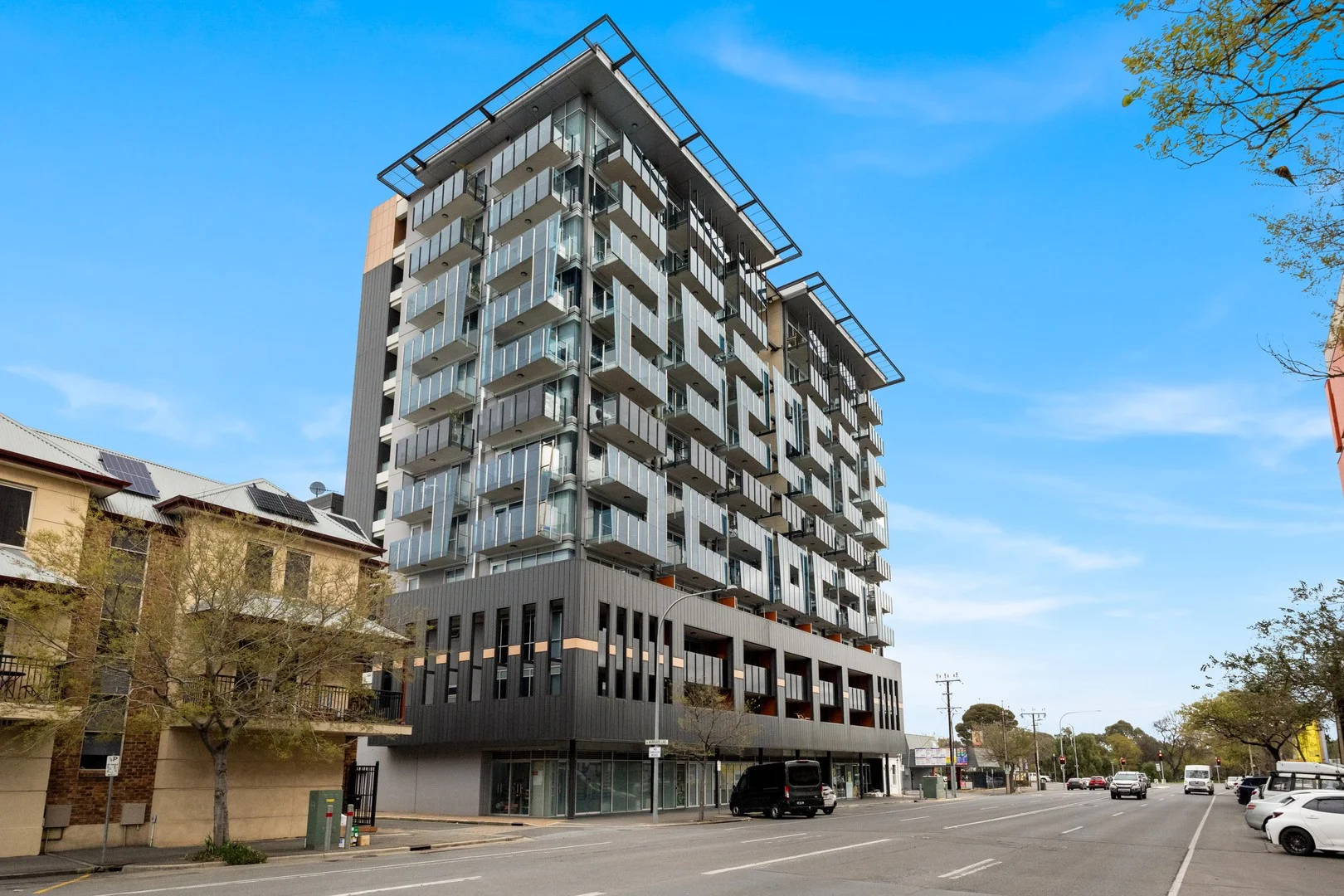 $1,100,000
Apartment / Unit / Flat
$1,100,000
Apartment / Unit / Flat
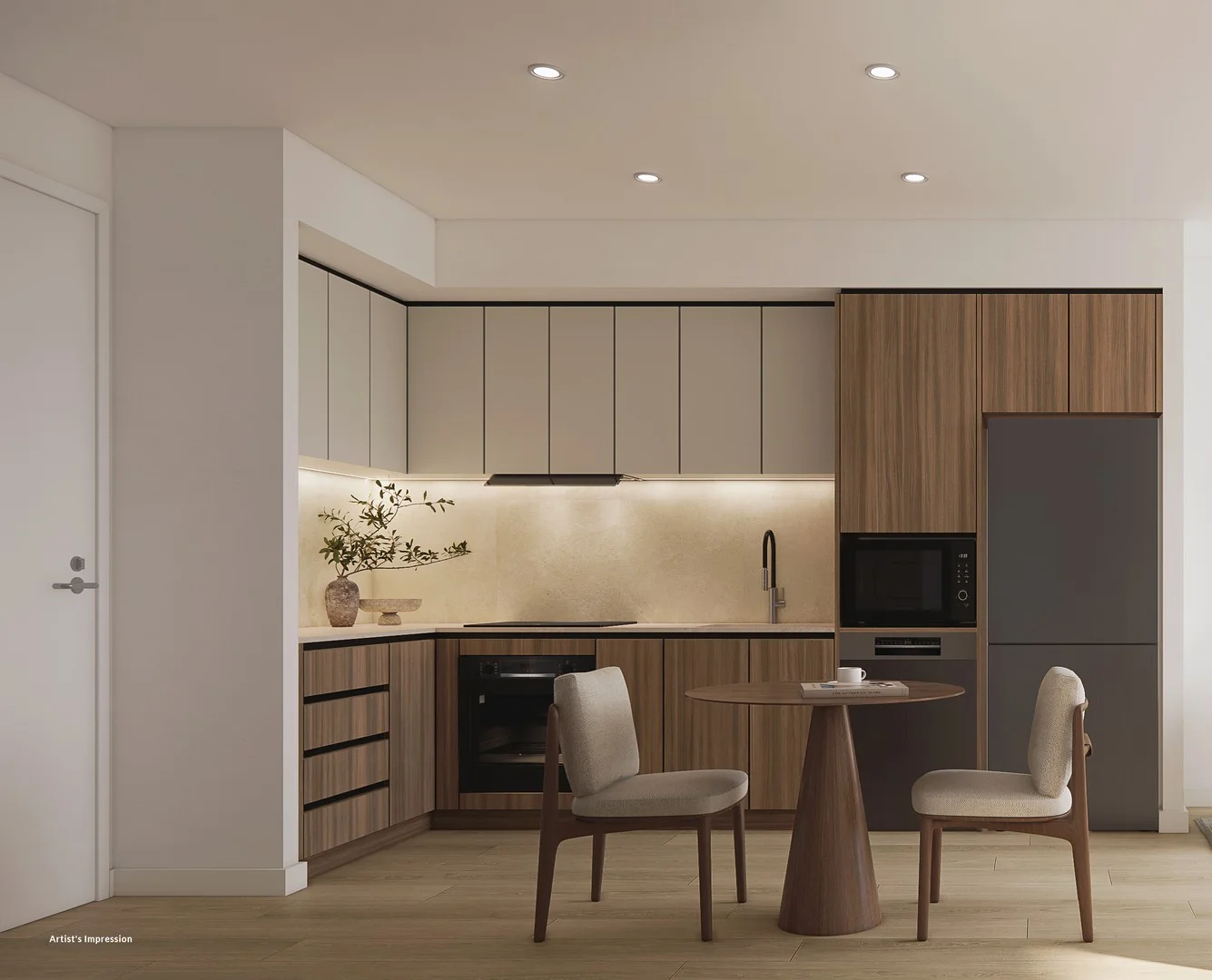 $557,000
Apartment / Unit / Flat
$557,000
Apartment / Unit / Flat
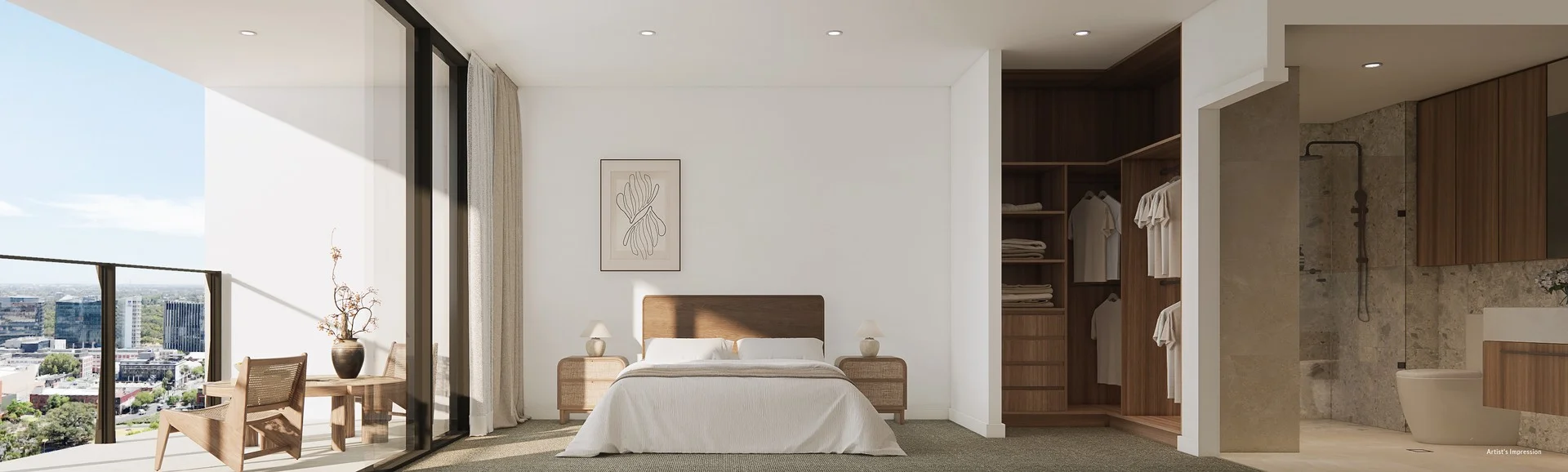 $1,056,000
Apartment / Unit / Flat
$1,056,000
Apartment / Unit / Flat
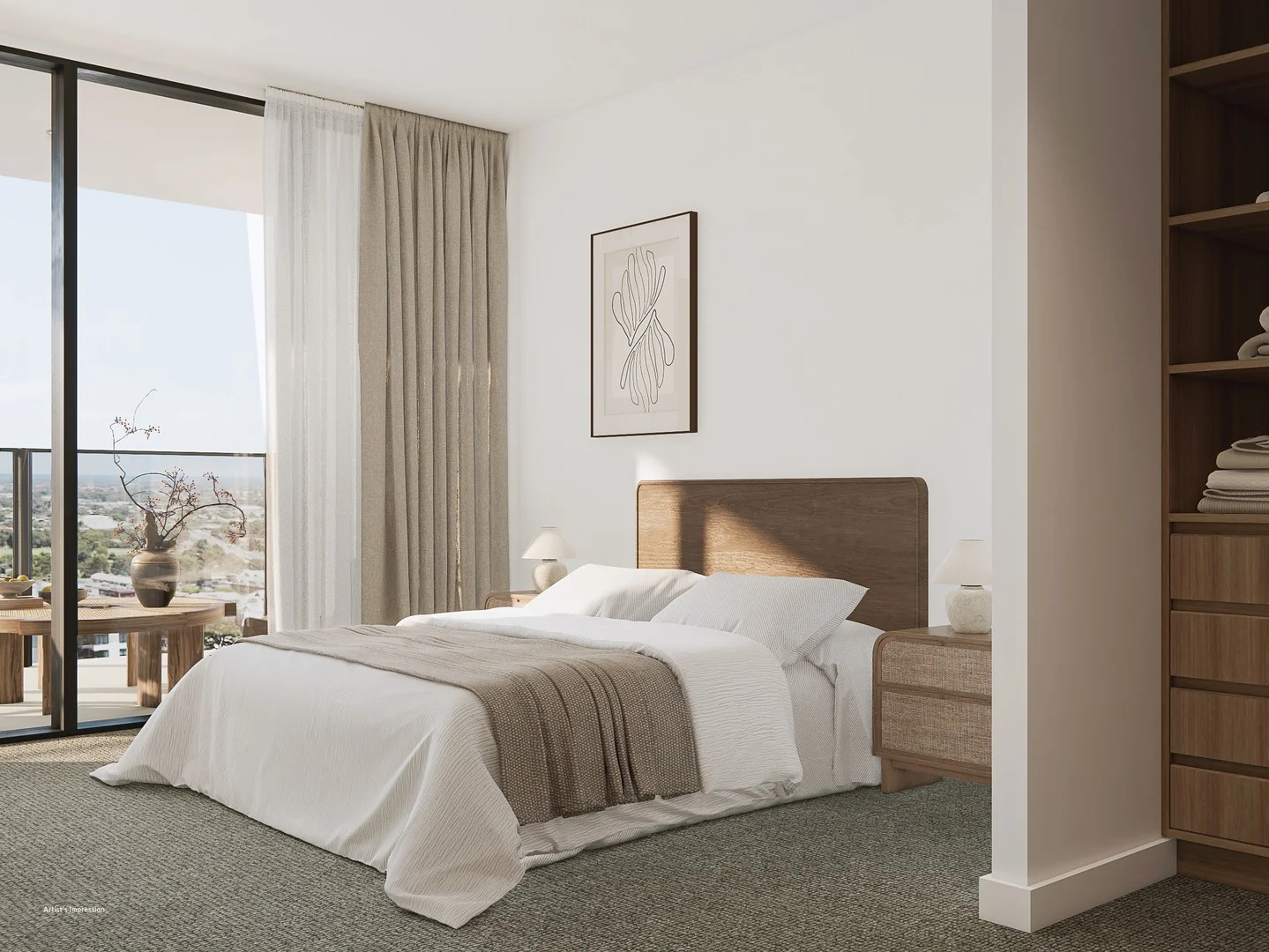 $935,000
Apartment / Unit / Flat
$935,000
Apartment / Unit / Flat
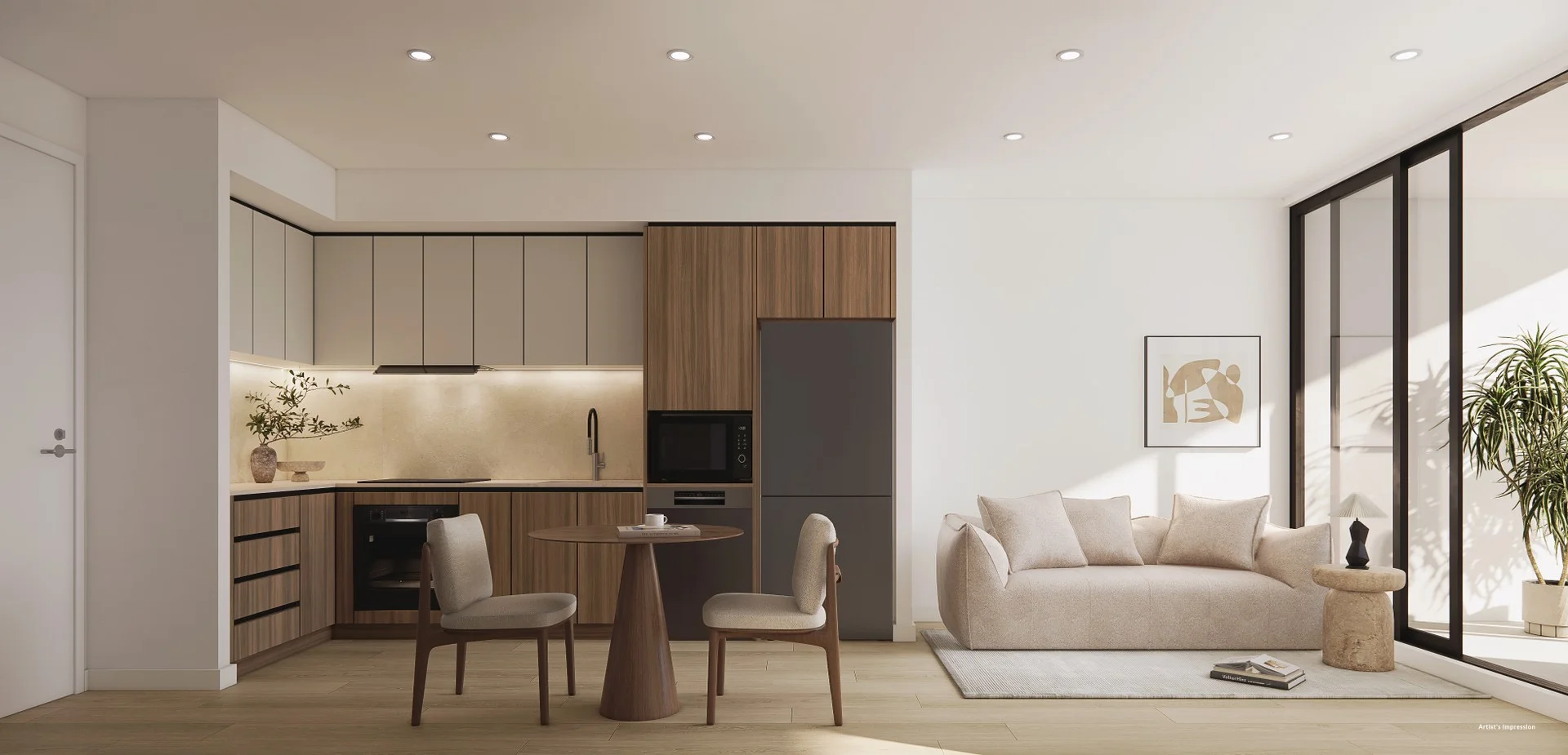 $588,000
Apartment / Unit / Flat
$588,000
Apartment / Unit / Flat
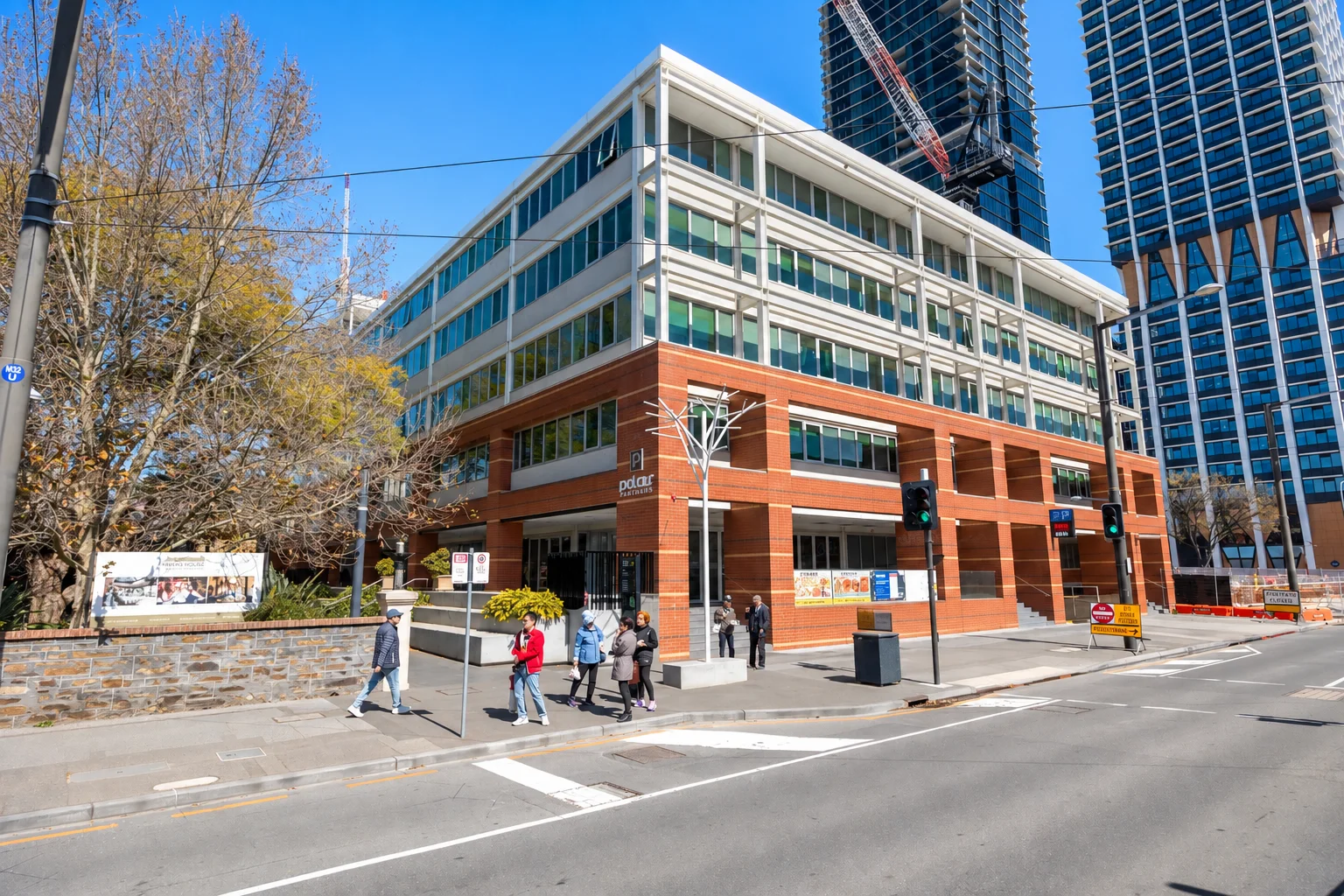 $545,000
Apartment / Unit / Flat
$545,000
Apartment / Unit / Flat