## 1. Overview
Sunrise Christian School - Fullarton is a private, independent Christian school offering co-educational primary and secondary education in Fullarton, SA. The campus focuses on a nurturing, faith-based learning community that supports students to grow academically, socially, and spiritually. With a small-to-medium school size and class sizes designed to enable meaningful teacher-student interaction, the environment is warm, inclusive, and aligned with values of respect, integrity and excellence.
- School type: Private/independent Christian
- School size: Small-to-medium
- Class size: Small-to-medium
- Atmosphere/culture: Nurturing, inclusive, academically focused, faith-informed
---
## 2. Academics & Learning
Sunrise Fullarton provides a robust academic program with emphasis on literacy, numeracy, STEM, and leadership development. The school supports enquiry-based and collaborative learning to build critical thinking and problem-solving skills, with a focus on preparing students for future study and responsible citizenship. There are opportunities for extension and leadership experiences, and a clear pathway to personal and academic growth.
- Academic strengths: English, STEM, leadership, languages
- Special programs: accelerated learning / gifted and talented options; leadership development
- NAPLAN trends: positive year-on-year progress and consistent growth in areas of literacy and numeracy
- Student-teacher ratios: favourable, enabling individual attention
- Support for diverse learners: EAL support and SEN assistance, with targeted interventions and in-class support
---
## 3. Sports & Extracurricular Strengths
A comprehensive range of activities supports both athletics and the arts, helping students develop teamwork, resilience and creativity.
- Sports offered: basketball, netball, soccer, cricket, athletics, swimming
- Strong teams or achievements: participation in regional/local competitions with a track record of competitive teams
- Music, arts, drama programs: performing arts, school choir/band, drama productions
- Clubs: robotics, coding, chess, debating
- Partnerships: connections with local academies and inter-school competitions
---
## 4. Wellbeing & Pastoral Care
Wellbeing is central to student success, with a proactive pastoral care framework that supports healthy social and emotional development.
- Anti-bullying approach: positive behaviour support and a supportive, respectful culture
- House system: active house structures to foster belonging and friendly competition
- Counsellors / wellbeing officers: available to students and families
- Transition support for new students: orientation programs, buddy systems, and tailored transition assistance
---
## 5. Facilities
Facilities are designed to support a broad curriculum and varied student interests while keeping environments safe and engaging.
- Sports grounds
- Libraries
- Science labs
- Music/performing arts centers
- Tech/innovation labs
- Cafeteria
- Updated playgrounds
---
## 6. School Values & Community Culture
The school’s values and community culture shape daily life and long-term development.
- School values / mission: faith-based education focused on character, service, and academic excellence
- Leadership style: student-centred, supportive, and collaborative with adult guidance
- Behaviour expectations: clear codes of conduct emphasizing respect, responsibility, and integrity
- Community reputation: family-friendly, supportive, and values-driven
- Diversity & inclusion: inclusive environment with opportunities for all students to participate and belong
---
## 7. School Logistics & Daily Operations
Practical aspects of school life are designed to be straightforward for families.
- School hours: standard start and finish times aligned with primary and secondary schedules
- Before/after school care: available
- Uniform requirements: uniform policy applicable to all year levels
- Transport: school bus routes and public transport access available
- Canteen availability: canteen offering healthy meals and snacks
- Fees: indicative private-school ranges; detailed breakdown provided in enrolment information
---
## 8. Enrolment & Admissions
Clear steps help families understand how to apply and join the Sunrise Fullarton community.
11. What is the enrolment process and timeline?
- Submit an application and supporting documents, followed by interviews or informal meetings as part of the process. APPLICATIONS are typically reviewed on a rolling basis with intake windows across the year; confirmations are provided as places become available.
12. Is there a waiting list, and how does it work?
- Some year levels may have waitlists when places are filled. Applications can remain on the list, and priority may be given to siblings or returning families depending on current policies.
13. Are there any entry requirements, tests, or interviews?
- Entry may involve discussions with families and students, and may include a review of prior reports or transcripts. Specific assessments or interviews may be used to determine alignment with the program and placement needs.
14. Does the school accept mid-year transfers?
- Mid-year transfers are considered where vacancies exist, with standard transition processes to support continuity of learning.
---
## 9. Frequently Asked Questions
- Why Parents Choose This School?
- A faith-based, values-driven environment with a nurturing community, strong academic emphasis, and focus on wellbeing and character development.
- What type of student thrives at this school?
- Motivated, cooperative, values-based students who engage with both academics and co-curricular activities, and who benefit from a supportive, family-like school culture.
- What opportunities are available for students to extend their skills (academics, sports, arts)?
- Access to extension programs, leadership opportunities, robust sports teams, performing arts, robotics, coding, debating, and other clubs.
- How does the school communicate with parents?
- Through newsletters, emails, parent portals, and regular parent-teacher meetings, with updates on student progress and school activities.
- What is the school’s approach to teaching and learning?
- Student-centred, enquiry-based learning with a strong emphasis on literacy, numeracy, and critical thinking, integrated with Christian values.
- How does the school support students who need extra academic help?
- In-class support, targeted interventions, EAL and SEN assistance, and access to tutoring or mentoring as needed.
- What support is available for academic challenges?
- Earlyidentification of needs, personalised support plans, and interventions designed to help students catch up or extend their learning.
- How does the school communicate with parents? (Repeated)
- See above: newsletters, portals, and regular updates from teachers and leadership.
- What are the class sizes and how much individual attention do students receive?
- Class sizes are small-to-medium, enabling regular teacher feedback and individual attention within a collaborative learning environment.
- What extracurricular and sports opportunities are available?
- A wide range of sports, arts, and clubs including robotics, coding, chess, debating, music programs, and performing arts.
- What facilities does the school offer (sports, science, arts)?
- Modern sports facilities, libraries, science labs, performing arts spaces, technology labs, a canteen, and updated playgrounds.
- What is the school’s approach to technology and digital learning?
- Technology is integrated across the curriculum with appropriate digital learning platforms and resources to enhance learning and collaboration.
- What transport and accessibility options are available?
- Bus routes and access to public transport, with campus accessibility considerations to support all students.
- What are typical school fees or additional costs?
- Fees are for private/independent schooling; a detailed schedule is provided in enrolment materials, along with information on uniform, activities, and other potential costs.
---
## 10. Short Pros & Cons list
- Pros
- Private/independent Christian environment with a values-based approach
- Nurturing, inclusive culture and strong wellbeing support
- Small-to-medium class sizes enabling individual attention
- Wide range of co-curriculars (sports, arts, robotics, debating)
- Modern facilities and dedicated learning spaces
- Clear pathways for student leadership and personal growth
- Cons
- Private schooling involves tuition fees
- Religious context may not align with all families
- Smaller campus may have fewer year-level offerings than larger schools
- Availability of places varies by year level and demand








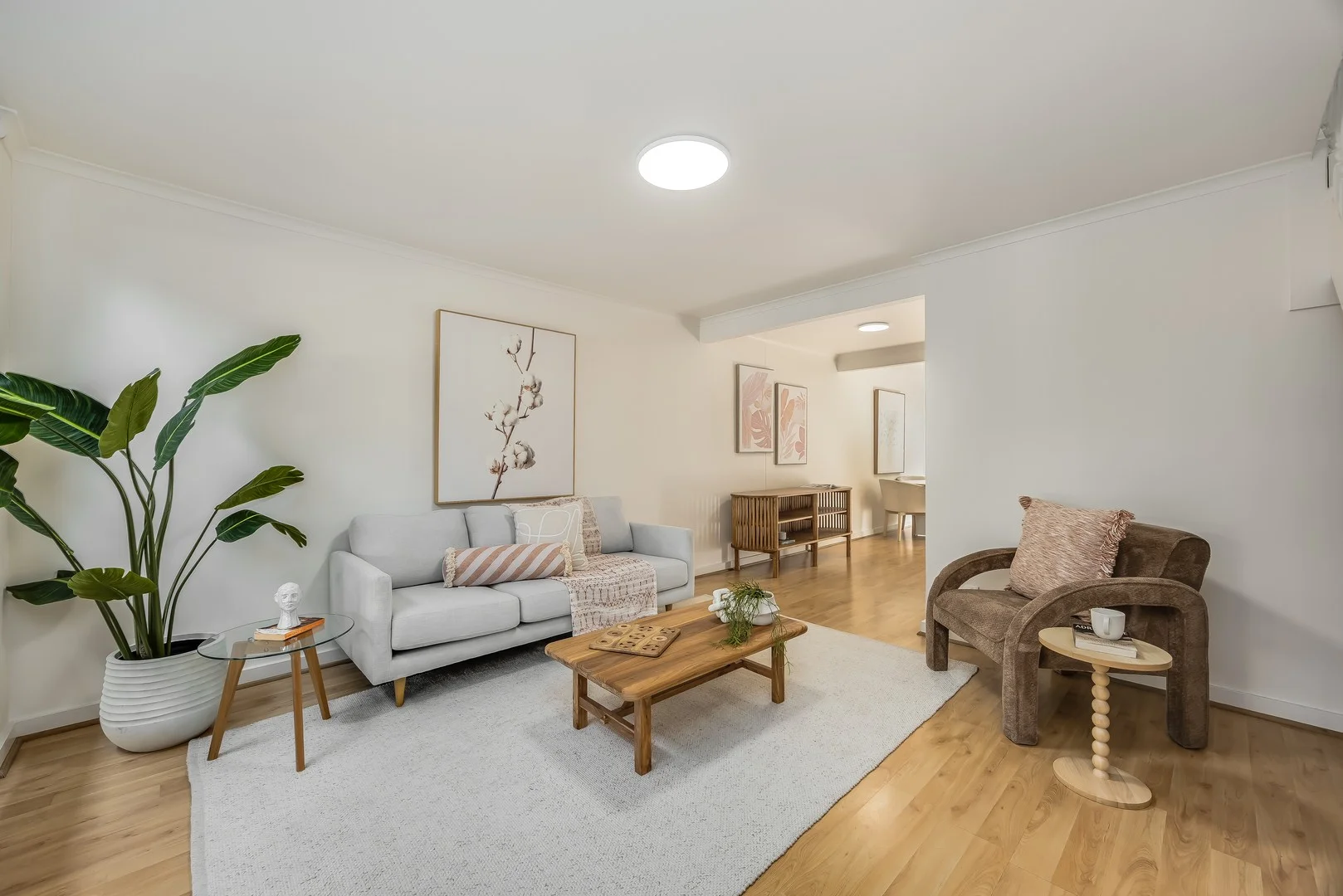 $775,000
House
$775,000
House
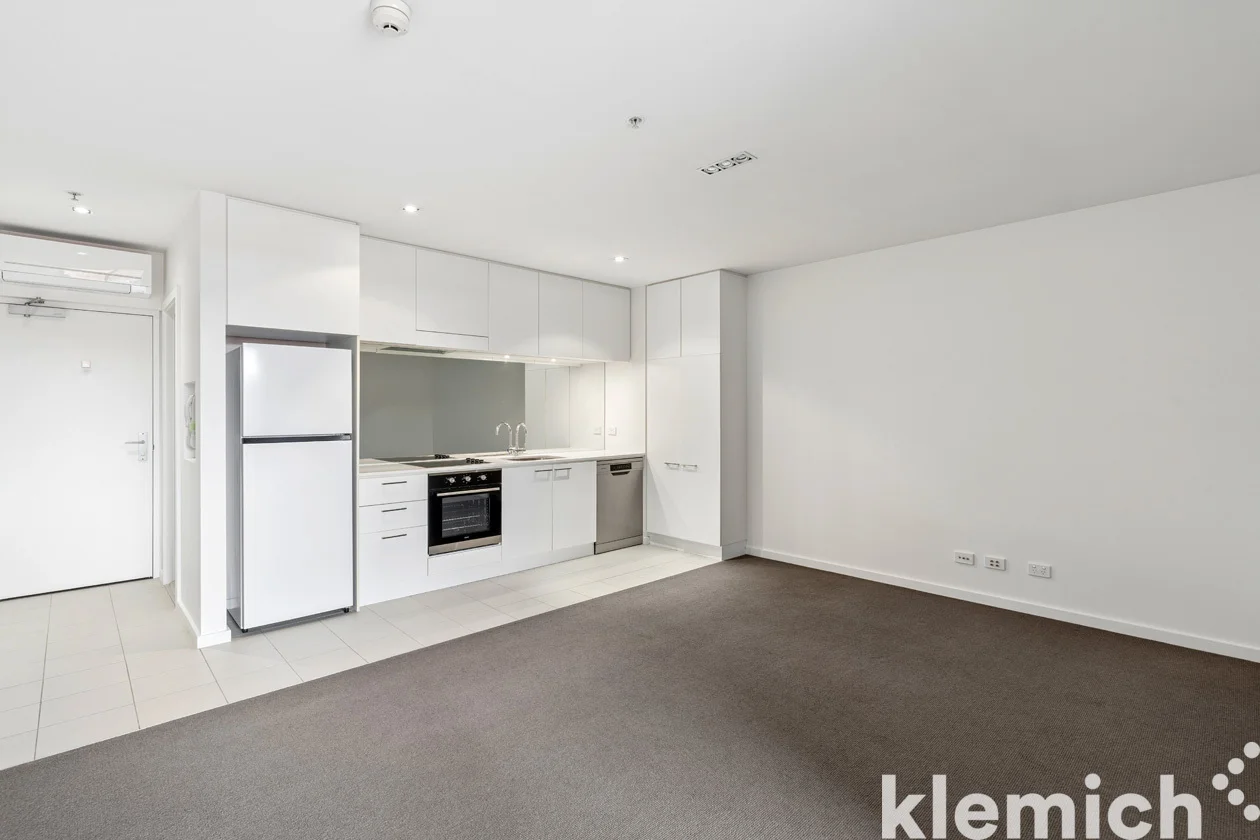 $440,000
Apartment / Unit / Flat
$440,000
Apartment / Unit / Flat
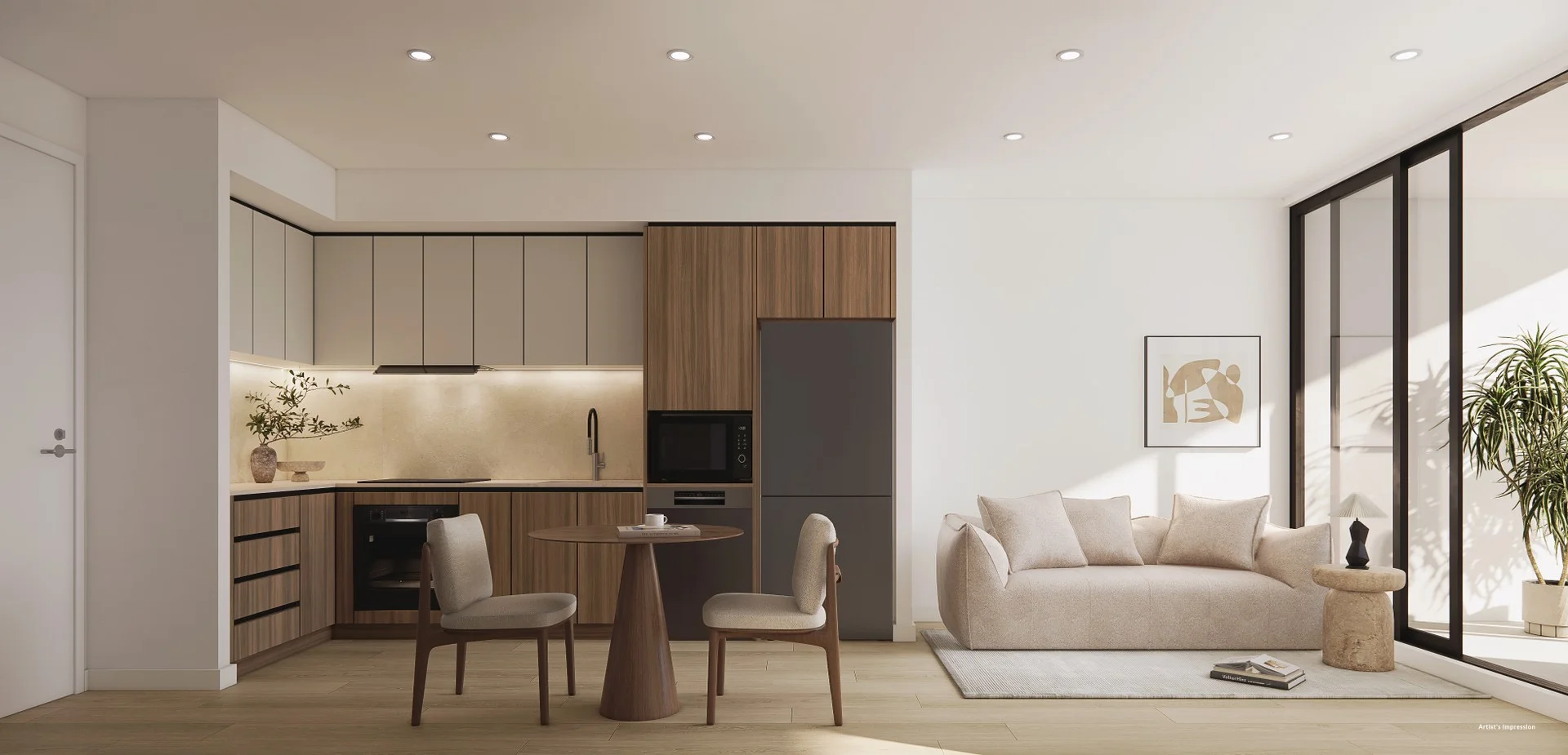
 $545,000
Apartment / Unit / Flat
$545,000
Apartment / Unit / Flat
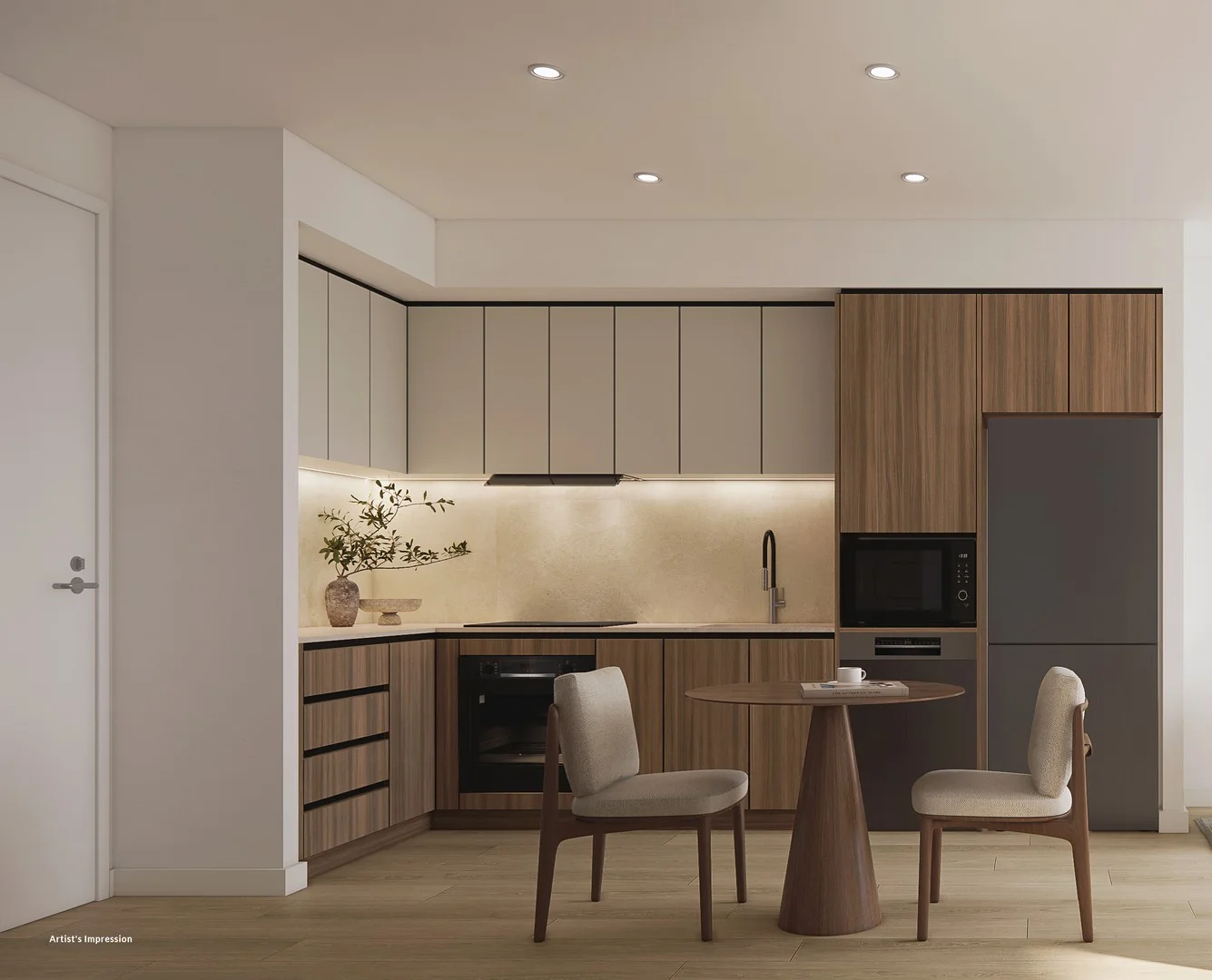
 $588,000
Apartment / Unit / Flat
$588,000
Apartment / Unit / Flat
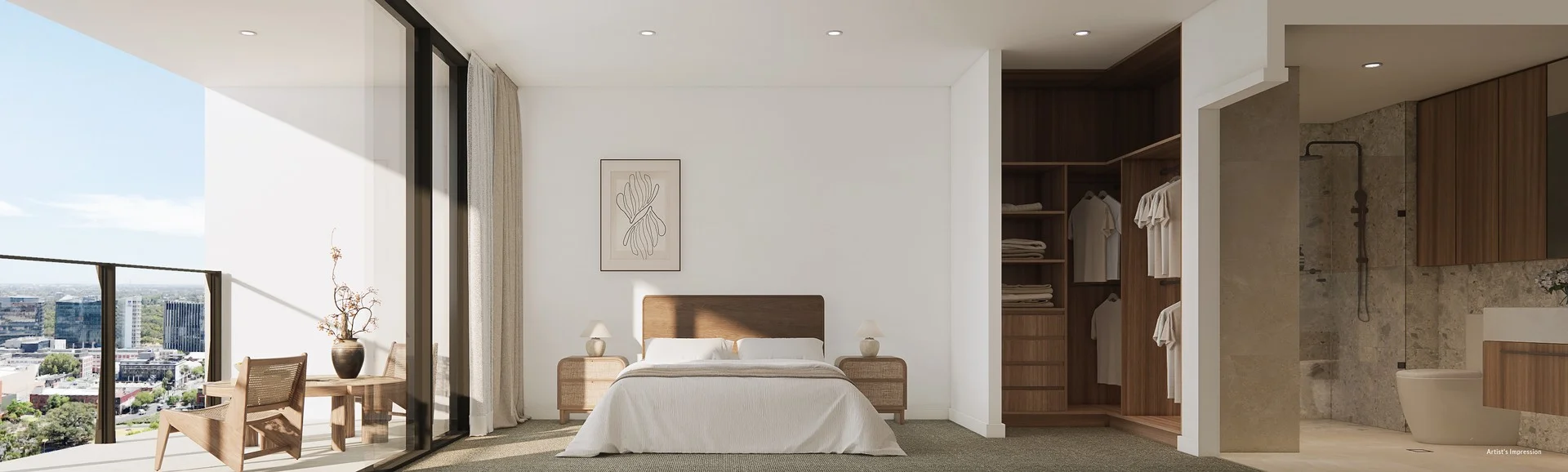
 $557,000
Apartment / Unit / Flat
$557,000
Apartment / Unit / Flat
 $1,056,000
Apartment / Unit / Flat
$1,056,000
Apartment / Unit / Flat
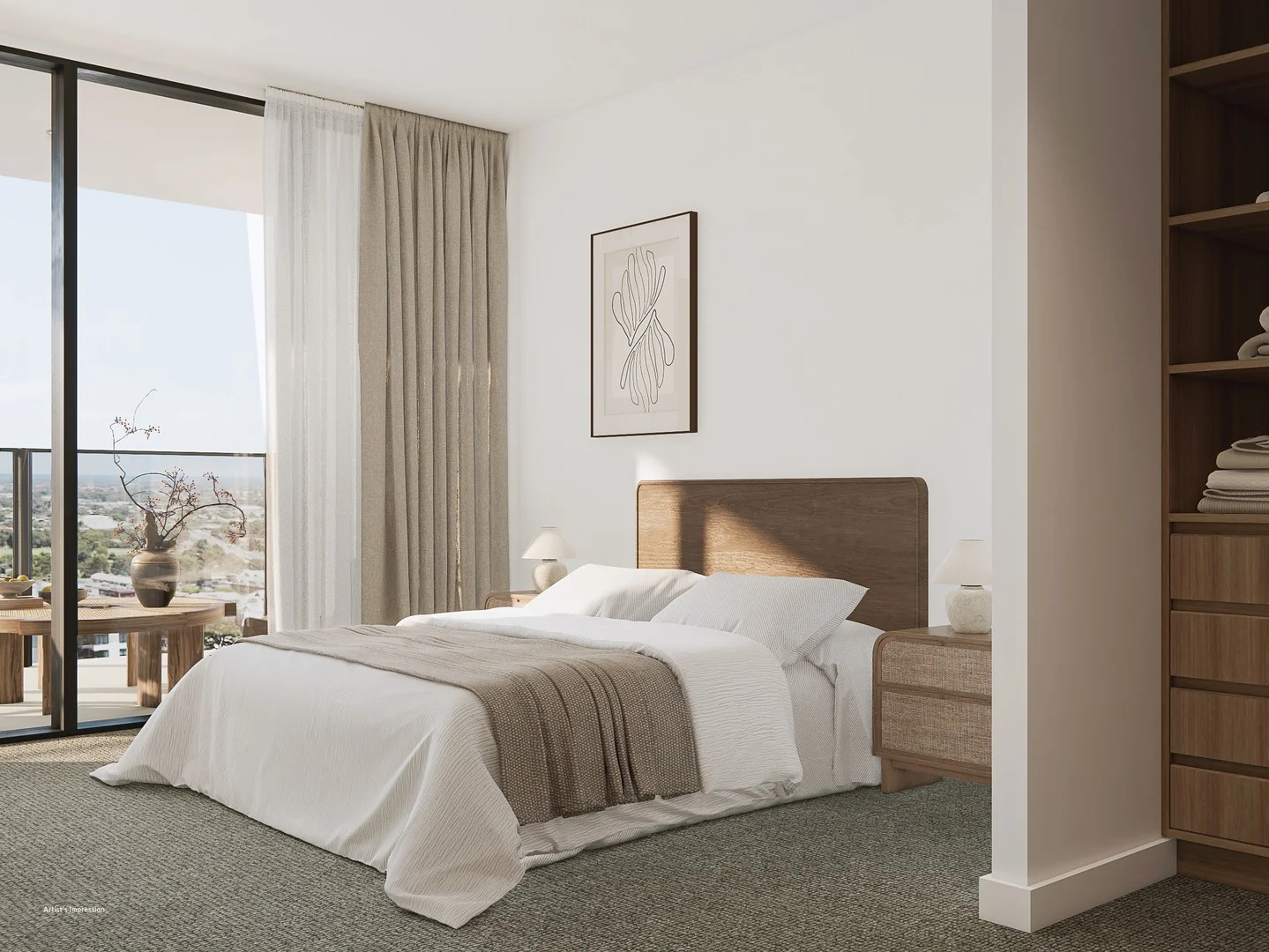 $935,000
Apartment / Unit / Flat
$935,000
Apartment / Unit / Flat
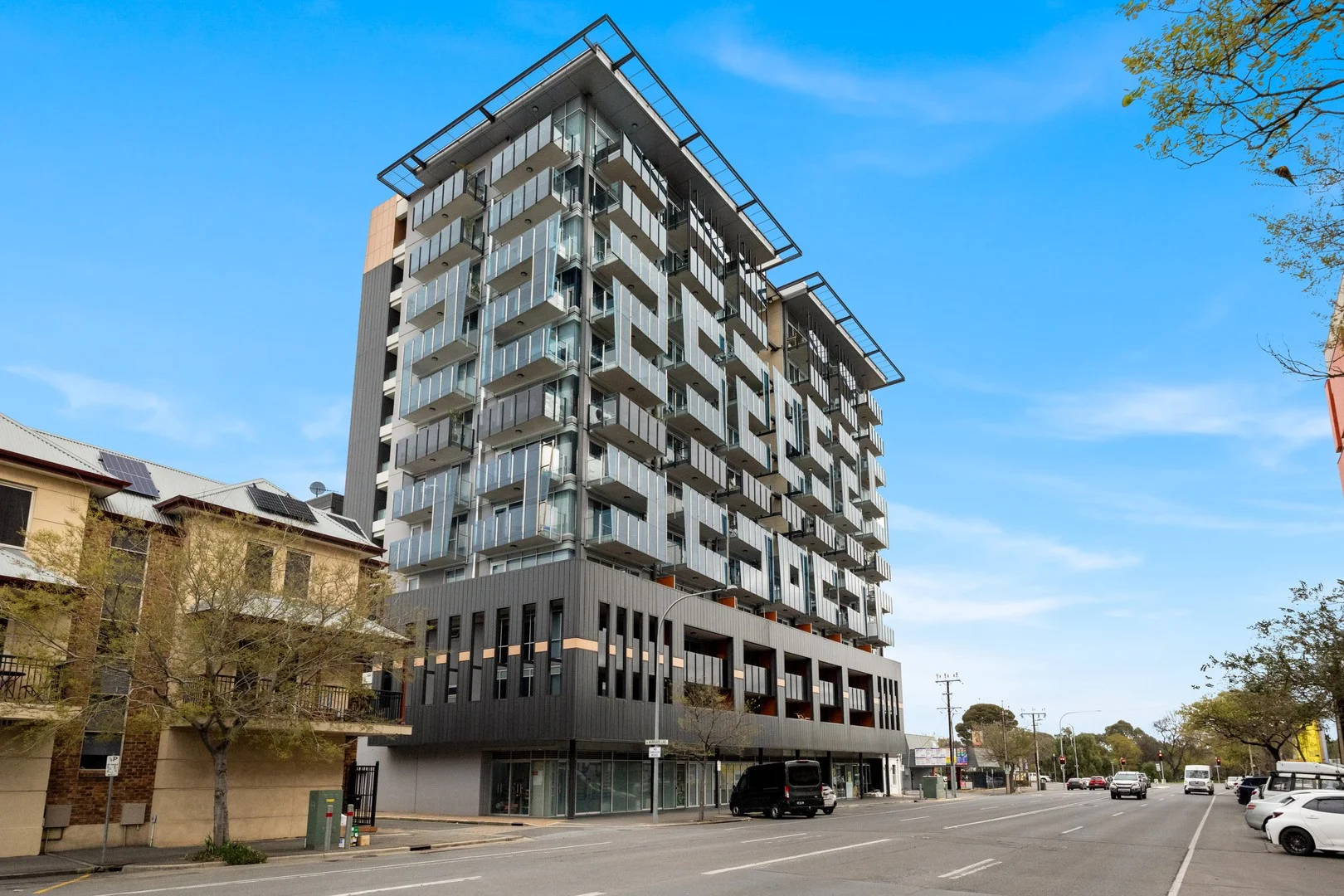 $1,100,000
Apartment / Unit / Flat
$1,100,000
Apartment / Unit / Flat