## 1. Overview
St Raphael's School Parkside is a Catholic primary school designed to provide a faith-informed, values-driven education for boys and girls in South Australia. As a Catholic, co-educational community, the school emphasises respect, service, and personal growth within a nurturing environment.
The school size is best described as small to medium, with class cohorts that typically sit around 20–25 students. This fosters close teacher–student relationships and a warm, inclusive atmosphere that supports both academic and personal development.
## 2. Academics & Learning
- Academic strengths: Strong emphasis on literacy and numeracy, with opportunities to develop STEM skills, leadership, and language learning. The school also integrates faith-informed perspectives across learning.
- Special programs: Gifted and Talented opportunities, accelerated learning options where appropriate, and digital literacy initiatives to prepare students for a changing world.
- NAPLAN / trends: In line with SA Catholic primary schools, the school focuses on steady year-to-year improvement in key areas such as reading, writing, and numeracy, with data used to guide targeted support.
- Student-teacher ratios: Class sizes and teacher contact time are designed to support explicit instruction and individual attention; typical ratios fall in the mid-teens to low-20s per class.
- Support for diverse learners: Dedicated support for EAL/D learners and students with additional learning needs, including targeted intervention programs and collaboration with specialist staff where available.
## 3. Sports & Extracurricular Strengths
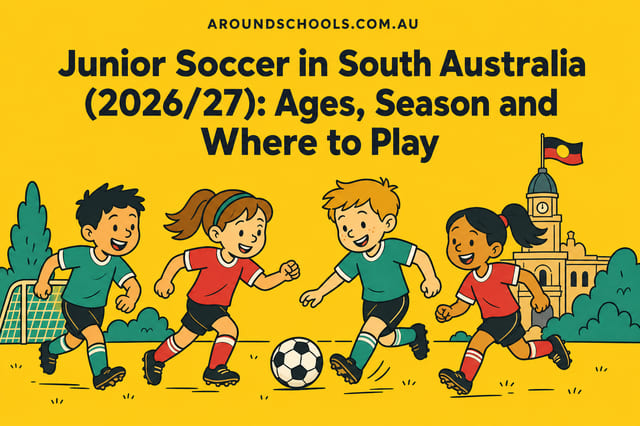
- Sports offered: Soccer, netball, basketball, cricket, athletics, and cross-country, with opportunities to participate in inter-school and local competitions.
- Strong teams or achievements: Regular participation in inter-school sport with a focus on teamwork, skill development, and fair play; achievements vary by year and cohort.
- Music, arts, drama programs: Music education, choir or vocal activities, and opportunities to participate in drama and school productions.
- Clubs: Robotics, coding, chess, debating, and other STEM or humanities clubs to extend learning beyond the classroom.
- Partnerships: Connection to local clubs and community programs for competitions and enrichment activities.
## 4. Wellbeing & Pastoral Care
- Anti-bullying approach: Clear anti-bullying policies and programs that promote respectful relationships, with ongoing education and student involvement.
- House system: House groups are used to foster belonging, leadership, and friendly competition while supporting pastoral care.
- Counsellors / wellbeing officers: Access to wellbeing staff or school counsellors to support emotional and social development.
- Transition support for new students: Buddy systems, orientation activities, and targeted transition support to help students settle in.
## 5. Facilities
- Sports grounds: Outdoor spaces suitable for physical education and competitive sport.
- Libraries: A functional library supporting reading for pleasure and research skills.
- Science labs: Dedicated spaces for hands-on science learning and experiments.
- Music/performing arts centers: Facilities for music, drama, and PE-related performances.
- Tech/innovation labs: Access to digital learning tools and basic technology spaces.
- Cafeteria: On-site canteen or cafeteria services to support daily nutrition needs.
- Updated playgrounds: Well-maintained outdoor play spaces for recreation and gross motor development.
## 6. School Values & Community Culture
- School values / mission: A faith-centered mission focusing on compassion, respect, integrity, service, and responsibility.
- Leadership style: Collaborative and inclusive leadership that involves staff, students, and families in key decisions.
- Behaviour expectations: Clear norms around respect, responsibility, and positive conduct; emphasis on restorative approaches when needed.
- Community reputation: A welcoming and supportive school community known for its inclusive culture.
- Diversity & inclusion: Commitment to creating an accepting environment that respects individual differences and fosters belonging.
## 7. School Logistics & Daily Operations
- School hours: Typical school day runs during standard primary school hours with dedicated breaks.
- Before/after school care: Availability of before and after school care or supervision (OSHC) options may be offered.
- Uniform requirements: School uniform is expected; guidelines cover daily wear and any sport or formal uniform pieces.
- Transport (train/bus routes): Transport options are available via local bus services or other arrangements; check local routes and parking provisions.
- Canteen availability: Canteen or lunch facilities provide everyday meal options and snacks.
- Fees (low/medium/high ranges): Fees are in the typical range for SA Catholic primary schools; families are advised to consult the school’s current fee schedule for exact amounts.
## 8. Enrolment & Admissions
11. What is the enrolment process and timeline?
- Begin with an expression of interest or registration form, followed by submission of required documents (birth certificate, immunisation records, baptismal certificate if applicable).
- The school will typically request a parent interview or information session; timelines vary by intake year and space availability.
- Offers are issued according to the school’s enrolment priorities and calendar, with processing times outlined at the time of application.
12. Is there a waiting list, and how does it work?
- Some year levels may have a waiting list depending on capacity. Applications are typically placed in order of receipt and priority considerations (such as siblings or parish affiliations) may apply.
13. Are there any entry requirements, tests, or interviews?
- Most entries involve an interview or information session and may include informal assessments or conversation about the student’s learning needs and background. There is generally no formal entrance exam for primary-level enrolment.
14. Does the school accept mid-year transfers?
- Mid-year transfers are considered if there is space. Families seeking a mid-year transition should contact the school’s enrolment office promptly to discuss availability and required documentation.
## 9. Frequently Asked Questions
- Why Parents Choose This School?
- A faith-based, values-driven environment with supportive staff, small class sizes, and a focus on holistic development.
- What type of student thrives at this school?
- Students who benefit from a nurturing, inclusive community, strong literacy and numeracy foundations, and participation in a range of sports and arts.
- What opportunities are available for students to extend their skills (academics, sports, arts)?
- Enrichment in STEM, language learning, music and drama, leadership roles, and a variety of clubs ( robotics, coding, chess, debating).
- How does the school communicate with parents?
- Regular updates through newsletters, notes, school app or portal, parent-teacher meetings, and explicit channels for feedback.
- What is the school’s approach to teaching and learning?
- Explicit instruction in core subjects, differentiation to meet diverse needs, and integration of faith-based values within learning.
- How does the school support students who need extra academic help?
- Targeted intervention, learning support staff, and collaboration with teachers to tailor assistance.
- What support is available for academic challenges?
- Access to learning support, additional tutoring options, and monitoring through progress checks.
- How does the school communicate with parents? (duplicate)
- See above: regular updates, meetings, and parent portals.
- What are the class sizes and how much individual attention do students receive?
- Class sizes are typically around 20–25 students; teachers provide targeted instruction and frequent formative feedback to support individual learning.
- What extracurricular and sports opportunities are available?
- A range of sports (soccer, netball, basketball, cricket, athletics), plus clubs (robotics, coding, chess, debating), and arts programs.
- What facilities does the school offer (sports, science, arts)?
- Sports grounds, libraries, science labs, music/drama facilities, tech/innovation spaces, a canteen, and updated playgrounds.
- What is the school’s approach to technology and digital learning?
- Aimed at developing digital literacy, with access to devices and integrated learning tools to support curriculum goals.
- What transport and accessibility options are available?
- Local bus routes and practical parking/access options; families should verify current transport details with the school.
- What are the typical school fees or additional costs?
- Fees align with SA Catholic primary averages; exact figures are provided by the school’s enrolment office and website.
## 10. Short Pros & Cons list
- Pros
- Strong sense of community and faith-based values
- Small to medium class sizes enabling individual attention
- Broad curriculum with emphasis on literacy, numeracy, arts, and sport
- Inclusive environment with support for diverse learners
- Range of clubs and enrichment opportunities
- Cons
- May have fewer specialist programs than larger schools
- Language offerings could be limited compared to urban regional options
- Transport options depend on local routes and may require planning for families
- Availability of mid-year intake is contingent on space and enrolment timing









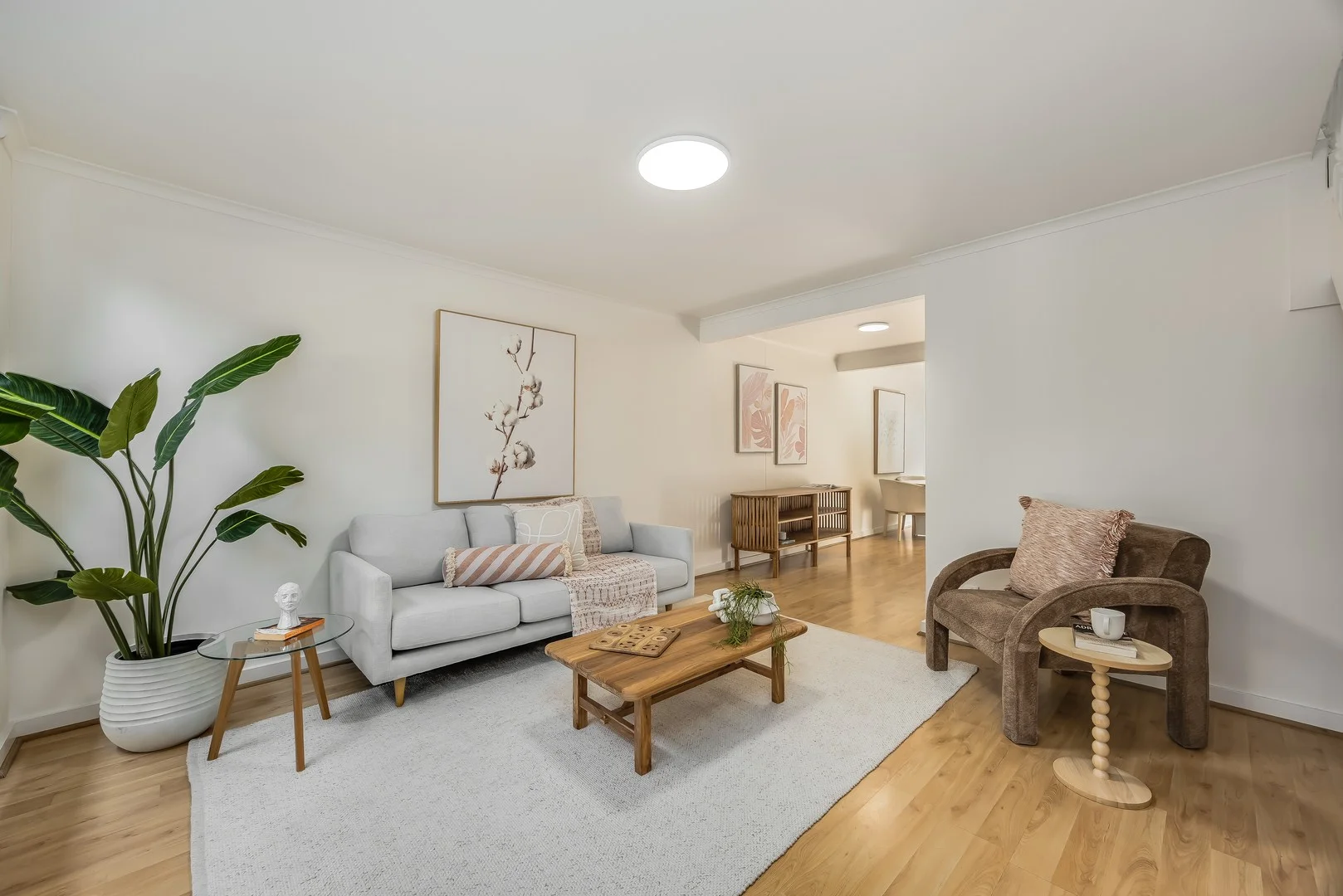 $775,000
House
$775,000
House
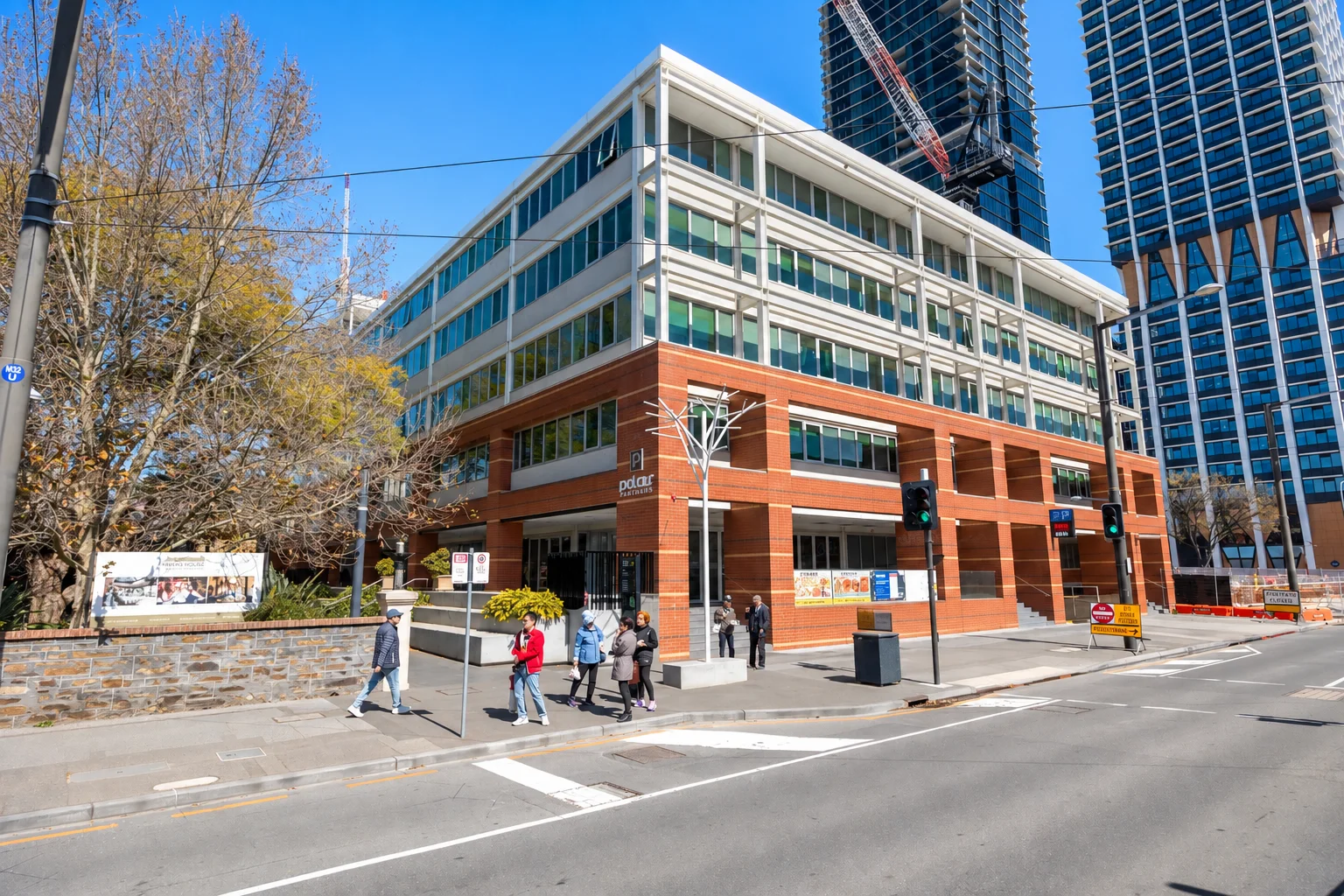 $545,000
Apartment / Unit / Flat
$545,000
Apartment / Unit / Flat
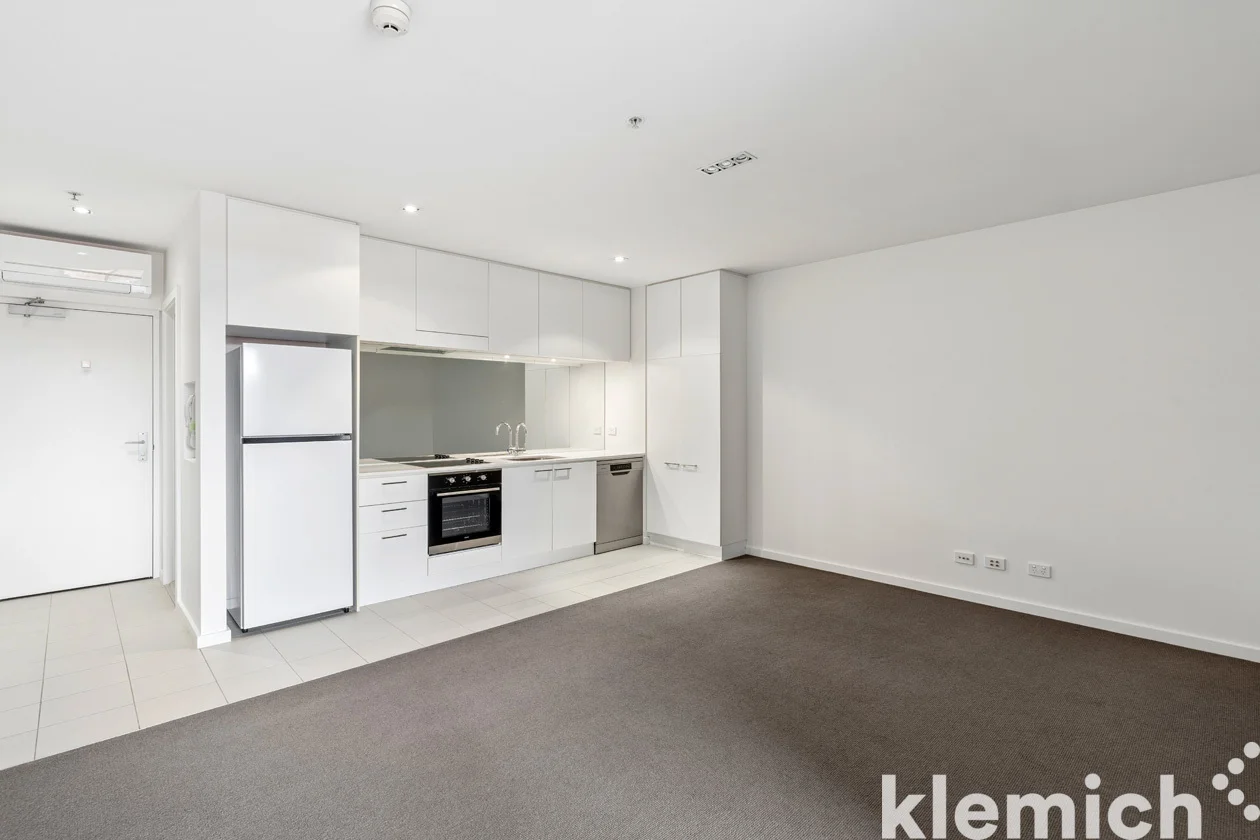 $440,000
Apartment / Unit / Flat
$440,000
Apartment / Unit / Flat
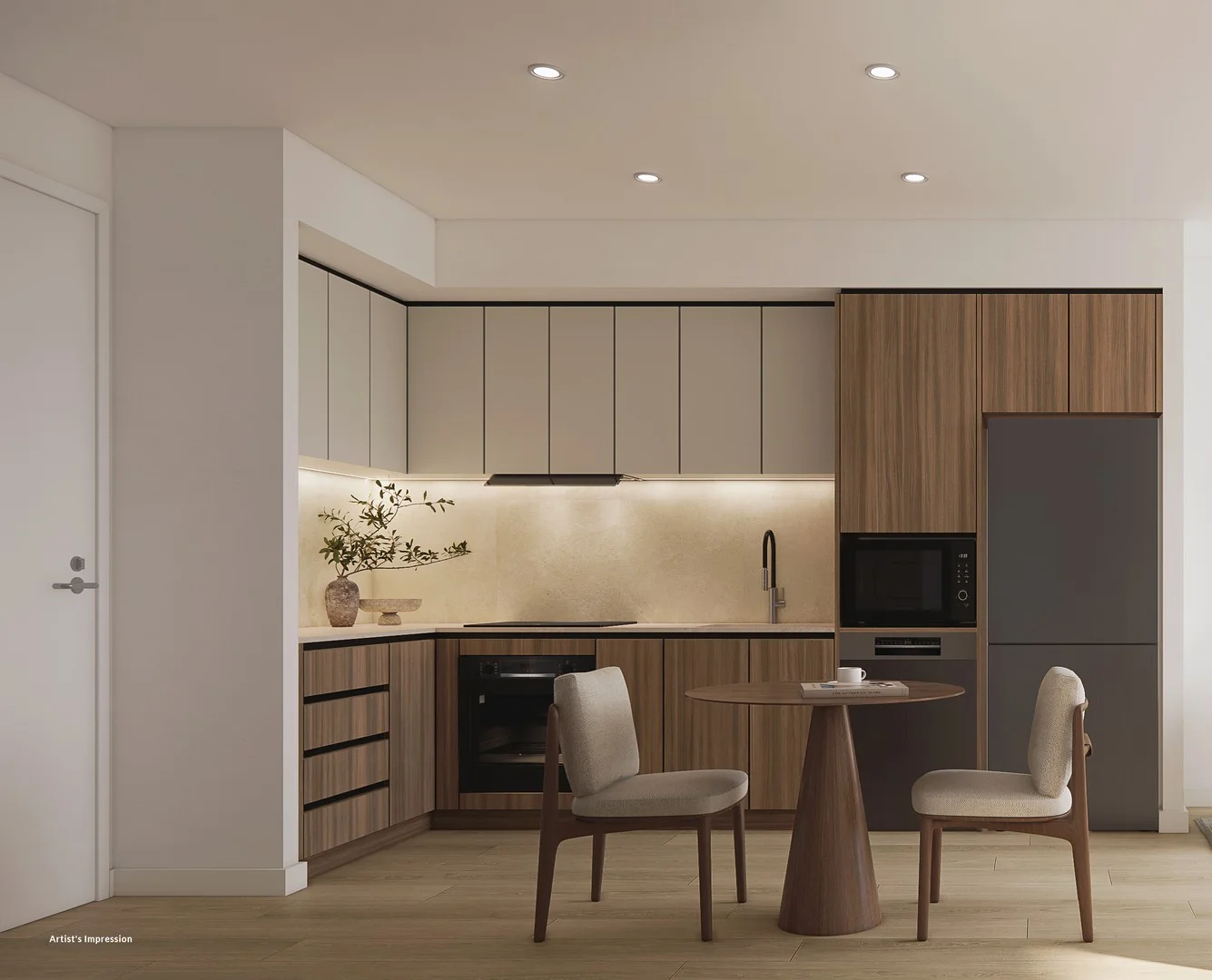 $557,000
Apartment / Unit / Flat
$557,000
Apartment / Unit / Flat
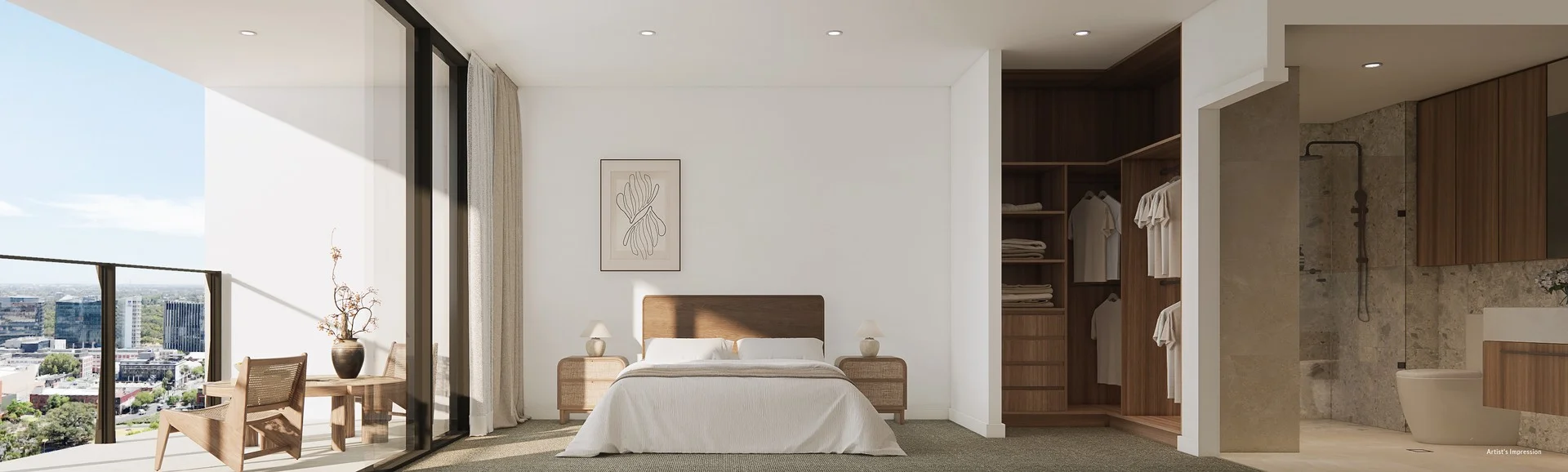 $1,056,000
Apartment / Unit / Flat
$1,056,000
Apartment / Unit / Flat
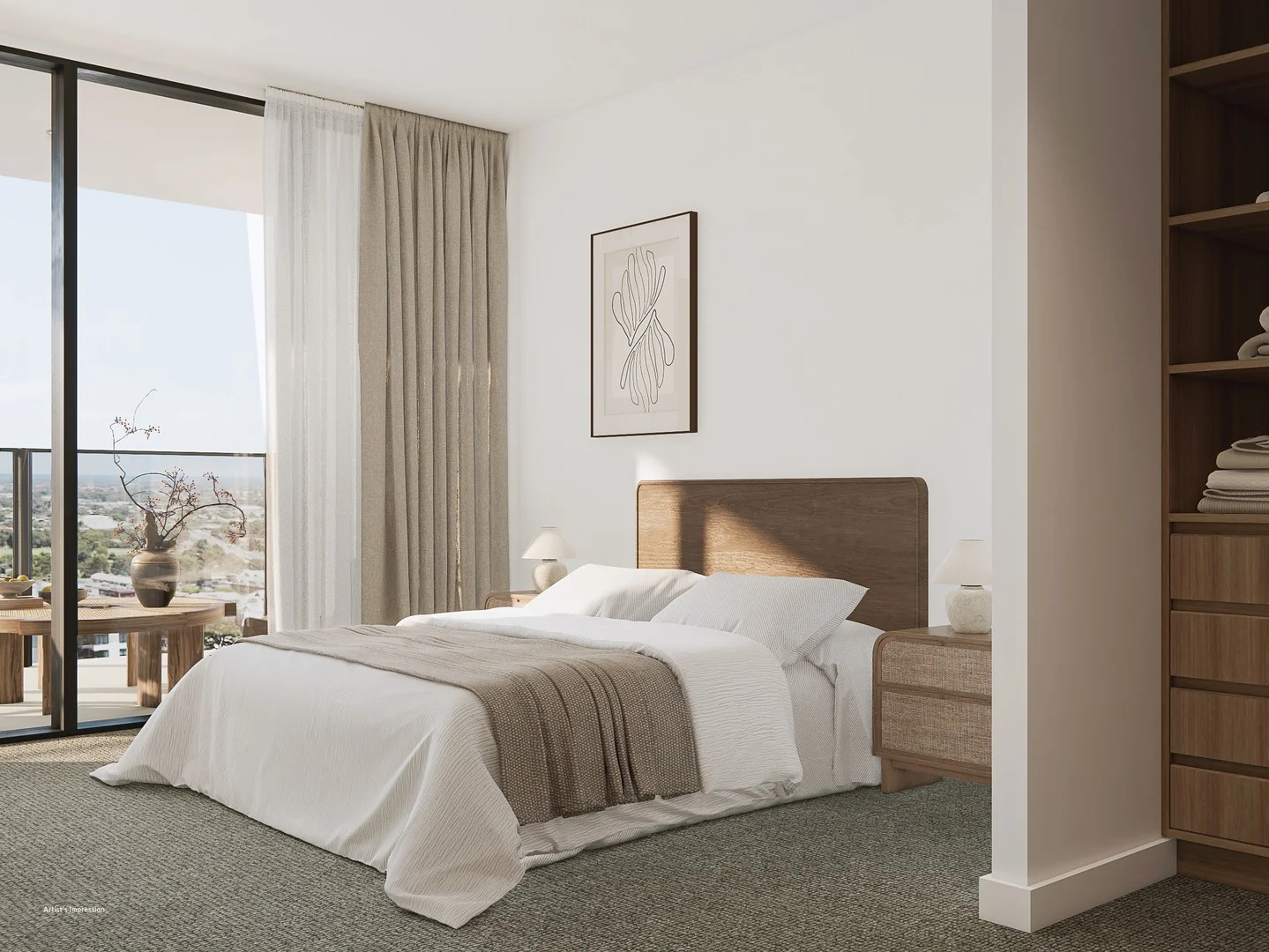 $935,000
Apartment / Unit / Flat
$935,000
Apartment / Unit / Flat
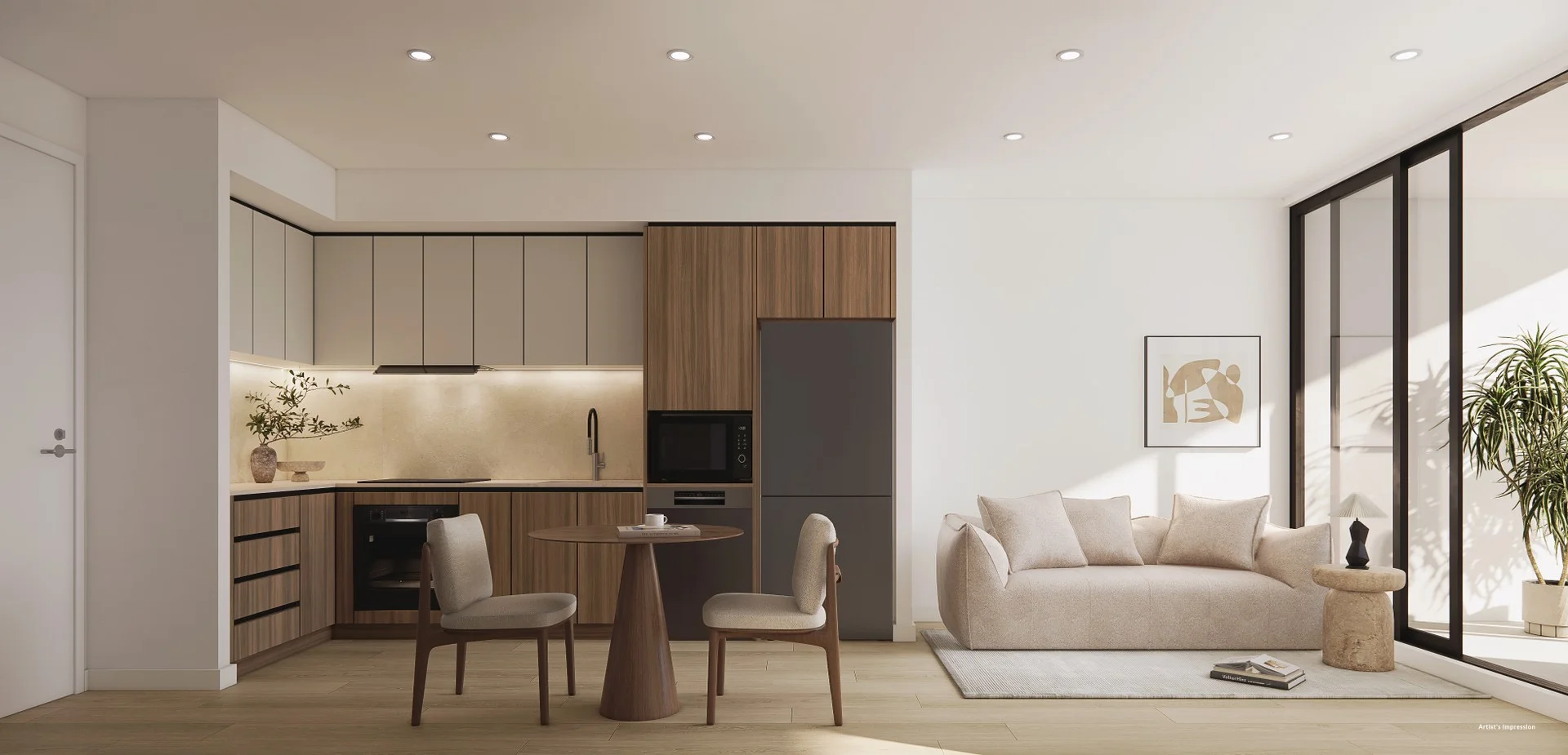 $588,000
Apartment / Unit / Flat
$588,000
Apartment / Unit / Flat
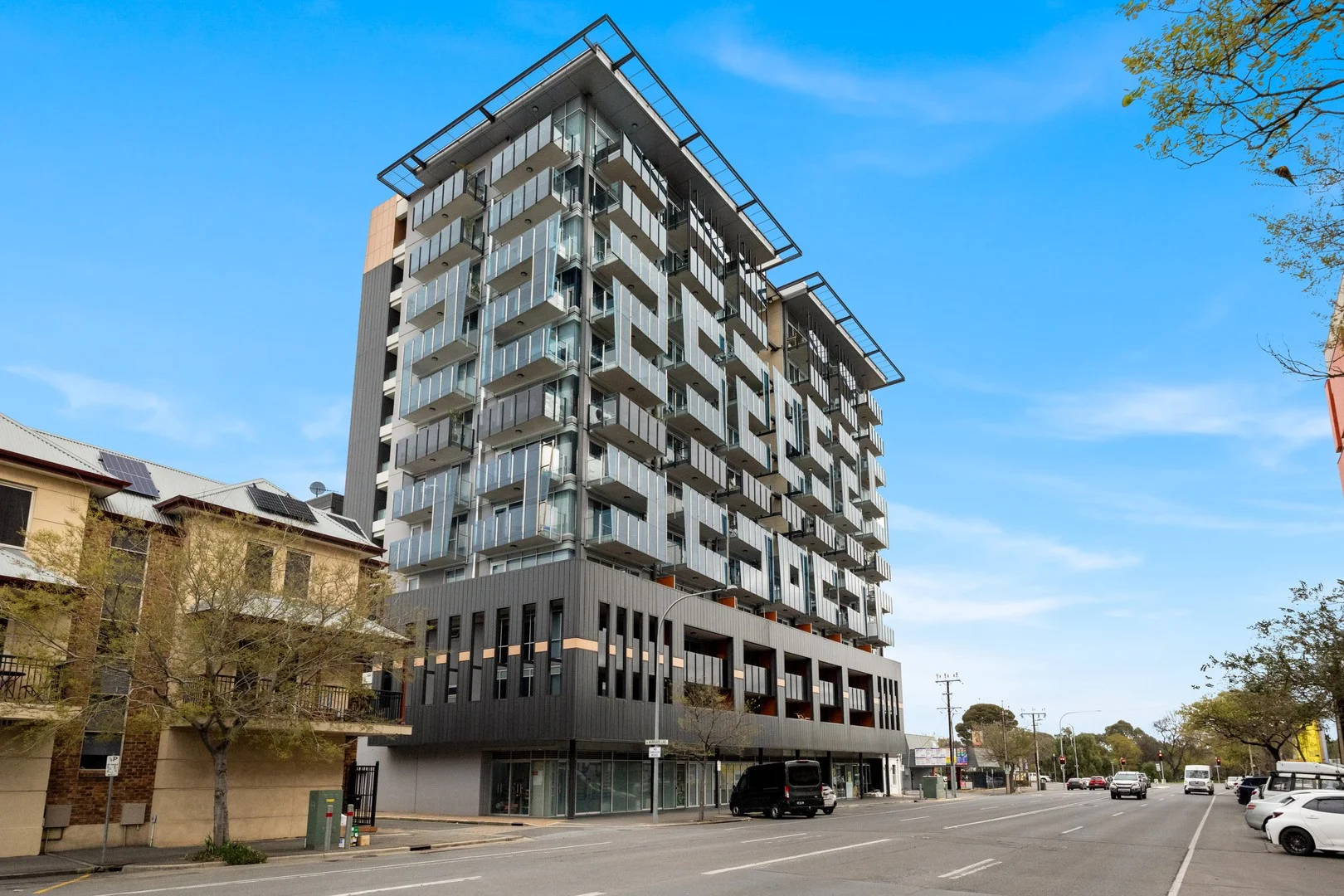 $1,100,000
Apartment / Unit / Flat
$1,100,000
Apartment / Unit / Flat