## 1. Overview
Scotch College Adelaide is an independent private school located on its historic Torrens Park campus in Adelaide. The school is known for delivering a rigorous education within a supportive, close‑knit environment and offers a broad range of academic and co‑curricular opportunities to students.
With a medium-to-large school community, class sizes typically sit in the low‑to‑mid 20s, providing a balance between individual attention and peer collaboration. The atmosphere blends academic ambition with a respectful, inclusive culture and a strong emphasis on character, sport, and the arts, helping students develop well‑rounded foundations for their next steps.
⸻
## 2. Academics & Learning
- Academic strengths: Strong emphasis on STEM, English and languages, with a focus on intellectual curiosity, critical thinking and leadership development.
- Special programs: Accelerated learning and gifted/talented pathways are offered to eligible students to extend challenge and engagement.
- NAPLAN / trends: Historical trends show consistent performance with year‑to‑year improvement and steady attainment relative to state benchmarks.
- Student-teacher ratios: Generally focused on small to medium class sizes, supporting more frequent teacher access and individual guidance (roughly in the low teens to low twenties per class depending on year level).
- Support for diverse learners: EAL and SEN support are available to assist students with varied learning needs and backgrounds.
⸻
## 3. Sports & Extracurricular Strengths
- Sports offered: A broad program typically includes athletics, cricket, football (soccer), rowing, rugby, tennis, swimming and other team and individual sports.
- Strong teams or achievements: The school maintains competitive teams across key sports with regular representation in interschool competitions.
- Music, arts, drama programs: Robust performing arts scene with ensembles, choirs, school productions and opportunities for collaboration across arts disciplines.
- Clubs: Robotics, chess, coding, debating and other interest‑based clubs are available to extend learning beyond the classroom.
- Partnerships: Active engagement with local clubs, academies and interschool competitions to broaden experience and exposure.
⸻
## 4. Wellbeing & Pastoral Care
- Anti-bullying approach: Proactive programs and clear policies guide a respectful, inclusive campus culture.
- House system: A house framework supports belonging, healthy competition and pastoral connections across year groups.
- Counsellors / wellbeing officers: Access to dedicated wellbeing staff and counselling to support academic and personal development.
- Transition support for new students: Orientation and transition programs help new students settle in smoothly and form connections quickly.
⸻
## 5. Facilities
- Sports grounds: Comprehensive playing fields and courts to support a wide range of physical education and sport.
- Libraries: Well‑stocked libraries with study spaces and resources for academic work and reading for pleasure.
- Science labs: Modern science facilities for biology, chemistry, physics and practical investigations.
- Music/performing arts centers: Dedicated spaces for rehearsals, performances and creative work.
- Tech/innovation labs: Contemporary spaces that support digital learning, design, coding and project work.
- Cafeteria: On-site dining facilities for students.
- Updated playgrounds: Safe, well‑maintained outdoor spaces for recreation and break times.
⸻
## 6. School Values & Community Culture
- School values / mission: A focus on integrity, excellence, service, respect and responsibility, shaping character and leadership.
- Leadership style: A collaborative, student‑centred approach that encourages initiative and responsible decision‑making.
- Behaviour expectations: Clear guidelines promote respectful conduct, accountability and a positive school climate.
- Community reputation: A well‑regarded independent school with a strong local and wider alumni network.
- Diversity & inclusion: Committed to an inclusive environment that values diverse backgrounds, talents and perspectives.
⸻
## 7. School Logistics & Daily Operations
- School hours: Typical school day begins mid‑morning to early afternoon, with additional activities before or after the core day.
- Before/after school care: Some form of supervision or care options are available for families needing flexible arrangements.
- Uniform requirements: Formal uniform standards are in place for daily wear and for events/assembly.
- Transport (train/bus routes): Bus routes and local transport options are commonly used by families; details are provided by the school.
- Canteen availability: On‑site canteen or café services are available for students.
- Fees (low/medium/high ranges): Fees are in the higher range relative to local public options, consistent with independent school offerings; exact figures are published by the school and updated annually.
⸻
## 8. Enrolment & Admissions
11. What is the enrolment process and timeline?
- Applications are typically submitted through an established process, followed by shortlisting, assessments or interviews, and a timeline that progresses from application to offer. Exact dates vary by year level and intake.
12. Is there a waiting list, and how does it work?
- Waiting lists can exist when year cohorts are full. placement on a waitlist is usually determined by application order, available vacancies, and sometimes family ties or priority considerations.
13. Are there any entry requirements, tests, or interviews?
- Entry often involves an assessment (academic or cognitive), along with an interview or information session for families. Some year levels may have additional requirements relevant to the program.
14. Does the school accept mid-year transfers?
- Mid-year transfers may be possible if vacancies exist, subject to the school’s assessment process and readiness of the student to integrate into the current cohort.
⸻
## 9. Frequently Ask Questions
- “Why Parents Choose This School?”
- A combination of strong academic outcomes, values alignment, supportive pastoral care, rich co‑curricular opportunities, and a well‑established community.
- “What type of student thrives at this school?”
- Motivated, curious learners who engage across academics, sport, arts and leadership activities, and who value a collaborative, respectful school culture.
- “What opportunities are available for students to extend their skills (academics, sports, arts)?”
- Access to accelerated or gifted pathways, diverse sports teams, music and drama programs, robotics, coding, debating and other clubs.
- “How does the school communicate with parents?”
- Regular updates through newsletters, emails, portals and parent-teacher meetings to keep families informed about progress and opportunities.
- “What is the school’s approach to teaching and learning?”
- A balanced approach that combines traditional academic rigor with inquiry, collaboration, digital learning and teacher support.
- “How does the school support students who need extra academic help?”
- Targeted tutoring, learning support services, and assistance for students with diverse learning needs are available.
- “What support is available for academic challenges?”
- Individualized support plans, small group help, and access to specialist staff to address gaps and accelerate progress.
- “What transport and accessibility options are available?”
- School‑provided or partner transport options (bus routes), with information available to families about schedules and accessibility.
- “What are the typical school fees or additional costs?”
- Indications of a higher‑tier fee structure typical of independent schools, with additional costs for uniforms, trips, activities and other optional services. Exact amounts are published by the school and reviewed annually.
⸻
## 10. Short Pros & Cons list
- Pros
- Strong academic program with breadth across STEM, English and languages
- Rich co-curricular life in sport, arts and clubs
- Supportive wellbeing and pastoral care with a house system
- Committed to values, leadership development and inclusion
- Modern facilities and resources to support learning
- Cons
- Fees are higher than public options (private independent school level)
- Competition for places can mean entry is selective
- Some families may prefer co‑educational environments or different schooling models
- Transition to a new school year may require adjustment for new students
⸻








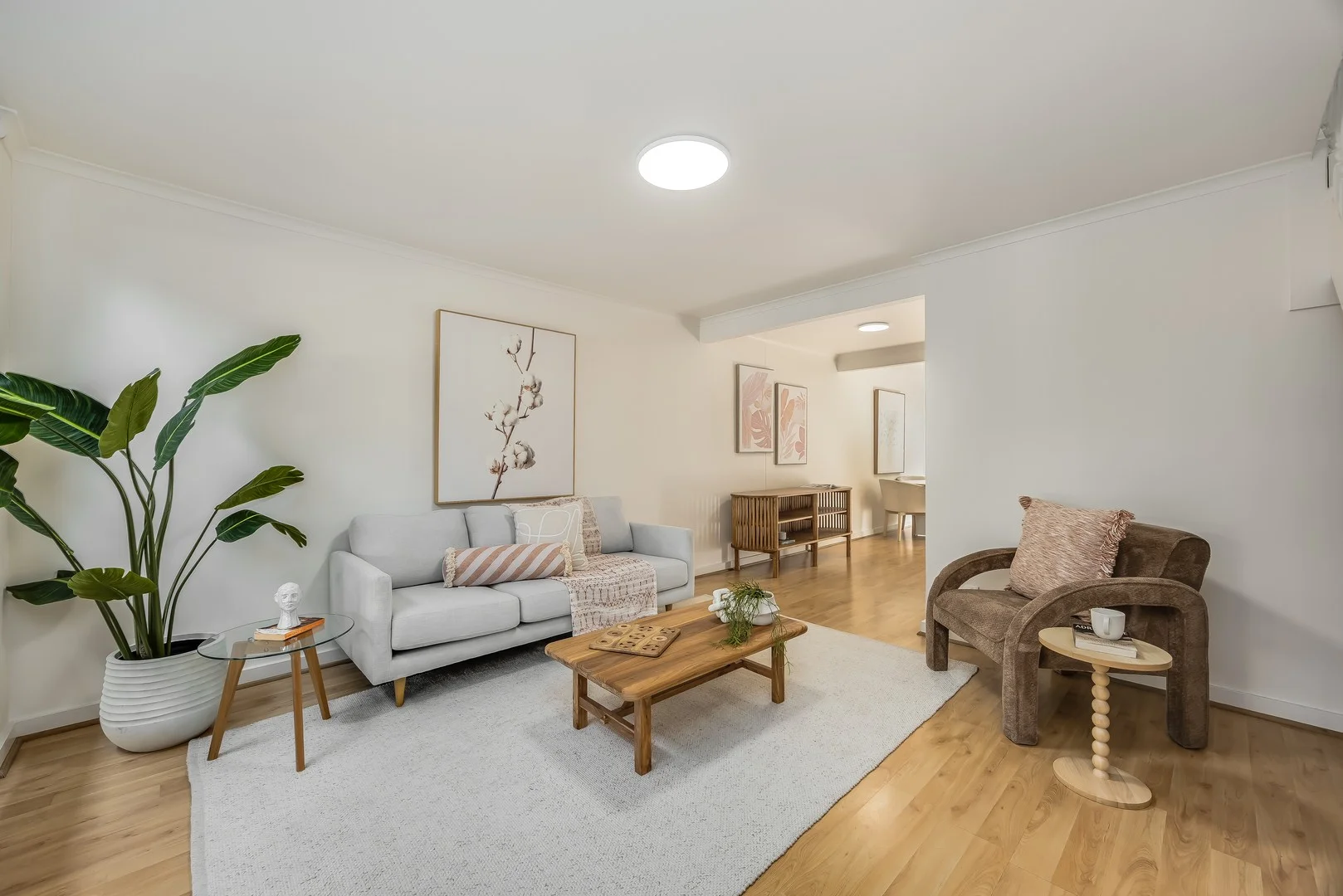 $775,000
House
$775,000
House
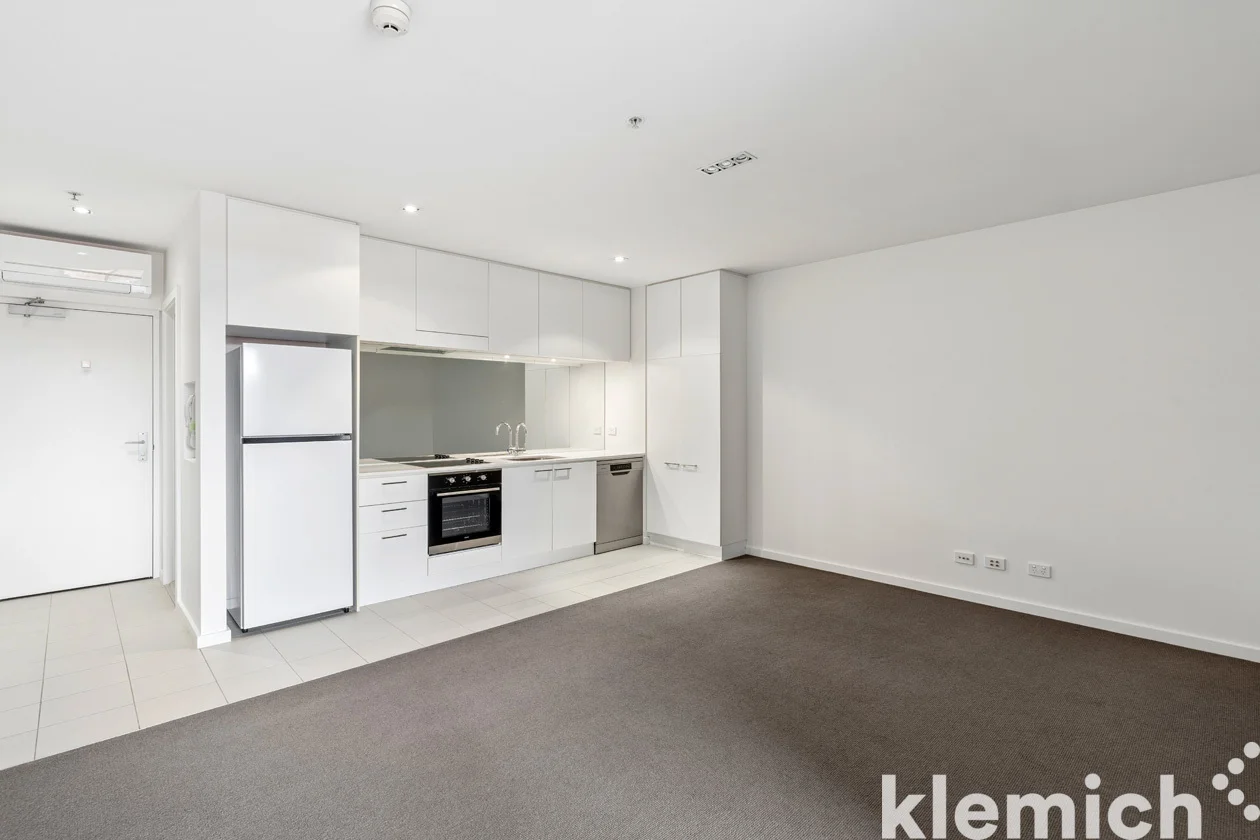 $440,000
Apartment / Unit / Flat
$440,000
Apartment / Unit / Flat
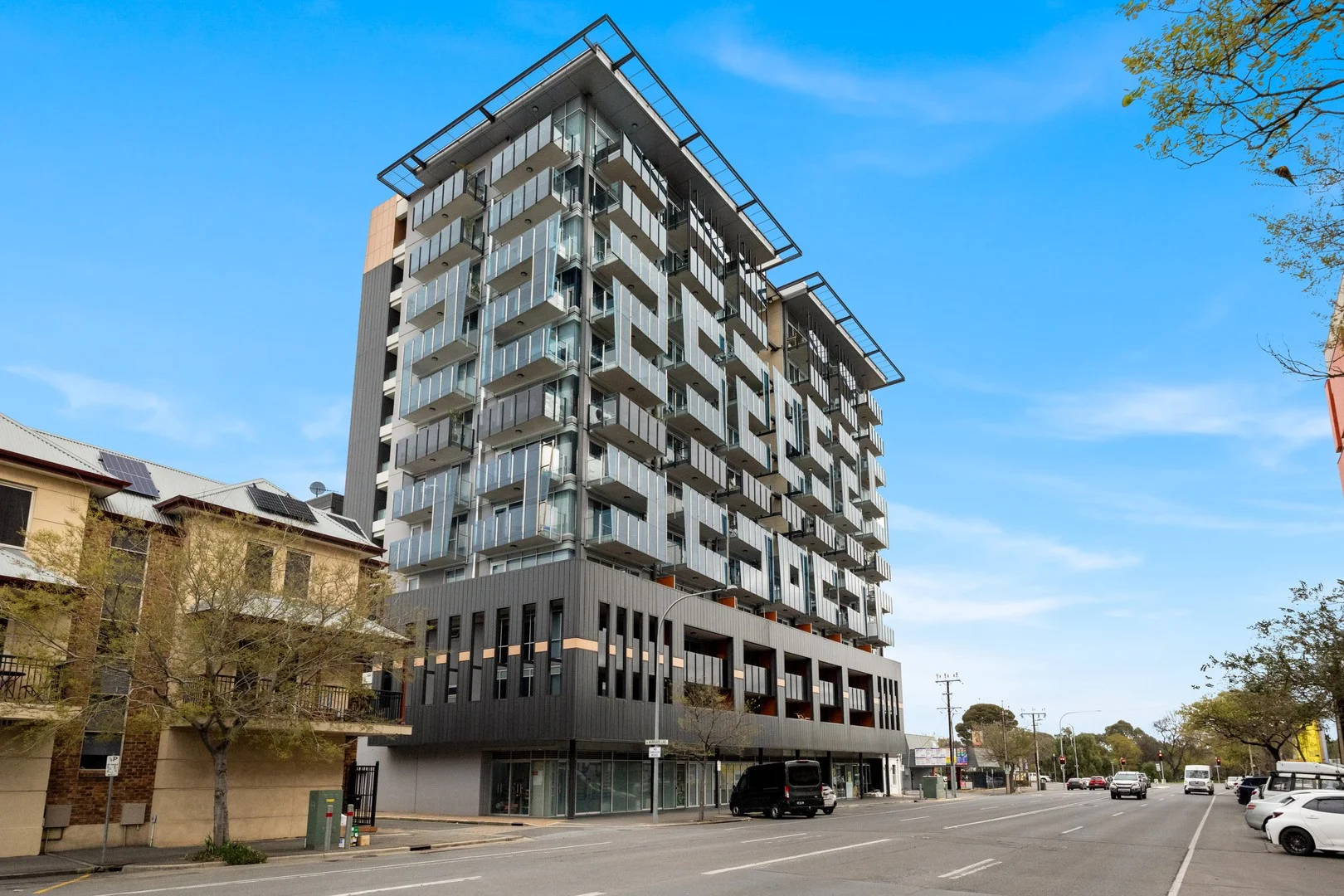 $1,100,000
Apartment / Unit / Flat
$1,100,000
Apartment / Unit / Flat
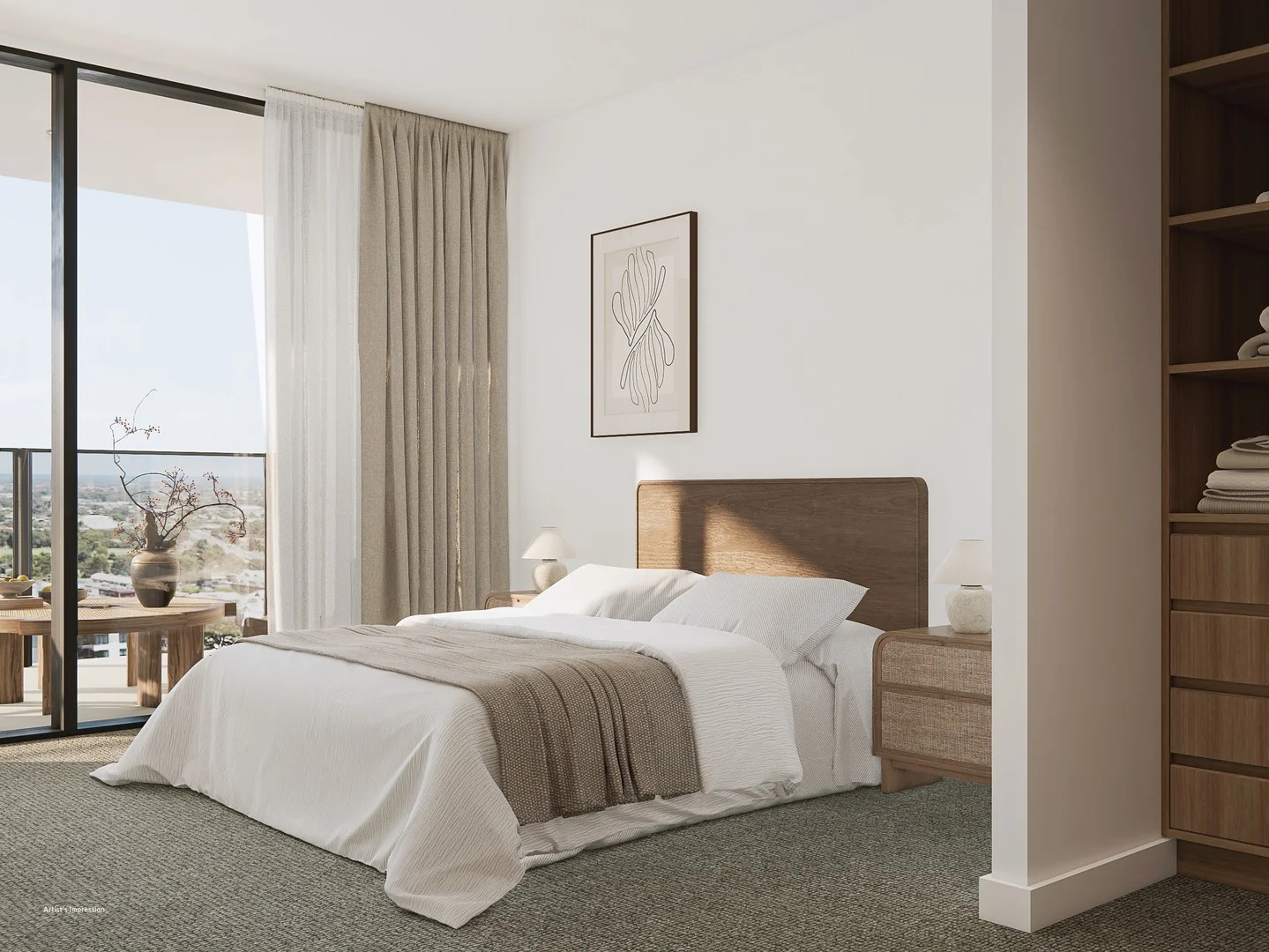 $935,000
Apartment / Unit / Flat
$935,000
Apartment / Unit / Flat
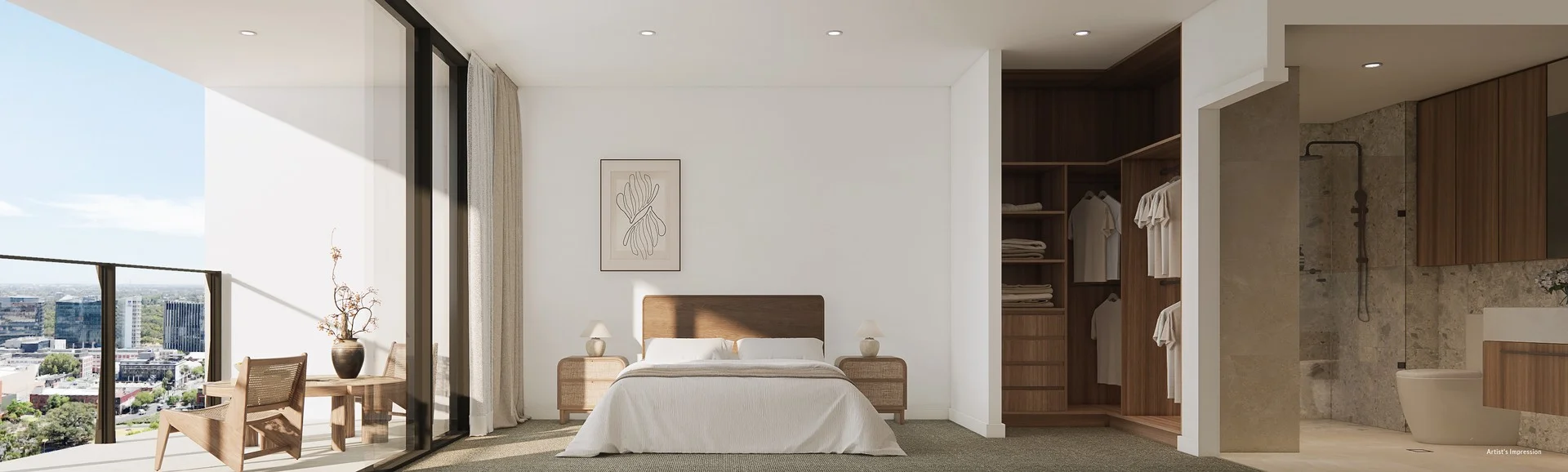 $1,056,000
Apartment / Unit / Flat
$1,056,000
Apartment / Unit / Flat
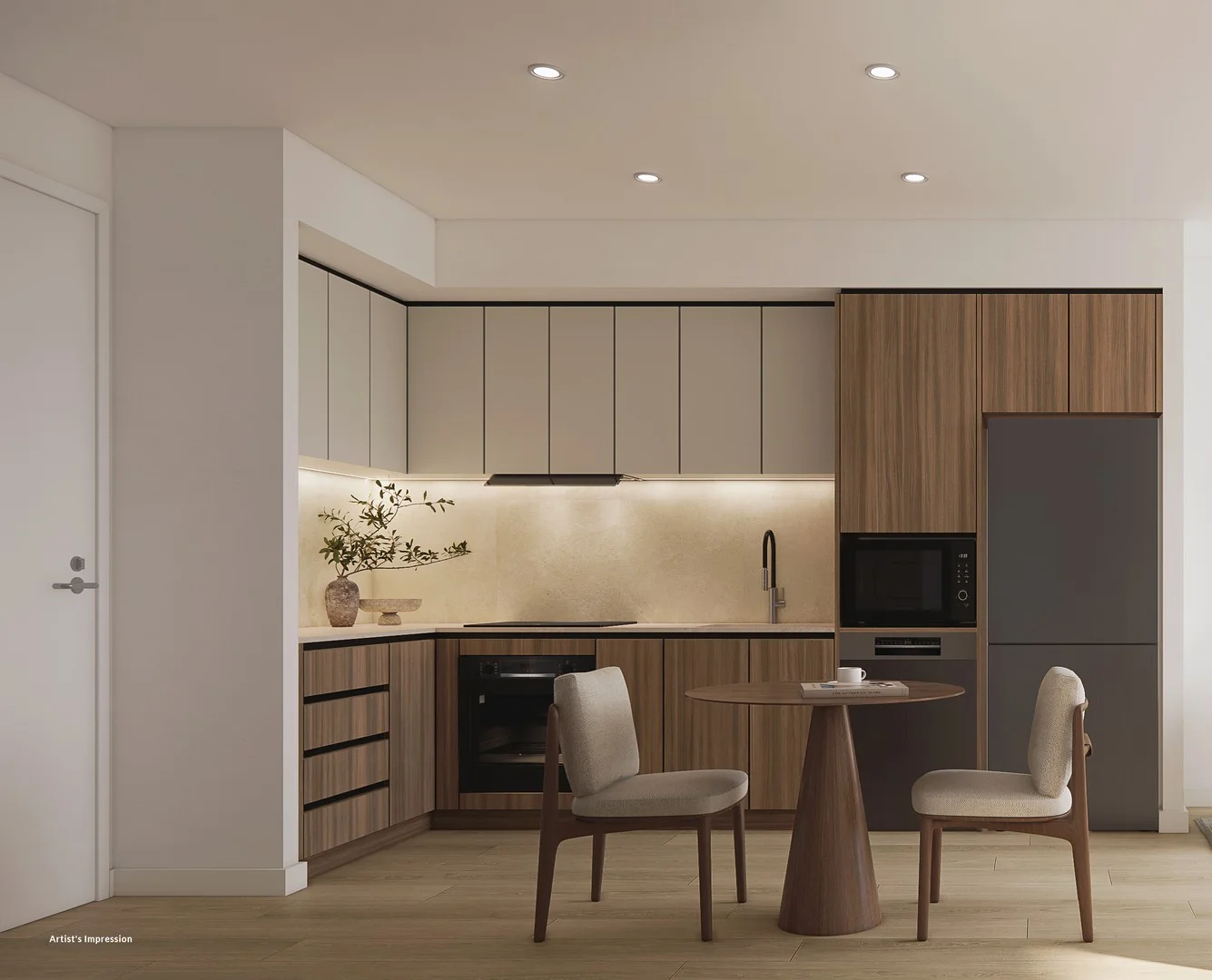 $557,000
Apartment / Unit / Flat
$557,000
Apartment / Unit / Flat
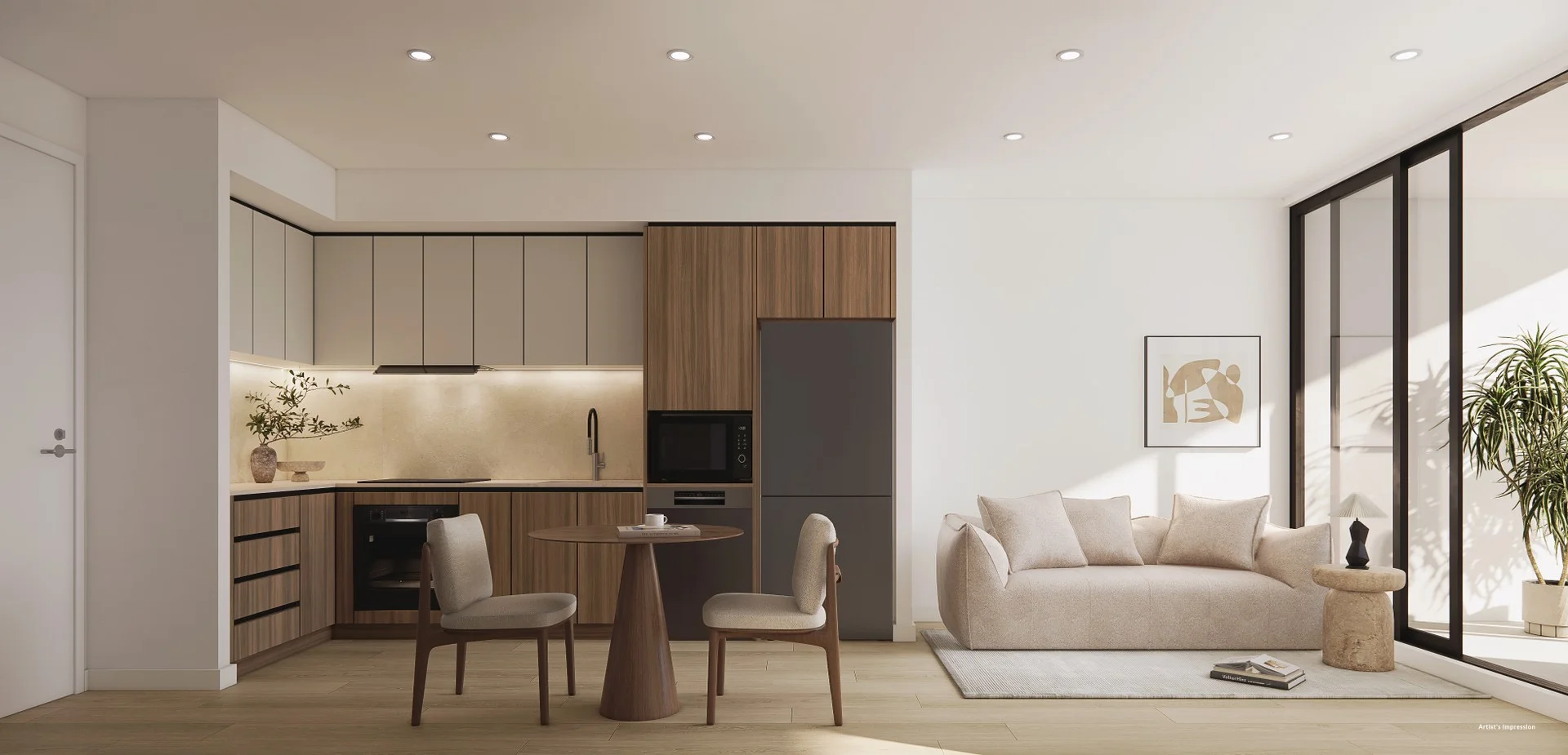 $588,000
Apartment / Unit / Flat
$588,000
Apartment / Unit / Flat
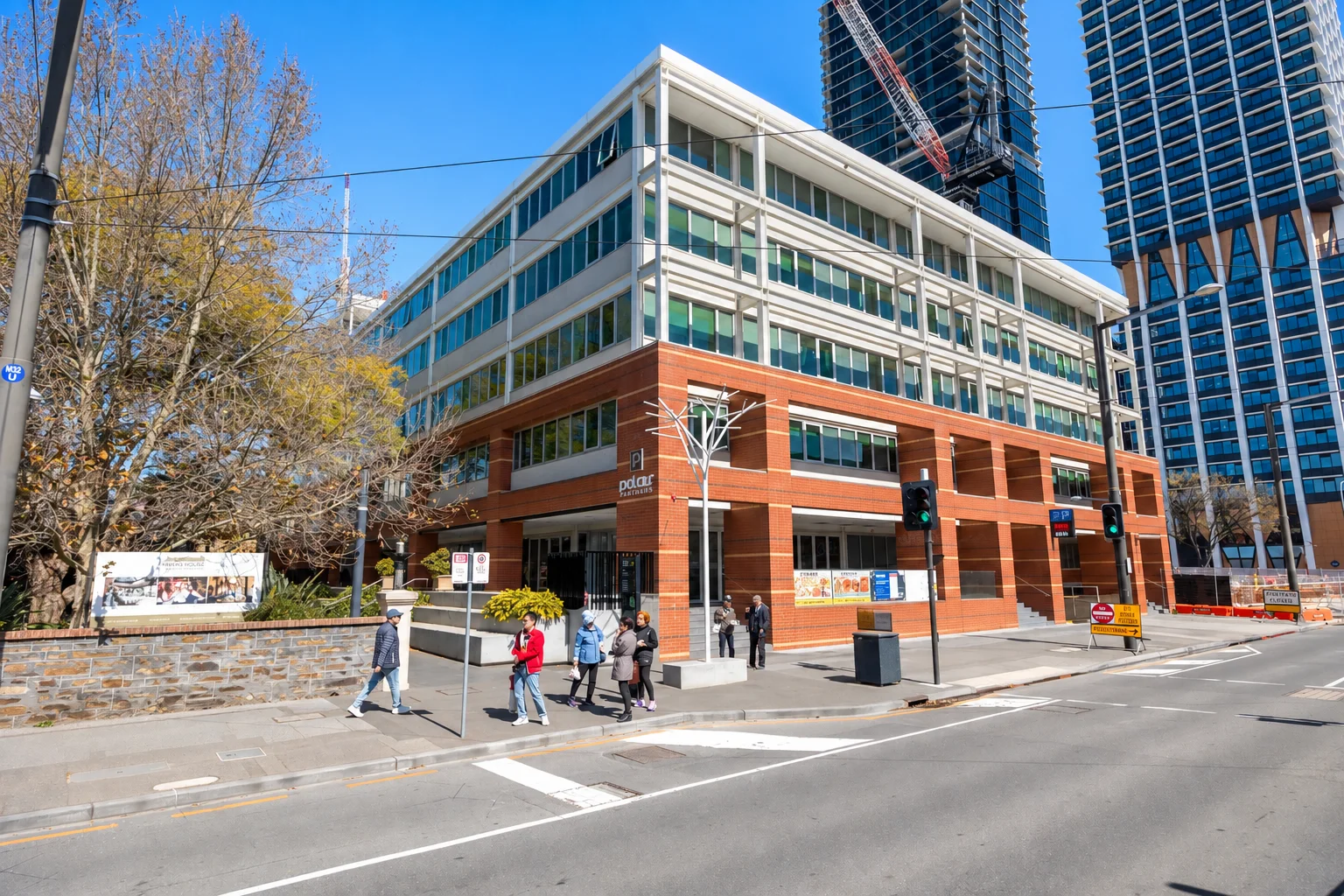 $545,000
Apartment / Unit / Flat
$545,000
Apartment / Unit / Flat