1. Overview
Mitcham Primary School is a public primary school serving families in the SAKingswood area. The school aims to provide a nurturing, inclusive learning environment where students are supported to grow academically, socially, and emotionally. With a medium-sized community feel, it focuses on strong literacy and numeracy foundations, welcomes diverse learners, and encourages student wellbeing alongside academics.
- School type: Public (government)
- School size: Medium
- Class size: Approximately 20–25 students per class
- Atmosphere/culture: Nurturing, inclusive, diverse, with a focus on wellbeing and student engagement
⸻
2. Academics & Learning
Mitcham Primary School emphasises solid core essential skills while offering opportunities to explore STEM, literacy, and leadership. The school supports students to develop critical thinking, creativity, and collaboration through a range of programs and routines.
- Academic strengths: English literacy, numeracy, and foundational STEM learning; leadership opportunities embedded in student programs
- Special programs: Gifted and Talented or accelerated learning pathways where appropriate; coding/robotics and related technology activities
- NAPLAN / trends: Trends show steady progress in key areas such as reading and numeracy with ongoing focus on improvement aligned to state benchmarks
- Student-teacher ratios: Class sizes around 20–25; typical student-teacher ratio in the low-to-mid teens to support targeted instruction
- Support for diverse learners: EAL support, targeted intervention programs, and SEN supports available to students as needed
⸻
3. Sports & Extracurricular Strengths
Mitcham Primary School offers a balanced mix of physical activity, arts, and enrichment opportunities to engage boys and girls across a range of interests.
- Sports offered: Basketball, soccer/footy, netball, athletics, cricket, and other seasonal activities
- Strong teams or achievements: Participation in inter-school events with opportunities to earn recognition and showcase teamwork
- Music, arts, drama programs: School music programs, choir, and school drama/performing arts activities
- Clubs: Robotics, coding, chess, debating, and other after-school clubs
- Partnerships: Collaboration with local clubs and regional competitions to extend opportunities beyond the school gates
⸻
4. Wellbeing & Pastoral Care
Wellbeing and pastoral support are central to the school experience, helping students feel safe, valued, and ready to learn.
- Anti-bullying approach: Clear anti-bullying policies, student wellbeing checks, and ongoing education
- House system: House groups used to promote belonging, teamwork, and healthy competition
- Counsellors / wellbeing officers: Access to school counsellors or wellbeing staff to support students
- Transition support for new students: Orientation activities, buddy systems, and targeted transition support to ease starting at the school
⸻
5. Facilities
Mitcham Primary School provides a range of facilities designed to support learning, creativity, and physical activity in a welcoming environment.
- Sports grounds: Outdoor fields and play spaces for physical education and sports
- Libraries: A well-equipped library with print and digital resources
- Science labs: Dedicated space for hands-on experiments and STEM activities
- Music/performing arts centers: Music rooms and spaces for drama and performances
- Tech/innovation labs: Computer/ICT labs and makerspace-style learning areas
- Cafeteria: On-site canteen or food service for students
- Updated playgrounds: Modern play areas and outdoor learning spaces
⸻
6. School Values & Community Culture
The school fosters a values-driven culture where students are encouraged to be responsible, respectful, and engaged citizens.
- School values / mission: Emphasis on respect, responsibility, inclusion, and collaboration
- Leadership style: Student voice and leadership opportunities balanced with teacher guidance; collaborative decision-making
- Behaviour expectations: Clear conduct codes and routines to support a safe learning environment
- Community reputation: Positive standing within the local community and families
- Diversity & inclusion: Commitment to welcoming students from diverse backgrounds and creating an inclusive environment
⸻
7. School Logistics & Daily Operations
Parents want straightforward information about daily routines and practicalities.
- School hours: Typical day starts mid-morning to early afternoon; exact start/end times provided by the school
- Before/after school care: Availability of after-school care or activities through the school or partner providers
- Uniform requirements: School uniform policy in place
- Transport (train/bus routes): Access to public transport options and school-run drop-off/pick-up guidance
- Canteen availability: On-site canteen or snack options during the day
- Fees (low/medium/high ranges): Public schools generally have low tuition; may have optional/baseline contributions for activities and materials; uniform costs apply
⸻
8. Enrolment & Admissions
11. What is the enrolment process and timeline?
- Steps typically include confirming eligibility within the local catchment, completing an enrolment form, and providing required documents (birth certificate, immunisation record, proof of address, transfer papers if applicable). Timelines vary by year and intake; schools usually provide confirmation of enrolment within a matter of weeks after submission and may offer orientation or welcome information prior to the start date.
12. Is there a waiting list, and how does it work?
- Yes, a waiting list can occur when enrolments exceed capacity. In-catchment priority is usually given first; space is then allocated based on availability and timely submission of documents. Families on the waiting list are kept informed by the school.
13. Are there any entry requirements, tests, or interviews?
- Generally, there are no entrance tests or formal interviews for standard enrolment. Some programs or supports may involve brief information sharing or documentation review, but the process for the majority of students is straightforward enrolment with standard documentation.
14. Does the school accept mid-year transfers?
- Mid-year transfers are considered when space allows. Parents should contact the school early, provide latest academic reports and immunisation records, and coordinate with transport and timing for a smooth transition.
⸻
9. Frequently Asked Questions
- Why Parents Choose This School?
- A welcoming, inclusive community with strong literacy and numeracy foundations, supportive staff, and balanced opportunities across academics, sport, and arts.
- What type of student thrives at this school?
- Curious, cooperative learners who value a well-rounded approach to school life and who respond well to supportive teaching and a collaborative environment.
- What opportunities are available for students to extend their skills (academics, sports, arts)?
- Enhanced literacy/numeracy opportunities, STEM and coding activities, Gifted & Talented pathways where appropriate, sports teams, music and drama programs, robotics and debate clubs.
- How does the school communicate with parents?
- Regular newsletters, emails, school app or portal updates, parent-teacher meetings, and timely notifications about events and student progress.
- What is the school’s approach to teaching and learning?
- Student-centered and evidence-based instruction with differentiation, ongoing assessment, and a focus on developing critical thinking and collaboration.
- How does the school support students who need extra academic help?
- Targeted interventions, learning support teachers/aides, EAL and SEN services, and progress monitoring to tailor assistance.
- What support is available for academic challenges?
- Access to tutoring or additional instructional time, modifyed tasks, and collaboration with families to create effective learning plans.
- How does the school communicate with parents? (duplicate)
- See above: newsletters, portals, meetings, and direct contact with teachers.
- What are the class sizes and how much individual attention do students receive?
- Class sizes typically around 20–25 students, with teachers differentiating instruction and providing targeted support to individual learners.
- What extracurricular and sports opportunities are available?
- Sports teams and PE programs, after-school clubs (robotics, coding, chess, debating), music ensembles, drama activities, and participation in regional competitions.
- What facilities does the school offer (sports, science, arts)?
- Sports grounds, library, science labs, music/performing arts spaces, technology labs, canteen, and updated outdoor play areas.
- What is the school’s approach to technology and digital learning?
- Integrated ICT use, computer labs or devices for classroom use, coding and robotics activities, and digital citizenship education.
- What transport and accessibility options are available?
- Access to public transport options and school-arranged drop-off/pick-up guidance; accessible facilities and safe arrival procedures.
- What are the typical school fees or additional costs?
- Public schools have low tuition with potential small contributions for materials, excursions, and activities; uniform costs apply.
⸻
10. Short Pros & Cons list
- Pros
- Supportive, inclusive community
- Strong focus on literacy and numeracy
- Balanced academic, sports, and arts opportunities
- Access to wellbeing and pastoral support
- Family-friendly communication and transition processes
- Cons
- High demand can lead to waiting lists
- Some costs for uniforms, excursions, and optional activities
- Space constraints may limit availability of some programs at times
⸻








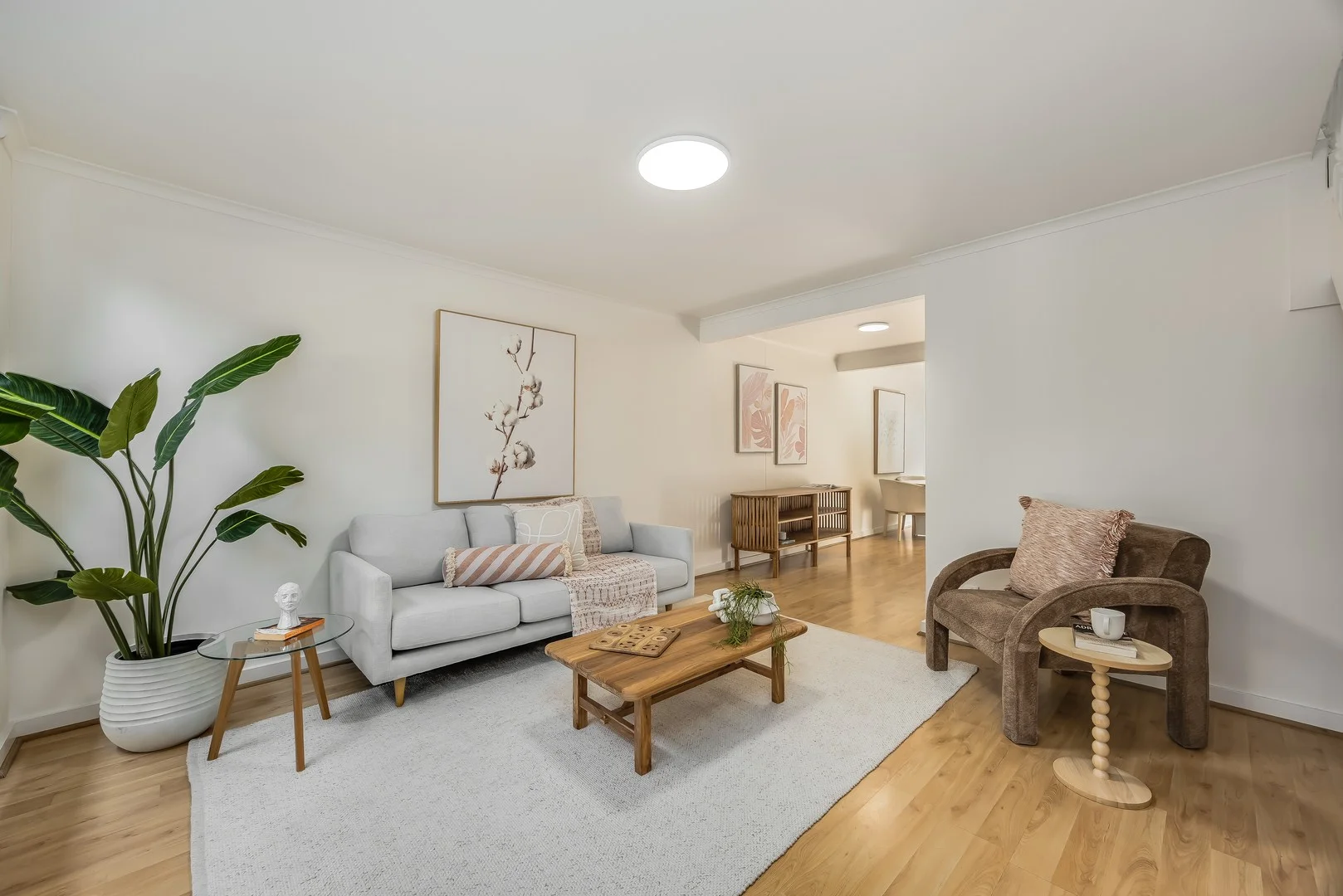 $775,000
House
$775,000
House
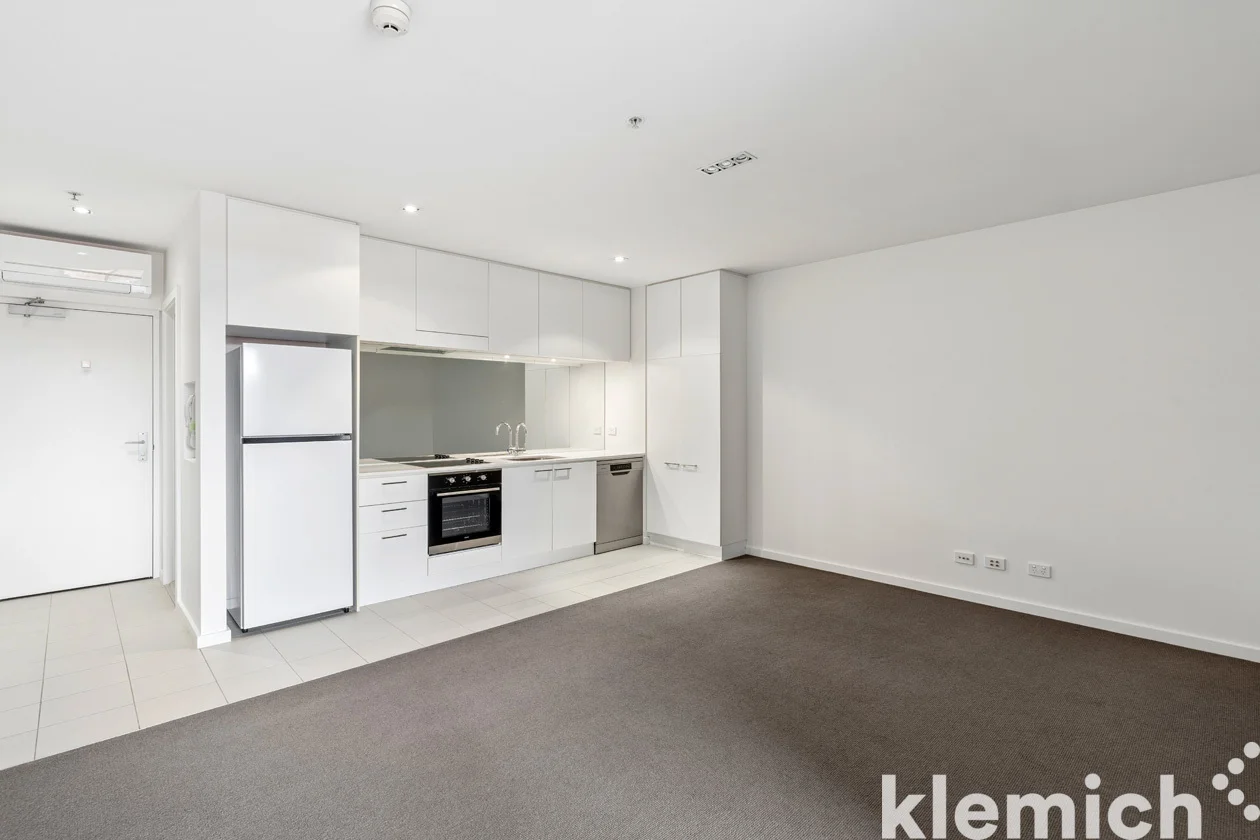 $440,000
Apartment / Unit / Flat
$440,000
Apartment / Unit / Flat
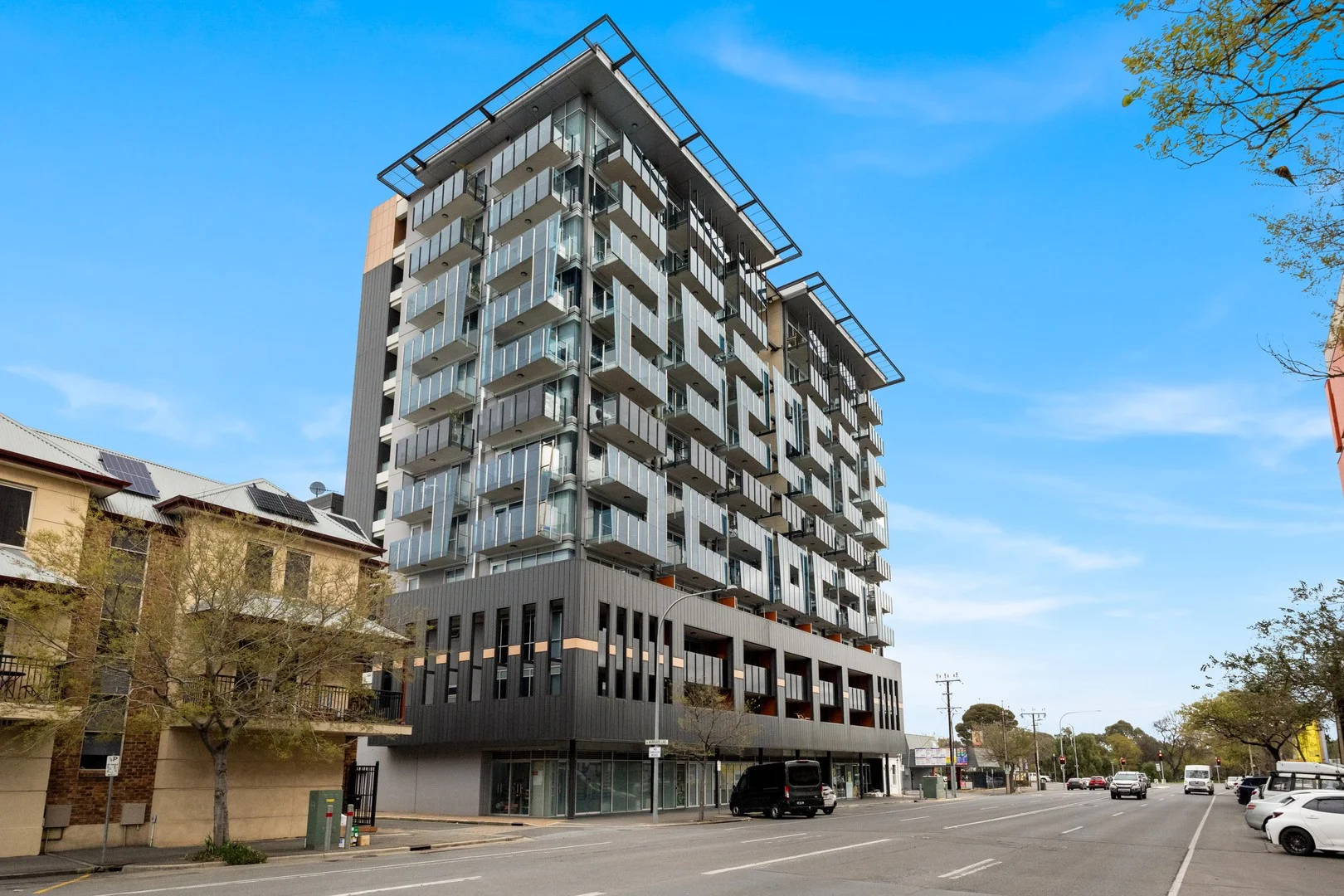 $1,100,000
Apartment / Unit / Flat
$1,100,000
Apartment / Unit / Flat
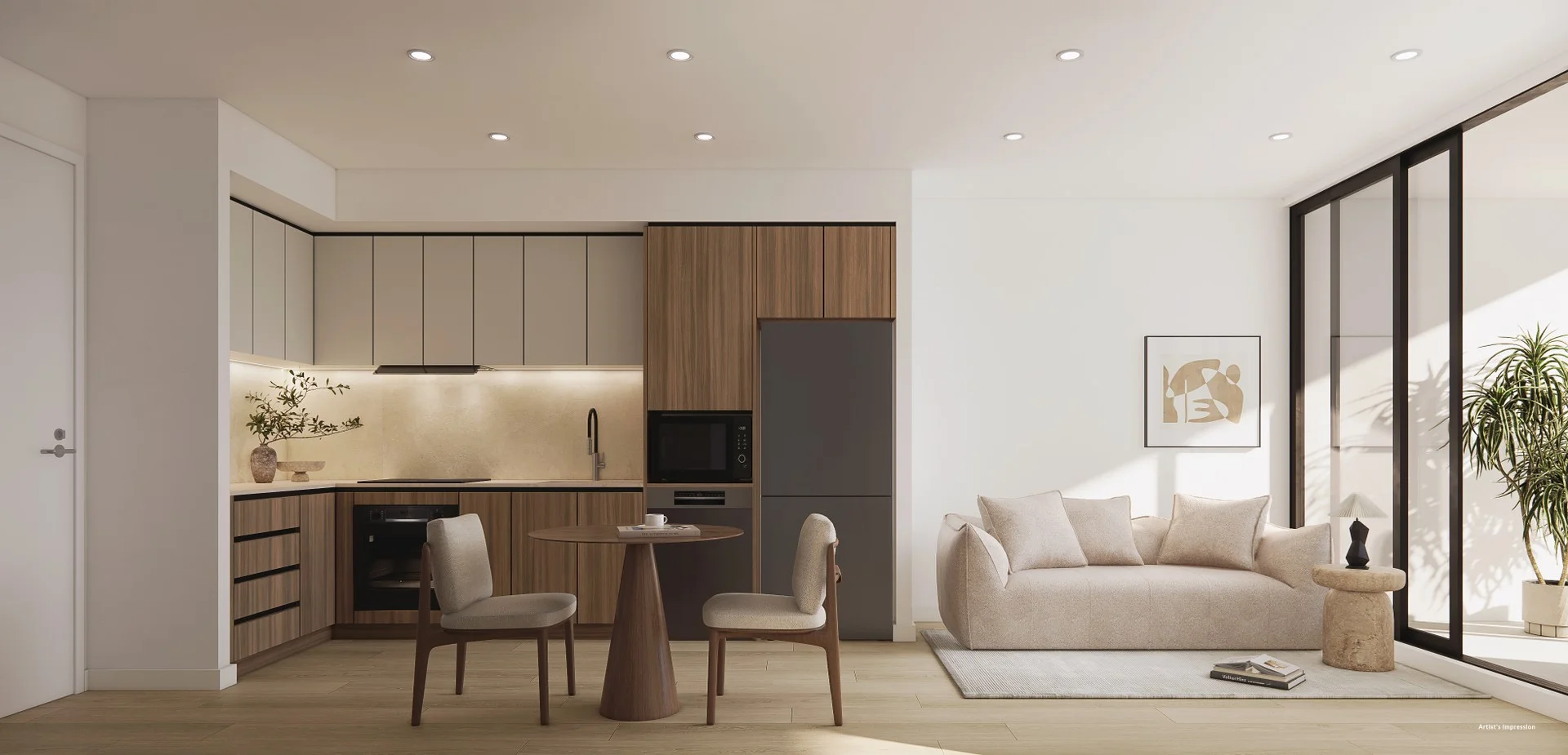 $588,000
Apartment / Unit / Flat
$588,000
Apartment / Unit / Flat
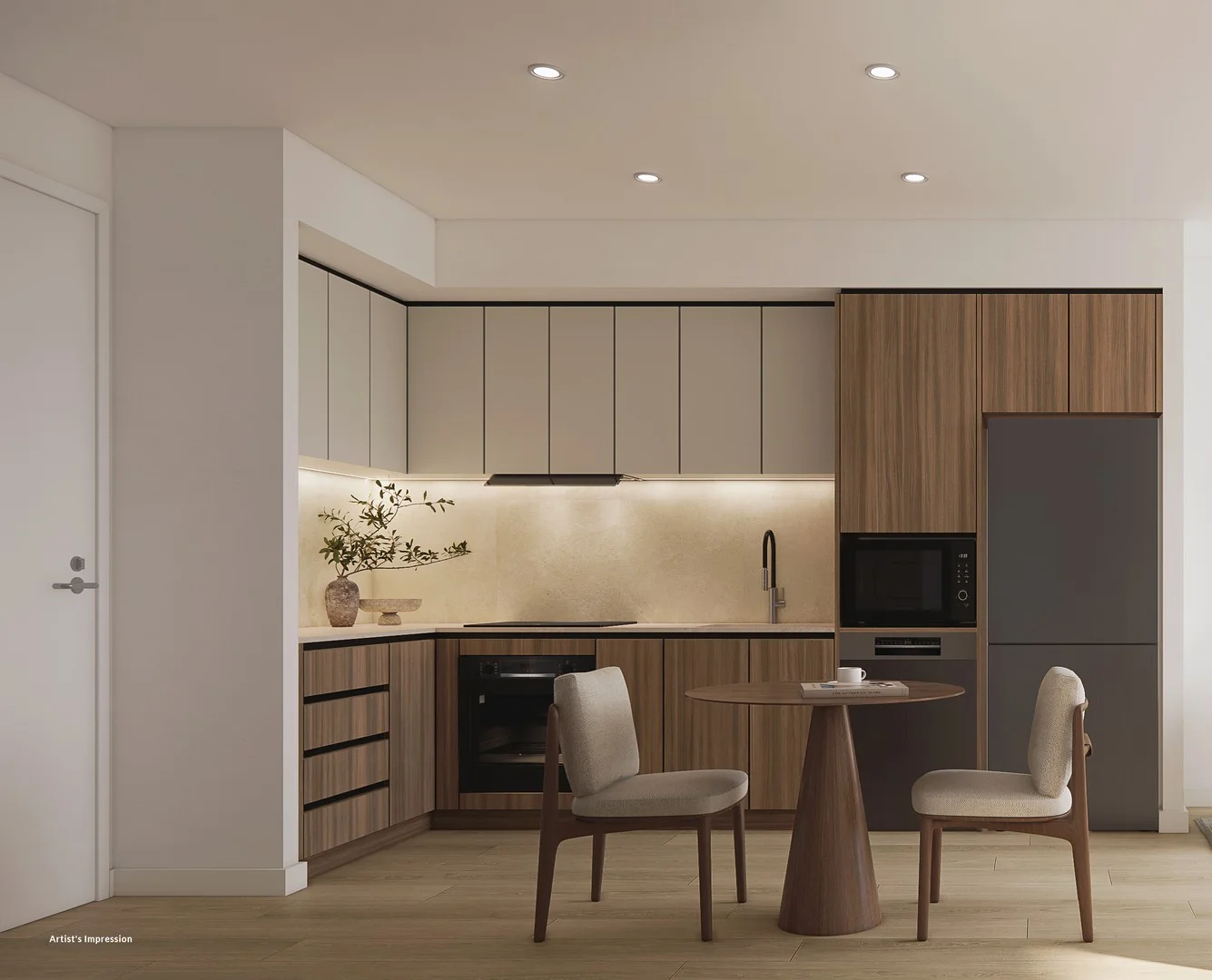 $557,000
Apartment / Unit / Flat
$557,000
Apartment / Unit / Flat
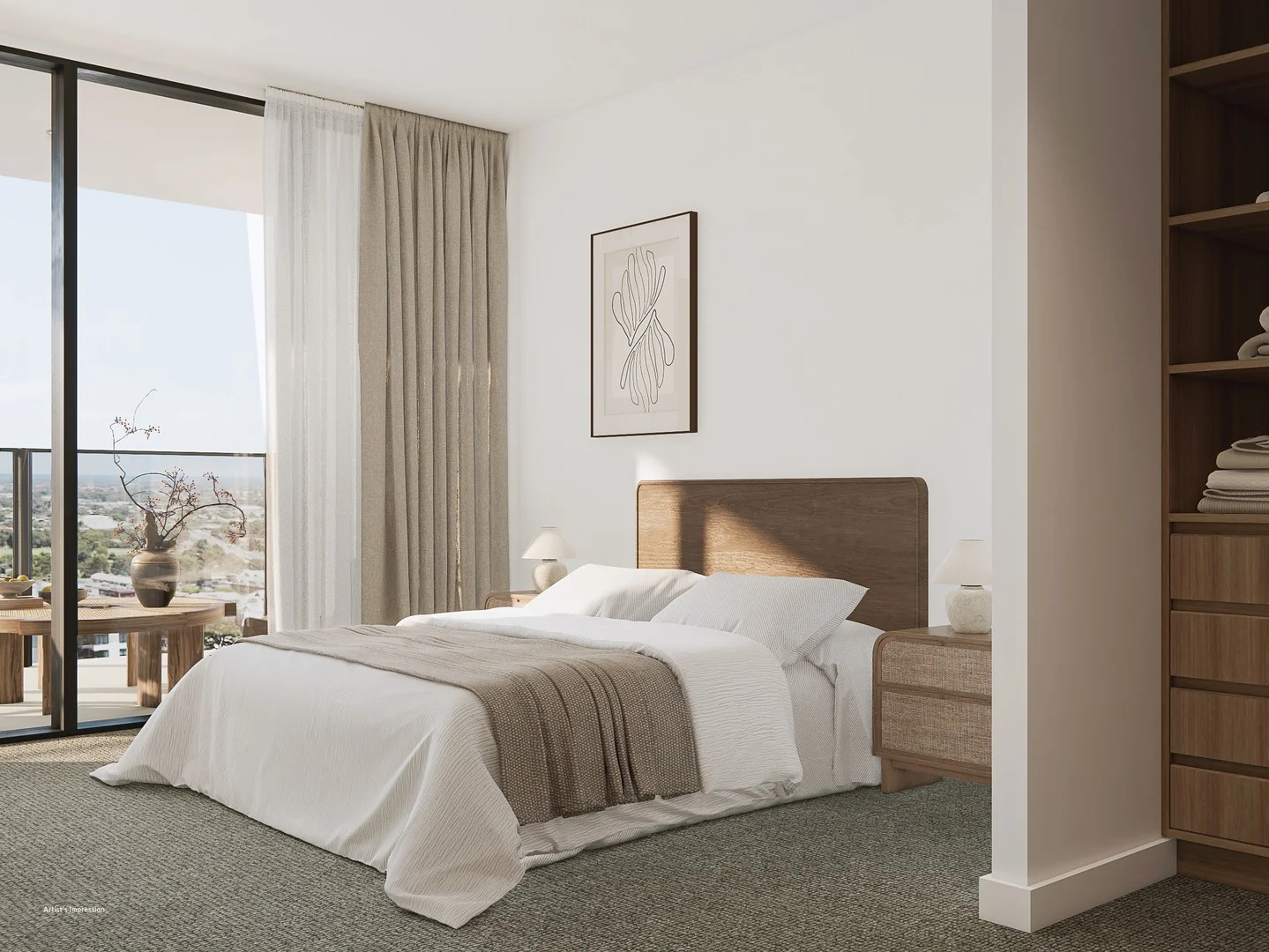 $935,000
Apartment / Unit / Flat
$935,000
Apartment / Unit / Flat
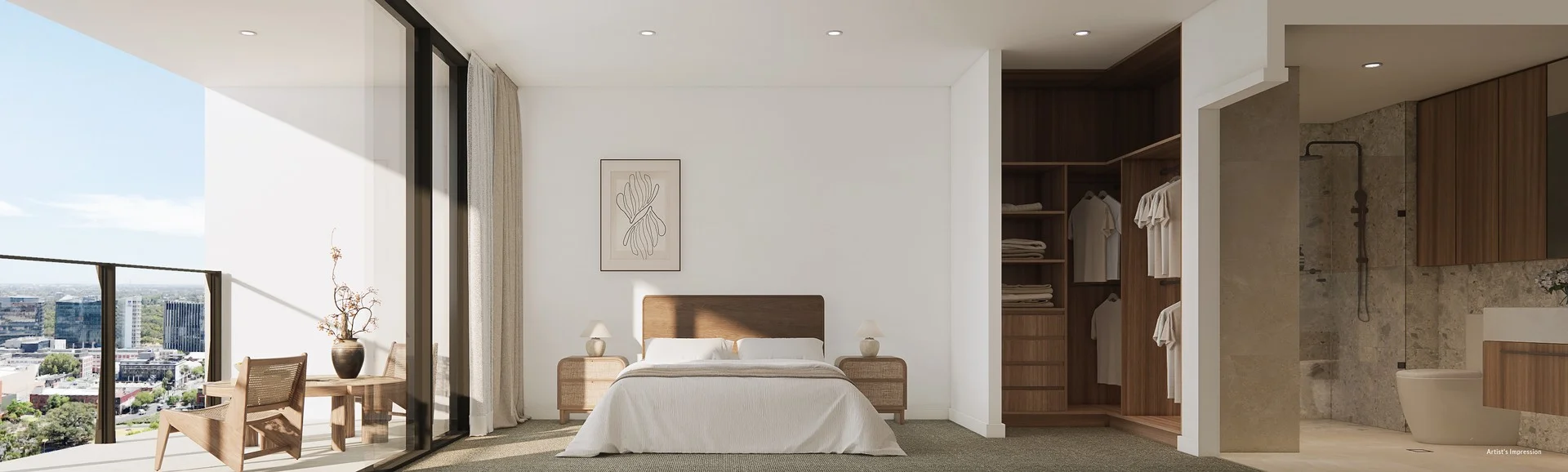 $1,056,000
Apartment / Unit / Flat
$1,056,000
Apartment / Unit / Flat
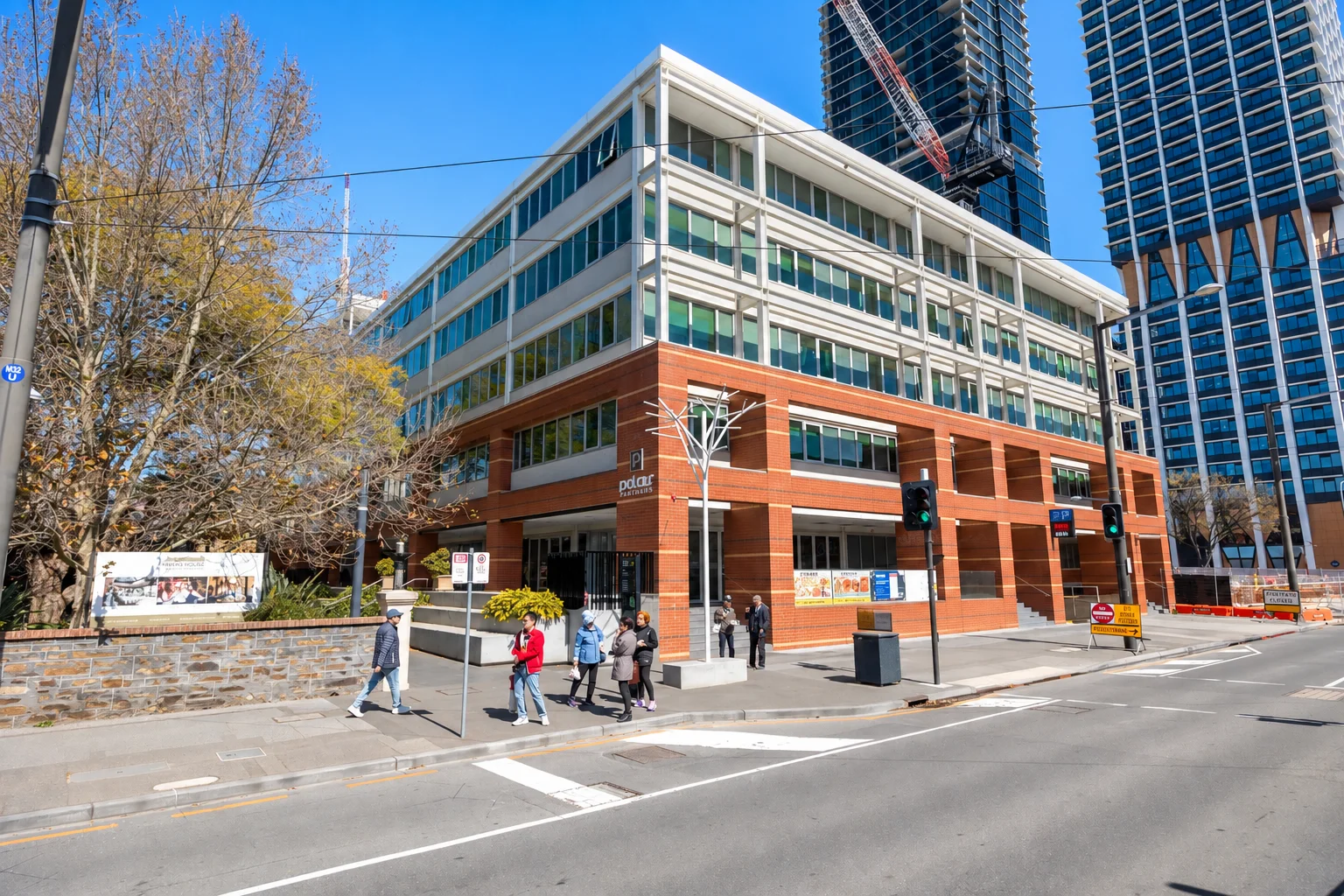 $545,000
Apartment / Unit / Flat
$545,000
Apartment / Unit / Flat