## 1. Overview
Mitcham Girls High School is a public girls’ high school serving students in the Mitcham/Kingswood area. It offers a middle-to-upper range school experience with a focus on academic achievement and personal development in a supportive environment. The school emphasises a positive, inclusive culture where students are encouraged to think critically, collaborate, and develop leadership skills.
- School type: Public
- School size: Medium
- Class size: Generally mid-20s per class
- Atmosphere/culture: Academic, nurturing, diverse, inclusive
## 2. Academics & Learning
MGHS aims to provide a strong foundation across core subjects while supporting student interests and pathways.
- Academic strengths: STEM disciplines, English/language arts, leadership development, and languages; emphasis on well-rounded academic growth and real-world problem solving.
- Special programs: Gifted and Talented education pathways and opportunities for accelerated learning where available; pathways aligned to the SACE curriculum.
- NAPLAN / trends: Public data show positive and stable trends in key areas over recent years, with continued focus on improving reading, writing and numeracy outcomes.
- Student-teacher ratios: Approximately 1:15 to 1:20 in typical classes, varying by subject and year level.
- Support for diverse learners: Programs and supports for EAL students and students with SEN, with targeted interventions and access to learning support staff.
## 3. Sports & Extracurricular Strengths
A strong emphasis on well-rounded development with a variety of options for sports, arts, and clubs.
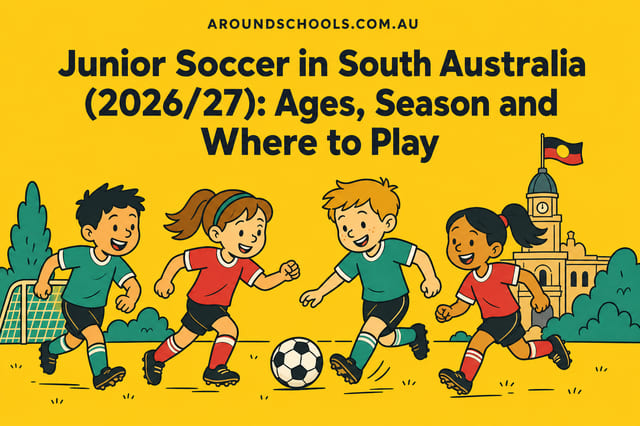
- Sports offered: Netball, basketball, football (soccer), athletics, and other school sport activities as part of the daily timetable and after-school programs.
- Strong teams or achievements: Competitive school teams in regional events; ongoing opportunities to participate in inter-school sport and local competitions.
- Music, arts, drama programs: Active music and performing arts programs, school productions, choirs, and orchestral opportunities.
- Clubs: Robotics, chess, coding, debating, science clubs, and other student-led initiatives.
- Partnerships: Collaborations with local community groups, inter-school competitions, and opportunities for participation in regional championships and events.
## 4. Wellbeing & Pastoral Care
Pastoral care is a core component of the school experience, aiming to support every student’s wellbeing and success.
- Anti-bullying approach: Clear policies and restorative practices designed to create a safe, respectful school environment.
- House system: House-based activities and mentoring to foster belonging, teamwork, and peer support.
- Counsellors / wellbeing officers: Access to school counsellors and wellbeing staff to support mental health, transition, and personal development.
- Transition support for new students: Orientation programs, buddy systems, and targeted supports to help new students settle in.
## 5. Facilities
The school provides a range of facilities designed to support learning, creativity, and wellbeing.
- Sports grounds: On-site playing fields and courts for sports and physical education.
- Libraries: A library with study spaces and resources to support learning across subjects.
- Science labs: Modern science laboratories for biology, chemistry, physics, and related experiments.
- Music/performing arts centers: Dedicated spaces for music, drama, and productions.
- Tech/innovation labs: Computer labs and spaces for digital learning, coding, and project work.
- Cafeteria: On-site canteen or meals facilities to support students throughout the day.
- Updated playgrounds: Well-maintained outdoor spaces for recreation and break times.
## 6. School Values & Community Culture
MGHS aims to cultivate responsible, capable, and compassionate young women who contribute positively to the community.
- School values / mission: Focus on respect, integrity, excellence, inclusivity, and leadership.
- Leadership style: Principled, student-centered leadership with opportunities for student voice and representation.
- Behaviour expectations: Clear expectations around conduct, respect, and responsibility; emphasis on restorative approaches.
- Community reputation: Strong presence within the local community with positive collaborations and engagement.
- Diversity & inclusion: Commitment to a diverse student body and inclusive practices across all activities and supports.
## 7. School Logistics & Daily Operations
Practical information to help families plan around the school day.
- School hours: Typical school day runs during standard hours with start and end times aligned to the SA public school calendar.
- Before/after school care: OSHC or other local arrangements may be available for before/after school care; check current offerings.
- Uniform requirements: Full school uniform required (as prescribed by the school’s uniform policy) with details on acceptable attire for daily wear and sport.
- Transport (train/bus routes): Accessible by public transport with nearby bus routes and proximity to train services; check the latest timetables for exact routes.
- Canteen availability: On-site or nearby canteen options to provide meals and snacks during the day.
- Fees (low/medium/high ranges): Public government schools generally do not charge tuition fees; families may incur uniform costs, book lists, and voluntary contributions or activity charges as applicable.
## 8. Enrolment & Admissions
11. What is the enrolment process and timeline?
- Enrolment is managed through the South Australian Department of Education. Check catchment requirements and timelines for Year 7 entry (and other year levels) on the department’s portal and the school’s communications. Applications are typically submitted in advance of the start of the new school year, with offers issued according to the department’s timelines.
12. Is there a waiting list, and how does it work?
- In-area applications generally receive priority. If the school reaches capacity, out-of-area requests may be placed on a waiting list and considered if vacancies arise. The waiting list process is determined by the department and the school, with communication provided to applicants.
13. Are there any entry requirements, tests, or interviews?
- For general enrolment, there is usually no entrance test. Some programs or selective pathways (if applicable) may involve interviews or additional documentation. Most enrolments rely on standard eligibility, proof of identity, address, immunisation status, and supporting documents as required by the department.
14. Does the school accept mid-year transfers?
- Mid-year transfers may be possible if vacancies exist. Families should contact the school directly to discuss space, documentation, and any transitional supports required for a smooth move mid-year.
## 9. Frequently Asked Questions
- “Why Parents Choose This School?”
- Public, girls-only environment with a focus on academics, wellbeing, and leadership development; supportive community and opportunities across academics, sport, and the arts.
- “What type of student thrives at this school?”
- Motivated, curious students who value a balanced program of study, leadership opportunities, and involvement in clubs, sports, and the arts.
- “What opportunities are available for students to extend their skills (academics, sports, arts)?”
- Gifted and Talented pathways, accelerated learning options, STEM and language programs, debating, robotics, music and drama programs, and inter-school competitions.
- “How does the school communicate with parents?”
- Regular newsletters, email updates, parent portals or apps, information evenings, and scheduled parent-teacher meetings.
- “What is the school’s approach to teaching and learning?”
- Student-centered, differentiated instruction with a focus on critical thinking, collaboration, and real-world application; use of digital tools to support learning.
- “How does the school support students who need extra academic help?”
- Learning support staff, targeted interventions, EAL and SEN supports, and tutoring or mentoring arrangements as needed.
- “What support is available for academic challenges?”
- Access to advisors, tutors, and structured supports to address gaps and build study skills.
- “How does the school communicate with parents?” (duplication)
- See above: newsletters, portals, direct contact from teachers and the leadership team.
- “What are the class sizes and how much individual attention do students receive?”
- Class sizes are typically in the mid-20s, with teacher guidance and opportunities for individual assistance through class time and targeted supports.
- “What extracurricular and sports opportunities are available?”
- A broad range of sports (netball, basketball, soccer, athletics), as well as clubs in robotics, coding, chess, debating, and arts (music and drama).
- “What facilities does the school offer (sports, science, arts)?”
- Comprehensive facilities including sports grounds, library, science labs, music/performing arts spaces, technology/innovation labs, and a canteen.
- “What is the school’s approach to technology and digital learning?”
- Emphasis on digital literacy with computer labs, smart classroom tools, and integrated learning platforms to support varied subjects.
- “What transport and accessibility options are available?”
- Access via public transport (bus and nearby train services) with information on routes and accessibility; coordination with families for safe travel to and from school.
- “What are the typical school fees or additional costs?”
- As a public school, there is no tuition fee. Families may incur uniform costs, book lists, and occasional voluntary contributions or activity charges.
## 10. Short Pros & Cons list
- Pros
- Public, girls-only environment with a strong academic and wellbeing focus.
- Balanced offering across STEM, languages, arts, and leadership programs.
- Wide range of extracurriculars and clubs; supportive pastoral care.
- Moderate class sizes enabling individual attention and teacher support.
- Diverse and inclusive community with opportunities for student leadership.
- Cons
- As a public school, the range of elective options can vary year to year depending on enrolments.
- Transport and commuting times depend on your location and public transport routes.
- Uniform costs and occasional activity charges may be an ongoing consideration for families.
- Availability of some programs may depend on annual staffing and funding allocations.
 $40+
$40+








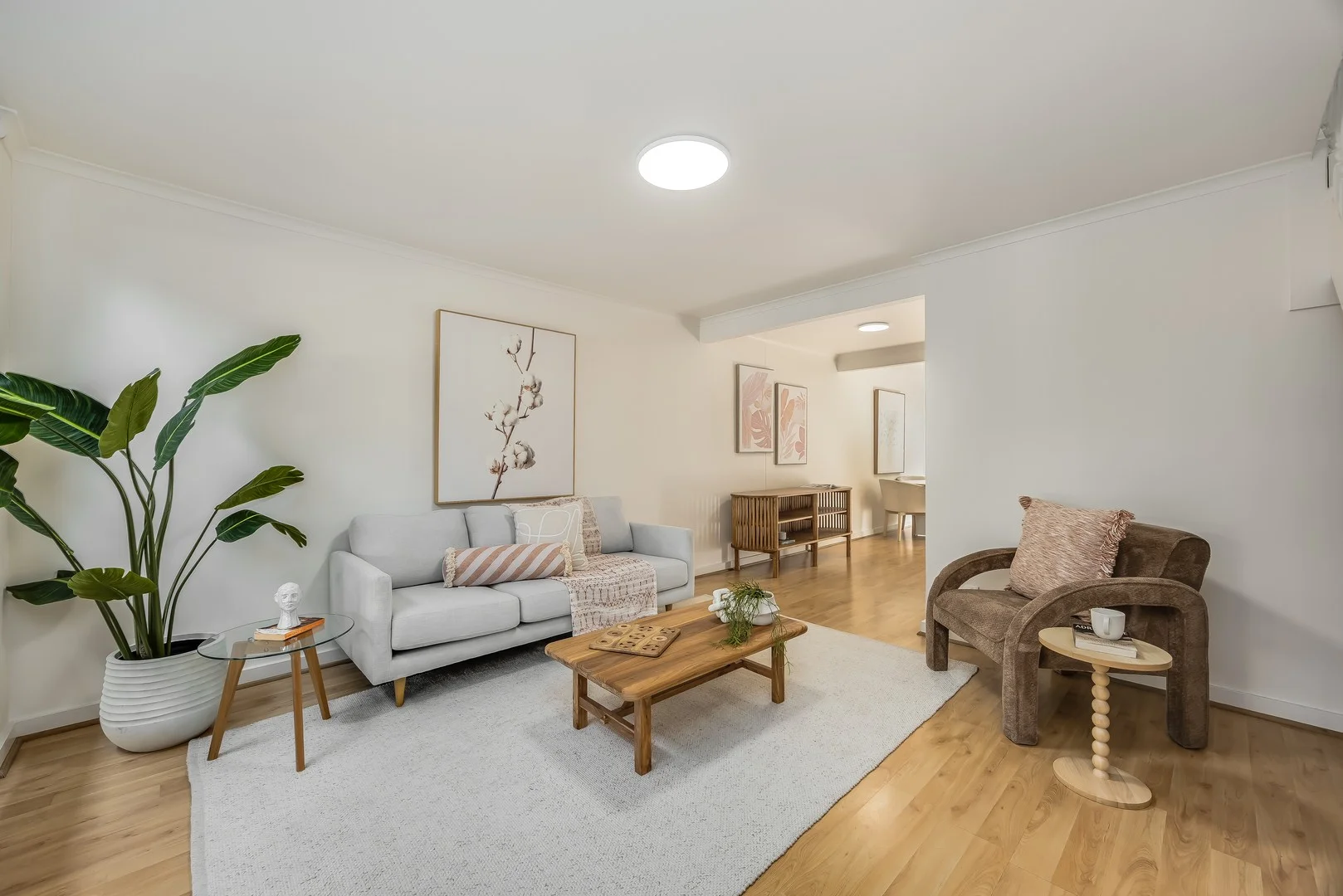 $775,000
House
$775,000
House
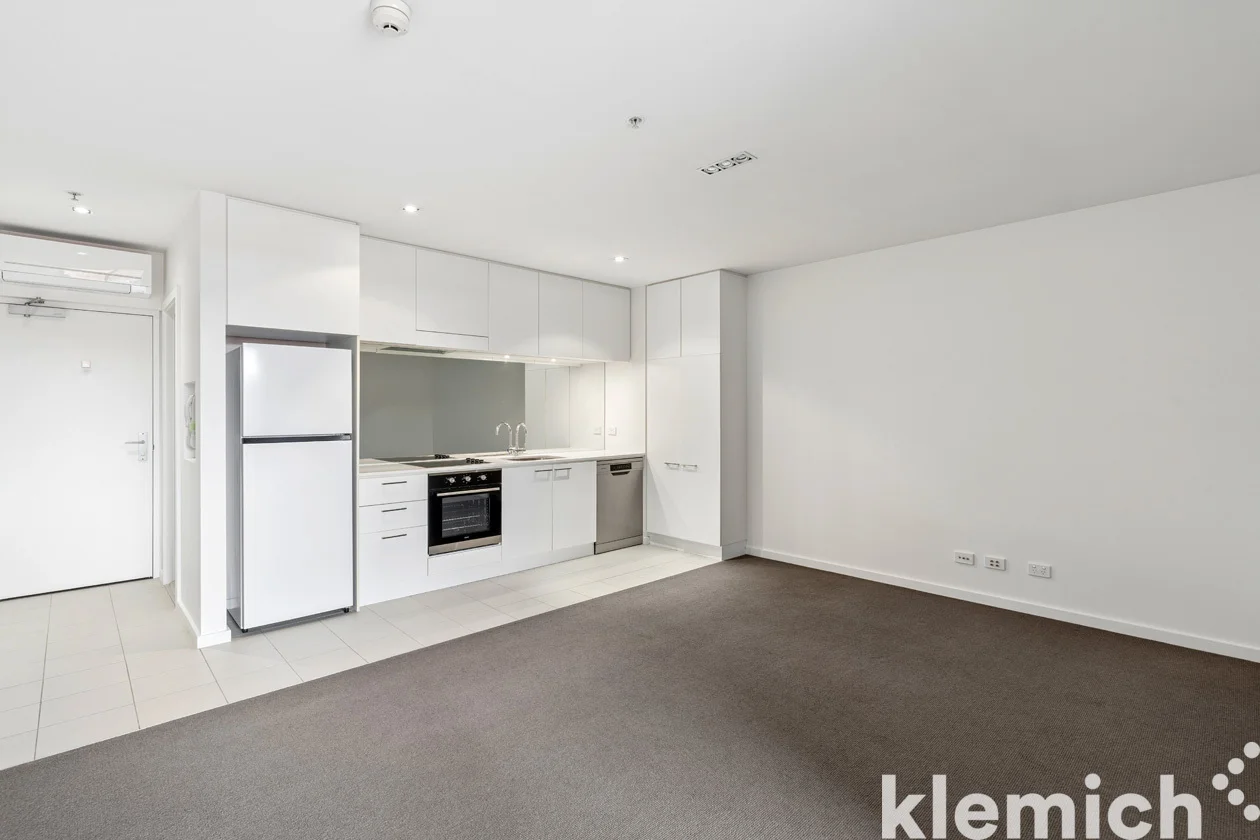 $440,000
Apartment / Unit / Flat
$440,000
Apartment / Unit / Flat
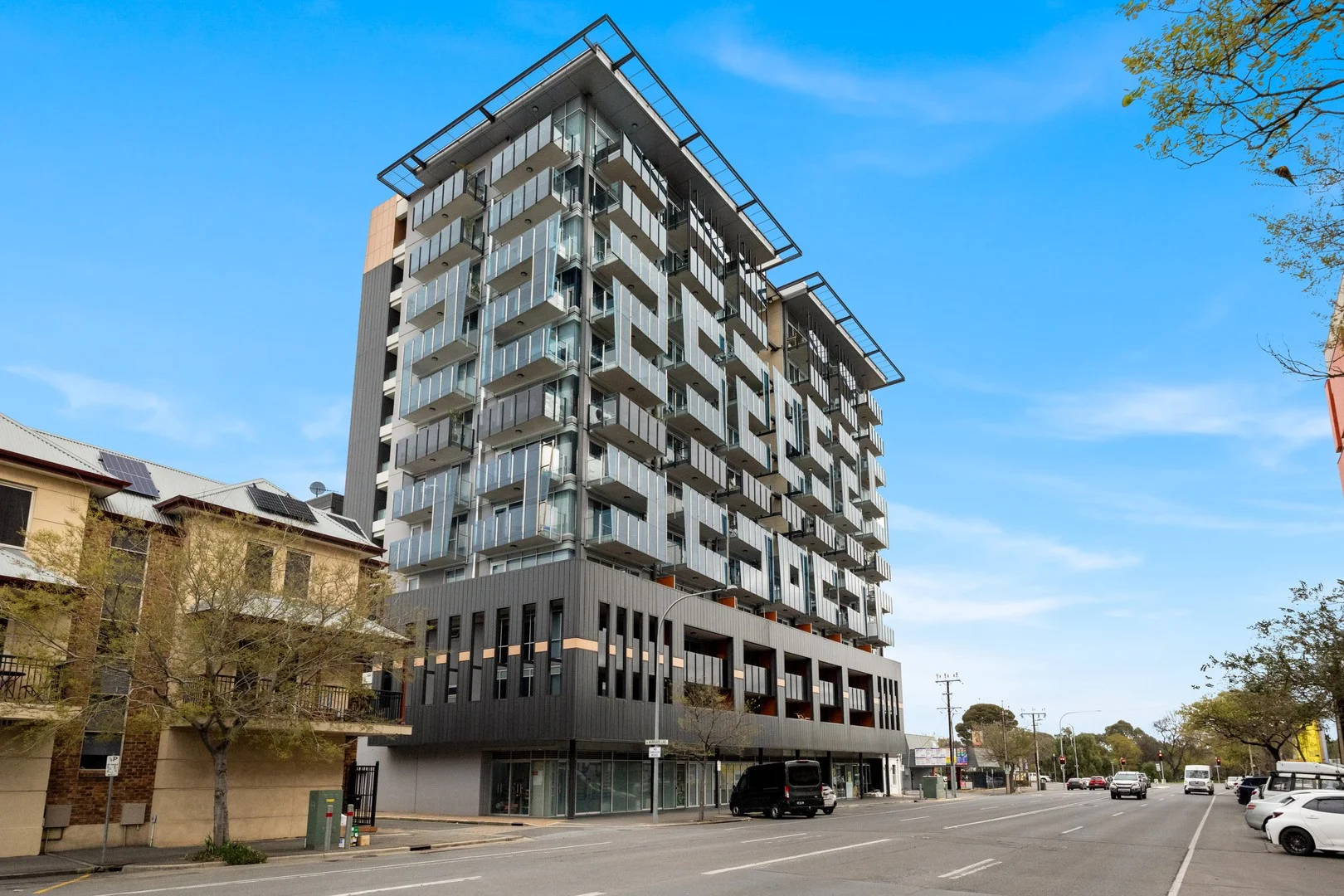 $1,100,000
Apartment / Unit / Flat
$1,100,000
Apartment / Unit / Flat
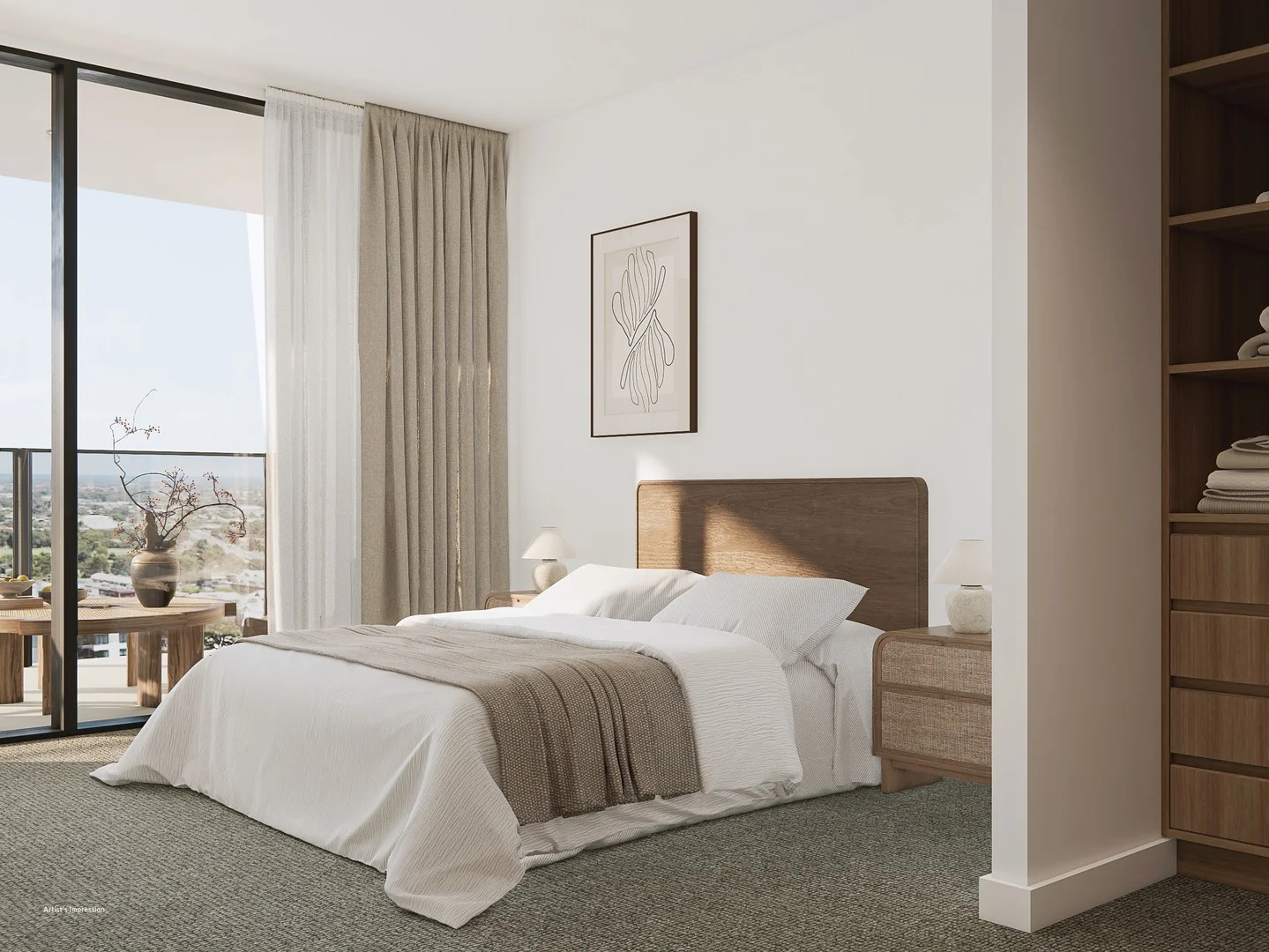 $935,000
Apartment / Unit / Flat
$935,000
Apartment / Unit / Flat
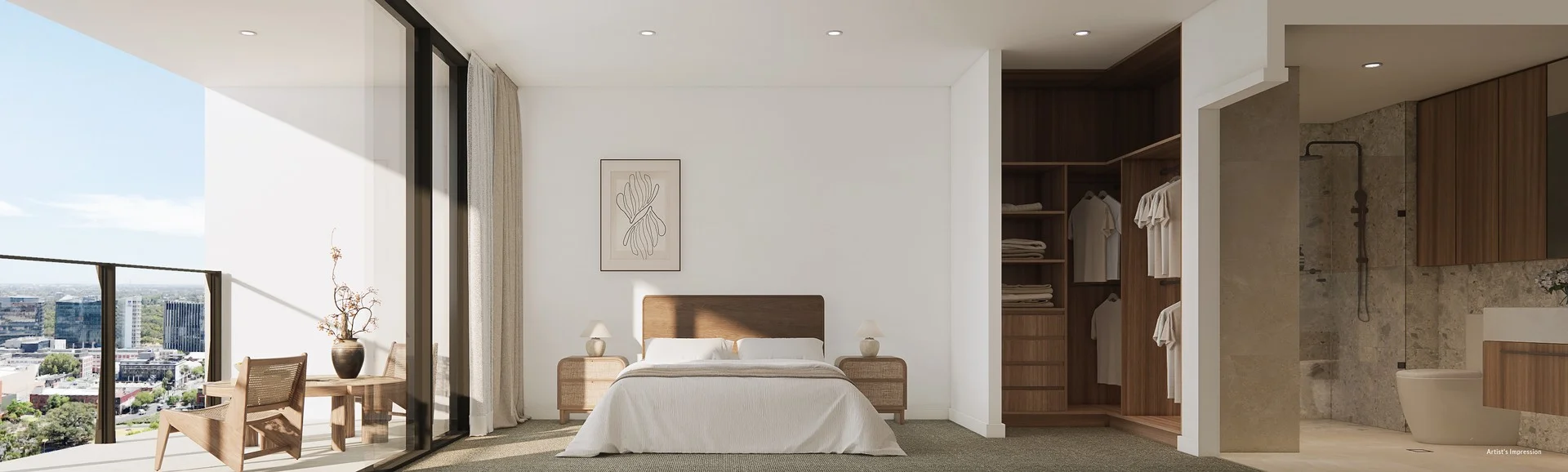 $1,056,000
Apartment / Unit / Flat
$1,056,000
Apartment / Unit / Flat
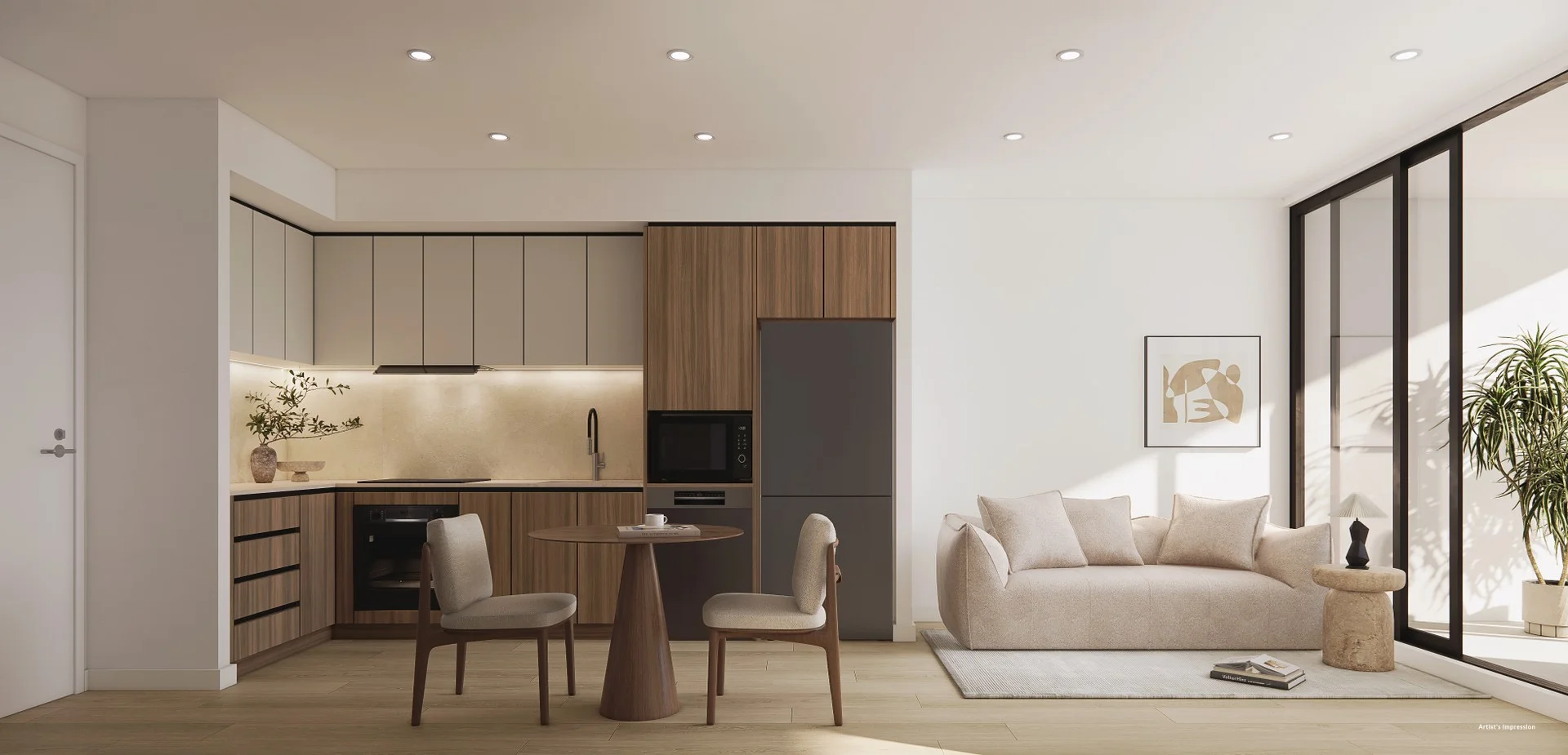 $588,000
Apartment / Unit / Flat
$588,000
Apartment / Unit / Flat
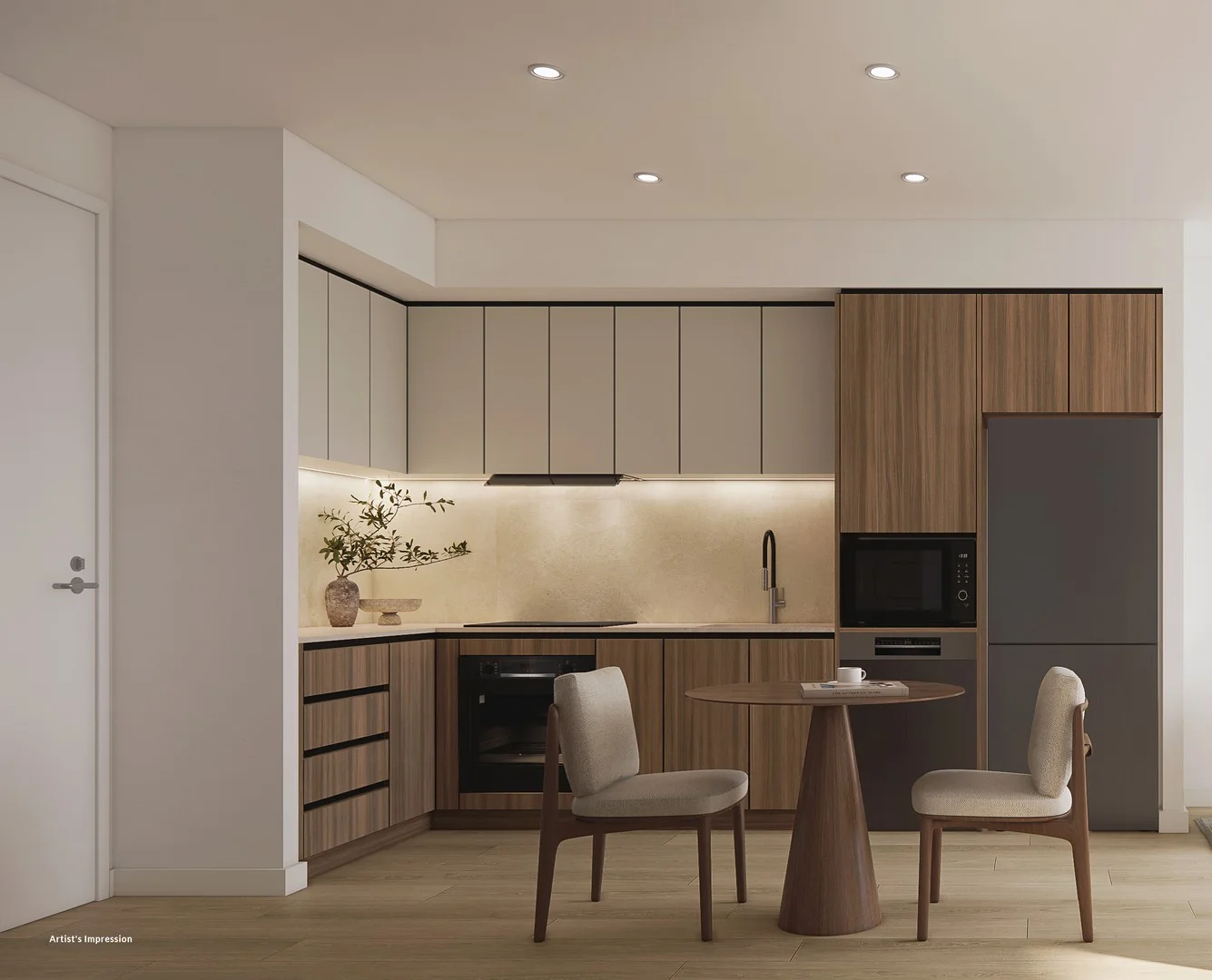 $557,000
Apartment / Unit / Flat
$557,000
Apartment / Unit / Flat
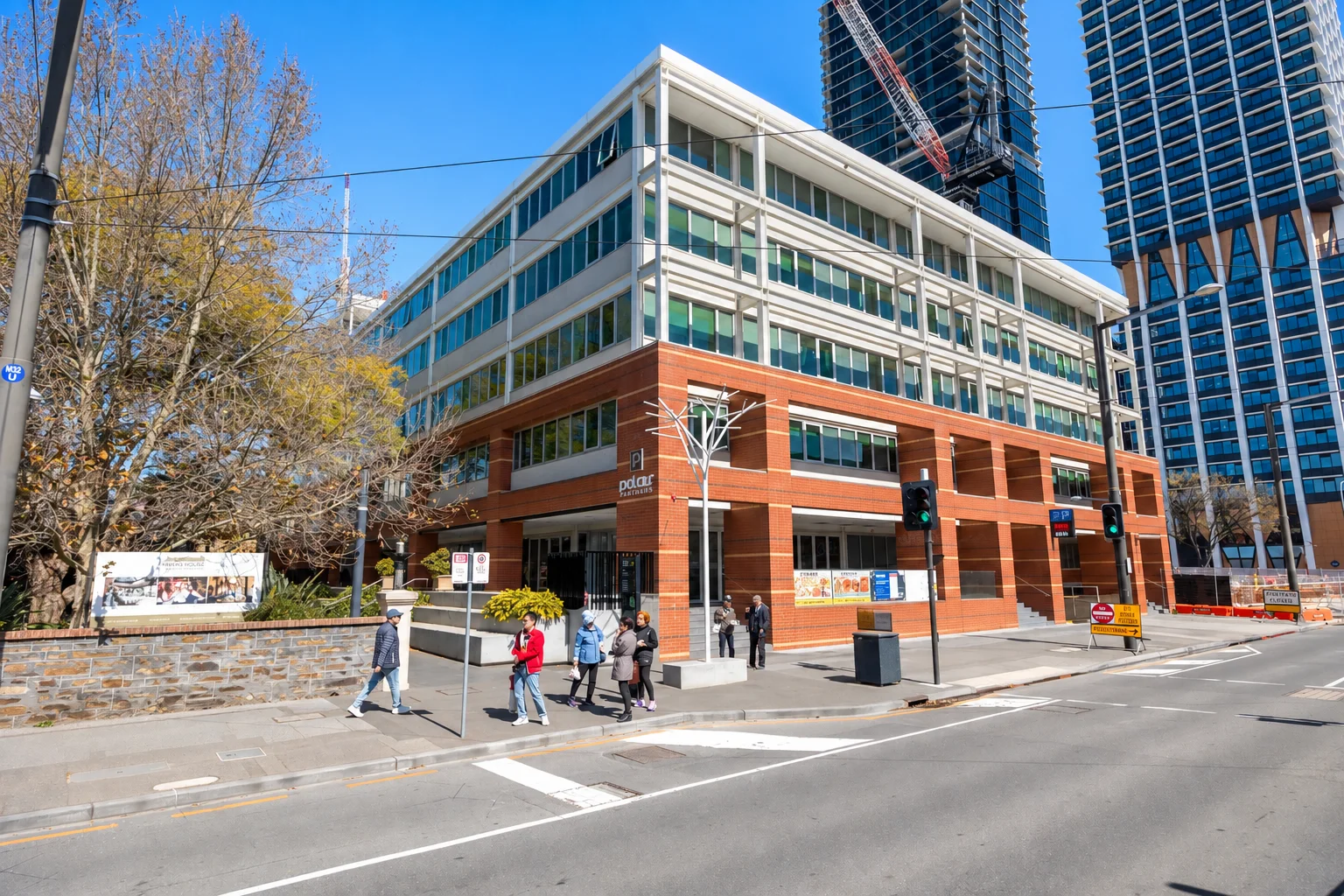 $545,000
Apartment / Unit / Flat
$545,000
Apartment / Unit / Flat