# 1. Overview
Urrbrae Agricultural High School is a public, co-educational high school with a strong focus on agricultural education and hands-on science. Located in the Adelaide area, the school supports a medium-sized student community where practical, real-world learning sits alongside traditional academics. The campus combines science facilities, agricultural education spaces, and general classrooms to foster inquiry, collaboration, and community.
- School type: Public
- School size: Medium
- Class size: Mid-range (typical classes around the low- to mid-20s)
- Atmosphere/culture: Academic, inclusive, with a strong emphasis on agriculture, science, and practical learning
⸻
# 2. Academics & Learning
- Academic strengths: STEM and agricultural sciences are core strengths, complemented by English and humanities. The school encourages leadership and problem-solving through project-based learning and real-world applications.
- Special programs: Agricultural education pathways and science-focused programs; opportunities for leadership development and participation in school-based initiatives that link to broader STEM and agricultural communities.
- NAPLAN / trends: Historical performance has shown stability with typical year-to-year fluctuations. Trends often reflect steady gains in literacy and numeracy alongside strong performance in science and agriculture-related subjects.
- Student-teacher ratios: Mid-range class sizes with a focus on accessible support; teacher-student ratios generally around 1:18–1:22, varying by subject and year level.
- Support for diverse learners: Dedicated learning support teams, including assistance for students with diverse learning needs and EAL support as required; inclusive education practices and accommodations are available.
⸻
# 3. Sports & Extracurricular Strengths
- Sports offered: Soccer, netball, basketball, cricket, football/rugby, athletics, tennis, and other team or individual activities.
- Strong teams or achievements: Active participation in district and inter-school competitions; regular opportunities for inter-school sport and premiership pathways.
- Music, arts, drama programs: School ensembles and choir, public performances, drama productions, and involvement in arts events and showcases.
- Clubs: Robotics, coding, chess, debating, science/engineering projects, agriculture-related clubs, and environmental sustainability groups.
- Partnerships: Connections with local agribusinesses, universities, and community organizations; participation in regional competitions and collaborative projects that extend classroom learning.
⸻
# 4. Wellbeing & Pastoral Care
- Anti-bullying approach: Clear anti-bullying policies with restorative approaches to resolution and a focus on a safe, respectful school climate.
- House system: House-based systems or similar pastoral structures to foster belonging, mentorship, and healthy competition.
- Counsellors / wellbeing officers: Access to guidance counsellors and wellbeing staff who provide social-emotional support and mental health resources.
- Transition support for new students: Orientation programs, buddy systems, and targeted supports to help new students settle in and build connections.
⸻
# 5. Facilities
- Sports grounds: Outdoor fields and courts for a variety of sports.
- Libraries: Library facilities that support study, research, and reading for pleasure.
- Science labs: Well-equipped laboratories for biology, chemistry, physics, and agricultural science.
- Music/performing arts centers: Spaces for music, drama, and performances.
- Tech/innovation labs: Dedicated spaces for technology, coding, and innovation projects.
- Cafeteria: On-site canteen or cafe-style dining area with meal options.
- Updated playgrounds: Modern, safe outdoor spaces for breaks and recreation.
⸻
# 6. School Values & Community Culture
- School values / mission: Emphasis on agriculture, science, integrity, respect, and community. A mission that blends practical skills with academic achievement and service.
- Leadership style: Collaborative leadership with opportunities for student voice and leadership roles; emphasis on responsibility and teamwork.
- Behaviour expectations: Clear codes of conduct focused on respect, safety, accountability, and inclusivity.
- Community reputation: Positive standing within the local and educational community, with active involvement from families and local partners.
- Diversity & inclusion: Commitment to an inclusive environment with support for diverse learners and an emphasis on Aboriginal education and reconciliation initiatives.
⸻
# 7. School Logistics & Daily Operations
- School hours: Typical day runs approximately 8:30 am–3:10 pm, with variations for some subjects and activities.
- Before/after school care: After-school care options may be available through OSHC providers or school-supported programs.
- Uniform requirements: Standard uniform policy with appropriate seasonal adjustments; sports uniforms for team activities as required.
- Transport (train/bus routes): Bus services and public transport options to and from the school area; school liaison may assist with route planning.
- Canteen availability: On-site canteen or café-style options offering lunch and snack choices.
- Fees (low/medium/high ranges): Public school fees are generally modest, with additional costs for uniforms, excursions, and resource fees as applicable.
⸻
# 8. Enrolment & Admissions
11. What is the enrolment process and timeline?
- Enrolment is typically initiated through the South Australian Department for Education process. Families submit required documentation (proof of residency, previous school records, etc.). Timelines vary by school year and intake period; the school provides guidance on expected decision dates and orientation activities.
12. Is there a waiting list, and how does it work?
- There may be a waiting list when year levels reach capacity. Waiting lists generally operate in order of application date, with priority considerations (e.g., catchment eligibility, sibling priority) applied as defined by the governing authority.
13. Are there any entry requirements, tests, or interviews?
- The school generally accepts students based on standard enrolment procedures. Some programs or pathways may involve information sessions or interviews, but the school is not typically selective by academic testing alone. Specific program requirements will be clarified during the application process.
14. Does the school accept mid-year transfers?
- Mid-year transfers are considered if spaces are available. Applications should be submitted promptly, and the school will advise on transition arrangements, enrolment steps, and any required documentation.
⸻
# 9. Frequently Asked Questions
- Why Parents Choose This School?
- Strong integration of agriculture with STEM and sciences, supportive pastoral care, and practical, hands-on learning that connects classroom work to real-world outcomes.
- What type of student thrives at this school?
- Students who are curious about agriculture, science, and hands-on projects; those who value collaboration, leadership opportunities, and a balanced approach to academics and extra-curriculars.
- What opportunities are available for students to extend their skills (academics, sports, arts)?
- Advanced science and agriculture programs, leadership roles, sports teams, musical groups, drama productions, robotics and coding clubs, debating, and various competitions.
- How does the school communicate with parents?
- Through newsletters, email updates, parent-teacher interviews, and possibly a digital portal; messages about events, notifications, and student progress are shared regularly.
- What is the school’s approach to teaching and learning?
- A mix of traditional instruction and inquiry-based, project-oriented learning; emphasis on practical applications, digital learning tools, and real-world problem solving.
- How does the school support students who need extra academic help?
- Access to learning support staff, targeted interventions, tutoring or small-group support, and EAL assistance where required.
- What support is available for academic challenges?
- Dedicated guidance and learning support teams, early intervention strategies, and accommodations for students with additional needs.
- How does the school communicate with parents? (Repeated)
- See above: regular updates via newsletters, emails, portals, and parent interviews.
- What are the class sizes and how much individual attention do students receive?
- Class sizes are mid-range with a focus on accessible teacher support; student-teacher ratios typically around 1:18–1:22, depending on subject and year level.
- What extracurricular and sports opportunities are available?
- A broad range of sports (team and individual), music and drama, robotics, coding, chess, debating, agriculture clubs, and partnerships with local organizations.
- What facilities does the school offer (sports, science, arts)?
- Comprehensive facilities including sports grounds, libraries, science labs, performing arts spaces, tech/innovation labs, a cafeteria, and modern outdoor spaces.
- What is the school’s approach to technology and digital learning?
- Emphasis on digital tools, computer labs, coding and IT programs, and integrating technology into everyday learning to enhance collaboration and creativity.
- What transport and accessibility options are available?
- Access to public transport and school bus services; information and support available to help families plan routes and travel.
- What are the typical school fees or additional costs?
- Public school enrollment generally involves low to moderate fees, with additional costs for uniforms, excursions, and optional activities.
⸻
# 10. Short Pros & Cons
- Pros
- Strong focus on agriculture integrated with STEM and science
- Supportive wellbeing and pastoral care
- Solid facilities for science, technology, performance arts, and sports
- Wide range of extracurriculars and clubs
- Inclusive environment with emphasis on diversity and community
- Cons
- Being a public school, elective options may be influenced by capacity and staffing
- Some programs may involve additional costs for uniforms, excursions, or materials
- Transport convenience varies by family location; check local routes and timings
⸻









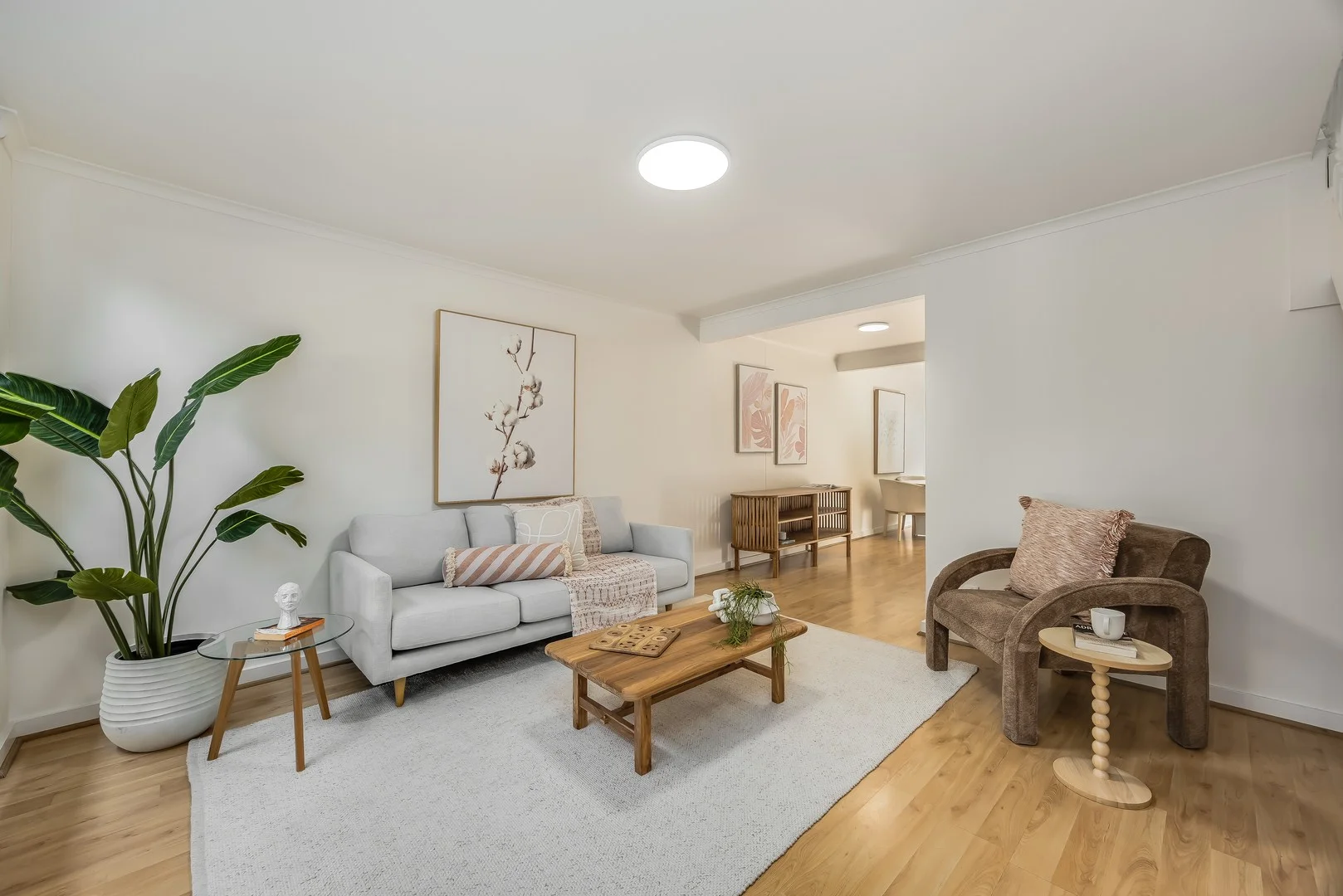 $775,000
House
$775,000
House
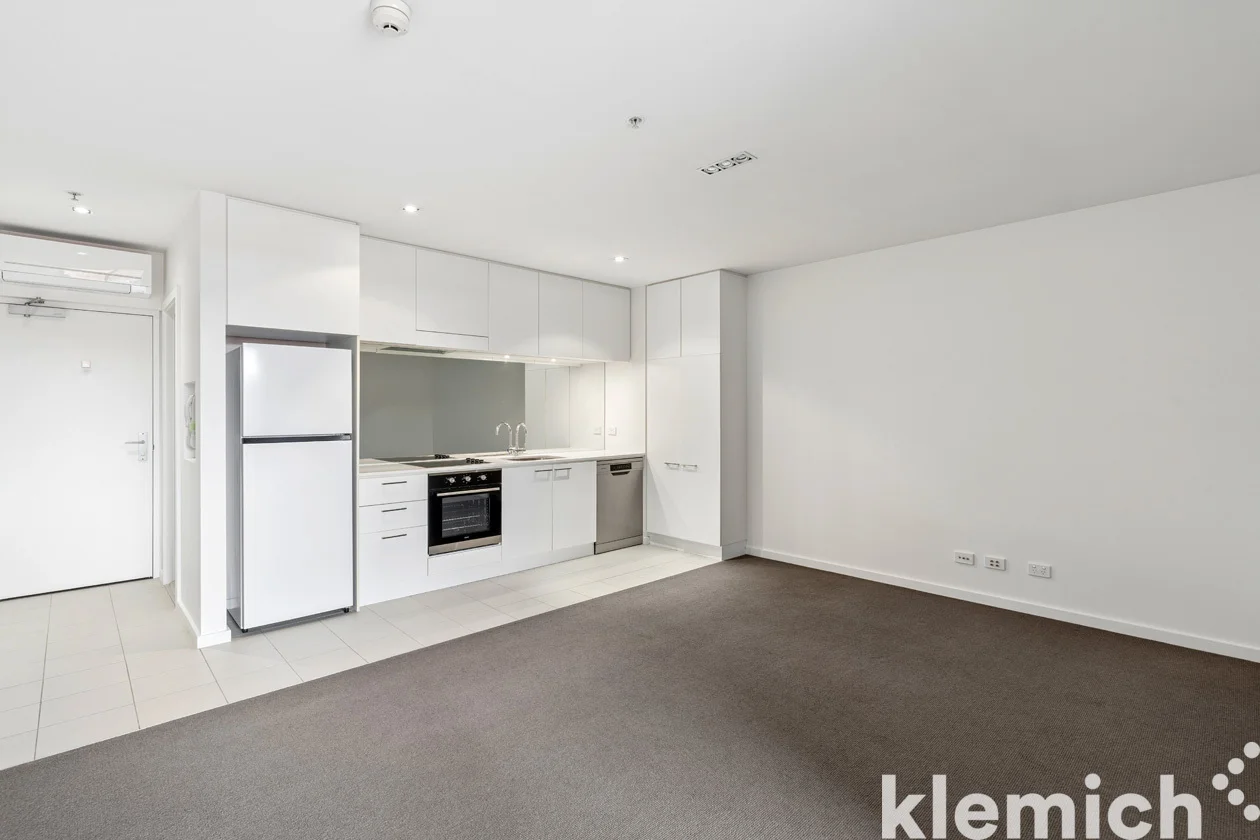 $440,000
Apartment / Unit / Flat
$440,000
Apartment / Unit / Flat
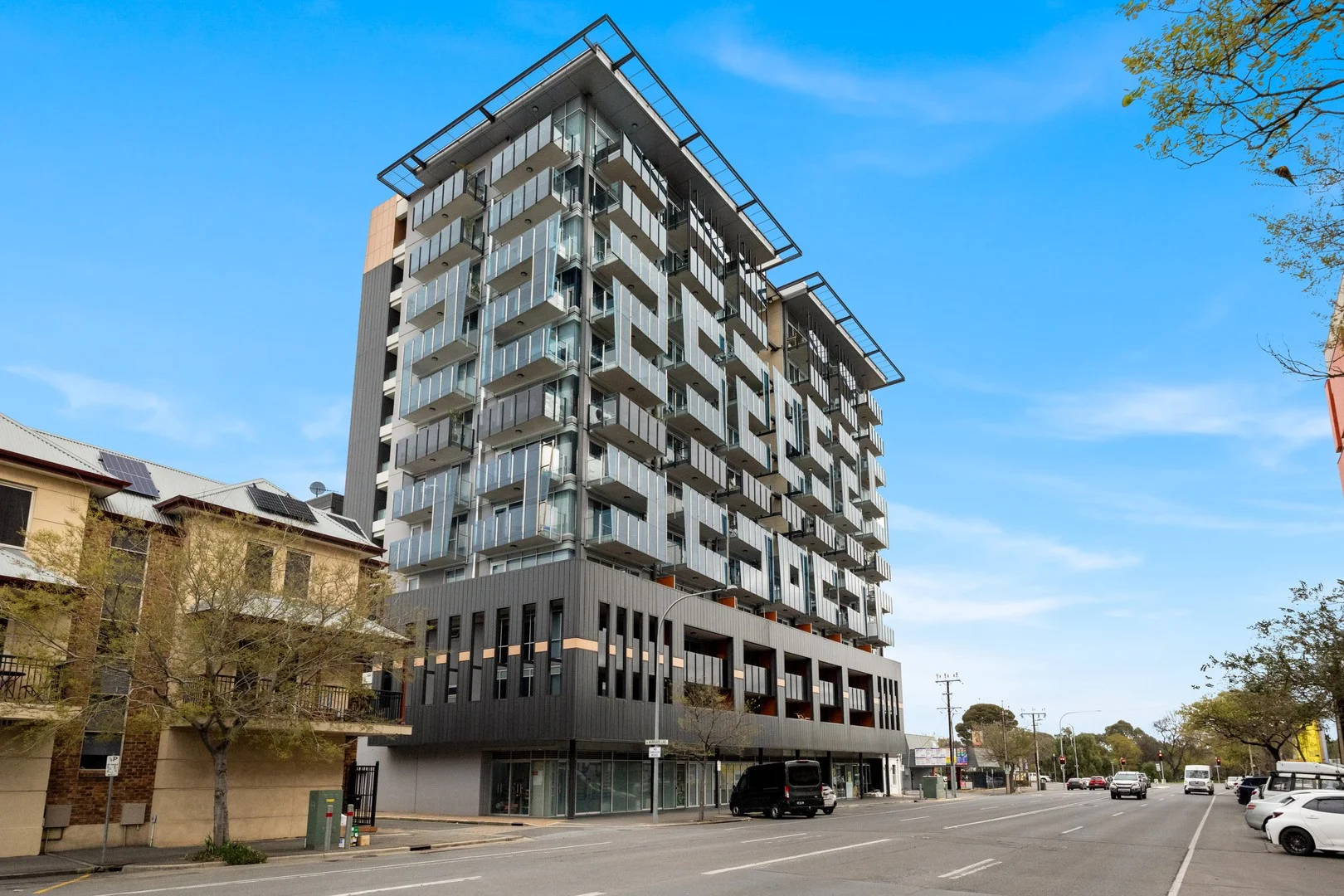 $1,100,000
Apartment / Unit / Flat
$1,100,000
Apartment / Unit / Flat
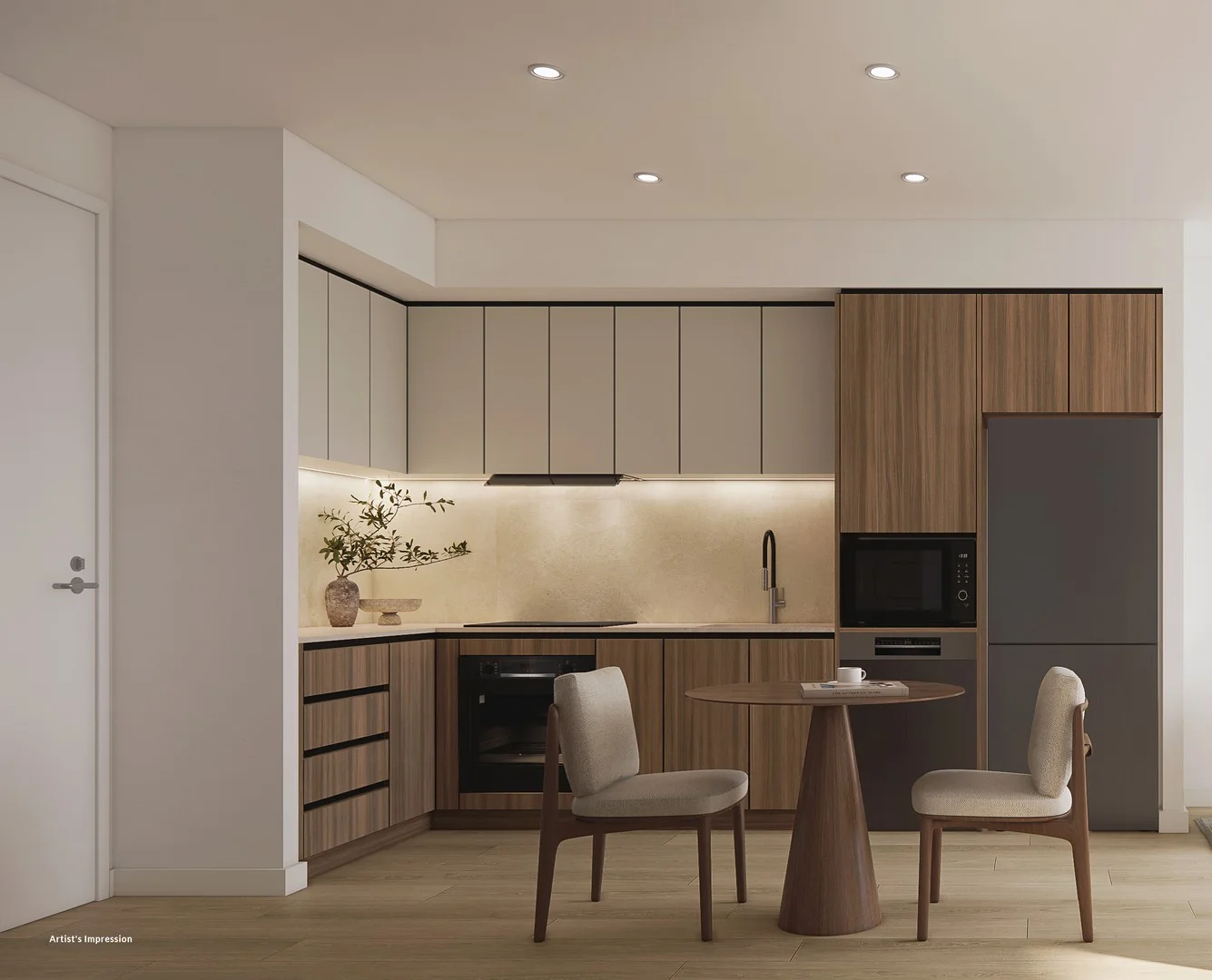 $557,000
Apartment / Unit / Flat
$557,000
Apartment / Unit / Flat
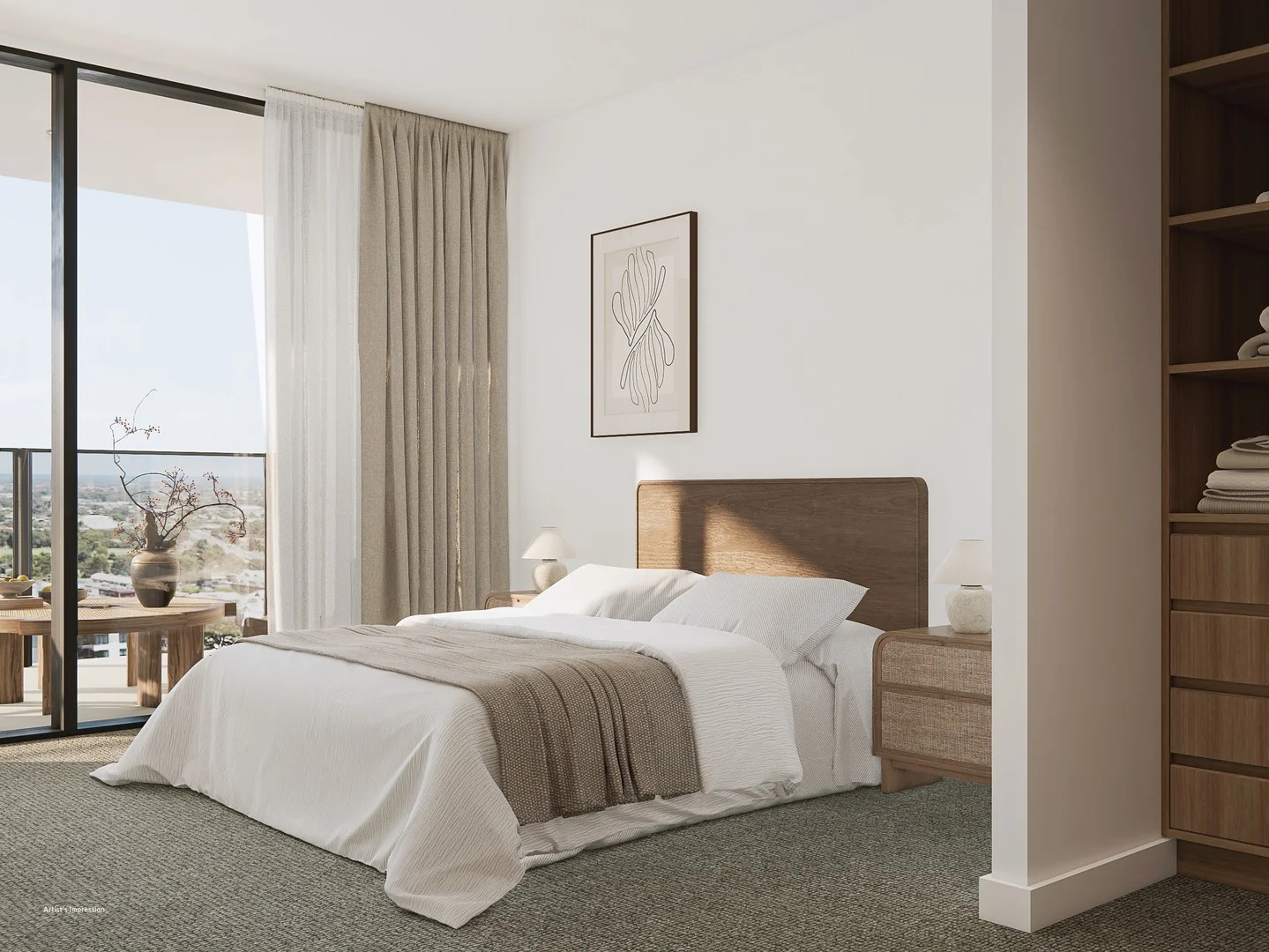 $935,000
Apartment / Unit / Flat
$935,000
Apartment / Unit / Flat
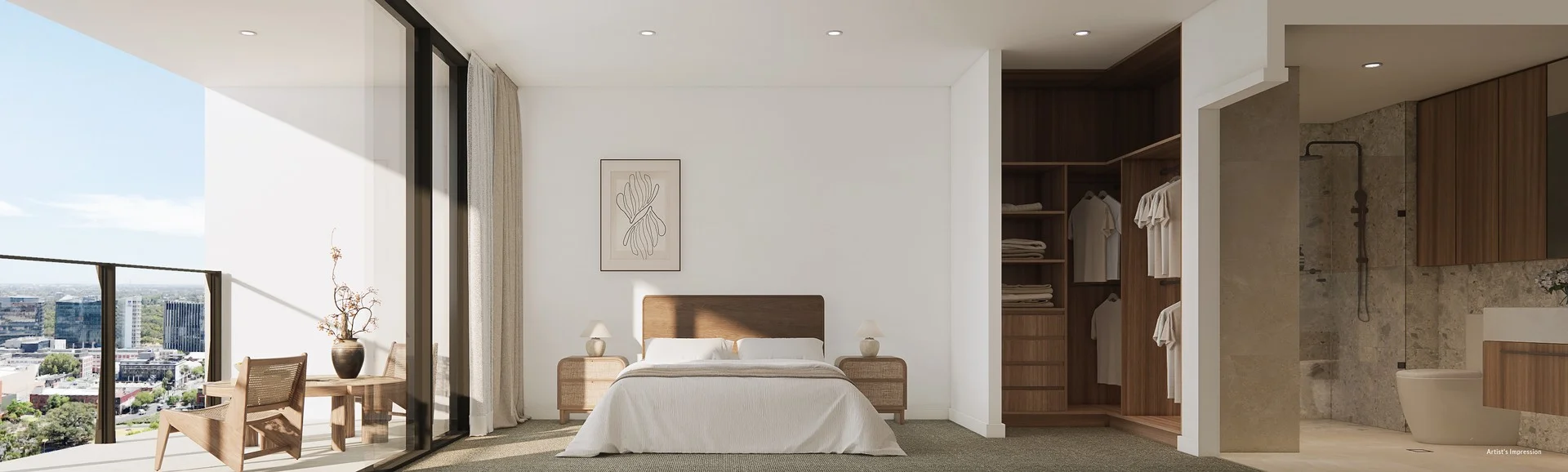 $1,056,000
Apartment / Unit / Flat
$1,056,000
Apartment / Unit / Flat
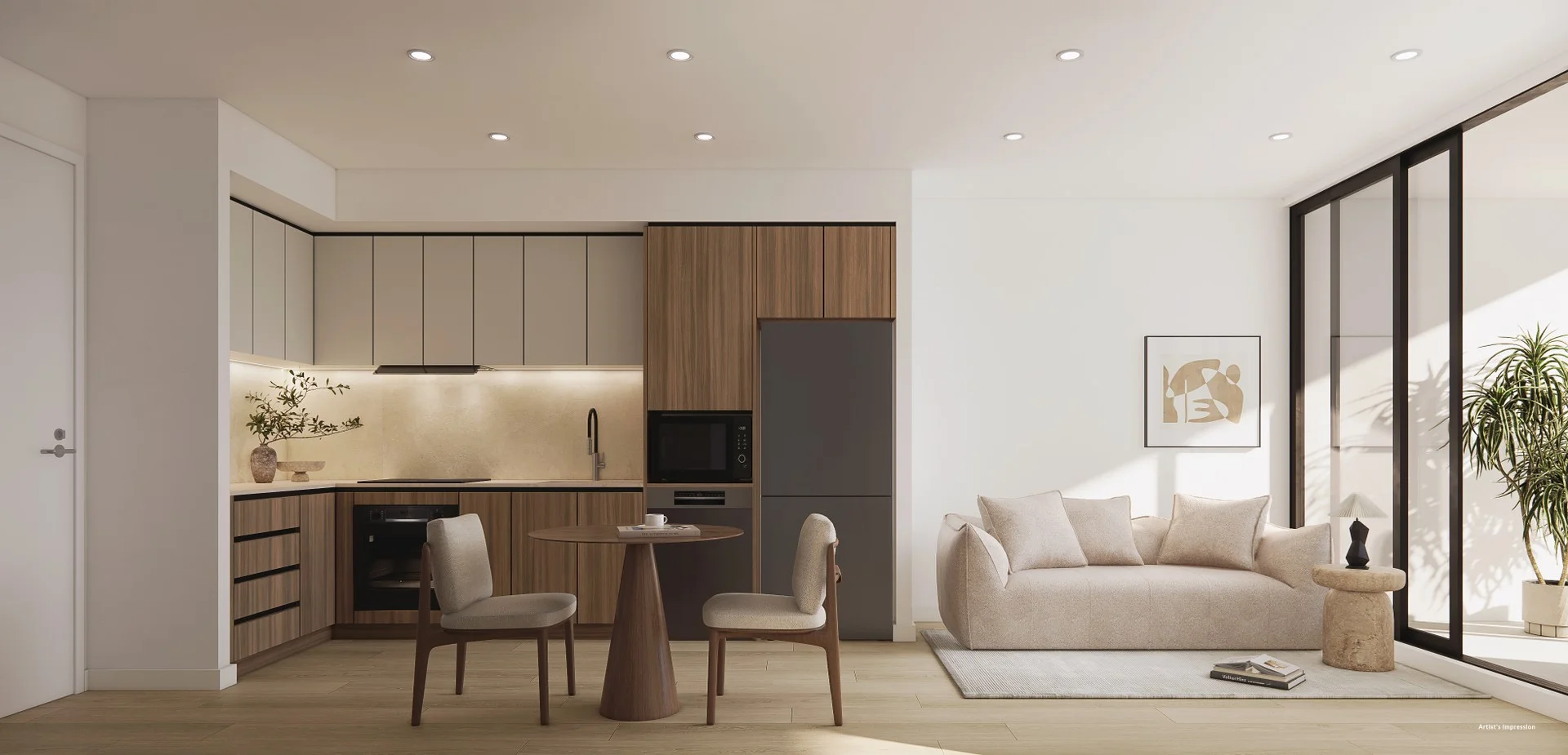 $588,000
Apartment / Unit / Flat
$588,000
Apartment / Unit / Flat
 $545,000
Apartment / Unit / Flat
$545,000
Apartment / Unit / Flat